
Reviewed · ARASHIYAMA BAMBOO GROVE TOURS
Explore Arashiyama Bamboo Forest with Authentic Zen Experience
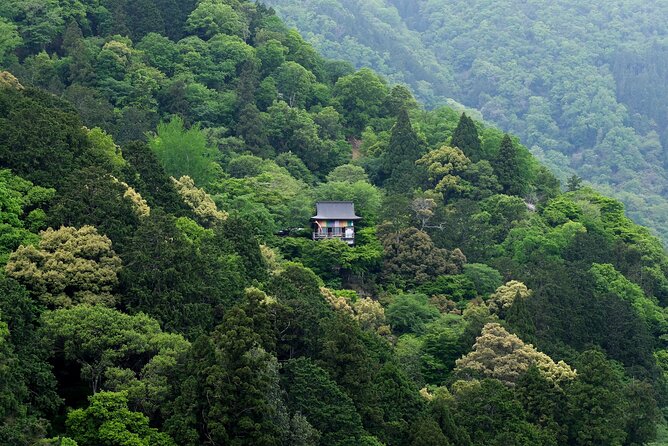
Arashiyama’s famous bamboo path is only the opening act here. The real prize is Daihikaku Senkoji, a hilltop temple where a Buddhist monk leads you through meditation and sacred chants in a quiet setting above the Hozu River valley. You also get Kyoto views, tea, snacks, and a finish at Kimono Forest.
I like the way this tour joins Arashiyama’s well-known sights with a less ordinary spiritual experience. I also like the private format, since your group can move at its own pace and ask direct questions through an English-speaking guide such as Miya or Miyake. The catch is simple: the climb takes effort, and the early city walking can feel long before the mountain section begins.
Key points to know before you book
- A real Zen session with a monk: Set aside about an hour for meditation, chants, and Buddhist teaching at Daihikaku Senkoji.
- A hilltop reward: The temple offers broad views over Kyoto, Arashiyama, and the Hozu River valley.
- More than the bamboo path: You visit Togetsukyo Bridge, Nonomiya Shrine, Kameyama Park, and the Randen station area.
- A private four-hour outing: Only your own group participates, with an English-speaking guide.
- A physical walk: Expect city walking, an uphill trek, and stairs or uneven ground on the route.
- An easy finish: Traditional snacks, Kimono Forest, and a foot bath at Randen Keifuku Arashiyama station round out the afternoon.
Why this Arashiyama tour feels different
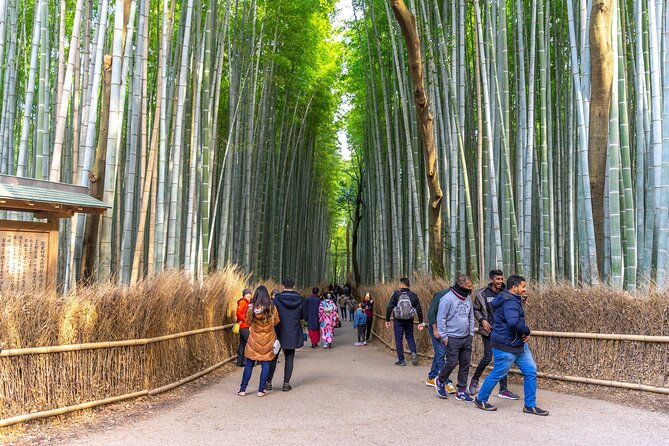
Many visitors come to Arashiyama for one famous photograph: tall bamboo rising on both sides of a narrow path. That path is lovely, but it can also be crowded and brief. This experience uses the Bamboo Forest as one part of a longer outing, then leads you toward a quieter mountain temple and a more personal look at Zen practice.
The centerpiece is not a lecture delivered from a distance. You spend roughly an hour at Daihikaku Senkoji with a Buddhist monk who teaches meditation and sacred chants. Your guide translates the steps, which matters if you do not speak Japanese and want to understand what you are doing rather than simply copy the movements.
I especially like the change in pace. The tour begins in the public face of Arashiyama, with its shopping streets, bridge, shrines, and bamboo. It then shifts toward walking, silence, mountain air, and the direct experience of sitting in a temple. That contrast gives the afternoon a clear shape.
The tour costs $114 and lasts about four hours. The value depends on what you want from Arashiyama. If you only want a quick bamboo walk, this is more than you need. If you want a private guide, a monk-led Zen session, a substantial walk, tea, snacks, and a hilltop view in one booking, the price covers far more than a standard sightseeing stroll.
More mornings in Arashiyama and the bamboo grove:
- Kyoto: Fushimi Inari, Kinkakuji, Bamboo Grove 1 Day Bus Tour
★ 4.8 · 4,316 reviews - Osaka/Kyoto:Kinkakuji,Arashiyama,FushimiInariShrine,NaraPark
★ 4.1 · 1,596 reviews - Kyoto/Osaka: Nara, Fushimi Inari Taisha, Arashiyama Bus Tour
★ 4.7 · 1,275 reviews
Starting at Saga-Arashiyama Station at noon
You meet at Saga-Arashiyama Station at 12:00 pm. This is a useful starting point because the tour begins near the main sights rather than requiring hotel pickup, but you need to reach the station on your own. Hotel transport is not included.
The meeting address is 11-1 Sagatenryuji Kurumamichicho in Kyoto’s Ukyo Ward. Check your route carefully before setting out. One person specifically had trouble choosing the correct train line, so give yourself time to confirm the station and train details.
Because the tour ends at Randen Keifuku Arashiyama station, the route works well if you plan to continue around Arashiyama afterward or return by train. Your mobile ticket and booking confirmation make the practical side fairly simple, but you should still have the meeting address ready on your phone.
The private setup is useful here. Only your group takes part, so you are not being folded into a large crowd with strangers. You can ask your guide to clarify the Buddhist customs, the route, or the timing. The supplied information names Miya and Miyake in connection with guiding the experience, and both are praised for making the Zen portion understandable in English.
Togetsukyo Bridge and the first look at Arashiyama
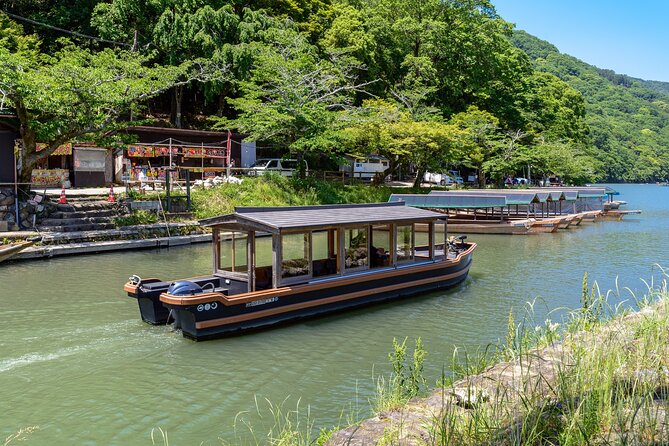
The opening section takes you through Arashiyama’s Main Street and toward historic Togetsukyo Bridge. This gives you the classic town view before the walking route turns toward the forest and temple grounds.
Arashiyama was once a retreat for Kyoto’s imperial court, and the area still has a sense of leisure built into it. The bridge, river, shops, and wooded hills explain why this has long been one of Kyoto’s favorite day-trip districts. You are not rushed straight to one attraction, and that is a good thing if you want some orientation.
The first listed stop lasts about 30 minutes and has no separate admission charge. You should think of it as a guided introduction rather than a full visit to every part of the town. The route includes city walking before the uphill portion, and that is the part some people may find less exciting.
This is also where the main practical warning begins. The tour is not a short shuttle between sights. You are walking from the station area through public streets and then onward toward the mountain. Wear shoes that can handle a longer walk and bring enough water for the afternoon.
Nonomiya Shrine and the turn toward quieter paths
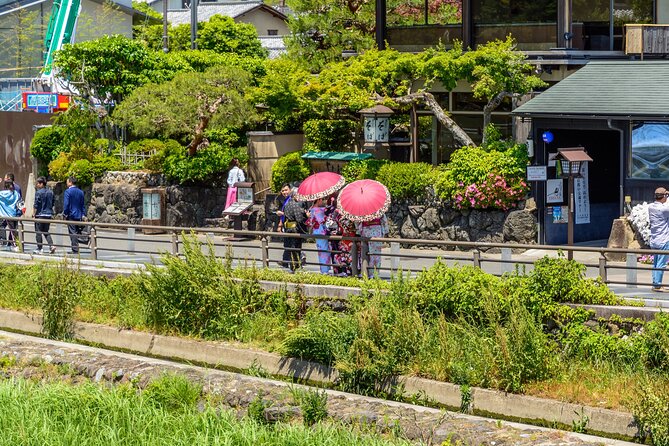
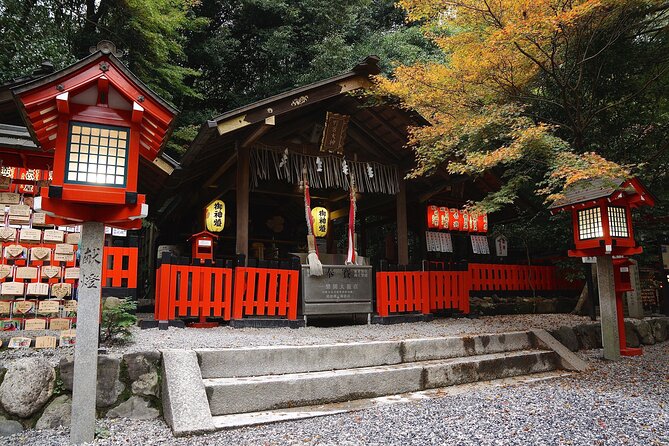
Nonomiya Shrine brings you into one of Arashiyama’s more traditional settings. It is a compact stop, listed at about 30 minutes, and it helps connect the famous bamboo area with the religious side of the district.
The shrine is associated with the route through the Bamboo Forest, so this section may be busier than the temple visit later. Your guide can give context about Buddhism and the sacred places along the way, and the private format gives you a better chance to ask questions than you would have on a self-guided walk.
The itinerary describes conversations about Buddhist teachings here before the route continues toward Daihikaku Senkoji. That transition is important. The tour is not presenting Zen as a decorative add-on to a sightseeing walk. It gradually moves you from public landmarks into a setting where the teaching becomes the main reason for stopping.
Expect the first part of the outing to feel more like a standard Arashiyama walk. The quieter, more unusual experience comes later, so do not judge the tour too early if the opening stretch feels familiar.
More zen sittings and garden visits in Kyoto:
- Kyoto Zen Meditation & Garden Tour at a Zen Temple with Lunch
★ 5.0 · 441 reviews - Kyoto: Zen Experience in a Hidden Temple
★ 5.0 · 437 reviews - Kyoto: Tea Ceremony Meditation – Make Matcha with Tea Master
★ 4.8 · 406 reviews - Kyoto: Zen Meditation at a Private Temple with a Monk
★ 5.0 · 202 reviews
Bamboo Forest and Kameyama Park
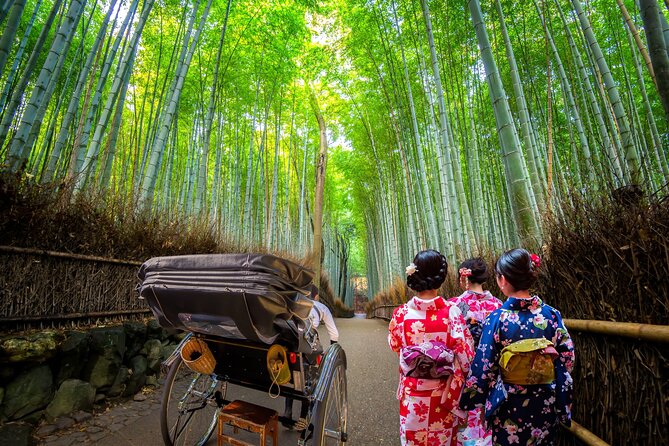
The Bamboo Forest appears in the middle of the route, along with Arashiyama Park’s Kameyama Area. You get the iconic bamboo scenery, but the experience is not limited to standing on the busiest part of the main path for a quick picture.
The route also passes through an older bamboo grove while continuing uphill toward Arashiyama-Kameyama Park. That makes this part more active than a simple photo stop. You should expect a mix of paved streets, park paths, and uphill walking rather than one smooth, level walkway.
Kameyama Park helps change the view. Instead of looking only at bamboo trunks around you, you begin to gain height and see more of the surrounding area. The park stop is listed at about 30 minutes, though the full movement between sights is part of the experience too.
Crowds are a factor around the popular bamboo area. One account of the outing describes tourists being noisy and disruptive, which is a useful warning rather than a reason to avoid Arashiyama. The monk session and hilltop temple are the parts that provide calm. The bamboo path itself may not be peaceful at every moment.
The climb to Daihikaku Senkoji
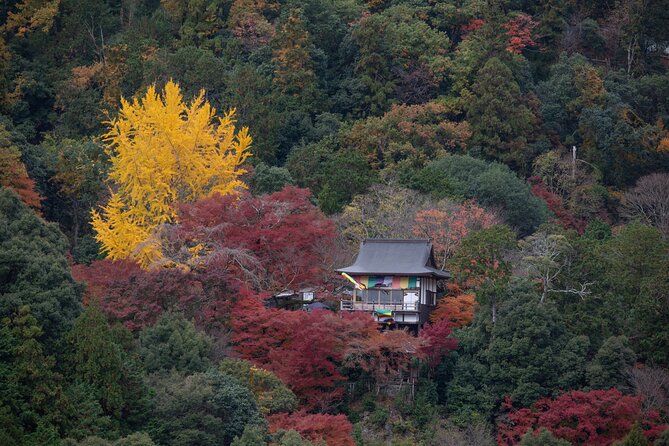
Daihikaku Senkoji is the heart of the tour. The temple sits high above the area, and reaching it requires a substantial walk. The listed stop lasts about an hour and a half, making it the longest and most important section of the afternoon.
The climb is not a minor detail. Several people describe the hiking as demanding, and one person notes that the walk to the temple requires energy and endurance. If you have limited mobility, dislike uphill routes, or want a gentle afternoon, this may not suit you.
For the right person, the effort pays off. At the top, you get broad views of Kyoto, Arashiyama, and the Hozu River valley. The views are repeatedly described as breathtaking, but the practical point is even more useful: the height and quiet create a clear break from the crowded streets below.
The temple visit is also where the experience becomes personal. A Buddhist monk teaches meditation and sacred chants for about an hour, with translation from your guide. You are not simply looking around a temple and taking photographs. You are given time to sit, listen, and try a practice that is difficult to understand from a signboard alone.
The monk is described as gracious and informative, and that fits the setting well. A good Zen lesson depends on a calm teacher and a guide who can translate both words and procedure. Miya and Miyake are the guide names connected with this experience, and the guiding role is especially important during the meditation portion.
Do not expect a retreat lasting several days. This is a compact introduction inside a four-hour sightseeing route. Still, it offers something many Kyoto tours leave out: direct participation in a Buddhist practice at a mountain temple.
Tea, chants, and the value of a slower hour
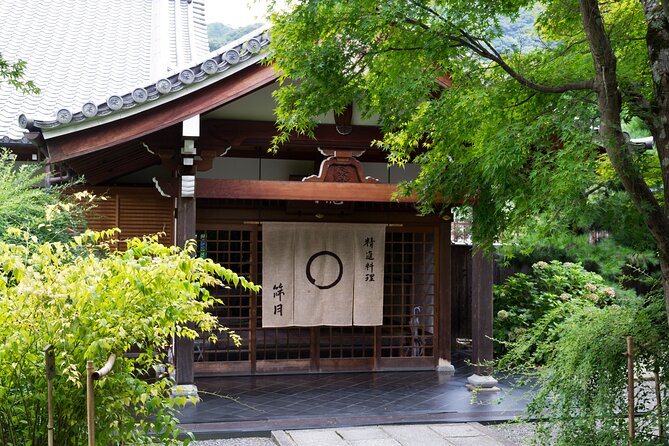
The meditation session is the reason to choose this tour over a normal Arashiyama walking route. You learn how to meditate and take part in sacred chants, while the guide explains the steps in English.
That translation makes the experience accessible without stripping it of its setting. You are in an isolated Buddhist temple, not in a classroom built for tourists. The surroundings give the lesson weight, while the guide helps you follow along.
A traditional tea ceremony is also part of the outing, set amid the quieter surroundings. The supplied details do not specify how long the ceremony lasts or exactly where it takes place, so I would treat it as a short cultural pause rather than a full formal tea school lesson.
Snacks are included as well. They are not a substitute for lunch, so plan your food around the noon start and four-hour duration. The tour includes personal expenses only at your own cost, which means extra drinks, meals, or shopping are not covered.
The combination of tea, meditation, chants, and snacks gives the afternoon a human rhythm. You walk, stop, listen, sit, and then continue. That is a better fit for someone seeking a thoughtful cultural experience than for someone trying to race through every Arashiyama landmark.
Finishing at Kimono Forest and the Randen station
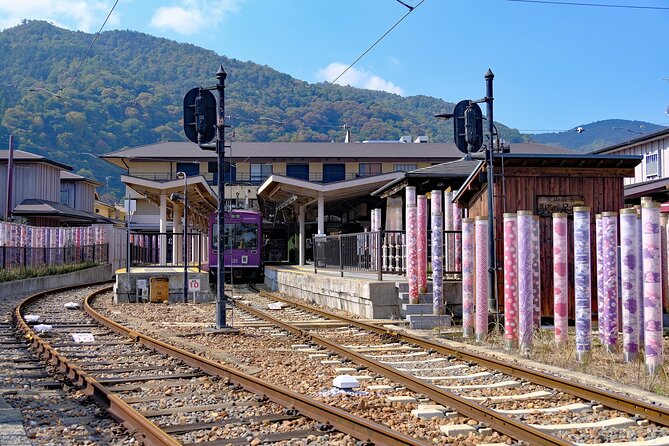
The final stop is Randen Keifuku Arashiyama station, where the Kimono Forest provides a colorful finish. Its columns display traditional kimono patterns, creating a different visual mood from the green bamboo and wooden temple spaces earlier in the route.
You can also enjoy traditional Japanese snacks and soak your feet in a foot bath. After the climb to Senkoji, that foot bath sounds less like a novelty and more like sound planning.
The tour ends at the station, not back at your hotel or the original meeting point. That matters when arranging the rest of your day. You can continue from Arashiyama station, but personal transport afterward is your responsibility.
This final stop is also a good reminder that the tour covers several sides of the district. You get the river and bridge, shrine, bamboo, park, mountain temple, Zen practice, tea, snacks, kimono patterns, and a foot bath. No single stop receives a full day, but the range is unusually broad for four hours.
Fitness, timing, and what to bring
The experience calls for moderate physical fitness. That phrase should be taken seriously. The route includes city walking, an uphill trek to Daihikaku Senkoji, and enough time on foot that tired legs are likely by the end.
I would wear comfortable walking shoes and avoid treating this as a dressy temple visit. Bring water, especially since the start is at noon and much of the afternoon is active. You should also leave room in your schedule after the tour if you expect to shop, eat, or visit more sights in Arashiyama.
The private format helps with pace, but it does not remove the hill. A private guide can make the route easier to understand and may help your group manage stops, yet the distance and climb remain part of the deal.
The timing is practical for people who want a morning on their own before joining the tour. It is less useful if you hope to catch an early morning atmosphere at the Bamboo Forest, since the meeting time is noon.
Who gets the best value from $114
At $114, this is not the cheapest way to see Arashiyama. You can walk through the Bamboo Forest and visit public areas without paying for a tour. The price makes sense because it combines a private guide, English translation, a monk-led Zen experience, tea, snacks, and the hilltop temple visit.
I see the strongest value for three kinds of people:
- First-time Kyoto visitors who want the main Arashiyama sights with a clear route and cultural explanation.
- Active visitors who enjoy walking and see the climb as part of the reward.
- People seeking a more personal experience than a photo stop, especially those interested in meditation and Buddhist practice.
It is a weaker choice if your priority is a relaxed, flat walk or a quick visit to the bamboo. It may also feel costly if you are not interested in the Zen session, since much of the tour’s special value comes from the monk and temple.
Group discounts are available, and the activity uses a mobile ticket. Confirmation is received at booking. Free cancellation is available if you cancel at least 24 hours before the local start time. Inside that window, the payment is not refunded and changes are not accepted.
Should you book this Zen and bamboo experience?
Book it if you want Arashiyama with more substance than a bamboo photograph. The monk-led meditation at Daihikaku Senkoji, the panoramic views, and the private English-guided format give this outing a clear identity.
Skip it if you want to avoid hills, prefer to explore slowly on your own, or have only a short amount of time for the bamboo area. The tour requires energy, and the opening city walk may feel long before the best section begins.
For most active visitors who want a meaningful afternoon in Kyoto, I would consider it a strong choice. Just arrive ready to walk, keep your expectations realistic about crowds near the Bamboo Forest, and save your best energy for the mountain temple.
FAQ
How long does the Arashiyama Zen experience last?
The experience lasts approximately four hours.
Where does the tour begin?
It begins at Saga-Arashiyama Station, at 11-1 Sagatenryuji Kurumamichicho in Kyoto’s Ukyo Ward.
What time does the tour start?
The start time is 12:00 pm.
Where does the tour end?
It ends at Randen Keifuku Arashiyama station, also called Arashiyama Station.
Is the tour private?
Yes. Only your own group participates in the activity.
Is the tour physically demanding?
You should have a moderate fitness level. The route includes city walking and an uphill trek to Daihikaku Senkoji.
Newest Kyoto experiences on the site
- Treasures of Kyoto: Gion & historical Walking Tour★ 5.0 · 6 reviews
- Whisk Your Own Matcha: A Zen Matcha Experience at Temple★ 3.6 · 7 reviews
- Kyoto tea town for matcha lovers★ 5.0 · 16 reviews
- Uji: Private immersion into Kyoto’s tea and reglious culture★ 5.0 · 17 reviews
- Uji and Wazuka Matcha Farm Half Day Private Guided Tour★ 5.0 · 21 reviews
- Kyoto Matcha Green Tea Tour★ 4.5 · 23 reviews
- Utilising upcycled Matcha! Creating matcha incense (Uji, Kyoto)★ 5.0 · 6 reviews
- Sacred Temple Yoga Experience in Japan★ 5.0 · 3 reviews
Arashiyama Bamboo Grove Tours, compared.
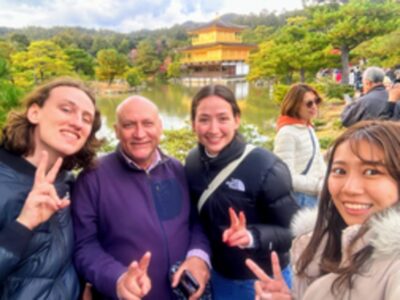
Fushimi Inari, Kinkakuji, Bamboo Grove 1 Day Bus Tour
Read our review →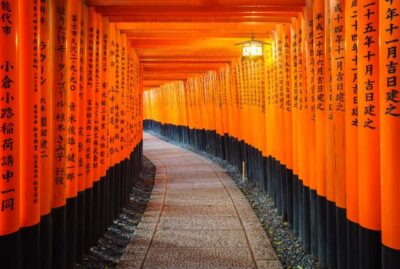
Kinkakuji,Arashiyama,FushimiInariShrine,NaraPark
Read our review →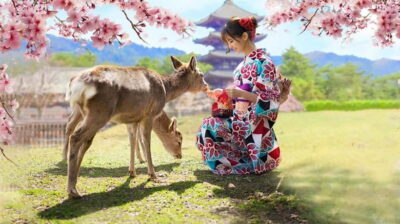
Nara, Fushimi Inari Taisha, Arashiyama Bus Tour
Read our review →
Kyoto Arashiyama Walking Tour: Bamboo, Monkeys, Gardens & Secrets
Read our review →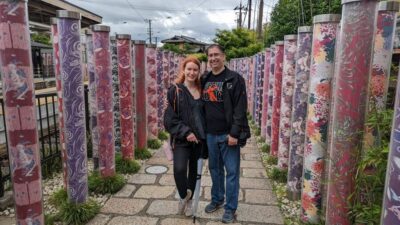
Arashiyama Bamboo, Temple, Monkeys, or Secret Sake Brewery
Read our review →
Arashiyama Bamboo Forest, Monkeys, Matcha & Temple Tour
Read our review →
Arashiyama, Nara & Fushimi Inari Shrine w/Lunch
Read our review →
Nijo, Kinkaku-ji, Arashiyama, Kiyomizu & Fushimi Inari
Read our review →Browse the lists this tour appears in