
Reviewed · KYOTO EARLY MORNING TOURS
Early Bird E-biking through East Kyoto
Kyoto makes most sense at street level, and this early-morning e-bike ride covers a remarkable sweep of the city before the day reaches full volume. You pedal beside the Kamogawa River, cut through back lanes, visit Fushimi Inari and Tofukuji, then work your way through Ginkakuji, the Philosopher’s Path, Nanzenji, Gion, and Higashi Honganji. I like the small groups and the chance to cover ground that would take much longer on foot. I also like that lunch and a cafe stop are built in, so you are not left hunting for food during a packed day.
The main thing to weigh is the physical side. The electric assist helps, but this is still a six to seven-hour cycling day through roads, paths, crowds, and a few uphill stretches. One family also found that bike sizing and guiding quality did not meet expectations, so confirm that the bike fits you and be ready to speak up if you need more explanation or photo time.
Key details that shape the day
- Eight riders maximum: The small group makes it easier to keep together and ask questions.
- A broad East Kyoto route: You visit nine major areas, from Fushimi Inari to Gion and Higashi Honganji.
- An early 8 a.m. start: The timing helps you reach popular sights before the heaviest crowds.
- Lunch and coffee included: You get a restaurant meal near Ginkakuji and a cafe stop later in the day.
- Electric bikes and helmets supplied: You do not need to arrange cycling equipment yourself.
- Moderate fitness required: You need to ride confidently for most of the day, including through busy areas and occasional hills.
Why an e-bike works so well in Kyoto
Kyoto’s main sights are spread across a wide area. Fushimi Inari sits south of the central districts, while Ginkakuji, Nanzenji, Heian Shrine, and Gion fill the eastern side. Walking between them is slow, and buses can be crowded or delayed. An e-bike gives you a practical middle ground.
You still move at a human pace. You can notice narrow lanes, canals, temple walls, wooden houses, and changing neighborhoods instead of watching Kyoto pass through a vehicle window. At the same time, the motor takes some strain out of the ride. That matters on a long route.
Do not mistake electric assistance for effortless sightseeing. You will spend much of the day in the saddle, and some sections run through busy streets or uneven paths. One rider who was short found the smaller bike stable and secure, while other riders raised concerns about being given bikes that were too small. At 145 centimeters, you meet the stated minimum height, but bike fit remains important. Check the size at the start.
The group limit of eight is another real advantage. A guide can usually see the whole group more easily, and you have a better chance of getting answers than on a large bus excursion. The experience can also adjust a little to the group. Guides including Juan, Jay, Indra, Paul, Carl, Jaime, Sean, Julian, and Mayco have been praised for humor, safety, local tips, and an easy pace. The individual guide matters here, since the quality of the historical explanation can vary.
More bike days around Kyoto:
- Hidden Kyoto E-Biking tour
★ 5.0 · 1,843 reviews - Bike Tour Exploring North Kyoto plus Lunch
★ 5.0 · 1,087 reviews - Arashiyama Bamboo Forest & Hidden Gems Bike Tour (Early Bird)
★ 5.0 · 613 reviews
Fushimi Inari before the crowds
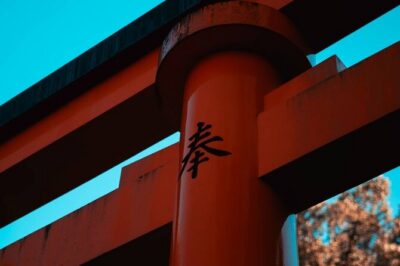
The day begins with a roughly 25-minute ride along the river to Fushimi Inari-taisha. This famous Shinto shrine is known for its long rows of orange torii gates climbing into the wooded hills. You explore on foot for about 30 minutes.
That short visit gives you enough time to understand the place and see the most recognizable section, but it is not a full mountain hike. If you want to reach the upper viewpoints and walk the entire torii route, you will need another visit. The early start is valuable here because Fushimi Inari becomes one of Kyoto’s busiest sights as the morning advances.
Your guide also handles the transition from bike to shrine visit, which keeps the group moving. Remember that this is a working religious site, not only a photo stop. You will see people praying, making offerings, and passing through the gates with purpose.
Tofukuji and the first temple pause
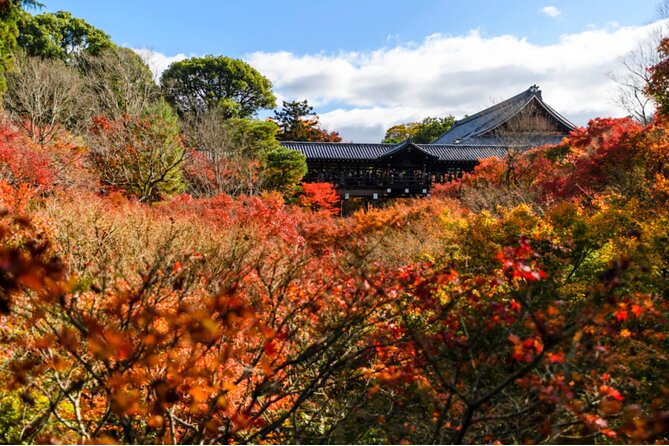
A 15-minute ride brings you to Tofukuji Temple, one of Kyoto’s important Zen temples. The planned stop lasts around 30 minutes and includes time on a picturesque bridge.
Tofukuji is especially appealing in autumn, when its valley fills with color, but the temple grounds remain worthwhile in other seasons. The bridge stop gives you a clear sense of the temple’s setting and lets you pause after the first stretch of riding.
The supplied admission information lists this stop as free, though temple access can sometimes depend on which areas are open. The tour keeps the visit fairly brief, so think of Tofukuji as an introduction rather than a long temple study.
Following the Kamogawa River
The route then spends about 30 minutes along the Kamogawa River. This is one of the best parts of the ride because it breaks up the temple visits with open space and a smoother cycling stretch.
The river paths show a calmer side of Kyoto. You see people using the waterway for daily life, not just sightseeing, and the ride gives you a feel for the city’s scale. It also helps the group settle into a pace before the more crowded eastern districts.
Stay alert. Riverside paths can include other cyclists and pedestrians, and a group moving together needs to leave room for others. The guide’s job is not just to point out sights, but to keep a safe line through changing conditions.
More early starts in Kyoto:
- Kyoto Early Morning Tour with English-Speaking Guide
★ 5.0 · 1,427 reviews - Kyoto: Early Morning Tour with English-Speaking Guide
★ 4.9 · 1,128 reviews - Kyoto Early Bird Walking Tour
★ 5.0 · 377 reviews - From Kyoto: Nara Guided Morning Tour
★ 4.6 · 335 reviews
Ginkakuji, lunch, and the Silver Pavilion setting
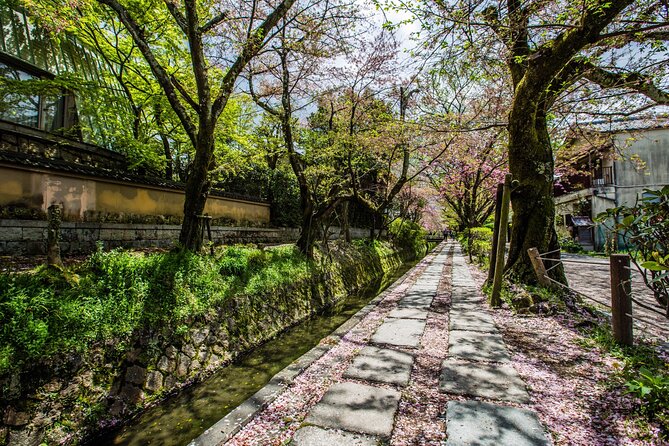
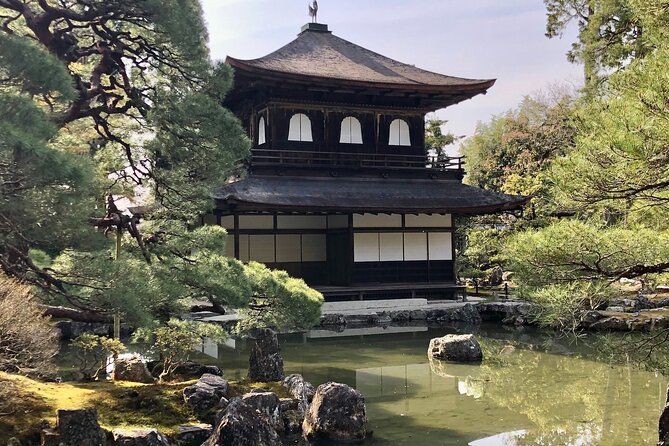
Ginkakuji, often called the Silver Pavilion, is one of Kyoto’s most graceful temple sites. The tour allows about 45 minutes here, including lunch at a nearby restaurant.
The temple is not silver-plated in the way its name might suggest. Its appeal comes from its restrained design, carefully shaped gardens, moss, sand forms, and the wooded hills behind it. You get enough time to walk the grounds, but not enough for a slow, extended visit if you want to linger at every garden feature.
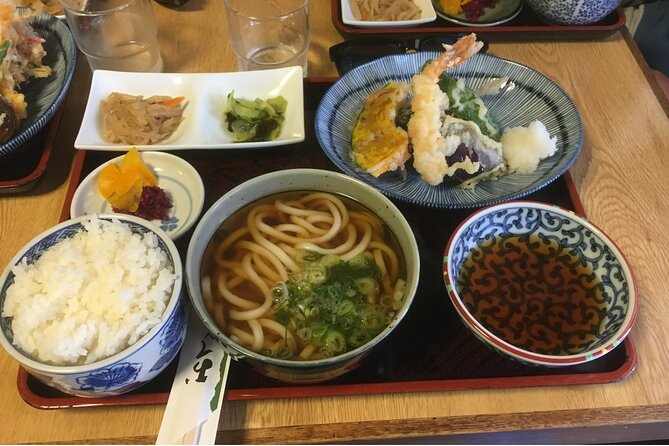
Lunch is a useful inclusion on a day with such a full route. It removes one planning task and lets you eat with the group rather than losing time finding a place on your own. The tradeoff is choice. The meal is arranged near the Silver Pavilion, and one family found the setting busy and the food unremarkable. If you have dietary needs, tell Cycle Kyoto ahead of time.
This is also a point where the tour’s schedule can feel tight. Ginkakuji is popular, and the streets around it can fill up. You may need to keep moving rather than wander at your own pace.
The Philosopher’s Path by bicycle
From Ginkakuji, you cycle along the Philosopher’s Path for about 45 minutes. The stone walkway follows a canal between Ginkakuji and Nanzenji and is one of Kyoto’s most attractive strolling routes.
Cycling here offers a different view from walking. You cover more of the path and connect two major sights without getting back on a bus. In cherry blossom season, this stretch can be especially beautiful, but it can also become crowded. One family had to request extra time for photographs during full bloom, which is a useful reminder: the planned duration includes riding, not unlimited stops.
Use care around pedestrians. The path is not a private bike track, and busy periods demand a slow pace. If photography is important to you, tell the guide early. A small group can often make a short extra stop easier, but the route still has to stay on schedule.
Nanzenji and the great brick aqueduct
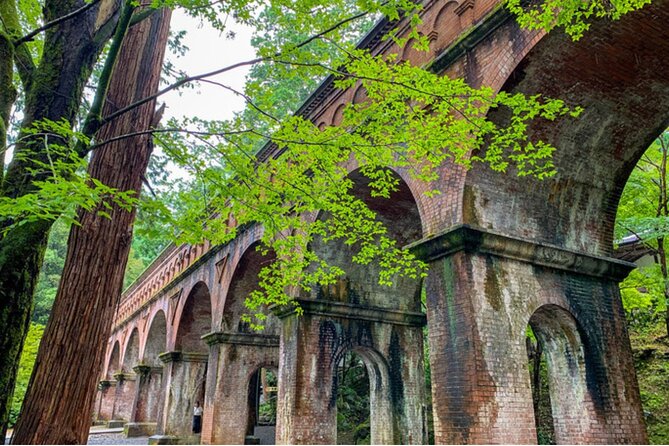
Nanzenji receives about 45 minutes, with time to walk the temple grounds. This is one of the day’s strongest stops. The complex has broad gravel approaches, imposing gates, quiet subtemples, and the famous brick aqueduct that carries the Lake Biwa Canal through the grounds.
The aqueduct is a striking reminder that Kyoto’s old religious districts also connect to practical modern infrastructure. It is one of those places where the guide’s explanation adds real value. You can see the structure yourself, but a good guide helps you understand why it is there and how it fits into the city.
The timing lets you get a feel for Nanzenji without turning the tour into a full temple crawl. If you prefer long, silent visits inside each complex, this route may feel rushed. If you want to see several major places in one day, the balance works better.
Heian Shrine’s open courtyard
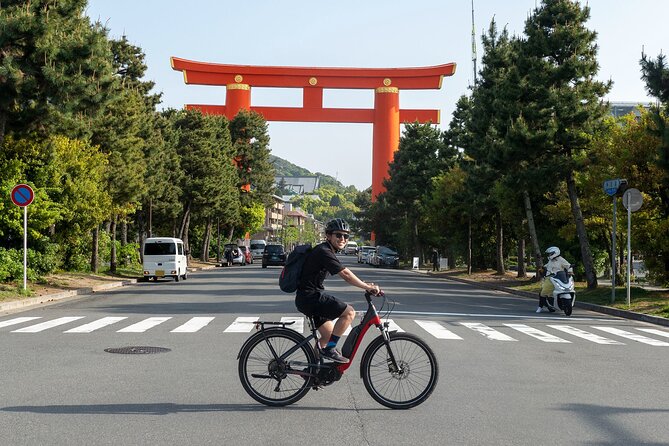
Heian Shrine follows with about 35 minutes. The broad courtyard and large vermilion buildings give the stop a different mood from the older Zen temples.
The shrine was built in the modern era to honor Kyoto’s imperial past, and its scale can surprise you. You stroll through the courtyard rather than spending a long period inside the gardens. That is an efficient choice on a cycling route, though garden lovers may wish they had more time.
By this point, the day has shifted from famous temple grounds to a wider look at Kyoto’s religious and civic character. The variety helps prevent the experience from becoming a string of similar gate-and-garden visits.
Gion through side streets
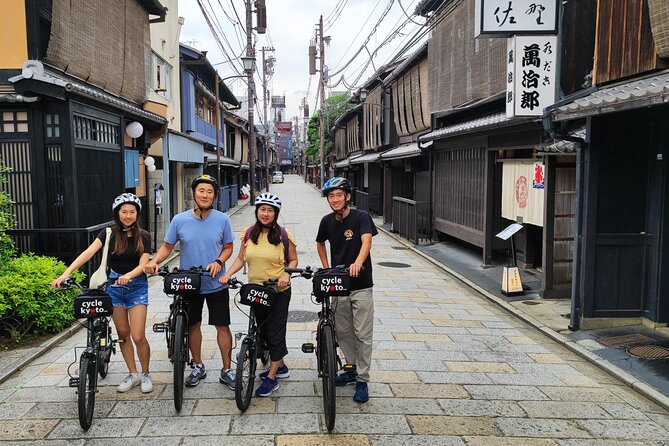
The ride through Gion lasts about 45 minutes and takes you through the district’s backstreets. This is where the e-bike format earns its keep. You are not simply dropped at a main entrance. You move through the lanes and get a sense of how the entertainment district changes from one street to the next.
You might catch sight of a Maiko or Geiko, though that is never guaranteed and should not be treated as the point of the stop. Gion is a working neighborhood as well as a famous sightseeing area, so ride quietly and avoid blocking narrow lanes.
This section requires good awareness. Gion can be crowded, and you need to watch pedestrians, parked vehicles, other bikes, and the group ahead. Several guides have been praised for keeping a safe pace, but you should still be comfortable controlling a bike in traffic before booking.
Higashi Honganji and the cafe break
The final sightseeing stop is Higashi Honganji, reached after the Gion section. You spend about 15 minutes walking through its large wooden prayer halls, with a stop at a favorite cafe included in the timing.
The temple’s scale is the main attraction. Its halls show the power and craftsmanship of Japanese Buddhist architecture in a way that differs from the more garden-focused sites earlier in the day. The short visit works well as a final cultural stop, especially after hours of riding.
The cafe break is a small but welcome touch. It gives you time to sit, cool down, and talk with the guide before returning to the starting point. Several guides have used food and coffee stops to share practical tips about Kyoto, including places to eat and areas worth revisiting.
What the $138.74 price really covers
At $138.74 per person, this is not a cheap way to rent a bike. The price pays for a full day of route planning, an e-bike, a helmet, a guide, lunch, a cafe stop, and visits to a long list of major sights.
The value is strongest if you would otherwise spend money and time piecing together transport between southern and eastern Kyoto. You also receive help with navigation, which matters when the route moves from river paths to temple districts, residential lanes, and Gion.
The value is weaker if you mainly want independent cycling or long visits at only two or three temples. You may find the schedule too structured, and your experience will depend heavily on the guide’s ability to explain the sites. One disappointing day included little storytelling and too much reliance on phone searches. That is not the standard suggested by the many strong guide comments, but it is a fair reason to ask at the start for more historical context.
Who should book this Kyoto bike tour
I would choose this for a first visit to Kyoto when you want orientation fast and prefer active sightseeing to bus rides. It suits couples, families with teenagers, and small groups who can ride comfortably for most of a day.
The minimum age is 13, and the minimum height is 145 centimeters. You need moderate physical fitness. Expect roads, crowds, some uphill riding, uneven surfaces, and frequent stops where you leave the bike and walk.
You should think twice if you dislike riding near traffic, need a slow pace, or want a detailed visit inside every temple. You should also allow extra care for mobility or bike-fit needs, since the route covers a long distance and the available bike sizes may not suit every rider equally well.
The tour starts at 8 a.m. at Cycle Kyoto, Higashikujō Nishisannōchō, in Minami Ward, and returns there. It is near public transportation, and the experience is offered with a mobile ticket. Free cancellation is available up to 24 hours before the start time. Poor weather or failure to meet the minimum group size can lead to a new date or a full refund.
Should you book it?
Book this tour if you want to see a large slice of Kyoto in one active day, with an e-bike taking the edge off the distance. The strongest reasons are the early start, the small group, the river and backstreet riding, and the chance to connect Fushimi Inari, Ginkakuji, Nanzenji, Gion, and other major sights without arranging the route yourself.
Before booking, make sure every rider is comfortable on a bike and provide dietary details in advance. At the meeting point, check the bike size, ask how the day will handle photo stops, and tell the guide how much historical explanation you want. If those details line up, this is a smart way to get your bearings in Kyoto and return later to the places that deserve more time.
FAQ
What time does the Kyoto e-bike tour start?
The tour starts at 8:00 a.m.
Where does the tour begin and end?
It begins at Cycle Kyoto, Higashikujō Nishisannōchō, Minami Ward, Kyoto, and returns to the same meeting point.
How long does the experience last?
The tour takes approximately six to seven hours.
What sights are included?
The route includes Fushimi Inari-taisha Shrine, Tofukuji Temple, the Kamogawa River, Ginkakuji Temple, the Philosopher’s Path, Nanzenji Temple, Heian Shrine, Gion, and Higashi Honganji Temple.
Are bikes and helmets provided?
Yes. An e-bike and helmet are provided.
Is lunch included?
Yes. The tour includes a lunch stop at a restaurant near Ginkakuji. A cafe stop is also included later in the day.
What are the age and height requirements?
The minimum age is 13 years old, and the minimum height is 145 centimeters. A moderate level of physical fitness is required.
Newest Kyoto experiences on the site
- Treasures of Kyoto: Gion & historical Walking Tour★ 5.0 · 6 reviews
- Whisk Your Own Matcha: A Zen Matcha Experience at Temple★ 3.6 · 7 reviews
- Kyoto tea town for matcha lovers★ 5.0 · 16 reviews
- Uji: Private immersion into Kyoto’s tea and reglious culture★ 5.0 · 17 reviews
- Kyoto Matcha Green Tea Tour★ 4.5 · 23 reviews
- Uji and Wazuka Matcha Farm Half Day Private Guided Tour★ 5.0 · 21 reviews
- Utilising upcycled Matcha! Creating matcha incense (Uji, Kyoto)★ 5.0 · 6 reviews
- Sacred Temple Yoga Experience in Japan★ 5.0 · 3 reviews
Kyoto Early Morning Tours, compared.
Kyoto Early Morning Tour with English-Speaking Guide
Read our review →Early Morning Tour with English-Speaking Guide
Read our review →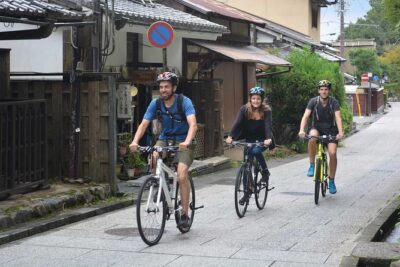
Arashiyama Bamboo Forest & Hidden Gems Bike Tour (Early Bird)
Read our review →
Kyoto Early Bird English Tour: Fushimi-Inari and Arashiyama
Read our review →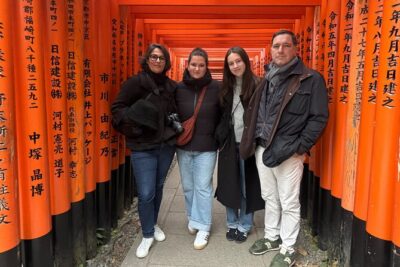
Kyoto Early Bird English Tour: Fushimi Inari & Gion(Private opt)
Read our review →Browse the lists this tour appears in