
Reviewed · ARASHIYAMA BAMBOO GROVE TOURS
Arashiyama Hidden Gems: Walking Tour escaping crowds
Arashiyama is famous for its bamboo forest, but the best part of this tour comes after you leave the main photo stop. Yusuke Tanaka leads you through old temples, a moss garden, the former imperial residence at Daikakuji, and quiet Osawa Pond, giving you a calmer look at Kyoto’s western hills. I like the small six-person limit and the way the walk links famous sights with places many visitors skip. I also like the optional The Tale of Genji focus, which gives the scenery a literary thread.
The tradeoff is time and effort. You walk about 3 kilometers over roughly four hours, and one person found the route tiring on a warm day at age 68. You also pay extra for temple admission, so the $89 price is not the full cost.
Key points
- A six-person maximum keeps the walk personal, with Yusuke guiding and helping with photographs.
- Daikakuji and Osawa Pond provide the quietest moments, far from Arashiyama’s busiest paths.
- The bamboo forest is only one short stop, so this is not mainly a bamboo photography tour.
- The Tale of Genji option adds literary context without changing the route or sights.
- Expect about four hours and 3 kilometers of walking, with shoes removed inside two temples.
- Budget extra admission fees and food, since snacks are optional and few restaurants are near the ending point.
Why this Arashiyama walk feels different
The usual Arashiyama visit can become a quick sequence of crowded streets, souvenir shops, and a brief push through the bamboo forest. This tour takes a broader view. You still see the bamboo, but it is treated as one part of a historic district rather than the whole show.
Yusuke Tanaka designed and leads the experience himself. He has guided more than 3,000 people, and the format lets him explain details as you go instead of delivering one long speech at a single stop. The maximum group size is six, a useful limit in temples where a large crowd would make quiet observation difficult.
I especially like the route’s change of pace. You begin near the busy center of Arashiyama, then move toward older religious sites and the pond at Osawa. By the end, you are looking at a very different part of the district from the one shown in most quick day plans.
The tour is priced at $89 per person. That is fair if you want a guide, historical explanation, photo assistance, and a carefully connected route. It is less attractive if you only want to see the bamboo forest, since that stop lasts about 15 minutes and the temple tickets cost extra.
More mornings in Arashiyama and the bamboo grove:
- Kyoto: Fushimi Inari, Kinkakuji, Bamboo Grove 1 Day Bus Tour
★ 4.8 · 4,316 reviews - Osaka/Kyoto:Kinkakuji,Arashiyama,FushimiInariShrine,NaraPark
★ 4.1 · 1,596 reviews - Kyoto/Osaka: Nara, Fushimi Inari Taisha, Arashiyama Bus Tour
★ 4.7 · 1,275 reviews
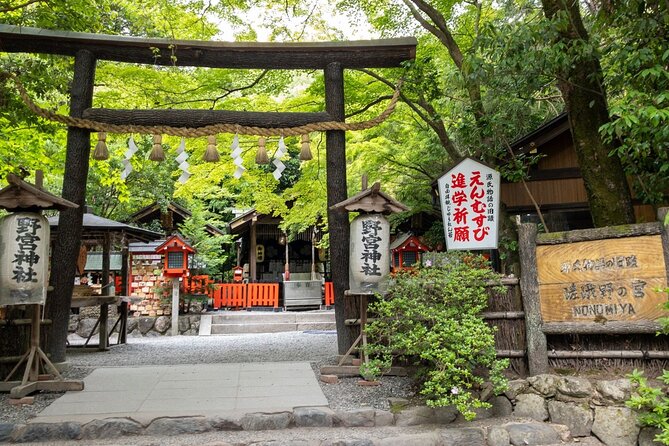
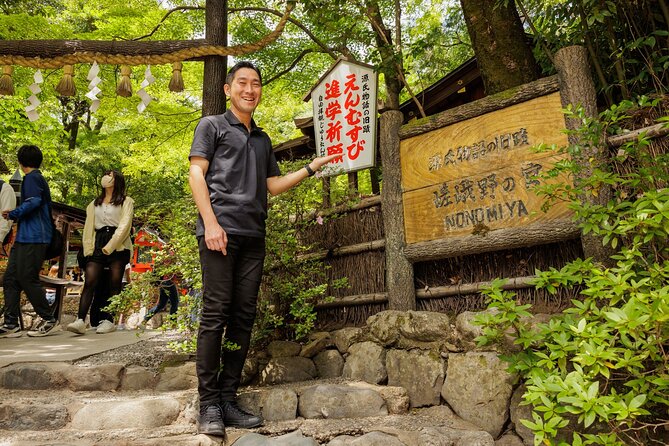
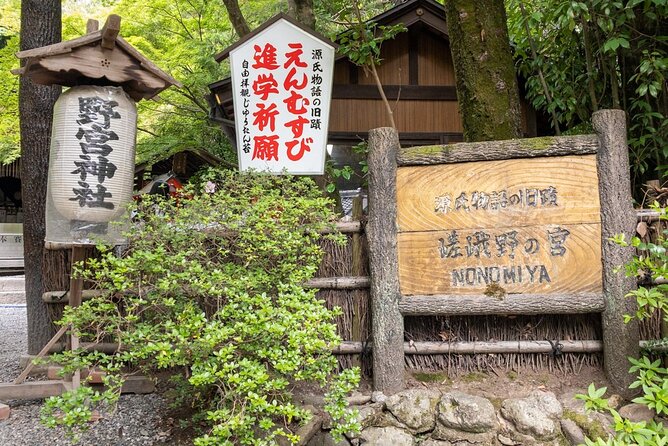
Nonomiya Shrine and its black torii
The first stop is Nonomiya Shrine, where Yusuke introduces some basic customs before the route becomes more involved. You learn how to approach and pray at a Japanese shrine, along with the practical differences between a shrine and a temple.
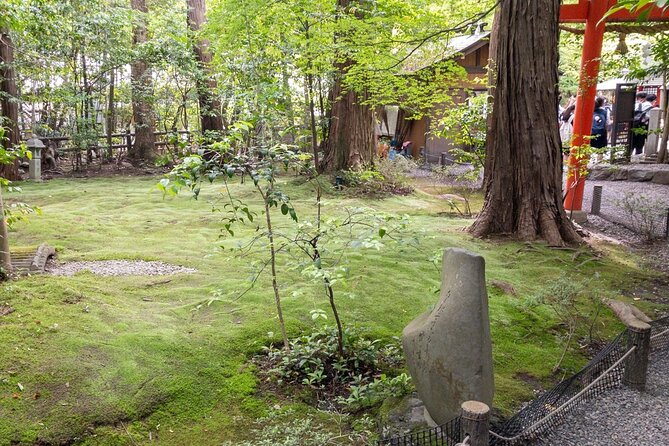
The black wooden torii is the visual star here. The tour points out that only two shrines in Japan have black torii gates, giving you a small detail to notice instead of simply passing through the entrance. The moss garden adds another layer, especially if you enjoy close views of traditional garden design.
This is a good opening stop because it gives you cultural footing. If you are not sure when to bow, how to use the cleansing water, or how shrine practice differs from Buddhist temple customs, you can ask without feeling rushed.
Admission is free. Allow about 30 minutes, which is enough time for the gate, garden, explanation, and photographs without turning the shrine into a long lecture.
Fifteen minutes in the bamboo forest
The bamboo forest stop is short by design. You get time to walk among the tall stalks, listen to the bamboo moving in the wind, and take photographs. Yusuke also helps with photos, which can be useful if you are traveling alone or want more than quick arm’s-length snapshots.
This timing is both a strength and a limitation. It keeps the tour from spending half the morning in the most crowded part of Arashiyama, but it will disappoint you if the bamboo forest is your main reason for booking. The experience is about the district around the grove, not an extended photo session inside it.
I would bring a phone or camera that is easy to use while walking. The tour includes photo help, but the stated focus is assistance rather than a professional photography service. You should also expect other people in this section, since the bamboo forest is the best-known part of Arashiyama.
Seiryoji Temple and 1,200 years of Buddhist tradition
Seiryoji brings a stronger temple experience. The site was originally established about 1,200 years ago, while the present buildings are about 300 years old. Yusuke explains the temple’s background and points out a Shaka Nyorai Buddhist statue identified as a Japanese national treasure.
You remove your shoes before entering. Wear socks you do not mind showing, and choose footwear that comes off easily. This small practical detail matters because you will repeat the process at Daikakuji later.
The stop lasts about 55 minutes, making it one of the longer visits on the route. That gives you time to look at the interior rather than treating the temple as a quick exterior photo stop. I like this part for anyone who wants to understand how a working Buddhist temple differs from a shrine such as Nonomiya.
The admission charge is listed as ¥500 per person. It is not included in the tour price, so keep some yen available. The route may feel long here if you are already tired, especially in hot weather or if you are not used to walking on hard surfaces.
More walking tours in Kyoto:
- Kyoto Geisha Walking Tour: Gion District & Hidden Gems
★ 4.7 · 3,273 reviews - Kyoto: Gion Magical Night Walking Tour with Geisha Trivia
★ 4.9 · 2,393 reviews - Kyoto: Gion Geisha District Walking Tour – Stories of Geisha
★ 4.7 · 2,187 reviews - Night Walk in Gion: Kyoto’s Geisha District
★ 4.5 · 2,003 reviews
Daikakuji, the former Saga Gosho
Daikakuji is the tour’s strongest argument for leaving the main Arashiyama circuit. The temple began as Saga Gosho, a former imperial palace built about 1,200 years ago. You get the chance to see architecture and spaces connected with the imperial court, rather than only the standard temple features found across Kyoto.
The visit lasts about 50 minutes. Yusuke points out distinctive details in the buildings and explains the site’s place in Kyoto’s past. Because the stop is farther from the bamboo forest, it usually feels more spacious and reflective than the district around the station.
You remove your shoes here as well. The route is not designed as a race, but it does involve steady movement between outdoor paths and indoor areas. If you have knee, foot, or balance concerns, ask about the pace at the start.
Daikakuji also matters for visitors who select the The Tale of Genji option. Most places on the route, apart from the bamboo forest, are linked to the world and setting of the novel. Yusuke adds more literary explanation with this option, while the physical route remains the same. If you have read the book, this can add real meaning to otherwise quiet rooms, gardens, and paths. If you have not read it, you can still enjoy the temple without needing prior knowledge.
Osawa Pond, the quiet finish
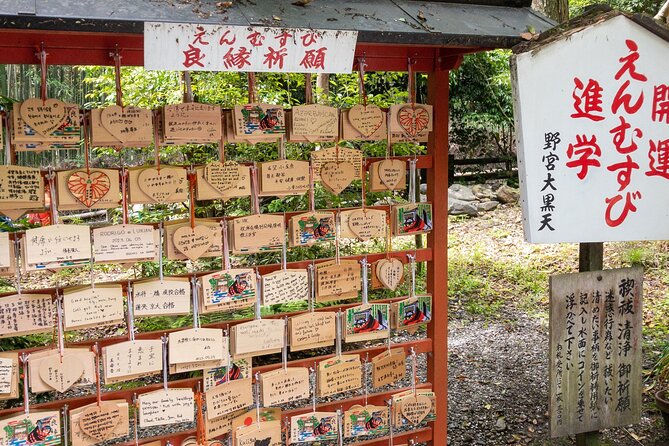
The final stop is Osawa Pond, described as Japan’s oldest artificial pond. The water and surrounding paths give the tour a slower finish after the temple interiors. Seasonal changes shape the view, and a quiet bamboo area nearby gives you one more chance to enjoy the district away from the main crowds.
The stop itself lasts about 20 minutes. That is enough for a calm look and photographs, though it is not a full pond walk. The ending at Daikakuji makes practical sense, since the pond is part of the same broader area.
Admission for Daikakuji and Osawa-no-ike Pond is listed together at ¥800 per person. Combined with the ¥500 Seiryoji ticket, you should budget ¥1,300 in additional admission fees. The listing also notes optional Japanese snacks at about ¥500, but there are not many restaurants near the ending point. Bring a small snack if you expect to be hungry after several hours of walking.
If you prefer to return to the starting point, Yusuke offers a free return walking tour. That is a useful option, but it adds time and more walking, so decide based on your energy and onward plans.
What the four-hour timing means for you
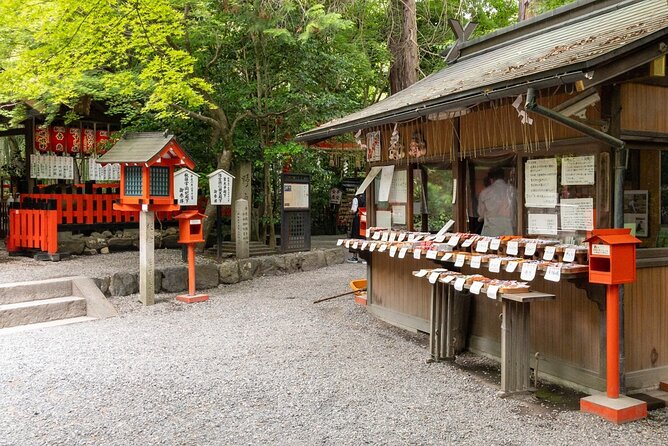
The tour takes about three to four hours, with the full estimate generally described as about four hours. Walking and travel between stops count toward that total. The route covers about 3 kilometers and roughly 55 minutes of actual walking, with the rest spent inside the shrines and temples or listening to explanations.
That is not a strenuous hike, but the length can feel significant in summer heat. One piece of direct feedback came from a 68-year-old participant who enjoyed the historical and literary side but found the route tiring on a warm day. Take that seriously if you have limited stamina.
Comfortable shoes matter, even though you will remove them inside the temples. Carry water, protect yourself from sun, and plan a snack. The tour requires good weather, and poor conditions can lead to a new date or a full refund.
The starting point is Randen-yaJapan inside the Arashiyama station complex at 202 Sagatenryuji Tsukurimicho. The tour ends at Daikakuji Temple in Sagaosawacho. Since the start and finish are different, check your plans before booking. The free walking return option helps, but it is not a ride back.
The Tale of Genji option
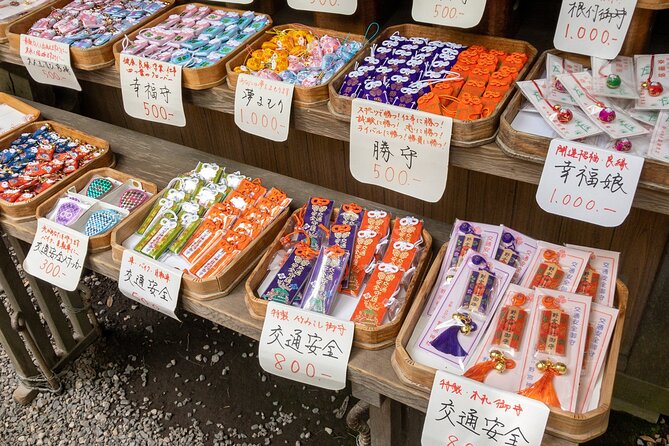
The literary option is one of the more unusual features here. The route is connected to places that appear in The Tale of Genji, except for the bamboo forest. Yusuke uses the added option to explain more of the book’s historical and literary setting while you visit those locations.
I would choose it if you have read the novel, studied classical Japanese literature, or simply enjoy seeing places through stories. The extra context can help you notice why Daikakuji, Osawa Pond, and the surrounding area matter beyond their appearance.
If you have not read The Tale of Genji, the standard tour may be the better fit. The sights, temple customs, and local history already provide plenty to follow. Both options visit the same places, so you are not giving up any physical stop by choosing the regular version.
How much value do you get for $89?
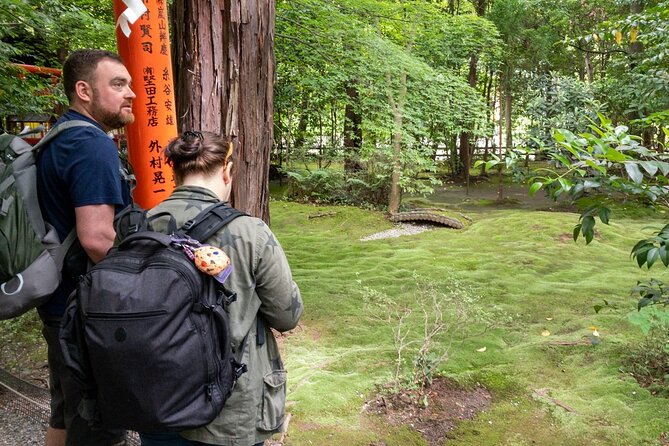
At $89 per person, this is not a low-cost sightseeing walk. You pay for Yusuke’s guiding, a small group, the original 15-page tour booklet, photo help, and a route that connects several sites that can be awkward to organize on your own.
The extra costs are clear:
- Seiryoji: ¥500 per person
- Daikakuji and Osawa-no-ike Pond: ¥800 per person
- Optional Japanese snacks: about ¥500
- Insurance is not included
The booklet is a nice practical extra. It gives you something to keep after the tour, while the photo assistance can make a real difference if you are traveling without a companion. The small group is probably the biggest part of the value. With only six people, questions are easier, and the guide can pay attention to pace and photographs.
I would not pay this amount for a short introduction to Arashiyama. I would consider it good value if you want the temples explained, prefer a quieter route, and do not want to manage admissions and directions yourself.
Who should book this walk?
I recommend it most for people who have already seen Kyoto’s major sights and want a less obvious side of Arashiyama. It also suits first-time visitors who prefer a guide to explain shrine customs, Buddhist spaces, imperial connections, and literary references as they go.
The tour works well for:
- Readers of The Tale of Genji
- Solo visitors who want photo help
- Small groups seeking a local guide
- People interested in temples more than shopping
- Visitors willing to walk for about four hours
- Anyone who wants time away from the busiest Arashiyama paths
It may not suit you if you want a slow, short outing, have difficulty walking in warm weather, or mainly want extended bamboo forest photography. Families and older visitors should consider the 3-kilometer route, the time spent standing, and the need to remove shoes.
The tour has a 4.9 rating from 14 reviews, with 100 percent recommending it. That is a small sample, but it matches the experience’s strongest points: Yusuke’s historical explanations, his care with photographs, and the route’s quieter temples. It also confirms that comfort and weather deserve attention.
Should you book Arashiyama Hidden Gems?
Book this tour if you want Arashiyama explained rather than simply photographed. Yusuke Tanaka’s route gives you Nonomiya Shrine, a brief bamboo forest visit, Seiryoji, Daikakuji, and Osawa Pond in one connected morning or afternoon, with the option to add The Tale of Genji context.
Skip it if you only want the famous bamboo grove, need a very easy stroll, or are watching every yen. For everyone else, especially readers, temple fans, and visitors who prefer calm corners to crowded viewpoints, the $89 cost can make sense. Bring water, wear practical shoes, carry snack money, and leave enough energy for the final temple and pond.
FAQ
How long does the Arashiyama walking tour take?
The tour takes about three to four hours, generally around four hours. Walking and travel between stops are included in the total time.
How far do you walk?
You walk about 3 kilometers, with roughly 55 minutes of walking during the tour. The route includes local scenery, shrines, temples, and pond surroundings.
What is included in the price?
The price includes guiding, an original tour booklet of about 15 pages, and help taking photographs. Temple admission, optional snacks, insurance, and gratuity are not included.
How much are the temple tickets?
Seiryoji costs ¥500 per person. Daikakuji and Osawa-no-ike Pond cost ¥800 per person together, for ¥1,300 in total admission fees.
Where does the tour start and finish?
The tour starts at Randen-yaJapan inside the Arashiyama station complex at 202 Sagatenryuji Tsukurimicho. It finishes at Daikakuji Temple in Sagaosawacho. A free return walking tour to the starting point is available if you prefer to go back.
Do I need to remove my shoes?
Yes. You must remove your shoes when entering Seiryoji Temple and Daikakuji Temple. Comfortable footwear that is easy to take off is a practical choice.
Newest Kyoto experiences on the site
- Treasures of Kyoto: Gion & historical Walking Tour★ 5.0 · 6 reviews
- Whisk Your Own Matcha: A Zen Matcha Experience at Temple★ 3.6 · 7 reviews
- Kyoto tea town for matcha lovers★ 5.0 · 16 reviews
- Uji: Private immersion into Kyoto’s tea and reglious culture★ 5.0 · 17 reviews
- Kyoto Matcha Green Tea Tour★ 4.5 · 23 reviews
- Uji and Wazuka Matcha Farm Half Day Private Guided Tour★ 5.0 · 21 reviews
- Utilising upcycled Matcha! Creating matcha incense (Uji, Kyoto)★ 5.0 · 6 reviews
- Sacred Temple Yoga Experience in Japan★ 5.0 · 3 reviews
Arashiyama Bamboo Grove Tours, compared.
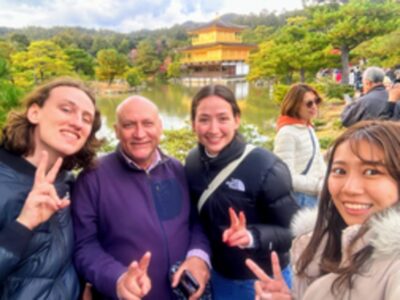
Fushimi Inari, Kinkakuji, Bamboo Grove 1 Day Bus Tour
Read our review →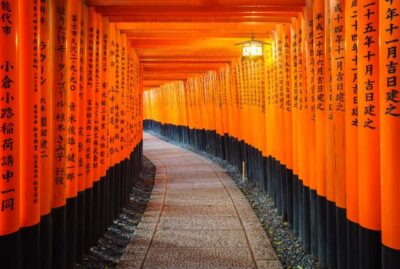
Kinkakuji,Arashiyama,FushimiInariShrine,NaraPark
Read our review →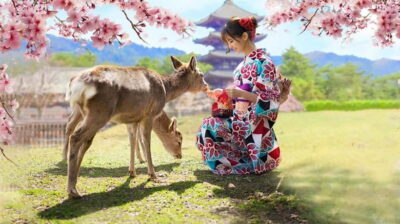
Nara, Fushimi Inari Taisha, Arashiyama Bus Tour
Read our review →
Kyoto Arashiyama Walking Tour: Bamboo, Monkeys, Gardens & Secrets
Read our review →
Arashiyama Bamboo, Temple, Monkeys, or Secret Sake Brewery
Read our review →
Arashiyama Bamboo Forest, Monkeys, Matcha & Temple Tour
Read our review →
Arashiyama, Nara & Fushimi Inari Shrine w/Lunch
Read our review →
Nijo, Kinkaku-ji, Arashiyama, Kiyomizu & Fushimi Inari
Read our review →Browse the lists this tour appears in