
Reviewed · FUSHIMI INARI TOURS
Kyoto Fushimiinari:Wagashi Making & Small Group Tea Ceremony
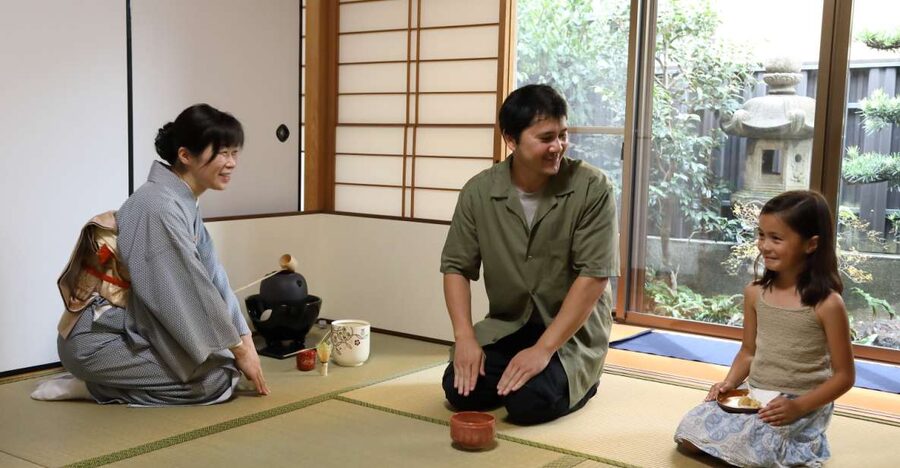
The best part of this 75-minute experience is the change of pace. Near Fushimi Inari, where the shrine area can feel busy, you step into a local house, pass through a tiny garden, and settle into a tatami room for tea. You make your own wagashi first, then eat it during the ceremony. I especially like the hands-on sweet-making class and the chance to whisk your own matcha instead of simply watching a performance.
I also like the small group size, capped at six, and the clear English guidance from licensed guide interpreters. Miho is named as one of the welcoming hosts, while the tea master explains the ritual and answers cultural questions. The main consideration is sitting on the floor. Chairs are available if you ask ahead, but the experience is not suitable for wheelchair users, and you must wear socks.
Key points
- Make your own wagashi: Learn one Japanese sweet by hand, with seasonal designs and fillings that may include red bean or white bean paste.
- Whisk your own matcha: Drink two bowls of tea, including one you prepare with a bamboo whisk.
- Enter a real Japanese-style room: Walk through a small garden and sit on tatami when weather allows.
- Learn the meaning behind the ritual: The host explains tea ceremony manners, tea history, and the hanging scroll in the alcove.
- Enjoy personal instruction: Groups are limited to six, and the instructors speak English.
- Plan for floor seating: Socks are required, and chairs can be arranged in advance for those who need them.
From Fushimi Inari to a Quiet Kyoto Home
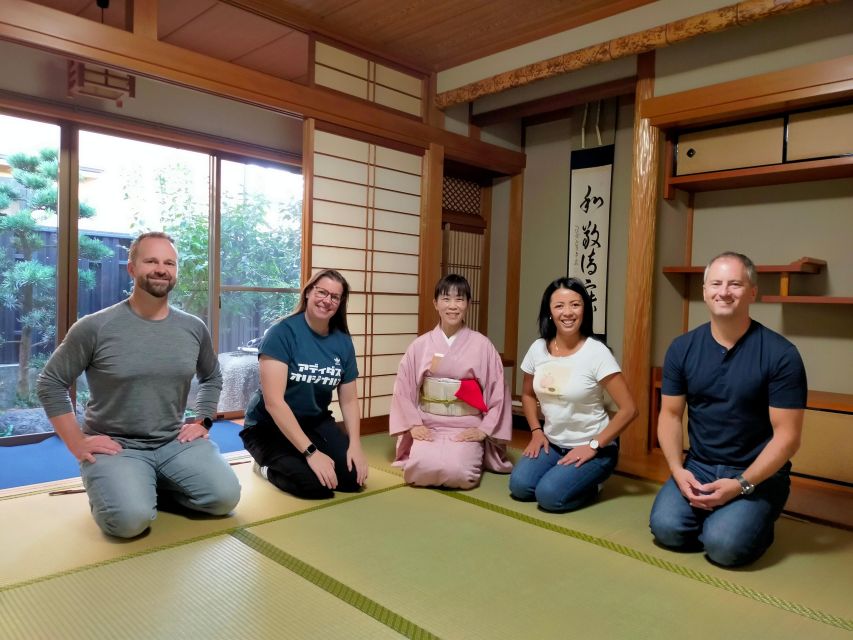
This experience gives you a useful break from shrine visits and city streets. The location is in Kyoto, near Fushimi Inari, but the activity itself takes place in a local house with Japanese-style rooms and a garden view. That setting matters. You are not in a large classroom or watching a stage show. You are entering a home where the pace is slower and the customs feel personal.
Your English-speaking host welcomes you and leads you to the kitchen. Since the group is limited to six people, the instruction should feel close and practical. You can watch the demonstration, copy the movements, and ask questions without shouting across a room.
The session lasts 75 minutes, so this is easy to fit between sightseeing plans. It is long enough to include two separate activities, but short enough that you will not lose half a day. I would place it before or after a visit to Fushimi Inari, leaving enough time to find the meeting point and settle in.
More ways to walk the Fushimi Inari gates:
- Kyoto: Fushimi Inari, Kinkakuji, Bamboo Grove 1 Day Bus Tour
★ 4.8 · 4,316 reviews - Fushimi Inari Hidden Hiking Tour (Private Option Available)
★ 5.0 · 1,750 reviews - Osaka/Kyoto:Kinkakuji,Arashiyama,FushimiInariShrine,NaraPark
★ 4.1 · 1,596 reviews
Making Wagashi by Hand in the Kitchen
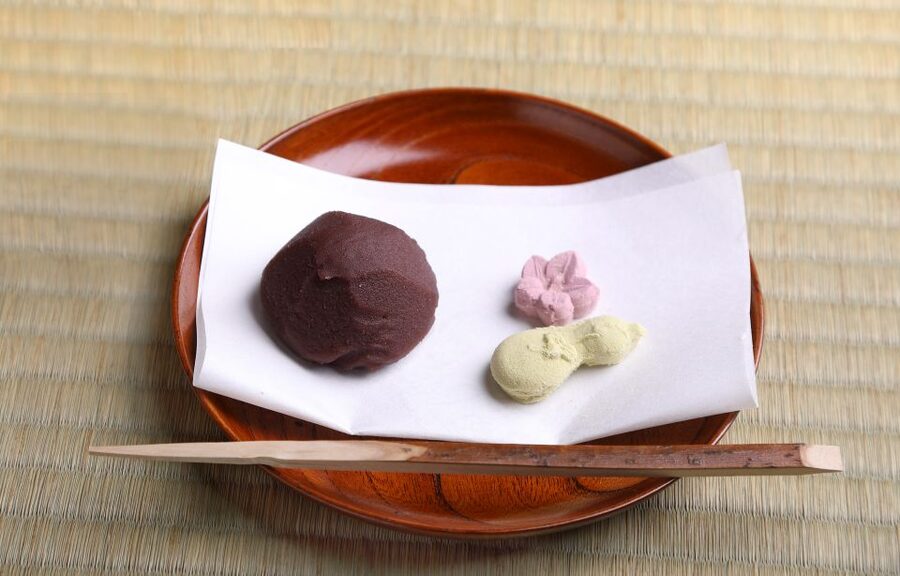
The first activity is a hands-on lesson in making one kind of wagashi, the traditional Japanese sweet served with tea. This is not only a demonstration. You work with the ingredients and shape the sweet yourself.
The exact sweet can change with the season, so the finished result may not look like the photos. That is a small point, but it is worth knowing if you are expecting one fixed recipe. One session included mochi with red bean paste and white bean paste. The fillings are familiar Japanese flavors, and the finished sweet becomes part of the tea ceremony a few minutes later.
I like this order. You do not make a sweet and then pack it away as a souvenir. You learn how it is prepared, take a closer look at its texture and shape, and then understand why it is served before matcha. The sweetness prepares your palate for the tea, which has a firm, grassy bitterness.
The cooking lesson also gives you something concrete to remember. You will not leave with only a few photos and a general idea of Japanese manners. You will have practiced a recipe and shaped a sweet with your own hands. The host explains how to make it, and participants can ask questions about Japan as they work.
Food restrictions and allergies should be shared in advance. The information provided does not promise that every dietary need can be accommodated, so do not wait until you arrive to mention one.
Walking Through the Garden to the Tatami Room
After the wagashi lesson, the group moves toward the tea ceremony. When it is not raining, you walk outside through a tiny garden before entering an authentic Japanese-style room. The garden is small, not a major attraction, but it creates a clear transition from the kitchen to the quieter ceremony space.
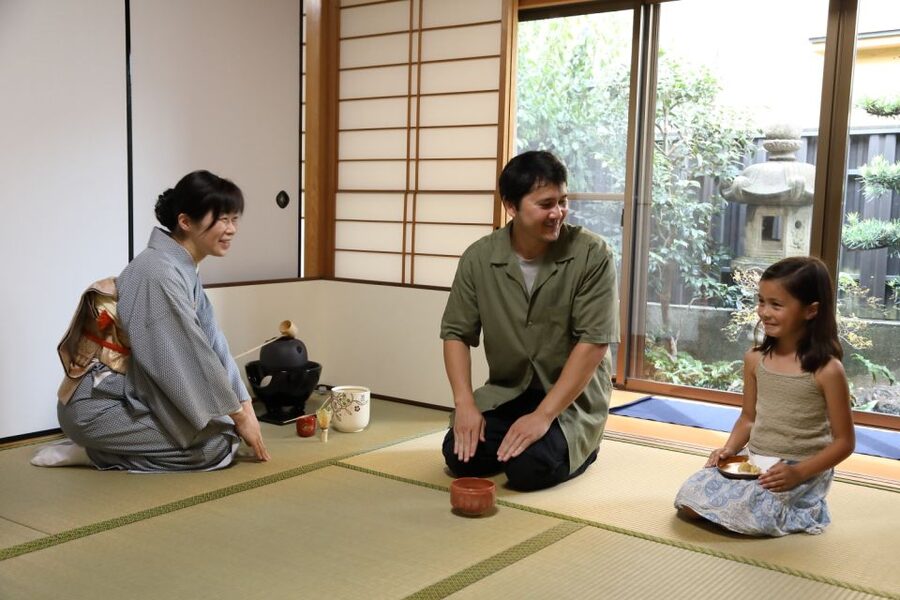
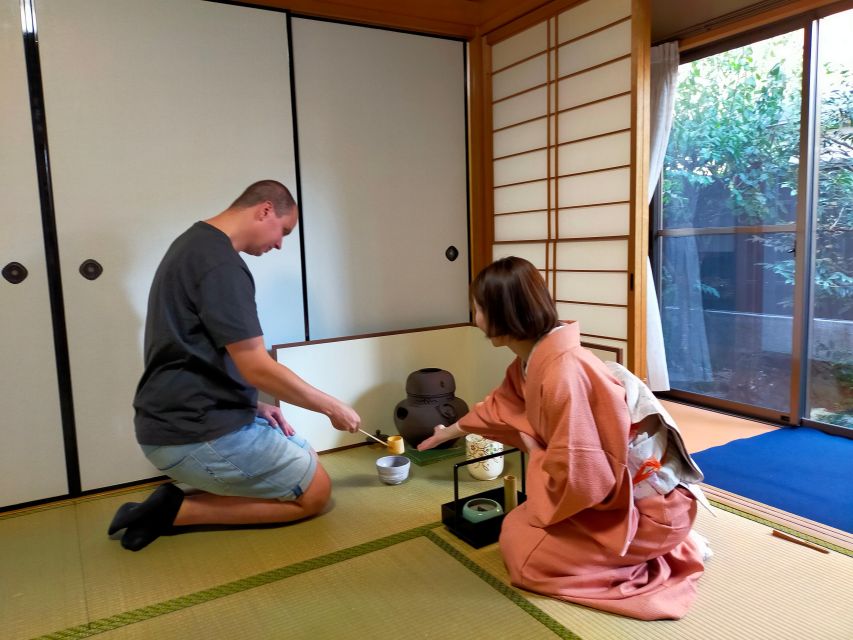
You sit on tatami flooring while the instructor explains how to attend a tea ceremony. This includes basic manners in the room, how to handle the sweets, and how to drink the tea. The tone is informative rather than severe. You are not expected to know the rules before arriving, and the instruction allows you to take part at your own pace.
Floor seating is the main physical issue. If sitting on the floor is difficult, chairs and tables are available, but you need to request them in advance. Wear socks. Bare feet are not allowed, and this is one of those small rules that can catch an unprepared person off guard.
The experience is not suitable for wheelchair users. That limitation is important to consider before booking, since the house, garden path, and tatami room are not presented as wheelchair accessible.
Understanding the Scroll, Tea, and Ceremony
Once everyone is seated, the instructor explains the background of tea and the tea ceremony. You also learn about the hanging scroll in the alcove at the back of the room. This detail gives the room more meaning. Instead of treating the scroll as decoration, you learn why it is displayed and how it fits into the setting.
All instructors are licensed guide interpreters, and the session is conducted in English. That makes a real difference here. Tea ceremony has many small actions, and without clear explanations it can become a sequence of movements that looks lovely but feels hard to understand.
The ceremony is not presented as a test. The instructor explains what to do before you do it, including how to eat the sweet and how to drink matcha. That approach makes the ritual approachable for first-time participants. You can pay attention to the gestures without worrying that one wrong turn will ruin the experience.
The tea master then demonstrates the ceremonial preparation of matcha. Watch the position of the bowl, the bamboo whisk, and the measured movement used to mix the powder with water. The host prepares one bowl for you to drink, giving you a chance to taste matcha made by someone who knows the process well.
More tea ceremonies in Kyoto:
- Kyoto: Tea Ceremony in a Traditional Tea House in Kiyomizu
★ 4.9 · 3,519 reviews - Kyoto: Tea Ceremony Ju-An at Jotokuji Temple
★ 4.9 · 3,207 reviews - Kyoto: 45-Minute Tea Ceremony Lesson Experience
★ 4.3 · 2,378 reviews - Kyoto: Table-Style Tea Ceremony at a Kyo-Machiya
★ 4.9 · 1,211 reviews
Two Bowls of Matcha, Including One You Whisk Yourself
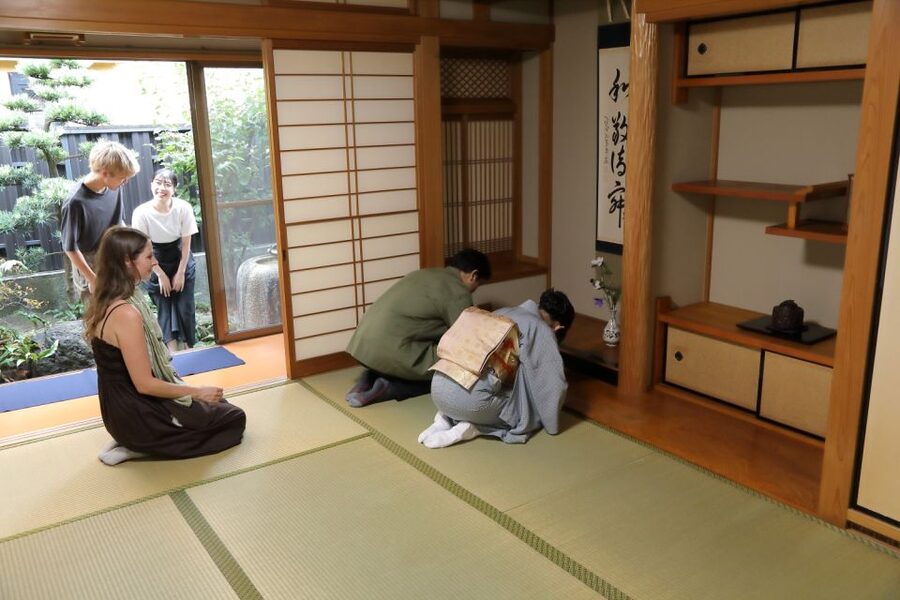
The price includes two bowls of matcha. One is prepared by the host or tea master, and the other is prepared by you. That second bowl is the heart of the activity for many people. After the demonstration, you receive a bamboo tea whisk and follow the steps yourself.
The instructor shows you how to prepare one bowl and how to serve it properly. The aim is not simply to make a drink. You learn enough to prepare matcha for friends or family after returning home, which gives the experience a practical souvenir beyond photographs.
Do not expect a sweet café-style matcha. Traditional matcha has a strong flavor, and the wagashi helps balance it. Since you eat the sweet during the ceremony, you get to notice the contrast rather than treating the confection as a separate snack.
The instruction is gentle and social. Questions about Japanese culture are welcome, and the tea master is described as friendly and willing to explain the customs. That makes this a good choice if you are curious about the meaning behind the ceremony but do not want an extremely formal presentation.
What the $55 Price Includes
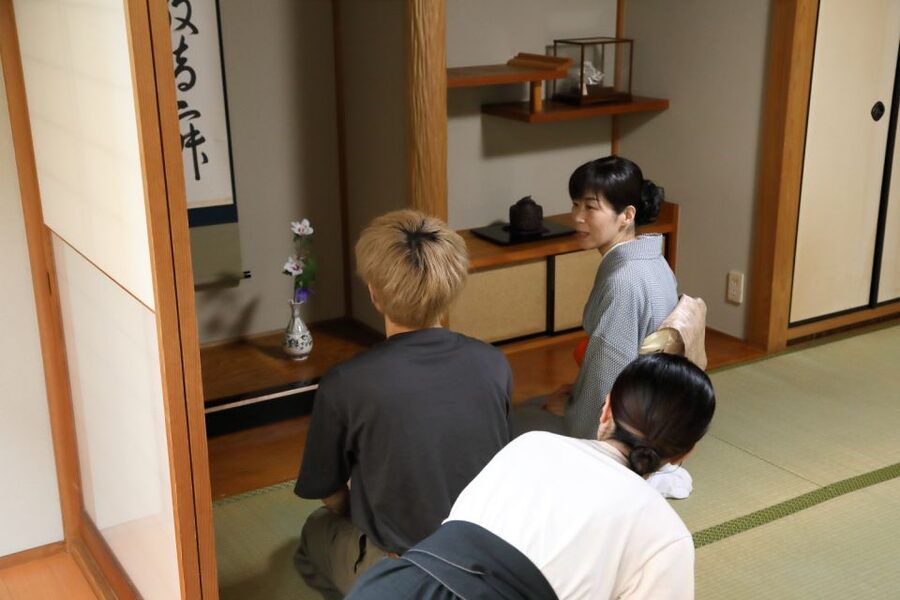
At $55 per person, this is not the cheapest way to spend 75 minutes in Kyoto. It is also more than the cost of simply buying matcha and a Japanese sweet at a café. The value comes from the combination of private-house setting, small-group instruction, wagashi preparation, cultural explanation, and hands-on tea making.
You receive:
- One type of handmade wagashi
- One type of traditional Japanese confectionery
- Two bowls of matcha
- Use of a bamboo tea whisk while preparing your tea
- English-language instruction
- Explanations of tea ceremony manners, sweets, and tea preparation
- All fees and taxes
The small group helps justify the cost. With up to six participants, the instructor has more time to correct your technique and answer questions. A larger class might offer the same basic demonstration, but it would be harder to receive personal guidance while shaping the wagashi or whisking the tea.
Hotel pickup and drop-off are not included, and the host does not call a taxi for you. Gratuity is also separate. The experience is best viewed as a focused cultural class, not a transportation package or full sightseeing tour.
Who Will Enjoy This Experience Most
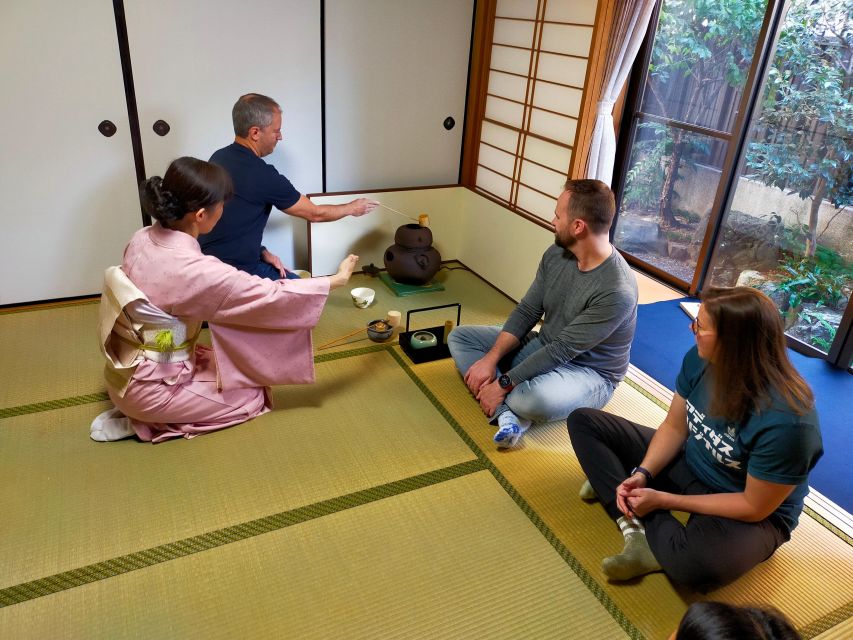
I would recommend it to first-time visitors who want context for Japanese customs rather than another quick photo stop. It also suits people who enjoy food activities but want something more focused than a general cooking class.
Couples, solo visitors, and small family groups can all fit comfortably into the format. Children under eight cannot join, so families with younger children need another plan. Older children who can follow instructions and sit respectfully may find the sweet-making portion especially appealing, though the age restriction still applies to anyone under eight.
This is also a good fit for anyone who wants a calm indoor activity during a busy Kyoto day. The garden and Japanese room offer a quiet contrast to crowded sightseeing areas. Just remember that the ceremony is not a large cultural show. Its appeal is the small setting and the chance to participate.
You should think twice if you dislike strong tea, have trouble sitting on the floor, or prefer a fast-moving tour with several sights. The class focuses on one home, one sweet, and one ceremony. That narrow focus is its strength, but it will not satisfy someone looking for a broad tour of Kyoto.
Practical Tips Before You Book
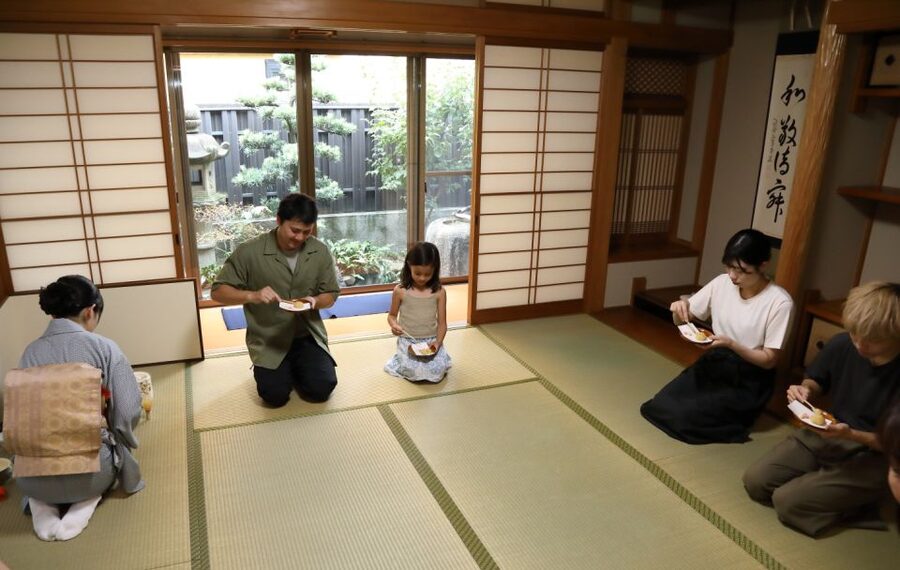
Wear clean socks that you can comfortably keep on indoors. Bare feet are not permitted, and socks are specifically required.
Tell the organizer about allergies or food restrictions before the session. Wagashi may change by season, and the available ingredients are not specified in advance.
Bring a respectful attitude toward photography. Flash photography and video recording are not allowed. You may also be asked to put your camera away during some parts of the ceremony so everyone can focus on the moment.
The activity offers free cancellation up to 24 hours before the start time, and you can reserve now and pay later. That is useful when you are arranging several Kyoto plans around weather and shrine visits.
The experience has a top rating from 14 verified bookings, with praise focused on the welcoming hosts, clear English explanations, easy-to-follow instruction, tasty wagashi, and the friendly small-group atmosphere. Those strengths match the design of the activity: it is personal, practical, and not overly strict.
Should You Book It?
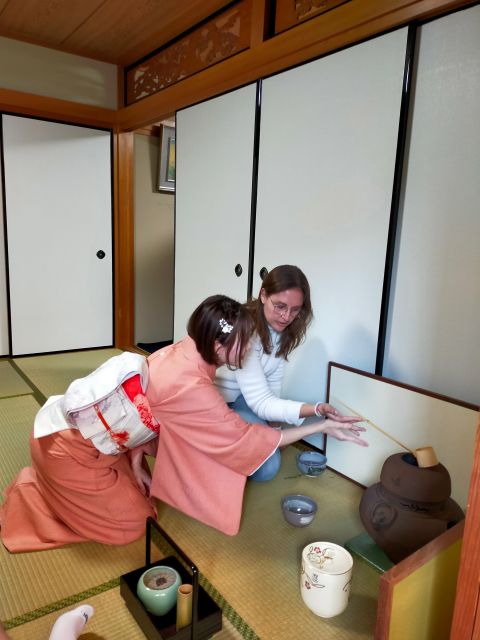
Book this experience if you want to make something, taste something, and understand something during the same short Kyoto activity. The combination of handmade wagashi, two bowls of matcha, a garden walk, and an authentic Japanese room gives you more substance than a simple tea tasting.
At $55, the price is fair for a six-person class with English-speaking licensed guide interpreters and two hands-on cultural lessons. I would skip it only if floor seating is a serious problem, you need wheelchair access, or you are looking for a large-scale performance instead of personal instruction.
For most visitors near Fushimi Inari, it is a smart way to slow down and take home a skill you can repeat. You may not recreate the garden or the tatami room, but you can make wagashi and whisk matcha for friends when you return home.
FAQ
Where does the activity take place?
It takes place in a local house near Fushimi Inari in Kyoto, with Japanese-style rooms and a garden.
How long does the experience last?
The activity lasts 75 minutes.
How many people can join?
The group is limited to six participants.
Is the instruction in English?
Yes. The instructors speak English, and all instructors are licensed guide interpreters.
What will I make during the class?
You will learn to make one kind of wagashi, or Japanese sweet. The type may change with the season.
How much matcha will I drink?
Two bowls of matcha are included. One is prepared by the instructor, and you prepare the other with a bamboo whisk.
Do I need to sit on the floor?
The tea ceremony takes place on tatami flooring. Chairs and tables are available for people who have difficulty sitting on the floor, but you must request them in advance.
What should I bring or wear?
Bring or wear socks. Bare feet are not allowed.
Can children or wheelchair users join?
Children under eight cannot join, and the activity is not suitable for wheelchair users.
More Wagashi Workshops in Kyoto
- Kyoto: Japanese Traditional Sweets Making and Tea Ceremony
★ 4.4 · 314 reviews - Kyoto Wagashi(Japanese sweets) Cooking Class near Fushimiinari
★ 5.0 · 60 reviews - Kyoto: Wagashi (Japanese sweets) Cooking near Fushimiinari
★ 5.0 · 40 reviews - Kyoto: Traditional Tea Ceremony with Matcha & Sweets in Gion
★ 4.9 · 27 reviews
Newest Kyoto experiences on the site
- Treasures of Kyoto: Gion & historical Walking Tour★ 5.0 · 6 reviews
- Whisk Your Own Matcha: A Zen Matcha Experience at Temple★ 3.6 · 7 reviews
- Kyoto tea town for matcha lovers★ 5.0 · 16 reviews
- Uji: Private immersion into Kyoto’s tea and reglious culture★ 5.0 · 17 reviews
- Kyoto Matcha Green Tea Tour★ 4.5 · 23 reviews
- Uji and Wazuka Matcha Farm Half Day Private Guided Tour★ 5.0 · 21 reviews
- Utilising upcycled Matcha! Creating matcha incense (Uji, Kyoto)★ 5.0 · 6 reviews
- Sacred Temple Yoga Experience in Japan★ 5.0 · 3 reviews
Fushimi Inari Tours, compared.
Fushimi Inari, Kinkakuji, Bamboo Grove 1 Day Bus Tour
Read our review →
Fushimi Inari Hidden Hiking Tour (Private Option Available)
Read our review →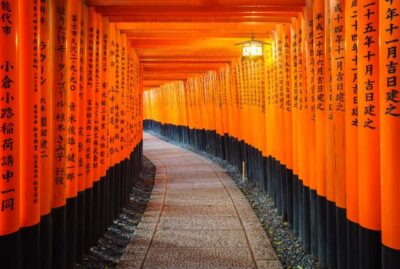
Kinkakuji,Arashiyama,FushimiInariShrine,NaraPark
Read our review →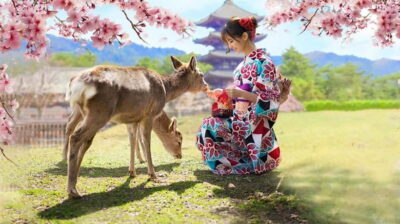
Nara, Fushimi Inari Taisha, Arashiyama Bus Tour
Read our review →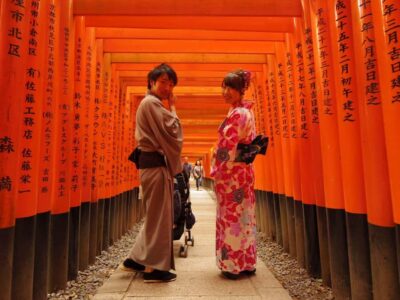
Arashiyama, Nara & Fushimi Inari Shrine w/Lunch
Read our review →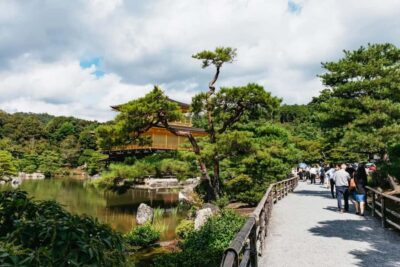
Nijo Castle, Kiyomizu & Fushimi Inari Guided Tour
Read our review →
Nijo, Kinkaku-ji, Arashiyama, Kiyomizu & Fushimi Inari
Read our review →
Browse the lists this tour appears in