
Reviewed · FUSHIMI INARI TOURS
Kyoto Morning Highlights Tour: Fushimi, Kiyomizu-dera & Gion
Kyoto’s most famous sights are much easier to appreciate before the crowds arrive. This early morning walk takes you from the thousands of orange torii at Fushimi Inari to Kiyomizu-dera’s city views, then into Gion’s old streets. I especially like the efficient route and the chance to learn how to behave and pray at Japanese shrines rather than simply snap photos and move on.
I also like that guide Ikki brings Kyoto culture down to earth, explaining the difference between Shinto shrines and Buddhist temples and pointing out small details you could easily miss. The catch is simple: you must get up early, arrive on time, and be ready for a fair amount of walking, stairs, and public transport.
Key points at a glance
- Early access to Kyoto’s biggest sights: The morning start helps you see Fushimi Inari and Kiyomizu-dera with fewer people around.
- A practical cultural lesson: Learn how to approach shrines, pray properly, and understand the customs behind the buildings.
- Three major Kyoto stops: Fushimi Inari, Kiyomizu-dera, and Gion fit into one half-day outing.
- Personal photos included: Your guide takes photographs during the tour, useful if you want more than quick phone snapshots.
- Good for short stays: Public transport and walking keep the route focused, with no time lost to a private vehicle.
- Know the physical demands: Expect moderate walking, and note that wheelchairs, baby strollers, and baby carriages are not suitable.
Why the early start matters in Kyoto

The main selling point here is timing. Fushimi Inari and Kiyomizu-dera are among Kyoto’s best-known sights, so they can become difficult to enjoy once large groups arrive. An early start gives you quieter paths, softer morning light, and more room to listen to your guide.
That does not mean you will have these places entirely to yourself. Kyoto is popular for good reason, and the tour does not promise empty grounds. Still, beginning in the morning is a smart choice if you want photographs without as many people in the background and a calmer first look at the shrines.
I also find early tours useful in Kyoto because the city’s major sights are spread out. By covering three important areas before lunch, you leave the rest of the day open for a market, museum, garden, or slower wandering. For a short visit, that efficiency has real value.
The early hour may be less appealing if you are dealing with jet lag, young children, or a late night. You also need to be standing at the correct meeting point on time. If you miss the start, you cannot join later or receive a refund, so build in extra time for finding Kyoto Station’s central exit.
More ways to walk Gion:
- Kyoto Geisha Walking Tour: Gion District & Hidden Gems
★ 4.7 · 3,273 reviews - Kyoto: Gion Magical Night Walking Tour with Geisha Trivia
★ 4.9 · 2,393 reviews - Kyoto: Gion Geisha District Walking Tour – Stories of Geisha
★ 4.7 · 2,187 reviews
Meeting at Kyoto Station and setting off
The tour begins at the central exit of Kyoto Station, with Kyoto Tower nearby. Look for the yellow map beside the 7-Eleven, where your guide will hold a sign with the OTAKU hopper logo. Detailed meeting information and images are sent after booking, which should make the meeting easier, but I would still allow extra minutes inside the station.
Kyoto Station is large enough to cause confusion, especially if you arrive on a train and need to find the right exit. Do not rely on a last-second dash. The strict late-arrival rule makes this one of those tours where a calm start is far better than cutting it close.
From there, the group uses public transportation and walks between the sights. The transport cost is not included and is about 400 yen. That is a small extra expense, but it is worth knowing when comparing the advertised price with your total morning budget.
The format is private or small group, although the exact group size is not specified. That matters because a smaller setting usually makes it easier to ask questions and stop for photos. The guide can also explain details at a pace that is harder to manage with a large coach group.
Walking beneath Fushimi Inari’s torii gates
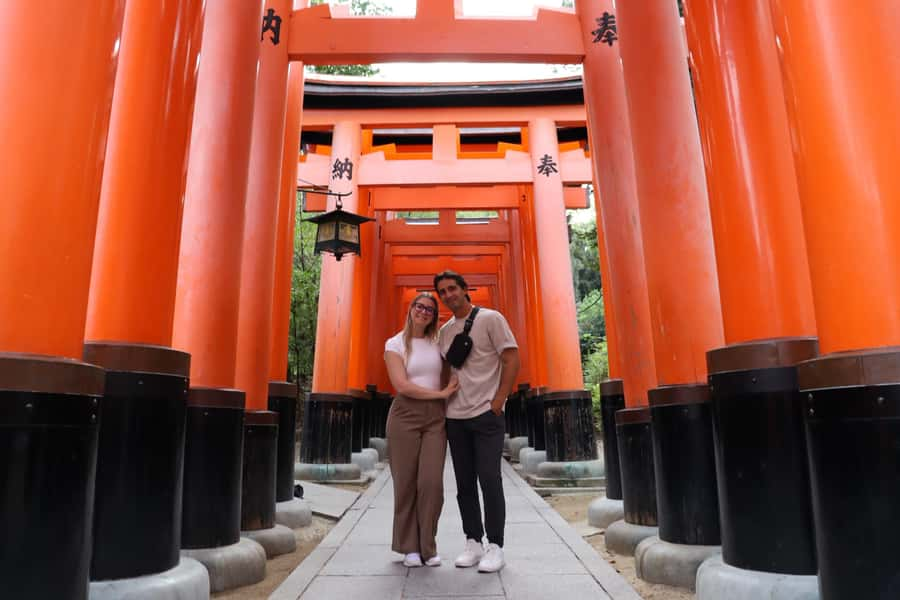
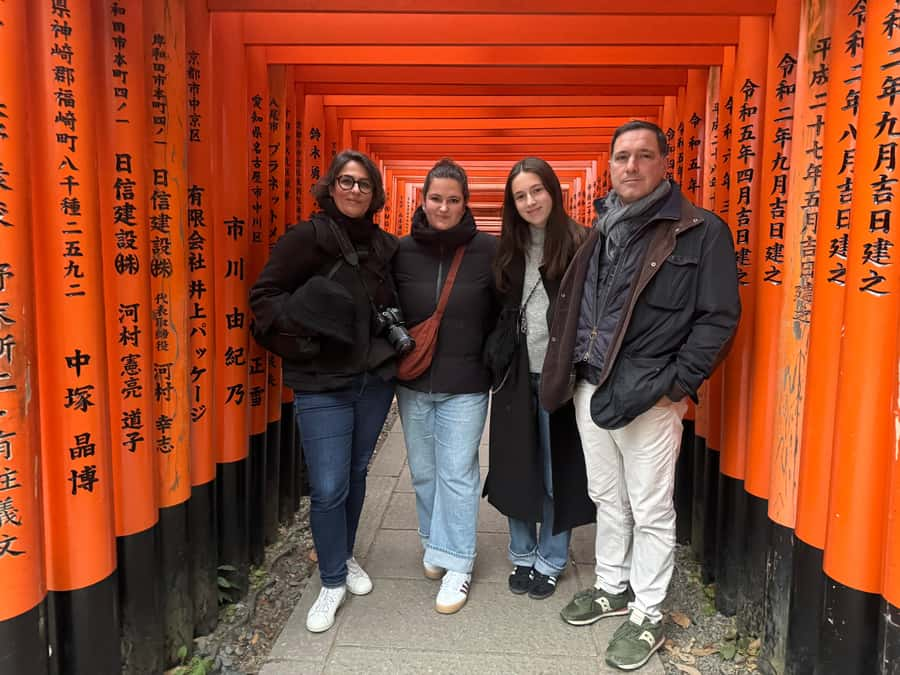
Fushimi Inari is the dramatic opening stop. Its famous path is lined with thousands of torii gates, creating long orange corridors that climb through the wooded shrine grounds. The gates were donated by individuals and businesses, and their presence reflects the shrine’s importance as a place connected with Inari, the Shinto deity associated with rice, business, and prosperity.
The tour gives you more than a quick photo stop. Ikki is particularly good at explaining shrine manners, including how to approach a Shinto site and how to pray. That guidance is useful because the rituals can seem mysterious if you are seeing them for the first time.
You will also learn to notice details that a hurried visit can miss. The focus is not only on the architecture, but on the meaning of the objects, the customs, and the way people use the shrine. That cultural context is one of the strongest reasons to choose a guide instead of visiting alone.
Fushimi Inari is not flat. The full mountain route extends well beyond the most photographed gates, but the tour description does not promise a complete summit walk. Even a shorter visit involves standing and walking, with some uphill sections possible. Wear shoes with good support, and do not treat this as a quick, effortless stop.
Morning light works especially well here. The orange gates can look striking against the darker trees, and your guide can help with photo positions. Professional photographs are included, which is useful for couples and families who often end up taking turns behind the camera.
Kiyomizu-dera and the view over Kyoto
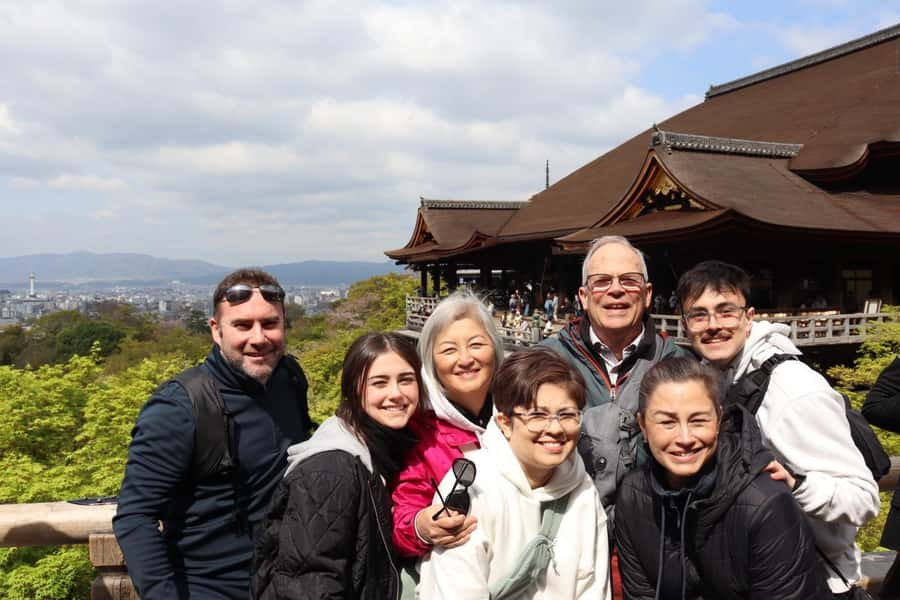
Next comes Kiyomizu-dera, one of Kyoto’s best-known Buddhist temples. The temple is famous for its broad wooden stage and views over the city, making it a natural contrast to Fushimi Inari’s enclosed gate paths.
The tour includes the 500-yen entrance fee, so you do not need to handle that part separately. You will have time to take in the temple grounds and hear about Buddhist traditions, temple customs, and the way these sites differ from Shinto shrines.
That distinction is central to the tour. Japan’s religious buildings can look similar to first-time visitors, but the practices and symbols are not interchangeable. A guide who explains when to bow, how to pray, and what you are looking at can turn a beautiful setting into a more meaningful visit.
Kiyomizu-dera is also one of the more physically demanding sections. You will be walking through a busy temple area with uneven surfaces and likely some steps. Comfortable shoes are not just a suggestion here. The tour is not suitable for wheelchair users, and baby strollers and carriages are not allowed.
The city view is one of the morning’s rewards. Weather will affect visibility, of course, and the information provided does not promise a particular view on every date. Still, the elevated position gives you a useful sense of Kyoto beyond the temple buildings.
More ways to walk the Fushimi Inari gates:
- Kyoto: Fushimi Inari, Kinkakuji, Bamboo Grove 1 Day Bus Tour
★ 4.8 · 4,316 reviews - Fushimi Inari Hidden Hiking Tour (Private Option Available)
★ 5.0 · 1,750 reviews - Osaka/Kyoto:Kinkakuji,Arashiyama,FushimiInariShrine,NaraPark
★ 4.1 · 1,596 reviews - Kyoto/Osaka: Nara, Fushimi Inari Taisha, Arashiyama Bus Tour
★ 4.7 · 1,275 reviews
A final walk through historic Gion
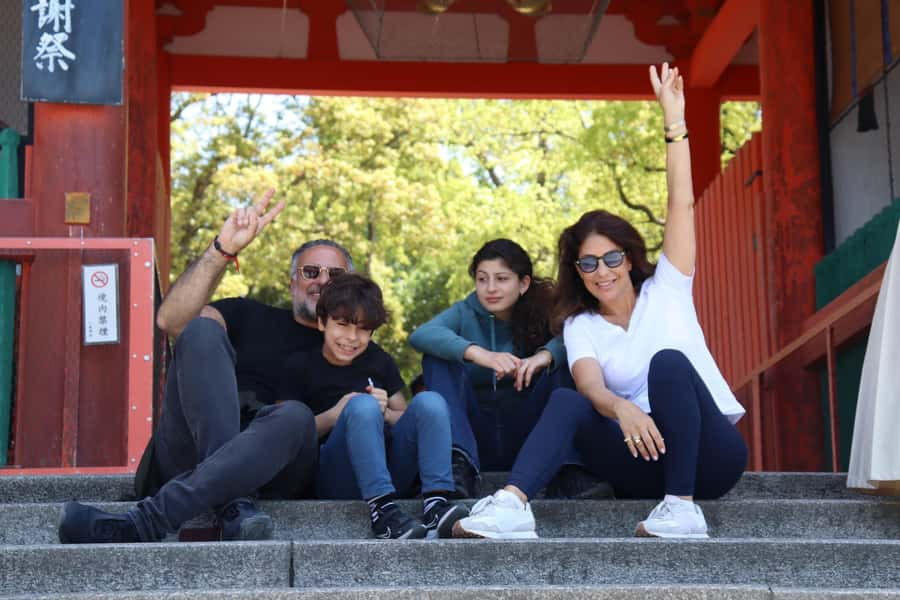
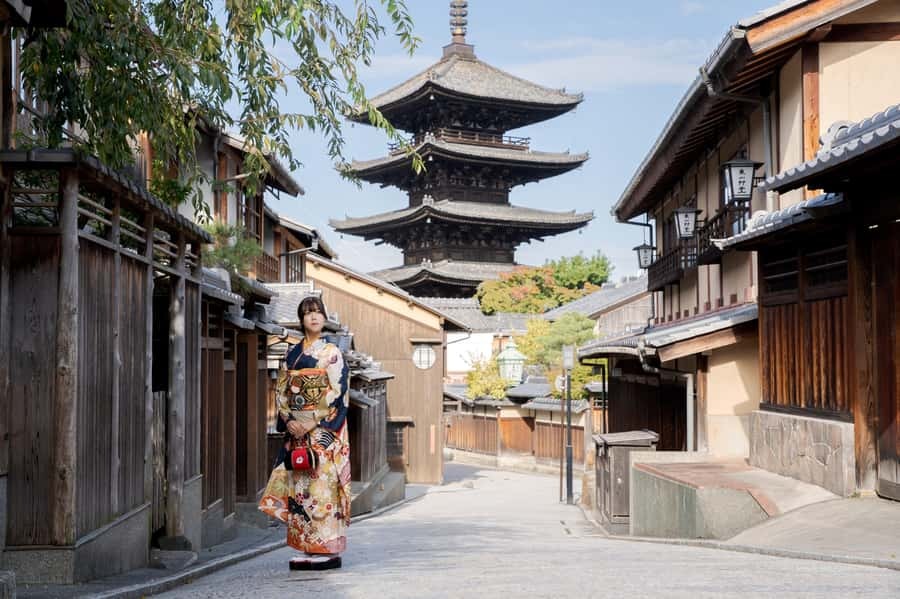
The last major stop is Gion, Kyoto’s historic district. Its traditional streets and old-style buildings provide a change of mood after the religious sites. Here, the pleasure is in walking slowly, noticing the streetscape, and hearing how Kyoto’s cultural districts fit into the city’s past and present.
Gion is often associated with geisha culture, but this is not advertised as a performance or guaranteed geisha encounter. Keep expectations sensible. The value of this portion is the atmosphere, the architecture, and your guide’s explanations rather than a staged show.
This is also a good point to ask questions about Japan. Ikki has been praised for offering practical suggestions for the rest of a Kyoto visit, including advice that can help you find your way around with more confidence. If you have a short list of food, temple, or neighborhood questions, bring them along.
The activity ends back at the original meeting point. That makes planning easier, especially if your luggage or next reservation is near Kyoto Station. It also means the tour does not finish in a different part of the city where you need to work out your return route.
The guide’s role: more than a walking escort
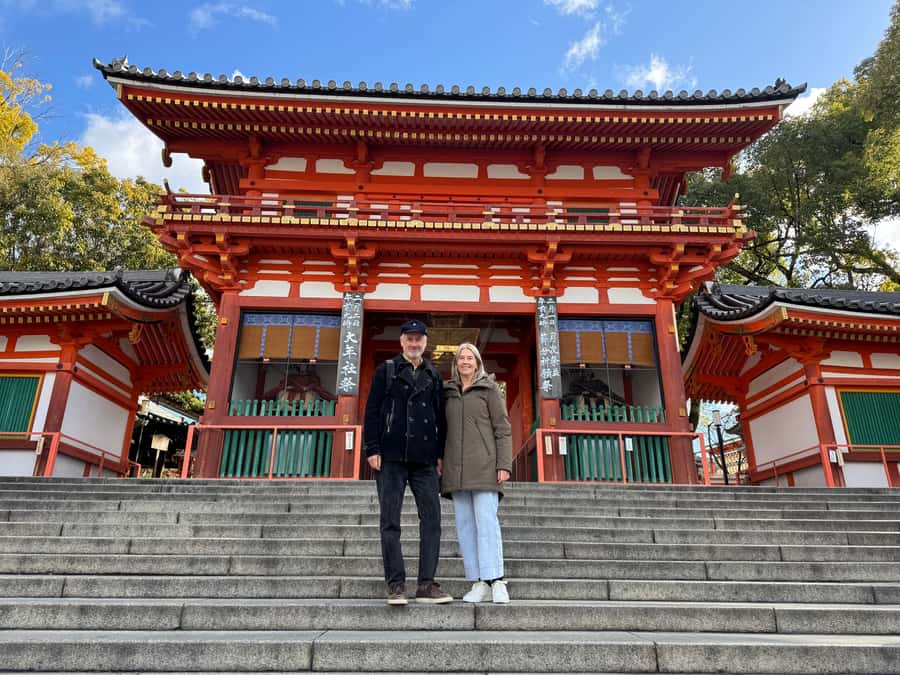
The guide can make or break a tour like this. The strongest feature here is the emphasis on explanation. Ikki is described as a Kyoto native with excellent English, and the feedback places particular weight on his ability to explain shrine and temple customs in a clear, friendly way.
That is valuable because a half-day route can otherwise become a checklist. You walk through the torii, look at a temple, stroll through Gion, and leave with attractive pictures but little understanding. A good guide connects the places and explains why each one matters.
You can also expect help with photography. The tour includes professional photos taken during the morning, and the guide knows useful photo locations. This is especially helpful if you are traveling as a couple or family and want everyone in the picture.
The tour includes a sample of Kyoto’s traditional sweets. It is not a meal, so plan to eat before or after the activity. The small tasting adds a local food note without taking much time away from the main route.
English is the listed tour language. Free Wi-Fi is also included, though the information does not explain the connection method or coverage. I would treat it as a useful extra rather than a reason to book.
Is $81 a fair price?
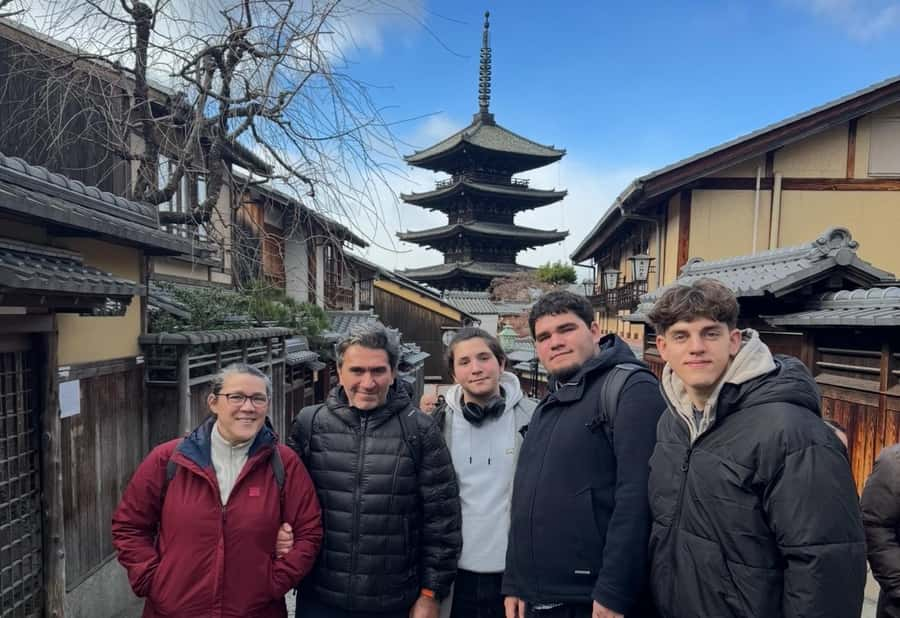
At $81 per person, this is not the cheapest way to see Kyoto’s shrines. You can reach Fushimi Inari and Kiyomizu-dera independently for much less, especially if you already understand the transport system and are comfortable researching customs yourself.
The price becomes easier to justify if you value interpretation, a planned route, and help with photos. It includes an English-speaking local guide, the 500-yen Kiyomizu-dera entry fee, a traditional sweet sample, professional photographs, and Wi-Fi. Public transport, about 400 yen, is extra, as are meals, drinks, and personal purchases.
I would think of the fee as paying for clarity and time. You avoid spending part of your morning working out which train or bus to take next, and you gain someone who can explain what you are seeing. That matters most on a first visit or during a short stay.
It is less attractive if you prefer total independence, want to linger for hours at one site, or already have a strong grasp of Japanese religious customs. The fixed half-day route favors visitors who want a well-organized introduction rather than a loose day of wandering.
Who will get the most from this tour?
This outing suits first-time visitors who want Kyoto’s major sights in one morning. It is also a strong choice if you have limited time and want cultural context without committing to a full-day activity.
Couples and families may appreciate the included photography. The guide can take pictures so you do not have to choose between being in the scene and recording it. The sweet sample and practical local advice add small touches beyond the basic sightseeing route.
I would also recommend it to anyone who wants a clearer understanding of Shinto and Buddhism. The instruction on proper shrine behavior is a real benefit, particularly if you feel unsure about what to do at a Japanese religious site.
Think twice if you have mobility concerns, are traveling with a stroller, or dislike early starts. This is a walking tour with public transportation, not a vehicle-based sightseeing trip. You should be prepared for moderate walking and possible stairs throughout the morning.
One point deserves attention: the highlights mention Kasuga Grand Shrine, but the detailed route describes Fushimi Inari, Kiyomizu-dera, and Gion. Kasuga Grand Shrine is in Nara, not on the stated Kyoto route, so do not book this expecting a stop there. The three Kyoto destinations are the itinerary to plan around.
Booking details worth knowing
You can reserve now and pay later, which helps if your schedule is still changing. Cancellation is allowed up to 24 hours before the start for a full refund.
Wear comfortable walking shoes and bring enough energy for a morning on foot. Since food and drinks are not included, have breakfast beforehand or plan a meal after returning to Kyoto Station.
The tour is conducted in English. It is not suitable for wheelchair users, and baby strollers and baby carriages are not allowed. Most important, arrive early at the central exit meeting point. Missing the start means missing the tour and forfeiting the refund.
Should you book the Kyoto Morning Highlights Tour?
Book it if you want an early, guided introduction to Kyoto’s most famous eastern sights, especially if you care about cultural explanations and good photographs. The mix of Fushimi Inari, Kiyomizu-dera, and Gion gives you shrines, a Buddhist temple, city views, and historic streets in a compact morning.
The strongest reason to choose it is the guide-led insight into prayer, manners, history, and local life. The main trade-off is the early start and steady walking. If those suit you, $81 is a reasonable price for a focused first look at Kyoto with guide Ikki, temple entry, photos, and a small taste of local sweets.
FAQ
Where does the tour begin?
It begins at the central exit of Kyoto Station, near Kyoto Tower. Meet by the yellow map beside the 7-Eleven, where the guide will hold an OTAKU hopper logo sign.
Where does the tour end?
The activity ends back at the original meeting point at Kyoto Station.
What sights are included?
The route includes Fushimi Inari Shrine, Kiyomizu-dera Temple, and the historic Gion district.
Is Kasuga Grand Shrine included?
The detailed route does not list Kasuga Grand Shrine. The stated Kyoto itinerary covers Fushimi Inari, Kiyomizu-dera, and Gion.
Is transportation included?
Public transportation is used, but the fare is not included. The estimated cost is about 400 yen.
Is the Kiyomizu-dera entrance fee included?
Yes. The 500-yen Kiyomizu-dera entrance fee is included.
What language is the tour offered in?
The tour is offered in English with an English-speaking local guide.
Is the tour suitable for wheelchair users or strollers?
No. The activity is not suitable for wheelchair users, and baby strollers and baby carriages are not allowed. Comfortable walking shoes are recommended.
More Kiyomizu-dera Visits
- Kyoto: Tea Ceremony in a Traditional Tea House in Kiyomizu
★ 4.9 · 3,519 reviews - Kyoto: Nijo Castle, Kiyomizu & Fushimi Inari Guided Tour
★ 4.7 · 700 reviews - Kyoto: Nijo, Kinkaku-ji, Arashiyama, Kiyomizu & Fushimi Inari
★ 5.0 · 699 reviews - Kyoto Tea Ceremony & Kiyomizu-dera Temple Walking Tour
★ 5.0 · 115 reviews
Newest Kyoto experiences on the site
- Treasures of Kyoto: Gion & historical Walking Tour★ 5.0 · 6 reviews
- Whisk Your Own Matcha: A Zen Matcha Experience at Temple★ 3.6 · 7 reviews
- Kyoto tea town for matcha lovers★ 5.0 · 16 reviews
- Uji: Private immersion into Kyoto’s tea and reglious culture★ 5.0 · 17 reviews
- Kyoto Matcha Green Tea Tour★ 4.5 · 23 reviews
- Uji and Wazuka Matcha Farm Half Day Private Guided Tour★ 5.0 · 21 reviews
- Utilising upcycled Matcha! Creating matcha incense (Uji, Kyoto)★ 5.0 · 6 reviews
- Sacred Temple Yoga Experience in Japan★ 5.0 · 3 reviews
Fushimi Inari Tours, compared.
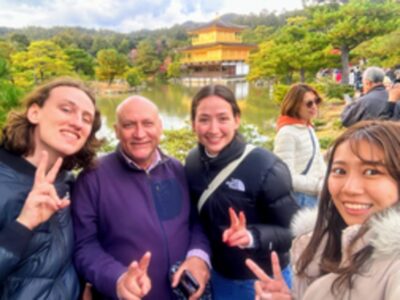
Fushimi Inari, Kinkakuji, Bamboo Grove 1 Day Bus Tour
Read our review →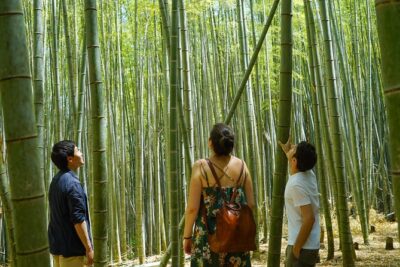
Fushimi Inari Hidden Hiking Tour (Private Option Available)
Read our review →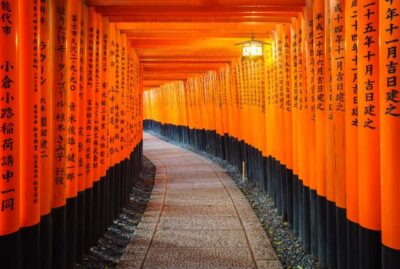
Kinkakuji,Arashiyama,FushimiInariShrine,NaraPark
Read our review →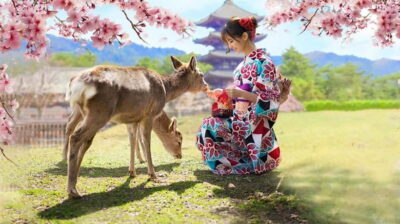
Nara, Fushimi Inari Taisha, Arashiyama Bus Tour
Read our review →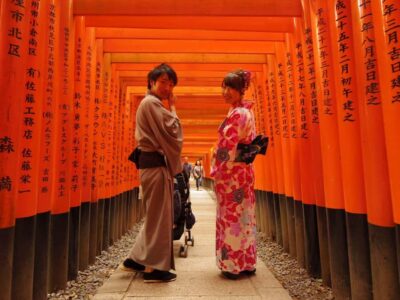
Arashiyama, Nara & Fushimi Inari Shrine w/Lunch
Read our review →
Nijo Castle, Kiyomizu & Fushimi Inari Guided Tour
Read our review →
Nijo, Kinkaku-ji, Arashiyama, Kiyomizu & Fushimi Inari
Read our review →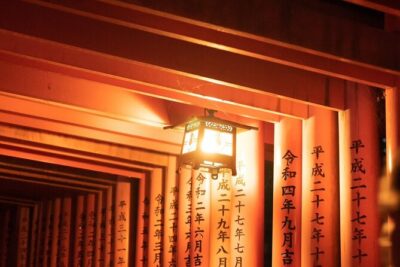
Browse the lists this tour appears in