
Reviewed · KYOTO MATCHA EXPERIENCES
Kyoto: Make Zen Garden and Taste Matcha in Pottery Shop
A rake, a tray of sand, a few stones, and your own sense of balance are the heart of this Kyoto experience. At Ninshu, you get to make a small karesansui garden, rather than simply admire one behind a temple fence. Then you sit in front of it with matcha and a Japanese sweet.
I like the mix of hands-on craft and quiet tea time. I also like the setting: a renovated 100-year-old machiya in a useful central area near Ippodo and Kyoto Imperial Palace Park. The main drawback is the short 30-minute schedule. If your group decides quickly, the garden-making part may feel brief, and there is not much formal instruction.
Key points to know before booking
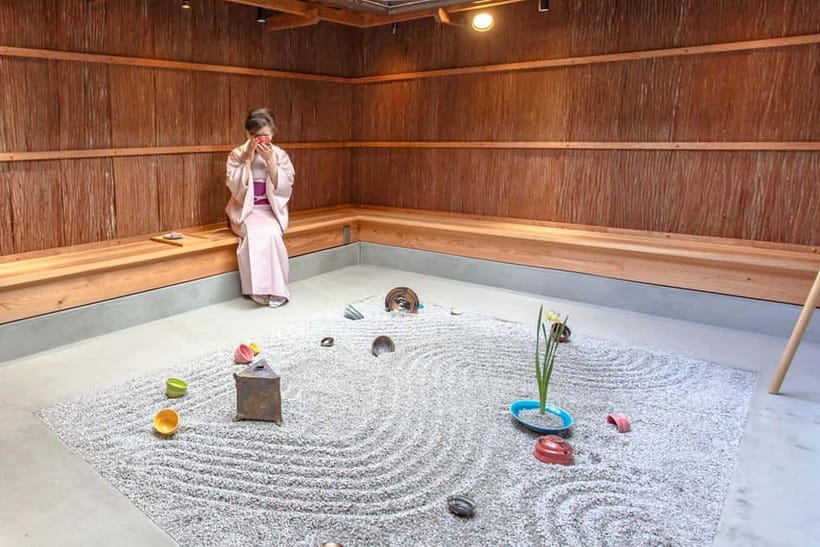
- Make your own miniature Zen garden: Rake the sand and arrange the elements in your own style.
- Taste Ippodo matcha: Enjoy hot or iced matcha from one of Kyoto’s best-known tea companies.
- Try seasonal wagashi: The Japanese sweet comes from Senbon Tamajushuken.
- Visit a working pottery shop: Browse handmade Kyoto pottery after the activity.
- Shop practical souvenirs: The pottery is dishwasher and microwave safe.
- Keep the outing short: The activity lasts 30 minutes and accepts no more than eight people.
Making a Zen garden inside Ninshu’s machiya
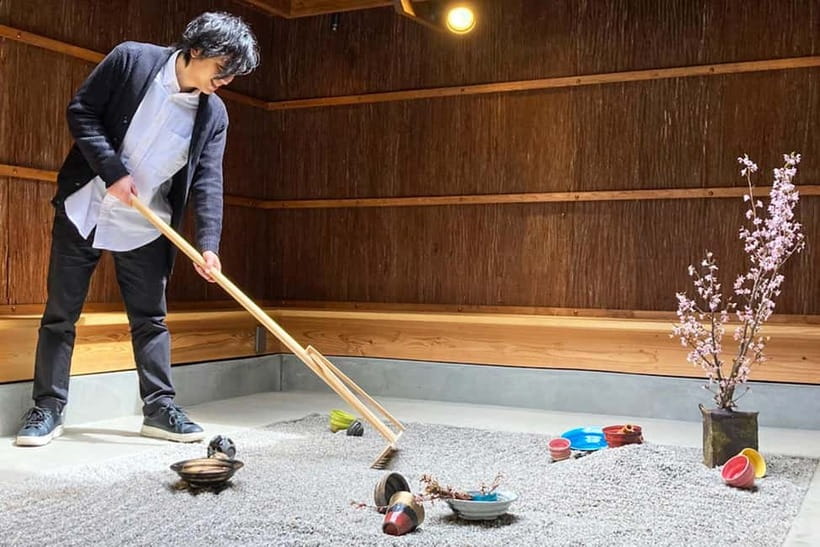
The appeal here is simple: you get to handle an art form usually made for looking at. Traditional Zen gardens, or karesansui, use sand, stones, and empty space to suggest natural scenes. You are not being asked to build a full temple garden. You are making a compact, personal version in the garden area behind Ninshu’s pottery shop.
That difference matters. A temple garden asks you to sit quietly and study an arrangement created by someone else. This activity lets you make the arrangement yourself. You rake patterns into the sand, place the available pieces, and decide how you want the finished garden to look.
The free-form format is both a strength and a weakness. You have room to be creative, and you do not need prior art or garden experience. On the other hand, you should not expect a long lesson in Zen design or a detailed demonstration. The available information points to light guidance rather than a formal workshop.
If you are decisive, the garden can come together quickly. That is useful if you have a full Kyoto schedule, but it also means the activity may feel short for anyone hoping for a slow craft class. I would treat the garden as a focused creative moment, not as a half-day cultural course.
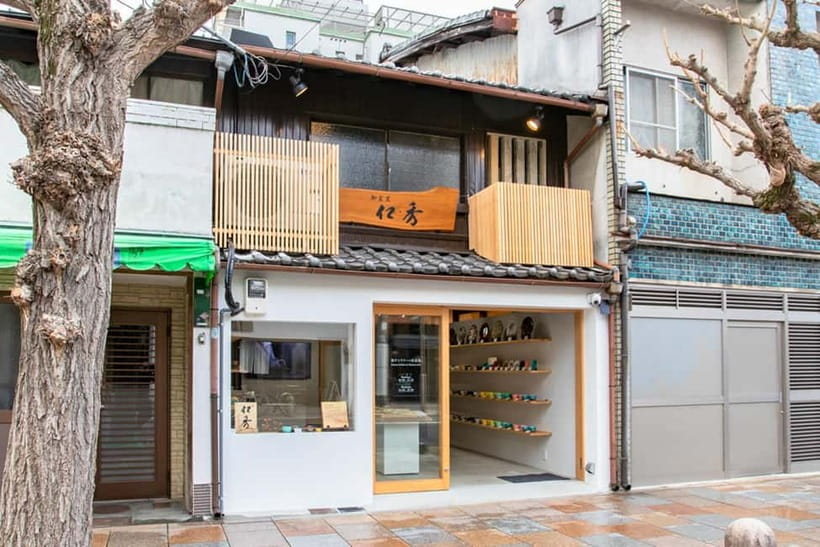
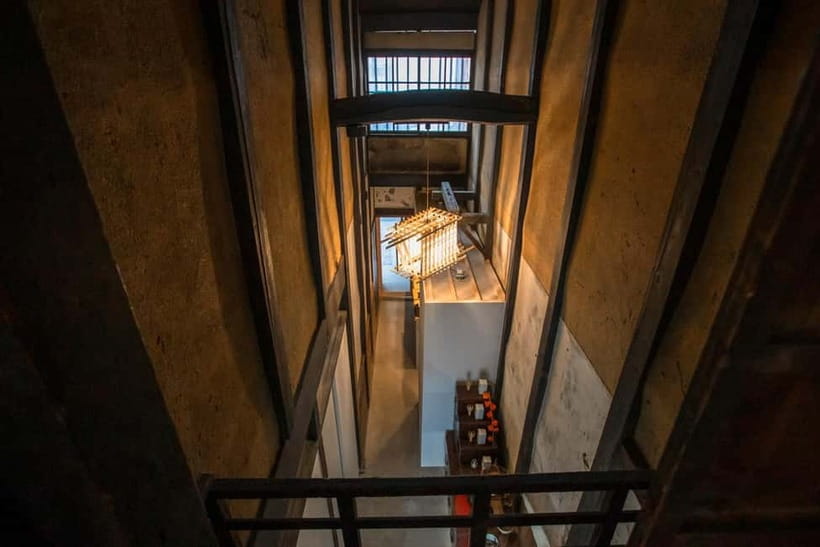
The setting adds much of the charm. Ninshu operates from a renovated 100-year-old Kyoto townhouse, or machiya. These narrow traditional buildings are closely tied to the city’s older streets and shop culture. Here, the machiya is not just a backdrop for a photograph. It is also home to a pottery shop, so the activity connects garden design, tea, architecture, and local craft in one small place.
More matcha experiences in Kyoto:
- Kyoto: Arashiyama Bamboo Forest, Monkeys, Matcha & Temple Tour
★ 5.0 · 759 reviews - Kyoto: Tea Museum Tickets and Matcha Grinding Experience
★ 4.9 · 739 reviews - Kyoto: Tea Ceremony Meditation – Make Matcha with Tea Master
★ 4.8 · 406 reviews
Matcha and wagashi beside your own creation
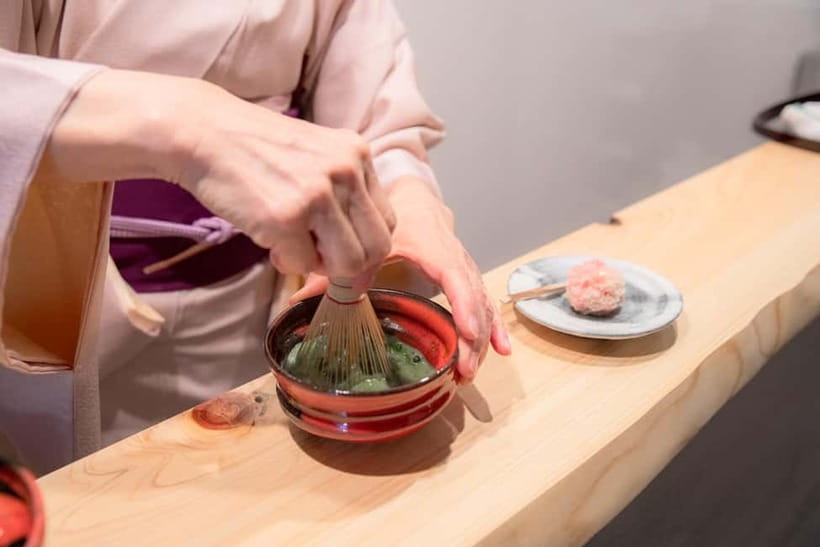
After making the garden, you sit in front of it for matcha and a Japanese sweet. The tea comes from Ippodo, the well-known Kyoto tea company located nearby, and the seasonal wagashi comes from Senbon Tamajushuken. The pairing gives the second half of the experience a clear sense of place.
You can choose hot or iced matcha. That small choice is useful in Kyoto, where summer heat can make a cold drink far more appealing, while a warm cup suits a cooler day. The tea is served with a mochi cookie according to the activity details and participant feedback, while the wider description refers to seasonal wagashi. Either way, you get a sweet accompaniment rather than plain tea.
I like the photo opportunity here because it has a purpose. You can photograph yourself eating matcha and the sweet with the Zen garden you just made in front of you. It is more personal than taking another picture of a temple gate. Your arrangement may be simple, but it gives the image a clear memory attached to it: you made that garden yourself.
The tea portion is not described as a full tea ceremony. Do not book this expecting the lengthy movements, etiquette, and formal presentation of a dedicated tea ritual. This is a relaxed taste of matcha in a creative setting. For many people, that makes it easier to fit into a busy day.
The strongest praise for the activity centers on the tea, sweet, and friendly hosts. That is a good sign for anyone who wants a low-pressure introduction to matcha. The mood is intended to be calm and welcoming, not solemn or demanding. One short description of the experience called it very zen, which gets to the point without overselling it.
A pottery shop with useful Kyoto souvenirs
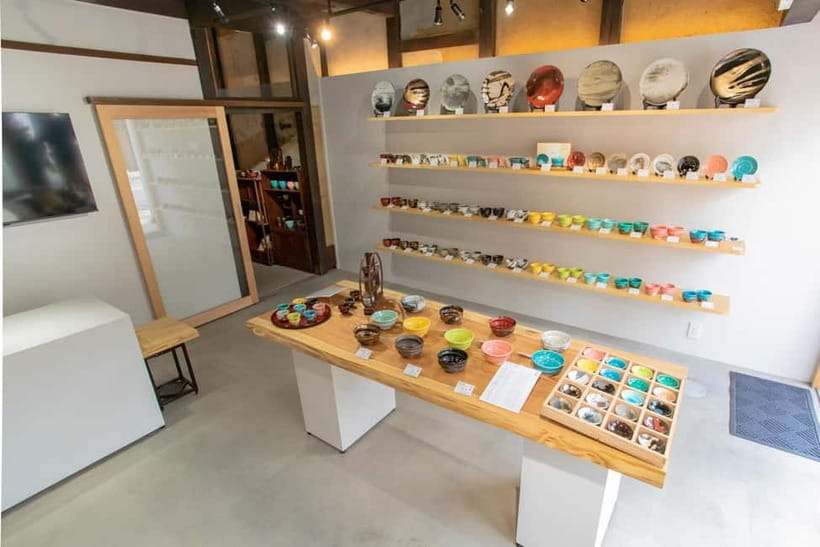
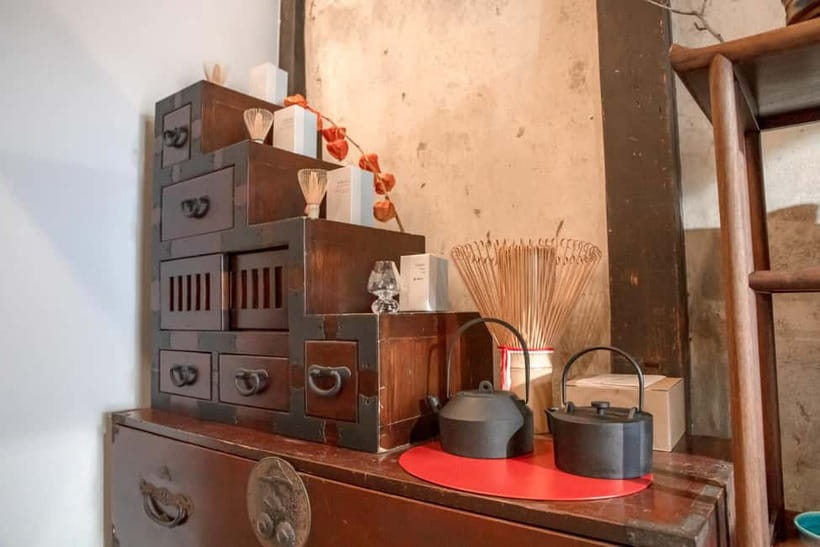
Ninshu is more than the meeting point. You can browse handmade pottery in the same shop after making your garden and drinking tea. The pieces are traditional in style but practical for modern homes, since the pottery is dishwasher and microwave safe.
That combination makes the souvenirs easier to use than fragile decorative objects. If you have room in your luggage, a cup, bowl, or small plate can serve as a daily reminder of Kyoto. The activity information does not specify the exact selection or prices of individual pieces, so you will need to inspect what is available on the day.
The shop’s location is another reason to allow a little time before or after the 30-minute activity. It is two minutes north of Ippodo and about 100 meters south of Kyoto Imperial Palace Park along Teramachi Dori. The surrounding area includes antique and traditional homeware shops, making this a good stop for anyone who enjoys browsing local crafts.
You should not expect a large museum or a full pottery demonstration. The value is in seeing handmade objects in the place where this small cultural activity takes place, then choosing a usable souvenir if something catches your eye. The shop setting also keeps the experience intimate. With a maximum of eight people, it should feel quite different from a large group demonstration.
How the 30-minute schedule works
The listed duration is only 30 minutes, so each stage is compact. The order is straightforward:
- You arrive at Ninshu’s pottery shop and move to the garden area.
- You rake and decorate your own small Zen garden.
- You sit in front of it with hot or iced matcha.
- You eat the accompanying Japanese sweet.
- You take photographs and browse the handmade pottery.
The exact amount of time spent on each part is not specified. The activity can be done quickly if everyone makes decisions fast. If you want time to study the sand patterns, arrange the stones, enjoy the tea, and take photographs, keep your expectations measured.
The short format is useful between larger Kyoto sights. You can place it before or after a visit to Kyoto Imperial Palace Park, or pair it with a walk along Teramachi Dori. It is also close enough to Ippodo to combine the two stops without a complicated trip across the city.
At the same time, the short duration limits the depth. You will not get an extended explanation of Zen garden design, a long tea lesson, or a detailed pottery class. I would choose this for a pleasant cultural pause, especially if you want an activity that gives you something to do with your hands.
More craft workshops in Kyoto:
- Kyoto : Chopsticks Making Workshop in Gion with Engraving Option
★ 5.0 · 958 reviews - Authentic knife making experience at a blacksmith in Kyoto
★ 4.8 · 350 reviews - Roketsu dyeing experience: M course Roketsu Dyeing Experience
★ 5.0 · 163 reviews - Kyoto: Beginner Knife Sharpening & Handle Fitting Workshop
★ 4.9 · 141 reviews
Getting to Ninshu near Kyoto Imperial Palace Park
The shop is at 35.0157879, 135.7673992. It is about 11 minutes on foot from Kyoto Shiyakusho-mae Station on the Subway Tozai Line, or nine minutes from Jingu-Marutamachi Station on the Keihan Main Line.
The easiest landmark is Ippodo. Ninshu is two minutes north of Ippodo and 100 meters south of Kyoto Imperial Palace Park along Teramachi Dori. If you are already in this part of central Kyoto, the location is convenient. You can also use the palace park and Ippodo as navigation points rather than relying only on the street address.
I would leave a few extra minutes to find the entrance. The activity takes place in a small pottery shop, not in a large tourist facility with a prominent attraction sign. The supplied directions are clear, but Kyoto’s older streets can still take a moment to read.
This is a useful experience for a day built around central Kyoto. It does not require a long train ride or a separate excursion. You can fit it around shopping, the palace park, or other stops near Teramachi Dori.
Is $12 a fair price?
At $12 per person, the value is strong if you want the full combination of activities. The price includes the garden-making experience, matcha and Japanese sweets, reservation fees, and system fees. You are paying for participation, not just a drink or a quick look at pottery.
The value becomes clearer when you consider the setting. For a modest fee, you spend time in a traditional machiya, create something yourself, taste tea from Ippodo, and receive a Japanese sweet. You also get access to a pottery shop where you can consider a separate souvenir purchase.
The price is less compelling if your main goal is a serious tea ceremony or an extended craft lesson. This is a small, accessible cultural experience. It gives you several tastes of Kyoto culture, but none of them is treated at great length.
For families, couples, solo visitors, and anyone with a tight schedule, the low cost and short duration make it easy to try. For serious gardeners, pottery students, or people seeking a detailed explanation of karesansui, the activity may feel too light.
Who will enjoy this Kyoto activity most?
You will probably like this experience if you enjoy making things, taking photographs, and trying local food in small portions. It suits people who want a quiet break from temples and crowded streets without giving up a connection to Kyoto tradition.
It also works well for first-time matcha drinkers. The tea is served in a casual setting, and you can choose hot or iced. The accompanying sweet gives you something to eat with the tea, which can make the flavor easier to approach.
Families may appreciate the short commitment, though the supplied information does not give a minimum age or specific child arrangements. Groups of friends can have fun comparing their garden designs, while solo visitors can focus on making a simple arrangement and enjoying the calm setting.
You may want to skip it if you dislike open-ended activities. There is not much instruction, and the garden-making part relies on your own choices. You should also skip it if your schedule is too tight to allow for finding the shop, since a 30-minute activity leaves little room for a late arrival.
The pottery shopping adds value for anyone who likes functional souvenirs. Because the pieces are dishwasher and microwave safe, they are more practical for overseas homes than pottery that requires special care.
Booking details worth knowing
The activity costs $12 per person and lasts 30 minutes. Groups are limited to eight participants, which suits the small shop and keeps the experience from feeling like a large class.
You can reserve now and pay later, so you do not need to pay at the time of booking. Free cancellation is available up to 24 hours in advance for a full refund. Starting times vary, so you should check availability for your chosen date.
No guide names are provided, and no specific tour language is listed in the available information. The hosts are described as friendly and helpful, but you should not expect a named specialist-led lecture.
Should you book the Ninshu Zen garden experience?
Book it if you want a short, affordable Kyoto activity that combines making, tasting, and shopping. The best parts are the chance to create your own karesansui garden, the Ippodo matcha, and the pleasant machiya setting near Kyoto Imperial Palace Park.
Keep your expectations in proportion. This is not a formal tea ceremony, a long pottery workshop, or an in-depth lesson in Zen garden design. The instruction is light, and a decisive group may finish the creative part fast.
For $12, the combination is hard to dismiss. I would book it as a 30-minute stop during a central Kyoto walking day, especially if you like practical souvenirs and want a personal photograph rather than another standard temple view.
FAQ
How long does the Kyoto Zen garden activity last?
The activity lasts 30 minutes.
How much does the experience cost?
The price is $12 per person.
What is included in the price?
The price includes the experience, matcha, Japanese sweets, reservation fees, and system fees.
Can I choose hot or iced matcha?
Yes. You can have either hot or iced matcha.
Where is the meeting point?
The activity takes place at Ninshu’s pottery shop, two minutes north of Ippodo and 100 meters south of Kyoto Imperial Palace Park along Teramachi Dori.
How many people can join the group?
The activity is limited to eight participants.
Can I cancel for a full refund?
Yes. You can cancel up to 24 hours in advance for a full refund.
More Zen Sittings in Kyoto
- Kyoto Zen Meditation & Garden Tour at a Zen Temple with Lunch
★ 5.0 · 441 reviews - Kyoto: Zen Experience in a Hidden Temple
★ 5.0 · 437 reviews - Kyoto: Zen Meditation at a Private Temple with a Monk
★ 5.0 · 202 reviews - Kyoto: Zen Garden, Zen Mind (Private)
★ 5.0 · 126 reviews
Newest Kyoto experiences on the site
- Treasures of Kyoto: Gion & historical Walking Tour★ 5.0 · 6 reviews
- Whisk Your Own Matcha: A Zen Matcha Experience at Temple★ 3.6 · 7 reviews
- Kyoto tea town for matcha lovers★ 5.0 · 16 reviews
- Uji: Private immersion into Kyoto’s tea and reglious culture★ 5.0 · 17 reviews
- Kyoto Matcha Green Tea Tour★ 4.5 · 23 reviews
- Uji and Wazuka Matcha Farm Half Day Private Guided Tour★ 5.0 · 21 reviews
- Utilising upcycled Matcha! Creating matcha incense (Uji, Kyoto)★ 5.0 · 6 reviews
- Sacred Temple Yoga Experience in Japan★ 5.0 · 3 reviews
Kyoto Matcha Experiences, compared.
Arashiyama Bamboo Forest, Monkeys, Matcha & Temple Tour
Read our review →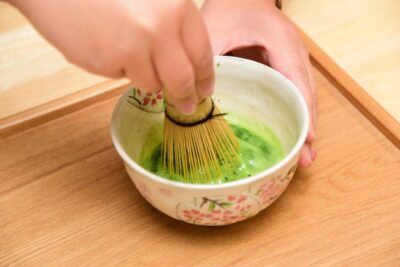
Tea Museum Tickets and Matcha Grinding Experience
Read our review →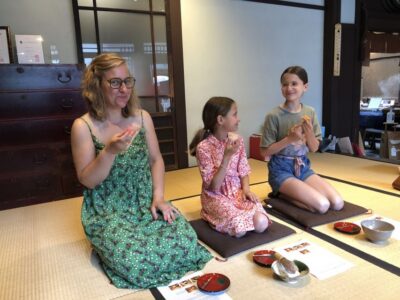
Tea Ceremony Meditation – Make Matcha with Tea Master
Read our review →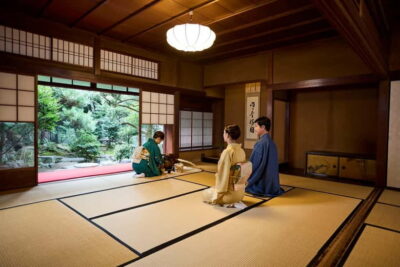

Arashiyama Bamboo, Temple, Matcha, Monkeys & secret spots
Read our review →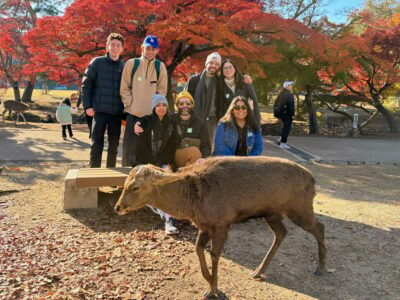
Traditional Tea Ceremony with Matcha & Sweets in Gion
Read our review →Browse the lists this tour appears in