
Reviewed · NIJO CASTLE TOURS
Kyoto: Imperial Palace & Nijo Castle Guided Walking Tour
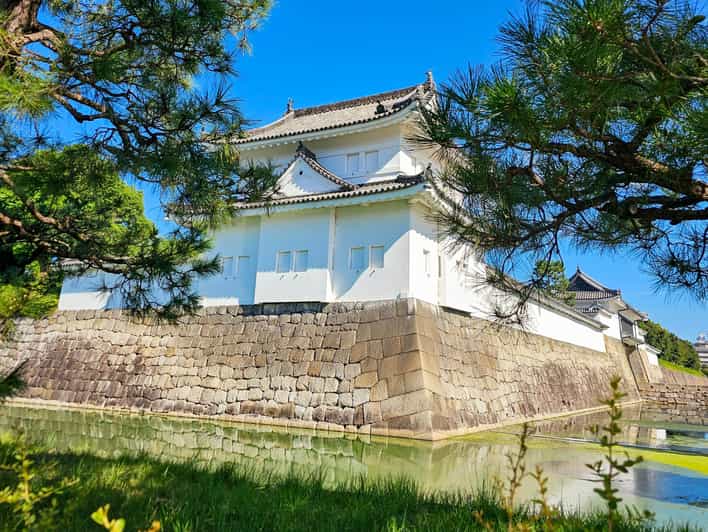
Kyoto’s past comes into focus when you visit Nijo Castle and the Imperial Palace together. One was tied to the shogun, the military ruler of Japan; the other was home to the emperor. Seeing both in one morning or afternoon gives you a useful picture of how power worked in old Kyoto.
I like the small groups of up to nine and the choice of start times. I also like the guides’ focus on meaning, not just dates. Jasmine, Raphael, Vincent, Taku, and Cecilia have been praised for clear explanations, thoughtful answers, and helpful local suggestions. The main catch is simple: you will walk a lot, and the Imperial Palace visit focuses on the grounds rather than palace interiors.
Key points
- Two sides of old Kyoto: Compare the shogun’s Nijo Castle with the emperor’s Kyoto Imperial Palace.
- Ninomaru Palace included: The castle visit covers Ninomaru-goten Palace, its Painting Gallery, and garden.
- A guide adds real value: Expect explanations of architecture, symbols, Japanese culture, and political history.
- Three hours, carefully paced: The schedule gives about an hour at each main site, plus movement between them.
- Small-group format: The group is limited to nine people, though some departures may feel almost private.
- Practical timing: Meet outside Exit 1 at Nijojo-mae Station at least 10 minutes early.
Why these two sites belong on the same Kyoto day
Nijo Castle and the Imperial Palace are not simply two handsome historic compounds. They represent two different centers of authority.
Nijo Castle was connected with the shogun, Japan’s military ruler during the Edo period. The Imperial Palace was the emperor’s residence. A visit to only one can leave you with a partial picture. Together, they help you understand the tension and balance between military power and imperial tradition.
That contrast is the strongest reason to book this tour. Your guide can point out how architecture, gardens, room layouts, and ceremony reflected status. Several guides, including Jasmine and Raphael, have been praised for explaining symbols and cultural details in a way that makes the buildings easier to read.
You also get useful context about Kyoto itself. The city served as Japan’s capital and imperial home for more than a thousand years. That long connection explains why these sites matter, even when a particular building or garden seems quiet and understated.
The tour is not designed for a slow, solitary visit. It is a compact route that links two major sights in three hours. If you want a broad historical orientation early in your Kyoto stay, this is a sensible choice.
More Nijo Castle visits:
- Kyoto: Nijo-jo Castle and Ninomaru Palace Guided Tour
★ 4.7 · 1,020 reviews - Kyoto: Nijo Castle, Kiyomizu & Fushimi Inari Guided Tour
★ 4.7 · 700 reviews - Kyoto: Nijo, Kinkaku-ji, Arashiyama, Kiyomizu & Fushimi Inari
★ 5.0 · 699 reviews
Starting at Nijojo-mae Station
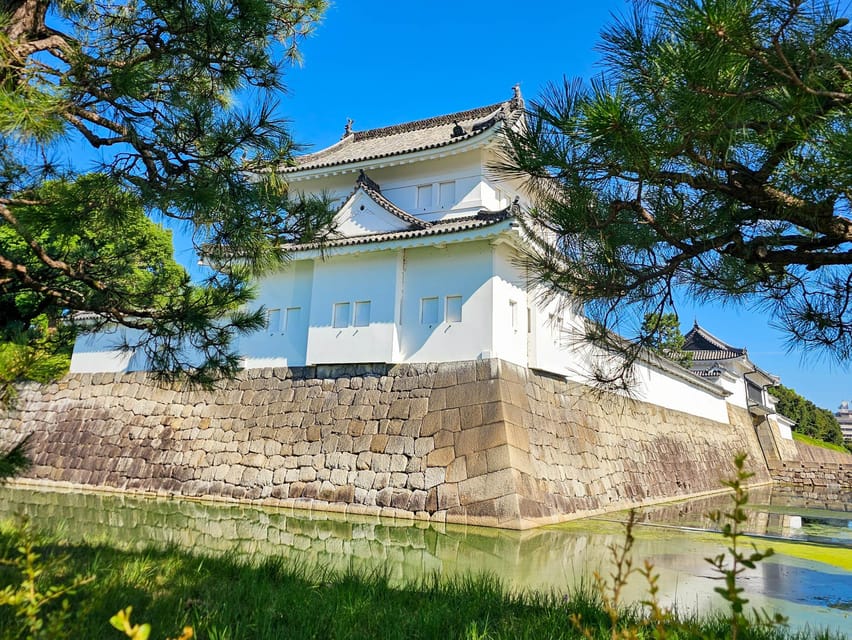
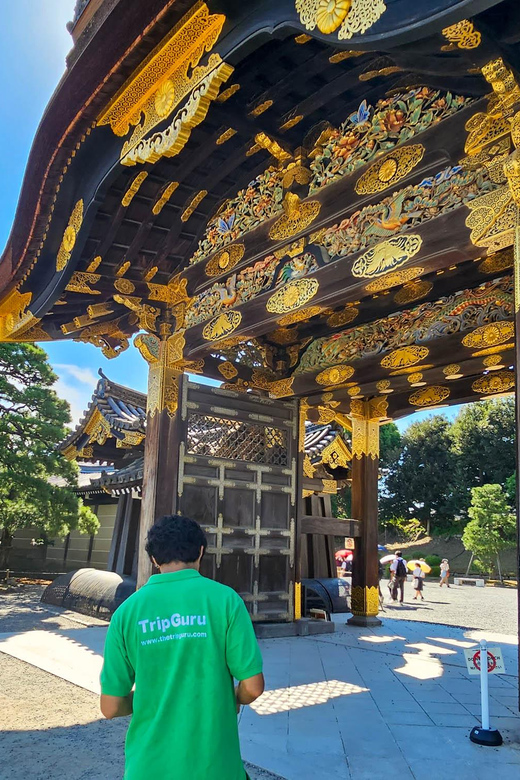
The meeting point is outside Exit 1 at Nijojo-mae Station, beside Nijo Castle. Your guide will wear a TripGuru shirt or hold a TripGuru sign.
Arrive at least 10 minutes early. The guide waits only up to 10 minutes before continuing, and morning traffic can be worse than a navigation app suggests. This matters in Kyoto, where a small delay can quickly become a missed meeting point.
Nijojo-mae Station is a practical starting place because you begin at the first major sight rather than spending the opening part of the tour finding it. You should have comfortable shoes, water, and a camera. Cash is also listed as useful for personal expenses.
The schedule allows about one hour for Nijo Castle. That is enough for a guided introduction, the main palace visit, and a look at the gardens, but it is not enough for every corner of the full grounds. You will need to keep moving at the group’s pace.
Inside Nijo Castle’s Ninomaru Palace
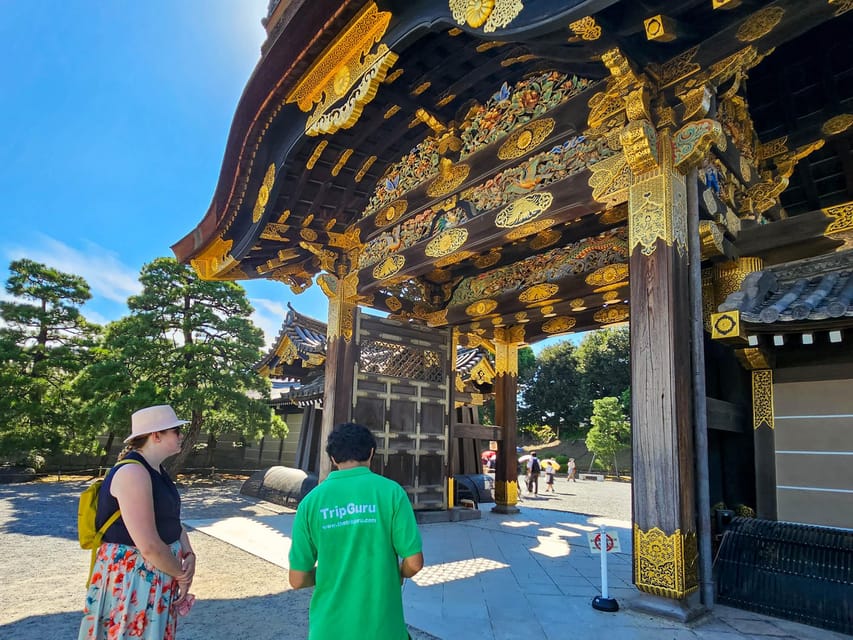
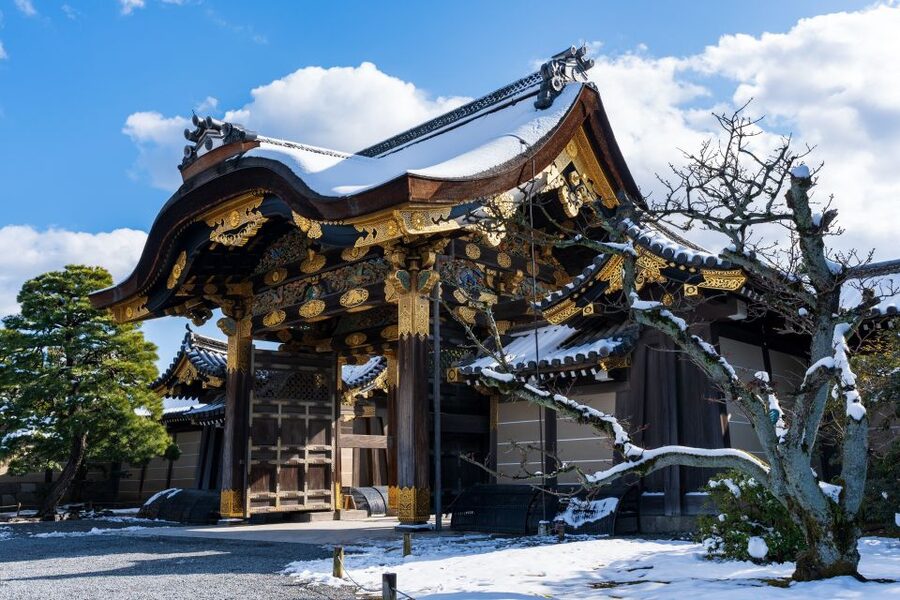
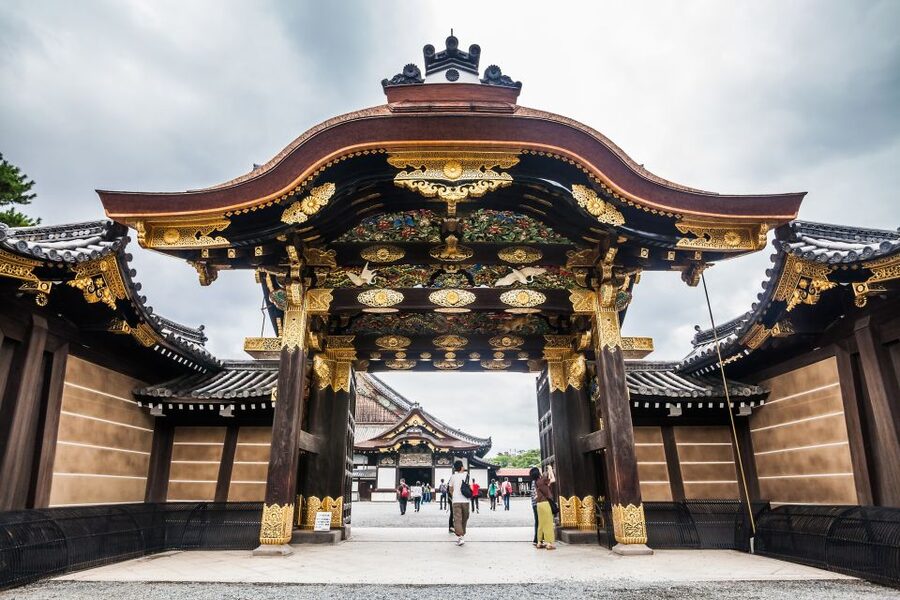
Nijo Castle is the more detailed and rewarding stop for many people on this route. The visit includes Ninomaru-goten Palace and its Painting Gallery, along with the garden.
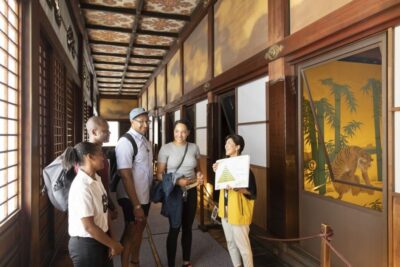
The interiors give you a closer sense of how the shogun’s world was arranged. Your guide can explain the role of different rooms, the visual messages in the artwork, and the way decoration reflected rank. This is where a guide earns the price of admission. Without context, you may notice beautiful screens and polished wood but miss why certain images and spaces mattered.
The Painting Gallery is part of the included castle admission. The tour information specifically limits the guided castle visit to Ninomaru-goten Palace and Garden, so do not expect a full guided sweep of every castle building.
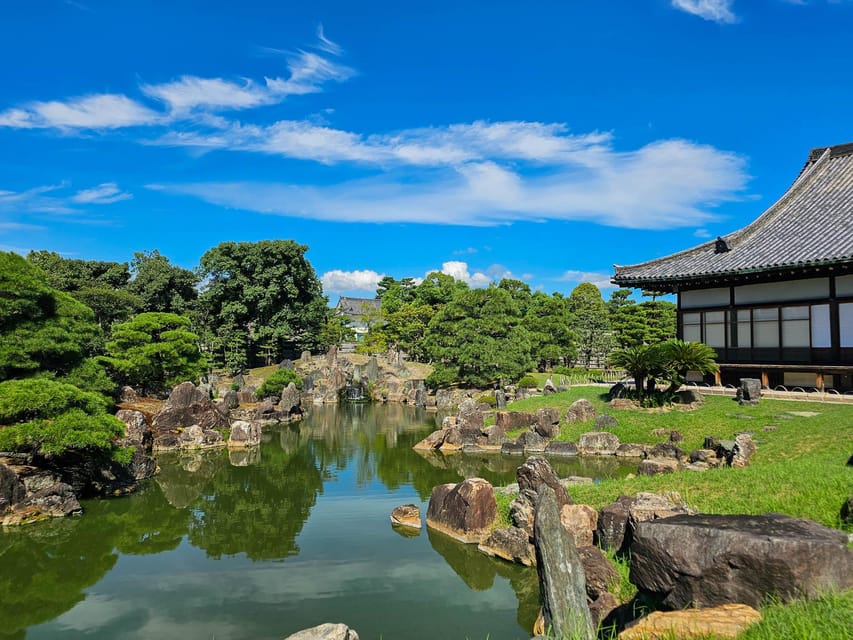
The garden provides a useful change of pace after the interiors. You can look at the relationship between buildings, water, stone, and planted areas while your guide explains how the setting supported formal visits and ceremony. The focus is not just on taking photographs. It is on understanding how the compound presented power.
Several guides have been praised for connecting the site to wider Japanese history and culture. Taku, for example, has been described as patient and considerate, while Jasmine has been singled out for clear explanations and attention to detail. You may not get those exact guides, but the repeated strength of the tour is the guide-led interpretation.
Nijo Castle also works well for visitors who prefer a tangible historic setting. The rooms, paintings, and gardens offer more visual detail than a simple exterior visit. If you only have time for one of the two sites, this may be the stronger choice for architecture and interiors.
Walking from the shogun’s castle to the emperor’s palace
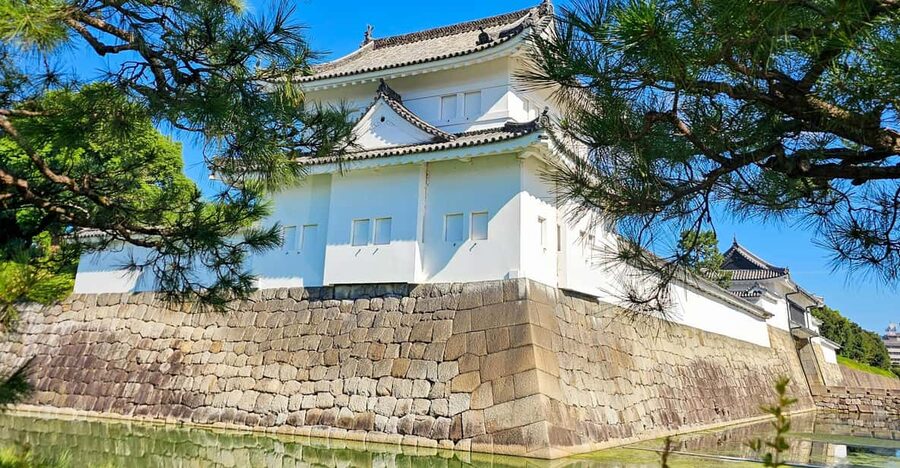
The tour then continues toward the Kyoto Imperial Palace and finishes at Imadegawa Station. The exact movement between sites should be treated as part of the walking tour, with some departures also involving a subway connection.
This is not a sit-down sightseeing trip. Expect plenty of time on your feet, paths through large compounds, and movement between major areas. In summer, bring water and a hat. A June visitor specifically found the heat tough, and Kyoto’s open palace grounds can offer limited relief on a hot day.
The route is manageable for many active visitors, but the activity is not suitable for people with mobility impairments, pregnant women, heart problems, or respiratory issues. Wear supportive shoes, and do not schedule a demanding activity immediately afterward if you tire easily.
The journey between the sites has a practical benefit. It gives the guide time to connect what you saw at Nijo Castle with the next stop. The shift from military authority to imperial tradition becomes easier to follow when the explanation happens in sequence rather than as two unrelated tours.
More Imperial Palace and villa visits:
- Kyoto Imperial Palace & Nijo Castle Guided Walking Tour – 3 Hours
★ 4.5 · 106 reviews - Kyoto: Nijo Castle and Kyoto Imperial Palace Guided Tour
★ 4.6 · 98 reviews - Nijo Castle and Imperial Palace Visit with Guide
★ 5.0 · 53 reviews - Kyoto: Discover Every Bit of Kyoto Imperial Palace
★ 4.4 · 21 reviews
What you see at the Kyoto Imperial Palace
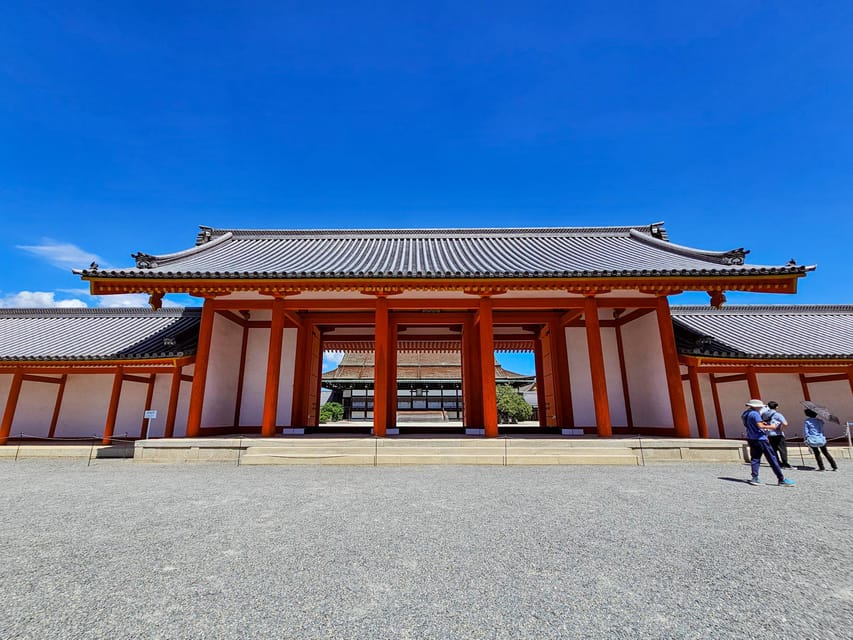
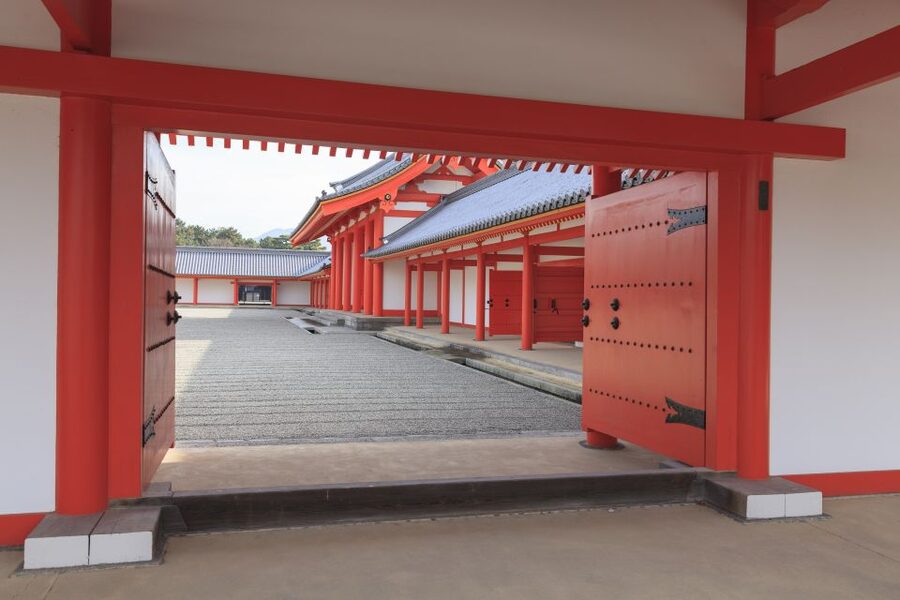
The Kyoto Imperial Palace was once the residence of Japan’s imperial family. Here, the emphasis is on the grounds, exterior architecture, gardens, and the role of the palace in Kyoto’s long political story.
Be clear about one important limitation: this is not a tour of the palace interior. A review noted that visitors cannot go inside in the same way they enter Ninomaru Palace. You will still see impressive structures and gardens, but the appeal is more spacious and ceremonial than richly decorated.
That difference helps explain why some people prefer Nijo Castle. At the castle, interiors and paintings give you more close-up detail. At the Imperial Palace, you are reading the scale, arrangement, and formal character of the grounds.
Your guide can make that open setting meaningful. Cathal valued the clear contrast between shogun and emperor, while other visitors praised explanations of Japanese culture, symbols, and customs. Guides such as Alex and Kosuke have also been praised for adding present-day cultural context and local recommendations.
The palace visit is best for you if you want to understand Kyoto’s role as an imperial capital. It is less satisfying if your main goal is to walk through lavish rooms. Keep that distinction in mind before booking.
The tour finishes at Imadegawa Station. That gives you a useful transport point at the end rather than returning to the original meeting place. You can then continue sightseeing or make your own way to another part of Kyoto.
How much the $49 price gets you
At $49 per person, the tour is priced above a simple self-guided visit, but the comparison is not just admission cost versus admission cost.
Your fee includes an English, French, or Spanish-speaking guide, entrance to Nijo Castle including Ninomaru-goten Palace and the Painting Gallery, and the walking tour. You are paying for interpretation at two complicated historic sites, plus the convenience of seeing them in one organized route.
The value is strongest if you are new to Japanese history or want someone to explain what you are seeing. Guests have repeatedly praised guides for answering questions, explaining architecture, and adding details they would have missed alone. Raphael has been praised for moving between historical facts and cultural references, while Vincent has been noted for managing time well and helping with practical needs at the end of the tour.
The value is weaker if you prefer to set your own pace. You will not have unlimited time in each garden or room, and you may want longer at Nijo Castle than at the Imperial Palace. The route also does not include meals, drinks, hotel pickup, hotel drop-off, or personal expenses.
For a three-hour introduction, $49 is reasonable. You get two major sites and a small group rather than a large coach tour. The price makes the most sense when you actively ask questions and use the guide’s local knowledge.
Small groups and the guide you may get
The group limit is nine people. That is small enough for a guide to answer questions without making you feel lost in a crowd. Some departures may be much smaller. One group had only three people and felt close to a private tour.
Guide quality is the central feature of this experience. Names praised in the supplied feedback include Jasmine, Raphael, Vincent, Taku, Cecilia, Alex, Kosuke, Naoki, Gus, Miya, Kenta, Yuko, Katsuhiko, and others. The exact guide depends on your departure, and you should not book expecting a specific person unless the operator confirms it.
The strongest pattern is clear communication and historical explanation. Jasmine has been praised for speaking clearly so the whole group could hear. Taku has been described as patient and attentive. Raphael has been praised for fluent English and strong knowledge of Japanese history and culture. Vincent has been noted for an entertaining style and careful time management.
Some guides also offer useful Kyoto suggestions after the formal tour. Kosuke provided recommendations for further sightseeing, while several guides answered questions about food, culture, and local life. That extra conversation can be especially useful early in a Kyoto visit.
Languages are listed as English, French, and Spanish. Check the available language when you select your departure.
Who will enjoy this tour most
This tour suits a first-time Kyoto visitor who wants historical context without giving up a full day. It is also a good fit if you have only a few hours available and want to see two major sites efficiently.
You will likely get the most from it if you:
- Like architecture, gardens, and political history
- Prefer a guide to explain symbols and customs
- Want a small group rather than a large bus tour
- Can walk for several hours
- Appreciate a set route and multiple start times
- Want to compare imperial and military power in one outing
Families with older children may also find the contrast between emperor and shogun easier to follow than a single abstract history lesson. The tour is less suitable for very young children who need frequent breaks or for anyone who cannot manage extended walking.
Independent visitors who enjoy reading signs and lingering alone may prefer separate visits. You will have less control over timing here, especially at Nijo Castle, where the schedule moves onward after about an hour.
How to prepare for a comfortable three hours
Dress modestly for the Imperial Palace grounds. Avoid tank tops, very short clothing, or anything too revealing. This is both respectful and practical for a formal historic site.
Wear shoes you can walk in comfortably. Take water, especially from late spring through summer, and consider a hat in strong sun. A camera is worthwhile for the gardens and architecture, but do not let photographs distract you from the guide’s explanations.
Leave extra travel time for the meeting point. Heavy traffic can slow buses and taxis, particularly in the morning. Since the guide waits only 10 minutes, arriving early is far safer than trying to reach the station exactly at the start time.
You can cancel for a full refund up to 24 hours in advance, and the reserve-now, pay-later option keeps your plans flexible. These terms help if your Kyoto schedule is still shifting, but they do not change the need to arrive on time.
Should you book the Nijo Castle and Imperial Palace tour?
Book it if you want a compact, guided introduction to Kyoto’s political and cultural past. The best feature is the pairing: Nijo Castle shows the world of the shogun through interiors, paintings, and gardens, while the Imperial Palace offers the former imperial setting and wider ceremonial grounds.
The tour is particularly good value for first-time visitors, history fans, and anyone who wants questions answered in real time. The small group and flexible start times make it easier to fit into a busy Kyoto itinerary.
Skip it if you want a leisurely, self-paced visit or if palace interiors are your priority. The Imperial Palace section is mainly an outdoor grounds visit, and the walking can be tiring in hot weather.
For most active visitors with three hours free, I would book it early in a Kyoto stay. The guide’s explanations can help you make better sense of later visits to temples, shrines, gardens, and museums.
FAQ
How long does the tour last?
The tour lasts three hours. The planned visits include about one hour at Nijo Castle and one hour at the Kyoto Imperial Palace, with time for walking and moving between the sites.
Where does the tour meet?
Meet outside Exit 1 at Nijojo-mae Station, next to Nijo Castle. The guide will wear a TripGuru shirt or hold a TripGuru sign.
Where does the tour finish?
The tour finishes at Imadegawa Station.
Which languages are available?
Live guides are available in English, French, and Spanish.
Is the Nijo Castle entrance fee included?
Yes. Admission to Nijo Castle includes Ninomaru-goten Palace and the Painting Gallery.
Can I go inside the Kyoto Imperial Palace?
The tour focuses on the Imperial Palace structure, grounds, and gardens. The supplied information notes that visitors cannot visit the palace interior in the same way they enter Ninomaru Palace.
Is the tour suitable for someone with limited mobility?
No. The activity is listed as unsuitable for people with mobility impairments, pregnant women, and people with heart or respiratory problems. It is a walking tour, so comfortable shoes are important.
More Walking Tours in Kyoto
- Kyoto Geisha Walking Tour: Gion District & Hidden Gems
★ 4.7 · 3,273 reviews - Kyoto: Gion Magical Night Walking Tour with Geisha Trivia
★ 4.9 · 2,393 reviews - Kyoto: Gion Geisha District Walking Tour – Stories of Geisha
★ 4.7 · 2,187 reviews - Night Walk in Gion: Kyoto’s Geisha District
★ 4.5 · 2,003 reviews
Newest Kyoto experiences on the site
- Treasures of Kyoto: Gion & historical Walking Tour★ 5.0 · 6 reviews
- Whisk Your Own Matcha: A Zen Matcha Experience at Temple★ 3.6 · 7 reviews
- Uji: Private immersion into Kyoto’s tea and reglious culture★ 5.0 · 17 reviews
- Kyoto tea town for matcha lovers★ 5.0 · 16 reviews
- Kyoto Matcha Green Tea Tour★ 4.5 · 23 reviews
- Uji and Wazuka Matcha Farm Half Day Private Guided Tour★ 5.0 · 21 reviews
- Utilising upcycled Matcha! Creating matcha incense (Uji, Kyoto)★ 5.0 · 6 reviews
- Sacred Temple Yoga Experience in Japan★ 5.0 · 3 reviews
Nijo Castle Tours, compared.
Nijo-jo Castle and Ninomaru Palace Guided Tour
Read our review →
Nijo Castle, Kiyomizu & Fushimi Inari Guided Tour
Read our review →
Nijo, Kinkaku-ji, Arashiyama, Kiyomizu & Fushimi Inari
Read our review →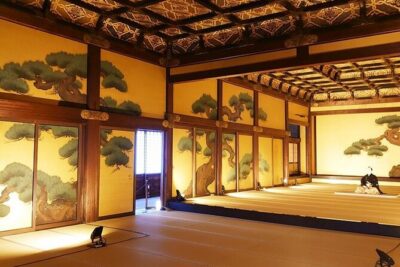
Nijo Castle World Heritage Guided Tour with Admission
Read our review →
Kyoto Imperial Palace & Nijo Castle Guided Walking Tour – 3 Hours
Read our review →
Nijo Castle and Kyoto Imperial Palace Guided Tour
Read our review →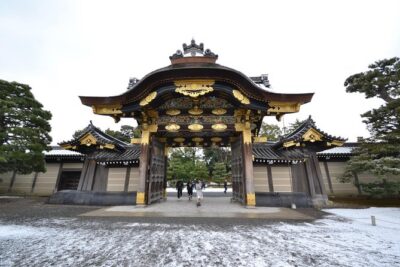
Nijo Castle and Imperial Palace Visit with Guide
Read our review →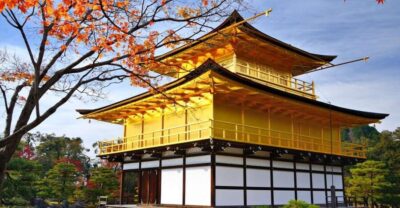
Golden Pavilion, Nijo Castle, & Nishiki Market Half day tour
Read our review →Browse the lists this tour appears in