
Reviewed · GOLDEN PAVILION TOURS
Golden Pavilion, Nijo Castle, & Nishiki Market Half day tour
Kyoto’s most famous golden temple, a shogun’s castle, and the city’s best-known food street make a useful first morning in Japan. This tour connects them with public transport and gives you a clear story about samurai power and the Edo Period, rather than leaving you to admire buildings without knowing what happened inside them. Guide Roberto uses an iPad with his own images and explanations, which is especially handy when a carved detail or historical figure needs a little help.
I like two things here. First, the route gives you three very different sides of Kyoto in only four hours: religious beauty at Kinkaku-ji, military and political history at Nijo Castle, and everyday food culture at Nishiki Market. Second, Roberto offers practical suggestions for the rest of your stay and can take as many photos of you as you wish. The main consideration is pace: you will ride buses and trains, walk between stops, and spend much of the morning on your feet. The entrance fees and your transport are extra, so the $90 price is not the full cost.
Key points to know before booking
- Three major Kyoto stops in one morning: Kinkaku-ji, Nijo Castle, and Nishiki Market each show a different part of the city.
- Roberto leads the tour: He is a Kyoto City Certified Tourist Guide and offers the tour in English or Spanish.
- Visual explanations help: An iPad presentation supports the history lessons with images and makes the sites easier to follow.
- The tour finishes near lunch: You end at Nishiki Market at about 12:30, ready to choose from its many food stalls and shops.
- Expect public transport and walking: The route includes a 35-minute bus ride, subway journeys, and about four hours on your feet.
- Budget for extras: Kinkaku-ji costs 500 yen, Nijo Castle costs 1,300 yen, and food and transport are not included.
Why this half-day route works in Kyoto
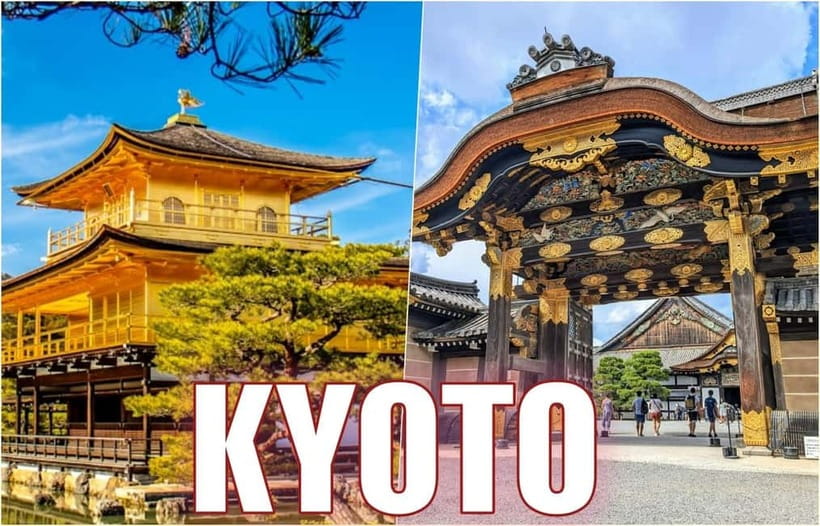
Kyoto can feel scattered at first. Its major sights are spread across the city, and it is easy to lose time figuring out buses, trains, entrances, and the order of visits. This route solves part of that problem by linking three well-known places into one morning, beginning at Kyoto Station and ending where lunch is easy to find.
The timing also makes sense. You meet at 8:30 AM in front of the 7-Eleven at the JR Kyoto Station Central Entrance, on the Kyoto Tower side. From there, the group travels first to Kinkaku-ji, then to Nijo Castle, and finally to Nishiki Market. The tour ends at about 12:30 PM.
I see the route as most useful early in a Kyoto visit. Roberto explains subjects that can help you understand other places later, including the shogun, samurai society, feudal lords, and the change from military rule to modern Japan. You can also ask for suggestions about what to see during the rest of your stay.
This is a private group tour, so the experience is more personal than a large coach outing. The available languages are English and Spanish. The activity has a perfect 5 rating from 29 supplied ratings, with praise focused on Roberto’s attention, historical explanations, friendliness, and thoughtful extras such as a short video and trip photos.
More trips out to the Golden Pavilion:
- Kyoto: Fushimi Inari, Kinkakuji, Bamboo Grove 1 Day Bus Tour
★ 4.8 · 4,316 reviews - Osaka/Kyoto:Kinkakuji,Arashiyama,FushimiInariShrine,NaraPark
★ 4.1 · 1,596 reviews - Kyoto: Nijo, Kinkaku-ji, Arashiyama, Kiyomizu & Fushimi Inari
★ 5.0 · 699 reviews
Kinkaku-ji: Kyoto’s golden first stop
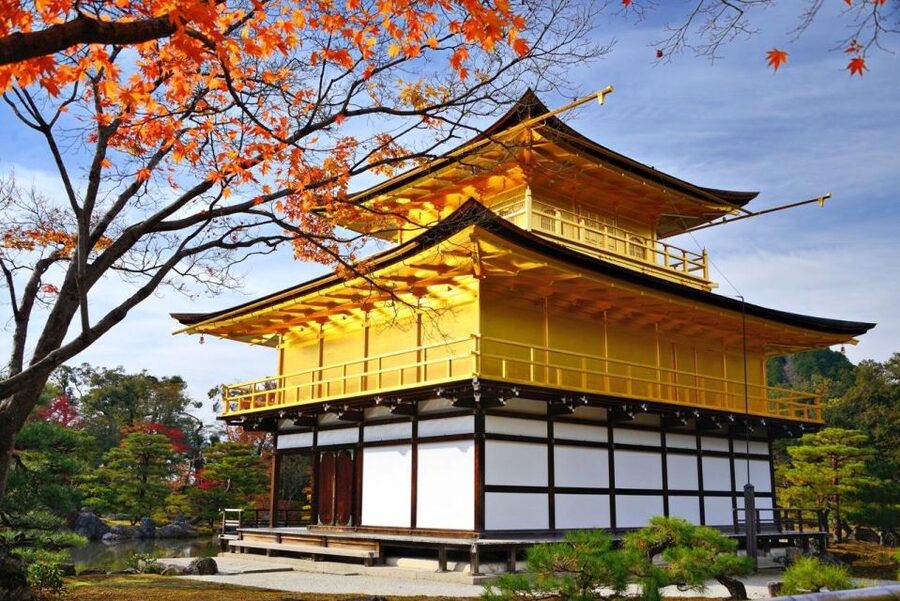
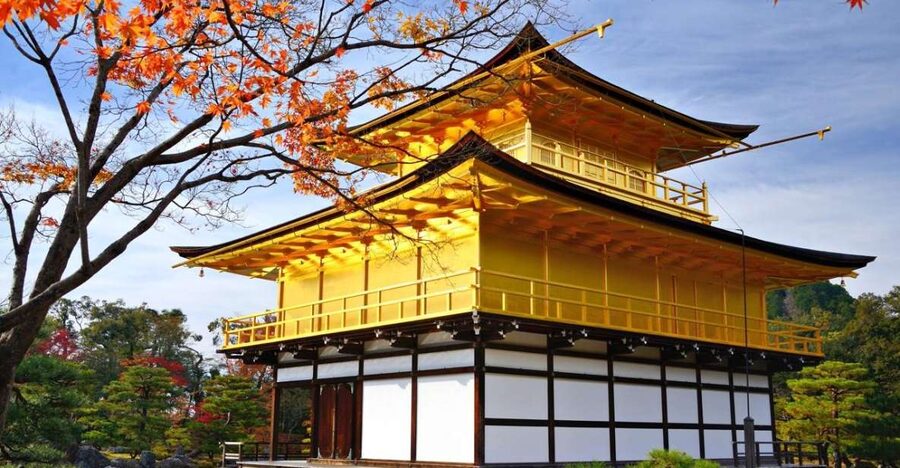
The first major visit is Kinkaku-ji, better known as the Golden Pavilion. It sits in northwest Kyoto and is one of the city’s most recognized sights. The top two floors are covered in real gold leaf, and the pavilion reflects in the pond beside it.
That image is the reason most people come, but the story behind the building gives the view more weight. The structure began as a villa for Ashikaga Yoshimitsu, a 14th-century shogun. It later became a Zen Buddhist temple. The gold was meant to express wealth, authority, and religious devotion, so the building is not simply an attractive temple. It also shows how political power and religion could meet in one place.
The visit is scheduled for about 90 minutes. That gives you time to see the pavilion, follow the grounds, and hear Roberto explain what you are looking at. His iPad images should be useful here because the temple’s meaning can be easy to reduce to gold, water, and photographs. A visual aid can help connect the building with Yoshimitsu and the wider culture of the period.
You should also set your expectations. Kinkaku-ji is extremely popular, and the main view is the same one everyone wants. The tour gives you context and guidance, but it cannot make the site quiet or private. Photography is restricted in some temple areas, so follow the local signs and Roberto’s instructions.
The entrance fee is 500 yen, about $3.10. That cost is paid separately. Comfortable shoes matter, even though this is not a mountain climb or a route with very long stairs. You will still be walking through temple grounds and moving on to the next stop.
Nijo Castle: shoguns, samurai, and a floor that chirps
Nijo Castle changes the mood completely. At Kinkaku-ji, the main subject is Zen beauty and the public image of a powerful shogun. At Nijo Castle, you get closer to the political machinery of military Japan.
The castle is linked to the struggles among samurai, feudal lords, and the shogun, who held the country’s military power. Roberto’s explanation focuses on how that system worked, how control was maintained, and how the samurai era eventually ended as Japan began to modernize.
The castle’s Edo Period architecture is a major part of the visit. You will see detailed woodwork and decorative designs, but the most memorable feature may be the famous nightingale floors. These floorboards make a chirping sound when people walk across them. The purpose was practical: the noise served as an early warning system against intruders.
I like this stop because it turns history into something you can feel under your feet. A written description of castle security is one thing. Hearing the floor respond as you walk makes the concern of the shogun’s household much easier to picture.
The guided visit lasts about 95 minutes. That is a substantial part of a four-hour tour, and it gives Roberto time to explain the building instead of rushing you through rooms and gardens. It also means the morning is tightly planned. If you like long, unhurried visits at each site, this schedule may feel brisk.
Nijo Castle costs 1,300 yen, about $8.15, paid separately. You should also be ready for indoor and outdoor walking. Large bags and luggage are not allowed, and baby strollers are not permitted on the activity. Plan to leave bulky belongings elsewhere before meeting the guide.
Nishiki Market: finishing with Kyoto’s kitchen
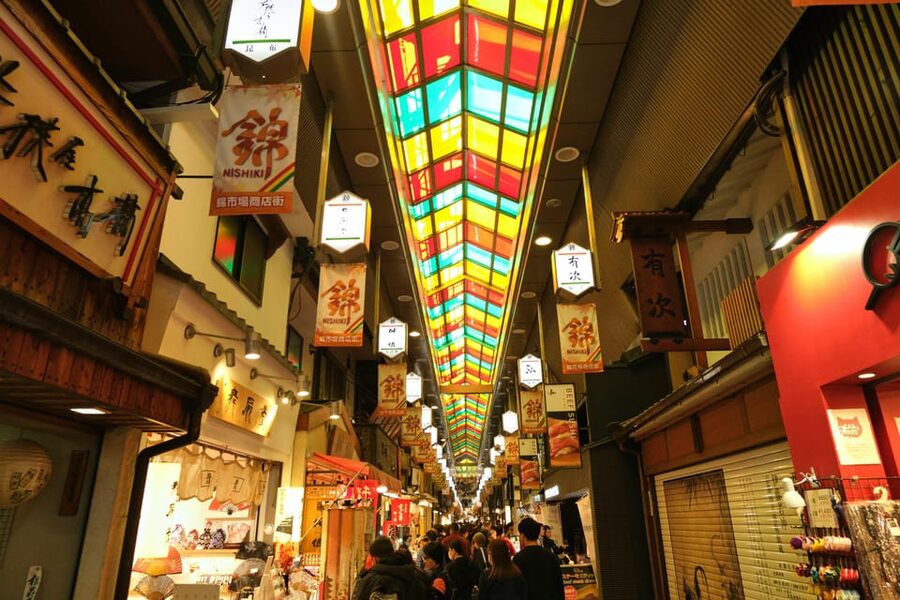
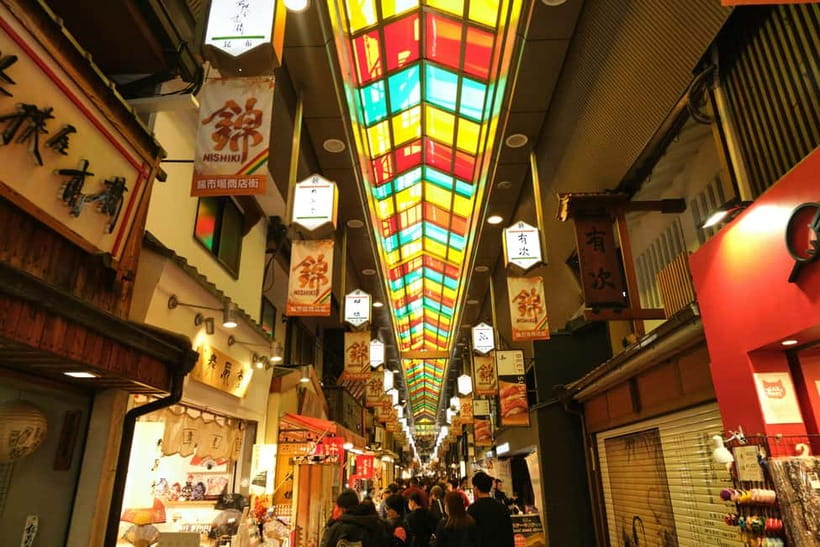
The final stop is Nishiki Market, a narrow, five-block shopping street known as Kyoto’s Kitchen. It has more than 100 shops and restaurants, with food, fresh seafood, produce, knives, cookware, and other items connected with Japanese cooking.
The tour includes a ten-minute walk to the market after the final subway ride. Roberto explains how the market began and then leaves you at the entrance at about 12:30 PM. This is a smart finish because you can choose lunch for yourself instead of being locked into one restaurant or a fixed menu.
I would treat Nishiki as a place for browsing and small tastes rather than a formal meal. The market offers many choices, but the narrow street can feel crowded, especially at popular times. Keep your belongings close, follow shop rules, and remember that a market is a working retail area as well as a sightseeing stop.
This part of the tour also adds balance. Kinkaku-ji and Nijo Castle are grand, historic sites. Nishiki shows a more ordinary side of Kyoto, centered on ingredients, kitchen tools, and food shopping. It gives you a chance to end the morning with a practical question: what do you actually want to eat?
Food and drinks are not included. That is not a problem if you prefer choice, but you should bring extra money for lunch and snacks. Since explanations at Nishiki are in English, you can get some background before making your own decisions among the many offers.
More Nijo Castle visits:
- Kyoto: Nijo-jo Castle and Ninomaru Palace Guided Tour
★ 4.7 · 1,020 reviews - Kyoto: Nijo Castle, Kiyomizu & Fushimi Inari Guided Tour
★ 4.7 · 700 reviews - Kyoto: Imperial Palace & Nijo Castle Guided Walking Tour
★ 4.7 · 453 reviews - Kyoto: Nijo Castle World Heritage Guided Tour with Admission
★ 5.0 · 128 reviews
What the transport and timing mean
The tour begins with a 35-minute bus ride from Kyoto Station to Kinkaku-ji. You then use the subway for about 20 minutes to reach Nijo Castle, followed by another 15-minute subway journey before the walk to Nishiki Market.
Public transport keeps the tour connected to normal Kyoto life, but it also brings a few practical limits. You need to be ready at the meeting point on time, keep moving through stations, and manage your belongings. This is not a private vehicle tour that collects you at each entrance.
The guide’s own transportation and entrance fees are covered, but your transportation fee is not included. The supplied information does not give a total transport cost, so budget for public bus and train fares in addition to the two entrance fees. At minimum, the listed admissions add up to 1,800 yen.
At $90 per person, the tour is not the cheapest way to see these three places. You are paying for a private group, a certified local guide, historical interpretation, help with public transport, photo assistance, and advice for the rest of your Kyoto stay. I think the price makes the most sense for a first-time visitor who wants structure and personal attention, particularly if you value clear explanations more than exploring alone.
If you already know Kyoto well, speak Japanese, or prefer to set your own pace, you may find the cost harder to justify. You can visit the sights independently, but you would need to arrange the route, pay the same entrance fees, and supply the historical background yourself.
Roberto’s teaching style and useful extras
The tour’s strongest personal feature is Roberto’s approach. He is a Kyoto City Certified Tourist Guide, and his iPad explanations are designed to make the history easier to grasp. This matters because the names and political roles can pile up quickly: Ashikaga Yoshimitsu, shoguns, samurai, feudal lords, and the shift toward modernization are not simple subjects when you first encounter them.
The visual material can also help family members or anyone who learns better from pictures than spoken explanation. The tour is offered in English and Spanish, and Roberto can answer questions during the visits rather than leaving you with a memorized speech.
The personal attention is also useful for photos. You can ask Roberto to take as many pictures of you as you wish. A short video has been mentioned as a particularly nice extra, but it should be treated as something Roberto may provide rather than a guaranteed part of the published inclusions.
Past feedback gives special weight to his friendliness and attention. Several people praised the tour as joyful, instructive, and accommodating. One family described him as professional and committed, while others singled out his historical insight and photo or video help. That pattern suggests the human side of the experience is a large part of what you are buying.
Who should book this tour
I would recommend it to first-time Kyoto visitors who want a strong orientation without spending a full day on a single subject. It is also a good fit if you want someone to explain the difference between a Zen temple, a shogun’s castle, and a traditional food market.
The tour suits people who can walk steadily for four hours and manage buses, trains, stairs, and temple paths. Comfortable shoes are essential. The activity is not suitable for wheelchair users, pregnant women, people with back problems, people with low fitness, or people prone to seasickness.
That last category seems unusual for a land-based Kyoto tour, but it is part of the stated suitability information. If any physical concern applies to you, check before booking.
Rain will not cancel the tour. Bring suitable clothing and accept that some parts may be less pleasant in wet weather. The route does not involve climbing mountains or very long stairs, but it is still a walking tour with several transport connections.
Should you book the Golden Pavilion, Nijo Castle, and Nishiki Market tour?
Book it if you want personal historical guidance and a neatly arranged first morning in Kyoto. Roberto’s certified guide status, iPad material, English or Spanish service, photo help, and practical advice make the tour more useful than a simple transfer between attractions.
Skip it if you want a slow visit, dislike public transport, or prefer to avoid extra costs beyond the advertised price. You will pay separately for both entrances, transport, food, and drinks.
For most first-time visitors who are comfortable walking, the route offers a good introduction to Kyoto’s religious art, military history, and food culture. It is a focused morning, not a leisurely one, but it gives you enough context to make better choices for the days that follow.
FAQ
Where does the tour meet?
Meet in front of the 7-Eleven at the JR Kyoto Station Central Entrance, on the Kyoto Tower side. The guide holds an iPad and a red card marked RBRT, Roberto.
What time does the tour begin and end?
The morning tour starts at 8:30 AM and finishes at about 12:30 PM, for a total duration of roughly four hours.
Which places does the tour visit?
The route includes Kinkaku-ji, also called the Golden Pavilion, Nijo Castle, and Nishiki Market.
Are the entrance fees included?
No. Kinkaku-ji costs 500 yen and Nijo Castle costs 1,300 yen. You pay these fees separately.
Is transportation included?
No. The tour uses a public bus and subway trains, and your transportation fees are not included. The guide’s own entrance fees and transportation are covered.
What languages are available?
The live tour is available in English and Spanish.
Is this a private tour?
Yes. The group type is private.
Can I cancel or pay later?
You can cancel up to 24 hours in advance for a full refund. A reserve-now, pay-later option is also available.
More Market Walks in Kyoto
- Nishiki Market Brunch Walking Tour (7 Tastings + Brunch)
★ 5.0 · 1,355 reviews - Kimono Tea Ceremony at Kyoto Maikoya, NISHIKI
★ 5.0 · 911 reviews - Kyoto Nishiki Market Food and Culture Walking Tour
★ 5.0 · 412 reviews - Kyoto: Nishiki Market Tea Ceremony with Koto Performance
★ 4.8 · 294 reviews
Newest Kyoto experiences on the site
- Treasures of Kyoto: Gion & historical Walking Tour★ 5.0 · 6 reviews
- Whisk Your Own Matcha: A Zen Matcha Experience at Temple★ 3.6 · 7 reviews
- Kyoto tea town for matcha lovers★ 5.0 · 16 reviews
- Uji: Private immersion into Kyoto’s tea and reglious culture★ 5.0 · 17 reviews
- Uji and Wazuka Matcha Farm Half Day Private Guided Tour★ 5.0 · 21 reviews
- Kyoto Matcha Green Tea Tour★ 4.5 · 23 reviews
- Utilising upcycled Matcha! Creating matcha incense (Uji, Kyoto)★ 5.0 · 6 reviews
- Sacred Temple Yoga Experience in Japan★ 5.0 · 3 reviews
Golden Pavilion Tours, compared.
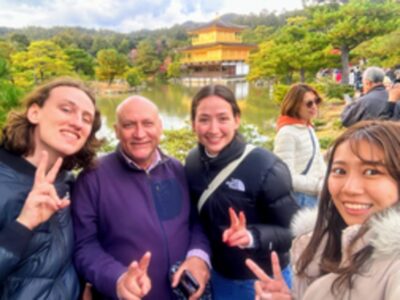
Fushimi Inari, Kinkakuji, Bamboo Grove 1 Day Bus Tour
Read our review →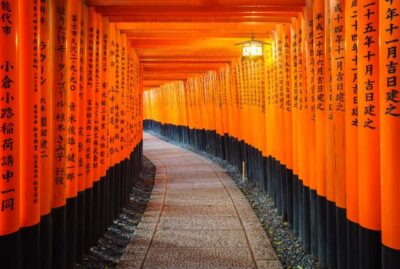
Kinkakuji,Arashiyama,FushimiInariShrine,NaraPark
Read our review →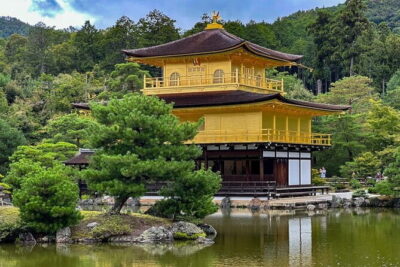
Nijo, Kinkaku-ji, Arashiyama, Kiyomizu & Fushimi Inari
Read our review →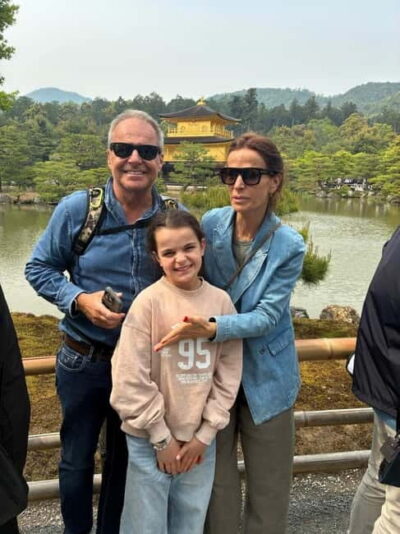
Kyoto top must-see Golden pavilion and Bamboo forest half-day Private tour
Read our review →
Kyoto Bamboo Forest & Golden Pavilion E-Bike Tour
Read our review →
Full day Kyoto Walk in Fushimi, Arashiyama, Monkey, and Kinkakuji
Read our review →Browse the lists this tour appears in