
Reviewed · FUSHIMI INARI TOURS
Kyoto: Half-day Guided Bike Tour with Fushimi Inari
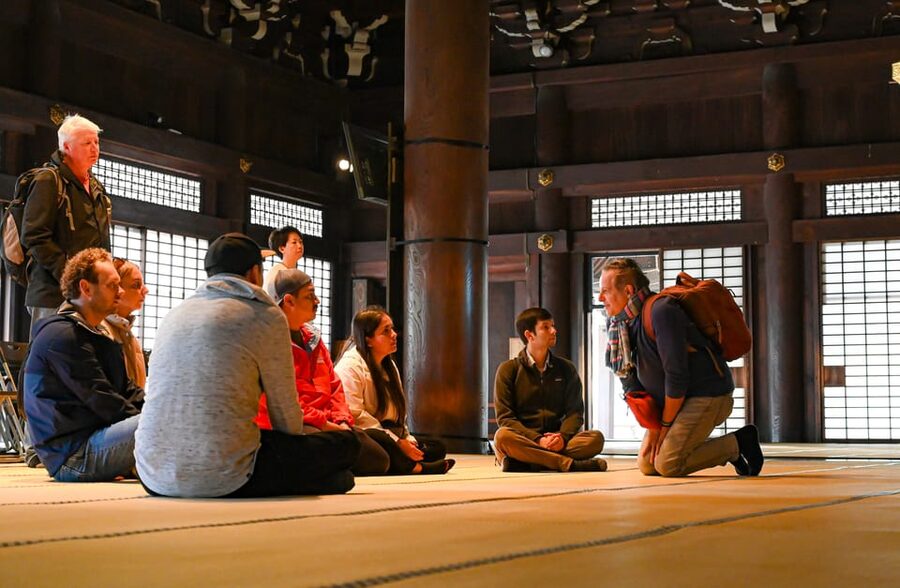
South Kyoto is at its best when you can link its major sights with quiet streets and riverside paths. This 3.5-hour bike tour takes you from Toji and Higashi-Honganji through Gion and Tofukuji to the orange gates of Fushimi Inari, without making you rely on crowded buses.
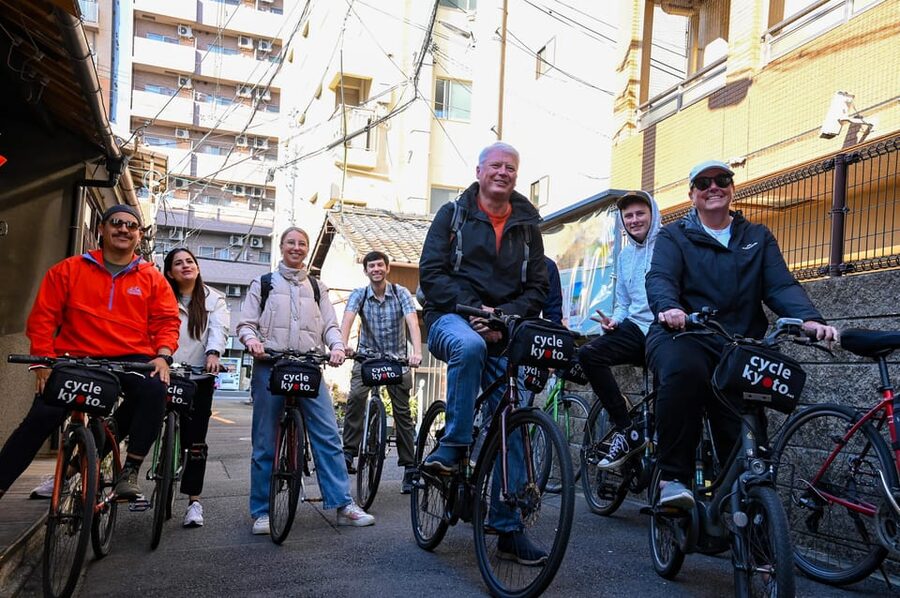
I like the small group of up to eight, which makes it easier to ask questions and adjust the pace. I also like the mix of famous sights and local routes along the Takase Canal, Kamo River, and Gion backstreets. The drawback is simple: you need to be comfortable riding for several hours, and one recent ride covered more than 15 kilometers.
Key points to know
- Fushimi Inari comes at the end: You finish at Kyoto’s most famous torii-gate shrine, when the route has already shown you several sides of the city.
- The route uses quieter streets: Cycling along the Takase Canal, Kamo River, and Gion lanes gives you a break from Kyoto’s main traffic corridors.
- Small groups make a difference: With no more than eight people, guides can answer questions and adjust time at some stops.
- Several guides receive strong praise: Jay, Julian, Indra, Juan, Sean, and Mayco are named as friendly, patient, and informative leaders.
- E-bikes cost extra: You can request one for an additional 3,000 yen, useful if you are unsure about a longer ride.
- The tour is active but not a race: Comfortable clothing, proper shoes, sunscreen, and a check of the weather will make the morning easier.
Why a bike is smart for South Kyoto
Kyoto’s main sights are spread across a broad city grid. Toji is southwest of Kyoto Station, Gion sits farther east, and Fushimi Inari is south of the central temples. On foot, this route would take much of a day. By bus, you lose time waiting and squeezing through busy streets.
A bicycle gives you a practical middle ground. You cover enough ground to see several major places, but you still move slowly enough to notice canals, neighborhood lanes, temple walls, and the changing feel of each district.
The route is not designed as a hard cycling workout. It is described as a gentle ride, and one group was able to adjust how long it spent at each stop. Still, you should take the distance seriously. A recent participant recorded more than 15 kilometers, so this is not a quick spin around one neighborhood.
The public tour is limited to eight people. That matters in Kyoto, where narrow lanes and temple entrances can make a large group awkward. It also gives you a better chance to ask about customs, architecture, or the places you pass between scheduled stops.
More ways to walk the Fushimi Inari gates:
- Kyoto: Fushimi Inari, Kinkakuji, Bamboo Grove 1 Day Bus Tour
★ 4.8 · 4,316 reviews - Fushimi Inari Hidden Hiking Tour (Private Option Available)
★ 5.0 · 1,750 reviews - Osaka/Kyoto:Kinkakuji,Arashiyama,FushimiInariShrine,NaraPark
★ 4.1 · 1,596 reviews
Getting started near Kyoto Station
The meeting point is at Cycle Kyoto, close to Kyoto JR Station. From the station, go past Avanti, cross one set of traffic lights, pass the Daily Yamazaki convenience store, and take the next left.
Allow a little time to find it. The directions are clear once you are in the right area, but Kyoto Station is large and the streets around it can feel confusing on a first visit.
The tour begins with a 15-minute safety briefing. You receive a bicycle, helmet, and water, and there is a small pouch on the bike for personal items. Bring only what you need. A camera, phone, wallet, sunscreen, and a small bottle should be manageable, but a large day bag would be less comfortable.
English is the tour language. Guides named by participants include Jay, Julian, Indra, Juan, Sean, and Mayco. Their strengths are consistent: clear explanations, patience, an easygoing manner, and a willingness to answer questions. That human element is important here. Kyoto’s temples are easier to understand when someone explains what you are seeing instead of leaving you to read signs and take photographs.
Toji, Kyoto’s oldest temple
The first major stop is Toji, a UNESCO World Heritage site and the oldest temple in Kyoto according to the tour description. It is a strong opening because the temple gives you a sense of Kyoto’s religious and architectural scale before the ride moves into smaller streets.
You have about 35 minutes for a guided visit. That is enough time to look around and hear the main points, but not enough for a slow, complete exploration of every corner. Think of this as a focused introduction rather than a long temple visit.
Toji is also a useful early stop for photography. The broad temple grounds and traditional buildings feel very different from the modern streets near the station. Your guide can help place the temple in the wider story of Kyoto, then get you moving before the day becomes tiring.
If you want an unhurried visit to Toji, you could return on your own later. The bike tour gives you an efficient first look, not unlimited time.
Higashi-Honganji and the scale of Kyoto’s temples
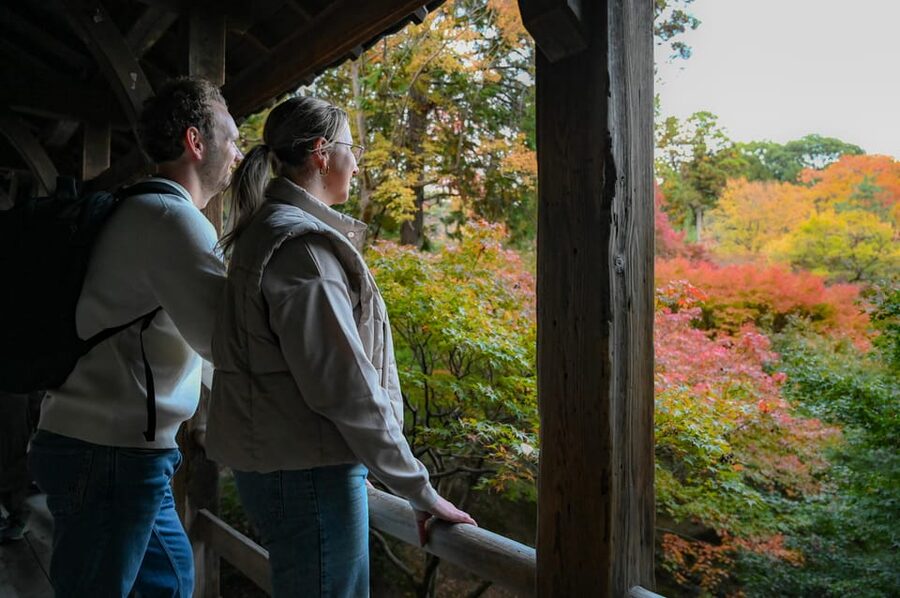
Next comes Higashi-Honganji, described as one of Japan’s largest temples. The stop lasts about 35 minutes and adds a different kind of grandeur to the morning.
Toji and Higashi-Honganji are not simply two interchangeable temple stops. The route uses them to show different sides of central Kyoto. Toji offers a historic temple setting, while Higashi-Honganji helps you appreciate the size and presence of a major working Buddhist institution.
The guided explanation is valuable here because very large temple complexes can blur together when you visit several in one day. A good guide points out what makes each place distinct and helps you avoid treating every roof, gate, and hall as the same.
You should also expect some standing and walking at the temple stops. The bicycle handles the distance between them, but it does not remove the need for comfortable shoes.
More bike days around Kyoto:
- Hidden Kyoto E-Biking tour
★ 5.0 · 1,843 reviews - Bike Tour Exploring North Kyoto plus Lunch
★ 5.0 · 1,087 reviews - Arashiyama Bamboo Forest & Hidden Gems Bike Tour (Early Bird)
★ 5.0 · 613 reviews - 5 Top Highlights of Kyoto Full Day Bike Tour (E-bike option)
★ 5.0 · 511 reviews
Following the Takase Canal and Kamo River
After the central temples, the route follows the Takase Canal and then reaches the Kamo River. These sections are brief, but they are central to the pleasure of the ride.
The Takase Canal offers a change of pace from temple grounds and city traffic. It is a chance to see Kyoto through its waterways and residential edges rather than only through its headline attractions. The planned visit is around 10 minutes.
At the Kamo River, you have about 15 minutes. The river gives the route room to breathe. You can pause, take photographs, and watch the city open up around the water before continuing toward Gion.
These short river stops also help break up the ride. A half-day route with several temples could feel rushed if you moved from one entrance to the next without pauses. The canal and river give you simple, useful moments to reset.
Gion without only seeing the main street
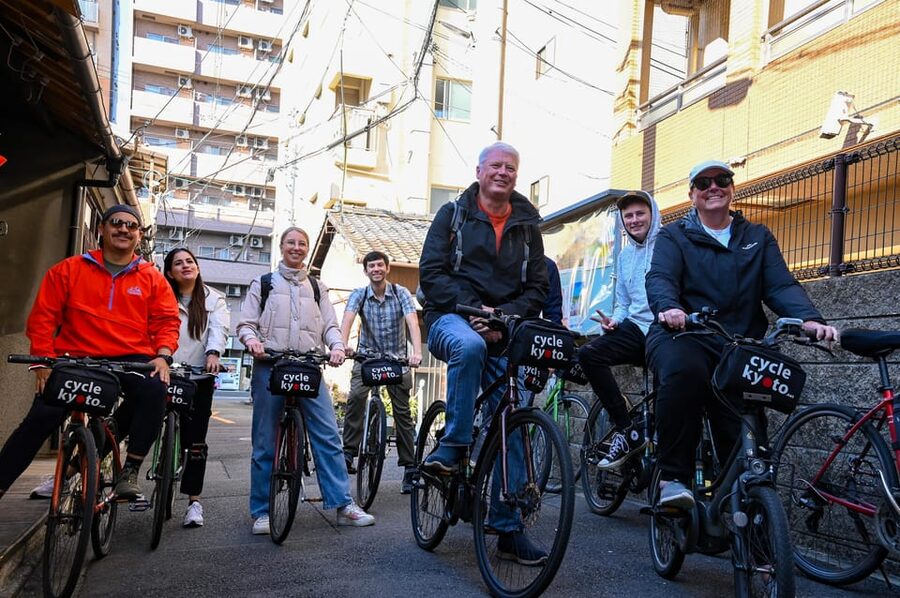
The Gion section lasts about 30 minutes and focuses on the backstreets of Kyoto’s famous geisha and teahouse district. This is one of the tour’s strongest features.
Gion’s best-known lanes can become crowded, and a quick walk down the main road tells you only part of the story. Cycling through quieter streets lets you see how the district connects to the rest of South Kyoto. You get the atmosphere of old wooden buildings and narrow lanes without spending the whole morning in one heavily visited corridor.
The bicycle is especially useful here because the guide can connect small sections of the neighborhood. You are not just stopping for a single photograph. You are moving through the district and getting a better sense of its layout.
Be respectful in Gion. Follow your guide’s instructions, avoid blocking lanes, and do not treat residents or traditionally dressed people as scenery. A small group and a quiet approach make this much easier.
Tofukuji, a worthwhile photo stop
The route then heads to Tofukuji Temple, with about 30 minutes set aside for photographs. This is not presented as the longest guided temple visit, so adjust your expectations.
Tofukuji works well as a photo stop because it adds another major temple setting before the final shrine. It also provides a visual break from Gion’s narrow streets and the river routes.
The guide may offer context and point out good angles, but the emphasis here is on seeing and photographing the temple. If you are determined to study Tofukuji in detail, you may want a separate visit. If you want a well-chosen stop that fits into a wider South Kyoto route, the timing makes sense.
The ride through the surrounding neighborhood is part of the appeal. Rather than jumping directly from one famous gate to another, you pass through local streets on the way to Fushimi Inari. That transition gives the route a more grounded feel.
Finishing at Fushimi Inari’s orange gates
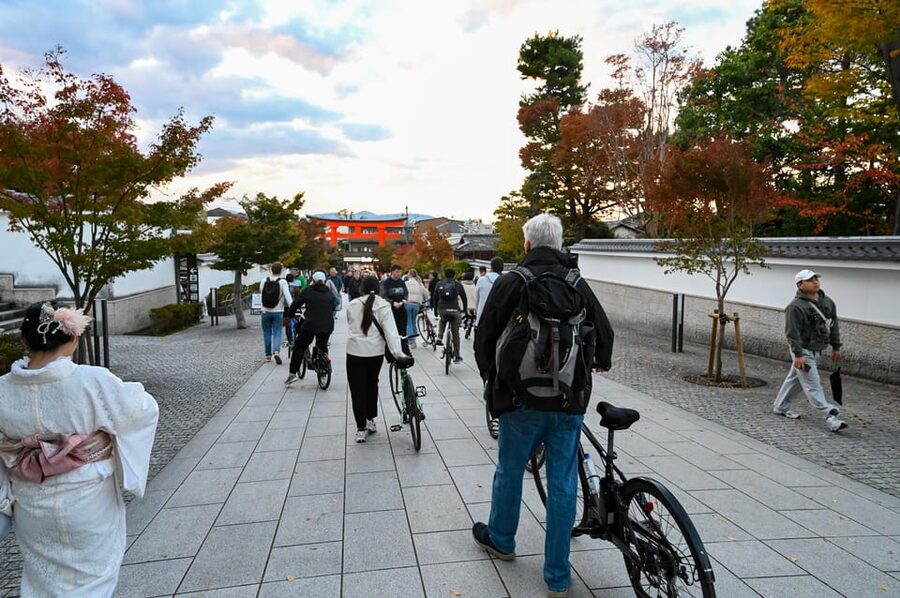
Fushimi Inari Taisha is the final major stop, with about 45 minutes for a guided visit. The shrine is famous for its long rows of orange torii gates, and the tour gives you time to leave the bicycle and walk through the gates.
Arriving by bike is a good design choice. Fushimi Inari is often the most anticipated sight on the route, so placing it near the end gives the day a clear finish. You have already seen temples, canals, a river, Gion, and neighborhood streets. The shrine feels like a strong final chapter rather than the only reason to leave Kyoto Station.
The 45-minute visit should be treated as an introduction. Fushimi Inari’s torii gates continue far up the mountain, and a half-day tour cannot cover the entire site. You will see the famous lower section and have time for photographs, but anyone hoping to walk to the summit needs a separate visit.
That limitation is not a flaw. The tour is designed to show you several major places in one morning. The benefit is range. The cost is that no single sight receives a full-day treatment.
Guides, bikes, and the pace of the group
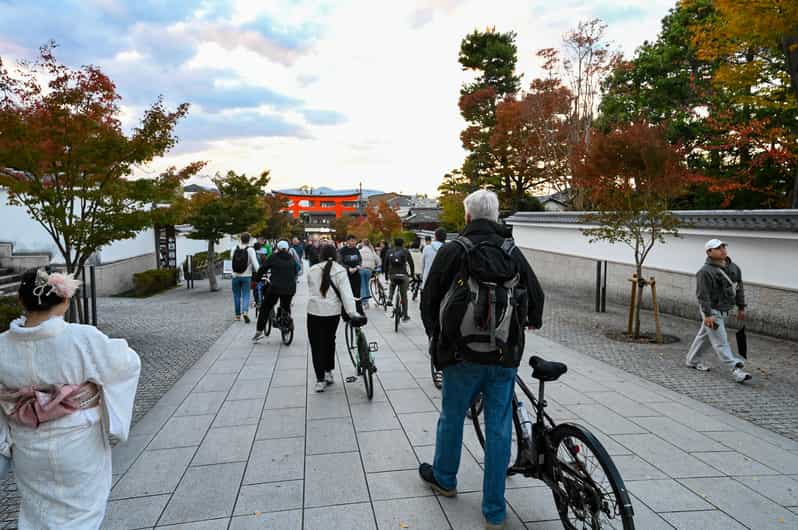
The strongest element of the experience is the guiding. Jay is praised for making people feel comfortable and for sharing clear information about Kyoto and its culture. Julian is described as easygoing and able to keep the tour enjoyable even in poor weather. Indra is noted for answering questions and combining famous sights with less crowded places.
Juan is described as patient and full of information, while Sean led a relaxed group that could adjust time at stops. Mayco is also named as a strong guide who made the tour interesting and approachable.
Those details matter because a cycling tour can become stressful if the guide rides too fast or treats the route like a race. Here, the repeated picture is of an easy pace with room for questions. The small group helps, too.
The bikes are described as being in good condition, with a range of sizes and helmets. You should still wear clothes suitable for cycling and shoes that will not cause trouble during temple visits. Warm clothing is sensible in cool weather, while sunscreen matters on bright days.
E-bikes are available by request for a 3,000-yen upgrade. I would consider one if you are not a regular cyclist, if you dislike hills, or if you simply want to save energy for walking around Fushimi Inari. The standard bicycle may suit you perfectly if you are comfortable riding several hours.
What the $77 price gets you
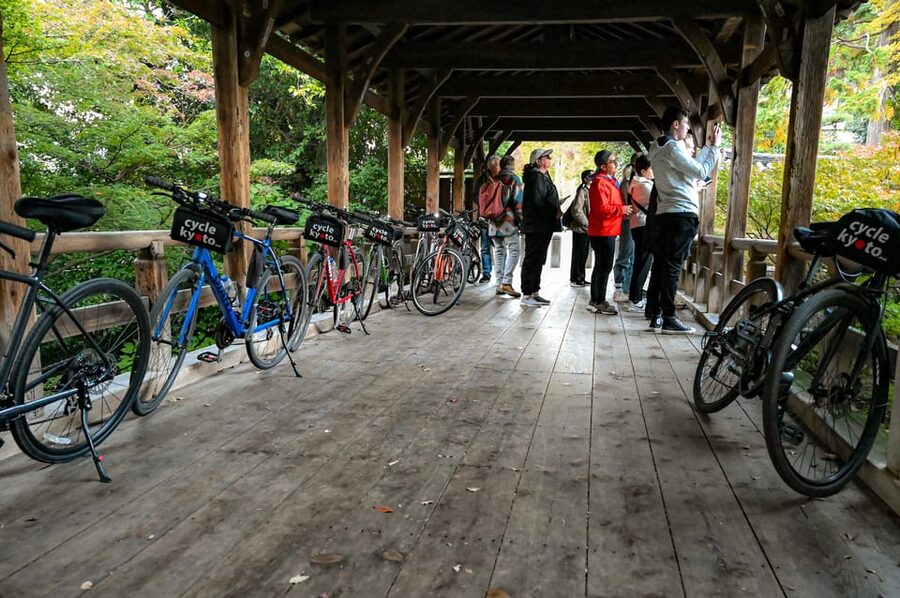
At $77 per person, this is not the cheapest way to see Kyoto. You could visit many of these places independently for less, especially if you already know the city and are happy using public transport.
The value comes from the route and the guiding. In 210 minutes, you connect several areas that are spread across South Kyoto. You also avoid working out the safest or most efficient way to link Toji, Gion, Tofukuji, and Fushimi Inari yourself.
The bicycle, helmet, water, and English-speaking guide are included. Meals are not, so eat before the tour or plan food afterward. Since the ride takes place over a half-day, that omission is easy to manage.
I see the price as fair for someone who wants orientation, cultural context, and active sightseeing in one package. It is less appealing if you prefer to linger at one temple, dislike fixed schedules, or are mainly looking for a cheap way to reach Fushimi Inari.
Who should book this ride?
This tour suits you if you:
- Want to see several South Kyoto highlights in one morning
- Enjoy cycling at a relaxed pace
- Prefer a small group over a large bus tour
- Want explanations in English
- Like mixing major sights with canals, rivers, and backstreets
- Are at least 13 years old and can ride a bicycle comfortably
It is not suitable for children under 13, people who cannot ride, or people with back problems. Anyone unsure about the distance should ask about the e-bike upgrade before departure.
Weather also matters. The tour can continue in poor weather, but rain changes the experience and makes cycling less pleasant. Check the forecast, wear suitable clothing, and protect your phone or camera.
Cancellation is flexible up to 24 hours before departure for a full refund, and you can reserve now and pay later. Those terms help if your Kyoto schedule is still changing.
Should you book the Cycle Kyoto tour?
I would book this tour if you want a clear, active introduction to South Kyoto and do not want to spend your first day piecing together buses and trains. The route gives you temples, Gion, waterways, neighborhood streets, and Fushimi Inari in one well-shaped morning.
I would skip it if your priority is a slow, detailed visit to every temple or a full climb through Fushimi Inari’s torii gates. For most people who are comfortable on a bike, though, the combination of small-group guiding, good bicycles, and a route that reaches beyond the obvious streets makes the $77 worthwhile.
FAQ
How long is the Kyoto bike tour?
The tour lasts 210 minutes, or about three and a half hours.
What sights does the tour visit?
The route includes Toji, Higashi-Honganji Temple, the Takase Canal, the Kamo River, Gion, Tofukuji Temple, and Fushimi Inari Taisha.
How large is the group?
The public tour is limited to eight participants.
Is the tour offered in English?
Yes. The tour includes a live English-speaking guide.
Are bicycles and helmets included?
Yes. Bicycle rental, a helmet, a guide, and water are included. E-bikes are available by request for an additional 3,000 yen.
What is the minimum age?
The minimum age for the public tour is 13. Children under 13 cannot join.
Newest Kyoto experiences on the site
- Treasures of Kyoto: Gion & historical Walking Tour★ 5.0 · 6 reviews
- Whisk Your Own Matcha: A Zen Matcha Experience at Temple★ 3.6 · 7 reviews
- Kyoto tea town for matcha lovers★ 5.0 · 16 reviews
- Uji: Private immersion into Kyoto’s tea and reglious culture★ 5.0 · 17 reviews
- Kyoto Matcha Green Tea Tour★ 4.5 · 23 reviews
- Uji and Wazuka Matcha Farm Half Day Private Guided Tour★ 5.0 · 21 reviews
- Utilising upcycled Matcha! Creating matcha incense (Uji, Kyoto)★ 5.0 · 6 reviews
- Sacred Temple Yoga Experience in Japan★ 5.0 · 3 reviews
Fushimi Inari Tours, compared.
Fushimi Inari, Kinkakuji, Bamboo Grove 1 Day Bus Tour
Read our review →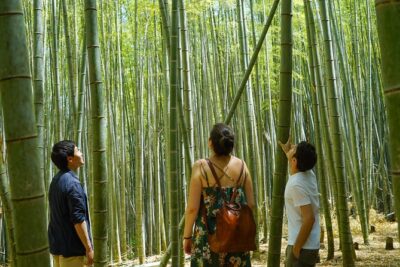
Fushimi Inari Hidden Hiking Tour (Private Option Available)
Read our review →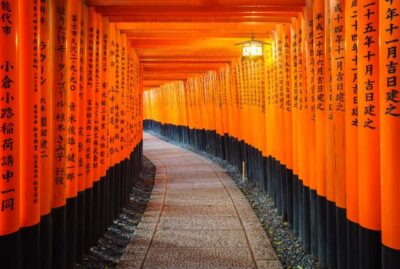
Kinkakuji,Arashiyama,FushimiInariShrine,NaraPark
Read our review →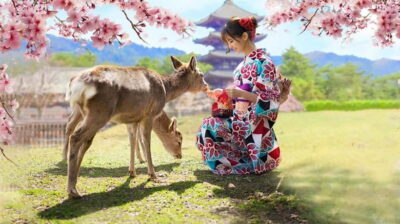
Nara, Fushimi Inari Taisha, Arashiyama Bus Tour
Read our review →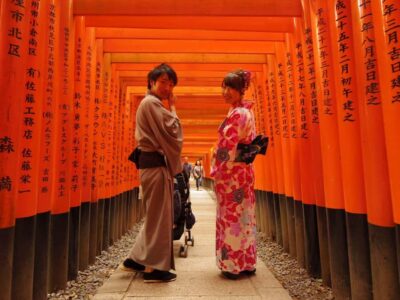
Arashiyama, Nara & Fushimi Inari Shrine w/Lunch
Read our review →
Nijo Castle, Kiyomizu & Fushimi Inari Guided Tour
Read our review →
Nijo, Kinkaku-ji, Arashiyama, Kiyomizu & Fushimi Inari
Read our review →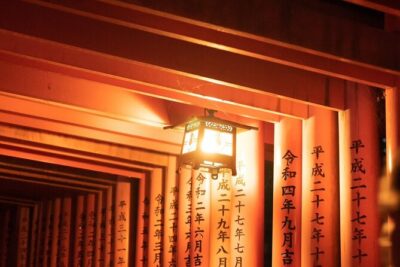
Browse the lists this tour appears in