
Reviewed · KYOTO SUSHI MAKING CLASSES
Kyoto: Enjoy Sushi & Market Tour! Best for Family & Couple!
The most appealing part of this Kyoto class is that it joins a Nishiki Market visit with hands-on cooking. You see fish being cut by a skilled vendor, then use what you learn in class to make nigiri, temari, temaki, miso soup, and vinegar rice.
I like the mix of food and local advice. You get practical sushi skills you can repeat at home, plus seasonal sightseeing tips from a Kyoto tourism expert. The small group, limited to 10 people, should also make it easier to ask questions and get help. The main caution is value: at $77 for two hours, some people may expect constant personal instruction, and one participant felt the teaching was less hands-on than hoped.
Key points to know before booking
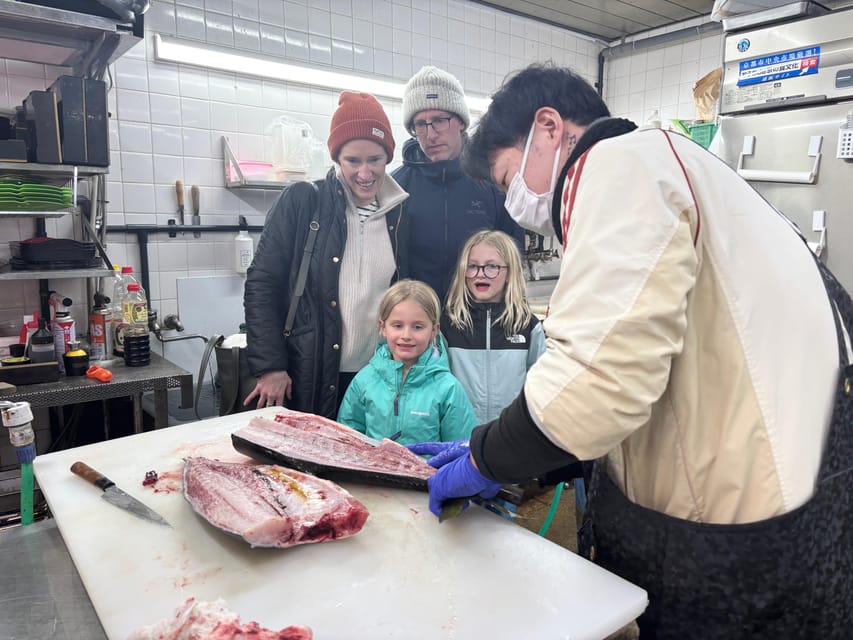
- See fish preparation at Nishiki Market: Watch a nearby vendor cut salmon or other fish before heading into the cooking class.
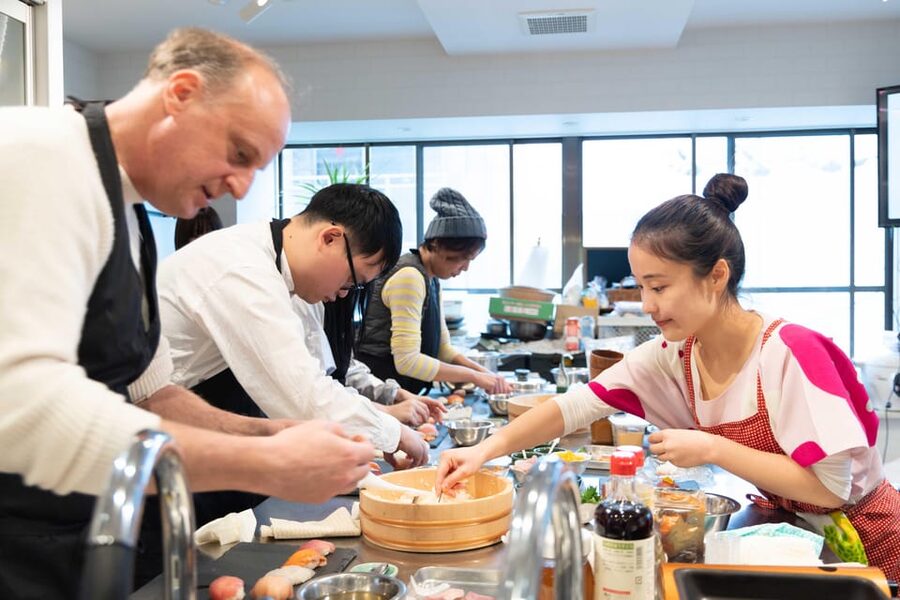
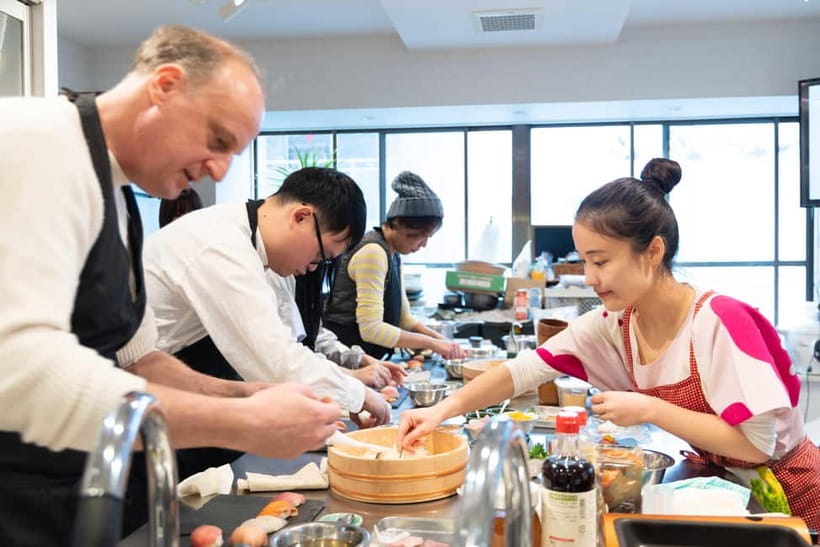
- Make three styles of sushi: Practice nigiri, temari, and temaki rather than simply watching a demonstration.
- Learn dashi and miso soup: Taste and compare dashi, then use it as part of the meal.
- Get more than a recipe: A Kyoto tourism expert shares seasonal sightseeing suggestions during the class.
- Keep the group small: The class accepts up to 10 participants and runs for about two hours.
- Plan for an extra drink charge: Dessert and coffee are included, while Kyoto sake and beer cost extra.
Why this Kyoto cooking class works well
This experience gives you a useful break from temple visits and crowded shopping streets. Instead of only eating sushi, you learn how several parts of the meal come together: seasoned rice, fish, seaweed, dashi, miso, and presentation.
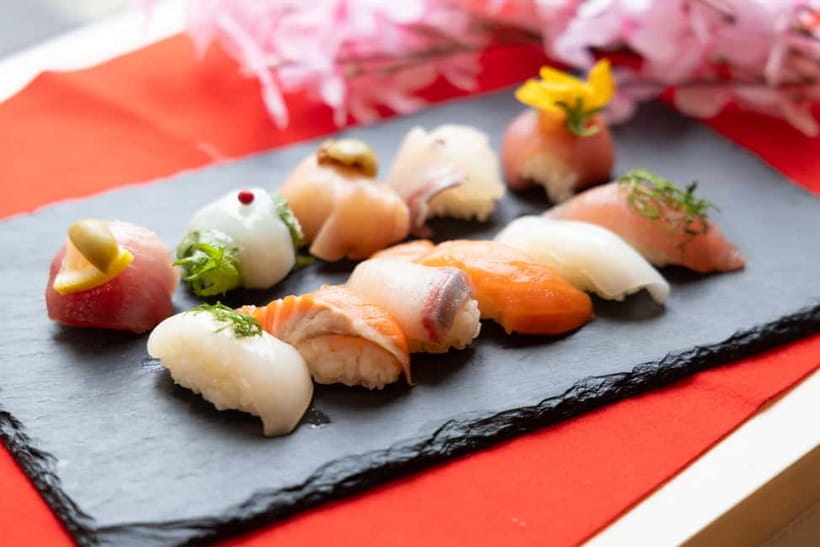
That last part matters. The class focuses on artistic sushi, including temari, the rounded style that can look like a small decorated ball, and temaki, the hand-rolled cone. You also make nigiri, the familiar hand-shaped rice and fish combination. The result is more varied than a basic sushi-making session.
I especially like the home-cooking angle. You are not being asked to master a restaurant kitchen in two hours. You are learning techniques that can help you prepare an attractive meal for friends or family after you return home.
The setting also makes sense for a busy Kyoto day. The meeting point is about 10 minutes from Kyoto Station and five minutes from Shijo Station. It is close to Gion and Kiyomizu-dera, so you can fit the class into a day of central Kyoto sightseeing without crossing the city.
More sushi making classes in Kyoto:
- Sushi Making in Kyoto! Same-day bookings welcome!
★ 5.0 · 713 reviews - The Original Small-Group Sushi Making Class in Kyoto
★ 5.0 · 436 reviews - Kyoto: Small-Group Authentic Sushi Making Workshop
★ 5.0 · 137 reviews
Finding the meeting point near Salon Roll
You meet in front of a building with a hair salon called Salon Roll on the first floor. That detail is worth saving carefully, since a named storefront is more useful than a vague instruction to meet somewhere in central Kyoto.
The class is offered in English and Japanese. No individual instructor names are provided, so you should book based on the language and format rather than expecting a particular teacher.
The group size is capped at 10. That is small enough to keep the class personal in principle, though the quality of individual attention can still depend on the instructor and the size of your particular group. One account described the instructor as less engaged and the hands-on time as lighter than expected, so it is fair to keep your expectations realistic.
You should also note that the activity is wheelchair accessible. Smoking is not allowed indoors.
Starting with Nishiki Market and fish cutting
The market visit is one of the more distinctive parts of the experience. You go to Nishiki Market with the guide to select fresh fish and watch skilled vendors prepare it.
A review specifically described seeing salmon cut at the market. That is a useful detail because the visit is not just a general walk through food stalls. Fish preparation is part of the lesson, connecting the market visit to the meal you make later.
Nishiki Market is a natural setting for this subject. It is one of Kyoto’s best-known food areas, and seeing fish handled by an experienced vendor gives you a quick look at the care behind Japanese seafood preparation. You get a sense of the difference between buying a finished piece of sushi and understanding the ingredients before they reach the plate.
The limitation is time. The full experience lasts only two hours, so the market portion cannot be a long food tour. You should think of it as a focused introduction to fish selection and cutting, not as an extended market exploration with many tastings.
Making vinegar rice, dashi, and miso soup
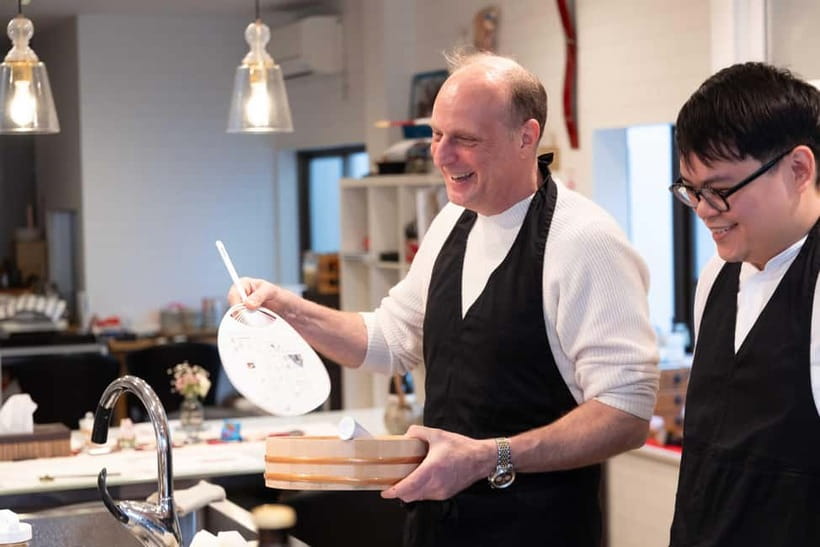
Back at the class, you learn how to make vinegar rice. This is the base for sushi, and it is one of the most useful skills to take home. Rice that is too wet, too dry, too warm, or poorly seasoned can throw off the whole dish, so learning the basic preparation helps you understand why restaurant sushi has a particular texture and flavor.
The class also covers dashi, the stock used in many Japanese dishes. You taste and compare it before making miso soup. That comparison is a good teaching choice because dashi can seem like an invisible ingredient when you only taste the finished soup. Here, you get a clearer idea of how stock shapes the final flavor.
The meal includes miso soup, so this section leads directly to something you eat. It also gives the class a wider scope than sushi alone. You are learning a small Japanese meal, not just arranging fish on rice.
The supplied information does not specify every ingredient, recipe quantity, or cooking tool. If you need a very technical class with written formulas and detailed knife instruction, confirm those points before booking. The clear focus is practical preparation and tasting rather than a long professional training session.
More market walks in Kyoto:
- Nishiki Market Brunch Walking Tour (7 Tastings + Brunch)
★ 5.0 · 1,355 reviews - Kyoto Nishiki Market Food and Culture Walking Tour
★ 5.0 · 412 reviews - Kyoto: Nishiki Market Tea Ceremony with Koto Performance
★ 4.8 · 294 reviews - Kyoto: Local Food Tasting Tour at the Nishiki Market
★ 4.7 · 135 reviews
Shaping nigiri, temari, and temaki
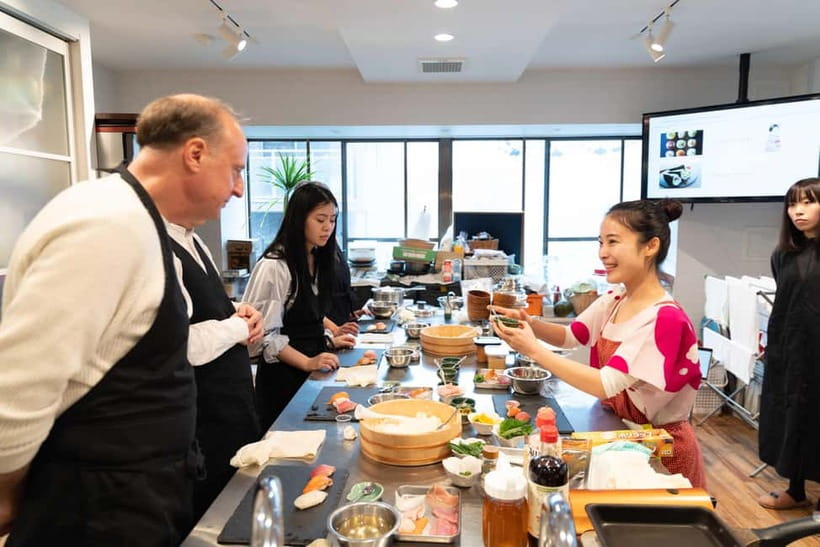
The sushi-making portion is the heart of the class. You prepare three forms, each with a different look and technique.
Nigiri teaches you to shape rice by hand and place fish on top. It may look simple, but the size and firmness of the rice affect how easy it is to eat. The class gives you a chance to practice that balance rather than receiving a plate made by someone else.
Temari lets you work on a round, decorative form. This is where the artistic side of the class comes through most clearly. If you enjoy presentation, temari can be a fun choice for a home party because it looks special without requiring the long rolling technique used for some other sushi.
Temaki is hand-rolled sushi, generally formed into a cone. It has a more casual feel and gives you another way to combine rice, fish, and seaweed. Making all three styles in one session keeps the class active and gives you options to repeat at home.
A strong point is that the instructor can help you use your own flavors while teaching the right basic techniques. One participant praised that balance, describing the guidance as helpful but flexible enough to allow personal choices. That is the right approach for a short class: learn the structure, then make it your own.
At the same time, do not assume every moment will be one-on-one. With up to 10 people, some steps may be demonstrated for the group before you try them. The experience appears best suited to people who want a guided introduction, not those seeking a private chef lesson.
Sitting down to eat what you made
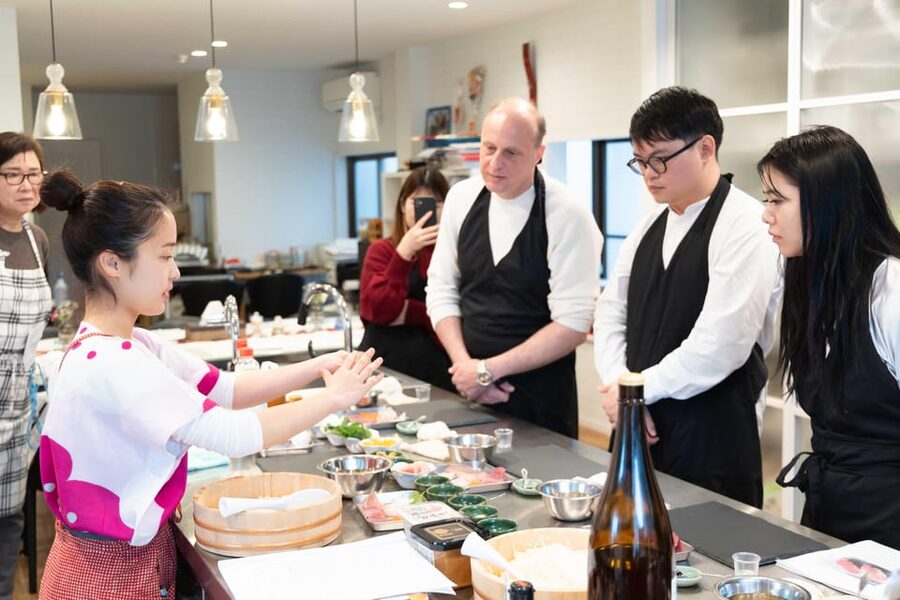
After the preparation, you eat the sushi and miso soup you have made. Dessert and coffee are included, giving the class a proper finish rather than ending as soon as the last roll is assembled.
The dessert may be especially appealing if you like Japanese flavors. One family described a homemade matcha dessert as part of the meal. The precise dessert can vary, so you should not book expecting that exact item, but matcha is a fitting close to a Kyoto food experience.
Sake and beer are available for an extra charge. They are not part of the basic $77 price, so budget separately if you want a local drink with the meal. Green tea was also included in one account, but the stated inclusions specifically list dessert and coffee, so the exact drink service may vary.
Eating together also gives the class a social side. You can talk with the other participants and compare the sushi you have made. For couples and families, this shared meal is likely more memorable than a demonstration where you simply watch someone else cook.
What $77 buys you in Kyoto
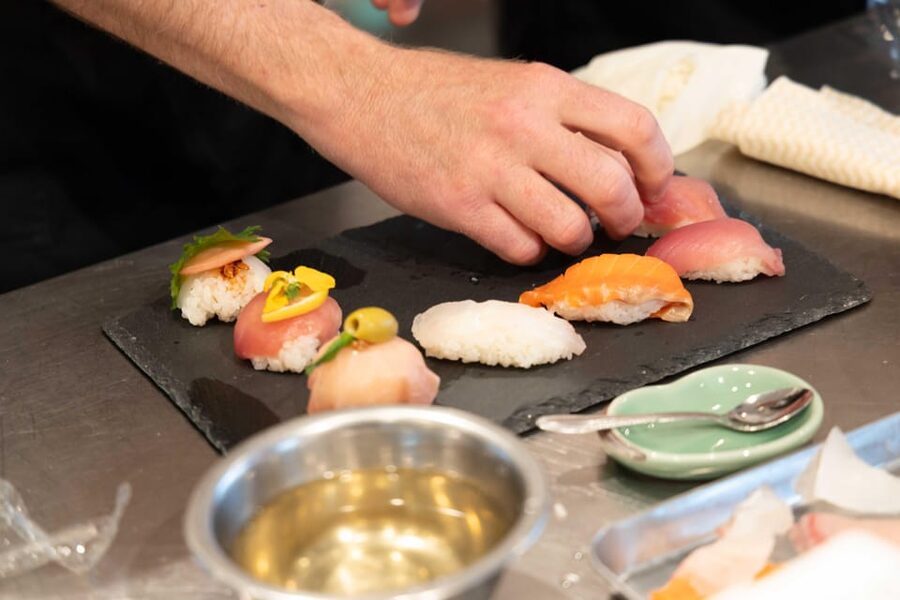
At $77 per person, this is not the cheapest way to eat sushi in Kyoto. You could spend far less on a simple meal, and the class does not last a full day.
The value comes from the combination of services. You receive a market visit, fish preparation viewing, a cooking lesson, several sushi styles, dashi tasting, miso soup, dessert, coffee, and local sightseeing advice. You are paying for instruction and access to a structured experience, not only for the food.
I think the price is easier to justify for a couple or family that wants a shared activity. Each person takes part, and the meal is the result of your own work. It is also a good choice if you want to bring home a skill rather than another souvenir.
The value is less clear if your main goal is a long market tour, a large meal, or intensive private coaching. One participant felt the fish did not justify the price and wanted more interaction from the instructor. That criticism is important: the class earns its price through the whole package, so it may disappoint if you judge it only by the amount of sushi served or expect constant personal attention.
Best fit for families and couples
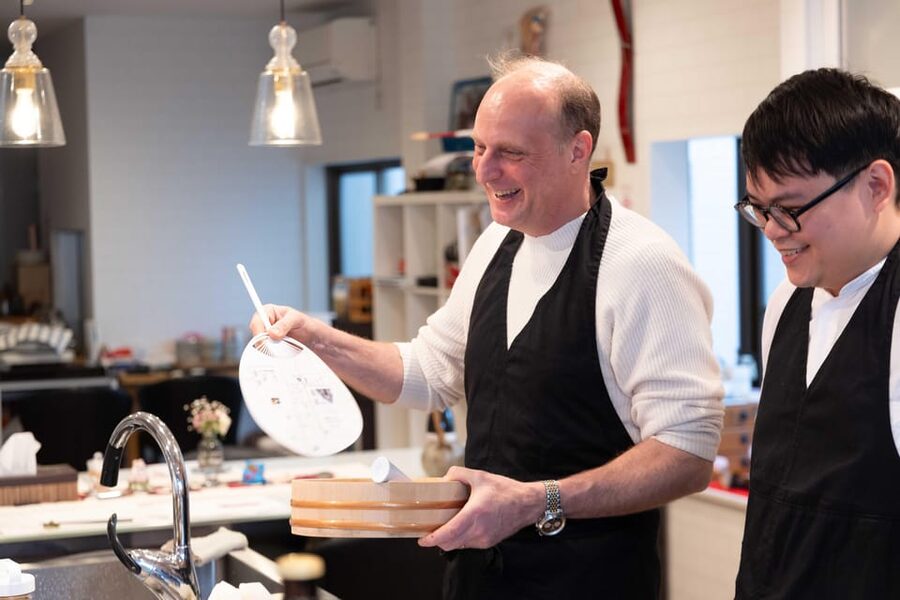
Families are a natural match for this experience. A short two-hour format is easier to manage than a long cooking course, and shaping sushi gives children and adults something concrete to do. The meal at the end also rewards everyone for taking part.
Couples may like the creative side. You can compare shapes, try different presentations, and share a meal that you prepared together. The central location also makes it easy to combine the class with Gion, Kiyomizu-dera, or other nearby sightseeing.
Food-focused visitors will get the most from the market and fish-cutting section. First-time visitors to Japan may also appreciate the introduction to dashi, miso, vinegar rice, and several sushi forms in one sitting.
This may not be the right choice if you dislike group instruction or want a quiet restaurant meal. The class is social, and the limited two-hour schedule means you will be working through a planned sequence. People who want extensive knife practice or a private lesson should check the teaching format before paying.
Fitting the class into a Kyoto day
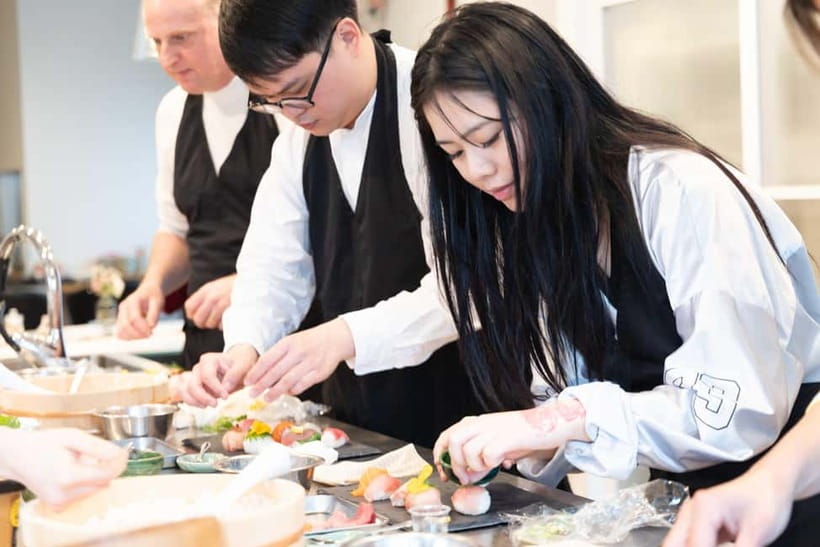
The location is one of the practical strengths. Because it is close to both Kyoto Station and Shijo Station, you can schedule it before or after central Kyoto sightseeing.
A possible plan is to take the class earlier in the day, then visit Gion or Kiyomizu-dera afterward. Another option is to tour those areas first and use the sushi class as a midday break. The information provided does not guarantee an exact starting time, so check availability for the date you want.
Nishiki Market is part of the experience, but the class should not be treated as a substitute for an entire market visit. If you want time to browse stalls at your own pace, allow a separate visit before or after the class.
The two-hour length is convenient, but it also means the schedule is compact. Arriving at the Salon Roll meeting point on time matters because a late start could cut into your instruction and meal.
How the seasonal Kyoto advice adds value
The tourism advice is a welcome extra. Kyoto changes with the seasons, and the best place to visit, the prettiest sight, or the most comfortable time of day can vary. A local tourism expert can offer suggestions that help you plan the rest of your trip.
This is especially useful if you are early in your Kyoto stay. You can ask about seasonal sightseeing while you eat and then adjust later days based on the guidance. The information does not promise a private planning session, so think of it as practical conversation woven into the class.
I would not choose the activity solely for the sightseeing tips. The food lesson and market visit are the main reasons to book. Still, this extra advice makes the experience feel more connected to Kyoto rather than being a cooking class that could take place anywhere.
Booking details worth knowing
The activity costs $77 per person and lasts two hours. It is offered in English and Japanese, with a maximum of 10 participants.
You can cancel up to 24 hours before the activity for a full refund. The reserve-now, pay-later option lets you hold a place without paying immediately, which can help when your Kyoto schedule is still changing.
The class is wheelchair accessible, and smoking is not allowed indoors. If you have food allergies, dietary restrictions, or questions about the fish and other ingredients, the supplied details do not explain how those needs are handled, so ask before booking.
Should you book this sushi experience?
Book it if you want an active, social food experience that combines Nishiki Market, fish preparation, and hands-on sushi making. Families and couples will likely get the most from the creative work, shared meal, and compact schedule.
At $77, I see it as fair value when you count the instruction, market visit, miso soup, dessert, coffee, and seasonal Kyoto advice together. I would skip it if you want a long market tour, a cheap sushi meal, or guaranteed private attention at every step.
For most first-time visitors who want to understand more than the finished dish, this is a useful two-hour addition to a Kyoto schedule. Just arrive with realistic expectations: it is a small-group introduction to sushi and Japanese food culture, not a professional chef course.
FAQ
How long does the Kyoto sushi and market experience last?
The experience lasts two hours.
How much does the experience cost?
The listed price is $77 per person.
Where is the meeting point?
You meet in front of a building with a hair salon called Salon Roll on the first floor.
How far is the meeting point from Kyoto Station?
The meeting point is about 10 minutes from Kyoto Station.
Is the activity available in English?
Yes. The instructor languages are English and Japanese.
How many people can join the class?
It is a small-group activity limited to 10 participants.
What types of sushi will I make?
You will learn to prepare nigiri, temari, and temaki sushi, as well as vinegar rice.
Is food included?
Yes. The experience includes the sushi you make, miso soup, dessert, and coffee. Dashi tasting and comparison are also included.
Are sake and beer included?
No. Kyoto sake and beer are available for an extra charge.
Newest Kyoto experiences on the site
- Treasures of Kyoto: Gion & historical Walking Tour★ 5.0 · 6 reviews
- Whisk Your Own Matcha: A Zen Matcha Experience at Temple★ 3.6 · 7 reviews
- Kyoto tea town for matcha lovers★ 5.0 · 16 reviews
- Uji: Private immersion into Kyoto’s tea and reglious culture★ 5.0 · 17 reviews
- Uji and Wazuka Matcha Farm Half Day Private Guided Tour★ 5.0 · 21 reviews
- Kyoto Matcha Green Tea Tour★ 4.5 · 23 reviews
- Utilising upcycled Matcha! Creating matcha incense (Uji, Kyoto)★ 5.0 · 6 reviews
- Sacred Temple Yoga Experience in Japan★ 5.0 · 3 reviews
Kyoto Sushi Making Classes, compared.
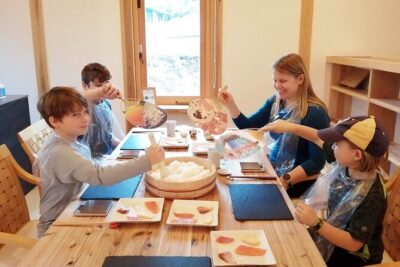
The Original Small-Group Sushi Making Class in Kyoto
Read our review →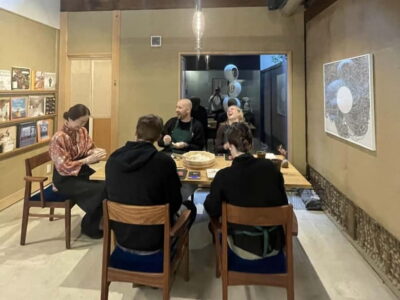
Sushi – Authentic Japanese Cooking Class – the best souvenir from Kyoto!
Read our review →
Private Kyoto Sushi Cooking Class & Tea Ceremony with Emika
Read our review →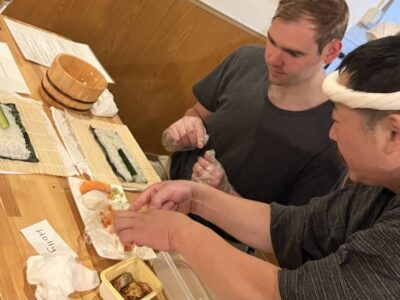
Sushi or Traditional Japanese Cuisine in a Kyoto Home with Emika
Read our review →
Kyoto Sushi Making Experience with a Professional Sushi Chef
Read our review →
Browse the lists this tour appears in