
Reviewed · ARASHIYAMA BAMBOO GROVE TOURS
Kyoto: Arashiyama UNESCO Walking Tour with Admission
Arashiyama’s famous bamboo path is the star here, but the Tenryu-ji Temple gardens give the walk its deeper meaning. In 90 minutes, you move from Zen grounds to towering bamboo, a love shrine, souvenir shops, and Togetsukyo Bridge, with an English-speaking guide explaining how nature and culture meet in this corner of Kyoto.
I like two things in particular: admission to Tenryu-ji is included, and the small group is limited to 10 people. Guides such as Nao, Uta, Naoya, and Ben have been praised for clear historical explanations, friendly help, and good photo spots. The route also finishes near the Monkey Park, so you can continue hiking if you have the time and energy.
The main drawback is the short length. You get a useful introduction, not a slow, lingering visit to every corner of Arashiyama. The Monkey Park is optional and costs extra, and the temple requires you to remove your shoes, so this tour suits walkers who can manage a steady pace.
Key points at a glance
- Tenryu-ji entry is included: Walk through one of Kyoto’s UNESCO World Heritage sites without paying a second admission fee.
- The Bamboo Grove gets proper context: Your guide explains why Arashiyama’s nature and cultural sites are linked to its UNESCO recognition.
- Small groups make questions easier: The group is limited to 10 people, with English guiding throughout.
- The route mixes major sights and local shopping: You pass Nonomiya Shrine, cute character shops, matcha sweets, wagashi, and bamboo crafts.
- The Monkey Park is an optional add-on: The tour ends nearby, but you pay the separate admission fee and hike on your own.
- The walk is mostly flat but not wheelchair suitable: You must remove your shoes inside Tenryu-ji.
Why Arashiyama works best with a guide
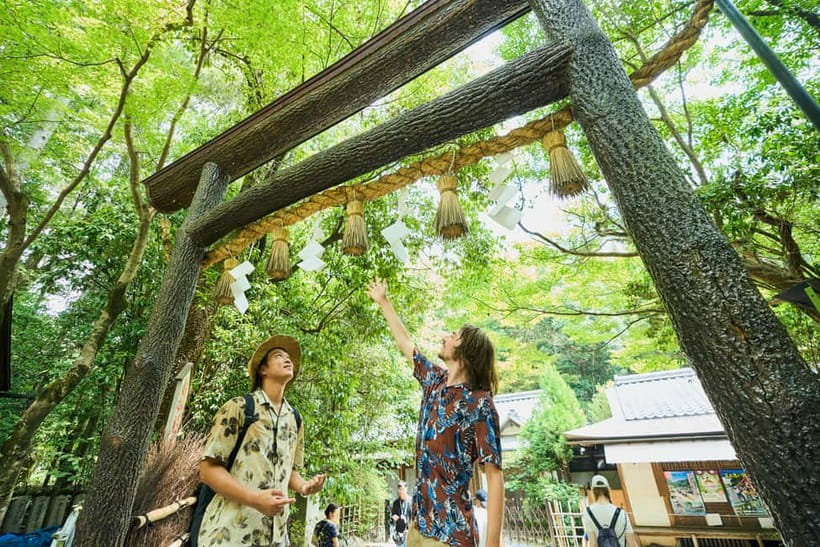
Arashiyama is easy to recognize and surprisingly easy to experience poorly. Many people arrive, take a quick picture in the bamboo, and leave without understanding what they have seen. This walk gives the area a sensible order and connects the temple, forest, shrine, river crossing, and shopping streets.
The route begins at Chopsticks Studio Kyoto. Look for a guide holding a Local Guide Stars sign on the front road of the building. From there, the walk heads toward Tenryu-ji Temple before reaching the Bamboo Grove and the other main sights.
A guide is most useful here for context. The bamboo is photogenic, but the temple gardens and religious sites explain why this is more than a picture stop. The guides also help you notice details you could easily pass without a word of explanation.
The group size matters. With no more than 10 people, you should have a fair chance to hear the guide and ask questions. Recent guide names include Nao, Naoya, Uta, and Ben. Uta was especially praised for adjusting the route for a pregnant participant, while Nao was noted for taking photos and making the visit relaxed and fun. Those details suggest a personal style rather than a rigid, speech-only walk.
More mornings in Arashiyama and the bamboo grove:
- Kyoto: Fushimi Inari, Kinkakuji, Bamboo Grove 1 Day Bus Tour
★ 4.8 · 4,316 reviews - Osaka/Kyoto:Kinkakuji,Arashiyama,FushimiInariShrine,NaraPark
★ 4.1 · 1,596 reviews - Kyoto/Osaka: Nara, Fushimi Inari Taisha, Arashiyama Bus Tour
★ 4.7 · 1,275 reviews
Tenryu-ji Temple and its 700 years of Zen tradition
Tenryu-ji is the first major stop, with about 40 minutes set aside for a guided visit. The temple is a UNESCO World Heritage site, and its gardens are the reason this tour begins here rather than rushing straight to the bamboo.
You will see traditional Japanese garden design and the calm order of the temple grounds. The setting has been cared for over more than 700 years, giving the guide a good base for explaining Zen ideas, temple customs, and the relationship between built spaces and nature.
The included admission is important when judging the $25 price. You are not paying only for directions through a public street. Part of your fee covers entry to one of Kyoto’s major cultural sites, along with the guide’s time.
You must remove your shoes when entering the temple. Wear socks you are comfortable walking in, and choose clothing that makes it easy to manage footwear. The terrain is mostly flat, but the shoe rule and temple access mean this is not suitable for wheelchair users.
Do not expect a full temple complex tour in 40 minutes. Tenryu-ji has enough to occupy much longer, especially if you want to linger in the gardens. Still, the allotted time gives you a proper introduction before the route moves into the bamboo.
Walking through the Sagano Bamboo Grove
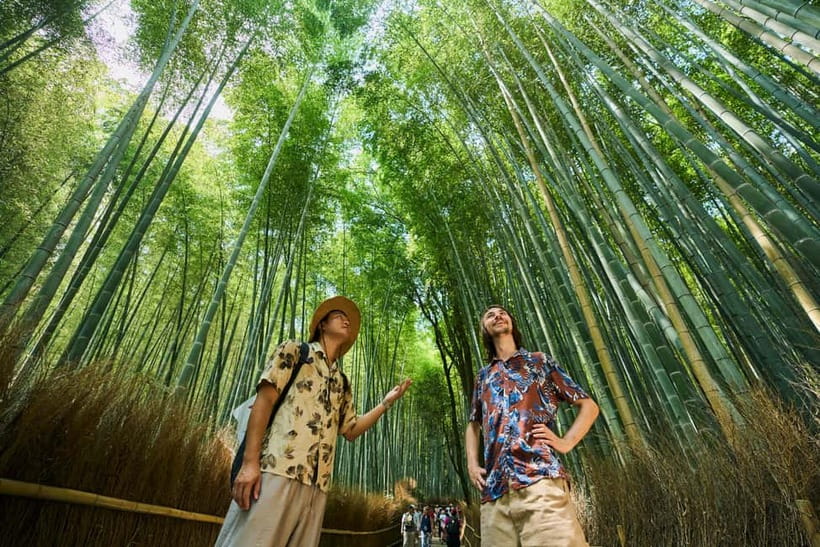
The Bamboo Grove is the most famous photo stop and the part most people picture before booking. Tall bamboo closes in around the path, creating a striking contrast with Kyoto’s temples and city streets.
Your guide explains how the grove fits into the wider UNESCO setting. That context makes the stop more useful than a simple photo break. You learn why the area is valued as a meeting point of natural beauty, religious tradition, and Japanese garden culture.
Bring your camera, but give yourself a moment to look up from it. The appeal is not only the pictures. The vertical bamboo, filtered light, and narrow path create a distinct sense of place that is easy to miss if you treat the grove as a quick backdrop.
The route can feel busy at popular times, and the 90-minute schedule does not allow for a long wait at every photo point. Your guide can help you find better angles, but no short walking tour can promise an empty path.
This is also where a small group helps. A group of 10 is easier to keep together than a large coach party, and you can ask why the grove matters rather than simply follow the crowd.
Nonomiya Shrine and Kyoto’s romantic side
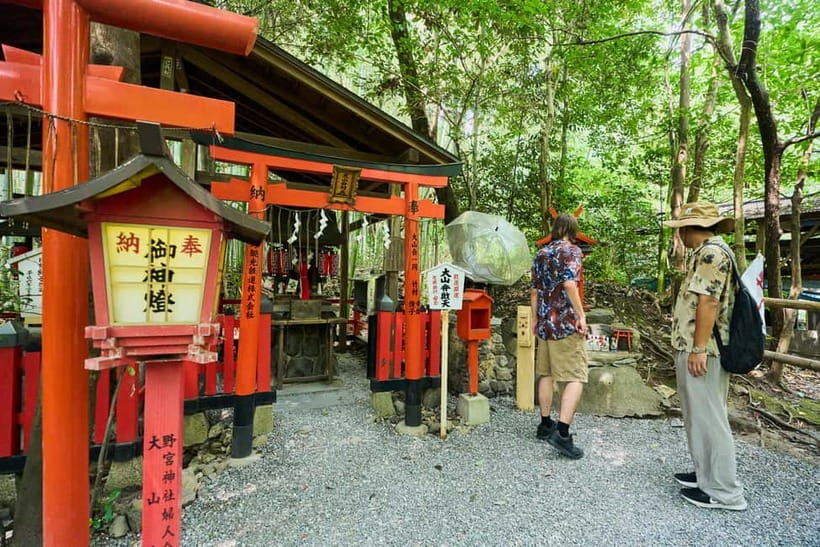
The walk continues to Nonomiya Shrine, a compact and atmospheric stop associated with prayers for love in Kyoto. You have about 20 minutes for a guided visit, a photo stop, and a walk through the area.
Nonomiya adds a different mood to the route. Tenryu-ji presents formal temple grounds, while the shrine offers a more personal place for prayer. The guide can explain the shrine’s role and point out details that might otherwise seem like part of the surrounding path.
This is a good stop for couples and anyone interested in how religious spaces remain part of everyday life. It also breaks up the major sights with something smaller and more intimate.
The time is limited, so think of Nonomiya as a meaningful pause rather than a long shrine visit. You will not spend the whole morning here, but you will have enough time to look around, take photos, and hear the basic story.
More walking tours in Kyoto:
- Kyoto Geisha Walking Tour: Gion District & Hidden Gems
★ 4.7 · 3,273 reviews - Kyoto: Gion Magical Night Walking Tour with Geisha Trivia
★ 4.9 · 2,393 reviews - Kyoto: Gion Geisha District Walking Tour – Stories of Geisha
★ 4.7 · 2,187 reviews - Night Walk in Gion: Kyoto’s Geisha District
★ 4.5 · 2,003 reviews
Souvenir shops, matcha, and bamboo crafts
One of the nicer touches is the walk past the guide’s recommended cute character shops and local souvenir stores. This portion keeps the tour from feeling like a checklist of monuments.
You can browse matcha sweets, delicate wagashi, and bamboo-themed artisan goods. These are useful stops if you want small gifts that connect to Kyoto rather than generic souvenirs found anywhere in Japan.
I would keep your wallet ready, but not feel pressured to buy. The activity calls for cash, and cash is sensible for browsing small shops and food purchases. The guide can point out items, but shopping is your own choice and is not part of the admission cost.
The shopping portion also gives you a chance to slow down after the Bamboo Grove. If you have already bought souvenirs elsewhere, you can simply enjoy the streets and save room in your bag.
Crossing Togetsukyo Bridge
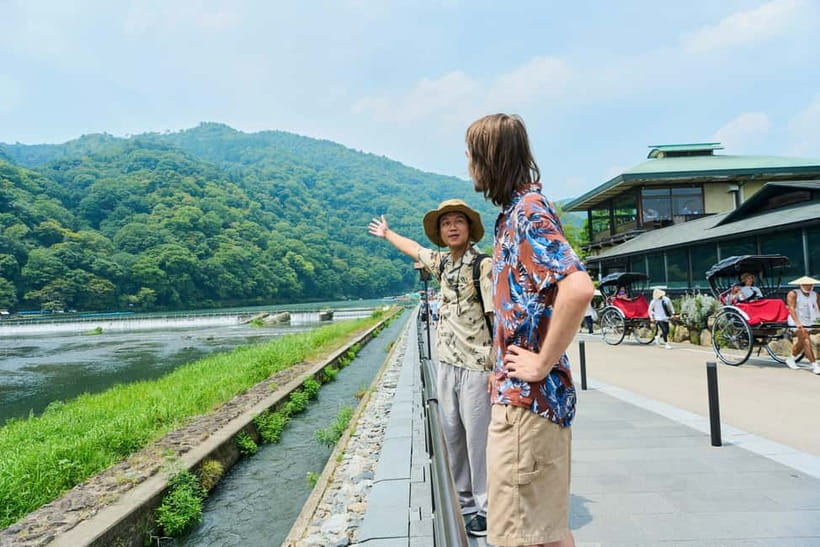
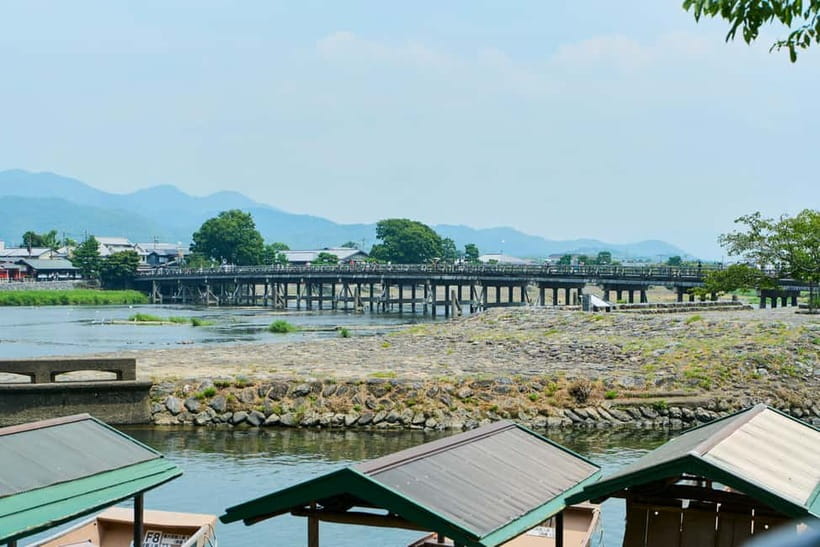
The route heads across Togetsukyo Bridge, one of Arashiyama’s best-known views. This is both a photo stop and a practical transition toward the Monkey Park area.
The bridge gives you a wider view after the enclosed bamboo path. That change is useful: first you experience the close, vertical feel of the grove, then you see the river setting and the broader surroundings from the bridge.
Your guide accompanies you to the bridge and then toward the Monkey Park area. By this point, you have seen the main cultural and scenic stops promised by the walk.
The bridge itself is not a long guided attraction, so do not expect an extended explanation or a lengthy stop. Its value comes from the view, the sense of place, and the way it completes the route.
The Monkey Park option requires extra time and money
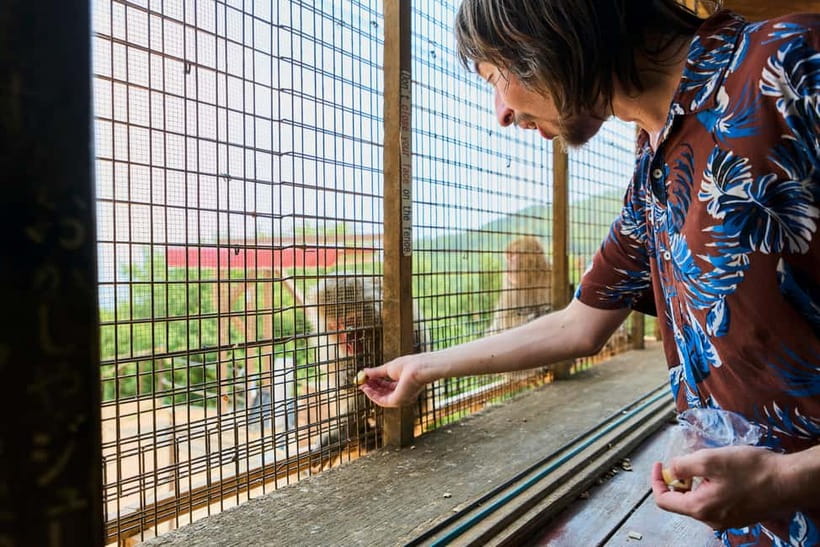
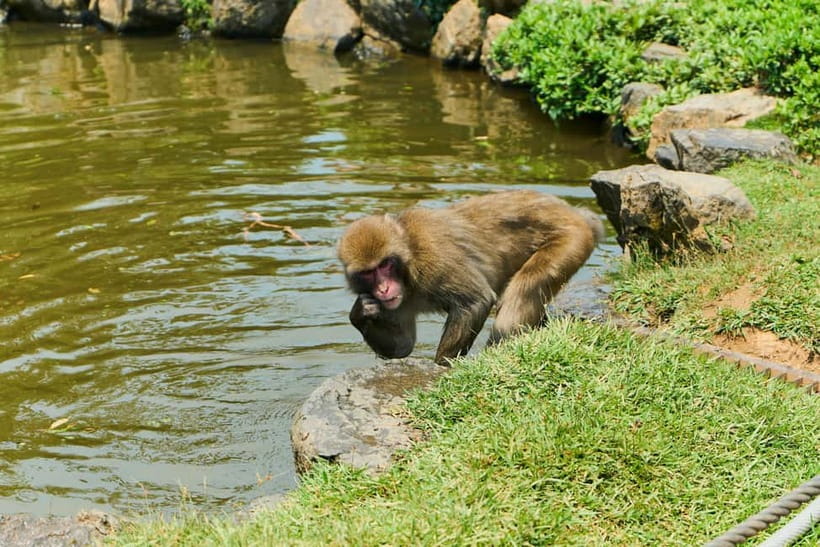
The guided portion concludes near Iwatayama Monkey Park. If you want to enter, you can continue on a self-guided hike at your own pace.
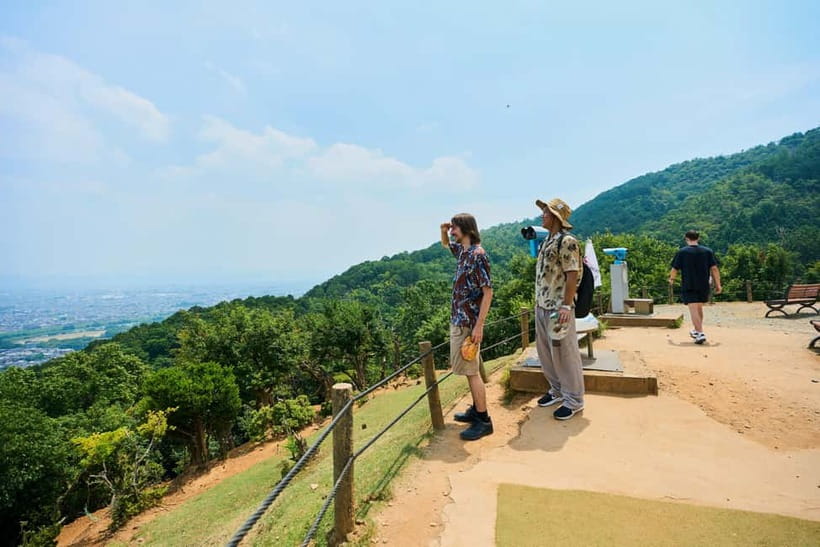
Admission is not included, so budget separately. The hike is also not part of the 90-minute guided walk. This matters when planning your day because you may need more time after the tour, and the route requires walking uphill rather than simply strolling along the flat sections.
The optional setup is useful. You are not forced to pay for a second attraction if you are satisfied with the temple, bamboo, shrine, shops, and bridge. If you want to add the Monkey Park, you can decide at the end based on your energy and schedule.
I would treat it as a separate activity, not as a guaranteed part of the tour. The guide gets you to the area, then you choose whether to continue without guided commentary.
Is $25 a fair price?
At $25 per person, this is a reasonable price for a short introduction to Arashiyama. The key value comes from the included Tenryu-ji ticket and the small-group guide. If you visited the Bamboo Grove and surrounding streets alone, you would spend less on guiding, but you would also need to provide your own history, route planning, and explanations.
The tour is especially good value if you want structure on your first visit to Arashiyama. You cover several major sights without having to work out the order yourself, and you can ask questions along the way.
The price is less compelling if you prefer long visits at temples or want to explore entirely at your own speed. Ninety minutes passes quickly, and the guide cannot give every location an extended visit.
The Monkey Park is not included, so add that cost only if you plan to hike there. The same applies to shopping and food. The $25 covers the guide and Tenryu-ji admission, not every optional expense along the route.
How the guides shape the experience
The strongest part of this tour is likely to be the individual guide. Nao was praised for mixing information with humor and helping with photos. Naoya was described as an effective guide for history and questions. Uta was noted for kindness, flexibility, and careful attention to a participant’s needs. Ben was praised for answering questions, explaining history, and knowing useful photo spots.
You cannot choose a particular guide from the information provided, so expect the exact style to vary. Still, the repeated pattern is clear: the tour depends on friendly, personal guidance rather than a recorded script.
That is good news if you enjoy asking questions. It is less important if you simply want a timed walk between photo stops. I would book this for the human explanation, not just for access to the Bamboo Grove.
Practical advice before you go
Wear comfortable clothes and shoes that are easy to remove. The route is mostly flat, but it is still a walking tour with temple access, a bridge crossing, and the possible Monkey Park hike afterward.
Bring cash for shops, snacks, and any purchases. You should also allow extra time if you plan to enter the Monkey Park after the guided portion.
Arrive at Chopsticks Studio Kyoto and look for the Local Guide Stars sign on the front road of the building. The activity is in English, and the group is limited to 10 people.
The tour allows cancellation up to 24 hours before the start for a full refund, and you can reserve now and pay later. Those terms help if your Kyoto schedule is still changing.
Who should book this Arashiyama walk?
I recommend it for first-time Kyoto visitors who want the main Arashiyama sights explained in a compact format. It suits couples, solo visitors, and small groups who appreciate history, gardens, photography, and a few well-chosen shopping stops.
It also works well if you want a guide who can answer questions and help with photos. The praise for Nao, Uta, Naoya, and Ben suggests that the people leading the walk are a major part of its appeal.
You may want something longer if you prefer quiet temple time, extensive garden exploration, or a full-day visit. Families or visitors with mobility limitations should also note that the activity is not suitable for wheelchair users, and the optional Monkey Park requires a hike.
Should you book it?
Book this tour if you want a focused 90-minute introduction to Arashiyama with Tenryu-ji admission included. The mix of temple, bamboo, shrine, bridge, local shops, and an optional Monkey Park gives you a useful first look without taking over your whole day.
Skip it if you already know Arashiyama well or want to explore at a very slow pace. For most first visits, though, $25 is a fair trade for a small English-speaking group, a clear route, and the cultural explanation that turns a famous photo stop into a more meaningful Kyoto experience.
FAQ
How long does the Arashiyama walking tour last?
The guided tour lasts 90 minutes. The optional visit to Iwatayama Monkey Park takes place after the guided portion and can add extra time.
Is admission to Tenryu-ji Temple included?
Yes. The entry ticket to Tenryu-ji Temple is included in the tour price.
Is Monkey Park admission included?
No. The guide takes you to the Monkey Park area, but admission is separate and the hike is self-guided.
What language is the tour offered in?
The live tour guide leads the experience in English.
Where does the tour meet?
The meeting point is Chopsticks Studio Kyoto. Look for a guide holding a Local Guide Stars sign on the front road of the building.
Is the tour suitable for wheelchair users?
No. The activity is not suitable for wheelchair users. The route is mostly flat, but temple access requires removing your shoes.
Newest Kyoto experiences on the site
- Treasures of Kyoto: Gion & historical Walking Tour★ 5.0 · 6 reviews
- Whisk Your Own Matcha: A Zen Matcha Experience at Temple★ 3.6 · 7 reviews
- Kyoto tea town for matcha lovers★ 5.0 · 16 reviews
- Uji: Private immersion into Kyoto’s tea and reglious culture★ 5.0 · 17 reviews
- Kyoto Matcha Green Tea Tour★ 4.5 · 23 reviews
- Uji and Wazuka Matcha Farm Half Day Private Guided Tour★ 5.0 · 21 reviews
- Utilising upcycled Matcha! Creating matcha incense (Uji, Kyoto)★ 5.0 · 6 reviews
- Sacred Temple Yoga Experience in Japan★ 5.0 · 3 reviews
Arashiyama Bamboo Grove Tours, compared.
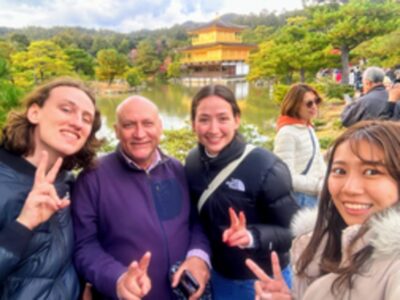
Fushimi Inari, Kinkakuji, Bamboo Grove 1 Day Bus Tour
Read our review →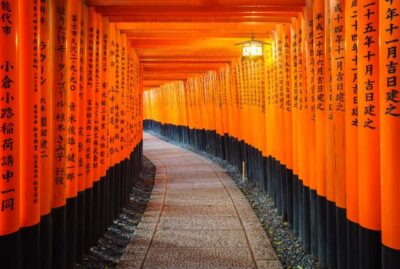
Kinkakuji,Arashiyama,FushimiInariShrine,NaraPark
Read our review →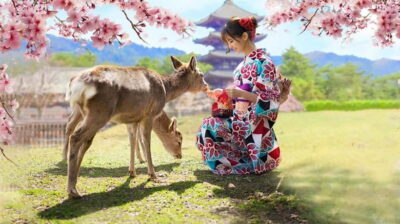
Nara, Fushimi Inari Taisha, Arashiyama Bus Tour
Read our review →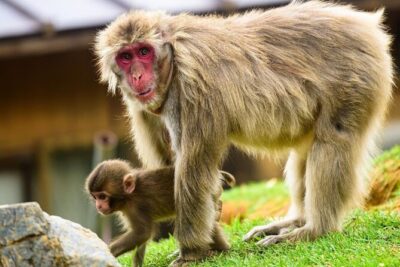
Kyoto Arashiyama Walking Tour: Bamboo, Monkeys, Gardens & Secrets
Read our review →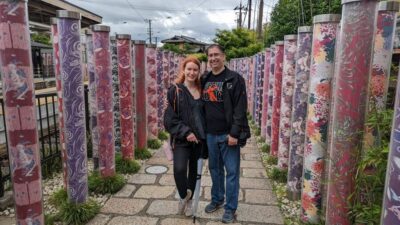
Arashiyama Bamboo, Temple, Monkeys, or Secret Sake Brewery
Read our review →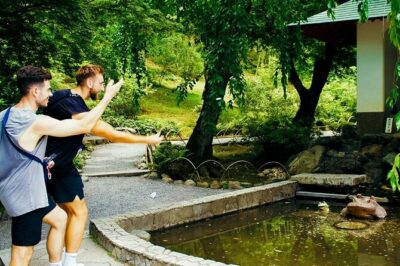
Arashiyama Bamboo Forest, Monkeys, Matcha & Temple Tour
Read our review →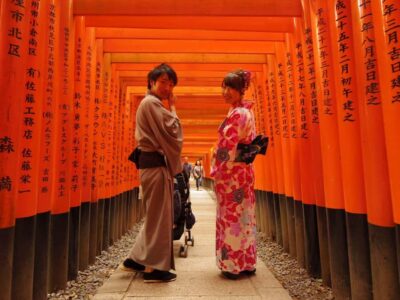
Arashiyama, Nara & Fushimi Inari Shrine w/Lunch
Read our review →
Nijo, Kinkaku-ji, Arashiyama, Kiyomizu & Fushimi Inari
Read our review →Browse the lists this tour appears in