
Reviewed · HIGASHIYAMA DISTRICT TOURS
Kyoto Higashiyama Walking Private Tour
The best part of this Kyoto walk is the route itself. You move from the grand Minamiza Theater and Gion’s traditional streets into quiet lanes, stone paths, shrine grounds, and the famous slopes around Kiyomizu-dera. It gives you a clear sense of how Kyoto’s old quarters fit together on foot.
I like the small group limit of six, which gives your guide room to answer questions and adjust the pace. I also like the mix of major sights and lesser-known corners, especially Ishibe-koji and the quiet viewpoint of Yasaka Pagoda. The main drawback is the terrain: you’ll cover about 3 kilometers over slopes and stone steps, so this is not a good pick if walking is difficult.
Key points at a glance
- A smart Gion-to-Higashiyama route: Begin at Minamiza Theater and finish near Kiyomizu-dera.
- Major sights with local context: See Yasaka Shrine, Sannenzaka, and Kiyomizu-dera rather than simply passing them by.
- Quiet streets included: Ishibe-koji and Nene no Michi offer a calmer side of old Kyoto.
- Limited to six people: You get a more personal walk without the feel of a large tour.
- Useful advice beyond sightseeing: Guide Akari has shared practical suggestions for food and coffee along the way.
- Good value at $52.03: The price covers a three-hour private walking experience with an English-speaking local guide.
Why this Higashiyama route works so well
Kyoto can feel confusing at first. The city’s famous sights are spread through neighborhoods that look close on a map but are separated by lanes, hills, temple grounds, and busy roads. This tour solves that problem with a logical eastward walk from Gion to Kiyomizu-dera.
You begin at Minamiza Theater, then pass through the old entertainment district before reaching Yasaka Shrine. From there, the route becomes quieter and more residential, with stone lanes leading toward Nene no Michi, Yasaka Pagoda, Sannenzaka, and the temple at the end.
That progression matters. You are not simply ticking off isolated monuments. You see the shift from theater and teahouse streets to shrine grounds and preserved lanes, then finish with Kyoto’s broad city views from the Kiyomizu area.
The walk lasts about three hours and covers roughly 3 kilometers. That is not a huge distance, but the surface changes often. Expect paved streets, slopes, uneven stone, and steps. Wear shoes with a secure grip, and keep your schedule after the tour flexible rather than rushing to another appointment.
More of the old streets around Higashiyama:
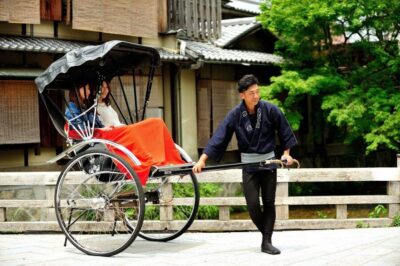
- Kyoto: Private Rickshaw Tour of Gion and Higashiyama Area
★ 5.0 · 144 reviews - Kyoto: Historic Higashiyama Walking Tour
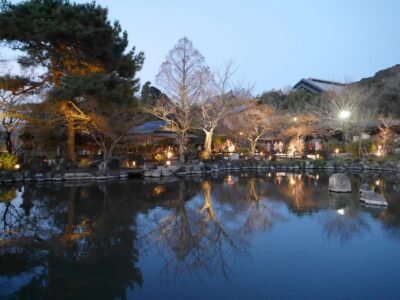
★ 5.0 · 31 reviews - Kyoto: Kiyomizudera, Higashiyama and Yasaka Discovery Tour
★ 4.8 · 17 reviews
Starting at Minamiza Theater and entering Gion
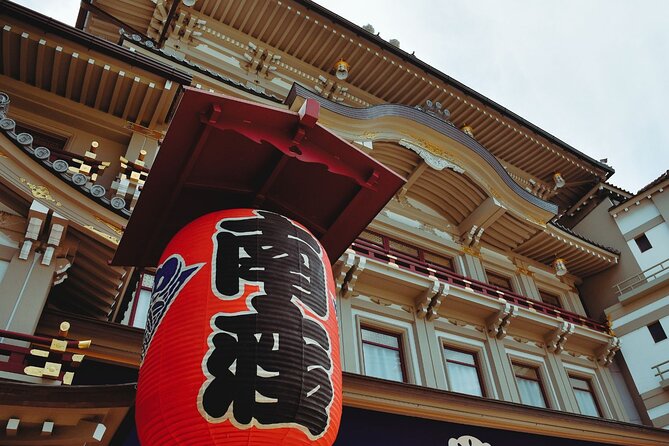
The meeting point is Minamiza Theater, located at the eastern end of Shijo Bridge in Gion. The theater is one of Japan’s oldest kabuki venues, and its position makes a useful starting point for understanding Kyoto’s traditional performing arts district.
Your guide can explain why Minamiza matters before you leave the busy street behind. The theater is not just an attractive building for photographs. It represents kabuki’s long connection with Kyoto and helps explain why this part of the city has been associated with entertainment, ceremony, and formal hospitality.
The exact meeting location is listed at the theater’s second-floor west lobby. Check the booking information carefully before arriving, since the area around Shijo Bridge can be busy and the theater is easy to spot but less easy to navigate inside.
Starting here also gives you a convenient central point. The tour does not include hotel pickup, so you must make your own way to Minamiza. Transportation to and from the meeting point is not included because the experience is entirely on foot.
Hanamikoji Street and the old Gion atmosphere
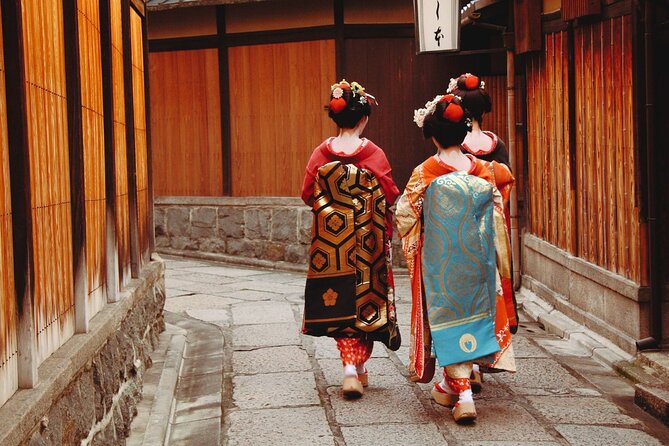
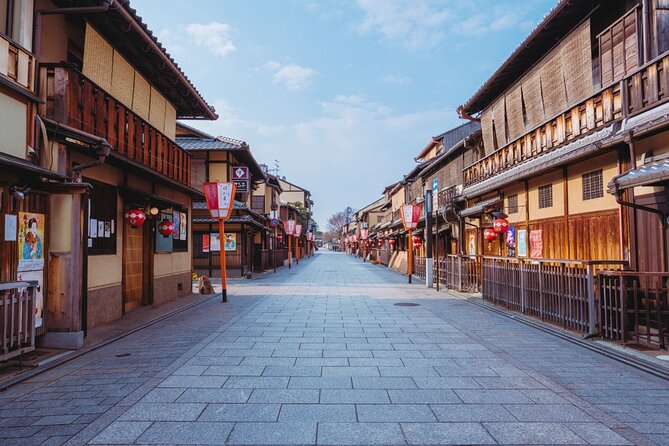
From Minamiza, you walk through Hanamikoji Street, one of Gion’s best-known historic roads. Traditional wooden teahouses line the route, giving you a look at the architectural style associated with Kyoto’s geisha district.
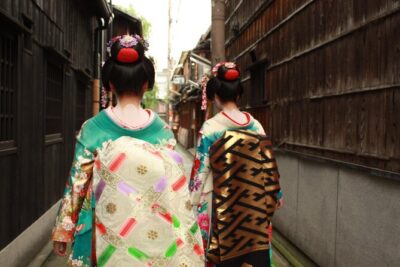
Your guide can provide context for the buildings and the customs connected with the area. You might also see a geisha or maiko heading to an appointment, though that is a matter of timing and luck, not a promised part of the tour.
This is a place where good manners matter. Keep your camera ready, but avoid blocking doorways or photographing people at close range without permission. The street is a working neighborhood, not a stage set created only for sightseeing.
Hanamikoji can be busy, especially at popular times of day. That makes the guide useful because you can focus on details beyond the street’s most obvious photo angles. You will also have a better idea of how Gion connects with the quieter lanes farther east.
Yasaka Shrine and everyday Kyoto worship
Yasaka Shrine is the first major religious site on the route. Its vermilion gates and open grounds create a sharp visual contrast with the darker wooden buildings of Gion.
This is one of Kyoto’s important Shinto shrines, and the visit gives your guide a chance to explain how people pray here for good fortune and protection. You can take in the architecture, watch local worshippers, and learn the basic etiquette for a shrine visit without having to work it out alone.
I like this stop because it adds more than a pretty gate. It shows you how a famous site functions as part of local life. The shrine is not only an attraction to photograph, but also a place where people come with personal hopes and daily rituals.
The open shrine grounds offer a short break before the route turns into narrower streets. Still, this is not a long, formal temple lecture. If you want detailed religious history or extensive time for independent photography, you may find the three-hour schedule too brisk.
More walking tours in Kyoto:
- Kyoto Geisha Walking Tour: Gion District & Hidden Gems
★ 4.7 · 3,273 reviews - Kyoto: Gion Magical Night Walking Tour with Geisha Trivia
★ 4.9 · 2,393 reviews - Kyoto: Gion Geisha District Walking Tour – Stories of Geisha
★ 4.7 · 2,187 reviews - Night Walk in Gion: Kyoto’s Geisha District
★ 4.5 · 2,003 reviews
Ishibe-koji and Nene no Michi
After Yasaka Shrine, the walk reaches one of its most appealing sections: Ishibe-koji. This narrow, stone-paved alley has carefully preserved buildings and a much quieter feel than Hanamikoji.
Ishibe-koji is the kind of place that is easy to miss if you are following only the most direct route between major sights. The lane is attractive because of its scale. Close-set walls, traditional facades, and the stone surface create a strong sense of old Kyoto without requiring a grand monument.
You should keep your expectations realistic. Ishibe-koji is a short alley, not a large attraction with a long list of things to do. Its value comes from the atmosphere and the chance to see a small, well-preserved corner of the district.
The route then continues along Nene no Michi, a scenic path named for Nene, the wife of the samurai leader Toyotomi Hideyoshi. The path offers a calmer walk and a useful pause between shrine visits and the busier shopping streets around Kiyomizu-dera.
This section is one reason a guide improves the experience. Without context, you might simply notice a pleasant lane. With an explanation of the name and the people connected to the area, the street becomes easier to remember.
The Yasaka Pagoda viewpoint
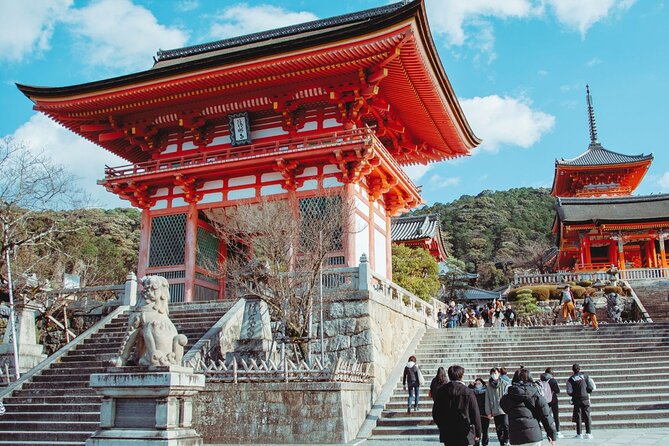
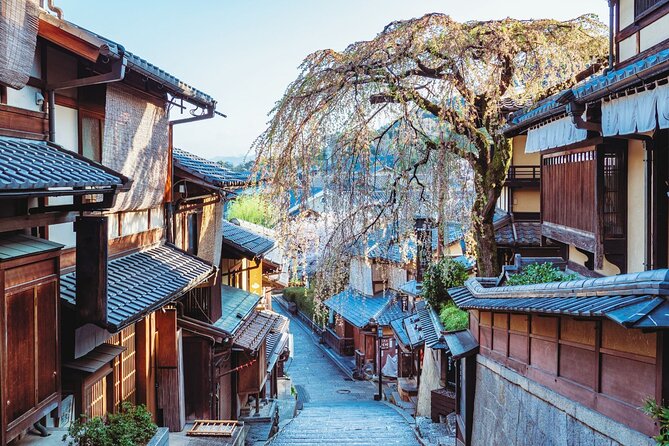
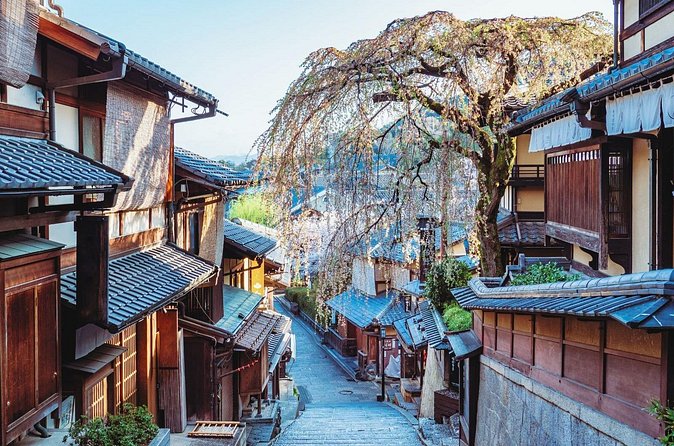
One of the walk’s best photo stops is a quiet viewpoint toward Yasaka Pagoda. The five-story wooden structure rises among traditional townhouses, creating one of the most recognizable views in Higashiyama.
The view works because the pagoda is not isolated in a large park. It appears within the old street pattern, with roofs and wooden facades framing it. Your guide can help you find the right angle and explain why the pagoda has become such a familiar symbol of this part of Kyoto.
This stop also gives you a chance to slow down. The route includes several major sights, but not every moment needs to be a march from one entrance to the next. A short pause for photographs and orientation helps you understand where you are heading.
Keep in mind that the viewpoint is described as a quiet spot, not a private lookout reserved only for your group. Conditions can change with the time of day. Your guide can point out the location, but the amount of time available for photographs depends on the pace of the walk.
Sannenzaka’s stone slope and shop-lined streets
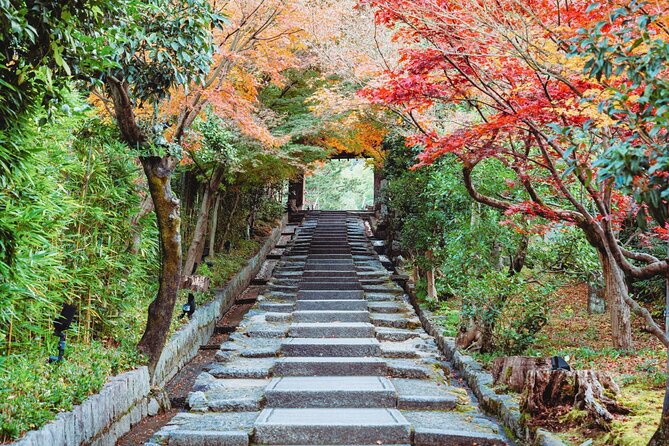
Sannenzaka brings you back into a livelier stretch of Higashiyama. This gently sloping stone path is lined with shops, cafes, and traditional-looking buildings, making it a natural place to browse after the quieter lanes.
You can expect a mix of sightseeing and local shopping here. The street offers chances to look at Kyoto crafts, snacks, and small gifts, though personal purchases are not included in the tour price. Your guide can point out places worth considering and offer suggestions for what to explore after the walk.
The stone slope is attractive, but it is also where the physical demands become more obvious. Uneven surfaces and crowds can make the route slower than the distance suggests. Take your time, especially if you are carrying a bag or using a camera.
Sannenzaka also gives you a useful transition into the Kiyomizu-dera area. Rather than arriving at the temple by the fastest road, you approach it through one of Kyoto’s best-known historic streets. That makes the final stop feel connected to the neighborhood around it.
Kiyomizu-dera and the finish with a view
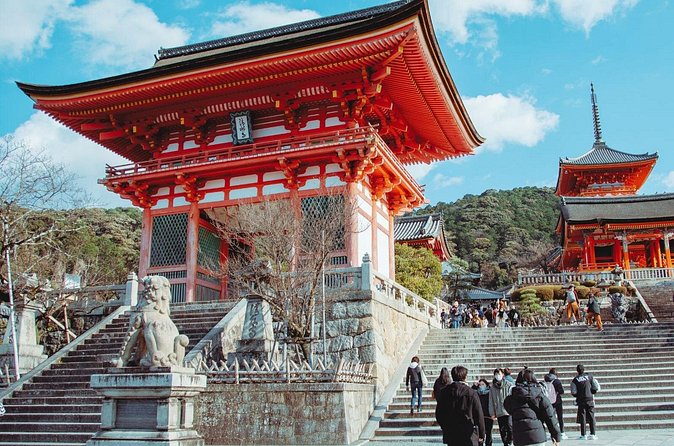
The tour finishes at Kiyomizu-dera, a UNESCO World Heritage site known for its wooden stage and views over Kyoto. The temple is one of the city’s essential sights, and including it gives the walk a strong ending.
You will learn about the temple’s spiritual importance and have a chance to appreciate its position above the city. The wooden stage is the most famous feature, but the wider value of the visit comes from seeing the temple as part of the hillside setting and the old streets below.
The tour ends at a scenic spot near Kiyomizu-dera with a city view. This is useful if you want to continue exploring on your own, since you finish in an area filled with temples, shops, and cafes rather than being returned to the original meeting point.
Remember that entry details can matter. The tour includes a visit to Kiyomizu-dera, but food, drinks, personal purchases, and transportation are not included. The supplied details do not promise a separate meal stop or a drink tasting, so bring your own plan for refreshments.
What $52.03 gets you
At $52.03 per person, this tour sits at a reasonable price for a three-hour private walk with an English-speaking local guide. The value comes less from transportation or included extras and more from having someone connect the streets, shrines, viewpoints, and temple into one understandable route.
A large group tour might cost less per person, but the limit of six gives you more room to ask questions and hear the guide clearly. Since only your group participates, the experience can feel more relaxed than a standard group walk, even though the route itself passes through public areas.
You are paying for local explanation and route planning. The tour does not include hotel pickup, food, drinks, admission beyond what is specified, or shopping. If you want a full-day package with meals and transport, this is not that kind of product.
The price also makes sense for a first afternoon in Kyoto. A guide can help you get oriented, identify places to return to, and share practical food and coffee suggestions. Akari, one of the guides associated with the experience, has been specifically noted for offering useful tips along the way.
The tour is often reserved about 29 days ahead, so I would not leave it until the last minute if your Kyoto dates are fixed. Confirmation arrives when you book, and free cancellation is available up to 24 hours before the start time. Changes or cancellations inside that period are not accepted for a refund.
Who will enjoy this walk most
I would choose this tour if you want a compact introduction to eastern Kyoto and prefer to understand what you are seeing rather than move between sights alone. It suits first-time visitors who want the major Higashiyama landmarks in a single, well-planned outing.
It is also a good fit for couples, families, and small private groups who value conversation with a guide. The maximum of six people keeps the outing personal without requiring you to book a large private arrangement.
You should be comfortable walking for three hours over gentle slopes, stone paths, and steps. A moderate physical fitness level is required. If you have limited mobility or strongly prefer flat pavement, the route may be frustrating.
This is not the best choice if your main goal is extended time inside Kiyomizu-dera, detailed shopping, or a long food-focused experience. The route has many stops, so each one receives enough attention for context but not unlimited free time.
Should you book it?
Book this Higashiyama walk if you want a clear first look at Gion and the eastern temple district, with a small group, a local English-speaking guide, and practical advice for the rest of your Kyoto stay.
The strongest reasons to choose it are the route design, the personal group size, and the balance between famous places and quieter streets. Skip it if you need hotel pickup, a meal, extensive temple study, or a flat and easy walk.
For many people, this is a sensible way to begin exploring Kyoto. You finish near Kiyomizu-dera with a better sense of the area, a few useful food and coffee ideas, and enough time left to continue at your own pace.
FAQ
How long does the Kyoto Higashiyama Walking Private Tour last?
The tour lasts approximately three hours.
How far do you walk?
The route covers about 3 kilometers through Gion and Higashiyama.
Where does the tour begin?
It begins at Minamiza Theater in Kyoto’s Higashiyama Ward, at the eastern end of Shijo Bridge. The meeting location is listed at the theater’s second-floor west lobby.
Where does the tour finish?
It ends at a scenic spot near Kiyomizu-dera Temple with a city view.
What major sights are included?
The route includes Minamiza Theater, Hanamikoji Street, Yasaka Shrine, Ishibe-koji, Nene no Michi, a Yasaka Pagoda viewpoint, Sannenzaka, and Kiyomizu-dera Temple.
Is the tour private?
Yes. Only your group participates, and the small private group is limited to six people.
Is the guide English-speaking?
Yes. An English-speaking local guide is included. Guide Akari is associated with the experience and has provided local suggestions for food and coffee.
Is transportation included?
No. Hotel pickup and drop-off are not included, and you must arrange transportation to and from the meeting point. The tour itself is a walking experience.
Are food and drinks included?
No. Food and drinks are not included. Personal purchases are also separate.
Can I cancel for a full refund?
Yes, if you cancel at least 24 hours before the experience start time. Cancellations or changes made less than 24 hours before the start time are not refunded or accepted.
Newest Kyoto experiences on the site
- Treasures of Kyoto: Gion & historical Walking Tour★ 5.0 · 6 reviews
- Whisk Your Own Matcha: A Zen Matcha Experience at Temple★ 3.6 · 7 reviews
- Kyoto tea town for matcha lovers★ 5.0 · 16 reviews
- Uji: Private immersion into Kyoto’s tea and reglious culture★ 5.0 · 17 reviews
- Kyoto Matcha Green Tea Tour★ 4.5 · 23 reviews
- Uji and Wazuka Matcha Farm Half Day Private Guided Tour★ 5.0 · 21 reviews
- Utilising upcycled Matcha! Creating matcha incense (Uji, Kyoto)★ 5.0 · 6 reviews
- Sacred Temple Yoga Experience in Japan★ 5.0 · 3 reviews
Higashiyama District Tours, compared.
Private Rickshaw Tour of Gion and Higashiyama Area
Read our review →
Kiyomizudera, Higashiyama and Yasaka Discovery Tour
Read our review →
Kyoto Early Bird English Tour: Gion & Higashiyama(Private opt)
Read our review →
Higashiyama Slow Cycling Tour along the quiet waterfront
Read our review →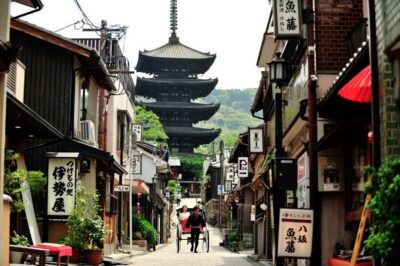
Browse the lists this tour appears in