

Reviewed · KIYOMIZU-DERA TEMPLE TOURS
Origami Workshop Near Kiyomizu Dera Temple in Kyoto
The best part of this Kyoto activity is its simple, hands-on rhythm. You sit down with Japanese paper, choose your colors and patterns, and learn to make classic figures with patient English guidance. No previous folding skill is needed, and the class takes place near Kiyomizu Dera Temple, making it easy to pair with sightseeing in Higashiyama.
I like two things right away: the small private format, which lets the instructors give careful step-by-step help, and the useful souvenir you make yourself. A crane, frog, or samurai helmet has more meaning than another shop purchase. The main consideration is time. At about one hour, this is a short cultural activity rather than a full craft lesson, and the class ends where it begins.
Key points to know before booking
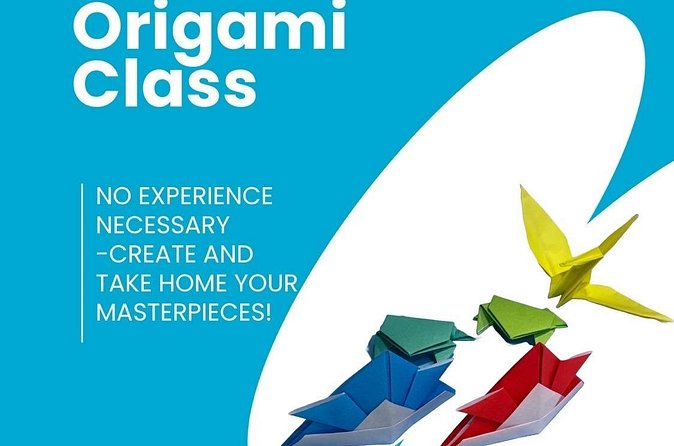
- Classic Japanese designs: Learn figures such as cranes, frogs, and samurai helmets, with seasonal themes also available.
- Patient English instruction: The class is designed for beginners, and the instructors explain each fold carefully.
- Private group format: Only your group participates, which can make the pace more comfortable for children and first-time folders.
- Near Kiyomizu Dera: Meet at Cafe362, at 362-3 Masuyacho in Higashiyama Ward, Kyoto.
- A useful handmade souvenir: Your finished figures go home in a mini envelope made from traditional paper.
- Good family stop: The short length and playful helmet design make this a practical break during a day of temple visits.
Folding Japanese tradition near Kiyomizu Dera
Origami is one of those activities that looks easy until the paper refuses to behave. That is part of the fun. A single fold in the wrong place can turn a crane into a lopsided bird, but a good instructor can spot the problem quickly and show you how to fix it.
This class gives you a friendly introduction to the craft without asking you to study complicated techniques first. A staff member begins by explaining the basic tools and the kinds of traditional origami paper you will use. You then choose colors and patterns before moving into the folding session.
The meeting point is 一念坂 362 Cafe362, at 362-3 Masuyacho in Kyoto’s Higashiyama Ward. It is near public transportation and close to the Kiyomizu Dera area, so the activity fits naturally into a sightseeing day. You can schedule it as a calm pause before or after visiting the temple district.
The setting matters because Higashiyama can involve plenty of walking, crowds, slopes, and visual distractions. A one-hour seated workshop gives you a change of pace. You are still engaging with Japanese culture, but you are doing it with your hands instead of moving from one sight to the next.
More Kiyomizu-dera visits and hillside walks:
- Kyoto: Tea Ceremony in a Traditional Tea House in Kiyomizu
★ 4.9 · 3,519 reviews - Kyoto: Nijo Castle, Kiyomizu & Fushimi Inari Guided Tour
★ 4.7 · 700 reviews - Kyoto: Nijo, Kinkaku-ji, Arashiyama, Kiyomizu & Fushimi Inari
★ 5.0 · 699 reviews
What happens during the one-hour class
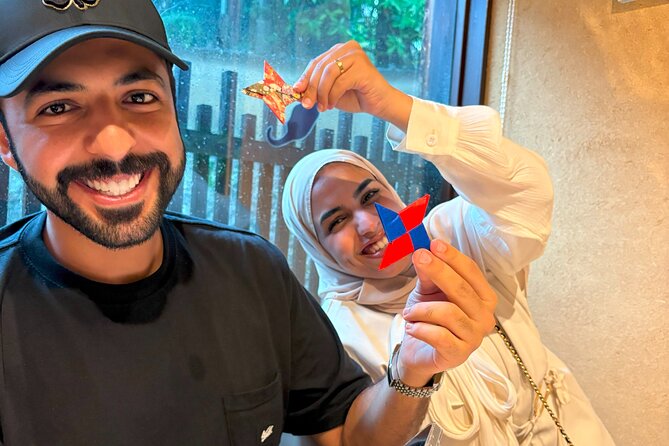
The activity begins with an introduction to the paper and basic tools. You do not need to bring supplies, since Japanese origami paper is included. The staff also explain the types of traditional paper used for the craft, giving you a little context before you start folding.
Next comes the choice of paper. You can pick favorite colors and patterns, which gives the activity a personal touch from the start. For children, this choice may be as appealing as the folding itself. Adults who usually skip souvenir shopping may also appreciate having some say in how the finished pieces look.
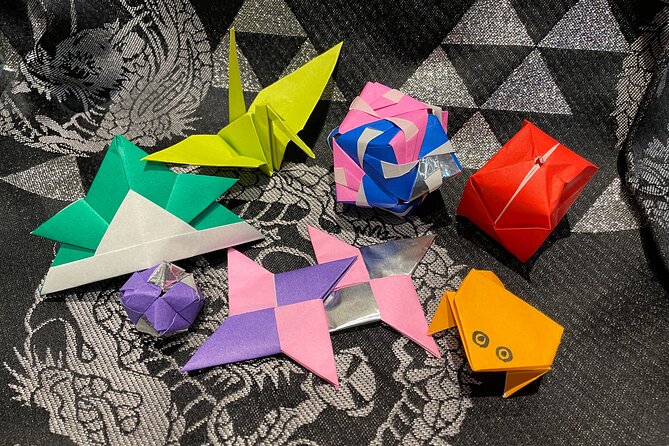
The main portion is a guided folding lesson. The designs listed include the crane, frog, samurai helmet, and other figures. Seasonal themes may also be part of the class, depending on what is being taught at the time.
The crane carries familiar meaning in Japan as a symbol of peace and good fortune. It is also a satisfying design to take home because the finished shape is recognizable, even if your first attempt is not perfectly symmetrical.
The samurai helmet is a particularly good choice for families. It is playful, easy to connect with Japanese culture, and fun for photos once it is finished. A child can wear or hold the paper helmet, turning the souvenir into part of the day rather than something that sits in a suitcase.
A frog offers a different kind of challenge and gives you another shape to try if the crane feels too delicate. You may also be able to work with seasonal figures, which can make the activity feel more connected to the time of year you visit.
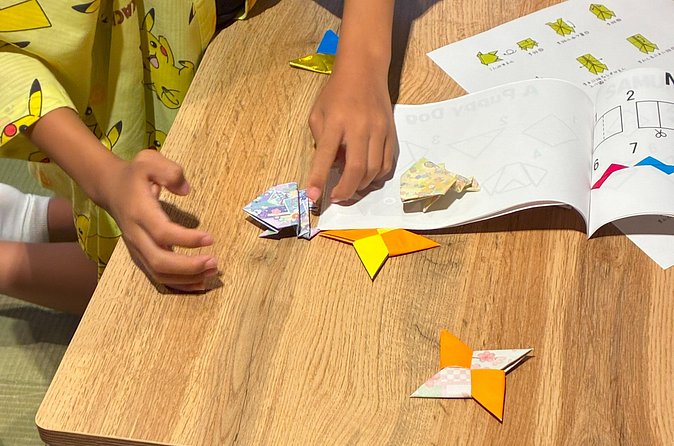
The instructors provide guidance one fold at a time. That matters because origami instructions can be hard to follow from a printed diagram, especially when several flaps look nearly identical. The strongest praise for this class focuses on the instructors’ patience and talent. You can expect a gentle teaching style rather than pressure to keep up.
Why patient instruction makes a difference
The class is taught in English, which removes one of the main worries for international visitors. Still, English instructions do not automatically make origami easy. You need to watch the demonstration, keep track of corners and edges, and ask for help when a fold goes wrong.
The instructors are described as especially patient. That is the quality I would value most here. A rushed lesson would turn a relaxing craft into a race, while careful guidance lets you enjoy the process and learn a skill you can repeat later.
The private format helps. Only your group participates, so the instructors can focus on your pace instead of managing a large room. If one person wants to repeat a step, the activity does not need to move on for everyone else. If another person finishes early, that person may have time to try another figure or refine the first one.
The supplied details do not promise a set number of finished pieces, so you should not book this expecting a large collection. The goal is learning classic folds and taking home a few personal creations. The one-hour length is enough for an introduction, but not for an advanced paper-art course.
Choosing between cranes, frogs, and samurai helmets
The crane is the most traditional choice and may appeal to adults who want a meaningful keepsake. It can also be a good shared project for a parent and child, with one person holding the paper while the other follows the steps.
The samurai helmet is the easiest design to connect with photographs and family fun. It gives children something they can display or wear briefly, and it brings a playful Japanese theme into the workshop.
The frog is a good pick if you want variety. Since the class includes several classic figures, you are not limited to one style. You can ask the instructor which design best suits your time and comfort level.
Seasonal themes add another reason to choose this activity during different parts of the year. The available information does not list the exact seasonal figures, so you should ask the staff what is being offered on your date. That small question may help you choose a design that feels tied to your visit.
You also get to choose from colorful and patterned paper. Traditional paper can make even a simple figure look special, and the paper itself becomes part of the souvenir. The activity gives you an experience and a small object to keep, without the need to pack anything in advance.
More craft workshops in Kyoto:
- Kyoto : Chopsticks Making Workshop in Gion with Engraving Option
★ 5.0 · 958 reviews - Authentic knife making experience at a blacksmith in Kyoto
★ 4.8 · 350 reviews - Roketsu dyeing experience: M course Roketsu Dyeing Experience
★ 5.0 · 163 reviews - Kyoto: Beginner Knife Sharpening & Handle Fitting Workshop
★ 4.9 · 141 reviews
A useful break in a busy Kyoto day

Kiyomizu Dera and the surrounding Higashiyama streets are major stops for many Kyoto itineraries. A visit to this origami class works best when you want to slow the pace for an hour.
I would not treat it as a replacement for temple sightseeing. It does not provide a tour of Kiyomizu Dera, and it does not cover Kyoto’s larger artistic or religious traditions in detail. Its value is narrower and more personal: you learn one traditional craft directly from local instructors.
That narrow focus can be a strength. You are not trying to absorb another long explanation while standing in a crowded historic site. You sit down, handle the paper, and leave with a clearer sense of how much patience goes into a small folded object.
The activity also suits mixed-age groups. Adults can enjoy the quiet concentration, while children get a clear goal and a finished figure. Since most people can participate and no experience is required, you do not need to decide in advance that your group is especially artistic.
The short duration helps with planning. You can fit it between other stops, though you should allow enough time to arrive at the specified meeting point. The activity begins and ends there, so you do not need to arrange transport to a separate finishing location.
What the $19.51 price gives you
At $19.51 per person, the price is reasonable if you value instruction and a personal souvenir more than the amount of material you take home. Japanese paper by itself may not cost much, but the point is having someone guide you through the folds and explain the craft in English.
The private format makes the price easier to judge. You are not paying only for access to paper at a crowded table. Your group has the session to itself, and the instructor can offer direct help. That is particularly useful for families, couples, and small groups with different skill levels.
The price may feel less attractive if you want a long workshop or several hours of detailed craft practice. This is an introduction lasting about one hour. You receive Japanese origami paper, learn several possible designs, and take home your work in a mini envelope made from traditional paper.
The envelope is a nice finishing touch. It protects the pieces better than simply tucking them into a pocket, and it makes the souvenir feel complete. You leave with something that records the activity without taking up much space in your luggage.
Who will enjoy this most
I would recommend this class to families with children, first-time visitors to Japan, and anyone who wants a quiet activity near Kiyomizu Dera. It is also a good choice if your group includes people who do not want another lecture or formal sightseeing tour.
It fits couples and friends who enjoy making something together. Because only your group participates, you can share the session without worrying about matching the pace of strangers.
Beginners are the clear target. You do not need prior origami experience, and the staff provide step-by-step assistance. If you already fold complex models, the session may feel basic, but you can still enjoy the paper choices and cultural setting.
The activity is less suitable for someone seeking a long, advanced workshop. The exact number of models is not specified, and the class lasts only about an hour. You should view it as a short introduction and hands-on memory, not a professional training session.
Practical details for a smooth visit
Your mobile ticket should be ready for the activity, and confirmation is provided at booking. The meeting point is 一念坂 362 Cafe362, 362-3 Masuyacho, Higashiyama Ward, Kyoto, 605-0826, Japan.
The class ends back at the meeting point. That makes the next step simple: continue exploring Higashiyama, return to your hotel, or stop for food nearby. Since the experience is near public transportation, it can be added to a wider Kyoto plan without requiring a special transfer.
The activity is private, but the supplied details do not state the maximum group size. If your party is larger than a small family or couple, confirm the arrangements before booking.
Free cancellation is available when you cancel at least 24 hours before the start time. Cancellations made less than 24 hours ahead, along with late changes, are not refunded or accepted. The cut-off follows local Kyoto time, so check the booking time carefully if you are arranging this before arriving in Japan.
Should you book this origami class?
Book it if you want a short, friendly, low-pressure activity that gives you something made by your own hands. The patient instructors, English guidance, private format, and location near Kiyomizu Dera make it especially useful for families and beginners.
Skip it if you want a long craft course, a detailed temple tour, or a packed schedule of major sights. This is a small experience with a clear purpose. You learn a few traditional folds, enjoy colorful Japanese paper, and carry home a handmade reminder of Kyoto.
At $19.51, it offers good value for a one-hour private introduction, especially when you consider the instruction and paper souvenir. If you have room in your Higashiyama itinerary for one calm hour, this is an easy cultural activity to add.
FAQ
Where does the origami workshop take place?
The meeting point is 一念坂 362 Cafe362, 362-3 Masuyacho, Higashiyama Ward, Kyoto, 605-0826, Japan.
How long does the activity last?
The workshop lasts approximately one hour.
Is the class taught in English?
Yes. The activity includes hands-on origami instruction in English.
Do I need previous origami experience?
No. The class is designed for beginners, and step-by-step guidance is provided.
What origami designs can I learn?
The listed designs include cranes, frogs, samurai helmets, and other figures. Seasonal themes may also be available.
Are origami materials included?
Yes. Japanese origami paper is included.
Is the activity private?
Yes. Only your group participates in this private activity.
Where does the activity finish?
The workshop ends back at the meeting point, Cafe362.
More Temples in Kyoto
- Kyoto: Tea Ceremony Ju-An at Jotokuji Temple
★ 4.9 · 3,207 reviews - Arashiyama Bamboo, Temple, Monkeys, or Secret Sake Brewery
★ 4.8 · 886 reviews - Kyoto: Arashiyama Bamboo Forest, Monkeys, Matcha & Temple Tour
★ 5.0 · 759 reviews - Kyoto Zen Meditation & Garden Tour at a Zen Temple with Lunch
★ 5.0 · 441 reviews
Newest Kyoto experiences on the site
- Treasures of Kyoto: Gion & historical Walking Tour★ 5.0 · 6 reviews
- Whisk Your Own Matcha: A Zen Matcha Experience at Temple★ 3.6 · 7 reviews
- Kyoto tea town for matcha lovers★ 5.0 · 16 reviews
- Uji: Private immersion into Kyoto’s tea and reglious culture★ 5.0 · 17 reviews
- Kyoto Matcha Green Tea Tour★ 4.5 · 23 reviews
- Uji and Wazuka Matcha Farm Half Day Private Guided Tour★ 5.0 · 21 reviews
- Utilising upcycled Matcha! Creating matcha incense (Uji, Kyoto)★ 5.0 · 6 reviews
- Sacred Temple Yoga Experience in Japan★ 5.0 · 3 reviews
Kiyomizu-dera Temple Tours, compared.
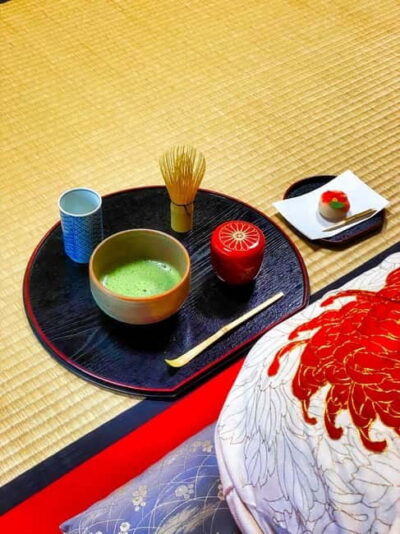
Tea Ceremony in a Traditional Tea House in Kiyomizu
Read our review →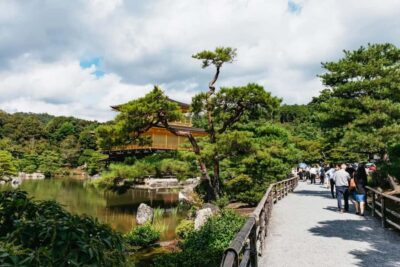
Nijo Castle, Kiyomizu & Fushimi Inari Guided Tour
Read our review →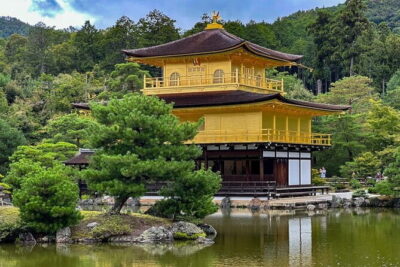
Nijo, Kinkaku-ji, Arashiyama, Kiyomizu & Fushimi Inari
Read our review →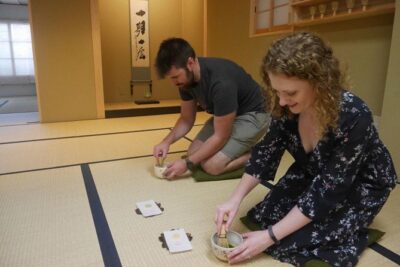
Kyoto Tea Ceremony & Kiyomizu-dera Temple Walking Tour
Read our review →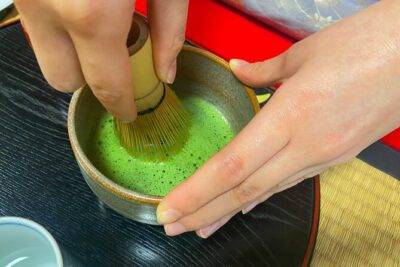
Kyoto Kiyomizu Tea Ceremony with Scenic Garden Views
Read our review →
Kimono/Yukata Rental 5 Minute from Kiyomizu-dera
Read our review →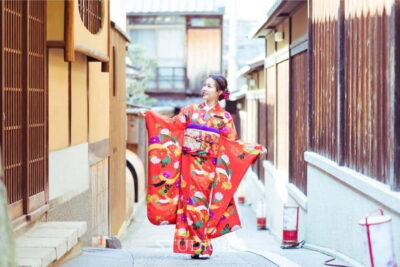
Kyoto Gion Kiyomizudera Kimono Yukata Hairstyle | Photoshoot
Read our review →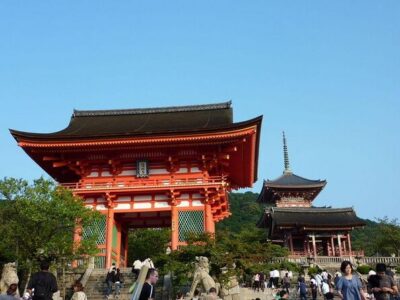
Kiyomizu Temple and Backstreets of Gion, Half Day Group Tour
Read our review →Browse the lists this tour appears in