
Reviewed · GOLDEN PAVILION TOURS
Kyoto and Nara 2-Day Tour: Golden Pavilion, Todaiji, Deer Park
Kyoto’s famous sights can feel scattered, but this two-day private tour links them with a clear plan. You move from the gold-covered Kinkakuji Temple and Arashiyama’s bamboo grove to Nijo Castle, Gion, Fushimi Inari, and the old capital of Nara.
I like two things here. First, your guide handles the public transportation and timing, which saves you from piecing together Kyoto and Nara on your own. Second, the tour brings real historical context to places that can otherwise become a parade of pretty photos. Guides named Naoko, Nick, Ryusuke, and Tomoko have been praised for organization, patience, humor, and thoughtful explanations.
The main drawback is the pace. Seven major stops over two days gives you a useful first look, not a slow, in-depth exploration. You should also expect a fair amount of walking and some time on public transport, so moderate fitness is needed.
Key details before you book
- Two old capitals in two days: Kyoto’s temples, castle, shrine, geisha district, and bamboo grove are paired with Todaiji, Kasuga Grand Shrine, and Nara’s famous deer.
- A private guide for your group: Only your party takes part, allowing the guide to adjust explanations and offer some flexibility.
- Public transport is part of the plan: Your guide and the transport fare are included, so you do not need to arrange every connection yourself.
- Major admission fees are covered: Kinkakuji, Nijo Castle, and Todaiji admissions are included.
- A 9:30 a.m. start from Kyoto Station: The meeting point is Kyoto Station Building at 901 Higashishiokoji-cho.
- A strong guide-led experience: Naoko, Nick, Ryusuke, and Tomoko are specifically praised for their care, patience, organization, and historical explanations.
Why this Kyoto and Nara plan works
Kyoto rewards careful planning, but its sights are not arranged in a neat line. Kinkakuji is in the northwest, Arashiyama lies farther west, Nijo Castle is closer to central Kyoto, and Gion sits in the east. Fushimi Inari is south of the central city. Nara requires another move altogether.
That geography explains the value of this tour. You are paying $321.93 per person for two days, including a private guide, public transportation, and admission fees. That is not a budget sightseeing option, especially if you are traveling alone. For a small group, though, the price covers more than entry tickets. It buys a person who can explain the places, keep the day moving, and help you use Kyoto’s transport system.
I would see this as a time-saving orientation tour. It is especially useful during a first visit, when you want to see the essential sights without spending your evenings building routes and researching each temple. It is less suitable if you prefer to spend half a day at one temple, stop often for food, or wander without a fixed schedule.
The tour begins at 9:30 a.m. from Kyoto Station Building and returns to the meeting point at the end of the activity. Food, drinks, and accommodation are not included, so plan separately for meals and your overnight stay.
More trips out to the Golden Pavilion:
- Kyoto: Fushimi Inari, Kinkakuji, Bamboo Grove 1 Day Bus Tour
★ 4.8 · 4,316 reviews - Osaka/Kyoto:Kinkakuji,Arashiyama,FushimiInariShrine,NaraPark
★ 4.1 · 1,596 reviews - Kyoto: Nijo, Kinkaku-ji, Arashiyama, Kiyomizu & Fushimi Inari
★ 5.0 · 699 reviews
Kinkakuji, Kyoto’s gleaming Zen landmark
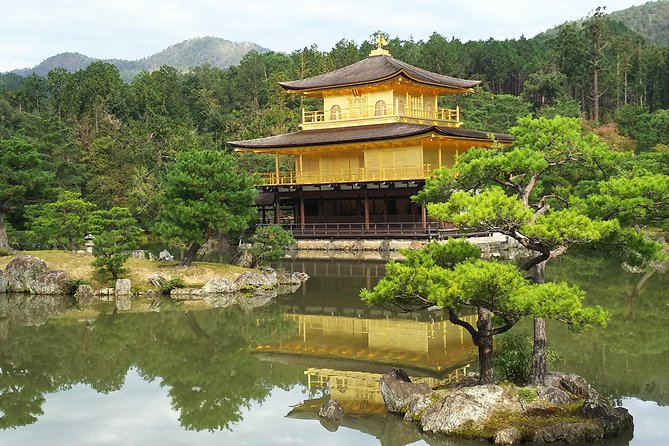
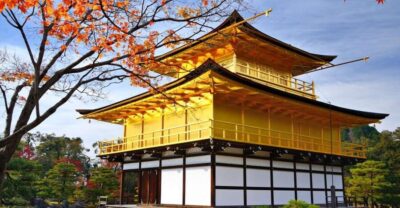
The first stop is Kinkakuji Temple, often called the Golden Pavilion. The building’s gold leaf catches the light above the pond, and its reflection creates the classic Kyoto view. It is one of those places that can look almost too perfect, even in a city filled with beautiful temples.
Your visit is scheduled for 45 minutes, with admission included. That is enough time to take in the pavilion, walk through the grounds, and hear why this temple matters within Zen and samurai culture. It is not enough for a slow, wandering visit, so listen closely while your guide explains what you are seeing.
The pond and surrounding gardens are a large part of the appeal. The building is the star, but the composition depends on water, trees, and carefully placed views. Your guide can help turn a quick photo stop into a more meaningful look at how Japanese garden design frames architecture.
Arashiyama’s bamboo and the sound of the grove
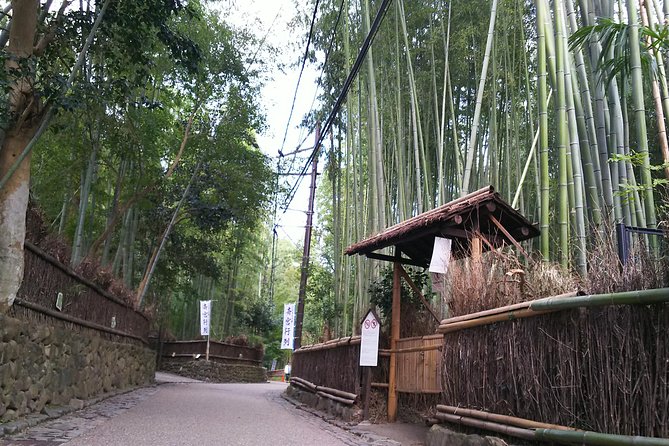
Next comes Bamboo Forest Street, with about an hour and a half allocated to the area. Admission is free. The tall bamboo trunks create a narrow green corridor, and the most memorable feature is not only the view but also the sound of the stalks and leaves moving together.
This is one of the tour’s more sensory stops. Your guide encourages you to pause, close your eyes, and notice the soft rustle above you. That small suggestion matters. The grove is easy to treat as a quick photograph, but stopping quietly gives the place a calmer character.
The time here is generous compared with some of the temple visits, though the itinerary describes the bamboo forest rather than a full exploration of Arashiyama. You should not expect a long independent visit to every attraction in the district. If bamboo is high on your list, this is a useful chance to see the signature path without paying another admission fee.
Nijo Castle and the sound of the shogun’s floor
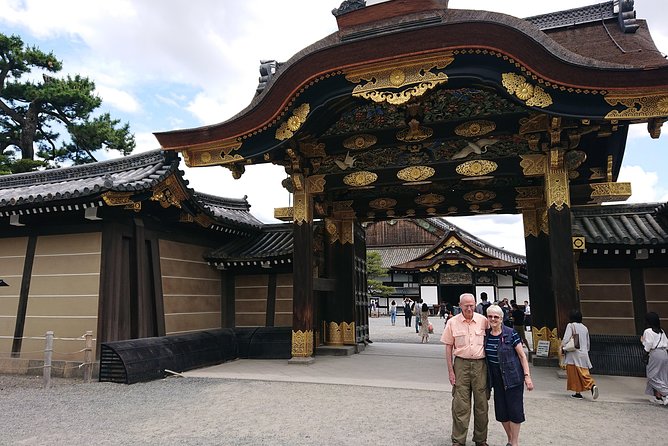
Nijo Castle gives the day a political and military counterpoint. It was built as a Kyoto residence for the shogun after the shogunate moved to Edo, present-day Tokyo, in 1603.
The castle is known for its interior corridors and more than 1,000 decorative paintings. Its famous nightingale floors were designed to make a soft chirping sound underfoot, warning occupants when someone moved through the building. That detail makes the castle feel practical as well as grand.
The visit lasts about 50 minutes, and admission is included. This is a place where a guide adds real value because the rooms, paintings, and architecture can be difficult to interpret on your own. The stop is fairly short for a castle of this importance, so focus on the main interiors and the story of the shogun’s presence in Kyoto.
More day trips down to Nara:
- Kyoto/Osaka: Nara, Fushimi Inari Taisha, Arashiyama Bus Tour
★ 4.7 · 1,275 reviews - Osaka/Kyoto: Arashiyama, Nara & Fushimi Inari Shrine w/Lunch
★ 4.4 · 754 reviews - Kyoto and Nara Day Trip from Kyoto
★ 4.5 · 445 reviews - Full Day Guided Tour to Kyoto and Nara from Osaka by Van
★ 5.0 · 420 reviews
Gion, wooden streets and traditional Kyoto
The first day ends in Gion, Kyoto’s largest geisha district. The area is known for traditional wooden houses and streets that preserve an older style of city life.
The scheduled walk lasts 40 minutes and admission is free. This is not presented as a performance or a guaranteed geisha encounter. Instead, you stroll through the district and learn about the role of geisha culture in Kyoto.
That distinction is important. Gion is a living neighborhood, not a stage set. A guide can explain what the district represents while helping you view the streets respectfully. Keep your expectations realistic and treat the area as a cultural quarter rather than a place to chase photographs of people going about their work.
Fushimi Inari and the vermilion torii gates
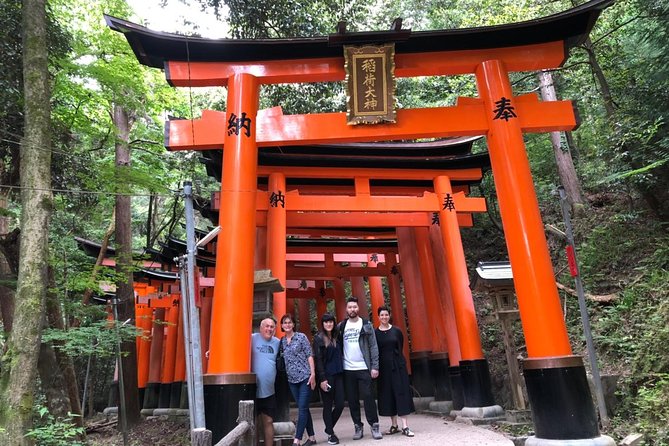
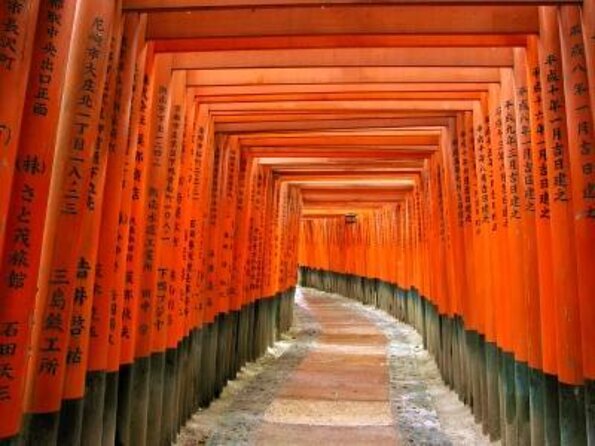
Day two begins with Fushimi Inari-taisha Shrine, one of Kyoto’s most recognizable sights. Its long tunnel of vermilion torii gates was donated by worshippers in gratitude for good fortune received from the shrine’s deity.
The planned visit is 45 minutes, with no admission fee. That makes this another focused stop rather than a full hike through every section of the shrine. The torii gates are the main attraction, and their repeated color and shape create an unusually strong visual rhythm.
A guide can also help you notice the religious meaning behind the gates. They are not simply decorations. They represent offerings and thanks, giving the famous pathway a personal and spiritual purpose.
Because the route includes walking through shrine grounds and then continuing by public transport, wear shoes you can manage comfortably. The tour requires moderate physical fitness, and this is one of several stops where you will be on your feet.
Todaiji and Nara’s giant Buddha Hall
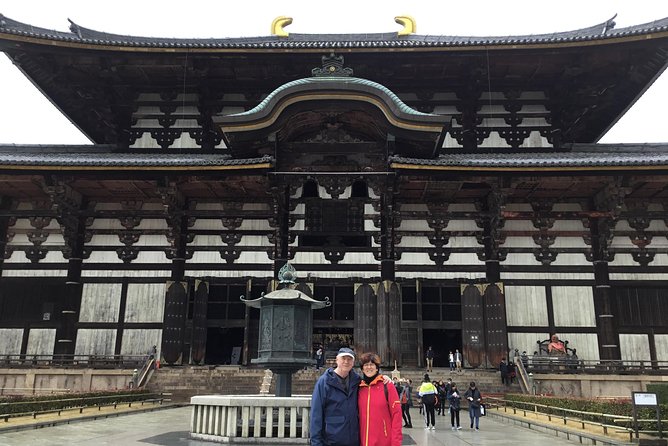
The move to Nara changes the mood. Todaiji Temple is famous for its Great Buddha Hall, described as one of the largest wooden buildings in the world. The scale is the first thing you notice. After passing through the entrance, the hall can make you feel quite small.
The visit lasts 50 minutes and admission is included. Your guide will also explain the purification process, including cleansing your hands and mouth at a purifying fountain. These details help you understand that Todaiji is not only a large building with a famous statue. It remains a place of Buddhist practice and worship.
Todaiji is one of the strongest reasons to choose this two-day plan. It gives you a different sense of scale from Kyoto’s more intimate gardens and wooden lanes. The short visit means you will not study every feature of the temple complex, but you will have time to grasp its central impact.
Nara is also known for its deer, and the tour is designed around the part of the city where Todaiji and the surrounding historic sights are found. You can expect Nara’s deer to be part of the experience, though the schedule does not list a separate timed stop for them. Keep your attention on the temple as well as the animals. The building is the main cultural visit.
Kasuga Grand Shrine and its lanterns
Kasuga Grand Shrine completes the Nara day. Built around 1,300 years ago, it has about 1,000 branch shrines across Japan and more than 3,000 lanterns within its precincts.
The scheduled visit is 40 minutes, with no admission fee. Vermilion architecture and the lanterns create a different visual mood from Todaiji’s massive wooden hall. The contrast gives the second day a good balance between Buddhist temple and Shinto shrine.
This stop is best enjoyed with context. Without explanation, you may simply see lanterns and bright shrine buildings. With a guide, you can connect the shrine’s long history, its branch shrines, and its place in Japanese religious culture.
The itinerary gives you a substantial introduction to Nara, but not a full day of free exploration. If Nara is your main reason for visiting Japan, you may later want more time here. If you are trying to add the old capital to a Kyoto stay, this is an efficient way to see the essential sights.
What the private guiding adds
The private format is one of the tour’s best features. Only your group participates, so the guide is not trying to manage a large crowd or deliver a speech to strangers. That can make it easier to ask questions about customs, history, and the small details you notice along the way.
The guide team has several named members. Naoko is praised for being detailed, insightful, well organized, and funny. Nick is described as patient and flexible. Ryusuke is noted for explaining the historical background of the sites, while Tomoko is praised for her expertise, kindness, and polished manner.
Those qualities matter more than a guide simply reciting dates. Kyoto and Nara contain many temples, shrines, and symbols that can blur together during a busy trip. A guide who explains the difference between a Buddhist temple and a Shinto shrine, or why a torii gate was donated, helps you remember what you saw.
You should still tell your guide what interests you most. The private setup may allow some flexibility, but the tour has a fixed two-day route and timed stops. If you want more time for architecture, religion, photography, or local history, say so early.
Price, pace, and practical tradeoffs
At $321.93 per person, this is a premium guided experience. The price includes the guide fare, public transportation fare, and admission fees, but not meals or accommodation. The value improves for a small private group because the guide’s attention is shared only among your party.
The tour is booked, on average, 54 days in advance. That suggests you should reserve early if the dates matter, especially since the experience has limited private availability. Confirmation is provided at booking, and the meeting point is near public transportation.
The largest tradeoff is pace. Day one includes Kinkakuji, the bamboo forest, Nijo Castle, and Gion. Day two includes Fushimi Inari, Todaiji, and Kasuga Grand Shrine. This is a strong checklist of major sights, but each stop has a limit.
I would bring water, plan your food breaks, and wear comfortable shoes. The activity requires moderate physical fitness, and the included transport does not mean you will avoid walking. The tour ends back at the meeting point, which is Kyoto Station Building.
Free cancellation is available up to 24 hours before the start time for a full refund. Changes or cancellations made inside that window are not accepted or refunded. The activity requires good weather, and if poor weather causes cancellation, you are offered another date or a full refund.
Who should book this two-day tour
I would recommend it to a first-time Kyoto visitor who wants the famous sights with a guide’s explanation. It also suits a small family or private group that values efficient transport and does not want to research every route between Kyoto and Nara.
It is a good fit if you want to see both cities but have limited time. The combination of Kinkakuji, Fushimi Inari, Todaiji, and Nara’s deer covers many of the images people associate with the region.
I would hesitate if you prefer unstructured days, long meals, or extended time at individual temples. The tour gives you breadth more than solitude. It also may not suit anyone who finds a full day of walking and public transport tiring.
Should you book it?
Book this tour if you want a well-organized introduction to Kyoto and Nara, especially if the history behind the sights matters to you. The strongest reasons are the private guide, included transport and admissions, and the chance to see both cities without arranging the connections yourself.
Skip it if you already know Kyoto well or want to explore at a very slow pace. For everyone else, the two-day route offers a practical first look at Japan’s old capitals, with enough structure to save time and enough guide contact to make the temples, shrines, castle, bamboo, and deer more than a string of photographs.
FAQ
Where does the tour start?
The tour starts at 9:30 a.m. at Kyoto Station Building, 901 Higashishiokoji-cho, Shimogyo Ward, Kyoto, 600-8216, Japan.
Where does the tour end?
The activity ends back at the meeting point.
Is this a private tour?
Yes. Only your group participates in the activity.
What is included in the price?
The price includes the guide fare, public transportation fare, and admission fees.
Are food, drinks, and accommodation included?
No. Food, drinks, and accommodation are not included.
Can I cancel for a full refund?
Yes, if you cancel at least 24 hours before the experience start time. Cancellations made less than 24 hours in advance are not refunded. If poor weather causes the activity to be canceled, you are offered another date or a full refund.
Newest Kyoto experiences on the site
- Treasures of Kyoto: Gion & historical Walking Tour★ 5.0 · 6 reviews
- Whisk Your Own Matcha: A Zen Matcha Experience at Temple★ 3.6 · 7 reviews
- Kyoto tea town for matcha lovers★ 5.0 · 16 reviews
- Uji: Private immersion into Kyoto’s tea and reglious culture★ 5.0 · 17 reviews
- Kyoto Matcha Green Tea Tour★ 4.5 · 23 reviews
- Uji and Wazuka Matcha Farm Half Day Private Guided Tour★ 5.0 · 21 reviews
- Utilising upcycled Matcha! Creating matcha incense (Uji, Kyoto)★ 5.0 · 6 reviews
- Sacred Temple Yoga Experience in Japan★ 5.0 · 3 reviews
Golden Pavilion Tours, compared.
Fushimi Inari, Kinkakuji, Bamboo Grove 1 Day Bus Tour
Read our review →
Kinkakuji,Arashiyama,FushimiInariShrine,NaraPark
Read our review →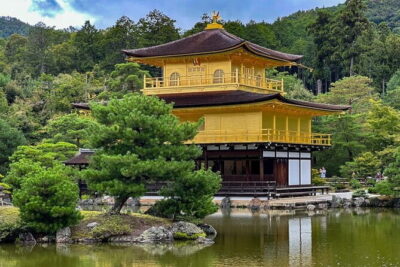
Nijo, Kinkaku-ji, Arashiyama, Kiyomizu & Fushimi Inari
Read our review →
Kyoto top must-see Golden pavilion and Bamboo forest half-day Private tour
Read our review →
Kyoto Bamboo Forest & Golden Pavilion E-Bike Tour
Read our review →
Golden Pavilion, Nijo Castle, & Nishiki Market Half day tour
Read our review →Browse the lists this tour appears in