
Reviewed · KYOTO KIMONO RENTALS
Kyoto Walking Tour with Kimono Rental Lunch and Tea Ceremony
Kyoto’s old customs come together nicely on this full-day outing: you dress in a proper kimono, walk through historic sites, eat lunch in a renovated machiya, and learn the quiet etiquette of a matcha tea ceremony. I like that the day is not limited to photo stops. The visits to Mitsui Shimogamo Villa and Shimogamo Shrine give you real cultural context.
I also like the private format, since your group can move at its own pace and ask direct questions. A past booking praised the expat guide’s personal insight into life in Japan and Japanese culture. The main drawback is the long eight-hour schedule, plus lunch is not included in the $117.06 price and the kimono option requires the correct booking choice.
Key points to know before booking
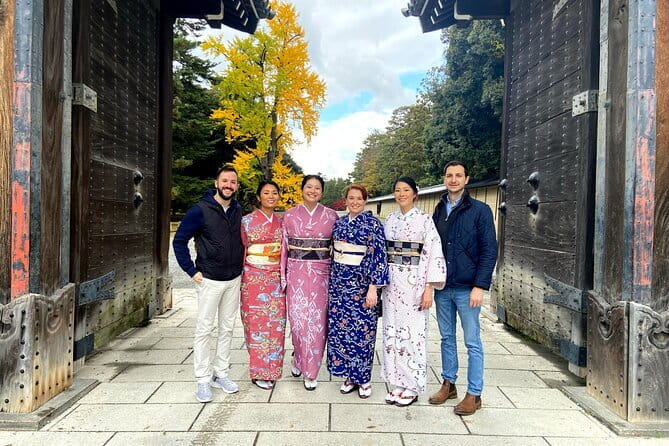
- Professional kimono dressing: Licensed staff dress you in a traditional garment, with basic hairstyling included. You arrange your own makeup before arrival.
- Private day with a guide: Only your group participates, making it easier to ask about customs, food, and daily life in Japan.
- Three very different cultural stops: You visit former Imperial Family grounds, the Old Mitsui Family Shimogamo Villa, and Shimogamo Jinja.
- Lunch in a machiya: The Japanese meal takes place in a renovated traditional Kyoto house, but you pay for lunch separately.
- Tea and wagashi included: The one-hour ceremony includes explanations from your host and guide, plus a traditional Japanese sweet.
- Plan well in advance: The experience is often booked about 64 days ahead, and free cancellation ends 24 hours before the 10:30 a.m. start.
Why this Kyoto day feels different from a standard sightseeing tour
Many Kyoto tours string together famous sights by bus or taxi. This one uses a slower cultural rhythm. You begin by changing into traditional clothing, then spend the day visiting places where architecture, family history, religious practice, food, and tea all connect.
That format matters. A kimono is not just a costume for a quick photograph. The clothing changes how you move, how long you want to walk, and how you notice your surroundings. The tour does not provide an all-day fashion rental in the supplied details, so you should confirm the exact wearing period and return arrangements when booking.
The experience lasts about eight hours and begins at 10:30 a.m. at Ume Sakura, 38 Fujikicho in Kyoto’s Nakagyo Ward. It finishes back at the same meeting point. Because the day includes several stops, lunch, dressing, and a tea ceremony, you should treat it as your main Kyoto activity for the day rather than something to squeeze between other appointments.
The private setup is one of its strongest features. You are not being moved through the city with a large crowd, and only your own group takes part. That can be especially useful for families or couples who want to ask questions about Japanese customs. The guide may also add personal perspective, as one past booking particularly valued an expat guide’s comments about living in Japan.
More tea ceremonies in Kyoto:
- Kyoto: Tea Ceremony in a Traditional Tea House in Kiyomizu
★ 4.9 · 3,519 reviews - Kyoto: Tea Ceremony Ju-An at Jotokuji Temple
★ 4.9 · 3,207 reviews - Kyoto: 45-Minute Tea Ceremony Lesson Experience
★ 4.3 · 2,378 reviews
Getting dressed at Ume Sakura
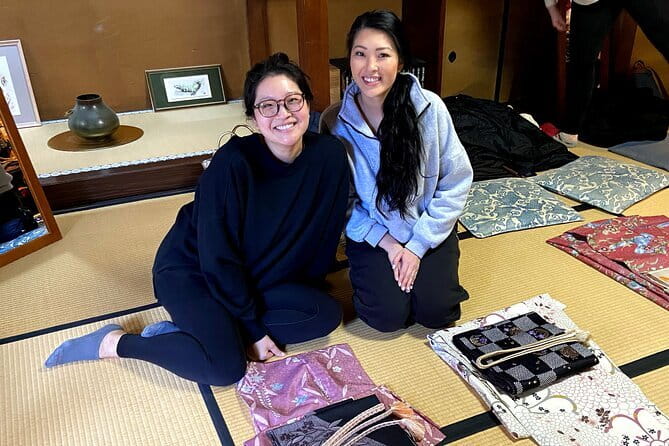
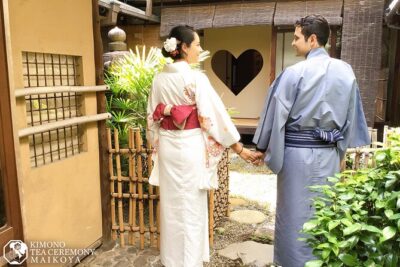
The first hour takes place at Ume Sakura, where licensed professionals help you put on a traditional kimono. Basic hairstyling is included, which saves you from arranging that part separately. Makeup is not included, so arrive ready if you want a finished look in photographs.
The description emphasizes garments chosen for local appeal rather than the usual tourist-style selection. That suggests the clothing is meant to feel more like a proper Kyoto experience than a quick rental-shop costume. Still, the available information does not specify fabric, season, sizing, or the number of designs available. If those details matter to you, ask before confirming.
Your comfort deserves attention here. Traditional clothing can feel restrictive compared with ordinary sightseeing clothes, and you may walk between several locations. Wear simple underlayers and comfortable footwear unless the dressing staff gives you different instructions. Avoid planning a separate long hike after the tour.
The kimono option is not automatic. You need to select the appropriate option when booking. The listed $117.06 price should not be assumed to include every possible clothing upgrade unless the selected package says so. Check the final booking page carefully, especially if someone in your group does not want to wear a kimono.
Former Imperial Family grounds and seasonal gardens
After dressing, you stroll through the grounds of a former Imperial Family home. The gardens host festivals and other activities during the year, and spring and autumn are noted as especially attractive times to visit.
This is a useful counterpoint to Kyoto’s temples and shrines. Here, the appeal comes from open garden space and the connection to the Imperial household, not just from a single dramatic building. Your guide can help explain how the grounds fit into Kyoto’s past and present, though the supplied details do not name the site or promise a particular festival on your date.
Season matters. Spring and autumn should offer the most obvious garden appeal, while other times of year may feel quieter or less colorful. The tour remains worthwhile outside those seasons, but you should set your expectations around the garden rather than expecting a major event.
The walking pace also matters. The tour description does not list distances or transportation between stops. Since you move through gardens, a villa, a shrine, a lunch venue, and a tea setting, bring shoes you can manage for several hours. The meeting point is near public transportation, which helps with arrival and departure, but the exact route between stops is not provided.
The Old Mitsui Family Shimogamo Villa
The 30-minute visit to the Old Mitsui Family Shimogamo Villa gives the day an intimate architectural stop. This preserved Japanese villa once belonged to the Mitsui family, one of Japan’s prominent business families.
A half-hour is enough for a focused introduction, but not a lengthy examination of every room and detail. I see that as a benefit if you want variety in your day. The villa adds a domestic feel after the broader garden visit, helping you picture how an influential Japanese family lived and entertained.
Admission is included. That makes the stop easy to enjoy without another ticket decision during the day. The listing does not specify which rooms are open, whether photography is permitted, or whether there are stairs, so ask your guide on arrival if those points affect your group.
The villa also works well with the kimono portion. Traditional clothing can make you more aware of thresholds, tatami rooms, wooden corridors, and the careful proportions of Japanese interiors. You will not need to understand every architectural term to appreciate the calm design and sense of order.
More kimono and yukata rentals in Kyoto:
- Kimono Tea Ceremony at Kyoto Maikoya, NISHIKI
★ 5.0 · 911 reviews - Kyoto: Kimono Rental with Hairstyling and Accessories
★ 4.8 · 653 reviews - Kyoto: Kimono Tea Ceremony at Orizuruya Gion
★ 4.9 · 618 reviews - KYOTO Tea Ceremony with kimono near by Imamiya Jinjya Shrine
★ 5.0 · 343 reviews
Shimogamo Jinja and a thousand years of worship
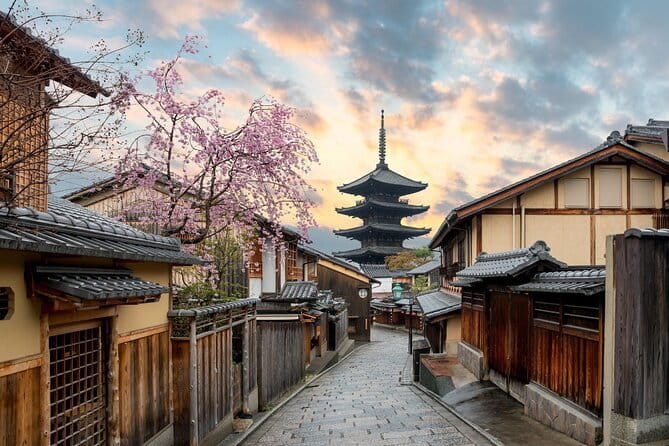
The next stop is Shimogamo Jinja, one of Kyoto’s major shrines, with more than 1,000 years of history. You have about 30 minutes here, and admission is free.
That short visit gives you a chance to see a central part of Kyoto’s religious life without turning the whole day into a shrine tour. Your guide can explain the difference between a shrine and the other cultural sites on the route, as well as the basic customs connected with visiting.
A 30-minute stop is enough for an introduction, but you should not expect a detailed exploration of every part of the shrine grounds. If you are especially interested in Shinto practice, tell your guide early. The private format makes that sort of question easier to accommodate, although the tour still has to keep moving toward lunch.
Your kimono will likely make this stop feel more ceremonial, but remember that respectful behavior matters more than appearance. Listen to your guide’s instructions about where to walk and how to behave. The experience is designed to introduce you to Japanese traditions, not turn sacred places into a stage set.
Lunch inside a renovated machiya
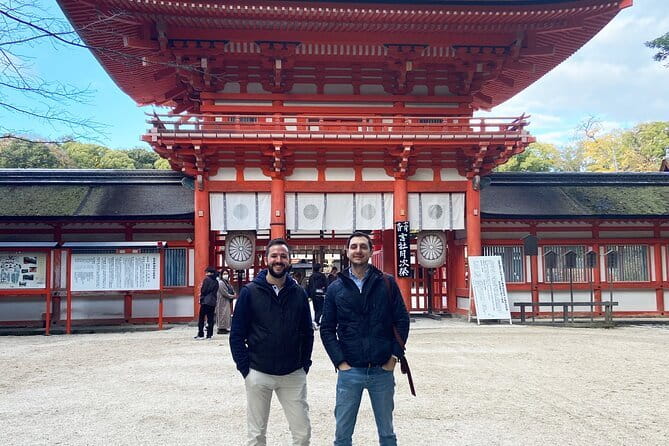
Lunch takes place at Kyoto cuisine Teramachi Yoshikura, a stylish restaurant in a renovated machiya, the traditional wooden townhouse style associated with Kyoto. You are invited to choose from meal options, giving you at least some say in what you eat.
This is a sensible part of the day. After the morning’s walking and clothing change, you get a seated meal in a setting that adds another piece of Kyoto’s architectural identity. The meal is not included in the tour price, so budget for it separately.
The available details do not give a fixed menu or exact lunch price. You should also state dietary restrictions in advance. The provider warns that some requests may not be possible, so do not wait until the restaurant to explain an allergy or strict dietary need.
The choice of meal can make the lunch feel more personal than a fixed group menu, but it also means the final cost is not completely clear from the advertised price alone. Ask what options are available and what they cost if you need to keep a close eye on your budget.
A quiet matcha lesson with wagashi
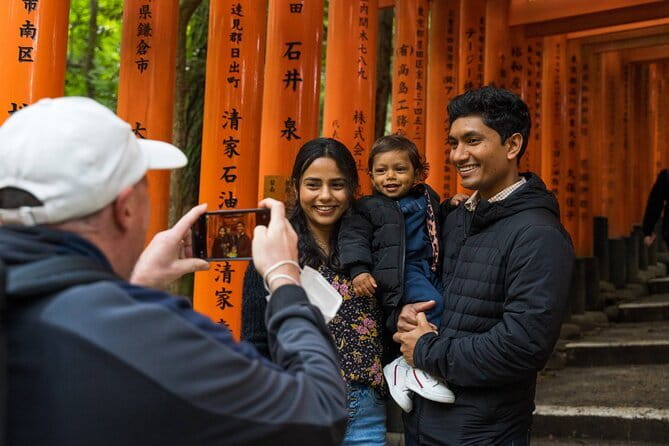
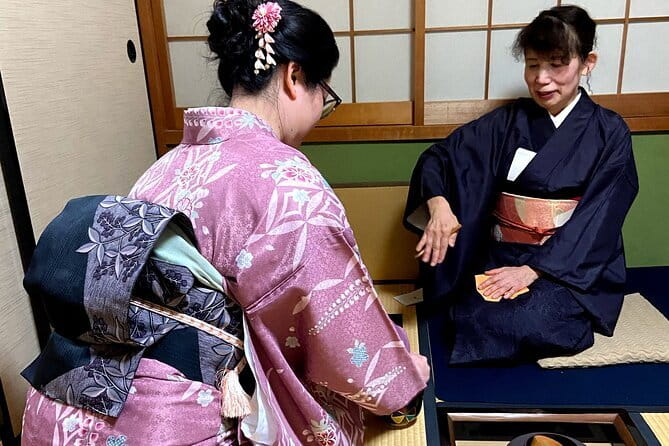
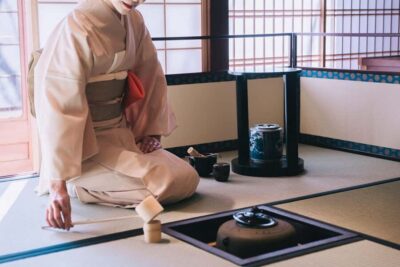
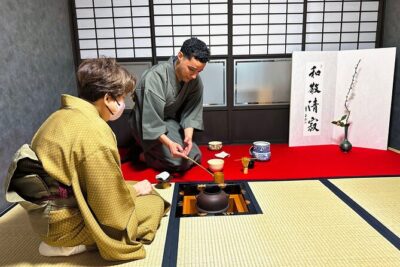
The final major activity is a one-hour tea ceremony at Chisato. You learn about the ceremony from the host and guide, and wagashi, a traditional Japanese sweet, is included.
This is likely the emotional center of the day. The tea ceremony is not simply a cup of matcha. It brings together movement, timing, utensils, hospitality, and respect for the setting. Having explanations in an intimate setting helps you understand what you are seeing rather than copying gestures without context.
The tea experience is included, unlike lunch. That gives the overall price more value, especially if you would otherwise pay separately for a formal tea session. The supplied information does not say whether you prepare the tea yourself, how many bowls you receive, or whether the ceremony follows a full formal sequence. Expect instruction and explanation, but confirm the hands-on details if that is your main reason for booking.
The wagashi adds a small but important food detail. Japanese tea sweets are traditionally chosen to balance the bitterness of matcha, so this pairing gives you a better sense of how the ceremony works as a whole.
Is $117.06 a good value?
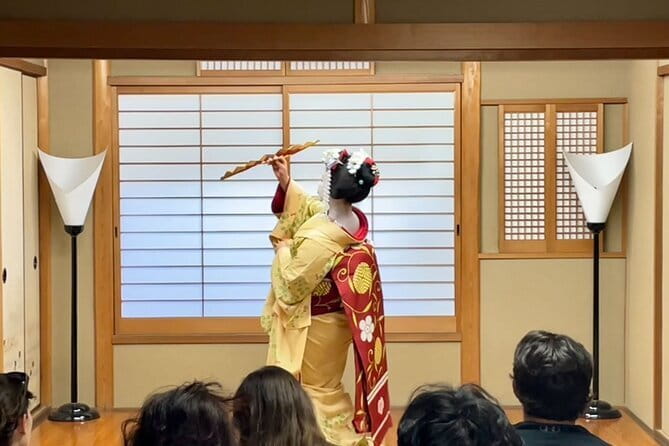
At $117.06 per person, the price is reasonable for an eight-hour private day that includes a kimono-related experience, a guide, admission to Mitsui Shimogamo Villa, and a tea ceremony. It is not an all-inclusive price, however. Lunch is extra, and the clothing option must be selected correctly.
The private format is the key value question. If you are happy in a large group and only want to see the main sights, you may find less expensive ways to visit Kyoto. If you want one organized day that joins clothing, culture, food, and guided sightseeing, the cost is easier to justify.
The tea ceremony is also a meaningful inclusion. A short standalone tea experience can feel disconnected from the rest of a trip. Here, it follows visits to a villa and shrine, so you have already spent the day thinking about Japanese homes, traditions, and religious spaces.
I would also factor in the cost of time. An eight-hour tour takes most of a sightseeing day, but it saves you from arranging several separate reservations and figuring out how to connect the stops. That convenience has real value in Kyoto, especially if this is your first visit.
Who should book this Kyoto experience?
I would recommend it most strongly to first-time Kyoto visitors who want a broad introduction to traditional culture in one day. Couples and families may appreciate the private setting, particularly if they want personal explanations or need some flexibility in the conversation.
It also suits visitors who care about photographs but do not want a kimono rental to be the entire activity. You get the clothing, then use it while seeing gardens, a historic villa, and a major shrine. The tea ceremony gives the day more substance than a simple dress-up session.
This may not be your best choice if you dislike structured days, long outings, or traditional clothing. It is also less suitable if you need a guaranteed special diet, since dietary requests must be made in advance and may not be possible.
The schedule begins at 10:30 a.m., so it is not designed for a very early start. You will need to reach Ume Sakura on your own, though the meeting point is near public transportation. Confirmation arrives when you book, and free cancellation is available until 24 hours before the start time. Changes or cancellations inside that window are not accepted for a refund.
My take: a strong cultural day with two clear cautions
Book this tour if you want Kyoto explained through several connected experiences rather than reduced to a checklist of famous sights. The former Imperial grounds, Mitsui villa, and Shimogamo Shrine each offer a different view of the city, while lunch and tea keep the day grounded in everyday customs and hospitality.
I especially like the combination of private guiding and the tea ceremony. You get room for questions, and the day has a clear cultural focus. Just confirm the kimono package, plan for lunch to cost extra, and reserve well ahead since bookings commonly happen about two months in advance.
FAQ
What time does the Kyoto walking tour begin?
The tour begins at 10:30 a.m.
Where does the tour start and finish?
It starts at Ume Sakura, 38 Fujikicho, Nakagyo Ward, Kyoto, and ends back at the same meeting point.
Is lunch included in the tour price?
No. Lunch at Kyoto cuisine Teramachi Yoshikura is not included, and you choose from available meal options.
Is the tea ceremony included?
Yes. The one-hour tea ceremony at Chisato is included, along with wagashi and explanations from the host and guide.
Is the kimono rental included automatically?
You must select the appropriate kimono option when booking. Licensed professionals provide the dressing, and basic hairstyling is included. Makeup must be done before arrival.
Can I cancel for a full refund?
Yes. You can cancel at least 24 hours before the local start time for a full refund. Cancellations or changes made less than 24 hours before the start are not accepted for a refund.
More Long Lunches in Kyoto
- Bike Tour Exploring North Kyoto plus Lunch
★ 5.0 · 1,087 reviews - Osaka/Kyoto: Arashiyama, Nara & Fushimi Inari Shrine w/Lunch
★ 4.4 · 754 reviews - Kyoto Zen Meditation & Garden Tour at a Zen Temple with Lunch
★ 5.0 · 441 reviews - 4.5-Hour Kyoto Bike Tour with Lunch and UNESCO Zen Temples
★ 5.0 · 122 reviews
More Walking Tours in Kyoto
- Kyoto Geisha Walking Tour: Gion District & Hidden Gems
★ 4.7 · 3,273 reviews - Kyoto: Gion Magical Night Walking Tour with Geisha Trivia
★ 4.9 · 2,393 reviews - Kyoto: Gion Geisha District Walking Tour – Stories of Geisha
★ 4.7 · 2,187 reviews - Night Walk in Gion: Kyoto’s Geisha District
★ 4.5 · 2,003 reviews
Newest Kyoto experiences on the site
- Treasures of Kyoto: Gion & historical Walking Tour★ 5.0 · 6 reviews
- Whisk Your Own Matcha: A Zen Matcha Experience at Temple★ 3.6 · 7 reviews
- Kyoto tea town for matcha lovers★ 5.0 · 16 reviews
- Uji: Private immersion into Kyoto’s tea and reglious culture★ 5.0 · 17 reviews
- Kyoto Matcha Green Tea Tour★ 4.5 · 23 reviews
- Uji and Wazuka Matcha Farm Half Day Private Guided Tour★ 5.0 · 21 reviews
- Utilising upcycled Matcha! Creating matcha incense (Uji, Kyoto)★ 5.0 · 6 reviews
- Sacred Temple Yoga Experience in Japan★ 5.0 · 3 reviews
Kyoto Kimono Rentals, compared.
KYOTO Tea Ceremony with kimono near by Imamiya Jinjya Shrine
Read our review →
Kimono and Tea Ceremony Experience at Cultural Asset
Read our review →
Family-Friendly Kimono & Yukata Experience at WARGO
Read our review →
1 Day Traditional Japanese Kimono Rental Experience
Read our review →Browse the lists this tour appears in