
Reviewed · KYOTO KIMONO RENTALS
Kyoto: Kimono and Tea Ceremony Experience at Cultural Asset
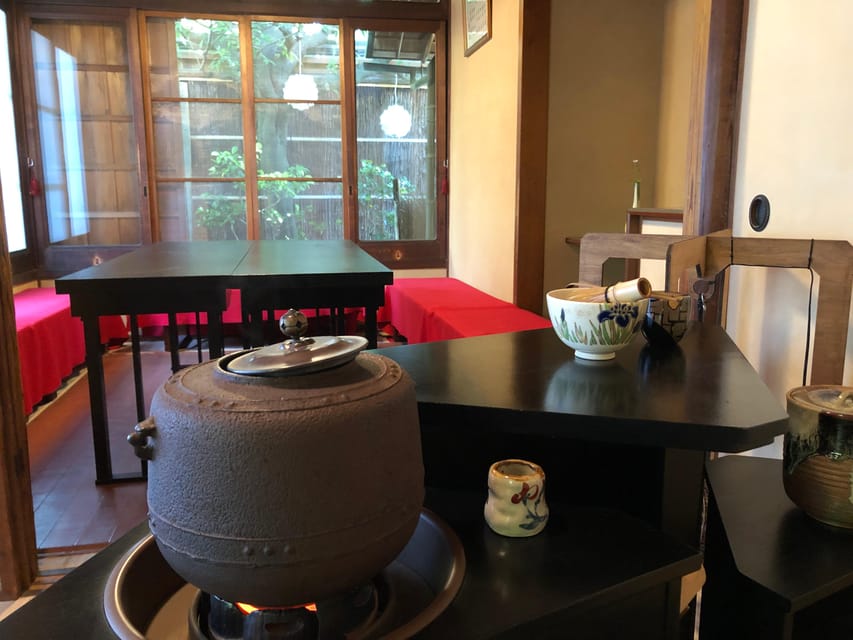
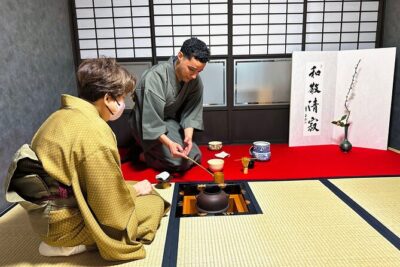
Kyoto’s Tondaya is not a modern studio dressed up to look old. It is a 140-year-old machiya, officially recognized as a cultural property, with timber details, small gardens, and traditional rooms that give the kimono and tea ceremony a proper setting. You begin by choosing a silk kimono, then watch a tea master work through the careful steps of the ceremony.
I like the chance to take photos throughout the house, not just in front of a plain backdrop. I also like that the tea ceremony is paired with a tour of Tondaya, so you see the building and learn about its place in Kyoto culture. The main caution is the group format. Busy sessions can feel crowded, and English explanations may depend on the staff member and a translation device.
Key points to know before booking
- A real 140-year-old machiya: Tondaya is a nationally registered cultural property with traditional rooms, woodwork, gardens, and historical objects.
- Silk kimono dressing: Staff help you select and put on a high-quality kimono, though size and pattern choices can vary.
- A performed tea ceremony: A tea master prepares matcha while explaining the meaning and actions behind the ritual.
- Photo-friendly rooms: You get time to take your own pictures, and staff may help with photos once you are dressed.
- Group size affects the mood: Non-private sessions can involve waiting, noise, and limited views of the tea master.
- Bring socks: Bare feet are not allowed, and stockings are specifically discouraged.
Entering Tondaya, Kyoto’s old townhouse
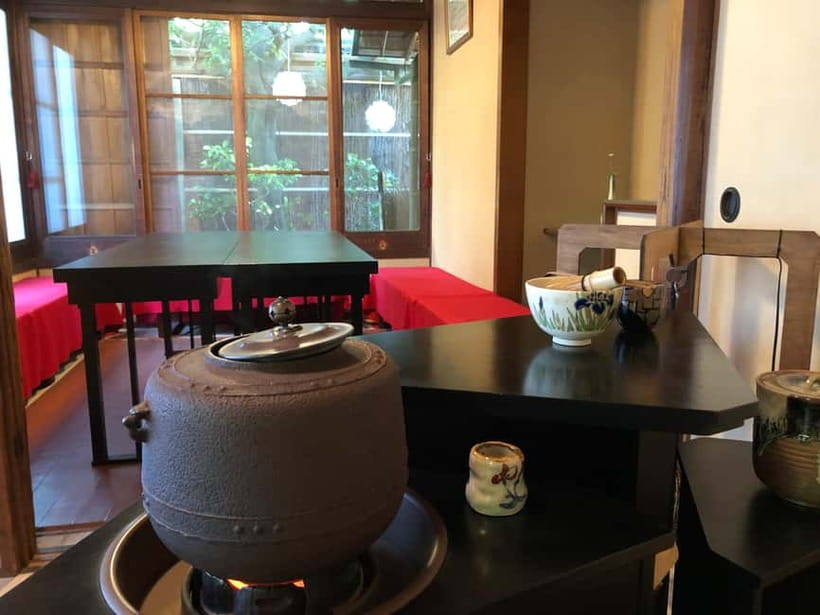
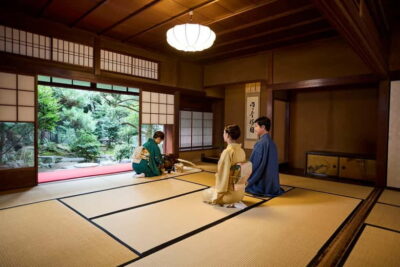
The address is Tondaya, Nishijin Japanese Cultural Experience Museum, at 697 Ishiyakushicho in Kyoto’s Kamigyo Ward. This is the sort of place where the building matters as much as the scheduled activities. Tondaya lets you see how a traditional Kyoto townhouse feels from the inside, with crafted wood, quiet gardens, and rooms filled with objects connected to Japanese life.
I like that the experience takes place in a genuine historic property rather than in a hotel event room. The house gives your photos texture and context. A kimono picture beside a plain wall can look like a costume rental; a kimono picture framed by old wood and a garden feels tied to Kyoto.
The property also helps explain why the experience costs more than a simple kimono rental. You are paying for entrance to the cultural site, dressing assistance, the tea ceremony, staff time, and access to rooms where photography is part of the visit. At $222 per person, this is not a bargain activity, but it offers more than clothing and a short photo stop.
More tea ceremonies in Kyoto:
- Kyoto: Tea Ceremony in a Traditional Tea House in Kiyomizu
★ 4.9 · 3,519 reviews - Kyoto: Tea Ceremony Ju-An at Jotokuji Temple
★ 4.9 · 3,207 reviews - Kyoto: 45-Minute Tea Ceremony Lesson Experience
★ 4.3 · 2,378 reviews
Choosing and putting on the silk kimono
The dressing room is the first major part of the visit. Staff help you choose an authentic silk kimono and fit it to your body. The advertised dressing time is very short, about five minutes, but the full visit lasts from roughly 90 minutes to four hours depending on the selected experience and schedule.
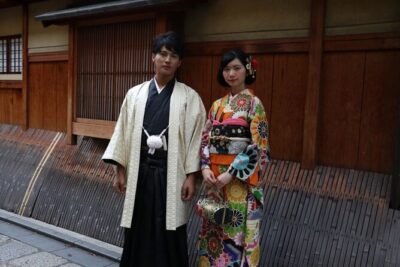
The kimonos are one of the most praised parts of the activity. You get the fun of choosing a pattern and color, then seeing yourself in a complete traditional outfit before walking through the house. Staff are described as warm, patient, and helpful, and they generally allow plenty of time for photos after you are dressed.
There are a few practical limits. Larger sizes may have fewer printed designs and more solid colors. One person also found that a kimono did not fit quite right. If you are tall or need a larger size, keep your expectations flexible about the exact pattern available.
Wear a loose-necked shirt so the kimono’s shape looks its best. Do not arrive in a wet T-shirt, since staff cannot dress you in wet clothing. Bring a dry shirt if needed. You also need socks, not stockings, and bare feet are not permitted. Hair styling and makeup are not included, so arrange those separately if they matter to your plan.
Photos are part of the appeal, but do not expect to photograph every moment. Dressing and undressing are not photo opportunities, and you should keep your phone away during the formal ceremony unless staff allow pictures. Once you are properly dressed and in the rooms and garden, there is usually time to take your own photos.
A tea ceremony in a historic room
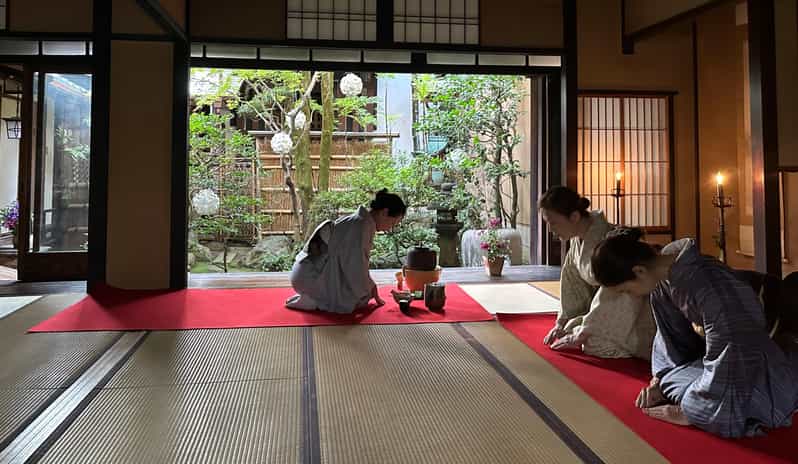
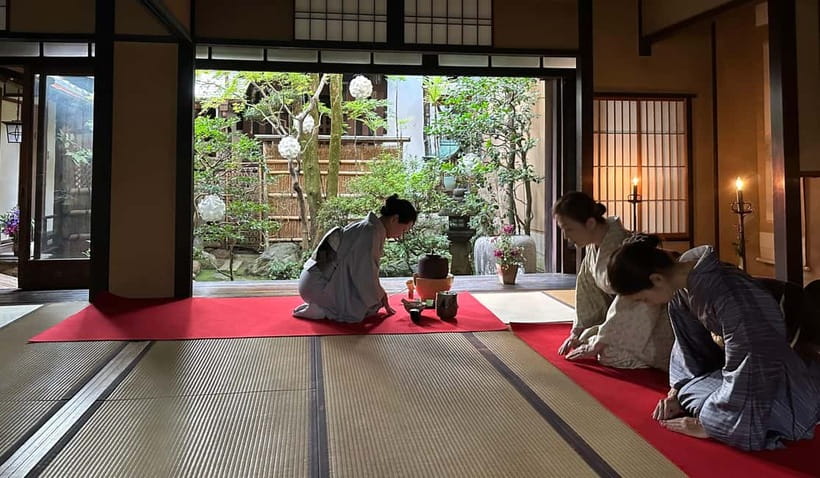
The tea ceremony is performed by an experienced tea practitioner in the machiya. You watch the preparation of matcha, the handling of the tea tools, the serving of the bowl, and the bows and gestures that give the ritual its calm rhythm.
The strongest part of this activity is the explanation. A good session does more than serve green tea. It explains why the tea is prepared in a certain way and how the actions show care and respect. Several visits have been led in clear English, while other sessions have relied on limited English and a translation app or device.
That inconsistency matters at this price. The ceremony itself remains visual and easy to follow, but you will get more from it if you can ask questions and understand the background. The experience lists English and Japanese, yet not every staff member speaks English fluently. If detailed cultural explanation is your top priority, booking a private session is the safer choice.
You may sit on the floor for the ceremony. Small chairs are available, but there may not be enough for everyone. Tell the staff if floor seating is difficult, and do so before the ceremony begins. The ceremony is described as simple and fairly short in some sessions, which helps if you are wearing a restrictive kimono or are not used to sitting traditionally.
Do not expect to make the tea yourself unless your selected option specifically says so. The main format is watching a tea master perform the ceremony. One participant would have liked the chance to whisk the tea, but that is not part of the stated inclusion.
Touring the rooms, gardens, and historic objects
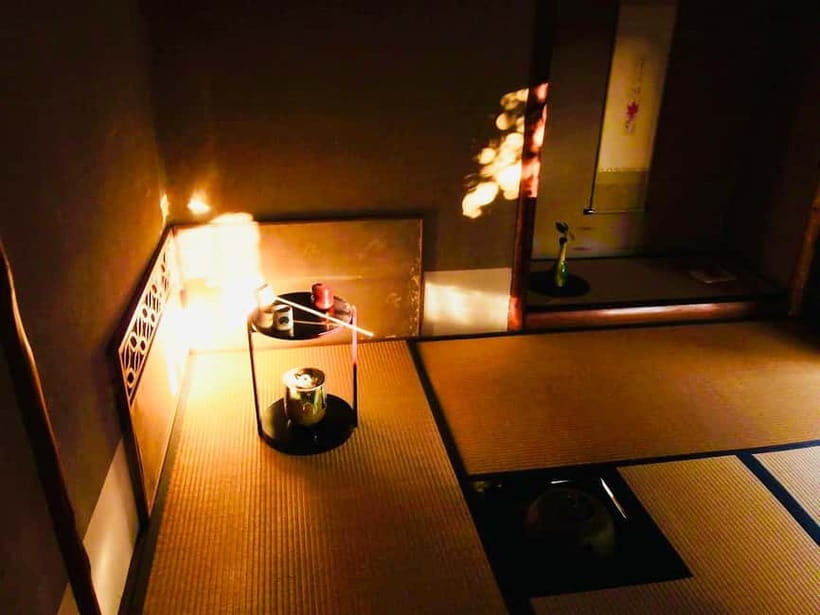
After dressing and the tea ceremony, you tour Tondaya. The house includes traditional interiors, gardens, woodwork, and artifacts connected to its long use as a Kyoto machiya. This portion gives the building a voice of its own, rather than treating it as a decorative photo set.
The tour can be especially useful if you pay attention to small details. Look at the construction, the transition between rooms, and the way the gardens are viewed from inside. Staff also explain the house and the kimono, though the amount of detail depends on who leads your session and how well the translation works.
This is also your best time for photos. The old rooms and interior gardens create several different backgrounds, and staff may take pictures for you. Come with a short list of poses or group arrangements in mind, since you may have only a set amount of time before the schedule moves on.
The setting is attractive, but it is not always quiet. Some sessions have felt crowded, with several groups moving through the house at once. A noisy group can make the tea portion less peaceful, and standing in the wrong place may leave you with a limited view of the tea master. The photos can still look intimate, but the experience itself may feel more commercial than secluded.
More kimono and yukata rentals in Kyoto:
- Kimono Tea Ceremony at Kyoto Maikoya, NISHIKI
★ 5.0 · 911 reviews - Kyoto: Kimono Rental with Hairstyling and Accessories
★ 4.8 · 653 reviews - Kyoto: Kimono Tea Ceremony at Orizuruya Gion
★ 4.9 · 618 reviews - KYOTO Tea Ceremony with kimono near by Imamiya Jinjya Shrine
★ 5.0 · 343 reviews
Group size, private bookings, and the pace of the visit
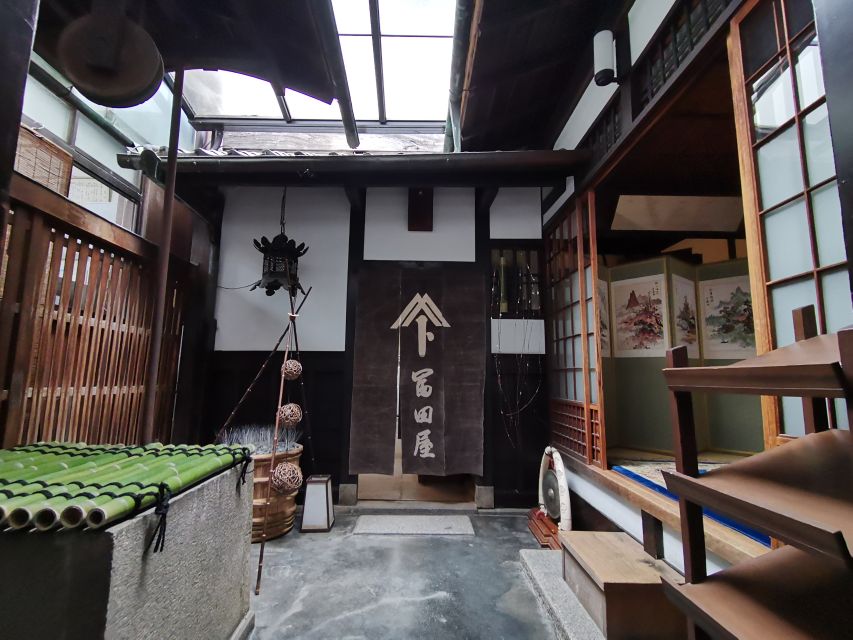
The standard experience is conducted with other participants. The supplied information also describes private group options, so check the exact choice when booking. Do not assume that a normal reservation means you will have the house or tea room to yourself.
A private session costs more in time and money, but it can solve several problems. You are less likely to wait for dressing, you can ask more questions, and the tea ceremony should feel more focused. A private visit is especially sensible for couples celebrating a special occasion, families with different mobility needs, or anyone who cares about detailed explanations.
The shared format can still work well if you mainly want the kimono, photographs, and a taste of tea culture. You may wait while others change or take pictures, and the room may become crowded. Arriving early can help you get settled, but do not count on early arrival guaranteeing an earlier start. One visit began dressing before the official start time, while the full stop still took about 90 minutes.
The listed duration ranges from 90 minutes to four hours. That is a wide spread, so check the time for the exact option you choose. The difference may reflect private arrangements, extra cultural activities, or scheduling. Allow room in your day rather than placing this directly before a train, reservation, or timed attraction.
English explanations and translation help
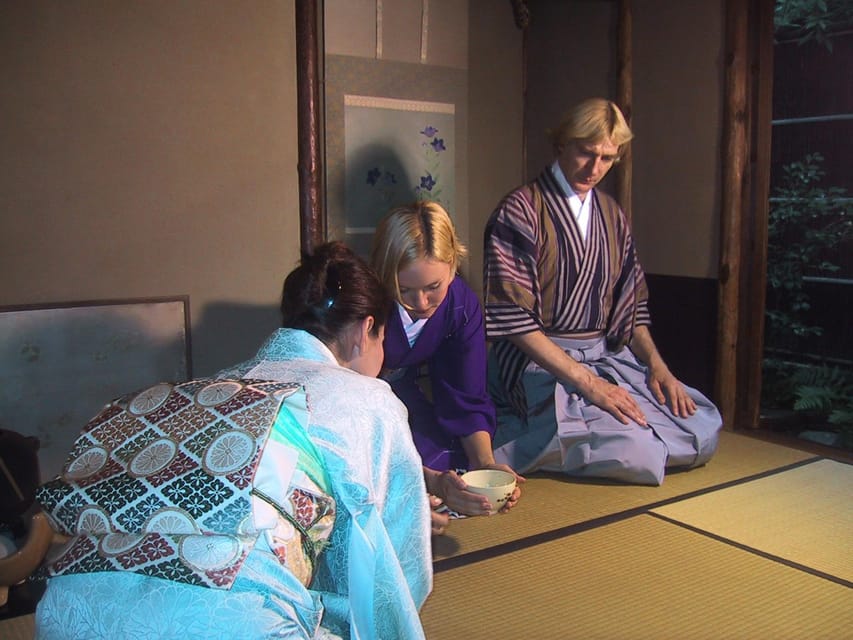
The activity is offered in English and Japanese, but English ability varies among staff. Some sessions have clear English explanations, while others use a phone or translation device. This is not necessarily a problem, but it does affect how much cultural context you receive.
I would book this for the visual and hands-on parts first, then treat the spoken explanation as an important bonus. The kimono dressing, old house, gardens, and tea movements can be appreciated without perfect English. Still, if you want a detailed lesson on garment construction, tea ceremony origins, or the symbolism of each action, private booking gives you a better chance to ask questions without a crowded schedule.
Be patient during translation. The staff are working across a language gap while dressing participants, guiding people through historic rooms, and managing the tea ceremony. A translation device can slow the rhythm, but it is better than pretending every explanation has been understood.
Is $222 a fair price?
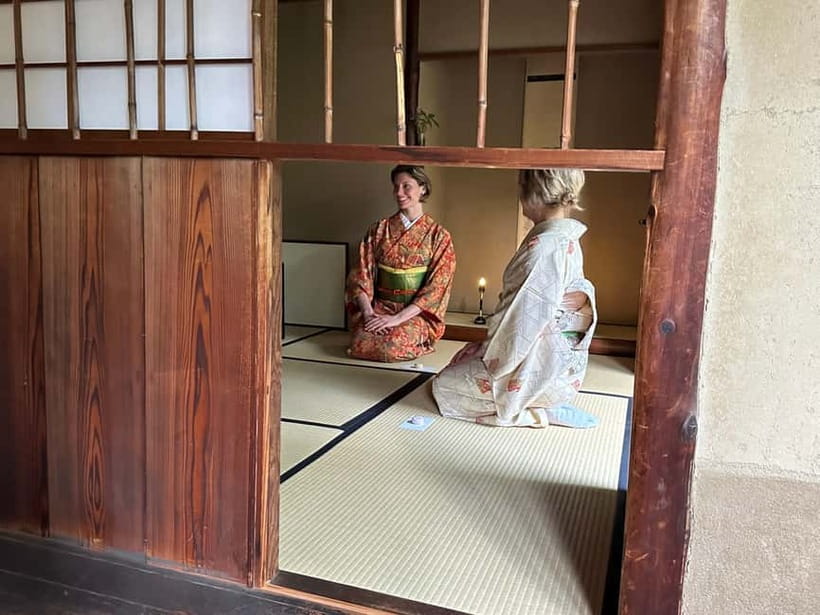
At $222 per person, this is a premium cultural activity. You receive entrance, kimono dressing, and the tea ceremony, but not socks, hair styling, or makeup. You are also paying for the historic location and the staff support that makes the experience possible.
The value is strongest if you want several elements in one booking. A simple kimono rental may cost less, but it will not necessarily include a tea ceremony in a 140-year-old machiya or a guided look at a culturally important house. The price also makes more sense for someone who values photographs and wants a structured introduction rather than a self-guided visit.
The value is weaker if you mainly want to drink matcha or wear a kimono for a quick picture. In that case, the session may feel expensive, especially if your group is crowded or the kimono choice is limited by size. Compare the private and shared versions carefully, since a private option may be worth the extra cost for a special occasion.
The free cancellation window is 24 hours before the activity, and reserve-now-pay-later booking is available. Those policies make it easier to fit the experience into a changing Kyoto schedule, but they do not change the need to arrive on time.
Who will enjoy Tondaya most?
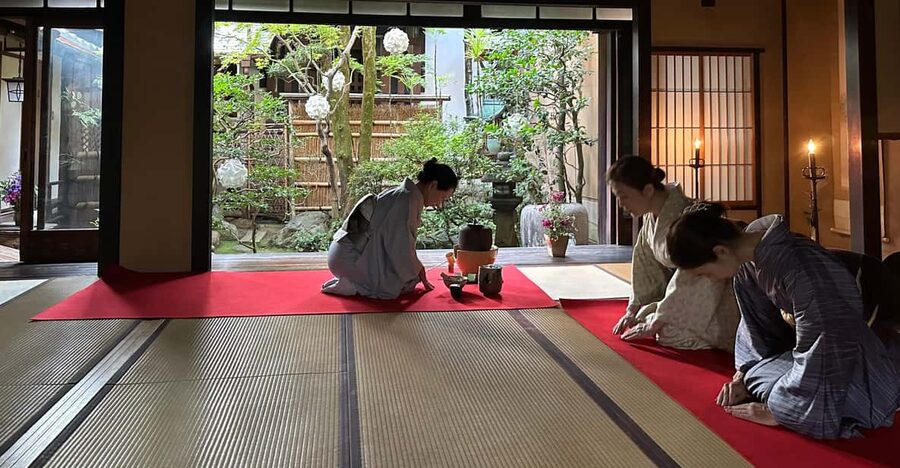
I would recommend this for you if you want a guided cultural activity with strong photo appeal and a real historic setting. It suits couples, families, first-time visitors to Japan, and anyone who would rather have staff handle the kimono than manage a rental alone.
It is also a good choice if you care about traditional arts beyond sightseeing. The tea ceremony, kimono, calligraphy, and ikebana are part of the staff’s wider cultural work, even though this booking focuses on the kimono and tea.
You may want another option if you dislike group activities, need a quiet ceremony, or expect a long academic lecture in fluent English. The experience can be busy, and other participants’ behavior affects the atmosphere. Phones, whispering, late arrivals, and poor attention can distract from the ceremony, so respectful behavior from everyone matters.
Should you book this Kyoto kimono and tea ceremony?
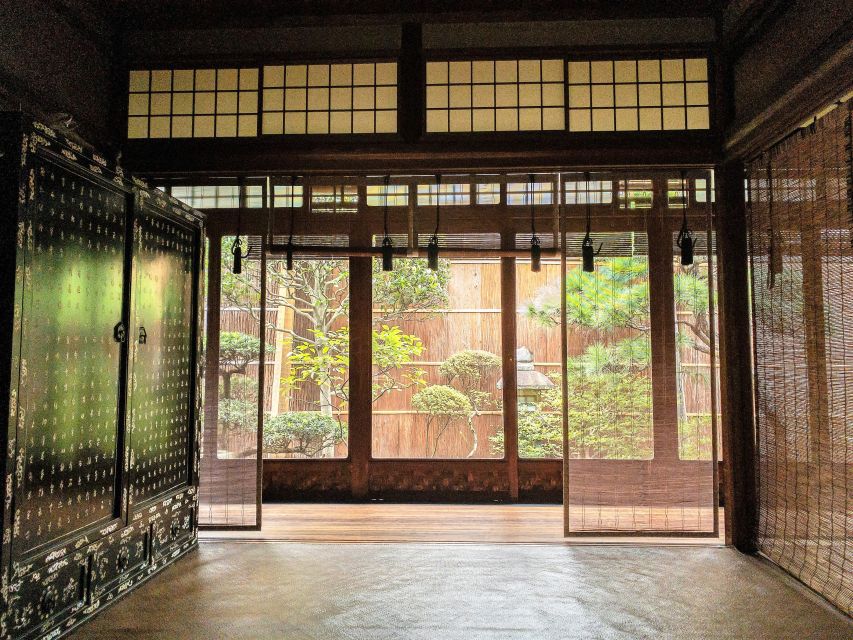
Book it if the combination matters: a silk kimono, a historic machiya, a formal tea performance, and time for photos. Tondaya gives you a more meaningful setting than a quick costume studio, and the house tour adds real substance to the visit.
Choose the private version if you want the calmest ceremony, better access to explanations, or more control over photographs. For the shared session, bring socks, wear a loose-necked shirt, allow extra time, and accept that the pattern and size of your kimono may not match the pictures you have seen.
At $222, this is best viewed as a special Kyoto memory rather than a low-cost activity. For the right visitor, the old house and careful tea ritual justify the price. For someone seeking only a fast kimono photo, it is probably more than you need.
FAQ
Where does the kimono and tea ceremony experience take place?
It takes place at Tondaya, Nishijin Japanese Cultural Experience Museum, located at 697 Ishiyakucho, Kamigyo Ward, Kyoto, Japan.
How old is the building?
Tondaya is a 140-year-old machiya and is recognized as a nationally registered cultural property.
What is included in the price?
Entrance to Tondaya, kimono dressing, and the tea ceremony are included.
Are socks required?
Yes. You must bring socks, and bare feet are not allowed. Stockings are discouraged.
Are hair styling and makeup included?
No. Hair styling and makeup are not included in the activity.
Can I take photos?
Yes, you receive time for photos in the traditional rooms and garden areas after dressing. Photography is not allowed while you are being dressed or undressed.
Is the tea ceremony private?
The standard experience is conducted with other participants. A private experience option is available, so check which version you select.
Is the activity offered in English?
The experience is offered in English and Japanese. Not every staff member speaks English fluently, and a translation device may be used.
How long does the activity last?
The listed duration ranges from 90 minutes to four hours. Check the available starting times and duration for your selected option.
Can I cancel for a full refund?
You can cancel up to 24 hours in advance for a full refund. Reserve-now-pay-later booking is also available.
Newest Kyoto experiences on the site
- Treasures of Kyoto: Gion & historical Walking Tour★ 5.0 · 6 reviews
- Whisk Your Own Matcha: A Zen Matcha Experience at Temple★ 3.6 · 7 reviews
- Uji: Private immersion into Kyoto’s tea and reglious culture★ 5.0 · 17 reviews
- Kyoto tea town for matcha lovers★ 5.0 · 16 reviews
- Kyoto Matcha Green Tea Tour★ 4.5 · 23 reviews
- Uji and Wazuka Matcha Farm Half Day Private Guided Tour★ 5.0 · 21 reviews
- Utilising upcycled Matcha! Creating matcha incense (Uji, Kyoto)★ 5.0 · 6 reviews
- Sacred Temple Yoga Experience in Japan★ 5.0 · 3 reviews
Kyoto Kimono Rentals, compared.
KYOTO Tea Ceremony with kimono near by Imamiya Jinjya Shrine
Read our review →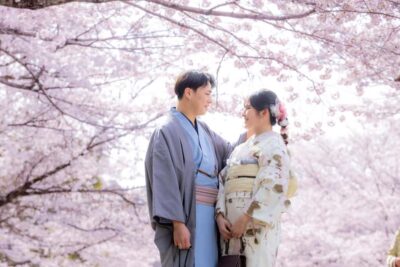
Family-Friendly Kimono & Yukata Experience at WARGO
Read our review →
1 Day Traditional Japanese Kimono Rental Experience
Read our review →
Kimono Rental Traditional Experience at Wargo in Gion
Read our review →Browse the lists this tour appears in