
Reviewed · FUSHIMI INARI TOURS
Inside of Fushimi Inari – exploring and lunch with locals
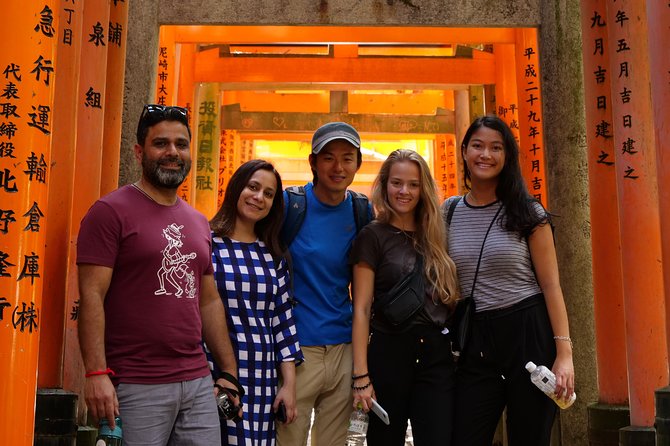
Fushimi Inari is famous for its endless red torii gates, but this half-day hike shows you the mountain beyond the crowded entrance paths. You’ll visit the main shrine, walk through bamboo and cedar woods, see a waterfall and a gate factory, and climb to the 233-meter summit with a local guide.
I like the quiet forest route and the way the tour connects the shrine’s symbols to everyday local traditions. The included soba lunch, Japanese tea, and boiled egg also make the $72.26 price easier to justify than a simple guided walk.
The catch is the climb. There are plenty of steep stairs, and the hike can feel harder than expected. Also, the supplied details give two group-size limits, six and twelve, so confirm the final number when booking.
Key points to know before you book
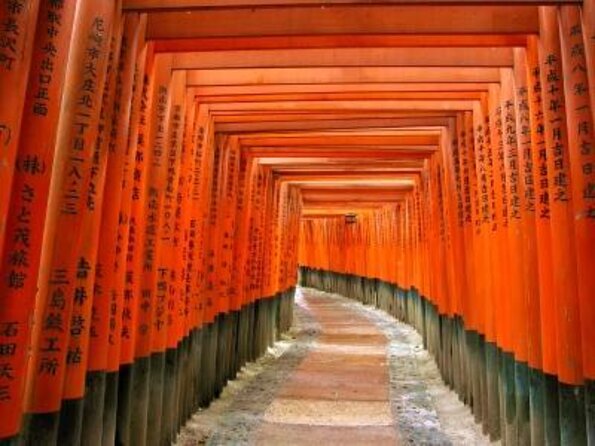
- The route leaves the busiest torii path: You’ll visit quieter bamboo and cedar sections, worship stones, a waterfall, and a gate factory.
- The summit reaches 233 meters: The climb includes a forest route and roughly 20 minutes of upward walking, with additional stairs around the shrine.
- Lunch is part of the plan: Your half-day includes soba noodles, plus a Japanese tea and boiled egg break.
- Guides adjust the pace: Guides named Go, Satsuki, and Ko have led this walk, with attention to group speed and cultural explanation.
- The group is small: The tour is described as limited to 12 people, while additional details state a maximum of 6, so ask for confirmation.
- You need moderate fitness: This is not a flat sightseeing stroll, and the steep sections may be tiring.
Why this Fushimi Inari walk feels different
Fushimi Inari-taisha is one of Kyoto’s most recognizable sights. Its rows of red torii gates climb Mount Inari, creating the famous tunnel effect that appears in countless photographs. The trouble is that the first part of the shrine can feel crowded, especially around the main worship area and the most photographed gates.
This tour is designed to take you beyond that first impression. You begin with the main shrine and the Thousands of Red Gates, so you do not miss the essential sight. Then the route turns toward quieter parts of the mountain, where bamboo, cedar trees, small worship sites, and natural features become the focus.
I like that balance. You get the classic Fushimi Inari view, but you are not limited to walking under red gates with a camera held above your head. The forest route gives you a better sense of Fushimi as a sacred mountain rather than just a famous photo stop.
A guide also helps explain why the gates matter. The tour includes background on the shrine’s history and cultural meaning, which gives the red corridors more context. Without that explanation, it is easy to treat them as decoration. Here, you can better understand them as offerings connected with worship and prosperity.
More ways to walk the Fushimi Inari gates:
- Kyoto: Fushimi Inari, Kinkakuji, Bamboo Grove 1 Day Bus Tour
★ 4.8 · 4,316 reviews - Fushimi Inari Hidden Hiking Tour (Private Option Available)
★ 5.0 · 1,750 reviews - Osaka/Kyoto:Kinkakuji,Arashiyama,FushimiInariShrine,NaraPark
★ 4.1 · 1,596 reviews
Starting at the Great Torii
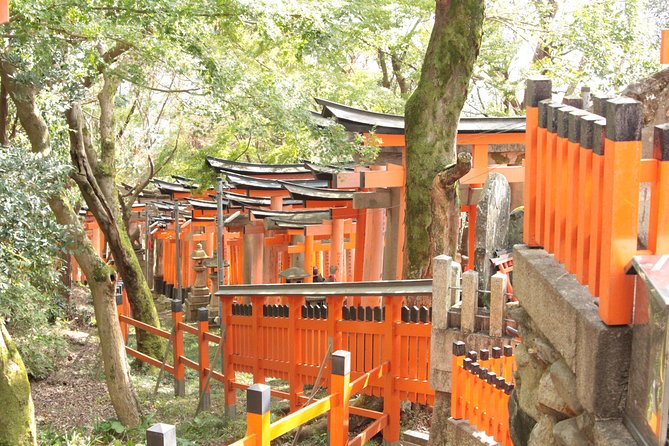
The meeting point is the Great Torii in Fushimi Ward, at 68 Fukakusa Yabunouchicho. The tour begins and ends at this same location, and the area is near public transportation.
You should arrive early enough to identify the guide and settle in before the departure time. One missed meeting caused a serious problem for one participant, with the guide reporting that he waited before the start and searched for roughly 30 minutes. The guide was described as wearing a noticeable red cap, but you should still read the meeting instructions carefully and keep your phone available.
This is a small point, but it matters. A four-hour tour leaves little room to recover from a missed start, and the route is difficult to join later without knowing where the group has gone.
The main shrine and the Thousands of Red Gates
The first part covers the main Fushimi Inari shrine and the famous torii corridors. This is where you get the familiar images, but the guide’s explanation gives the setting more substance.
You can expect to learn about the shrine’s background, the meaning of the gates, and the cultural setting around the mountain. The tour does not treat Fushimi Inari as a quick monument visit. It presents the shrine as an active religious place, so respectful behavior and attention to worship areas are important.
The red gates are not all part of one old structure. They have been offered by individuals and businesses, and their presence reflects hopes for success and good fortune. The guide can help you notice the inscriptions and the way the gates continue up the slope.
This portion is likely to be the busiest part of the walk. If your priority is photographing the most famous torii corridors, pay attention early in the tour. Later sections are quieter, but they do not replace the classic entrance route.
Bamboo, cedar, worship stones, and the waterfall
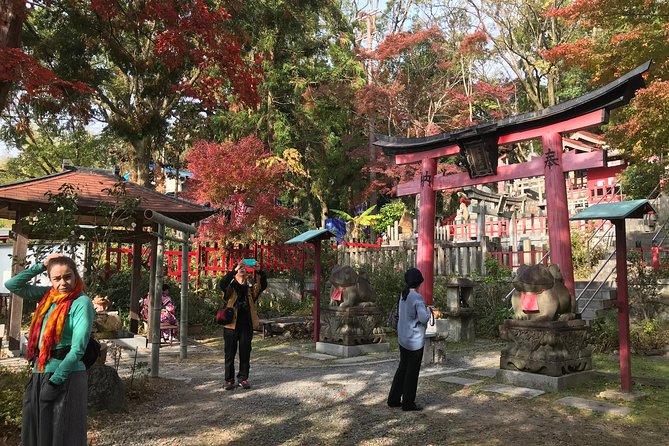
After the main shrine and torii sections, the walk follows a less obvious path through bamboo and cedar forest. This is one of the tour’s strongest features because the mood changes quickly. The bright red gates give way to shaded woodland and smaller sacred places.
You’ll visit worship stones and a waterfall. These sites are less immediately recognizable than the torii, but they help show how worship on Mount Inari connects with natural features. The route also gives you room to walk without the constant stop-and-go feel of a packed sightseeing path.
I would not treat this as a secret shortcut that removes all crowds. Fushimi Inari remains one of Kyoto’s most popular sites. Still, the alternative path provides a more peaceful stretch and a better chance to notice the mountain itself.
The forest setting also changes the physical demands. Uneven paths, steps, and slopes require care, especially if it has rained. The tour requires moderate physical fitness, and that description should be taken seriously. You do not need to be a serious hiker, but you should be comfortable walking uphill for several hours.
More long lunches in Kyoto:
- Bike Tour Exploring North Kyoto plus Lunch
★ 5.0 · 1,087 reviews - Osaka/Kyoto: Arashiyama, Nara & Fushimi Inari Shrine w/Lunch
★ 4.4 · 754 reviews - Kyoto Zen Meditation & Garden Tour at a Zen Temple with Lunch
★ 5.0 · 441 reviews - 4.5-Hour Kyoto Bike Tour with Lunch and UNESCO Zen Temples
★ 5.0 · 122 reviews
The gate factory, an unusual local stop
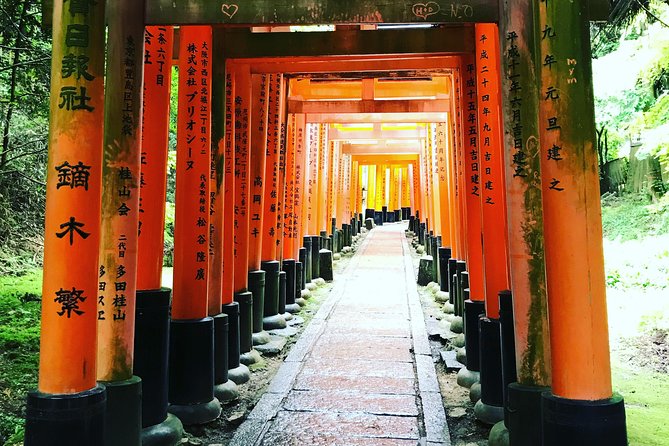
The gate factory is a particularly interesting inclusion. Most people come to Fushimi Inari to see finished torii, not to think about how gates are made and maintained.
This stop gives the tour a local working detail that you would probably miss on a standard shrine visit. It connects the religious scenery to the people and skills that support it. The factory is also a useful contrast to the forest and shrine areas, showing that Fushimi is not an isolated museum site.
The supplied details do not promise a long factory visit or describe a demonstration, so you should view it as a brief stop along the route rather than a separate workshop. Its value is in seeing a less obvious side of the shrine tradition.
The climb to the 233-meter summit
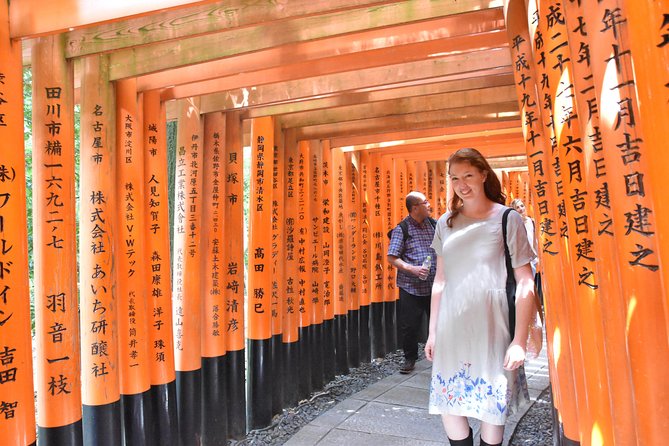
The route continues upward toward the summit shrine. The summit is listed at 233 meters, with about 20 minutes of forest climbing on this section. That sounds modest on paper, but the steep stairs can make it feel demanding, especially after the earlier walking.
This is the point where the tour separates itself from an easy shrine walk. You will see more of the mountain, but you will pay for that wider view with effort. One person described the hike as more challenging than expected, while still finding it rewarding. Another emphasized the steep stairs and advised against the tour for anyone who struggles physically.
You should wear comfortable walking shoes and pace yourself. The guide may adjust the speed to suit the group. Go, for example, is described as changing his pace to fit the people on the walk. That kind of flexibility is useful, but it cannot remove the stairs.
At the summit shrine, the guide shows you around and explains the setting. You can also pray there if you wish. Reaching the top gives the walk a clear sense of purpose, and the forest route makes the ascent feel more like a mountain visit than a series of disconnected sightseeing stops.
Soba lunch, Japanese tea, and the boiled egg break
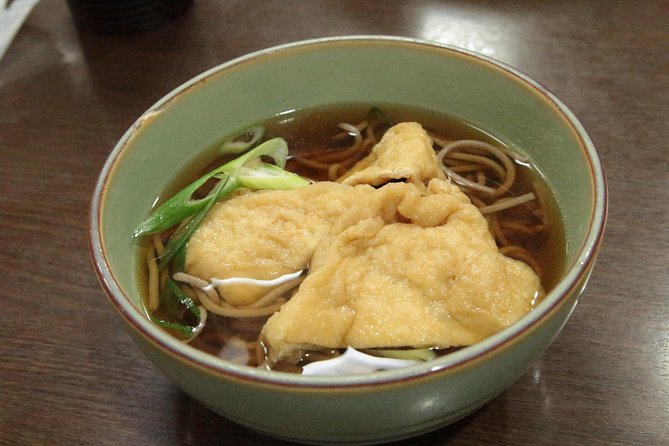
Food is included, which makes this more than a guided hike with a snack added at the end. The tour includes a soba noodle lunch, along with a break for Japanese tea and a boiled egg.
Soba is a sensible meal for a walking tour. It is simple, familiar, and not overly heavy before you continue on foot. The food also gives you a chance to pause and experience an everyday Japanese meal rather than rushing from one attraction to the next.
Vegetarian, halal-friendly, and gluten-free food options are available. You should request the right meal in advance rather than assume it can be changed at the last minute. The details do not explain the exact restaurant, menu, or serving style, so people with strict dietary needs should confirm what is included before paying.
The meal is also part of the value calculation. At $72.26 per person, the tour costs more than visiting Fushimi Inari independently, which is free to enter. You are paying for the guide, route planning, cultural explanation, small-group format, food, and access to a less obvious part of the mountain. If you only want to walk through the first torii gates, this price will not make sense. If you want context, company, and a structured route with lunch, it is more reasonable.
What the guide adds to the walk
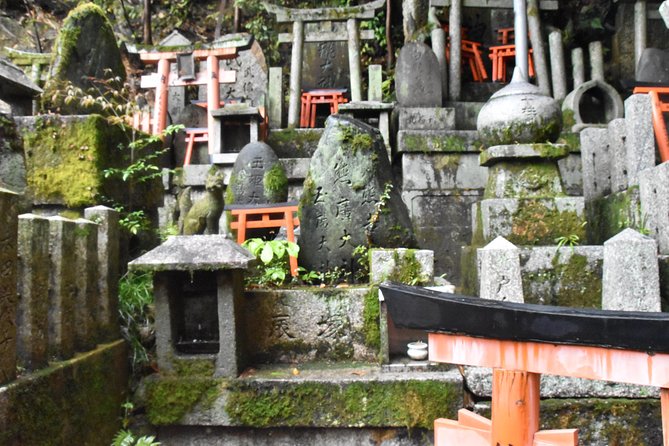
The guide is the main reason to choose this tour instead of walking alone. Fushimi Inari is easy to reach, and you can see the central shrine without paying an admission fee. What is less easy is understanding which side paths matter, finding the waterfall and worship stones, and reaching the quieter areas without wasting time.
Guides named Go, Satsuki, and Ko have led this experience. Their approach appears to combine cultural explanation with practical pacing. Satsuki is associated with taking the group away from the busiest areas and into the trees and smaller shrines. Ko is described as explaining both the mountain and its history while keeping the walk focused on less touristy views.
The guide’s role is not just to point out landmarks. A good leader helps you know when to pause, where to pray respectfully, and how the mountain’s natural features fit into the shrine’s religious setting. That is especially useful in Japan, where many details of shrine etiquette are easy to miss if you are moving quickly.
The group size deserves a careful note. The tour description says the group is limited to 12 people, while the additional information gives a maximum of 6. That is a meaningful difference. Six people allows more questions and easier pacing; twelve still counts as small, but feels less personal on narrow paths. Ask the operator to confirm the actual maximum for your date.
How much time you need and how the timing works
The full experience lasts about four hours. The main hiking and lunch portion is listed as approximately three hours and thirty minutes, leaving a small margin for meeting, transitions, and the end of the activity.
That timing is long enough to cover the main shrine, torii corridors, forest route, waterfall, gate factory, summit shrine, and food break without turning the walk into a rushed photo stop. It is also short enough to fit into a Kyoto day that includes other sights.
The pace will depend on the group and the guide. If someone needs frequent rests, the climb may take longer. You should avoid scheduling another fixed activity immediately afterward, especially if you are not used to steep walks.
Because the tour requires good weather, poor conditions can lead to a new date or a full refund. You can cancel for a full refund up to 24 hours before the start time. Changes or cancellations inside that window are not accepted, so keep your Kyoto schedule flexible until the weather is clear.
Who will get the most from this tour
I would recommend this walk to you if you want to see Fushimi Inari beyond its famous entrance and prefer an active morning or afternoon. It suits people who enjoy local religious sites, forest paths, and a guide who can explain what they are seeing.
It is also a good fit if you are uneasy about navigating unfamiliar mountain routes alone. The route includes several features that are easy to miss, and the guide adds structure to a place that can otherwise feel repetitive after the first few hundred gates.
You may want to skip it if you are looking for a flat, relaxed shrine visit. The stairs are steep, the summit requires effort, and the tour asks for moderate fitness. Families or mixed-ability groups should think carefully about whether everyone can handle the climb.
The experience is also less useful if your only goal is to take a few photos beneath the red gates. You can visit the lower shrine area independently and spend less. This tour earns its price through the quieter route, explanations, food, and mountain access.
Should you book the Fushimi Inari hidden-route hike?
Book it if you want the full Fushimi mountain setting, not just the famous torii tunnel. The quieter bamboo and cedar paths, waterfall, worship stones, gate factory, and summit shrine give you a fuller visit, while lunch keeps the four-hour outing practical.
I would especially choose it for a first Kyoto visit when you want a guide to provide cultural context and keep the route moving. Before booking, confirm the group size, explain any dietary needs, and be honest about your comfort with steep stairs.
Skip it if you want a cheap, self-guided shrine stop or if a strenuous walk would spoil your day. At $72.26, this is a guided mountain outing with meals, not a basic entrance visit. For the right pace and fitness level, it offers a thoughtful way to see one of Kyoto’s most famous religious sites from a quieter angle.
FAQ
How long does the Fushimi Inari tour last?
The experience lasts approximately four hours. The hiking and lunch portion is listed as about three hours and thirty minutes.
Where does the tour begin and end?
The meeting point is the Great Torii at 68 Fukakusa Yabunouchicho in Fushimi Ward, Kyoto. The activity ends back at the same meeting point.
Does the tour include food?
Yes. The tour includes a soba noodle lunch, along with a Japanese tea and boiled egg break.
Is the tour suitable for vegetarians or people with dietary restrictions?
Vegetarian, halal-friendly, and gluten-free food options are available. You should request the appropriate option in advance.
How difficult is the hike?
You should have moderate physical fitness. The route includes forest walking, a climb to the 233-meter summit, and steep stairs. One section of the ascent takes about 20 minutes.
What happens if the weather is poor?
The activity requires good weather. If it is canceled because of poor conditions, you will be offered another date or a full refund.
Newest Kyoto experiences on the site
- Treasures of Kyoto: Gion & historical Walking Tour★ 5.0 · 6 reviews
- Whisk Your Own Matcha: A Zen Matcha Experience at Temple★ 3.6 · 7 reviews
- Uji: Private immersion into Kyoto’s tea and reglious culture★ 5.0 · 17 reviews
- Kyoto tea town for matcha lovers★ 5.0 · 16 reviews
- Kyoto Matcha Green Tea Tour★ 4.5 · 23 reviews
- Uji and Wazuka Matcha Farm Half Day Private Guided Tour★ 5.0 · 21 reviews
- Utilising upcycled Matcha! Creating matcha incense (Uji, Kyoto)★ 5.0 · 6 reviews
- Sacred Temple Yoga Experience in Japan★ 5.0 · 3 reviews
Fushimi Inari Tours, compared.
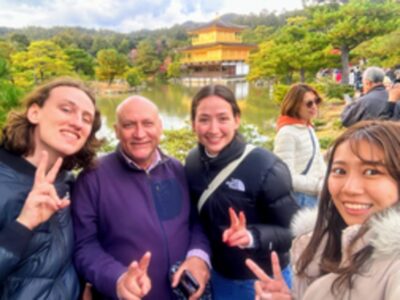
Fushimi Inari, Kinkakuji, Bamboo Grove 1 Day Bus Tour
Read our review →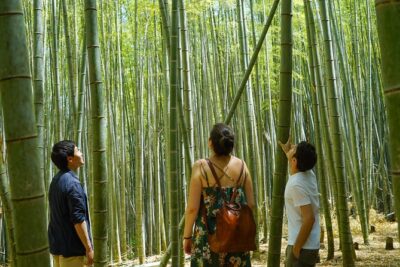
Fushimi Inari Hidden Hiking Tour (Private Option Available)
Read our review →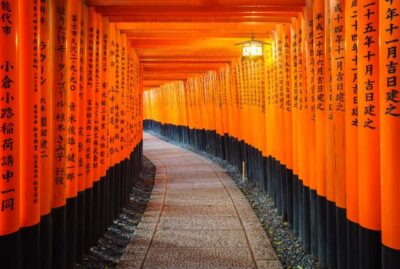
Kinkakuji,Arashiyama,FushimiInariShrine,NaraPark
Read our review →
Nara, Fushimi Inari Taisha, Arashiyama Bus Tour
Read our review →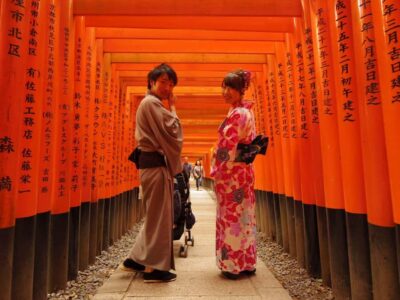
Arashiyama, Nara & Fushimi Inari Shrine w/Lunch
Read our review →
Nijo Castle, Kiyomizu & Fushimi Inari Guided Tour
Read our review →
Nijo, Kinkaku-ji, Arashiyama, Kiyomizu & Fushimi Inari
Read our review →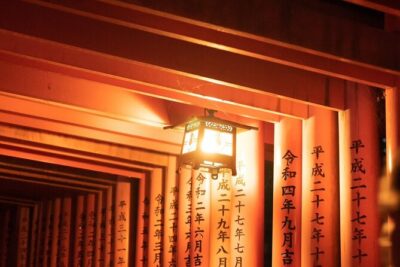
Browse the lists this tour appears in