
Reviewed · KYOTO ZEN MEDITATION
Zen Meditation for Life in Kyoto
Kyoto’s Zen lesson is not a quick pose-and-photo stop. In a traditional machiya house, Buddhist priest Brian Victoria explains the purpose behind Zen meditation, then guides you through posture, breathing, seated zazen, and walking kinhin. It is a thoughtful afternoon for a small private group.
I like the personal setting and the balance between ideas and practice. You do not just hear a lecture, and you do not just sit in silence. You get 90 minutes of explanation, two periods of seated meditation, walking meditation, and time for questions over tea. The discussion can also range into Buddhism, Japanese religious practice, and the place of meditation in daily life.
The main consideration is the amount of explanation. If you want a short, quiet introduction, this may feel too academic or information-heavy. The session runs about four and a half hours, and the listed price of $108 does not include the ¥240 public transportation cost.
Key points to know before booking
- Private instruction with Brian Victoria: Only your group takes part, allowing the session to follow your interests and questions.
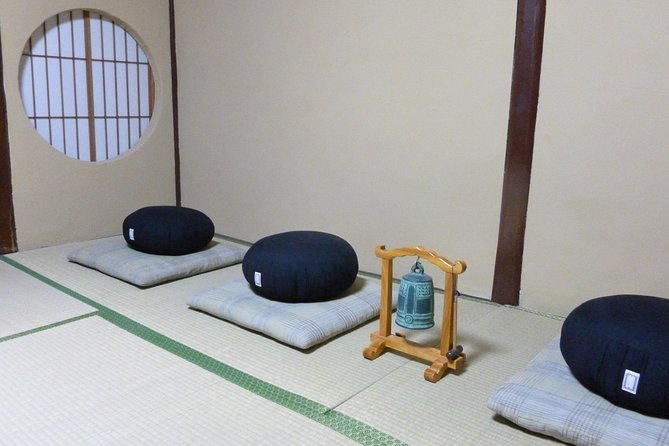
- A real practice session: You try two 20-minute periods of seated meditation, with 10 minutes of walking meditation between them.
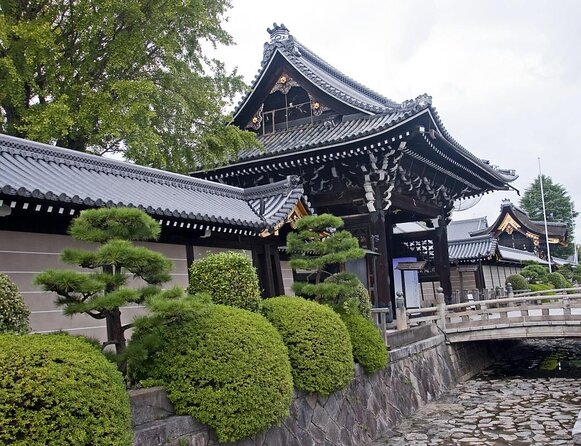
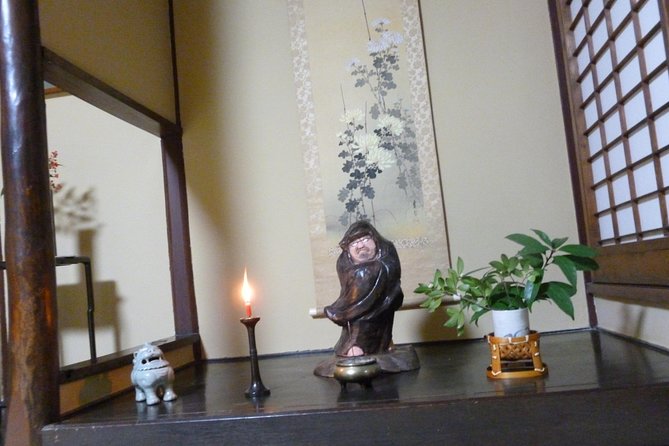
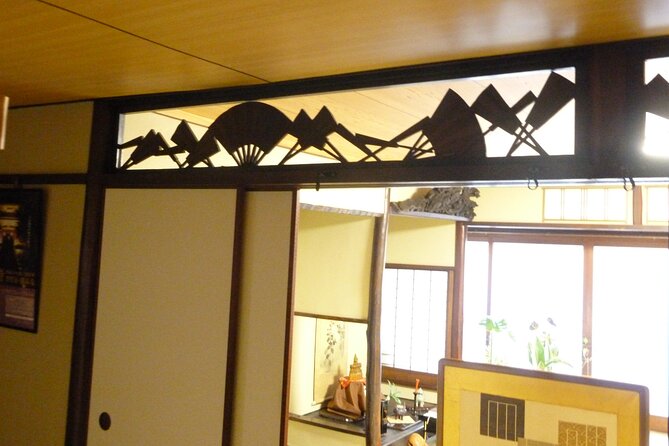
- Traditional Kyoto setting: The meditation hall is in a machiya home about five minutes from Kyoto Station by bus or taxi, near Nishi Honganji.
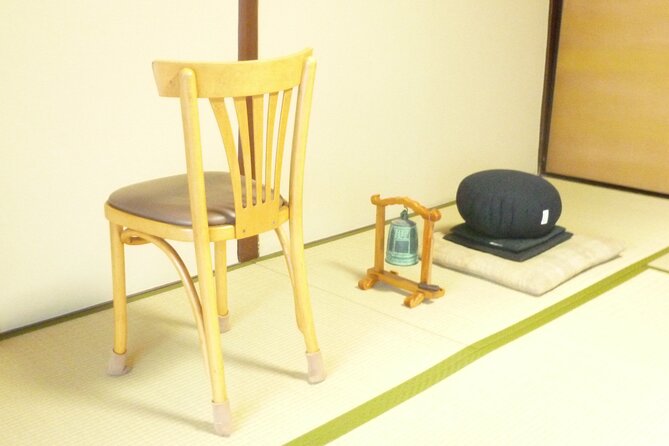
- Chair meditation is allowed: You can use the lotus or half-lotus position, or sit on a chair if that is more comfortable.
- Tea closes the afternoon: Green tea and a traditional Kyoto sweet are included, with about 30 minutes for questions and conversation.
- Best for curious minds: The experience suits people who want context, religious ideas, and practical instruction rather than a simple wellness class.
Why this Kyoto meditation session feels different
Many Kyoto activities show you a temple, explain a few customs, and send you on to the next sight. This experience takes a slower route. It asks you to sit still, listen carefully, and consider why Zen meditation uses such precise posture and breathing.
That difference matters. Zen meditation is not presented here as a general relaxation trick. The session explains its purpose within the Zen tradition and connects breath, posture, and attention. You are given enough background to understand what you are doing, not just a set of instructions to copy.
The private format helps. You do not need to worry about a large class or strangers shaping the pace. If your group has questions about Buddhism, meditation, Japanese religion, or the practical problems of sitting still, there is room to ask them.
Brian Victoria brings an unusual mix of roles to the lesson. He is described as both an academic and a Buddhist cleric, and the experience gives him space to connect religious practice with wider ideas. Several parts of the session can feel more like a serious conversation than a standard sightseeing activity. That is a strength if you enjoy thoughtful discussion.
It can also be a drawback. The material may feel like information overload if you came expecting only a brief introduction to breathing exercises. I would not book this as a casual filler activity between temple visits. Give it an afternoon and arrive ready to pay attention.
More zen sittings and garden visits in Kyoto:
- Kyoto Zen Meditation & Garden Tour at a Zen Temple with Lunch
★ 5.0 · 441 reviews - Kyoto: Zen Experience in a Hidden Temple
★ 5.0 · 437 reviews - Kyoto: Tea Ceremony Meditation – Make Matcha with Tea Master
★ 4.8 · 406 reviews
Meeting near Kyoto Station and Nishi Honganji
The official meeting point is at the Central Entrance of Hotel Granvia Kyoto, by Kyoto Station. The activity begins at 1:00 p.m. From there, the private meditation hall is about a five-minute bus or taxi ride away.
Public transportation costs ¥240 per person and is not included. That is a small extra expense, but it is worth noting when you compare the total cost. The meeting point is near public transportation, and the activity returns to the original meeting point at the end.
The session takes place near Nishi Honganji, one of Kyoto’s important Buddhist temple sites. The temple is listed as the itinerary stop, while the meditation instruction itself happens in a traditional Kyoto home. That combination gives you both a link to a major religious site and a quieter indoor setting for the lesson.
You should plan your afternoon around the experience rather than squeezing it between tightly timed attractions. The listed duration is approximately four hours and 30 minutes. One detailed account of the afternoon ran from around 1:30 p.m. until 6:00 p.m., so I would leave room for the full block of time.
The 90-minute introduction to Zen
The first major part of the workshop lasts about 90 minutes. This is where Brian explains the theory and practice of Zen meditation, including why posture matters and how breath and mind control work together.
That opening gives the later sitting periods a useful frame. You learn what to watch for before trying to do it yourself. The emphasis is on the proper posture used in Zen mindfulness meditation, rather than simply telling you to relax and clear your mind.
Expect a serious explanation, not a motivational talk. The material may include Buddhist ideas, the development of Japanese religious practices, and the role of meditation in Zen. The experience allows questions, so you can ask for clarification if a concept feels unfamiliar.
The lesson is especially useful for anyone who has tried meditation without knowing what to do with wandering thoughts, uncomfortable posture, or uneven breathing. You leave with a clearer idea of what a Zen session is trying to accomplish and how to continue practicing on your own.
Still, do not expect every minute to be hands-on. The first 90 minutes are largely about explanation and instruction. If your priority is extended silent meditation, the actual sitting time is shorter than the total tour length.
Trying zazen and kinhin
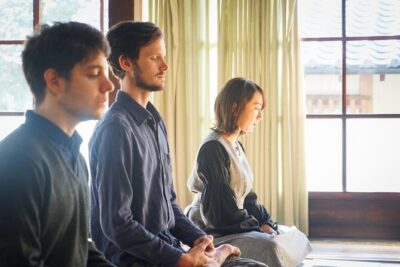
After the introduction, you take part in two 20-minute periods of seated meditation, known as zazen. These periods are separated by 10 minutes of walking meditation, called kinhin.
The structure is helpful for beginners. Twenty minutes is long enough to notice how your attention behaves, but it is not an intimidating marathon. The walking interval gives your body a change of position and shows how meditation can continue while moving slowly.
You can use the traditional lotus or half-lotus posture if it suits you. You can also sit on a chair. That choice is important because the experience is about learning the method, not proving that you can force your body into a difficult position.
I like this practical balance. You hear the ideas, receive posture guidance, and then test the method in a real session. You may not finish the afternoon feeling instantly calm, and that is not the point. You are learning what the practice demands and how to work with your attention.
For some people, the sitting periods will be the most valuable part of the experience. For others, they may feel challenging. The description does not promise a particular physical comfort level, and meditation can be demanding when you are not used to sitting quietly. The chair option helps, but you should still expect a focused, quiet activity rather than passive sightseeing.
A few more Kyoto tours worth putting on the shortlist
- PERFECT KYOTO 1-Day Bus Tour
★ 5.0 · 13,518 reviews - Kyoto: Fushimi Inari, Kinkakuji, Bamboo Grove 1 Day Bus Tour
★ 4.8 · 4,316 reviews - Kyoto: Tea Ceremony in a Traditional Tea House in Kiyomizu
★ 4.9 · 3,519 reviews - Kyoto Geisha Walking Tour: Gion District & Hidden Gems
★ 4.7 · 3,273 reviews
Tea, a Kyoto sweet, and time for questions
The afternoon ends with about 30 minutes for green tea and a traditional Kyoto sweet. Coffee and tea are provided, but the green tea and sweet are the clearest part of the closing arrangement.
This final period is more useful than a simple refreshment break. It gives you time to ask questions after trying the meditation. Some ideas make more sense once you have sat, walked, and noticed your own reactions.
The tea also gives the experience a distinctly Kyoto feel without turning the afternoon into a formal tea ceremony. You are not being promised a performance or a major cultural show. Instead, you have a calm chance to talk, reflect, and connect the practice to ordinary life.
The stated goal is for you to feel able to continue meditating on your own if you choose. That makes the question period important. You can ask about the purpose of the practice, the mechanics of sitting, or the ideas introduced during the session.
What the $108 price includes
At $108, this is not a bargain activity in the usual sightseeing sense. You are paying for a private half-day experience with an academic and cleric, a custom group format, guided meditation, and personal discussion.
The value depends on what you want. If you are simply looking for a 20-minute meditation class, the price will seem high. If you want a serious introduction to Zen, with time for explanation and questions, the private structure makes more sense.
The included tea and sweet are pleasant extras, but they do not justify the price by themselves. The real value lies in the personal teaching and the chance to practice in a traditional Kyoto home rather than joining a large, standardized class.
Remember to add ¥240 per person for public transportation. The experience includes coffee and/or tea, but meals are not mentioned, so eat beforehand if you prefer a substantial lunch. The session begins at 1:00 p.m. and occupies most of the afternoon.
Who will get the most from this experience
I would recommend this for someone who wants to understand Zen rather than simply photograph a temple. It fits a curious visitor who enjoys religion, philosophy, Japanese culture, or practical meditation.
It also works well for a private family or couple who want the conversation shaped around their own interests. The experience has been described as a good setting for discussion across religions, and younger participants may find the open conversation engaging if they enjoy asking questions.
You do not need to be an experienced meditator. Most people can participate, and the chair option makes the physical side less demanding. The session explains the basics before asking you to sit, so you are not expected to arrive with prior Zen training.
I would think twice if you want a light, fast activity or a purely physical wellness class. The teaching can be substantial, and the emphasis is on understanding the tradition as well as trying the practice. You should also be comfortable with a quiet afternoon that may prompt more questions than it answers.
Practical details that affect your decision
The activity is private, and only your group participates. That is the most important logistical advantage. You can ask questions without worrying about a room full of people, and the instructor can respond to your group’s level of interest.
The activity uses a mobile ticket, and booking confirmation is provided at the time of booking. It is near public transportation, with the initial meeting point at Hotel Granvia Kyoto’s Central Entrance.
The tour is listed as approximately four hours and 30 minutes, beginning at 1:00 p.m. Since the experience includes travel from the station, a 90-minute introduction, meditation periods, walking meditation, and tea, do not schedule another fixed activity immediately afterward.
Free cancellation is available if you cancel at least 24 hours before the start time. Cancellations or changes made less than 24 hours before the start are not accepted for a refund.
Should you book the Kyoto Zen workshop?
Book it if you want a personal and serious introduction to Zen meditation, not a quick tourist demonstration. The strongest reasons are the private setting, Brian Victoria’s combination of academic and religious experience, and the clear progression from explanation to practice to discussion.
The activity has earned a 5.0 rating from 10 reviews, with all recommending it. The repeated praise centers on its personal character, thoughtful ideas, authentic feel, and clear meditation instruction. Those qualities match the structure of the afternoon.
Skip it if you want a short temple visit, a silent retreat, or a low-cost class focused only on relaxation. At $108 plus transportation, it makes the most sense when you value conversation, context, and the chance to leave with a practice you can continue at home.
For the right person, this may become one of the more memorable Kyoto activities because it asks you to slow down and think. You will not simply collect another temple stop. You will spend an afternoon considering how attention, posture, breath, and belief fit together.
FAQ
Where does the Zen meditation experience begin?
It begins at the Central Entrance of Hotel Granvia Kyoto, at Kyoto Station.
What time does the activity start?
The listed start time is 1:00 p.m.
How long does the experience last?
The activity lasts approximately four hours and 30 minutes.
Is the experience private?
Yes. Only your group participates in the activity.
How do I reach the meditation hall?
The private meditation hall is about a five-minute bus or taxi ride from Kyoto Station, near Nishi Honganji.
Is public transportation included?
No. Public transportation costs ¥240 per person and is not included in the price.
Can I meditate on a chair?
Yes. You may use the traditional lotus or half-lotus postures, or sit on a chair if that is more comfortable.
What refreshments are included?
Coffee and/or tea are provided. The workshop ends with green tea and a traditional Kyoto sweet.
Newest Kyoto experiences on the site
- Treasures of Kyoto: Gion & historical Walking Tour★ 5.0 · 6 reviews
- Whisk Your Own Matcha: A Zen Matcha Experience at Temple★ 3.6 · 7 reviews
- Kyoto tea town for matcha lovers★ 5.0 · 16 reviews
- Uji: Private immersion into Kyoto’s tea and reglious culture★ 5.0 · 17 reviews
- Kyoto Matcha Green Tea Tour★ 4.5 · 23 reviews
- Uji and Wazuka Matcha Farm Half Day Private Guided Tour★ 5.0 · 21 reviews
- Utilising upcycled Matcha! Creating matcha incense (Uji, Kyoto)★ 5.0 · 6 reviews
- Sacred Temple Yoga Experience in Japan★ 5.0 · 3 reviews
Kyoto Zen Meditation, compared.
Kyoto Zen Meditation & Garden Tour at a Zen Temple with Lunch
Read our review →
Tea Ceremony Meditation – Make Matcha with Tea Master
Read our review →
4.5-Hour Kyoto Bike Tour with Lunch and UNESCO Zen Temples
Read our review →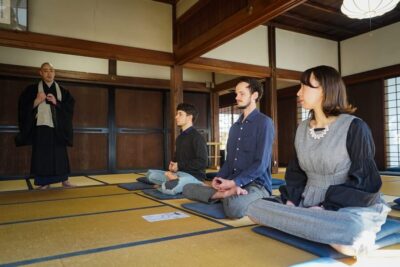
Zen Meditation and Garden Tour at a Temple with Lunch
Read our review →
Arashiyama Guided Tour, Bamboo, Monkey, Zen Temple
Read our review →Browse the lists this tour appears in