
Reviewed · HISTORICAL TOURS
Secrets of Ninjas X Samurais: Private History Tour to Iga & Koka
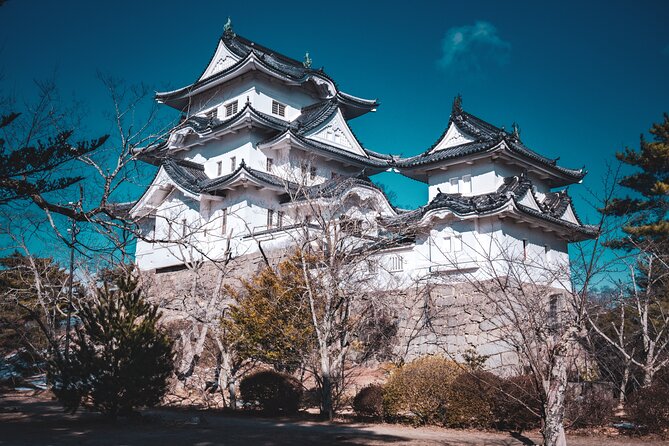
Ninjas were not just movie characters. This private six-hour trip takes you to Iga and Koka, the mountain regions tied to Japan’s famous shadow warriors, where you can enter a real ninja house with turning doors, secret passages, and concealed sword shelters. You’ll also visit Iga Ueno Castle and see samurai armor and swords linked to Japan’s warlord age.
I like the private air-conditioned van, which keeps the long rural drive comfortable and lets your group set the pace. I also like the chance to hear the story from an English-speaking guide such as Daiki Fukashi, whose clear explanations cover ninjas, samurai, geography, and everyday Japanese customs. The main drawback is timing: an afternoon visit may not include a ninja performance, and the two admission fees are extra.
Key points to know before booking
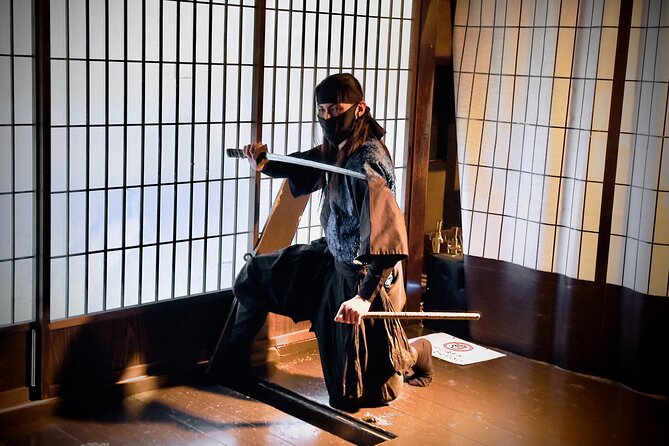
- Iga’s trick-filled ninja house: See flipping doors, secret routes, and spaces used to hide weapons.
- A real samurai castle: Visit Iga Ueno Castle and learn how it fit into Japan’s warring age.
- Private travel for up to six people: Your party stays together in a private vehicle with hotel pickup and drop-off.
- A guide-led history lesson: Daiki Fukashi is specifically praised for his fluent English and lively explanations.
- Two ninja regions in one day: Iga is linked with the Iga-Ryu school, while Koka is known for herbal skills.
- Scenic mountain roads: Spring brings cherry blossoms, and autumn brings maple color along the route.
Why Iga and Koka matter to ninja history
If your idea of a ninja comes mainly from films, manga, or theme parks, this tour gives you a useful correction. Iga and Koka were real mountain regions where local groups developed skills suited to difficult terrain, secrecy, travel, information gathering, and survival.
Iga is associated with the Iga-Ryu style and the Iga ninja clan, known in Japanese as Iga-shu. Koka, one of the other major ninja areas, was especially linked with herbal mixing skills. The point of the trip is not only to watch a staged stunt. You get a sense of the places where these traditions grew and why the mountains mattered.
The two regions also help you see that ninja was not one neat job title with one fixed set of skills. The people connected with these traditions worked within the politics and conflicts of their time. The mountain setting gave them cover, local knowledge, and routes that outsiders found harder to manage.
The road from Kyoto takes about an hour to reach Iga by car, then continues through rural areas. That drive is part of the experience. You are leaving Kyoto’s dense sightseeing zone and moving toward the quieter mountain setting tied to the subject.
More history-led days in Kyoto:
- Kyoto Gion: 2-Hour Geisha Culture & History Walking Tour
★ 5.0 · 1,186 reviews - Kyoto Gion Historical Walking Tour
★ 5.0 · 188 reviews - Historical Kyoto E-Bike Tour
★ 5.0 · 181 reviews
Inside Iga’s authentic ninja house
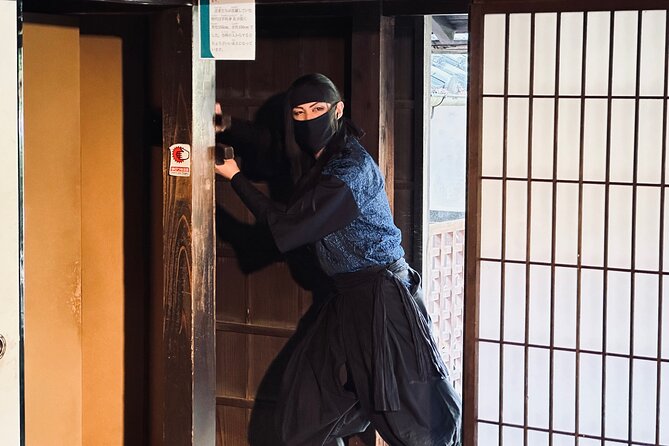
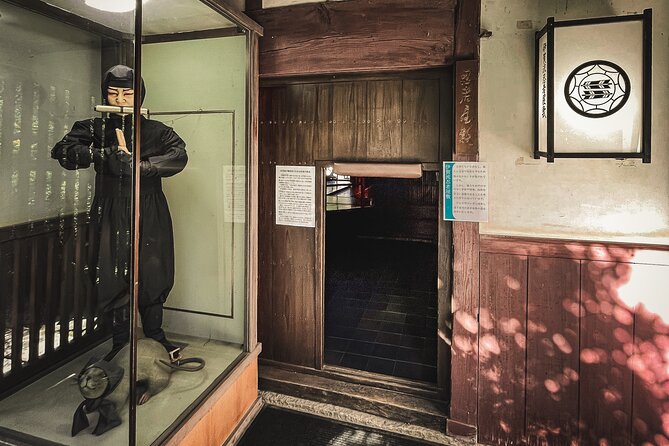
The Iga-ryu Ninja Museum is the most hands-on part of the day. The visit includes an authentic ninja house with practical tricks built into its structure. You can see doors that flip or turn, secret passages, and hidden places for swords.
These features work best when your guide explains why they were useful. A concealed space is more interesting when you understand how it could protect a person, hide equipment, or confuse an intruder. The house lets you think about ninja life as a set of practical problems rather than a collection of magical powers.
The museum visit is planned for about one hour. The admission fee is not included, and the listed price is ¥800 per person. That is a small extra cost, but you should include it in your budget before booking.
One point needs careful attention: a ninja performance may not be running during an afternoon tour. One family specifically wished they had seen one, so do not book this trip expecting a guaranteed show. The house and museum are still the core visit, but performance schedules can differ by timing and season.
I would treat the museum as a place for close observation. Look at how the rooms connect, ask your guide about each concealed feature, and compare the theatrical image of the ninja with the practical details in the building. Children and teenagers often have a natural advantage here because they enjoy spotting the tricks.
Iga Ueno Castle and the samurai side of the story
The trip then shifts from secret rooms to open military power at Iga Ueno Castle. The castle sits on a hill in central Ueno City and was first built in 1585, during the peak of Japan’s warring age. Its original role was connected with the defense of Osaka Castle.
That setting adds balance to the day. Ninja history can become too focused on mystery, while samurai history can become too focused on grand castles and famous warriors. Seeing both in one trip helps you understand how these worlds existed within the same period of conflict.
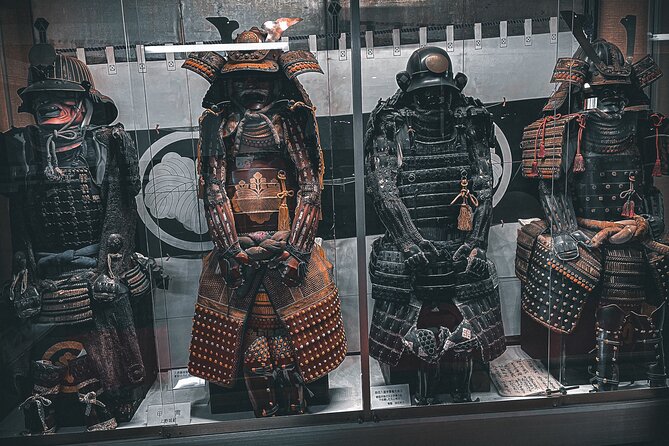
Inside and around the castle, you can learn about the samurai and see armor and katana swords associated with historical battles and shoguns. The visit lasts about an hour. Admission is ¥600 per person and is paid separately.
The hilltop position means some walking and stairs. The activity information also warns that parts of the day involve rough ground and steps, so comfortable shoes are sensible. This is not a difficult hike, but it is not a completely flat museum visit either.
I like this stop because it gives the tour a physical sense of scale. A hidden door tells you about secrecy. A castle tells you about defense, authority, and control. Put together, the two sites show different sides of the same era.
Seeing Iga beyond the museum
The wider Iga area receives about two hours in the plan. That matters because the region is more than a single attraction. Iga was independently run by the Iga ninja clan, and the town’s setting helps explain the area’s importance.
The region has also suffered major changes, including destruction from a large earthquake about two centuries ago. That means you should not expect every part of the historic setting to look untouched. The value comes from connecting the remaining places, the mountain roads, and the guide’s explanations.
A private tour is useful here because the subject is not always obvious from a quick walk through town. Your guide can connect local geography with the history of Iga and explain how the area fits into the larger story of Japanese warfare and regional power.
The schedule may adjust by season or other conditions. That flexibility is helpful, but it also means the exact order and amount of time at each stop may change. If a specific site matters most to you, mention it when you book or at the start of the day.
A few more Kyoto tours worth putting on the shortlist
- PERFECT KYOTO 1-Day Bus Tour
★ 5.0 · 13,518 reviews - Kyoto: Fushimi Inari, Kinkakuji, Bamboo Grove 1 Day Bus Tour
★ 4.8 · 4,316 reviews - Kyoto: Tea Ceremony in a Traditional Tea House in Kiyomizu
★ 4.9 · 3,519 reviews - Kyoto Geisha Walking Tour: Gion District & Hidden Gems
★ 4.7 · 3,273 reviews
Koka and the quieter ninja connection
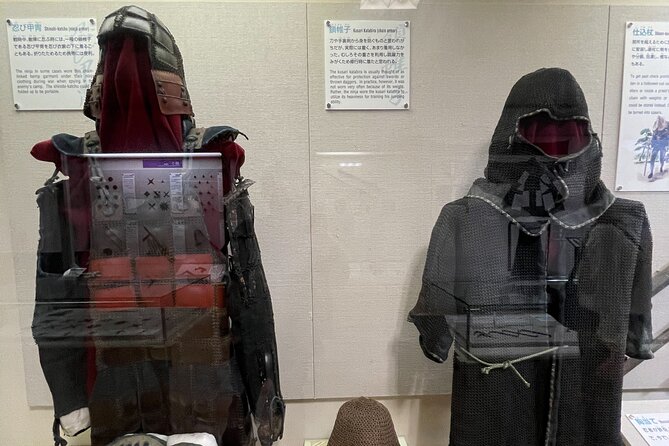
Koka is the second major ninja region included in the experience. It is known for groups with skills in herbal mixing, a useful reminder that ninja traditions involved more than fighting and disguise.
The Koka portion is planned for about one hour and includes time with a local expert. The description places the area in a forested mountain setting where people connected with the tradition trained. You will not simply be shown a list of ninja legends. The value is in seeing another region with its own identity and comparing it with Iga.
Iga is the better-known name, so Koka can feel like the less expected part of the day. For anyone interested in how local skills developed in different places, this is one of the tour’s more worthwhile details. It also prevents the trip from becoming a single-site museum visit.
Keep your expectations practical. The supplied information does not promise a performance, costume activity, or hands-on weapons lesson in Koka. You are going for the regional context and the guide’s explanation.
Shogunzuka Seiryuden Temple and Kyoto from above
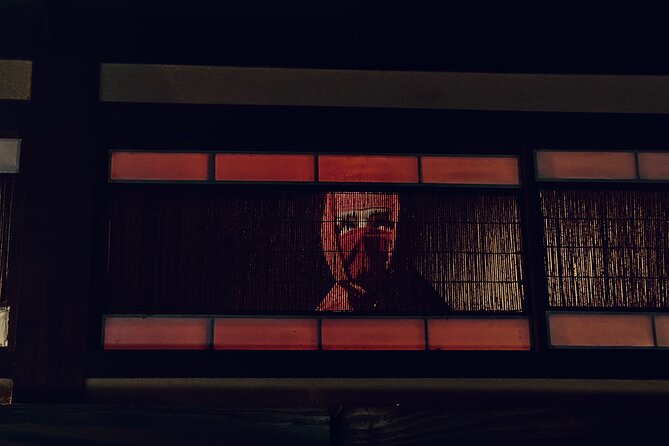
The tour also includes Shogunzuka Seiryuden Temple, located in the mountains behind Gion. The site is known as one of Kyoto’s best spots for viewing the city, and the visit is free.
This stop gives the day a change of pace. After hearing about ninja strongholds and samurai warfare, you can look back toward Kyoto and see the city in relation to the hills around it. The view helps explain why mountain routes and high ground mattered in Japanese history.
The temple is also popular with young Japanese couples today, but its name carries an older historical reference to a mound associated with a shogun. The mix of present-day local life and older tradition is part of what makes the stop useful.
Since the tour begins at 1:00 p.m. and lasts about six hours, daylight can affect the quality of the view, especially in winter. The route and stop order may change, so you should not assume the temple will be visited at sunset. Still, it is a worthwhile addition for anyone who wants more than indoor museums.
What the private vehicle adds
The tour includes a private, air-conditioned Nissan van for groups of two to six people. A single guest may use a Mini Cooper Convertible instead. Hotel pickup and drop-off are offered from three major cities, and the tour also covers parking, highway, and fuel fees.
The private format is the biggest practical advantage. I would choose it over a shared bus if your group values quiet travel, flexible conversation, and direct explanations. The roads to Iga and Koka take time, so having a comfortable vehicle matters more than it would on a short city tour.
A private guide also changes how you can use the day. You can ask about ninja history, samurai customs, Japanese geography, or modern habits as they come up. Daiki Fukashi is specifically praised for fluent English, enthusiasm, and his ability to explain both historic and modern Japan. If he is assigned to your group, expect the conversation to be an important part of the experience.
The vehicle is not a substitute for a walking tour. You will still encounter stairs, hills, and rough ground at some locations. Wear shoes that can handle an uneven surface, and be aware that the schedule packs several different types of stops into one afternoon and evening.
Is $257.35 a good value for up to six people?
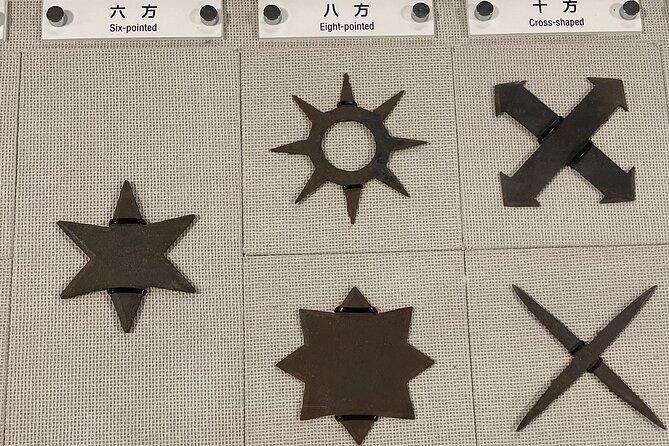
The listed price is $257.35 per group, not per person, for up to six people. That changes the value calculation. A group of six pays roughly $43 per person before admission fees, while a solo guest pays the full group rate. The tour is far more attractive for a family or group of friends than for one person.
You also avoid separate costs for fuel, highway travel, parking, and private transport. Those included items make the price easier to assess, especially since Iga and Koka are not right beside central Kyoto.
The two required admissions add ¥600 per person for Iga Ueno Castle and ¥800 per person for the Iga Ninja House. The information provided does not include the museum admission in the tour price, so confirm the current total when booking.
For a group, I think the price is fair if you want a private guide and do not want to organize the rural transport yourself. For a solo visitor, the cost is harder to justify unless the private format and ninja subject are especially important to you.
Who will enjoy this six-hour outing?
I would recommend this experience to families with older children, teenagers, history fans, and anyone who wants to connect Japanese pop culture with real places. The hidden doors and secret rooms give the day a playful side, while the castle and temple add more serious history.
It also suits visitors who have already seen Kyoto’s central temples and want a different kind of day outside the usual sightseeing loop. The mountain roads, seasonal trees, and smaller regional sites offer a change from crowded city attractions.
You may want to skip it if you need a fully predictable schedule, dislike car travel, or want a full day of live ninja demonstrations. The afternoon timing can mean missing a performance, and the total schedule is fairly busy.
The tour is private, so you do not have to match your pace to a large group. Still, you should expect a mixture of driving, walking, museum visits, stairs, and outdoor stops rather than one long activity.
Booking details worth keeping in mind
Pickup is offered directly from your hotel or another location in one of three major cities. The start time is 1:00 p.m., and the experience lasts about six hours, though the route can change with the season or other circumstances.
Confirmation is provided when you book. Service animals are allowed, and most people can take part, but the stairs and rough surfaces deserve attention if anyone in your party has walking concerns.
Free cancellation is available until 24 hours before the start time. If you cancel or request changes later than that, the payment is not refunded. The cutoff uses local time.
Should you book Secrets of Ninjas X Samurais?
Book it if you want a private, guide-led look at the real places behind Japan’s ninja tradition, especially if you are traveling with several people. The combination of Iga’s trick-filled house, Iga Ueno Castle, Koka’s regional story, and the Kyoto view gives the day more substance than a single museum visit.
I would not book it solely for a ninja show. Afternoon timing may not include a performance, and the experience is stronger as a history and culture outing than as a staged entertainment package.
For a group of four to six, the private vehicle and English-speaking guide make the price attractive. For one person, compare the cost carefully. If Daiki Fukashi leads your visit, his fluent English and broad explanations can make the long drive feel like part of the lesson rather than dead time. For the right group, this is a smart way to trade Kyoto’s familiar streets for the mountain roots of ninja and samurai history.
FAQ
How long does the tour last?
The experience lasts approximately six hours.
What time does the tour start?
The listed start time is 1:00 p.m.
How many people can join the private tour?
Up to six people can participate in one group.
Is transportation included?
Yes. The tour includes a private, air-conditioned Nissan van for groups of two or more, or a Mini Cooper Convertible for one guest. Parking, highway, and fuel fees are included.
Are hotel pickup and drop-off available?
Yes. Direct pickup and drop-off are offered from your hotel or another location in three major cities.
Are admission fees included?
No. Iga Ueno Castle costs ¥600 per person, and the Iga Ninja House costs ¥800 per person. These fees are paid separately.
Is the tour suitable for people with limited mobility?
Most people can participate, but some locations have stairs and require a little walking on rough ground. Service animals are allowed.
Newest Kyoto experiences on the site
- Treasures of Kyoto: Gion & historical Walking Tour★ 5.0 · 6 reviews
- Whisk Your Own Matcha: A Zen Matcha Experience at Temple★ 3.6 · 7 reviews
- Kyoto tea town for matcha lovers★ 5.0 · 16 reviews
- Uji: Private immersion into Kyoto’s tea and reglious culture★ 5.0 · 17 reviews
- Kyoto Matcha Green Tea Tour★ 4.5 · 23 reviews
- Uji and Wazuka Matcha Farm Half Day Private Guided Tour★ 5.0 · 21 reviews
- Utilising upcycled Matcha! Creating matcha incense (Uji, Kyoto)★ 5.0 · 6 reviews
- Sacred Temple Yoga Experience in Japan★ 5.0 · 3 reviews
Historical Tours, compared.

Kyoto Gion: 2-Hour Geisha Culture & History Walking Tour
Read our review →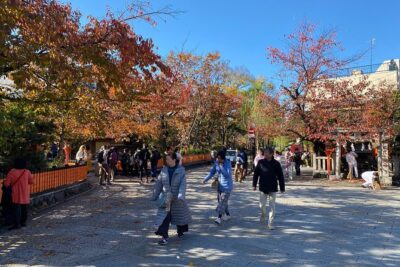
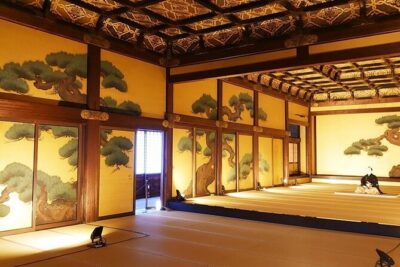
Nijo Castle World Heritage Guided Tour with Admission
Read our review →
Nara History Guided Half Day Bus Tour with Lunch
Read our review →
Private car tour Let’s uncover secrets of majestic Kyoto history
Read our review →Browse the lists this tour appears in