
Reviewed · KYOTO SAKE TASTINGS
Private Sake Tasting in Central Kyoto with Sake Sommelier
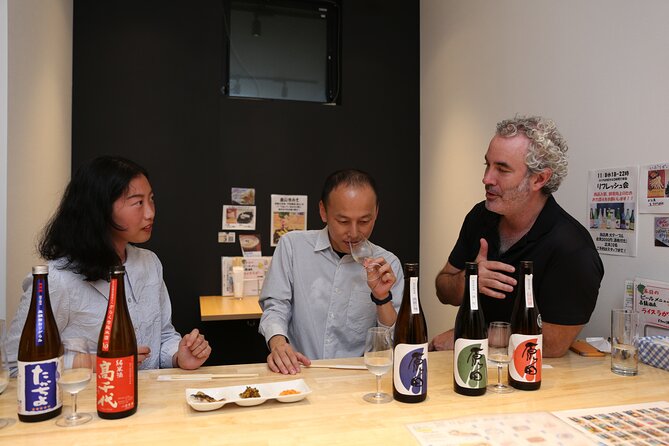
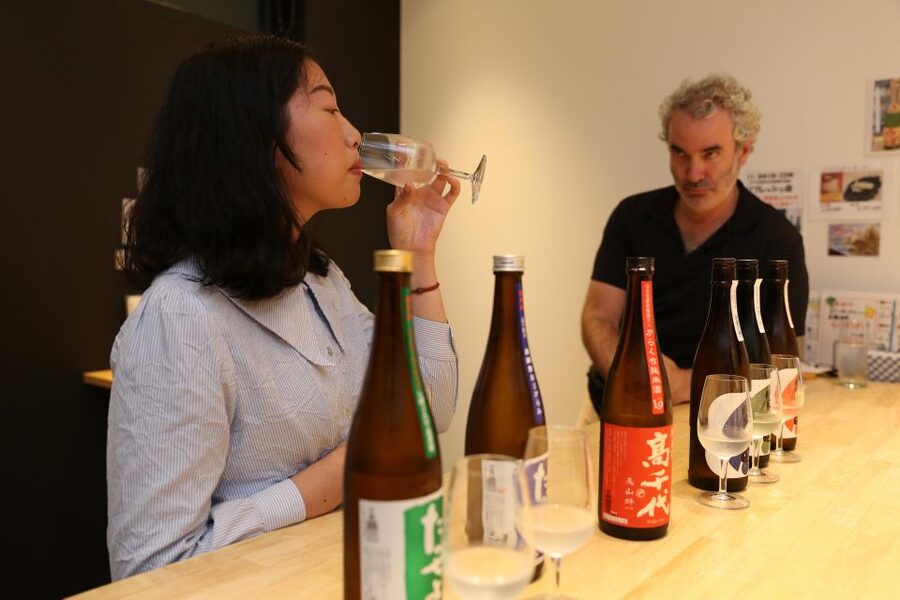
The most useful part of this Kyoto experience is not simply drinking eight sakes. It is learning how to tell them apart, then figuring out what you actually like. Kenji, an English-speaking sake sommelier with years in the industry, leads you from a central meeting point to a standing sake bar where the tasting feels informal and local.
I like the small private format, limited to one to four people, and the way Kenji adjusts the selection to your preferences. I also like the practical lessons: how sake is made, how to order it in a restaurant, and how to understand the word nihonshu, the Japanese name for sake.
The main drawback is the setting. You will spend the tasting without seats, so comfortable shoes matter, and this is not the right choice if you want a quiet, formal tasting room or a full meal. You must also be at least 20, and pregnant women cannot join.
Key points at a glance
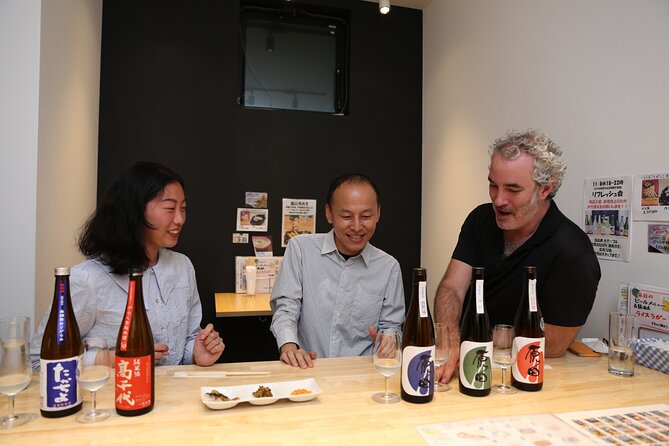
- Eight Japanese sakes: Taste a broad selection from across Japan, with styles chosen to help you compare flavors and find a favorite.
- Kenji leads the tasting: He speaks English and Japanese and brings professional sake-industry experience to the session.
- A real standing bar: The venue has no seats, giving the experience an easygoing bar feel but requiring comfortable footwear.
- Small private group: The group size is one to four people, so you can ask plenty of questions and shape the tasting around your preferences.
- Sake and traditional snacks: The included food gives you something to nibble while you taste.
- Central Kyoto location: Meet near Shijo and Karasuma, then walk about ten minutes to the bar.
Why this tasting is more useful than simply ordering sake
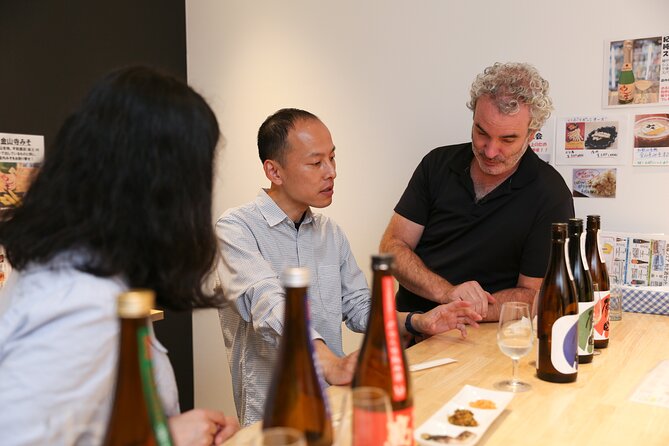
Sake can look confusing on a menu. Labels may list rice varieties, polishing levels, brewing methods, serving temperatures, and regional names, but none of that helps much if you do not know what the terms mean.
Kenji’s role is to make those details useful. He explains the ingredients and production process, then connects that information to what you taste in the glass. That is the difference between a tasting that gives you a few drinks and one that helps you order with confidence later.
You learn about sake as a drink, but also as nihonshu, a category with its own vocabulary and traditions. Past participants have used the session to ask about Japanese food, local cuisine, and basic Japanese language. That open question-and-answer style sounds like a good fit if you want conversation rather than a rehearsed lecture.
The tasting is also designed to help you discover your own preferences. Kenji can choose pours based on whether you prefer something dry, fragrant, smooth, bold, or unusual. The supplied details do not list the exact brands or labels served, and selections may change, but the stated plan is eight sakes from different parts of Japan.
One note is worth knowing. The general description promises eight tastings, while one past account described six pours. That may reflect a different session or changing serving choices. If the exact number matters to you, ask Kenji when you book.
More sake tastings in Kyoto:
- Kyoto Night Foodie Tour in Gion (9+ dishes + 6 Sake tastings)
★ 5.0 · 1,762 reviews - 3-Hour Kyoto Insider Sake Brewery Tour with Tastings & Pairings
★ 5.0 · 917 reviews - Arashiyama Bamboo, Temple, Monkeys, or Secret Sake Brewery
★ 4.8 · 886 reviews
Meeting Kenji near Shijo and Karasuma
Your meeting point is at 18 Naginatabokocho, near the intersection of Shijo and Karasuma streets. The directions point you toward the imposing Mitsui Building on the northeast corner. Kenji will wait outside with a LINNELL’S backpack.
This is a practical place to meet because Shijo and Karasuma are central Kyoto landmarks. Still, allow a little time to identify the correct building and guide, especially if you are arriving during a busy part of the day. You are not being collected from your hotel, and transportation to or from the experience is not included.
From the meeting point, you walk about ten minutes to the sake bar. The walk is short, but it is part of the plan, so wear shoes you can comfortably stand and walk in. The experience itself lasts two hours, not counting any extra time you spend getting to the meeting point or continuing into the neighborhood afterward.
A standing bar in central Kyoto
The bar is deliberately informal. There are no seats, so you will stand while tasting and talking with Kenji. That may sound minor, but it shapes the whole mood. You are not settling in for a long dinner or a formal seminar. You are having drinks at a compact local-style bar with a guide who can explain what is in your glass.
I like this setting for a sake lesson because it keeps the focus on the drink and the conversation. A standing bar can also feel more immediate than a classroom. You can ask about a label, taste the next pour, and compare the two without a lot of ceremony.
The tradeoff is comfort. If standing for two hours is difficult, this is a serious consideration. The activity specifically advises comfortable shoes, and that advice is worth taking. There is no promise of seating, hotel pickup, or a meal beyond traditional Japanese snacks.
The phrase very cool standing bar describes the atmosphere, not a luxury venue. You should expect a casual place rather than polished furniture, private dining, or a grand tasting room. That is part of the appeal for some people and a limitation for others.
How the sake lesson unfolds
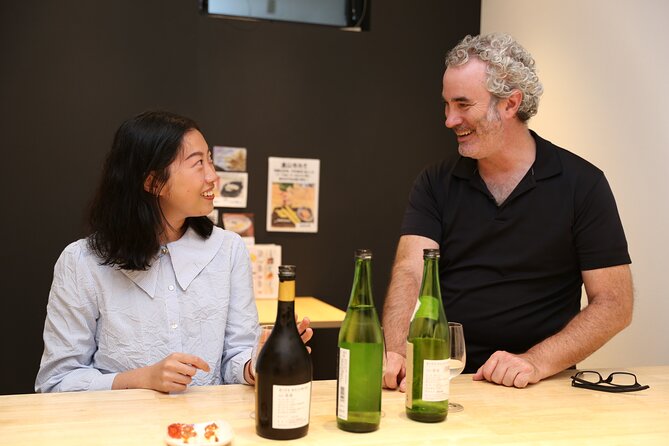
The session covers the basics of production, including the ingredients and the process behind sake. You will hear why different brewing choices create different styles, then taste examples from across Japan.
The value here is comparison. Eight small servings can show you that sake is not one uniform drink. Some pours may be clean and light, while others may seem fuller, sweeter, drier, fruitier, or more earthy. One past participant especially liked an unpasteurized sake, which suggests that the selection may include less familiar styles rather than only the safest, most widely known bottles.
Kenji also explains how to order and enjoy sake. That matters once you leave the bar. Instead of pointing to a menu and choosing at random, you can describe what you want and ask better questions. You may not remember every production term, but you should leave with a clearer sense of your own palate.
The lesson is not only technical. Historical references, Japanese food, and local drinking customs can enter the conversation. If you enjoy asking questions, the private group format gives you room to do that. If you prefer to sit quietly and sample without discussion, the guide-led structure may feel more active than you want.
Same city, a completely different kind of day:
- PERFECT KYOTO 1-Day Bus Tour
★ 5.0 · 13,518 reviews - Kyoto: Fushimi Inari, Kinkakuji, Bamboo Grove 1 Day Bus Tour
★ 4.8 · 4,316 reviews - Kyoto: Tea Ceremony in a Traditional Tea House in Kiyomizu
★ 4.9 · 3,519 reviews - Kyoto Geisha Walking Tour: Gion District & Hidden Gems
★ 4.7 · 3,273 reviews
Eight pours, snacks, and finding your favorite
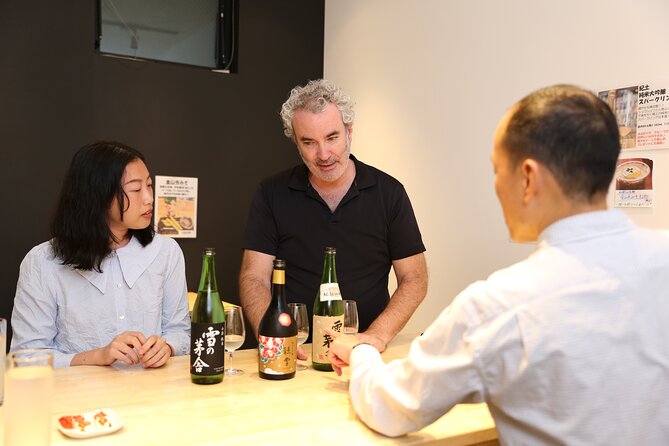
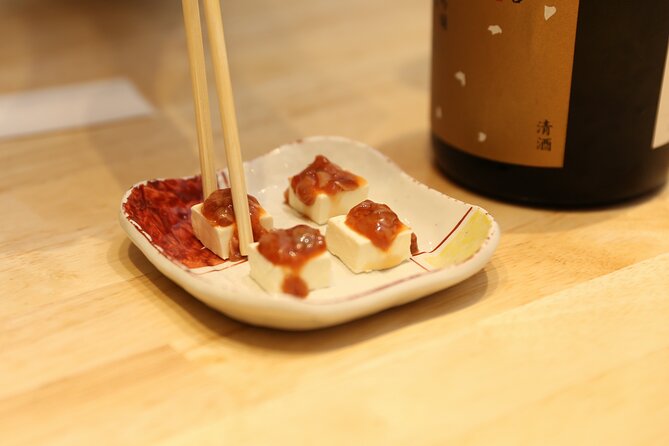
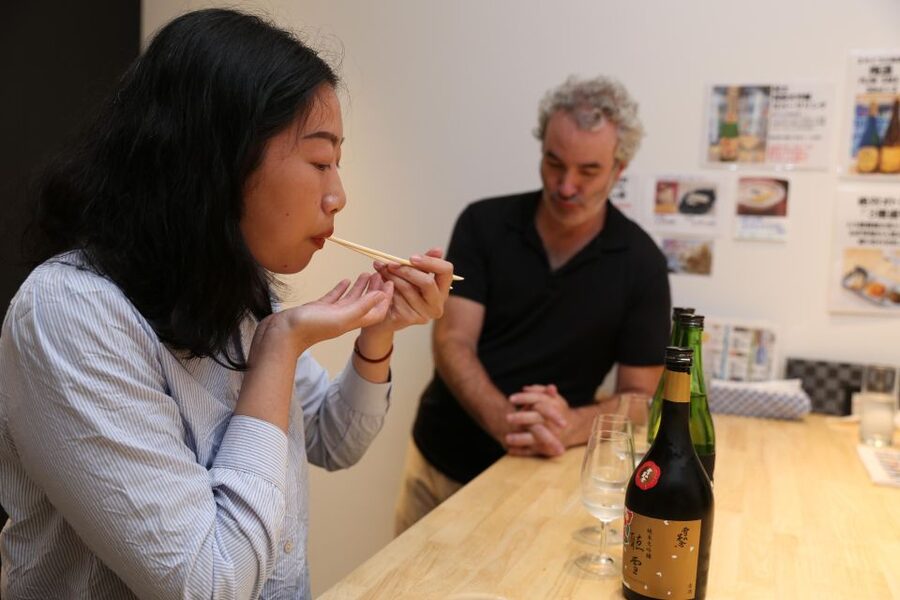
The advertised tasting includes eight excellent sakes and traditional Japanese snacks. The snacks are not presented as a full meal, so plan to eat separately if you need lunch or dinner. Their practical purpose is to give you something familiar to nibble while you compare the drinks.
I like the idea of tasting across Japan rather than sampling several bottles from one producer. Regional differences can make the session feel more like a tour of Japanese sake than a single-brand introduction. The exact places and labels are not provided in advance, so do not book this expecting a fixed list.
Kenji’s recommendations are meant to respond to your preferences. A past participant described the tasting as a way to try types they would not have found alone. Another said the choices were tailored to individual tastes. That is important because a good first sake experience should not force you into a style you dislike.
The private format helps here. With one to four people, the group is small enough for each person to explain preferences and ask for comparisons. Couples, solo visitors, and small groups of friends can all fit the format. If four people have very different tastes, the tasting may become a useful comparison between preferences rather than one shared path.
Drink responsibly. Eight tastings over two hours can add up, even when each pour is small. Since you are walking to and from the bar, plan the rest of your day sensibly and avoid scheduling anything that requires you to rush immediately afterward.
What makes Kenji a strong guide
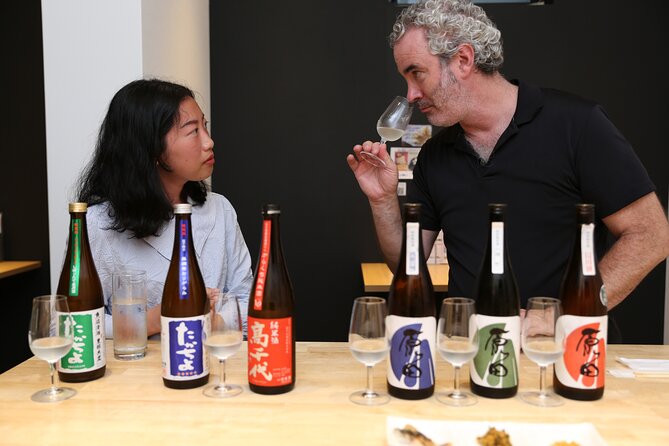
The clearest strength of this activity is Kenji himself. He has worked in the sake industry for years and is described as a certified international sake sommelier. He speaks English and Japanese, and several past participants appreciated how clearly he explained technical points.
That does not mean you need prior interest in sake. The tone is meant to be relaxed, with room for basic questions. You can ask what a term means, why one drink tastes different from another, or what to order with Japanese food.
Kenji has also helped people with practical Kyoto questions. One past participant received restaurant suggestions and help making a reservation for Japanese barbecue afterward. That kind of assistance is not listed as a formal part of the activity, so you should not book it as a restaurant-planning service. Still, it shows how the conversation may extend beyond the tasting if time and circumstances allow.
The strongest praise focuses on three things: his ability to explain sake simply, his attention to personal preferences, and his friendly manner. People have described the time as similar to having a drink with a well-informed local friend. That is a useful way to picture the experience, as long as you remember that the main purpose remains sake education.
Price, group size, and overall value
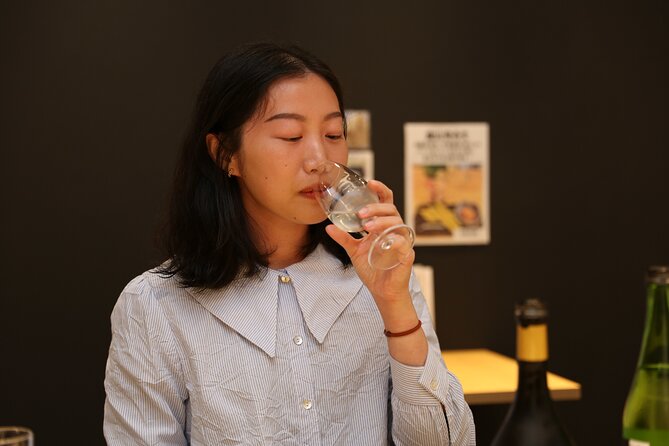
The price is $83 per person for two hours. That is not the cheapest way to have a drink in Kyoto, but the comparison should be with a guided tasting, not an ordinary bar visit.
Your fee covers the guide, eight planned sake tastings, and traditional snacks. It also buys interpretation. You are paying someone to explain production, identify styles, answer questions, and help connect the drink to your own tastes. For someone who would otherwise feel lost in a sake shop or restaurant, that guidance can be worth more than the drinks alone.
The value improves for a couple or small private group that wants a personal conversation. A solo visitor can also book, since the minimum group size is one. Groups of four receive a private session, but each person should still be ready to share the guide’s attention.
The value is weaker if you already know sake well and mainly want a large selection without instruction. In that case, a bar or shop may offer more freedom for less money. It is also not the best match if you want a seated meal, hotel transportation, or an evening built around nightlife.
Free cancellation is available up to 24 hours before the start time, and you can reserve while paying later. Starting times depend on availability. Those terms help if your Kyoto schedule is still moving, but they do not remove the need to check the meeting point and plan your route.
Who should book this Kyoto sake experience
I would recommend it most strongly to adults who want an introduction that is both social and practical. It suits you if you have tried sake but cannot yet tell one style from another, or if you want to order more confidently during the rest of your Japan trip.
It is also a good match for curious food lovers. The snacks, discussion of Japanese cuisine, and chance to ask about local restaurants make the session broader than a simple alcohol tasting. Couples and small groups should find the private format especially comfortable.
You may want to skip it if you cannot stand for two hours, if you are pregnant, or if you are under Japan’s legal drinking age of 20. You should also choose another activity if you need a full meal, a seated venue, hotel pickup, or a fixed list of exact bottles.
The language setup is useful for international visitors. The tour is offered in English and Japanese, with an English-speaking sommelier leading the experience. You do not need to arrive with sake vocabulary, and the format leaves room to ask simple questions.
Should you book it?
Book this tasting if you want to understand sake well enough to make better choices later, not just collect a few drinks in Kyoto. Kenji’s professional background, clear English explanations, small private groups, and preference-based selections give the two hours real purpose.
I would be cautious only if standing is a problem or if you expect a formal seated tasting with a full dinner. For most adults who like Japanese food, enjoy conversation, and want a relaxed way to learn, $83 is a fair price for a personal introduction to a drink that can otherwise seem hard to decode.
FAQ
Where does the sake tasting meet?
Meet near the intersection of Shijo and Karasuma streets, outside the Mitsui Building on the northeast corner. Kenji will be identifiable by his LINNELL’S backpack.
How far is the bar from the meeting point?
The walk from the meeting point to the sake bar takes about ten minutes.
How long does the activity last?
The tasting lasts two hours. Starting times depend on availability.
How many sakes will I taste?
The experience includes tastings of eight sakes from across Japan. One past session described six pours, so the exact number may vary.
Is the tasting seated?
No. The bar is a standing venue with no seats. Comfortable shoes are recommended.
Who can join the tasting?
You must be at least 20 years old. Pregnant women and people under 20 cannot join. The private group size is one to four people.
More Bars and Sake Stops in Kyoto
- Kyoto: Izakaya Bars Guided Walking Tour
★ 4.9 · 815 reviews - Kyoto: Insider Sake Brewery Tour with Sake and Food Pairing
★ 5.0 · 704 reviews - Kyoto Sake Brewery & Tasting Walking Tour
★ 5.0 · 623 reviews - Kyoto Bar Hopping Night Tour
★ 5.0 · 613 reviews
Newest Kyoto experiences on the site
- Treasures of Kyoto: Gion & historical Walking Tour★ 5.0 · 6 reviews
- Whisk Your Own Matcha: A Zen Matcha Experience at Temple★ 3.6 · 7 reviews
- Kyoto tea town for matcha lovers★ 5.0 · 16 reviews
- Uji: Private immersion into Kyoto’s tea and reglious culture★ 5.0 · 17 reviews
- Kyoto Matcha Green Tea Tour★ 4.5 · 23 reviews
- Uji and Wazuka Matcha Farm Half Day Private Guided Tour★ 5.0 · 21 reviews
- Utilising upcycled Matcha! Creating matcha incense (Uji, Kyoto)★ 5.0 · 6 reviews
- Sacred Temple Yoga Experience in Japan★ 5.0 · 3 reviews
Kyoto Sake Tastings, compared.
Kyoto Night Foodie Tour in Gion (9+ dishes + 6 Sake tastings)
Read our review →
3-Hour Kyoto Insider Sake Brewery Tour with Tastings & Pairings
Read our review →
Arashiyama Bamboo, Temple, Monkeys, or Secret Sake Brewery
Read our review →
Insider Sake Brewery Tour with Sake and Food Pairing
Read our review →
1.5-Hour Kyoto Insider Sake Experience with 7 Tastings & Pairings
Read our review →
Insider Sake Experience with 7 Tastings and Snacks
Read our review →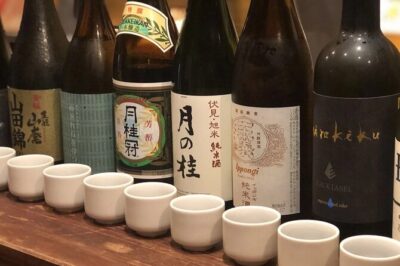
Private Tea Ceremony and Sake Tasting in Kyoto Samurai House
Read our review →Browse the lists this tour appears in