
Reviewed · WORKSHOPS
Private Koto Lesson in Kyoto with a Professional Koto Performer
The best part of this Kyoto activity is that you do not just watch a traditional art from the sidelines. You sit at a koto, receive patient instruction from a professional performer, and work toward playing Sakura yourself. The lesson also explains the instrument’s place in Japanese ceremonies and musical tradition.
I like the private format, since your group receives the teacher’s full attention. I also like that the session works for a wide age range, from children as young as three to older adults. The main consideration is that this is a short introduction, not a full music course, and private transportation to the studio is not included.
Key points to know
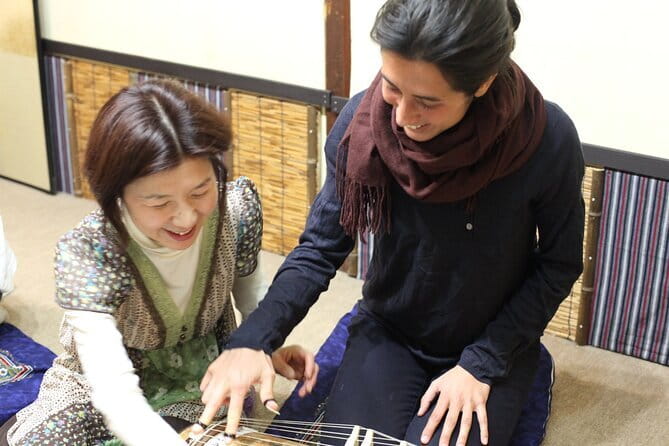
- You play the koto yourself: The lesson is hands-on, with guidance from a professional performer rather than a simple demonstration.
- You learn Sakura: The familiar traditional song gives the lesson a clear goal and lets beginners hear their progress.
- The group is private: Only your party participates, which is useful for families and mixed-age groups.
- Tea and a performance follow the lesson: You can take a break and hear your teacher play after your own practice.
- The price includes the essentials: The $60 fee covers the koto, music notation, lesson, and all taxes and fees.
- The meeting point is Soushunan: The studio is at 288-2 Higashishinmeicho in Kyoto’s Kamigyo Ward, near public transportation.
Sitting down at the koto in Kyoto
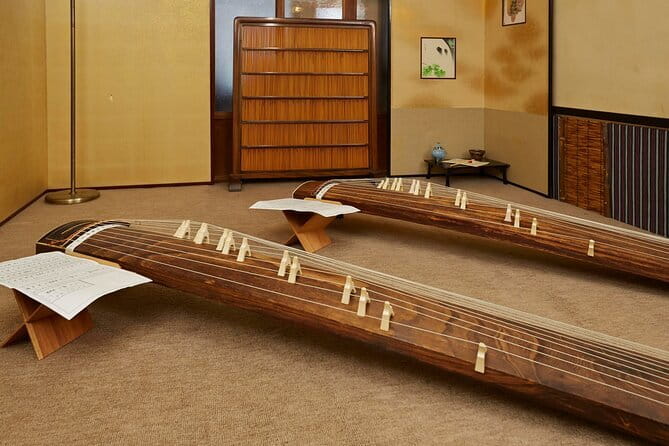
The lesson takes place at Soushunan, a dedicated meeting point in Kyoto’s Kamigyo Ward. You go there for an 80-minute session centered on the koto, a traditional Japanese instrument used in formal ceremonies and other important cultural settings.
That setting gives the activity a different feel from a standard sightseeing stop. You are not simply looking at an old object behind glass. You are shown how to use the instrument and then asked to try it yourself, with a professional performer guiding each step.
The activity is designed for beginners. You do not need to bring a musical instrument, music notation, or other lesson materials. Everything needed for the session is provided, including the koto itself and the notation for the music.
Because only your group participates, the teacher can adjust the pace to suit the people in your party. That matters if one person has some musical experience while another has never played an instrument. It also helps with families, since children and adults may need different kinds of support.
The studio is near public transportation, but transportation from your hotel or another Kyoto sight is not included. Give yourself enough time to reach the address in Kamigyo Ward. A private lesson is easier to enjoy when you arrive without rushing.
More craft workshops in Kyoto:
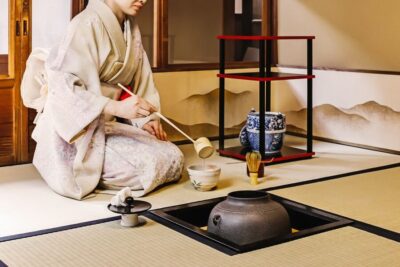
- Kyoto: 45-Minute Tea Ceremony Lesson Experience
★ 4.3 · 2,378 reviews - Ramen Cooking Class at Ramen Factory in Kyoto
★ 5.0 · 1,937 reviews - Kyoto : Chopsticks Making Workshop in Gion with Engraving Option
★ 5.0 · 958 reviews
What you learn during the 80-minute lesson
The session has a simple and sensible shape. You first get help with the instrument and the basic method of playing it. The teacher then guides you through a traditional Japanese song, with Sakura as the main piece.
The exact technical steps are not set out in advance, so I would treat this as an introduction rather than a fixed conservatory-style class. The goal is to give you a real first encounter with the koto and help you play part of a recognizable song by the end.
That makes Sakura a good choice for a short lesson. You have a clear musical target instead of spending the full session on isolated exercises. The song is also closely associated with Japan, so learning it connects the physical act of playing with a familiar part of Japanese culture.
The teacher also explains the history and tradition behind the instrument. This context gives the practical lesson more meaning. You learn not only how to make sounds, but why the koto matters in Japanese cultural life and formal ceremonies.
The lesson is not described as a performance workshop or an advanced technical course. If you already play the koto, you may find the beginner focus too basic. For a first encounter, though, the format makes sense. You get enough instruction to make the instrument approachable without committing to a long series of classes.
Why the private format matters
A private activity can be worth more than a cheaper group class when the skill is unfamiliar. The teacher can watch your hands, correct your approach, and spend extra time on a difficult section without holding up a room full of other participants.
That is especially useful for children. One parent described the teacher as kind and patient while teaching her son, who worked hard and managed to play Sakura by the end. The account suggests that young beginners can receive direct encouragement rather than being expected to keep pace with adults.
The activity welcomes people from age three through older adults. That does not mean every three-year-old will concentrate for the entire 80 minutes, of course, but it does show that the lesson is meant to be approachable rather than physically demanding or limited to trained musicians.
Families can take the lesson together, which gives the outing a shared purpose. You are not dividing up for separate activities, and everyone can hear the same explanations and try the same instrument. The private setup also makes it easier to ask questions without worrying about interrupting a larger class.
There is one trade-off. A private lesson has a fixed length, so a larger family group may have less individual playing time than a solo participant. The supplied details do not specify the maximum group size or how playing time is divided, so ask the operator if that is important to your booking.
The teacher’s role and the live performance
The instructor is a professional koto performer, not simply a guide offering a casual cultural demonstration. That distinction matters because the session combines basic teaching with access to someone who performs the instrument at a high level.
You receive help while playing, then have the chance to hear the teacher perform. The performance comes after the lesson, along with a tea break. This creates a useful contrast: first you struggle through the basics, then you hear what the instrument can sound like in expert hands.
I like that order. If you hear the performance before trying the koto, you may admire the result without understanding the work behind it. Playing first gives you a better ear for the performer’s control and skill.
The teacher’s name is not provided in the available information, so I would not choose this activity based on a named instructor. Choose it for the professional-performer format, private attention, and chance to play the instrument yourself.
The performance also gives the session a calm ending. You can pause with tea, listen, and let the cultural side of the experience sink in after the concentration of the lesson. It is a modest addition, but it helps the class feel like more than a quick instructional appointment.
A few more Kyoto tours worth putting on the shortlist
- PERFECT KYOTO 1-Day Bus Tour
★ 5.0 · 13,518 reviews - Kyoto: Fushimi Inari, Kinkakuji, Bamboo Grove 1 Day Bus Tour
★ 4.8 · 4,316 reviews - Kyoto: Tea Ceremony in a Traditional Tea House in Kiyomizu
★ 4.9 · 3,519 reviews - Kyoto Geisha Walking Tour: Gion District & Hidden Gems
★ 4.7 · 3,273 reviews
The cultural value of playing, not just watching
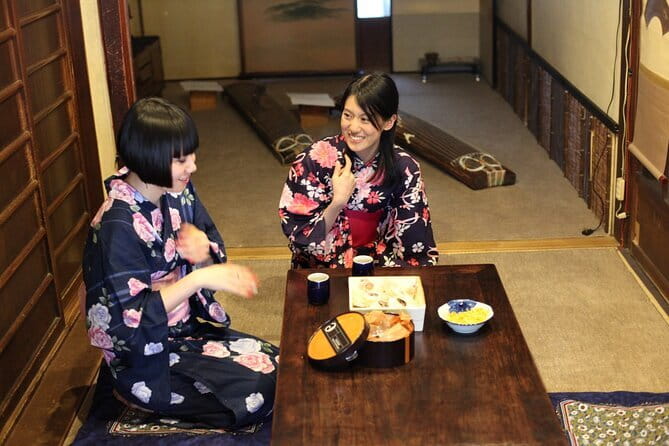
Many Kyoto activities offer a view of Japanese tradition through architecture, clothing, food, or performance. This one adds a physical element. You handle the instrument, follow notation, and produce part of a traditional song.
That hands-on role can make the cultural context easier to remember. Formal ceremonies may seem distant when described in a museum label, but the koto becomes more understandable once you have tried to control it yourself.
The lesson also presents traditional music as something open to beginners. You do not need to be Japanese, musically trained, or familiar with the koto before arriving. The activity is built around explanation and guidance.
The cultural lesson stays focused. You are not given a long lecture covering every part of Japanese music. Instead, the background is tied to the instrument you are holding and the song you are learning. For a visitor with limited time in Kyoto, that direct approach is useful.
I would not book this expecting a full account of the koto’s development or a detailed study of Japanese ceremonial music. The information promises an introduction to the instrument’s history and tradition, not an academic seminar. Its value comes from combining context with practice.
How the $60 price works for you
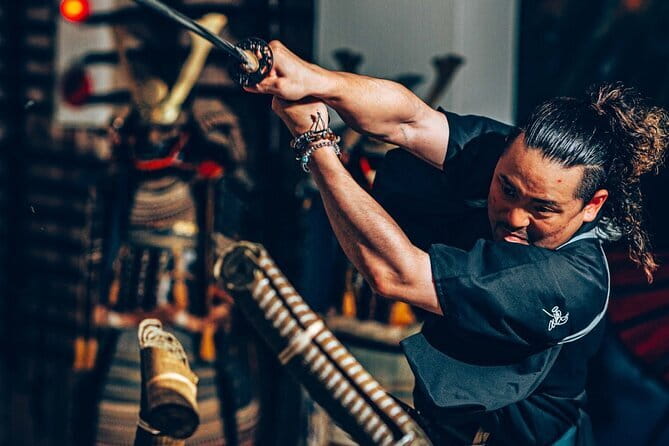
At $60 per person, this is not a free cultural demonstration, but the price includes the main costs that could otherwise make a lesson feel uncertain. The koto usage fee, lesson fee, all taxes, and other stated fees are included.
You do not need to rent an instrument separately or purchase music notation. There are also no additional fees for the tea break or the teacher’s performance listed in the price details.
That makes the fee easier to assess. You are paying for an 80-minute private activity led by a professional performer, not just admission to a short show. The value is strongest if you want direct instruction and a cultural activity you can share with family.
The price may feel less attractive if you only want to hear koto music. In that case, a lesson may include more hands-on practice than you need. It also may not suit you if your main goal is advanced training, since the activity is designed for beginners and a single session cannot provide long-term progress.
The booking pattern gives one practical clue: the activity is booked an average of 57 days ahead. That does not guarantee every date will sell out, but it suggests you should not leave it until the last minute if the lesson is important to your Kyoto plans.
Timing this around a Kyoto day
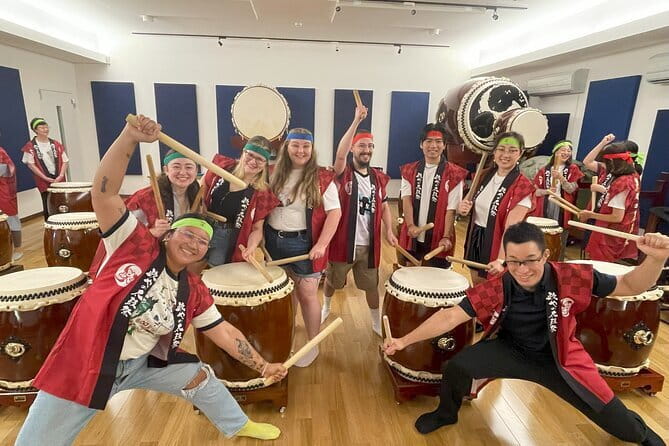
The activity lasts about one hour and 20 minutes and begins and ends at the Soushunan meeting point. Since private transportation is not included, plan the route before setting the appointment into a busy sightseeing day.
The end point is the same as the start point, so you do not need to arrange a pickup elsewhere. That makes it easier to follow with another Kyoto activity, provided you allow time to travel from the studio.
I would avoid placing this directly between two tightly timed reservations. You may want a few unhurried minutes before the lesson to find the address, and the tea break and performance are part of the appeal. Rushing away immediately afterward would undercut the relaxed finish.
The experience is near public transportation, which is useful in Kyoto, where walking time and transfers can add up. The exact station or route is not specified, so check the final meeting instructions after booking rather than relying only on a general map search.
Confirmation is sent within 48 hours of booking, subject to availability. That is another reason to reserve ahead if your dates are fixed.
Who will enjoy this most
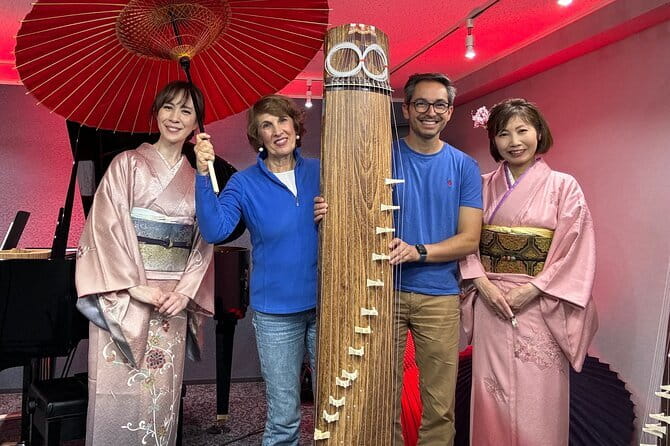
I would put this activity high on the list for families looking for something everyone can do together. The age range is unusually broad, and the private setting gives a teacher room to work with both children and adults.
It also suits anyone who wants a cultural activity with participation built in. You leave with a clearer sense of how the koto is played, not just a photograph or a brief explanation.
Music lovers may appreciate the chance to hear a professional performer after attempting the instrument themselves. Even if you do not plan to study koto further, that contrast can make the performance more meaningful.
The lesson is also a good choice for repeat visitors to Kyoto who have already seen temples and shrines and want a different kind of cultural encounter. It focuses on sound, touch, and instruction rather than architecture or food.
I would think twice if you dislike structured activities or want a fully spontaneous stop. The lesson has a scheduled duration, a set meeting point, and a clear teaching goal. It is also not the best match for someone seeking advanced musicianship in one sitting.
Practical details before you reserve
The experience uses a mobile ticket, so keep your booking information available on your phone. The meeting point is Soushunan, at 288-2 Higashishinmeicho, Kamigyo Ward, Kyoto, 602-8162, Japan.
Service animals are allowed, and most people can participate. The activity is private, but the available details do not specify wheelchair access, the maximum number of participants, or how much of the lesson is spent playing individually. Contact the provider if any of those points affect your plans.
The cancellation terms are reasonable but time-sensitive. You receive a full refund if you cancel at least 24 hours before the local start time. Cancellations or changes made less than 24 hours ahead are not accepted for a refund.
The activity has a five out of five rating from 13 reviews and a 100 percent recommendation rate. Those figures point to a strong record, though the sample is small. The most consistent strengths are the teacher’s patience, the professional playing, and the satisfaction of getting through Sakura during one lesson.
Should you book the koto lesson?
Book it if you want a small-scale Kyoto cultural activity with real participation, especially if you are traveling with family or someone who learns best by doing. The professional teacher, private setting, included equipment, tea break, and performance make the $60 fee reasonable for an 80-minute session.
Skip it if you only want a concert, need private transportation, or expect an advanced music course. For everyone else, this is a thoughtful way to spend part of a Kyoto day: you learn the basics, hear the instrument at its best, and leave with a modest but memorable musical accomplishment.
FAQ
Where does the koto lesson take place?
The lesson takes place at Soushunan, located at 288-2 Higashishinmeicho, Kamigyo Ward, Kyoto, 602-8162, Japan.
How long does the activity last?
The lesson lasts approximately one hour and 20 minutes.
What song will I learn?
The instructor will teach you to play Sakura, a traditional Japanese song.
Is the activity private?
Yes. Only your group participates in the activity.
Are instruments and music provided?
Yes. The koto instrument, music notation, and lesson are included.
Is transportation included?
No. Private transportation is not included, although the meeting point is near public transportation.
Can I cancel for a full refund?
Yes. You can receive a full refund if you cancel at least 24 hours before the experience start time. Changes or cancellations made less than 24 hours before the start time are not accepted for a refund.
Newest Kyoto experiences on the site
- Treasures of Kyoto: Gion & historical Walking Tour★ 5.0 · 6 reviews
- Whisk Your Own Matcha: A Zen Matcha Experience at Temple★ 3.6 · 7 reviews
- Kyoto tea town for matcha lovers★ 5.0 · 16 reviews
- Uji: Private immersion into Kyoto’s tea and reglious culture★ 5.0 · 17 reviews
- Kyoto Matcha Green Tea Tour★ 4.5 · 23 reviews
- Uji and Wazuka Matcha Farm Half Day Private Guided Tour★ 5.0 · 21 reviews
- Utilising upcycled Matcha! Creating matcha incense (Uji, Kyoto)★ 5.0 · 6 reviews
- Sacred Temple Yoga Experience in Japan★ 5.0 · 3 reviews
Workshops, compared.
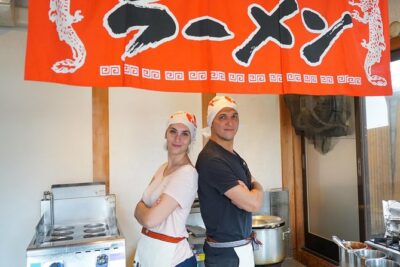
Ramen Cooking Class at Ramen Factory in Kyoto
Read our review →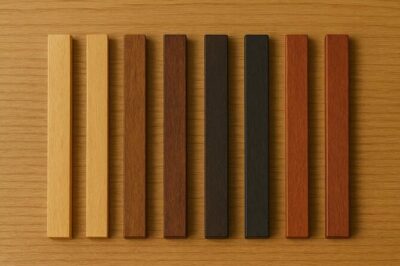
Chopsticks Making Workshop in Gion with Engraving Option
Read our review →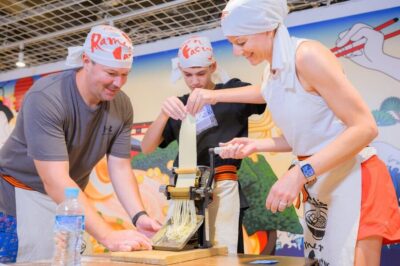
Ramen Cooking Class at a Ramen Factory with Souvenir
Read our review →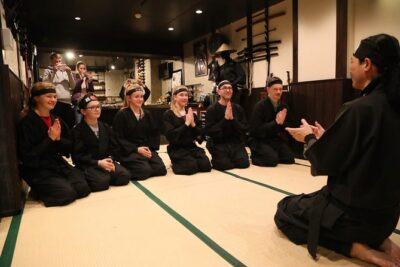
Ninja 1-hour Hands-on Lesson by Japanese master in Kyoto -Entry
Read our review →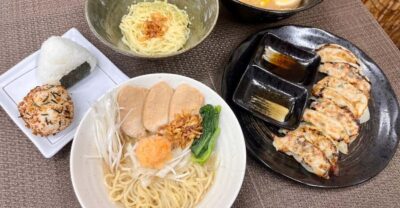
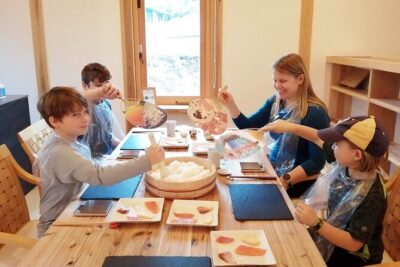
The Original Small-Group Sushi Making Class in Kyoto
Read our review →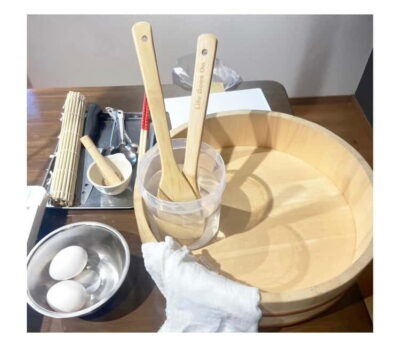
Japanese Washoku Bento Small Group Cooking Class
Read our review →Browse the lists this tour appears in