
Reviewed · OSAKA DAY TRIPS
Private Day Trip To Hiroshima from Kyoto or Osaka by Bullet Train
Hiroshima is one of Japan’s most important day trips, and this private tour connects its two essential sights: the Peace Memorial Museum and Miyajima’s Itsukushima Shrine. You travel by bullet train, local transport, and ferry, then return to Kyoto or Osaka the same day.
I like the personal guide, especially since Mark, Akihiro, Jun, and Fumiyo have all led this route. I also like that hotel pickup, train tickets, admissions, public transport, and the Miyajima island tax are handled for you. The drawback is the price, $1,291 per person, and the day’s pace is demanding.
Key points at a glance
- Bullet train from Kyoto or Osaka: The long distance becomes manageable with reserved rail travel included in the plan.
- Two very different Hiroshima sights: You combine the sobering Peace Memorial Museum with beautiful Miyajima and Itsukushima Shrine.
- Private guiding: Only your group takes part, so you can ask questions and request changes to the sample route.
- Hotel pickup: You meet the guide at your hotel before heading to the station.
- National Licensed Guide Interpreter: English is included, and other languages may be requested.
- A full 12-hour day: The route gives you a lot, but you need the energy for trains, walking, public transport, and a ferry.
Why this Hiroshima day trip works
The strength of this experience is not simply getting from Kyoto to Hiroshima. It is the way the day links two powerful sides of the region.
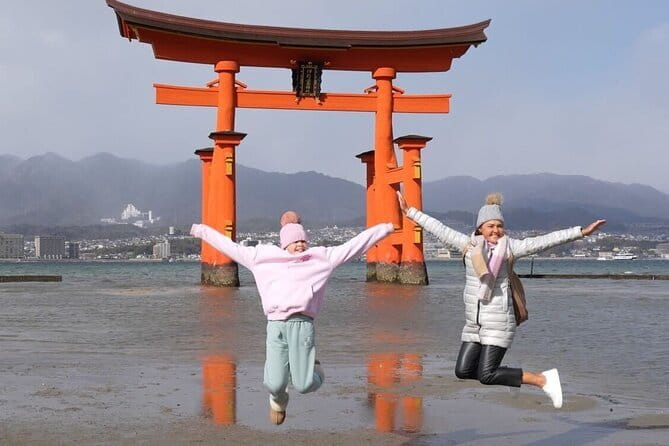
At the Peace Memorial Park, you confront the atomic bombing of August 6, 1945, through the Atomic Bomb Dome and the Hiroshima Peace Memorial Museum. On Miyajima, you see one of Japan’s best-known Shinto shrines, Itsukushima Shrine, associated with its famous floating appearance at high tide.
That contrast gives the day shape. Hiroshima asks you to think carefully about war, suffering, and peace. Miyajima offers a quieter cultural setting, with traditional religious architecture and island scenery. You do not get a broad, leisurely tour of Hiroshima, but you do reach the places most people hope to see.
The private format matters here. Hiroshima’s memorial sites can be emotionally difficult, and a guide can explain what you are seeing without reducing it to a quick photo stop. The guide can also answer questions in a way that suits your group. Past guides have included Mark, Akihiro, Jun, and Fumiyo, all praised for being helpful, attentive, or outstanding.
More days that pair Kyoto with Osaka:
- Osaka/Kyoto:Kinkakuji,Arashiyama,FushimiInariShrine,NaraPark
★ 4.1 · 1,596 reviews - Kyoto/Osaka: Nara, Fushimi Inari Taisha, Arashiyama Bus Tour
★ 4.7 · 1,275 reviews - One-Day Tour of Kyoto’s Highlights from Osaka/Kyoto
★ 4.5 · 1,092 reviews
Meeting your guide and riding the bullet train
Your guide meets you at your hotel, then takes you to Kyoto Station or Osaka Station. From there, you ride the bullet train to Hiroshima. The rail portion is listed at about three hours in each direction, so the train is not a minor detail. It is the backbone of the day.
For many people, the train ride is part of the appeal. One guest described covering more than 300 kilometers from Osaka to Hiroshima in about an hour, though the full tour schedule allows much more time for station connections and local transport. The exact journey time can vary by service and starting point, so treat the listed three-hour blocks as planning time rather than a promise of nonstop train travel.
The included bullet train tickets remove one of the harder parts of arranging this independently. You do not have to work out the right service, buy separate long-distance tickets, or coordinate the return under pressure. That convenience is especially useful if you are unfamiliar with Japan’s rail system.
Still, you should be honest about what this day involves. You spend a large part of it in transit. A private guide makes the route easier, but it cannot change the geography. If your priority is a slow morning, a long lunch, and time to wander, stay overnight in Hiroshima instead.
Miyajima and the one-hour visit to Itsukushima Shrine
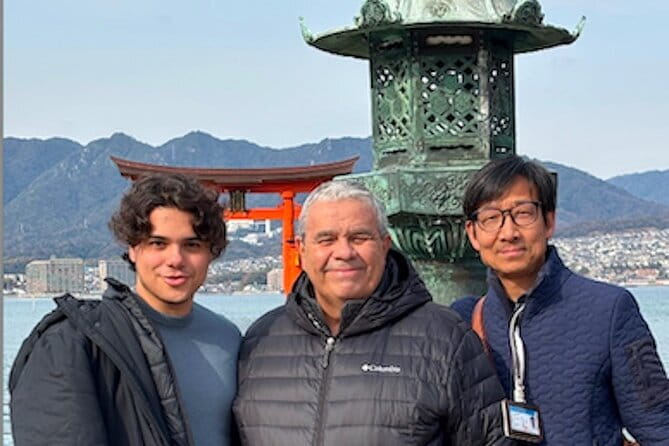
Itsukushima Shrine is the first major sightseeing stop listed, with about 90 minutes allocated. The shrine is on Itsukushima, better known as Miyajima, and is famous for its floating appearance. Public transportation and the tax to enter the island are included, so the day combines the bullet train with local transport and a ferry connection.
That layered journey is one of the memorable parts of the experience. You move from hotel to station, from bullet train to local transport, and then across the water to the island. One guest specifically enjoyed the sequence of subway, bullet train, and ferry as part of the adventure.
Ninety minutes is enough for a focused visit, but it is not generous. You will need to stay with the schedule and listen to your guide’s directions. You may find that the island offers more than you can cover in this short window, especially if you want time for shopping, food, or a slower look at the shrine buildings.
The private setup helps. You can tell your guide what matters most to you, and the sample plan can be adjusted around your interests. If Itsukushima Shrine is your main reason for joining, say so when booking. The operator states that the route can be arranged to suit your requests, though weather or other conditions can force changes.
The Atomic Bomb Dome and Hiroshima’s difficult history
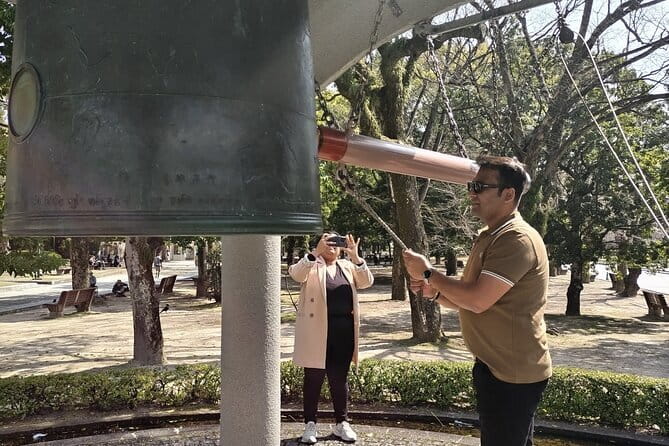
Back in Hiroshima, the tour visits the Atomic Bomb Dome for about 30 minutes. The building is one of the city’s most recognizable landmarks and a direct reminder of the destruction caused by the atomic bomb.
Half an hour is brief, but the stop gives you time to look carefully at the structure and hear the guide explain its place in Hiroshima’s story. This is not a casual sightseeing photo stop. The setting calls for quiet attention, and you may want a moment to take in what happened here before moving on.
A guide is particularly useful at this point. Without context, the Dome can become just another famous building. With explanation, its damaged form connects to the larger history you encounter in the museum. You can also ask questions that may not be answered by a sign or a quick visit alone.
The emotional weight should not be underestimated. One person described the Hiroshima day as confronting and sad, yet also interesting. That is a fair warning. Come prepared for serious material, not a light entertainment outing.
More scenic train rides through the Sagano hills:
- From Osaka: Sagano Train Ride and Kyoto Guided Day Tour
★ 4.3 · 180 reviews - Full Day Hiroshima and Miyajima Tour by Bullet Train from Kyoto
★ 4.5 · 120 reviews - Kyoto Railway Museum Admission Ticket
★ 4.3 · 23 reviews - Kyoto Bus Tour: Sagano Railway & Hozugawa River Boat Ride
★ 4.0 · 21 reviews
One hour inside the Hiroshima Peace Memorial Museum
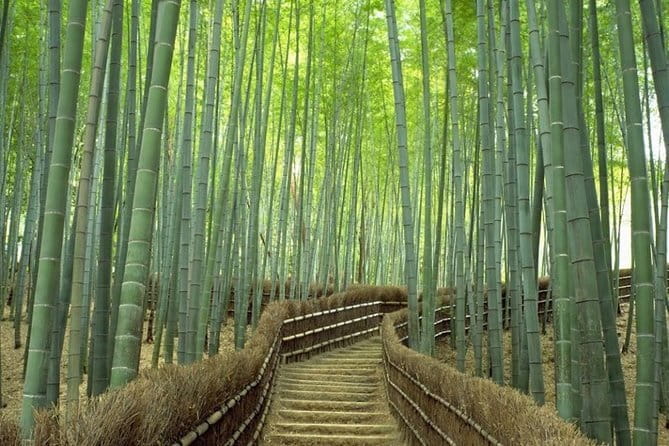
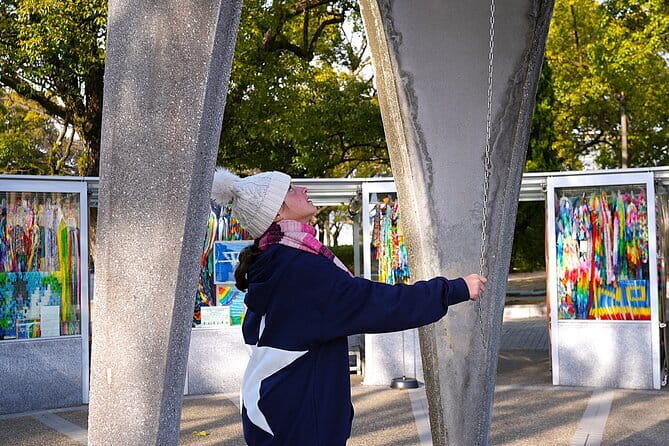
The Hiroshima Peace Memorial Museum receives about one hour. Its purpose is to document the bombing and its aftermath, making this the most direct and emotionally intense part of the day.
An hour lets you see the main displays, but you will not absorb every detail. The museum can be difficult, and the time may pass quickly if you read carefully. Your guide can help frame the visit and point out the information most relevant to your interests, but the museum itself asks you to slow down and pay attention.
The museum visit also gives meaning to the earlier Dome stop. You first see the physical remains of the bombing, then encounter personal and historical material inside the museum. That order creates a clear progression, though some people may prefer more time at each site.
If you know that war museums are emotionally challenging for you, consider discussing your needs with the guide. The itinerary is private, so your group has more flexibility than it would on a large shared coach tour. The operator also says dietary needs such as vegetarian, vegan, and gluten-free meals can be accommodated when noted in advance, although lunch itself is not included.
Returning to Kyoto or Osaka after a full day
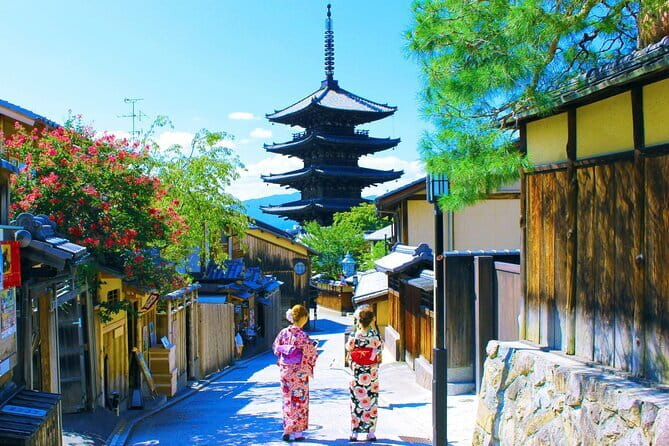
After Miyajima and the Peace Memorial Museum, you return to Hiroshima Station and take the bullet train back to Kyoto or Osaka. The return travel is listed at about three hours, followed by arrival at the same station area where the day began.
This is where the tour’s value and its cost become closely linked. You are paying for a private guide, long-distance train travel, admissions, local transportation, pickup, and a carefully coordinated return. You are also paying to complete a complicated route in one day without arranging each piece yourself.
At $1,291 per person, this is expensive. The value improves if you are traveling with people who want a private experience, if you place a high value on a licensed guide, or if planning Japanese rail connections feels stressful. Group discounts are offered, but you should ask for the exact total because the per-person price can make a major difference to your budget.
The value is weaker if you are comfortable booking trains and public transport on your own. Independent planning would give you more control over timing and possibly allow an overnight stay. The main reason to choose this tour is not low cost. It is convenience, explanation, and the ability to shape the day around your group.
What your 12-hour schedule feels like
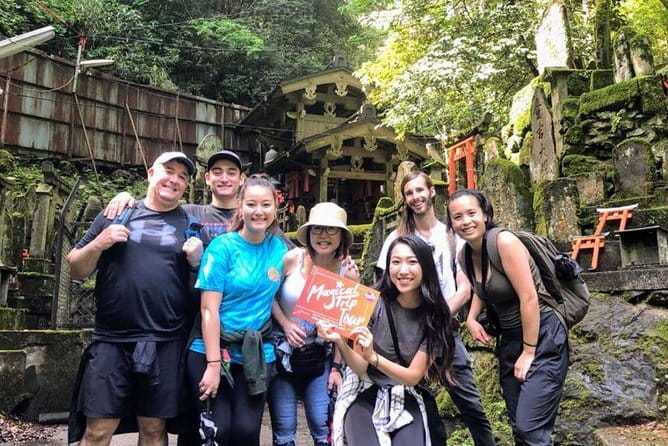
The tour lasts about 12 hours, but the schedule may feel longer because the day includes several types of transport and two major sightseeing areas. You need a moderate level of physical fitness, as the route involves station movement, public transport, the island connection, and walking between sights.
There is no included lunch. That gives you some freedom, but it also means you should plan ahead with your guide. The operator can accommodate dietary restrictions if you provide them in the special requirements field. Ask how lunch will fit into the route, since the listed sightseeing times are already tight.
The day also depends on good coordination. A late start, weather issue, train disruption, or other local problem could change the plan. The operator notes that the route may be altered for weather or other reasons. A private guide can help adjust the order, but a same-day Hiroshima trip will always have limits.
I would avoid booking this as your first activity after a long international flight. You will get more from the museum and the guide if you are rested enough to listen and reflect.
Who will get the most from this experience
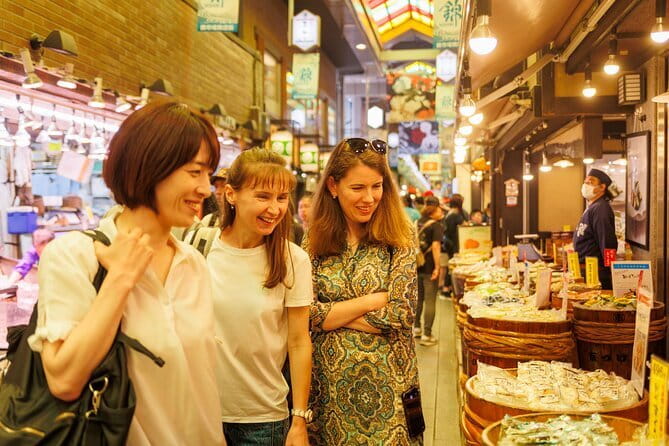
I would choose this tour if you have a short stay in Kyoto or Osaka and Hiroshima is important to you. It makes sense for a family or small private group that wants one person to handle the route while still allowing questions and personal requests.
It also suits people who want historical context rather than a quick checklist of landmarks. The guide can connect the Atomic Bomb Dome, the museum, and the wider meaning of the Peace Memorial Park. On Miyajima, the same guide can explain the cultural importance of Itsukushima Shrine.
The tour may not suit you if you dislike long day trips, need a slow pace, or want extensive free time on Miyajima. It is also a poor fit if the price must stay low. The route is efficient, but efficiency is not the same as leisure.
Because the experience is private, you can request a different language and ask for the route to reflect your interests. That flexibility is one of the best reasons to consider it. Tell the operator in advance if you want more emphasis on history, religious sites, transport, food, or another subject.
Booking details that affect your decision
Confirmation is normally received at booking. If you book within seven days of travel, confirmation can take up to 48 hours and depends on availability. I would not leave this trip until the last minute, particularly because bullet train arrangements, a private guide, and a long-distance schedule all need to line up.
Free cancellation is available if you cancel at least 24 hours before the start time. Changes or cancellations made inside that window are not accepted for a refund.
Hotel pickup is included, and the tour is private, meaning only your group participates. Admission fees, bullet train travel between Kyoto or Osaka and Hiroshima, public transportation, and the Miyajima island tax are included. Lunch, souvenirs, personal spending, and a personal vehicle if needed are extra.
That last point matters if anyone in your group needs a private car. The basic experience relies on trains and public transportation. Ask about vehicle arrangements before booking rather than assuming they are part of the price.
Should you book this Hiroshima day trip?
Book it if you want to see Hiroshima and Miyajima from Kyoto or Osaka in one demanding but well-supported day. The private guide is the strongest feature, especially for the Peace Memorial Museum and the difficult story behind the Atomic Bomb Dome. The included bullet train, pickup, admissions, and local transport also take much of the planning burden off your shoulders.
I would be more cautious if you are budget-conscious or have enough time for an overnight Hiroshima visit. The $1,291 price is a serious commitment, and the day leaves little room for wandering. For the right group, though, the guide and private format can make the cost worthwhile.
My practical advice is to book this when Hiroshima is a priority, ask for the guide language and interests you want, and accept that the day will be long. If you do, you get a focused introduction to two of Japan’s most meaningful places, with the rail journey itself becoming part of the story.
FAQ
Where does the tour begin?
Your guide meets you at your hotel, then you travel to Kyoto Station or Osaka Station for the bullet train to Hiroshima.
Can I start from Osaka instead of Kyoto?
Yes. The tour includes bullet train travel between Hiroshima and either Kyoto or Osaka.
How long does the tour last?
The experience lasts approximately 12 hours.
Is this a private tour?
Yes. Only your group participates.
Is hotel pickup included?
Yes. Hotel pickup is included.
What type of guide leads the tour?
A National Licensed Guide Interpreter leads the tour. English is included, and you can request another language.
Are bullet train tickets included?
Yes. Bullet train travel between Kyoto or Osaka and Hiroshima is included.
Is lunch included?
No. Lunch is not included, though dietary restrictions such as vegetarian, vegan, and gluten-free requirements can be accommodated if you provide them in advance.
Are admission fees included?
Yes. Admission fees, public transportation, and the tax to enter Miyajima are included.
What happens if the weather changes?
The itinerary may be changed because of weather or other reasons.
Can I cancel for a full refund?
Yes, if you cancel at least 24 hours before the experience start time. Cancellations made less than 24 hours in advance are not refunded.
Newest Kyoto experiences on the site
- Treasures of Kyoto: Gion & historical Walking Tour★ 5.0 · 6 reviews
- Whisk Your Own Matcha: A Zen Matcha Experience at Temple★ 3.6 · 7 reviews
- Kyoto tea town for matcha lovers★ 5.0 · 16 reviews
- Uji: Private immersion into Kyoto’s tea and reglious culture★ 5.0 · 17 reviews
- Kyoto Matcha Green Tea Tour★ 4.5 · 23 reviews
- Uji and Wazuka Matcha Farm Half Day Private Guided Tour★ 5.0 · 21 reviews
- Utilising upcycled Matcha! Creating matcha incense (Uji, Kyoto)★ 5.0 · 6 reviews
- Sacred Temple Yoga Experience in Japan★ 5.0 · 3 reviews
Osaka Day Trips, compared.
Kinkakuji,Arashiyama,FushimiInariShrine,NaraPark
Read our review →
Nara, Fushimi Inari Taisha, Arashiyama Bus Tour
Read our review →
Arashiyama, Nara & Fushimi Inari Shrine w/Lunch
Read our review →
Full Day Guided Tour to Kyoto and Nara from Osaka by Van
Read our review →

Nara Park, Osaka & Kobe from Kyoto Full Day tour
Read our review →Browse the lists this tour appears in