
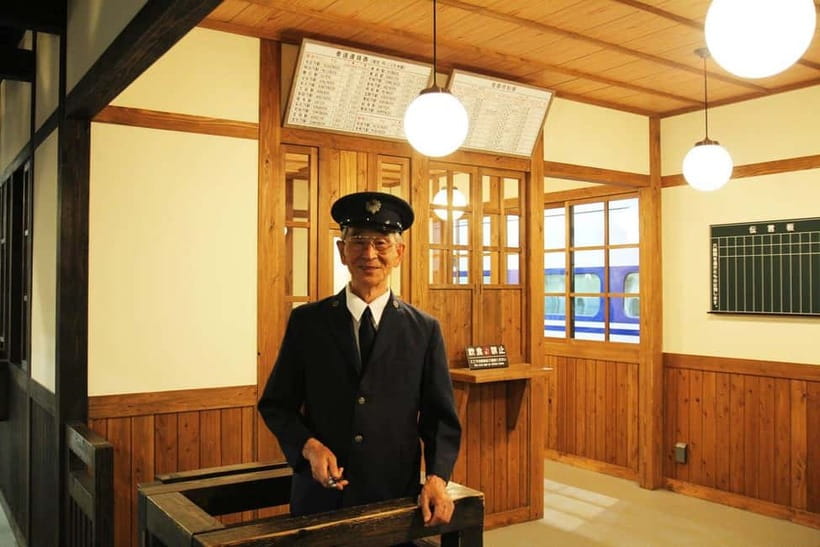
Reviewed · TRAIN EXPERIENCES
Kyoto Railway Museum Admission Ticket
Kyoto Railway Museum puts 53 real trains under one roof, from old steam engines to sleek Shinkansen cars. You can step inside several of them, study railway technology, try hands-on controls, and watch a working steam locomotive operate. The roundhouse turntable is the museum’s star moment: a whole ring of historic engines slowly rotates into view.
I especially like the mix of serious railway history and hands-on fun. You are not just looking at engines behind a barrier. You can enter iconic trains, study detailed displays, and try realistic simulators. I also like the Sky Terrace, which gives you a different view of the railway world below. The main drawback is that the museum is closed every Wednesday, and busy days may mean queues for popular features.
Key points to know before you go
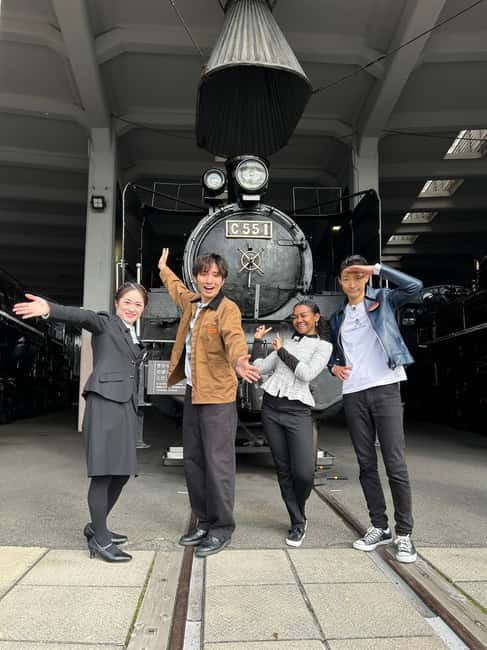
- 53 full-size trains: See steam locomotives, classic rail cars, and Shinkansen trains in one large museum.
- Working steam locomotive: Take a nostalgic ride and see railway machinery in operation.
- Historic roundhouse: Watch the turntable rotate and reposition the locomotives.
- Hands-on exhibits: Try train-driving simulators, enter train cars, and inspect railway equipment.
- Sky Terrace views: Step outside for a broad look at the museum and surrounding rail activity.
- Good value for families: Standard admission costs about $9 per person, with reduced pricing for young children on site.
Why Kyoto’s railway museum is worth your time
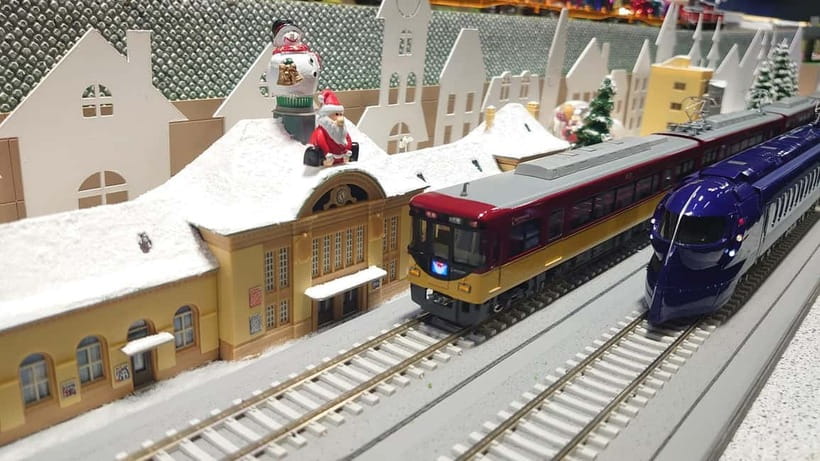
Japan’s trains are famous for speed, punctuality, and clean design, but it is easy to forget how much machinery and human work sits behind that polished service. Kyoto Railway Museum gives you a chance to see the full story, from steam power to the Shinkansen age.
I find the museum useful even if you are not a dedicated train fan. The displays explain how railways work, how trains changed over time, and how the parts fit together. Children have plenty to touch and try, while adults can slow down over the technology, model railways, and historic cars.
The museum has received a 4.3 rating from 23 bookings, with particularly strong praise for its variety, interactive displays, and appeal to both children and rail enthusiasts. That matches the way the experience is organized: it is not just a hall of old trains. You get history, engineering, nostalgia, and entertainment in one visit.
More museums in Kyoto:
- Kyoto: Tea Museum Tickets and Matcha Grinding Experience
★ 4.9 · 739 reviews - Skip the lines Basic Ticket at SAMURAI NINJA MUSEUM KYOTO
★ 4.5 · 632 reviews - Kyoto : Geiko Maiko Dance of Kyoto & Visits of Gion Museum
★ 4.6 · 415 reviews
Start with Japan’s trains, from steam power to Shinkansen
The collection is the heart of the museum. With 53 real trains, you can compare several eras of Japanese railway travel without moving between different sites.
Steam locomotives provide the oldest and most atmospheric part of the collection. Their size makes an immediate impression, but the surrounding displays help explain what you are looking at. You can consider the boiler, wheels, controls, and working parts as examples of an earlier age of rail travel.
Then the collection moves into more modern railway design. Classic passenger cars show how train travel changed, while the Shinkansen represents Japan’s better-known modern image. The bullet train is a major draw, especially if you have used one during your trip and want to see the vehicle from a different angle.
I recommend giving yourself time to enter the train cars rather than treating them as objects to photograph. Walking through the interiors helps you picture how railway travel felt in different periods. It also makes the scale of the machines clearer, especially for children.
The variety is one of the museum’s strongest points. You can move from heavy industrial steam engines to smooth, streamlined high-speed trains in the same visit. That range gives the museum a clear story instead of a collection that feels stuck in one period.
The roundhouse and turntable provide the best visual moment

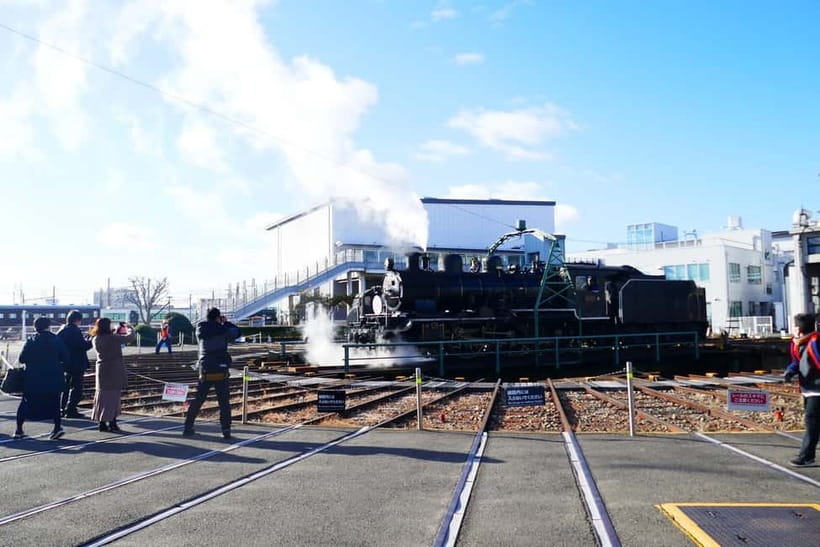
The historic roundhouse is one of the most memorable parts of the museum. A roundhouse stores locomotives around a central turntable, allowing engines to be directed into different bays.
The turntable rotation is worth planning around. Watching the circular platform move the locomotives is simple but dramatic. It is a working piece of railway design, not just a display, and it shows how older rail yards handled large engines before modern depots took over.
The roundhouse also gives you a useful sense of scale. Photographs often flatten the size of a locomotive, but standing among several engines makes their length, weight, and mechanical complexity much easier to understand.
If you are visiting with children, this is a good place to pause and let them watch the movement rather than rushing to the next exhibit. The museum has plenty to see, but the slow rotation is exactly the sort of physical event that holds attention.
Ride a working steam locomotive
The working steam locomotive adds a nostalgic touch to the visit. Instead of only viewing an old engine, you have the chance to ride behind one and experience railway travel in a more direct way.
This is valuable because steam trains are difficult to understand as machines until you see one operating. The sound, motion, and visible mechanical action help connect the museum displays with the real work of railway travel.
The ride also breaks up the indoor exhibits. After studying train bodies, controls, and diagrams, stepping onto an operating locomotive gives you a change of pace. It is likely to be especially appealing to children, but adults who enjoy railway history will find it worthwhile too.
The supplied information describes the ride as part of the museum experience but does not give a separate timetable or state whether a supplemental payment is required. Check the museum’s current information before your visit if the steam ride is your main reason for going.
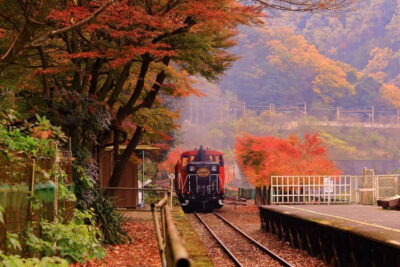
More scenic train rides through the Sagano hills:
- From Osaka: Sagano Train Ride and Kyoto Guided Day Tour
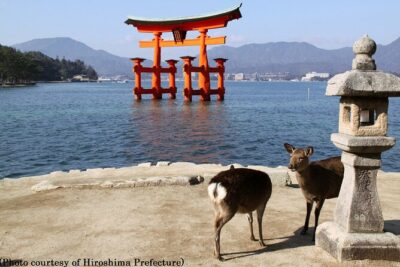
★ 4.3 · 180 reviews - Full Day Hiroshima and Miyajima Tour by Bullet Train from Kyoto
★ 4.5 · 120 reviews - Kyoto Bus Tour: Sagano Railway & Hozugawa River Boat Ride
★ 4.0 · 21 reviews - Kyoto: Arashiyama Tour with optional Sagano Romantic Train
★ 4.7 · 18 reviews
Hands-on simulators turn railway theory into play
The train-driving simulators are another strong feature. They give you a chance to try the decisions and movements involved in operating a train, rather than simply reading about them.
That matters because railway systems can seem abstract. Signals, controls, braking, and speed all make more sense when you have to respond to them yourself. The simulators offer a practical way to engage with those ideas.
You may find that children head straight for the controls, while adults spend longer looking at the technical displays. The museum works well for both groups because you can choose your level of involvement. You do not need to understand railway engineering before you arrive.
The exact simulator procedure and availability can vary, so do not build your entire visit around one specific machine. Treat the simulators as one part of a much larger collection.
Railway dioramas explain the system at a glance
The detailed railway dioramas are useful when you want to see how an entire rail network operates. A full-size locomotive shows you one machine. A model display can show stations, tracks, signals, trains, and the relationship between them all at once.
I like this kind of exhibit because it gives context to the bigger collection. You can see that a railway is not only a train. It is a system of routes, platforms, control equipment, schedules, and people.
The dioramas also offer a calmer stop between the larger attractions. If the museum feels busy, these displays give you a chance to look closely without competing with the scale of the full-size trains.
The Sky Terrace gives you a change of view
The Sky Terrace adds an outdoor element to the visit. From here, you can take in views across the museum and see the railway setting from above.
After spending time inside train cars and exhibition halls, the terrace helps you reset. It is also a good place to understand how the museum’s large buildings and rail displays fit together.
The terrace is not the main reason to buy admission, but it improves the rhythm of a full-day visit. You can move from close-up details to a broader view, then return to the exhibits with a better sense of the overall site.
A practical full-day plan
The ticket is valid for one day, so you do not need to rush through the collection. I would plan for a relaxed visit rather than trying to see every train in one quick circuit.
Start with the main train collection while your attention is fresh. Walk through the historic engines and passenger cars, then make time for the Shinkansen. Enter the cars where possible, since the interiors add much more than an exterior photograph.
Next, look for the roundhouse and turntable. If you want to see the rotation, ask staff about the current timing when you arrive. The supplied information does not provide a fixed schedule, and operating details may change.
After that, try the hands-on exhibits and simulators. These are likely to be popular with families, so a little flexibility will help. If a particular activity has a queue, continue through the displays and return later.
Include the steam locomotive ride in your plan, then finish with the dioramas and Sky Terrace. This order gives you a good balance of large objects, active exhibits, technical displays, and open space.
Allowing a full day makes sense if you want to enjoy the museum properly. You can see the major attractions in less time, but the collection is large enough that a rushed visit would reduce its value.
Who will enjoy this museum most
This is an easy choice for dedicated rail fans. The number of real trains, the range from steam power to Shinkansen, and the working locomotive provide plenty of detail and variety.
Families should also consider it carefully. Children can enter trains, use interactive exhibits, and try simulators, while adults have enough history and engineering to keep the visit from feeling like a children’s attraction alone.
The museum also suits anyone who has used Japan’s rail network and wants to understand it better. Seeing a Shinkansen up close or examining the machinery behind older trains adds context to the practical experience of riding Japanese trains.
It may be less appealing if you want a guided tour with a named expert or a tightly scheduled program. This is a museum admission ticket, not a guide-led excursion. You proceed directly to the Kyoto Railway Museum and explore at your own pace.
Price, access, and timing details
At about $9 per person, standard admission is good value if you plan to spend several hours inside. The price covers access to the museum itself, including its collection, exhibits, train cars, and main viewing areas.
Children under three enter free. Children from three to seven can buy tickets on site for 200 yen. The adult price is modest enough that the museum can work well as a family activity, particularly when you compare it with the cost of many guided attractions in Kyoto.
The museum is closed every Wednesday. Opening hours can change, so check the official website before setting out, especially if your Kyoto schedule is tight.
You go directly to the Kyoto Railway Museum for redemption. The listed coordinates are 34.9870986, 135.7422732. The site is wheelchair accessible.
If you leave and plan to return on the same day, keep your admission ticket and show it to staff when re-entering. On busy days, follow the line at the entrance marked Early Bird Advance Ticket when instructed. This detail matters because queue arrangements may not look the same as the general entrance.
The ticket is non-refundable, so check the museum’s Wednesday closure and current opening information before purchasing. That is the main planning risk, not the price.
Should you book the Kyoto Railway Museum?
Book it if you want a low-cost, flexible Kyoto attraction with real trains, hands-on exhibits, and enough variety for adults and children. The strongest reasons are the 53 full-size trains, the working steam locomotive, the turntable, and the chance to step inside famous railway vehicles.
I would give it priority if you already plan to ride Japanese trains during your trip. The museum adds useful context to that experience and gives you a closer look at the machines you may otherwise only see from a platform.
Skip it if your Kyoto schedule is extremely short and you have no interest in transport, engineering, or family-friendly museums. Also avoid booking without checking the Wednesday closure and current hours.
For most visitors with half a day or more to spare, the roughly $9 admission is an easy value. The museum has enough substance for rail fans, enough movement for children, and enough Japanese railway context to make it more than a simple photo stop.
FAQ
Where is the Kyoto Railway Museum?
The museum is in Kyoto on Honshu, Japan. The listed coordinates are 34.9870986, 135.7422732.
How long is the ticket valid?
The admission ticket is valid for one day.
What does the ticket include?
The ticket includes standard admission to Kyoto Railway Museum.
How much does admission cost?
The listed price is about $9 per person. Children from three to seven can buy tickets on site for 200 yen, and children under three enter free.
Is the museum open every day?
No. The museum is closed every Wednesday. Opening hours may vary, so check the official website before visiting.
Can I see Shinkansen trains?
Yes. The collection includes Shinkansen trains as well as steam locomotives and other real railway vehicles.
Is the museum wheelchair accessible?
Yes, the activity information states that the museum is wheelchair accessible.
What should I do if I leave and return the same day?
Keep your admission ticket and show it to staff when you re-enter the museum.
Newest Kyoto experiences on the site
- Whisk Your Own Matcha: A Zen Matcha Experience at Temple★ 3.6 · 7 reviews
- Treasures of Kyoto: Gion & historical Walking Tour★ 5.0 · 6 reviews
- Kyoto tea town for matcha lovers★ 5.0 · 16 reviews
- Uji: Private immersion into Kyoto’s tea and reglious culture★ 5.0 · 17 reviews
- Kyoto Matcha Green Tea Tour★ 4.5 · 23 reviews
- Uji and Wazuka Matcha Farm Half Day Private Guided Tour★ 5.0 · 21 reviews
- Utilising upcycled Matcha! Creating matcha incense (Uji, Kyoto)★ 5.0 · 6 reviews
- Sacred Temple Yoga Experience in Japan★ 5.0 · 3 reviews
Train Experiences, compared.
Full Day Hiroshima and Miyajima Tour by Bullet Train from Kyoto
Read our review →Kyoto Bus Tour: Sagano Railway & Hozugawa River Boat Ride
Read our review →
Arashiyama Tour with optional Sagano Romantic Train
Read our review →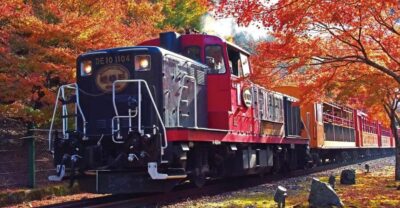
Kyoto Hozugawa River Boat Sagano Romantic Train Tour
Read our review →
Arashiyama Walking Tour with Optional Sagano Romantic Train Ride
Read our review →
Kyoto Sagano Romantic Train in Arashiyama Bus Tour
Read our review →
Private Day Trip To Hiroshima from Kyoto or Osaka by Bullet Train
Read our review →Browse the lists this tour appears in