
Reviewed · NISHIKI MARKET TOURS
Nishiki Market, Private Sushi class & Sake Tasting in Townhouse
Kyoto’s best food lessons often begin before you sit down to cook. This experience takes you through Nishiki Market, where you sample seasonal foods and see the ingredients that shape Kyoto cooking, then brings you to a traditional townhouse for rolled sushi, miso soup, side dishes, and sake. I love that the market walk gives your meal a clear sense of place, rather than treating sushi as a stand-alone class.
I also like the private Kyomachiya setting. Your group has the townhouse to itself, and the cooking proceeds step by step, even if you rarely cook. The main consideration is time: two to three hours is enough for a focused introduction, but not enough for a long market exploration or an advanced sushi course.
Key points at a glance
- Four centuries of food culture: Walk the five-block Nishiki Market, known as Kyoto’s Kitchen, with more than 100 shops and restaurants.
- Private townhouse cooking: Prepare food in a restored Kyomachiya reserved for your group.
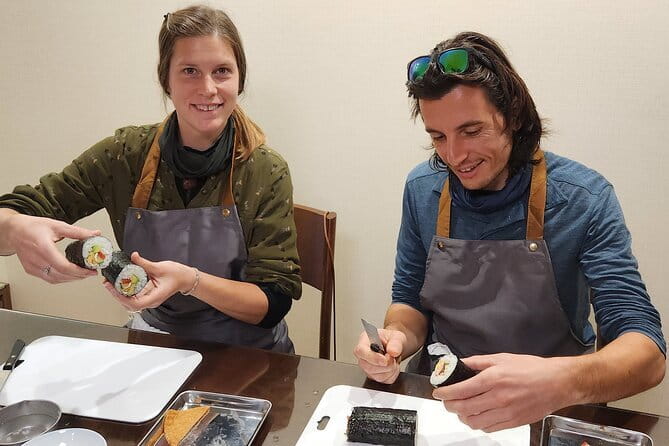
- More than sushi: Make rolled sushi, dashi-based miso soup, seasonal side dishes, and a simple Japanese dessert.
- Sake with context: Taste Japanese sake while learning about its place in the country’s food culture.
- Helpful for first-time cooks: The class is taught step by step, and a recipe booklet lets you repeat the dishes at home.
- Dietary flexibility: Vegetarian and vegan options are available with advance notice.
Starting with Kyoto’s Kitchen at Nishiki Market
The experience opens at 79 Nishiuoyacho, a central point near Nishiki Market. This is a practical start because the market is easy to reach by public transportation, and you begin with the part of the experience that gives the cooking class its local setting.
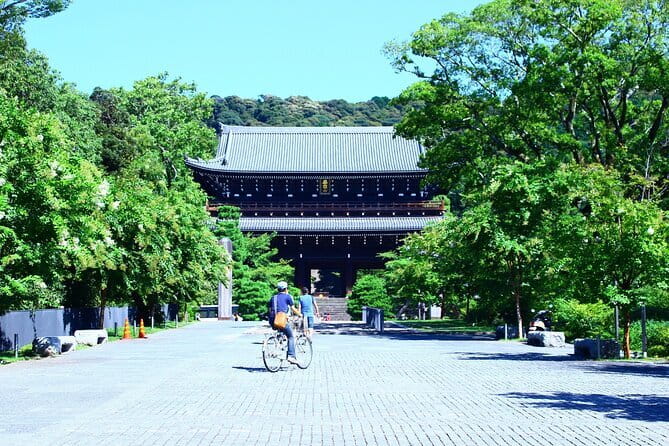
Nishiki Market stretches for about five blocks and has served as a center of Kyoto food commerce for more than 400 years. More than 100 shops and restaurants line the covered street, selling seafood, vegetables, pickles, dried foods, and other ingredients used in Japanese cooking.
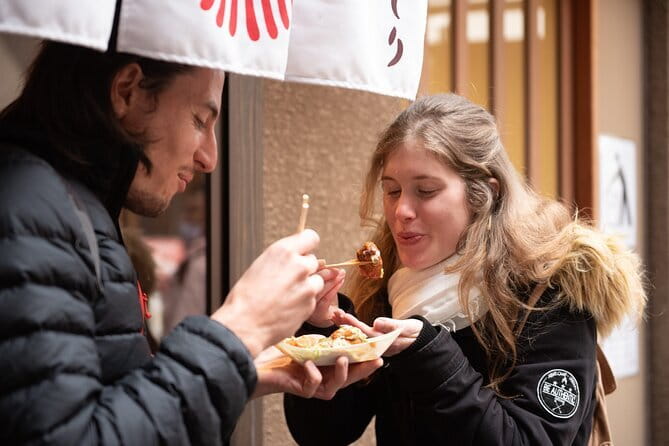
I like this first hour because it is not just a walk past food stalls. Your guide explains how the market fits into Kyoto’s food traditions and points out the ingredients that later appear in Japanese meals. You may see seafood being prepared, seasonal produce, preserved foods, and small delicacies that are easy to miss when you explore on your own.
Sampling is part of the appeal. The exact foods can vary with the season and the market’s daily offerings, so you should think of this as a guided introduction rather than a fixed tasting menu. You get a better sense of how Japanese meals balance fresh, pickled, dried, and fermented ingredients.
The market can also be crowded. That is part of its character, but it means you should expect a narrow walking route and a busy public setting before the quieter cooking session. If you want time to shop or eat your way through the entire street, you will need to return on your own later. The scheduled market visit is about one hour.
More Nishiki Market walks and tastings:
- Nishiki Market Brunch Walking Tour (7 Tastings + Brunch)
★ 5.0 · 1,355 reviews - Kimono Tea Ceremony at Kyoto Maikoya, NISHIKI
★ 5.0 · 911 reviews - Kyoto Nishiki Market Food and Culture Walking Tour
★ 5.0 · 412 reviews
A small shrine behind the market lanes
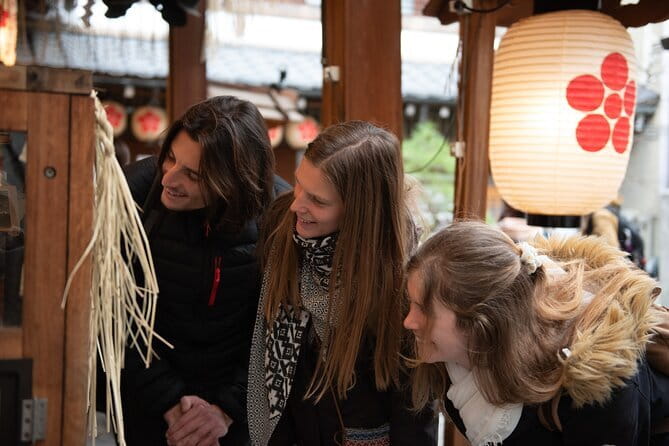
The walk includes Nishiki Shrine, tucked behind the market’s lantern-lit alleys. This short stop adds a cultural note without turning the experience into a full shrine tour.
The shrine is useful as a pause in the food-focused route. Nishiki Market can feel packed with sights, smells, and samples, while the shrine offers a quieter look at the older neighborhood around it. Your guide also gives you a sense of how food, local custom, and daily life meet in central Kyoto.
Do not expect a long visit here. It is one part of the market stroll, not a separate sightseeing attraction with an extended program. That is a good fit if you want a food experience with some local history, but less so if your main goal is detailed shrine architecture or religious study.
Entering the private Kyomachiya
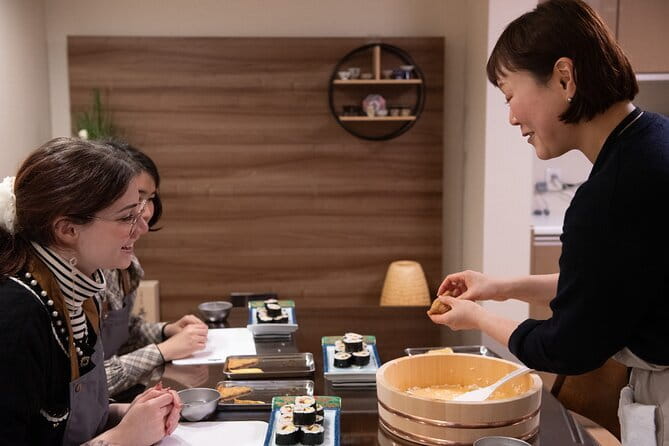
After the market, you move to the cooking venue at Hop Terrace, a restored Kyomachiya, or traditional Kyoto townhouse. The townhouse is reserved for your group, which changes the feel of the class. You are not sharing the lesson with a large room of unrelated participants, and the host can focus on your pace and questions.
The setting matters. A townhouse gives the cooking session a stronger connection to old Kyoto than a modern demonstration kitchen would. You are learning food preparation in a traditional home-style environment, with the atmosphere of the building forming part of the experience.
The second stop lasts about two hours. It includes the cooking lesson, sake tasting, lunch, and dessert, so the schedule is full but manageable. You should arrive ready to participate rather than simply watch. The class is designed around making the food yourself.
Past participants have found the step-by-step format especially helpful for first-time cooks. One person who did not cook often described the process as a rare chance to prepare food independently. That is important here: you do not need a background in Japanese cooking to get something from the lesson.
Learning rolled sushi without pressure
Rolled sushi is the main hands-on activity. Your instructor guides you through the process, from handling the ingredients to forming the roll. The point is not to produce restaurant-perfect sushi on your first attempt. It is to learn the basic method and understand how the components come together.
That makes this class a better choice for a beginner than for someone seeking technical training in professional sushi preparation. You will get practice, guidance, and a finished dish to eat, but the experience does not promise advanced knife work or an apprenticeship-style lesson.
The cooking format also works well for families and mixed-age groups, although the provided information does not specify a minimum age. You can expect to take an active role, so the class suits anyone who enjoys learning by doing. If you are nervous about cooking, the instructor’s step-by-step approach should make the task approachable.
The menu includes more than the sushi roll. You also prepare homemade miso soup using dashi, the stock that gives many Japanese dishes their savory base. Making the soup from scratch helps explain why dashi matters, rather than treating miso soup as something that begins with a packet or instant paste.
More sushi making classes in Kyoto:
- Sushi Making in Kyoto! Same-day bookings welcome!
★ 5.0 · 713 reviews - The Original Small-Group Sushi Making Class in Kyoto
★ 5.0 · 436 reviews - Kyoto: Small-Group Authentic Sushi Making Workshop
★ 5.0 · 137 reviews - Sushi – Authentic Japanese Cooking Class – the best souvenir from Kyoto!
★ 5.0 · 93 reviews
Seasonal side dishes and a Japanese-style dessert
The meal includes seasonal Japanese side dishes, with specific examples from the cooking program including egg and spinach omelets with sesame sauce. These smaller dishes are valuable because they show how a Japanese meal is built around several modest portions, not one oversized main course.
The side dishes also give you a chance to work with flavors beyond sushi. Sesame sauce, spinach, egg, miso, and dashi each offer a different texture and taste. Together, they make the lunch feel like a small Japanese meal rather than a single cooking trick.
A simple Japanese-style dessert finishes the session. The dessert is not presented as a major pastry lesson, but it provides a sweet final course and completes the meal. If you are comparing this with a sushi-only class, the broader menu is one reason the price can make sense.
Lunch is included, as are alcoholic beverages. The sake tasting is part of the townhouse session, so you learn about Japanese sake culture while eating the food you have prepared. The information provided does not specify the number of sake samples or the labels used, so you should not expect a fixed tasting list unless the operator confirms it before booking.
Sake tasting in a traditional home
The sake portion adds a useful layer to the meal. Sake is not simply served as a drink here. The host introduces its role in Japanese food culture and gives you a chance to taste it in the setting of a traditional townhouse.
This is a light tasting rather than a dedicated sake seminar. If you already know a great deal about sake, you may want a more specialized class. For most visitors, though, the format is sensible: a short introduction alongside cooking, food, and conversation.
Alcohol is included, so consider that when booking for your group. The available details do not explain nonalcoholic alternatives or the exact sake selection. If someone in your party does not drink, ask the provider in advance about the tasting arrangements.
What you get for $121.84
At $121.84 per person, this is not a cheap lunch. It becomes easier to judge the value when you count what is included: a guided market walk, food samples, a Nishiki Shrine stop, a private venue, an English-language guide, sake, lunch, a full cooking session, dessert, and a recipe booklet.
The private setting is the biggest value factor. A public group class might cost less, but it may offer less personal attention and a less distinctive setting. Here, your group receives a two-hour activity in a traditional townhouse after a one-hour market visit.
The recipe booklet adds value after you return home. You can use it to repeat the sushi, miso soup, and side dishes rather than leaving the experience as a one-time meal. That is especially useful if you enjoyed the class but do not normally cook Japanese food.
Still, the price may feel high if you mainly want to walk through Nishiki Market or eat sushi. You can visit the market independently, and the class does not promise a large meal or advanced culinary instruction. I would book it for the combination of place, food, and participation, not for quantity alone.
The experience is often booked about 98 days ahead, which suggests you should reserve early if your Kyoto dates are fixed. Group discounts are available, and the ticket is mobile, making it practical for a planned day of sightseeing.
Timing, meeting points, and the walk afterward
The experience begins at 79 Nishiuoyacho in Kyoto’s Shimogyo Ward and ends at 96-13 Asazumacho. The endpoint is about a five-minute walk from Gojo Subway Station, and the operator can help arrange a taxi or other transportation if needed.
The start and finish are different, so plan your day around that. The route does not return you to the starting point. You can continue from Gojo Station afterward, but leave a little room if you have a timed reservation elsewhere.
The total duration is approximately two to three hours. The market portion is listed at about one hour, and the townhouse session at about two hours, so the upper end of that range is the safer planning estimate. Exact timing can depend on the pace of the market walk and the cooking session.
Most people can participate, and the activity is private for your group. There is a restroom at the venue. The experience is offered in English, which makes the cooking instructions and market explanations easier to follow if you do not speak Japanese.
Free cancellation is available up to 24 hours before the local start time for a full refund. Changes or cancellations inside that 24-hour window are not accepted for a refund, so keep that deadline in mind when making restaurant and transport plans.
Dietary needs and who should book
Vegetarian and vegan options are available with advance notice. You should state your needs when booking rather than waiting until you arrive, since the menu depends on prepared ingredients and the cooking plan.
This experience suits you best if you:
- Want a private activity rather than a large shared class
- Enjoy food markets and local ingredients
- Prefer hands-on cooking to a demonstration
- Are new to sushi or Japanese home cooking
- Want a Kyoto activity that combines food, culture, and a traditional building
- Appreciate having recipes to use after the trip
It may be less suitable if you want a serious culinary qualification, a long sake tasting, or several free hours to shop at Nishiki Market. It is also not the right pick if you dislike participating in meal preparation.
Should you book the Nishiki Market and sushi class?
I would book this if you want one compact Kyoto experience that connects the market, the meal, and the setting. The strongest parts are the private townhouse, the practical cooking instruction, and the chance to understand ingredients before using them.
The value is good for couples, families, and small groups who will take part in the cooking and enjoy the included sake and meal. If your group only wants to observe or grab a quick lunch, the price will feel harder to justify.
Book ahead, give advance notice for vegetarian or vegan food, and allow close to three hours. For a first introduction to Kyoto food culture, this is a friendly, useful class with enough substance to stay with you after the recipe booklet goes into your suitcase.
FAQ
Where does the experience begin?
It begins at 79 Nishiuoyacho, Shimogyo Ward, Kyoto, near Nishiki Market.
Where does the experience end?
It ends at 96-13 Asazumacho, Shimogyo Ward, Kyoto. The endpoint is about a five-minute walk from Gojo Subway Station.
How long does the experience last?
The experience lasts approximately two to three hours. The market portion takes about one hour, and the townhouse cooking session takes about two hours.
Is the experience private?
Yes. Only your group participates in this private activity.
What food will I prepare?
You will prepare rolled sushi, homemade miso soup using dashi, seasonal Japanese side dishes, and a simple Japanese-style dessert.
Are vegetarian and vegan options available?
Yes. Vegetarian and vegan options are available when requested in advance.
What is included in the price?
Lunch, alcoholic beverages, an English-speaking guide, the market walk, the cooking session, and the townhouse experience are included. A recipe booklet is also provided for the dishes you prepare.
More Bars and Sake Stops in Kyoto
- Kyoto: Izakaya Bars Guided Walking Tour
★ 4.9 · 815 reviews - Kyoto Sake Brewery & Tasting Walking Tour
★ 5.0 · 623 reviews - Kyoto Bar Hopping Night Tour
★ 5.0 · 613 reviews - Kyoto Local Bar Crawl in Kawaramachi Area
★ 5.0 · 378 reviews
More Sake Tastings in Kyoto
- Kyoto Night Foodie Tour in Gion (9+ dishes + 6 Sake tastings)
★ 5.0 · 1,762 reviews - 3-Hour Kyoto Insider Sake Brewery Tour with Tastings & Pairings
★ 5.0 · 917 reviews - Arashiyama Bamboo, Temple, Monkeys, or Secret Sake Brewery
★ 4.8 · 886 reviews - Kyoto: Insider Sake Brewery Tour with Sake and Food Pairing
★ 5.0 · 704 reviews
Newest Kyoto experiences on the site
- Whisk Your Own Matcha: A Zen Matcha Experience at Temple★ 3.6 · 7 reviews
- Treasures of Kyoto: Gion & historical Walking Tour★ 5.0 · 6 reviews
- Kyoto tea town for matcha lovers★ 5.0 · 16 reviews
- Uji: Private immersion into Kyoto’s tea and reglious culture★ 5.0 · 17 reviews
- Kyoto Matcha Green Tea Tour★ 4.5 · 23 reviews
- Uji and Wazuka Matcha Farm Half Day Private Guided Tour★ 5.0 · 21 reviews
- Utilising upcycled Matcha! Creating matcha incense (Uji, Kyoto)★ 5.0 · 6 reviews
- Sacred Temple Yoga Experience in Japan★ 5.0 · 3 reviews
Nishiki Market Tours, compared.
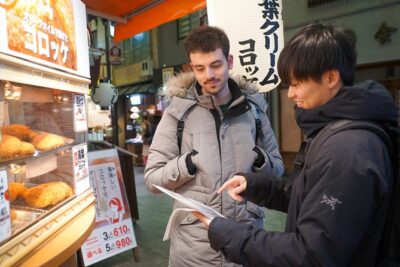
Nishiki Market Brunch Walking Tour (7 Tastings + Brunch)
Read our review →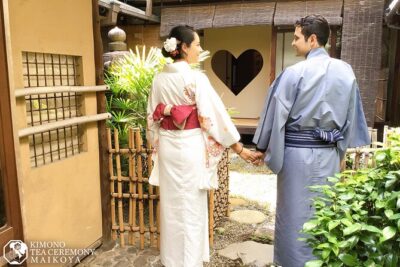
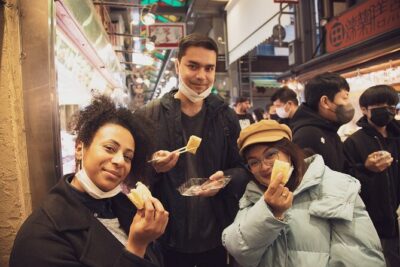
Kyoto Nishiki Market Food and Culture Walking Tour
Read our review →
Nishiki Market Tea Ceremony with Koto Performance
Read our review →
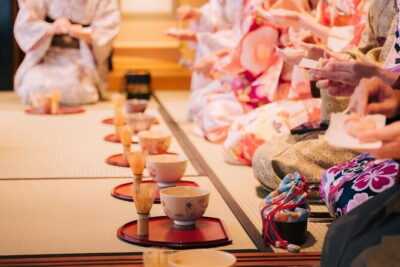
Kimono Tea Ceremony Experience at Kyoto Oritzuruya, Nishiki
Read our review →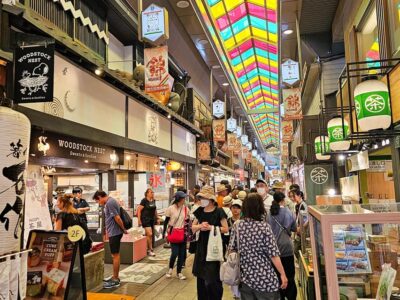
Nishiki Market and Depachika Food Tour with a Local
Read our review →
Nishiki Market Tour with a Local Foodie & Tastings
Read our review →Browse the lists this tour appears in