
Reviewed · OSAKA DAY TRIPS
Kyoto UNESCO World Heritage Sites 1d Tour from Osaka/Kyoto
Kyoto’s finest sights arrive in one packed day here, from the gold-covered Kinkaku-ji to the wooden stage of Kiyomizu-dera. The mix of temples, gardens, bamboo, and old lanes gives you a strong first look at the city without piecing together several train and bus routes.
I like the smart route, which links northern Kyoto, Arashiyama in the west, and the eastern temple district. I also like the chance to add A5-ranked Kobe beef to the day, a rare luxury at this price point. The tradeoff is clear: nine to ten hours is a lot of sightseeing, and traffic can shorten stops or reduce the number of planned attractions.
Key points to know before booking
- Four major Kyoto sights in one day: Kinkaku-ji, Sanjusangen-do, Kiyomizu-dera, and the Arashiyama area form the core of the route.
- Arashiyama gets the longest visit: About 2 hours and 40 minutes covers the bridge, bamboo grove, Kimono Forest, Tenryu-ji, shopping, free time, and lunch.
- Two departure choices: Meet at VIP Villa Namba in Osaka or Kyoto VIP Lounge, depending on the option you select.
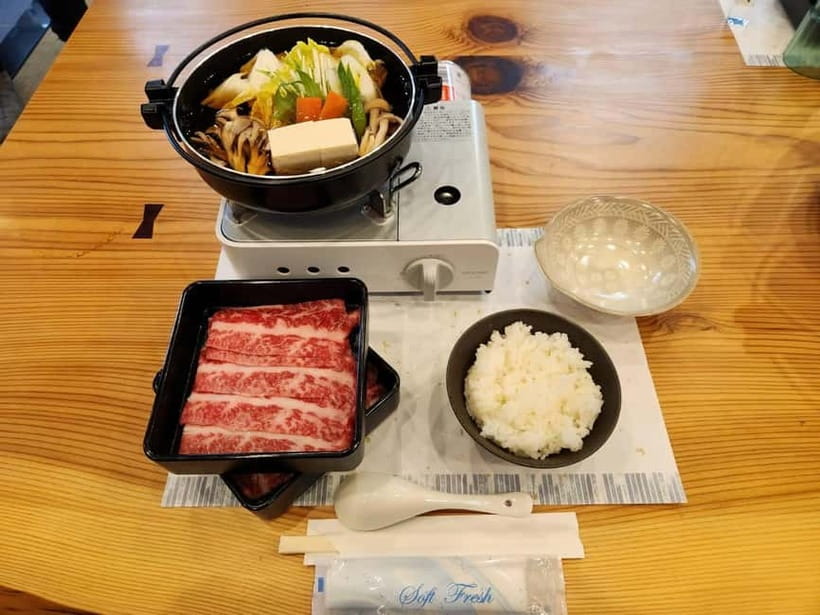
- Lunch is optional: The A5 Kobe beef meal is available as an add-on, not automatically included with every booking.
- A guide adds context: English and Chinese-speaking guides lead the day. Kaytu has been singled out for clear historical knowledge.
- Traffic matters: Kyoto roads can be slow, especially during holidays or poor weather, and late arrivals are not accommodated.
Why this Kyoto day tour works
If you have only one free day for Kyoto, this tour gives you a practical sweep of the city’s best-known cultural sights. You do not have to work out several rail connections, find each temple entrance, or keep checking the clock as you cross town.
The route also has a good visual rhythm. Kinkaku-ji gives you gold and water. Arashiyama brings green bamboo, a river, and mountain views. Sanjusangen-do changes the mood with a long, quiet hall filled with golden statues. Kiyomizu-dera finishes the day with height, wood, and old streets.
That variety matters. A day of only temples can blur together, but these stops feel different from one another. You will still be moving at a brisk pace, though, so this is best for someone who wants a broad introduction rather than a slow study of one neighborhood.
The listed price is $59 per person, which is strong value if your priority is transportation, admission to several major sights, and a guide in one package. The Kobe beef meal costs extra if selected, so check the exact option before paying. Since lunch, admission, and departure arrangements can vary by booking choice, compare the package details carefully.
More days that pair Kyoto with Osaka:
- Osaka/Kyoto:Kinkakuji,Arashiyama,FushimiInariShrine,NaraPark
★ 4.1 · 1,596 reviews - Kyoto/Osaka: Nara, Fushimi Inari Taisha, Arashiyama Bus Tour
★ 4.7 · 1,275 reviews - One-Day Tour of Kyoto’s Highlights from Osaka/Kyoto
★ 4.5 · 1,092 reviews
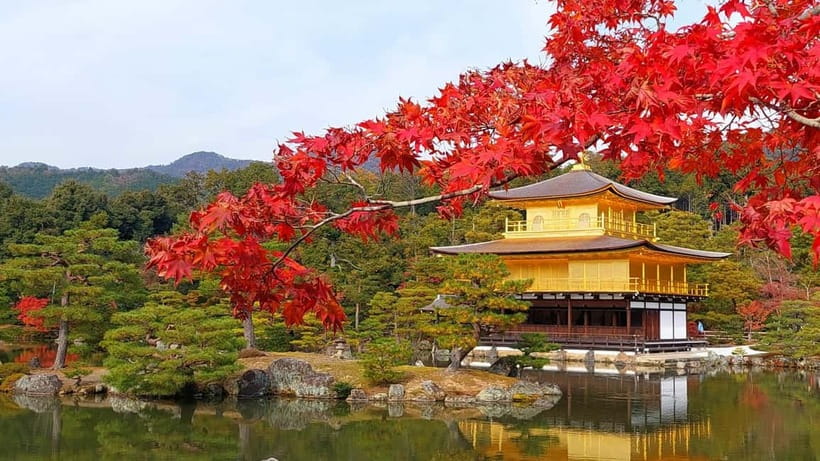
Kinkaku-ji and the Mirror Pond
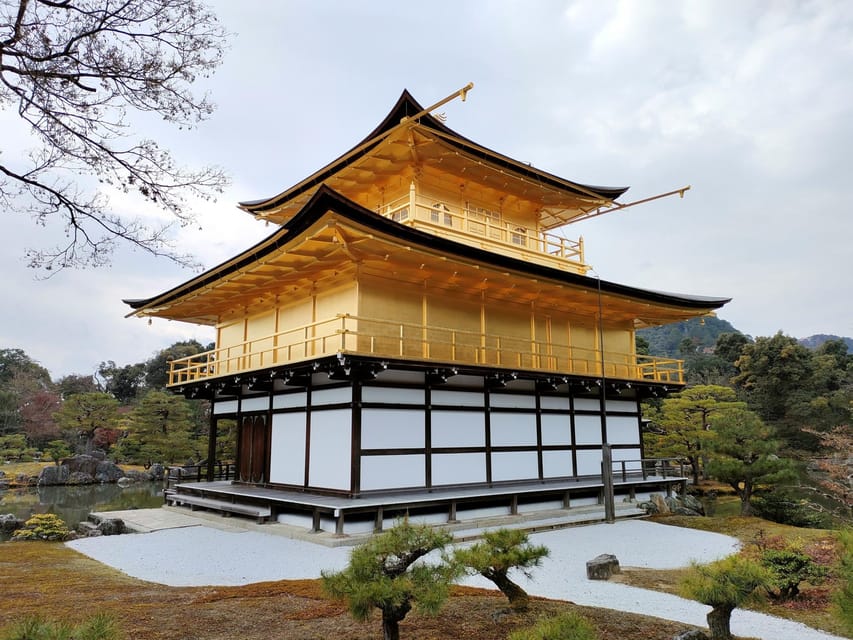
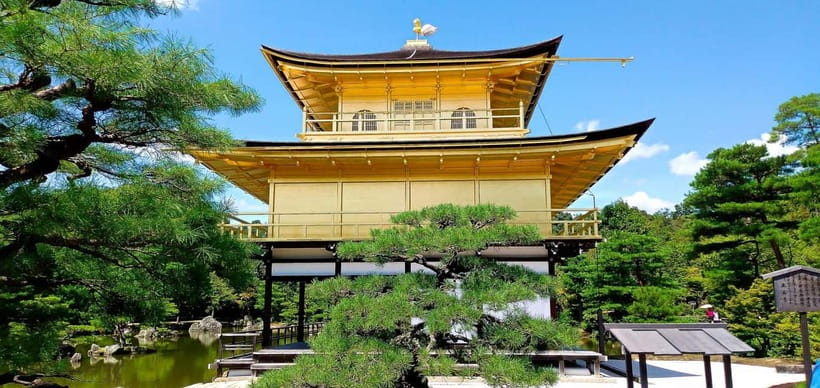
The day begins at Kinkaku-ji, better known as the Golden Pavilion. You have about 40 minutes here, enough to enter the grounds, follow the viewing path, and stop at the pond where the pavilion reflects on the water.
The building’s upper two floors are covered in gold leaf. In good conditions, that surface catches the light and creates the classic Kyoto image: bright gold against dark timber, green gardens, and still water. The setting is more important than the chance to enter the pavilion, since the main pleasure comes from seeing the building from the garden path and watching its reflection.
Forty minutes is a sensible amount of time for this stop. It gives you a clear look without allowing the first temple of the day to consume the schedule. The downside is that Kinkaku-ji can feel busy, and the route tends to keep you moving rather than offering long periods for quiet observation.
Your guide can help place the temple in the setting of fourteenth-century Kyoto and explain why the gold pavilion has become such a strong symbol of the city. Kaytu is one guide associated with this experience, and historical explanation was a specific strength noted after a July 2025 departure.
Arashiyama, where nature takes the lead
Arashiyama receives the largest portion of the day, about 2 hours and 40 minutes. That time includes sightseeing, free time, shopping, lunch, and several separate stops, so you should not expect all of it to be unstructured wandering.
The area has been admired since the Heian period, when court life shaped Kyoto’s cultural style. Today, the main draw is the combination of river scenery, wooded hills, temples, and narrow lanes filled with shops.
Togetsukyo Bridge
Togetsukyo means Moon Crossing Bridge. It crosses the Katsura River and gives you an open view toward the hills. This is a photo stop, but it is also one of the few places on the tour where the view opens up instead of being framed by temple walls or city streets.
The bridge looks different across the seasons, with the surrounding hills providing the backdrop. The schedule allows time to visit and take photographs, though traffic and the group’s pace determine how long you actually linger.
More history-led days in Kyoto:
- Kyoto Gion: 2-Hour Geisha Culture & History Walking Tour
★ 5.0 · 1,186 reviews - Kyoto Gion Historical Walking Tour
★ 5.0 · 188 reviews - Historical Kyoto E-Bike Tour
★ 5.0 · 181 reviews - Kyoto: Nijo Castle World Heritage Guided Tour with Admission
★ 5.0 · 128 reviews
Kimono Forest
The Kimono Forest is a colorful installation made from textile-covered pillars near the Arashiyama station area. It offers a quick change of mood after the bridge and bamboo grove. The stop is easy to combine with shopping and free time, since it sits in the same general sightseeing zone.
Do not expect a traditional temple here. This is a modern design feature that reflects Kyoto’s connection to textiles and kimono craft. It works well as a short photo stop between the older sights.
Tenryu-ji Temple
Tenryu-ji is one of Arashiyama’s major Zen temples. You have free time to see the temple area and its grounds as part of the Arashiyama visit.
The temple adds a more formal cultural stop to a district otherwise known for scenery and shopping. If you are interested in Japanese gardens and Zen architecture, use your free time here with care. The schedule includes several attractions, so you may need to choose between lingering at Tenryu-ji, browsing shops, and spending more time in the bamboo grove.
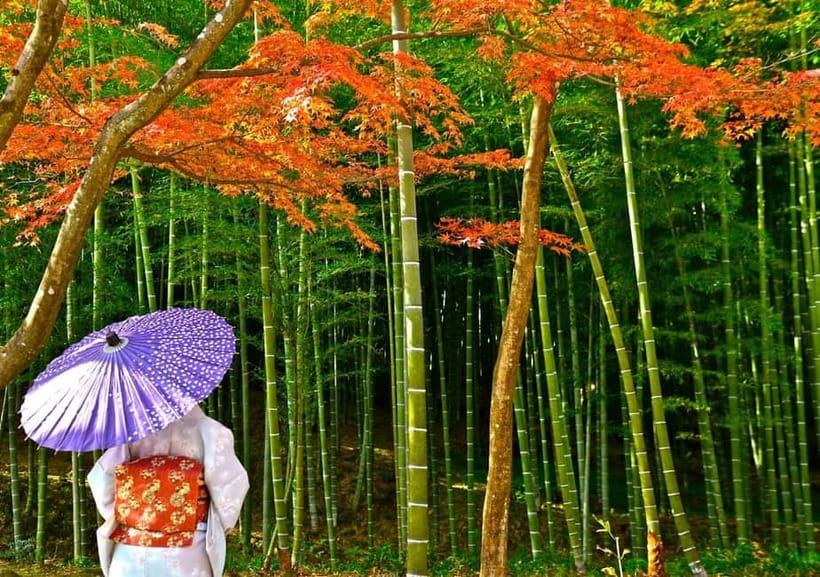
Arashiyama Bamboo Grove
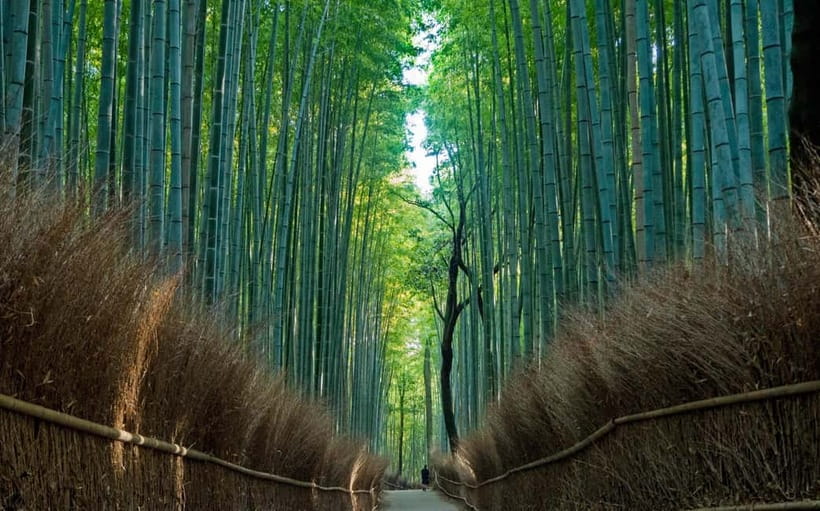
The bamboo grove is the area’s signature walk. Tall bamboo stalks rise on both sides of the path, forming a narrow green corridor that filters the daylight and creates a cool, enclosed feeling.
This is not a long wilderness walk. It is a popular path with a steady flow of people, and the group’s schedule keeps the visit focused. Still, the scale of the bamboo makes it worth seeing. You will want to pause for photographs, but keep moving when asked so the full group can stay on schedule.
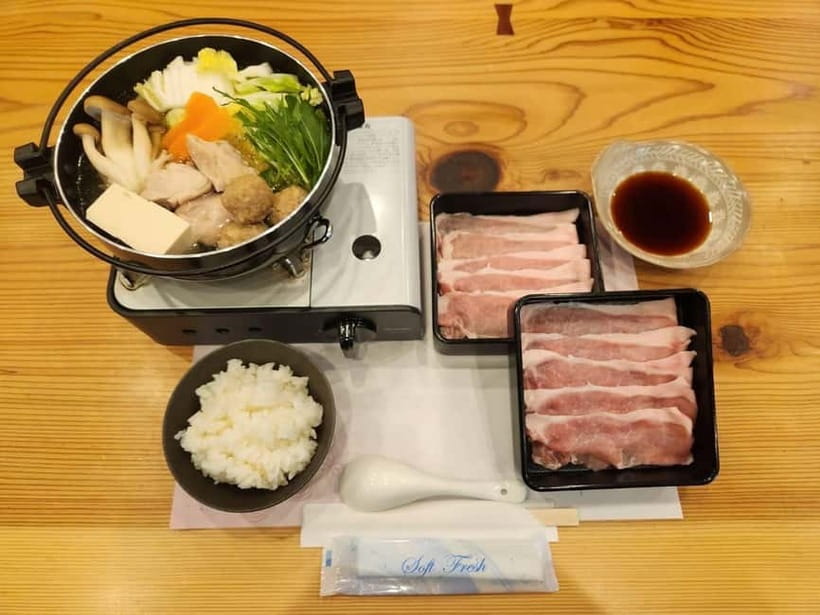
Arashiyama is also where the optional Kobe beef lunch fits into the day. Authentic Kobe beef is prized for its fine marbling, soft texture, and savory flavor. The A5 option is a treat for food-focused visitors, but it changes the value calculation. At $59, the basic tour is designed as a sightseeing day. Once you add a premium meal, you are paying more for a special dining experience rather than simply refueling.
Sanjusangen-do and its 1,001 golden figures
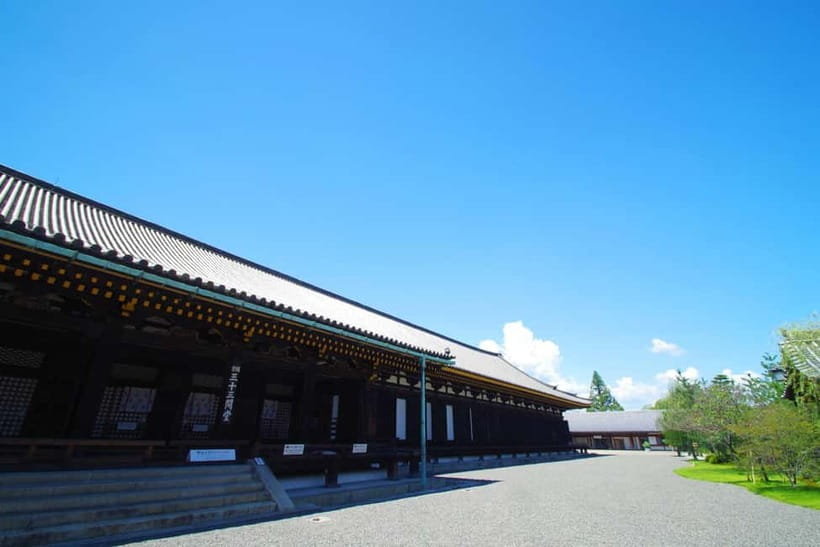
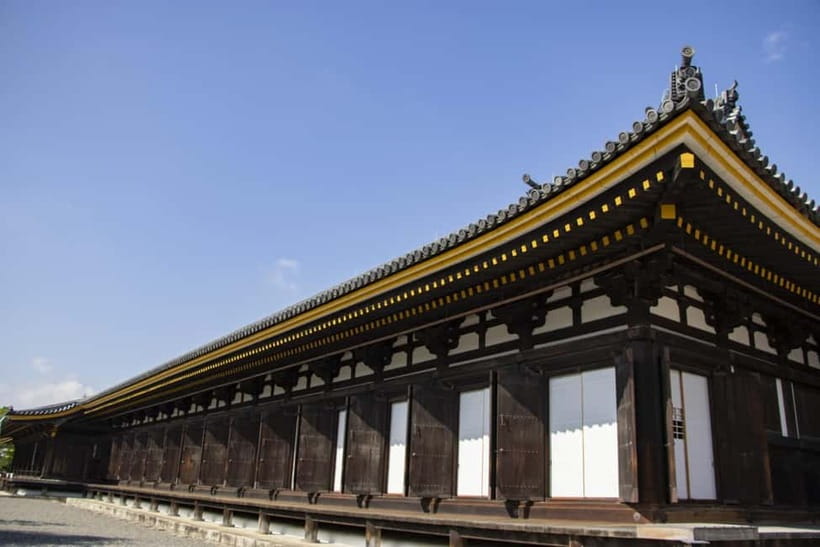
After Arashiyama, the tour heads to Sanjusangen-do for about 40 minutes. The temple is known for its exceptionally long wooden hall and the rows of 1,001 life-sized statues of Kannon, the Buddhist figure associated with mercy and compassion.
This is one of the most striking interiors in Kyoto. The statues are arranged in a vast line, each with its own expression and details. The effect is not flashy. It is quiet, orderly, and slightly mysterious, especially after the outdoor activity in Arashiyama.
The temple ticket is included, which helps the tour’s value. Forty minutes is enough to see the hall and take in its scale, but not enough for a slow, detailed study of every figure. Listen to the guide here, since the meaning of the statues and the building’s design can be easy to miss if you simply walk through.
Photography rules and interior conditions can vary at religious sites, so follow the posted instructions and the guide’s directions. This stop is particularly worthwhile if you want a cultural experience that feels different from the more photographed temples.
Kiyomizu-dera, the high point of the afternoon
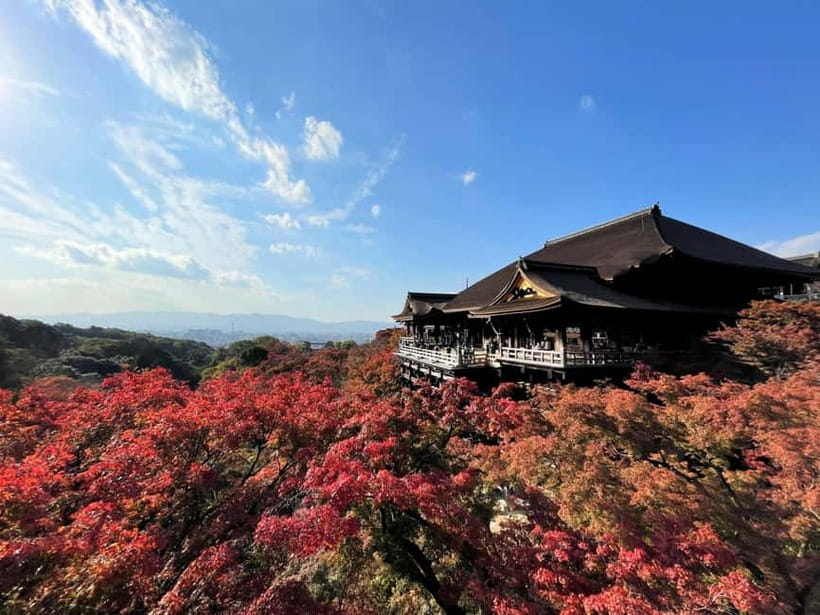
Kiyomizu-dera receives about 80 minutes, making it the longest single temple visit. The name means Temple of Pure Water, and the site is known for its large wooden stage, built without nails, overlooking the hills and city below.
The stage is the visual centerpiece, but the visit is more than a viewpoint. You can see the temple structures, walk through the grounds, and visit the Otowa Waterfall, whose waters are associated with health, long life, and success.
The view changes with the seasons. Cherry blossoms frame the temple in spring, while maple leaves provide strong color in autumn. Even outside those periods, the height of the main stage gives Kiyomizu-dera a strong sense of place.
The tour also includes Kiyomizu-dera Koyasunoto Pagoda. This adds another architectural feature to the visit and gives you more reason to look beyond the main stage.
Kiyomizu-dera is popular, and the approach can be crowded. You should also expect some walking and a busy sequence of visual details. The 80-minute stop is useful because it gives you more time than the 40-minute visits, but it will still pass quickly if you stop often for photographs.
Ninenzaka and Sannenzaka after the temple
The final part of the Kyoto sightseeing route takes you through Ninenzaka and Sannenzaka. These traditional lanes are lined with shops and provide an easier way to end the day than another large temple.
You can browse for souvenirs, snacks, and local goods, though the exact shopping time depends on traffic and the pace of earlier stops. The lanes also connect naturally with the Kiyomizu-dera visit, so the day ends in one of Kyoto’s most atmospheric old districts rather than beside a highway or modern shopping center.
Watch your footing on the sloped streets and keep an eye on the meeting time. It is easy to lose track of the group while browsing. The guide’s instructions matter here because the vehicle cannot wait for late arrivals.
Transport, departure points, and timing
You can start from VIP Villa Namba in Osaka or Kyoto VIP Lounge. The available meeting point depends on the option you book, so check the selected location carefully and scan the correct QR code shown for that departure.
The tour uses an air-conditioned vehicle and lasts about nine to ten hours. That makes it easier than arranging Kyoto’s sights independently, but the vehicle also ties the day to road conditions. Kyoto traffic can be slow, particularly during holidays or adverse weather.
Arrive at least ten minutes before departure. The operator does not wait for late arrivals, even if you contact them before the scheduled time. Arriving at the wrong meeting point can also mean losing the tour without a refund.
The group may include both English-speaking and Chinese-speaking participants on the same bus. English and Chinese guiding is available, but the experience may not feel like a private English-only tour. A small-group option is available, which is worth considering if you prefer a less crowded vehicle and easier contact with the guide.
Who should book this experience
I would choose this tour if you are staying in Osaka or Kyoto and want to see the major highlights in a single day. It is especially useful for a first visit, a short stay, or anyone who prefers a set route with transport included.
It suits active sightseers who are happy to move between several temples, walk through outdoor areas, and keep to a firm schedule. The optional Kobe beef lunch makes it more appealing to food lovers who want to add a memorable meal to a sightseeing day.
I would think twice if you want long, quiet visits at each temple, extensive shopping time, or complete control over your schedule. Traffic can change the day, and the operator may reduce planned attractions during severe delays without a refund.
Free cancellation is available up to 24 hours before departure, and you can reserve now and pay later. Those policies help if your plans are still shifting, but they do not protect you from missing the bus. The meeting point and departure time remain your responsibility.
Should you book the Kyoto UNESCO World Heritage Sites tour?
Book it if you want a high-value overview of Kyoto with the city’s most recognizable sights packed into one organized day. Kinkaku-ji, Arashiyama, Sanjusangen-do, and Kiyomizu-dera offer enough contrast to keep the schedule interesting, while the included temple admissions and air-conditioned transport reduce the usual planning work.
The main caution is pace. This is a highlights tour, not a slow cultural retreat. Arrive early, wear practical shoes, confirm your departure point, and treat the Kobe beef lunch as an optional splurge rather than part of the basic $59 value.
FAQ
How long does the Kyoto UNESCO World Heritage Sites tour last?
The tour lasts approximately nine to ten hours. The exact timing can change because of traffic and conditions on the day.
Where can I join the tour?
There are two possible starting locations: VIP Villa Namba in Osaka and Kyoto VIP Lounge. Your meeting point depends on the option you book.
Which languages are available?
The tour provides English and Chinese-speaking guides. Depending on the number of participants, both language groups may share the same bus.
Is lunch included?
Lunch is included only if you select the option that includes it. An optional A5 Kobe beef lunch is available.
Are temple entrance tickets included?
The ticket for Kinkaku-ji and the ticket for Sanjusangen-do are included.
Is the tour available as a small group?
A small-group option is available. Check the specific booking choice for the group arrangement offered.
What happens if I arrive late?
You must arrive ten minutes before departure. The vehicle does not wait for late arrivals, and arriving at the wrong meeting point may mean that a refund is not available.
Can I cancel the tour?
You can cancel up to 24 hours in advance for a full refund. Reserve-now, pay-later booking is also available.
Newest Kyoto experiences on the site
- Treasures of Kyoto: Gion & historical Walking Tour★ 5.0 · 6 reviews
- Whisk Your Own Matcha: A Zen Matcha Experience at Temple★ 3.6 · 7 reviews
- Kyoto tea town for matcha lovers★ 5.0 · 16 reviews
- Uji: Private immersion into Kyoto’s tea and reglious culture★ 5.0 · 17 reviews
- Kyoto Matcha Green Tea Tour★ 4.5 · 23 reviews
- Uji and Wazuka Matcha Farm Half Day Private Guided Tour★ 5.0 · 21 reviews
- Utilising upcycled Matcha! Creating matcha incense (Uji, Kyoto)★ 5.0 · 6 reviews
- Sacred Temple Yoga Experience in Japan★ 5.0 · 3 reviews
Osaka Day Trips, compared.
Kinkakuji,Arashiyama,FushimiInariShrine,NaraPark
Read our review →
Nara, Fushimi Inari Taisha, Arashiyama Bus Tour
Read our review →
Arashiyama, Nara & Fushimi Inari Shrine w/Lunch
Read our review →
Full Day Guided Tour to Kyoto and Nara from Osaka by Van
Read our review →
Nara Park, Osaka & Kobe from Kyoto Full Day tour
Read our review →Browse the lists this tour appears in