
Reviewed · GION DISTRICT TOURS
Kyoto night walk tour (Gion district)
Gion is at its most atmospheric after dark, when lantern light settles over narrow lanes and the old wooden streets feel far removed from modern Kyoto. This private walk with Hiro takes you from the Minamiza Kabuki Theatre through Yasaka Shrine, the stone-wall district, Yasakanoto, and the slopes near Kiyomizu-dera.
I like two things right away: the tour is private, so you can ask questions at your own pace, and Hiro often takes thoughtful travel photos along the way. He also gives useful restaurant suggestions, which can be a real help on your first night in Kyoto. The main drawback is that the advertised 90 minutes is short for such a scenic area, and one stop requires quiet rather than much explanation.
Key points to know before booking
- A private night walk through Gion: Only your group takes part, making the pace more flexible than a large group tour.
- Meeting point by Minamiza Theatre: The walk begins at 194 Kawabatacho, in front of the Minamiza Kabuki Theatre.
- Four important Kyoto sights: You visit Yasaka Shrine, Yasakanoto, the famous slopes of the Yasaka area, and Kiyomizu-dera.
- Photos are part of the appeal: Hiro is often praised for taking family, couple, and solo portraits in attractive night settings.
- A short introduction to old Kyoto: The tour lasts about 1 hour and 30 minutes, so it works best as an orientation rather than a full historical tour.
- Good value at $35: The price is modest for a private walk, especially if you want local guidance and photos without joining a large group.
Starting beside Kyoto’s Minamiza Kabuki Theatre
The meeting point is in front of the Minamiza Kabuki Theatre at 194 Kawabatacho, in Kyoto’s Higashiyama Ward. This is a sensible place to begin because it sits near the edge of Gion and is served by public transportation.
You should arrive ready to walk. The tour ends back at the meeting point, which makes it easier to continue your evening in central Kyoto or return to your hotel using the same transport connections.
The start time is not specified in the details provided, so check your confirmation carefully. Since this is a night walk, wear comfortable shoes and bring a light layer. Some of the charm comes from quiet side streets and slopes, not just from standing at major sights.
Your guide may be Hiro, who receives the strongest praise for his friendly manner, clear English, local knowledge, photography, and willingness to help after the scheduled walk. The provider has also used the name Hero in some responses, so do not be concerned if the guide’s name appears with slightly different spelling in your booking messages.
More ways to walk Gion:
- Kyoto Geisha Walking Tour: Gion District & Hidden Gems
★ 4.7 · 3,273 reviews - Kyoto: Gion Magical Night Walking Tour with Geisha Trivia
★ 4.9 · 2,393 reviews - Kyoto: Gion Geisha District Walking Tour – Stories of Geisha
★ 4.7 · 2,187 reviews
Yasaka Shrine, Kyoto’s lively starting point
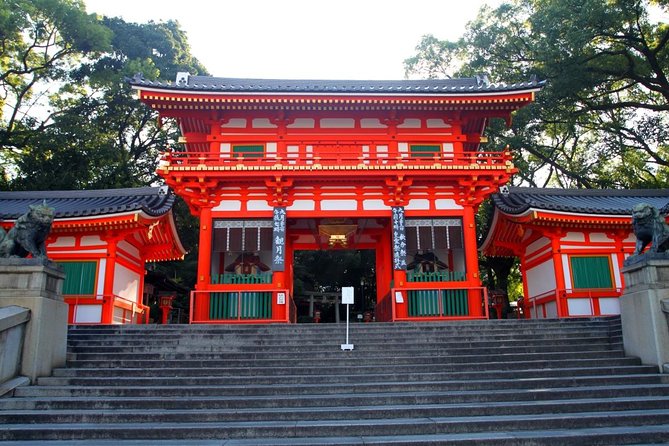
The first formal stop is Yasaka Shrine, with about 15 minutes set aside for an introduction. Admission is free, and the shrine gives you an immediate sense of why this part of Kyoto matters.
Hiro explains the shrine’s background through local stories rather than giving you a long academic lecture. That approach suits a short evening tour. You get enough context to understand the site, then move on before the walk becomes a static sightseeing stop.
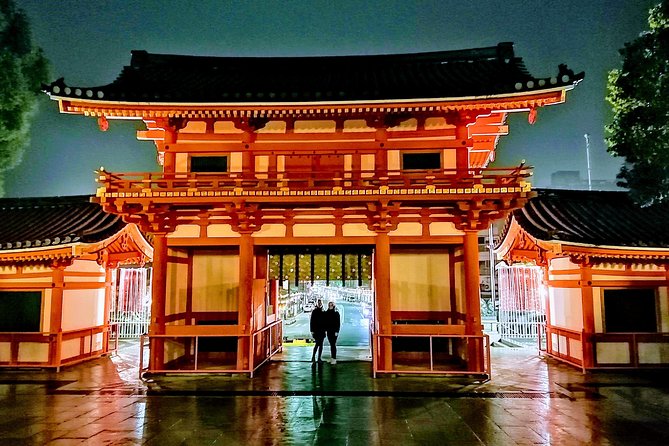
Night changes the mood here. You may see illuminated gates, shrine buildings, and people passing through on their way to dinner or an evening stroll. The exact lighting and atmosphere can vary with the season, so you should treat the shrine as an opening glimpse rather than a guaranteed night spectacle.
I especially like starting here because it gives you a useful map of the area. From Yasaka Shrine, the route moves toward traditional lanes and historic sites, allowing you to see how the shrine, old neighborhoods, restaurants, temples, and hillside streets fit together.
Quiet lanes and the stone-wall district
One of the more distinctive parts of the walk is the passage through the stone-wall district. Here, silence is part of the point.
You are not given a running commentary at every corner. Instead, you walk quietly through an area where respectful behavior matters. That can feel unusual if you expect a guide to fill every pause, but it is also a welcome reminder that Gion is a living neighborhood, not simply a stage set for photographs.
Keep your voice low and follow your guide’s lead. Do not block narrow lanes, peer into private spaces, or photograph people who have not agreed to be photographed. The value of this section lies in noticing details: walls, entrances, traditional exteriors, and the changing quality of the light.
This is also where a private group helps. A couple or family can move quietly without having to manage a large crowd. If you want extensive architectural detail, though, ask questions before entering the lane or after leaving it, since the guide intentionally limits conversation in this area.
Yasakanoto and the best photo stop
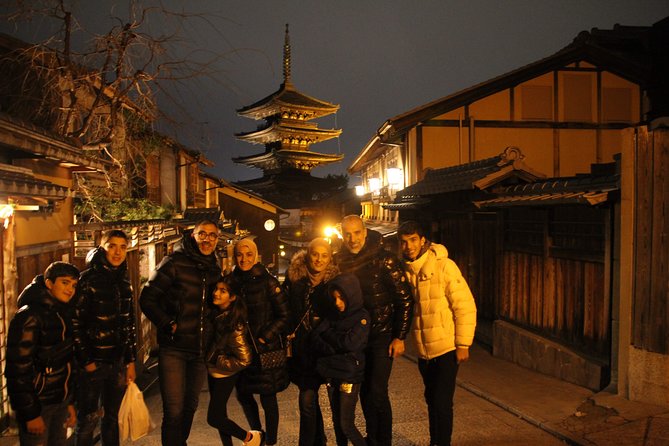
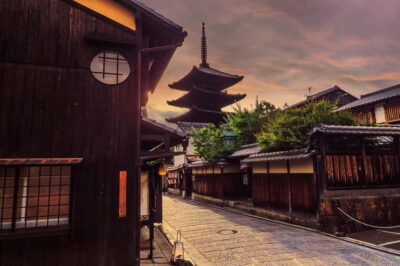
The route continues to Yasakanoto, the five-story pagoda that has become one of the most recognizable views in the Yasaka area. Hiro spends about 20 minutes explaining the pagoda’s history and taking photographs in front of it.
This is likely the tour’s strongest photo stop. At night, the pagoda provides a clear focal point, while the surrounding streets offer a classic Kyoto setting. Hiro’s photography is a repeated strength of this walk. He takes photos of families, couples, and solo visitors, and several people specifically appreciate having someone else record the evening.
That service adds real value to a $35 private tour. You are not only paying for directions between sights. You are also getting help with composition and timing, plus photographs that include the whole group instead of leaving one person behind the camera.
Still, keep expectations sensible. The details promise photographs, but they do not specify the number, editing style, or delivery method. If photos matter greatly to you, ask Hiro how and when he will send them. Past arrangements have included sending pictures promptly, but that should not be treated as a fixed guarantee.
Yasakanoto also gives the guide room to explain how religious buildings and neighborhood streets relate to one another. You can ask about the pagoda, local customs, or the way the area changes after dark. Hiro’s relaxed conversation style seems particularly useful for families and solo visitors who want a friendly introduction rather than a formal lecture.
More Kyoto after dark:
- Night Walk in Gion: Kyoto’s Geisha District
★ 4.5 · 2,003 reviews - Kyoto Night Foodie Tour in Gion (9+ dishes + 6 Sake tastings)
★ 5.0 · 1,762 reviews - Kyoto Gion Night Walk & Geisha District Guided Tour
★ 5.0 · 786 reviews - Kyoto Ghost Tour: Dark Tales, Urban Legends, Bamboo Forest Night
★ 5.0 · 625 reviews
Walking the famous slopes of Yasaka
After Yasakanoto, the route continues along a well-known slope in the Yasaka area. This part of the walk is less about one named monument and more about seeing Kyoto’s streets as a connected place.
Slopes matter here because the Yasaka and Kiyomizu area rises toward the hillside temples. You should expect some uphill or downhill walking and uneven surfaces. The full route is short, but it is not a standing tour, so comfortable footwear is a smart choice.
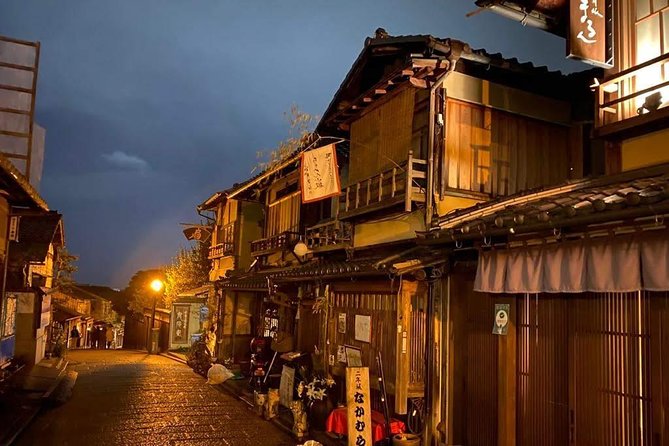
The slope also offers more chances for photographs. Traditional buildings, stone surfaces, and evening light can create a stronger sense of place than a crowded viewpoint. Hiro is attentive to these moments and may stop for pictures when the setting looks right.
A practical point: the route can feel longer if you have already spent the day visiting temples. One person arranged a shorter version after arriving tired, and the guide accommodated that request. Flexibility appears to be one of the tour’s useful qualities, but you should explain your needs early rather than assume the route can always be changed.
Kiyomizu-dera and seasonal illumination
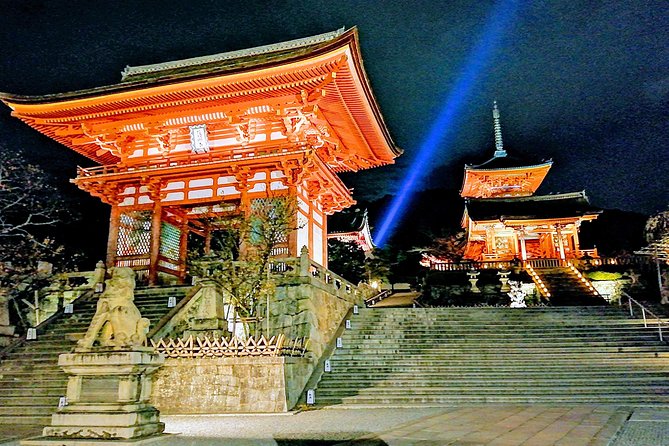
The final named stop is Kiyomizu-dera, with roughly 10 minutes planned here. Admission is not included, so you should not assume that the tour price covers entry into the temple grounds.
The details indicate that illumination may be visible depending on the season. That qualification matters. Kyoto’s night lighting schedules change, and you may see a lit temple area at some times of year but not others. The guide can still point out the setting and explain its importance even when special lighting is not operating.
Because the stop is brief, this is not a substitute for a full visit to Kiyomizu-dera. If you want to explore the temple in detail, return during opening hours and allow more time. The night walk is better understood as an introduction to the surrounding area and a chance to see the approach roads and hillside atmosphere after dark.
The route returns to the original meeting point rather than ending at Kiyomizu-dera. That is convenient for a clearly defined tour, though it means you will walk back instead of finishing near the temple. Ask your guide for dinner or transport suggestions if you are unsure what to do next.
What makes the private format worth $35
At $35 per person, the price is reasonable for a private 90-minute walk, particularly if you are traveling as a family or couple. A private tour usually costs more than a large group outing, but here the rate includes personal attention, questions, local orientation, and the chance to request photographs.
The value is strongest on your first evening in Kyoto. Hiro can help you understand the layout of Gion, show you streets you may not notice on your own, and suggest restaurants after the walk. He has recommended ramen, Japanese barbecue, gyoza, and Kobe beef restaurants to past groups, though recommendations naturally depend on what is open and what you enjoy.
Some people have also received help finding a restaurant or walking part of the way afterward. Do not book the tour expecting an unlimited dinner-planning service, but it is useful to have a local person you can ask while you are already in the neighborhood.
The short duration keeps the price accessible, but it also limits the amount of history you can cover. You will not get a full survey of Kyoto’s temples, geisha culture, architecture, and food traditions in 90 minutes. You will get a focused evening walk with a human guide who can point out details and answer questions as they arise.
The guide’s strongest qualities
Hiro’s style is friendly and conversational. He appears comfortable with families, couples, solo visitors, and people who want a lighter or shorter evening. His English is described as strong, and his easy manner helps the walk feel more like exploring with a local companion than following a rigid script.
Photography is another major strength. If you are traveling alone, it can be difficult to get good pictures without relying on strangers or a phone timer. Families also appreciate photographs that include everyone, especially in places such as Yasakanoto and the quiet Gion lanes.
Food advice is a useful bonus. Hiro has helped people choose ramen, barbecue, gyoza, and other meals, and he has sometimes walked with groups toward a restaurant. This makes the tour especially practical for your first night, when you may still be learning where to eat and how the neighborhood is arranged.
There is one important caution. One very poor experience involved a late arrival, limited explanations, and a guide who appeared unfamiliar with Kyoto. The provider apologized directly and promised corrective action. That complaint is sharply different from the otherwise very strong pattern of praise, but it is still worth noting. Confirm your meeting details, make sure you connect with the intended guide, and speak up if you need more explanation during the walk.
Who should book this Kyoto night walk
I would choose this tour if you want a gentle introduction to Gion without committing to a long evening program. It fits especially well on your first night in Kyoto, when you want to get your bearings and still have time for dinner afterward.
It also suits:
- Families who want a private pace and group photographs
- Solo visitors who would like company and help taking pictures
- Couples looking for atmospheric streets rather than a formal lecture
- Visitors who enjoy local food suggestions
- People who prefer quiet lanes and neighborhood details to a large sightseeing group
You may want a different arrangement if your priority is entering every temple, receiving detailed historical instruction at each stop, or spending several hours exploring Kiyomizu-dera. This walk covers several important places, but it does so quickly.
The route is also less suitable for anyone who dislikes walking on slopes or uneven streets. Most people can participate, and service animals are allowed, but the tour still requires you to move through an old district on foot.
Booking, weather, and cancellation details
Confirmation is sent within 48 hours of booking, subject to availability. The tour accepts mobile tickets and is normally booked well ahead, with an average lead time of about 32 days, so reserve early if your Kyoto dates are fixed.
You can cancel for a full refund up to 24 hours before the start time. Changes or cancellations made inside that window are not accepted for a refund. The activity requires good weather, and if poor weather causes cancellation, you will be offered another date or a full refund.
The meeting point is near public transportation, and the tour ends where it begins. Since the start time is not included in the supplied details, read your confirmation closely and allow time to find the Minamiza Theatre.
Should you book the Gion night walk?
Book it if you want a short, private, photo-friendly introduction to Gion with a guide who can explain local customs and help you choose dinner afterward. At $35, the combination of personal attention and photography makes the price appealing.
I would not book it as your only Kyoto sightseeing activity. The walk is an orientation, not a complete temple tour, and the Kiyomizu-dera portion is brief. Pair it with a daytime visit to Kiyomizu-dera or other major temples, then use this evening route to see Gion in a quieter mood.
For most visitors, especially families, solo visitors, and first-time arrivals, this is a practical way to meet Kyoto at street level. Just wear good shoes, respect the quiet lanes, and confirm the guide and meeting details before setting out.
FAQ
Where does the Kyoto night walk begin?
The tour begins at 194 Kawabatacho in Kyoto’s Higashiyama Ward, in front of the Minamiza Kabuki Theatre.
Where does the tour end?
The walk ends back at the original meeting point.
How long does the tour last?
The tour lasts approximately 1 hour and 30 minutes.
What places are visited?
The route includes Yasaka Shrine, the stone-wall district, Yasakanoto, a famous slope in the Yasaka area, and Kiyomizu-dera.
Is admission included?
Admission to Yasaka Shrine and Yasakanoto is listed as free. Admission to Kiyomizu-dera is not included.
Is this a private tour?
Yes. Only your group participates in the activity.
Can I cancel for a full refund?
Yes. You must cancel at least 24 hours before the local start time for a full refund. If poor weather causes the provider to cancel the tour, you will be offered another date or a full refund.
More Walking Tours in Kyoto
- Kyoto Gion Geisha District Walking Tour – The Stories of Geisha
★ 5.0 · 1,441 reviews - Nishiki Market Brunch Walking Tour (7 Tastings + Brunch)
★ 5.0 · 1,355 reviews - Kyoto Arashiyama Walking Tour: Bamboo, Monkeys, Gardens & Secrets
★ 5.0 · 1,216 reviews - Kyoto Gion: 2-Hour Geisha Culture & History Walking Tour
★ 5.0 · 1,186 reviews
Newest Kyoto experiences on the site
- Treasures of Kyoto: Gion & historical Walking Tour★ 5.0 · 6 reviews
- Whisk Your Own Matcha: A Zen Matcha Experience at Temple★ 3.6 · 7 reviews
- Kyoto tea town for matcha lovers★ 5.0 · 16 reviews
- Uji: Private immersion into Kyoto’s tea and reglious culture★ 5.0 · 17 reviews
- Kyoto Matcha Green Tea Tour★ 4.5 · 23 reviews
- Uji and Wazuka Matcha Farm Half Day Private Guided Tour★ 5.0 · 21 reviews
- Utilising upcycled Matcha! Creating matcha incense (Uji, Kyoto)★ 5.0 · 6 reviews
- Sacred Temple Yoga Experience in Japan★ 5.0 · 3 reviews
Gion District Tours, compared.
Kyoto Geisha Walking Tour: Gion District & Hidden Gems
Read our review →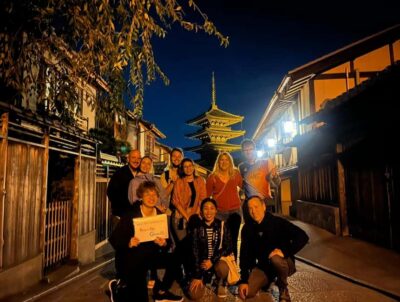
Gion Magical Night Walking Tour with Geisha Trivia
Read our review →
Gion Geisha District Walking Tour – Stories of Geisha
Read our review →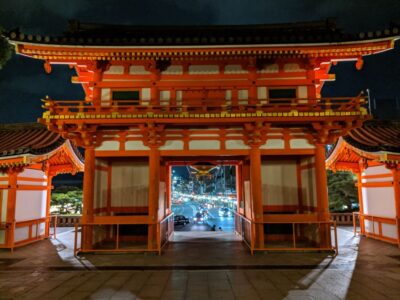
Best of Kyoto: Gion, Geisha, Pagodas & Cobblestones
Read our review →
Kyoto Night Foodie Tour in Gion (9+ dishes + 6 Sake tastings)
Read our review →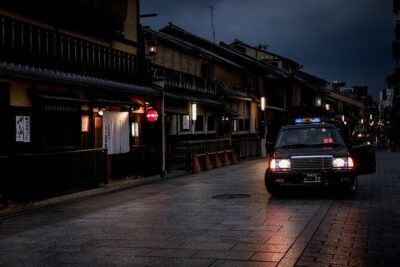
Kyoto Gion Geisha District Walking Tour – The Stories of Geisha
Read our review →
Kyoto Gion: 2-Hour Geisha Culture & History Walking Tour
Read our review →Browse the lists this tour appears in