
Reviewed · WORKSHOPS
Kyoto: Japanese Koto Musical Instrument Class
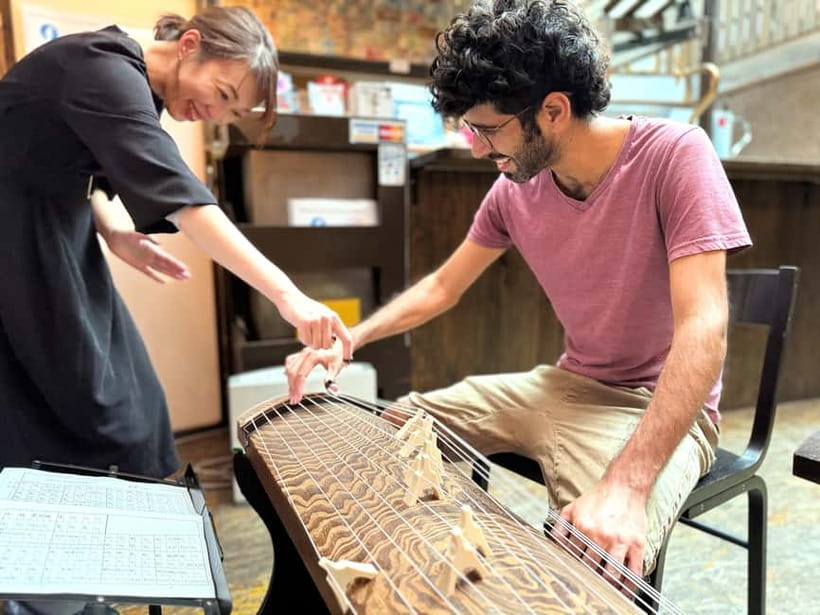
The best part of this Kyoto activity is simple: you do not just listen to traditional Japanese music, you put your own hands on a koto and make the sound yourself. The 90-minute class begins with a live performance, then instructor Natsuko guides you through Sakura Sakura, one of Japan’s best-known folk songs.
I like the small group limit of 10, which gives the lesson a personal feel, and I like that complete beginners can take part without bringing anything. The main consideration is age: children under 10 cannot join, and a short class can only offer an introduction rather than full command of this unusual instrument.
Key points to know before booking
- Play Sakura Sakura yourself: The lesson moves from listening to hands-on practice with a familiar Japanese melody.
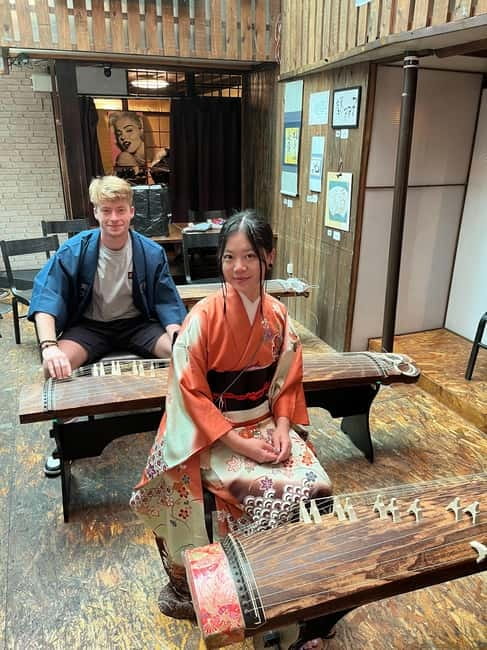
- Learn with Natsuko: Her calm, patient teaching has been a major part of the experience for past participants.
- Meet at Gojo Paradiso: The venue is beside the Takase River on Kiyamachi Street, a short walk from Keihan Kiyomizu Gojo Station.
- Suitable for true beginners: The koto, materials, and instruction are provided, so you need no musical background.
- Small and manageable: The group is limited to 10 people, with English and Japanese instruction.
- Good value at $32: For 90 minutes of instruction and a hands-on cultural activity in central Kyoto, the price is reasonable.
A first meeting with the Japanese koto
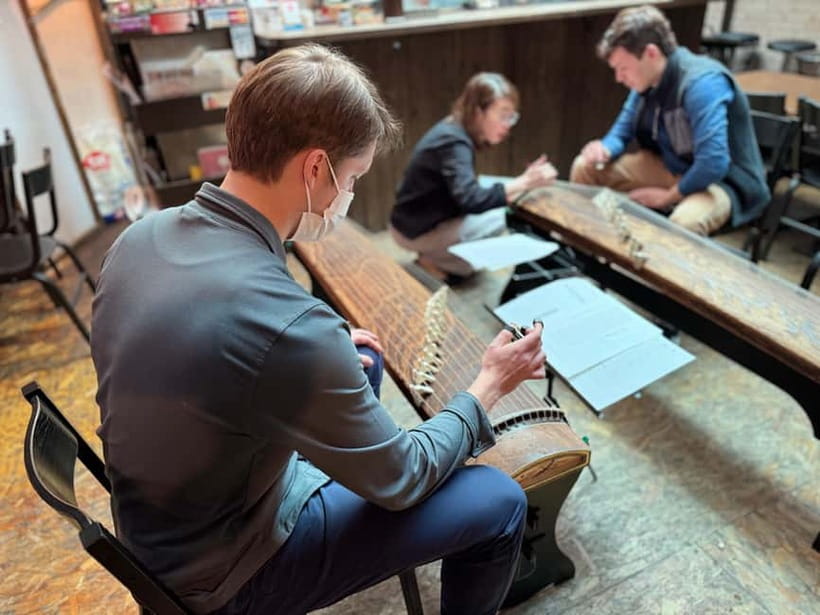
The koto is a traditional Japanese string instrument with a long, graceful body and a sound that can feel both bright and soothing. You do not need to know how to read music or play another instrument to begin. This class is built for the first encounter.
Your lesson starts by hearing the instrument played live. That opening matters. Before you try to place your fingers or pluck a string, you get a sense of the koto’s tone and rhythm. It also gives you a clear goal: the quiet, flowing sound you will attempt to create yourself.
Then the practical work begins. The instructor helps you try the instrument and learn the notes for Sakura Sakura. Since the song is widely associated with Japan, the lesson connects the physical act of playing with a melody you may already recognize from Japanese culture.
You should expect a patient introduction rather than a formal concert-level course. In 90 minutes, the aim is to help you understand the basics, play a song, and enjoy the process. That makes this a good fit if you want a cultural activity with real participation, not just another performance to watch.
More craft workshops in Kyoto:
- Kyoto: 45-Minute Tea Ceremony Lesson Experience
★ 4.3 · 2,378 reviews - Ramen Cooking Class at Ramen Factory in Kyoto
★ 5.0 · 1,937 reviews - Kyoto : Chopsticks Making Workshop in Gion with Engraving Option
★ 5.0 · 958 reviews
Learning Sakura Sakura one note at a time
Sakura Sakura is a smart choice for a first lesson. It is strongly linked with Japan and gives the class a clear structure. Instead of spending the session on abstract drills, you work toward a recognizable piece of music.
The instructor breaks the task into manageable parts. You listen, try the notes, and build the melody as you go. If you have never played an instrument, that can be reassuring. One participant who had no previous experience found the basics accessible, which is exactly the kind of result a beginner class should offer.
I also like that the lesson does not stop the moment you finish the planned song. If time and ability allow, you can try other songs. This keeps the session from feeling too rigid, though you should treat extra music as a possible bonus rather than a promise of a longer or advanced lesson.
The class gives you a small achievement to take home. You may not leave as a koto player, but you will understand how the instrument feels, how its sound is made, and how much control is needed to produce a clean melody.
What the instructor adds to the experience
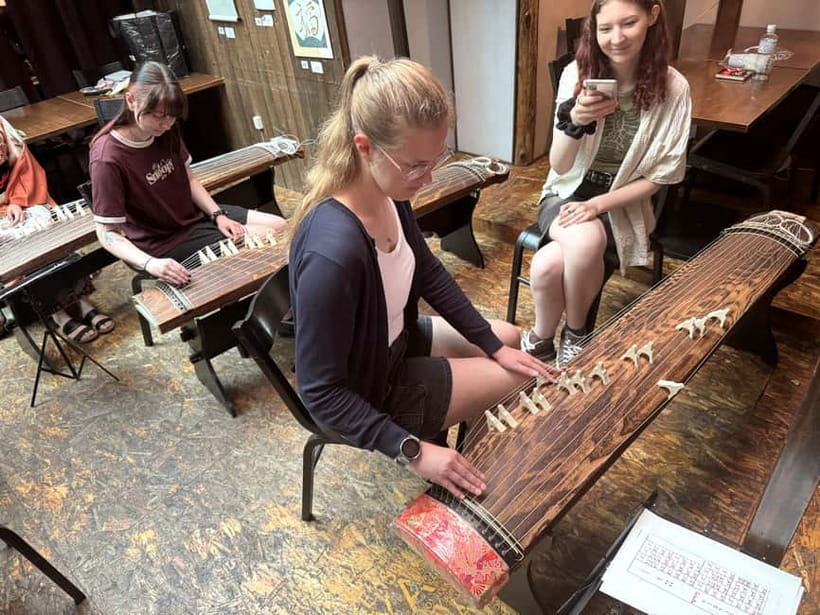
The teacher makes or breaks an introductory music class. Here, Natsuko is the named instructor associated with the experience, and her role is more than simply showing you which strings to pluck. She provides the live performance, explains the instrument, and guides you through the beginner piece.
Patience is especially important for a koto lesson. The instrument may be unfamiliar, and first attempts can feel slow. The strongest feedback about this activity focuses on the teacher’s friendly manner, patience, and ability to explain the basics clearly.
That is useful information for you because the class is not aimed only at people who already feel musical. The teaching style appears designed to reduce pressure and let you learn at a comfortable pace. One participant joined alone and still received the lesson, suggesting that the class can work well even without a large booking party.
Instruction is offered in English and Japanese. The available language support makes the activity practical for international visitors, while the Japanese setting and instrument keep the class connected to local culture.
Gojo Paradiso beside the Takase River
The meeting point is Gojo Paradiso, along the Takase River on Kiyamachi Street. From Keihan Kiyomizu Gojo Station, it is about a five-minute walk, or roughly 386 meters. From Keihan Shichijo Station, allow about 10 minutes on foot.
That location is convenient for fitting the lesson into a Kyoto day. You can reach it without a long transfer, and the river setting suits the calm mood of the music. Still, give yourself a little extra time to find the exact entrance. The directions identify the venue and nearby stations, but they do not provide a full street-by-street arrival guide.
The setting is part of the appeal, but the koto remains the main event. Do not book this expecting a large museum visit or a full tour of Kyoto’s musical history. The value comes from sitting down with the instrument and learning directly from the instructor.
The venue is wheelchair accessible, which makes the activity more practical for many visitors. The information provided does not specify details about seating arrangements or restroom access, so you may want to confirm those points before booking if they matter for your visit.
A few more Kyoto tours worth putting on the shortlist
- PERFECT KYOTO 1-Day Bus Tour
★ 5.0 · 13,518 reviews - Kyoto: Fushimi Inari, Kinkakuji, Bamboo Grove 1 Day Bus Tour
★ 4.8 · 4,316 reviews - Kyoto: Tea Ceremony in a Traditional Tea House in Kiyomizu
★ 4.9 · 3,519 reviews - Kyoto Geisha Walking Tour: Gion District & Hidden Gems
★ 4.7 · 3,273 reviews
Why the 90-minute length works
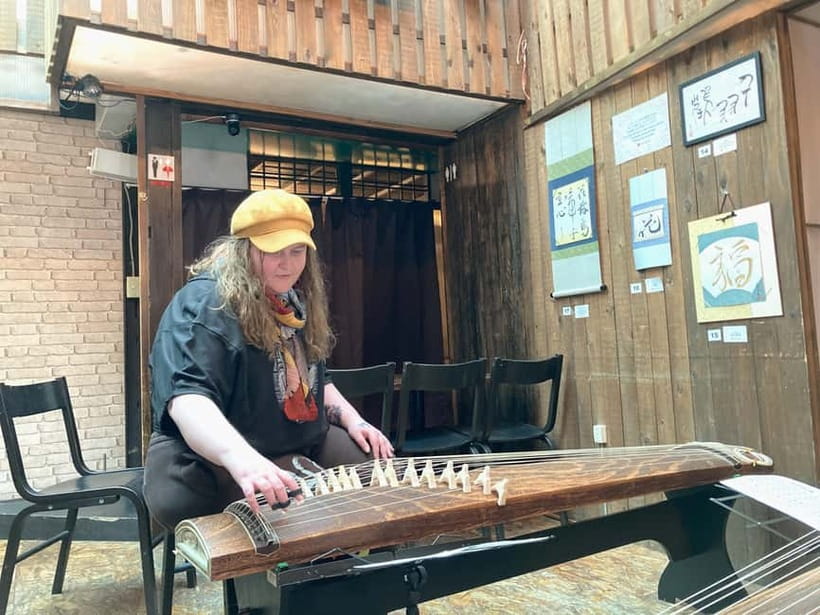
Ninety minutes is enough time to give the koto a fair try without taking over your day. You have room for the opening performance, an explanation of the instrument, practice with Sakura Sakura, and perhaps another song.
A shorter class might feel rushed, especially for someone touching the instrument for the first time. A much longer lesson could be tiring if you have no music background. This middle length keeps the activity focused.
The timing also works well as part of a wider Kyoto plan. You can schedule it around sightseeing in the Gojo and Kiyamachi areas. Since starting times vary, you need to check availability for the date you want rather than assuming a fixed departure time.
The class is limited to 10 participants. That is small enough to feel more personal than a large demonstration, while still allowing the instructor to teach several people in one session. If you prefer quiet, individual instruction, remember that this is still a group experience, not a private lesson.
The value of $32 per person
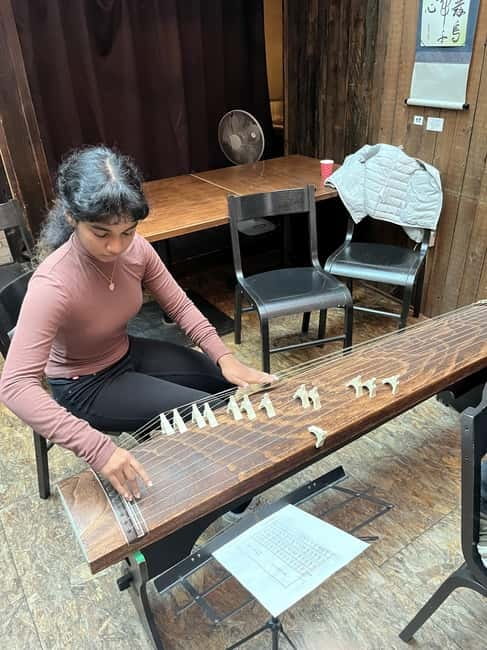
At $32 per person, the class offers good value for a specialized Kyoto activity. The fee covers the instructor, the koto, and the required materials. You are not paying extra to rent an instrument or buy lesson supplies.
The price also reflects the chance to do something many visitors cannot easily arrange on their own. A koto is not an everyday rental instrument, and learning Sakura Sakura with a teacher gives the session more substance than simply taking a photo beside one.
I would compare it with the cost of other short cultural activities in Kyoto by asking what you want from your time. If you want a polished performance only, this may feel too hands-on. If you want personal participation and a memory tied to Japanese tradition, the price is fair.
There is also practical booking flexibility. You can reserve now and pay later, and cancellation is free up to 24 hours before the activity for a full refund. You must reserve at least one day in advance, so this is not the right choice for a last-minute decision on the same afternoon.
Who should book this koto class
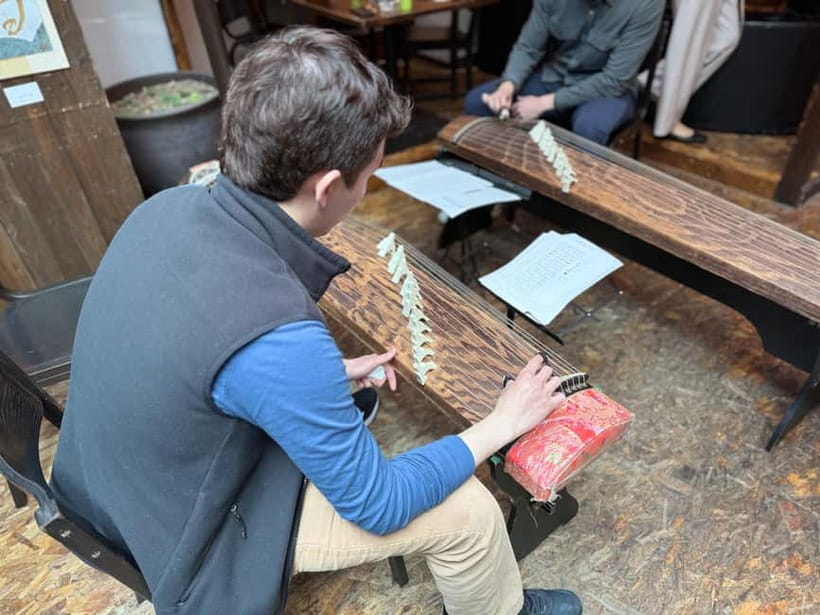
This is a strong choice for music lovers, culture-focused visitors, and curious beginners. You might also like it if you have spent several days visiting temples and want one activity where you actively do something rather than walk, look, and listen.
The class suits solo visitors, couples, and small groups. Since the instructor can teach in English or Japanese and the group has a 10-person limit, you should find the format approachable even if nobody in your party has musical experience.
It is also a good option for someone who has always wanted to try a Japanese instrument but does not want a demanding course. The session gives you a taste of the koto without requiring a long commitment.
Families need to note the age rule. Children under 10 are not permitted. Older children may enjoy the activity, but the class is still a music lesson, so a child should be ready to listen, follow instructions, and take part patiently.
You may want to skip it if you are looking for a high-energy activity or a long performance. The appeal here is quiet concentration, careful instruction, and the satisfaction of making a traditional sound yourself.
What to bring and how to prepare
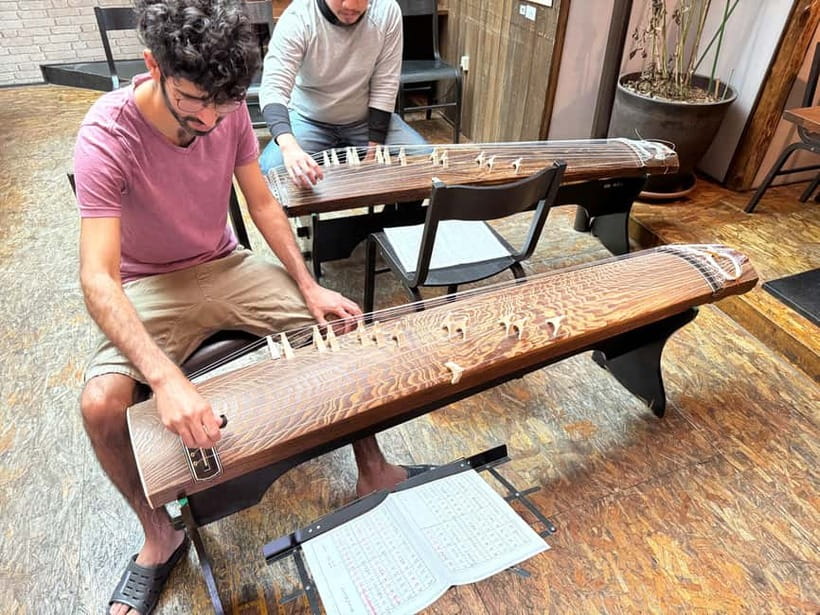
The koto and all required materials are supplied, so you do not need to pack anything special. Wear something comfortable enough for a seated lesson and arrive ready to focus.
It helps to keep your expectations realistic. You are learning one song and the basics of an instrument in 90 minutes, not completing a full musicianship course. The goal is a meaningful first step.
I would also plan your route before leaving your hotel. Gojo Paradiso is easy to reach from the nearby Keihan stations, but Kyoto’s streets can be confusing, especially if you are watching the clock. The five-minute walk from Kiyomizu Gojo Station is short, yet allowing a cushion of time will make the start more relaxed.
Photos and videos are part of the appeal, and you can capture the moment as you play. Be considerate during the live performance and instruction, and follow the teacher’s guidance about when recording is suitable.
What the strongest feedback tells you
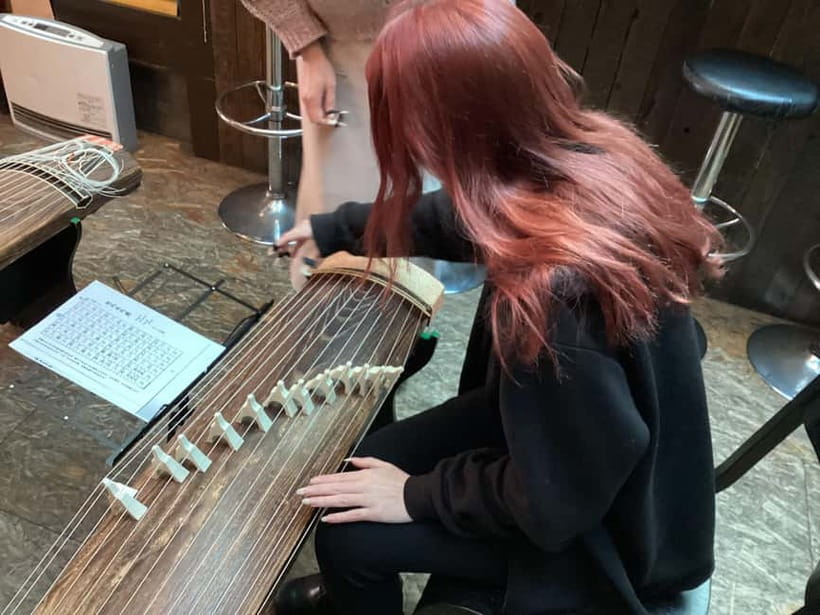
The most consistently praised feature is the instructor. Specific comments highlight Natsuko’s friendliness, patience, and clear teaching. That matters more here than a long list of included extras because a first music lesson depends on feeling comfortable while you make mistakes.
The experience also works for people with no musical background. One participant had never played an instrument before and still felt able to learn the basics. That is a strong sign for anyone who is interested but worried about having no rhythm or training.
Another important point is that the class can remain worthwhile even with a very small booking. A participant who attended alone still received the lesson, so you do not need to gather a large group to make the activity work.
The praise is warm, but the class remains short. You will get an introduction, not a detailed study of koto construction, Japanese music theory, or centuries of performance practice. If you want that level of detail, you will need a longer course elsewhere.
Should you book the Kyoto koto class?
Book it if you want a calm, personal cultural activity and like the idea of making music rather than only hearing it. The $32 price, small group size, accessible location, and included instrument make this a practical choice for first-time visitors.
I would especially recommend it to beginners, solo participants, and anyone looking for a memorable break from temple visits. Natsuko’s patient teaching appears to be the heart of the experience, and the chance to play Sakura Sakura gives the session a clear purpose.
Skip it if you want a full concert, advanced instruction, or an activity for children under 10. For everyone else, this is a modest but meaningful Kyoto experience: 90 minutes, one traditional instrument, and a song you can say you played yourself.
FAQ
How long does the Kyoto koto class last?
The experience lasts 90 minutes, including the live performance, instruction, and hands-on practice.
How much does the koto class cost?
The price is $32 per person.
Where does the class meet?
The meeting point is Gojo Paradiso on Kiyamachi Street, beside the Takase River. It is about a five-minute walk from Keihan Kiyomizu Gojo Station and a 10-minute walk from Keihan Shichijo Station.
Do I need musical experience?
No. The class is designed for beginners, and no prior experience is required.
What song will I learn?
The main beginner song is Sakura Sakura. If you complete it, you may also have the chance to try other songs.
What languages does the instructor speak?
Instruction is available in English and Japanese.
Can children join the experience?
Children under 10 are not permitted to take part.
Is the activity wheelchair accessible?
Yes, the activity is listed as wheelchair accessible. The venue and class are also limited to a small group of no more than 10 participants.
Newest Kyoto experiences on the site
- Treasures of Kyoto: Gion & historical Walking Tour★ 5.0 · 6 reviews
- Whisk Your Own Matcha: A Zen Matcha Experience at Temple★ 3.6 · 7 reviews
- Kyoto tea town for matcha lovers★ 5.0 · 16 reviews
- Uji: Private immersion into Kyoto’s tea and reglious culture★ 5.0 · 17 reviews
- Kyoto Matcha Green Tea Tour★ 4.5 · 23 reviews
- Uji and Wazuka Matcha Farm Half Day Private Guided Tour★ 5.0 · 21 reviews
- Utilising upcycled Matcha! Creating matcha incense (Uji, Kyoto)★ 5.0 · 6 reviews
- Sacred Temple Yoga Experience in Japan★ 5.0 · 3 reviews
Workshops, compared.
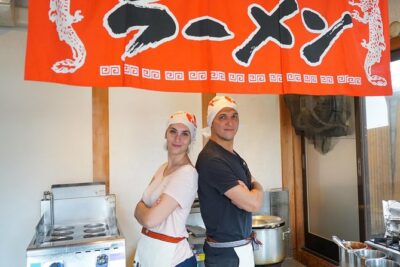
Ramen Cooking Class at Ramen Factory in Kyoto
Read our review →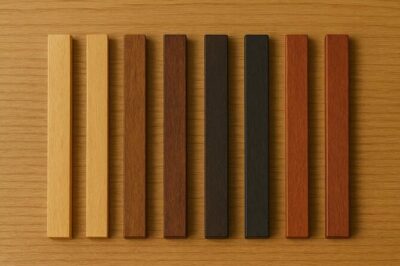
Chopsticks Making Workshop in Gion with Engraving Option
Read our review →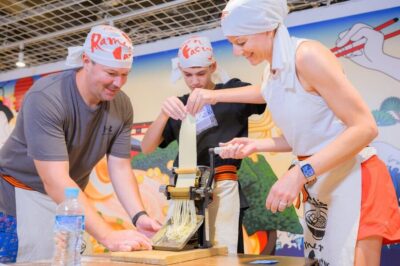
Ramen Cooking Class at a Ramen Factory with Souvenir
Read our review →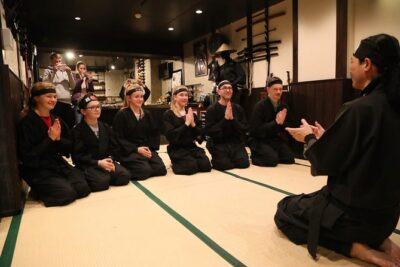
Ninja 1-hour Hands-on Lesson by Japanese master in Kyoto -Entry
Read our review →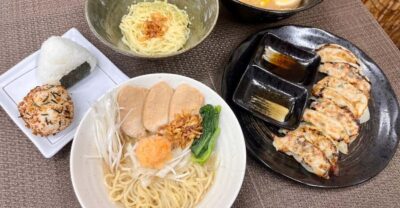
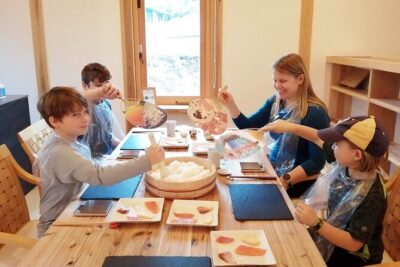
The Original Small-Group Sushi Making Class in Kyoto
Read our review →
Japanese Washoku Bento Small Group Cooking Class
Read our review →Browse the lists this tour appears in