
Reviewed · HISTORICAL TOURS
Kyoto Heritage Run – Venture through historical Kyoto landmarks
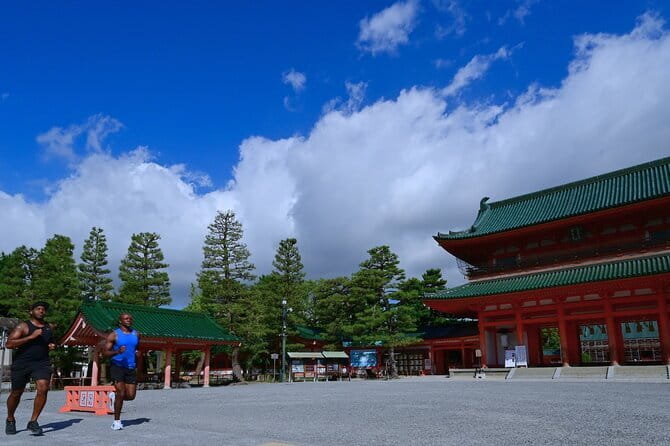
Kyoto’s best sightseeing route may be the one that keeps you moving. This 10-kilometer city run links Nijo Castle, the Imperial Palace, Heian Shrine, Yasaka Shrine, Maruyama Park, Gion, and the Kamogawa River in about three hours. Guides Francis and Areo add local context while keeping the pace practical.
I like the way this tour reaches well-known sights before the day gets crowded, and I like that it includes quieter streets, riverside paths, small bridges, and lesser-seen corners around the major landmarks. The main drawback is simple: you need moderate fitness, and this is a real run with Tabata-style exercises, not a gentle walking tour with a few jogs.
Key points at a glance
- A 10-kilometer route through central Kyoto: You cover a broad sweep of the city without spending the morning changing trains or buses.
- An 8:30 am start: The early hour helps you see major places before the heaviest foot traffic.
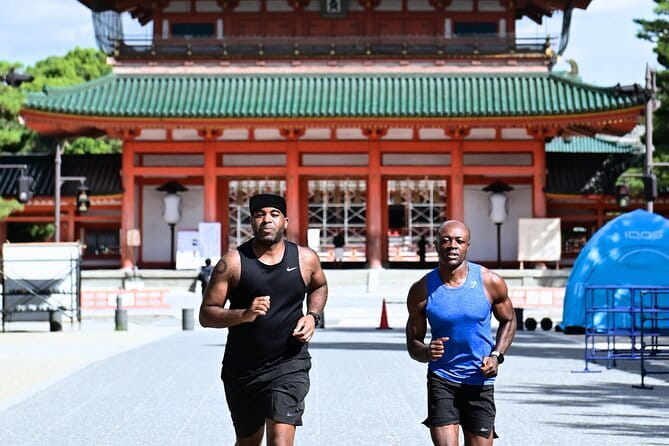
- Two guides with different jobs: Fitness professional Francis and tour guide Areo combine running instruction with Kyoto context.
- Tabata exercises at the Imperial Palace: Expect more than sightseeing, with short bursts of structured exercise along the way.
- A scenic final stretch: The Shirakawa River, Maruyama Park, Yasaka Shrine, Gion, and the Kamogawa provide a varied finish.
- A small group capped at 12: That is a useful size for a run, since you can hear the guide and stay together more easily.
Why this Kyoto run works so well
Most Kyoto sightseeing days involve a familiar pattern: train to a temple, walk through a crowded lane, wait for a photo, then repeat. This tour changes the rhythm. You see a large slice of central Kyoto under your own power, with enough stops for cultural explanation and exercise.
The route begins outside Nijo Castle at Nijojo-mae Station. From there, you run east toward the Imperial Palace, cross the Kamogawa River, reach Heian Shrine, pass through its huge torii gate, and continue through the Shirakawa area toward Maruyama Park and Yasaka Shrine. The tour winds down near the eastern bank of the Kamogawa, with stretches at the end. The stated conclusion is Gion Shijo Station, and the end point is not the same as the meeting point.
I especially like this format if you have only a few days in Kyoto. The tour gives you a quick sense of the city’s layout. You see how the former castle town, palace grounds, river corridors, shrine districts, and geisha quarter fit together.
The run is also a good choice early in your stay. One booking party used it on its second full day and found it useful for getting oriented. That is sound advice. After three hours, you will know where the Imperial Palace, Heian Shrine, Gion, and the Kamogawa sit in relation to one another.
More history-led days in Kyoto:
- Kyoto Gion: 2-Hour Geisha Culture & History Walking Tour
★ 5.0 · 1,186 reviews - Kyoto Gion Historical Walking Tour
★ 5.0 · 188 reviews - Historical Kyoto E-Bike Tour
★ 5.0 · 181 reviews
Starting beside Nijo Castle at 8:30 am
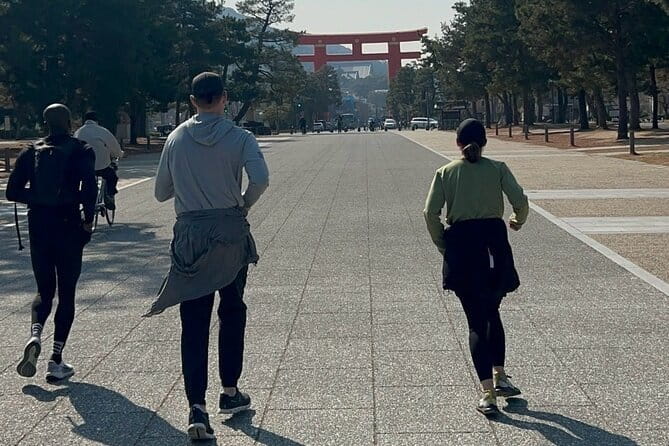
Meet at Nijojo-mae Station, opposite Nijo Castle, at 8:30 am. The tour begins with a warm-up and a short introduction to Kyoto’s past. Nijo Castle itself is viewed from outside, so this is not a castle admission tour.
That distinction matters. Nijo Castle was the former residence of the Tokugawa shoguns, who ruled Japan from 1603 to 1868. Seeing it from the outside gives you a useful opening reference point, but you will not tour its rooms, gardens, or famous painted interiors as part of this activity.
The warm-up is more than a formality. You are about to cover roughly 10 kilometers, so take it seriously. Wear running shoes and clothing suited to the weather. Since bottled water is not included, bring your own water. Lunch is also not included, though the three-hour morning format means you finish well before a normal midday meal.
With a maximum of 12 people, the group should be manageable. A small running group is safer and more pleasant than a large pack that stretches across sidewalks. It also gives you a better chance to ask Francis or Areo questions during the pauses.
Running through the Imperial Palace Park
The first major section heads toward Kyoto Imperial Palace and the surrounding park. Kyoto served as Japan’s imperial capital for centuries, and the palace grounds offer a very different setting from the narrow lanes and packed shopping streets found elsewhere in the city.
Here, the scale opens up. You can expect to move through broad parkland while hearing about the emperors who lived in Kyoto during the capital era. The tour also aims to show you less familiar corners rather than simply stopping at the most photographed gate.
This is where the fitness side becomes more noticeable. The group takes part in Tabata-style exercises, which use short, intense intervals. The supplied information does not give a precise number of repetitions or the exact exercises, so you should be ready for active bursts rather than assuming the run is steady from start to finish.
For runners, this mix can be welcome. It breaks up the distance and gives you a structured workout. For someone who is fit but not used to interval training, it may be the hardest portion of the morning. You can ask the guides about the pace before setting out, but the stated requirement is moderate physical fitness, not beginner-level mobility.
Crossing the Kamogawa toward Heian Shrine
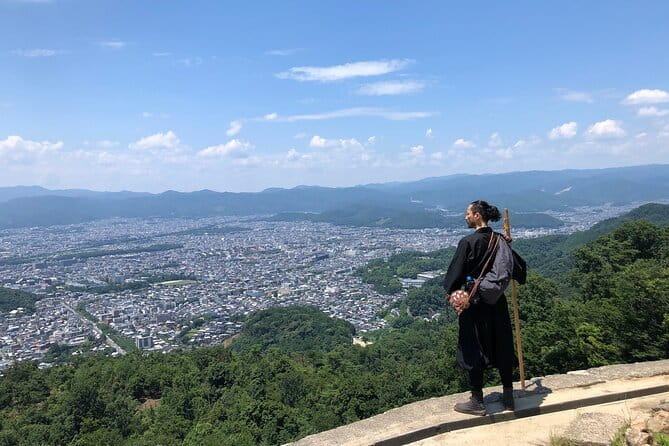
After leaving the Imperial Palace area, the route crosses the Kamogawa River. This river has witnessed battles and major events in Kyoto’s past, yet today its banks provide one of the city’s most pleasant places to move outdoors.
The crossing also creates a natural change in scenery. You leave the spacious palace grounds and head toward the eastern side of the city. The river helps you understand Kyoto’s layout in a way that a bus window cannot.
The next major stop is Heian Shrine. Its large-scale architecture and broad entrance approach make it one of Kyoto’s more dramatic shrine settings. The tour includes a brief stop, so you have time to take in the shrine and its cultural importance without turning the morning into a long temple visit.
Do not expect a full shrine tour. This is a running excursion, and the stop is short by design. You get context, a look at the architecture, and a chance to catch your breath before the route continues.
A few more Kyoto tours worth putting on the shortlist
- PERFECT KYOTO 1-Day Bus Tour
★ 5.0 · 13,518 reviews - Kyoto: Fushimi Inari, Kinkakuji, Bamboo Grove 1 Day Bus Tour
★ 4.8 · 4,316 reviews - Kyoto: Tea Ceremony in a Traditional Tea House in Kiyomizu
★ 4.9 · 3,519 reviews - Kyoto Geisha Walking Tour: Gion District & Hidden Gems
★ 4.7 · 3,273 reviews
Passing beneath Heian Shrine’s huge torii
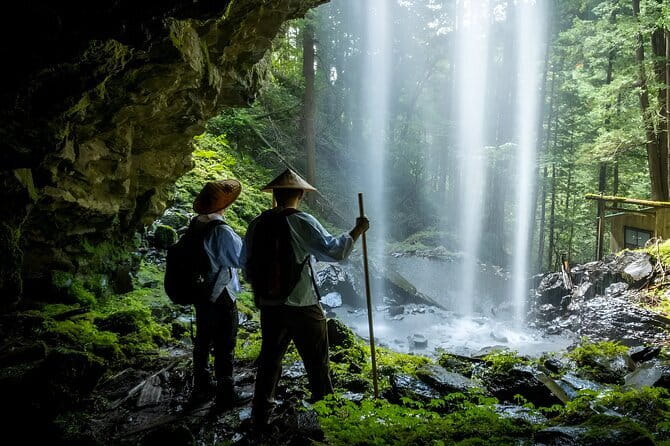
One of the route’s most memorable visual moments comes as you pass through the immense torii gate associated with Heian Shrine. Its size gives the run a sense of occasion, even though you are seeing it as part of a moving route rather than arriving for a formal sightseeing visit.
From there, the tour follows the Shirakawa River. The route is described as being lined with weeping willows and small stone bridges. This is the kind of Kyoto scenery that can be easy to miss if you only follow the standard temple circuit.
The Shirakawa section should appeal to anyone who likes a quieter side of the city. The river, willows, and bridges create a gentler setting after the larger spaces around the Imperial Palace and Heian Shrine. It also gives you a chance to settle into the second half of the run.
You will still be in a historic part of Kyoto, but the experience is less about checking off a famous building and more about seeing how ordinary streets, waterways, and traditional details connect the major sights.
Maruyama Park and Yasaka Shrine
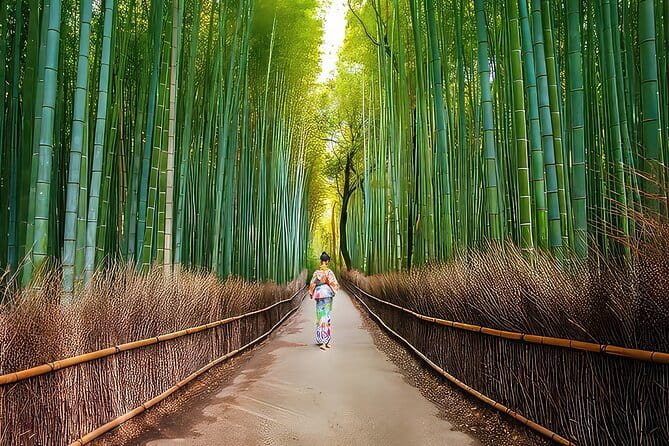
The route then reaches Maruyama Park, a calm green area beside Yasaka Shrine. This is one of the city’s best-known public spaces, and its location makes it a natural link between the eastern shrine district and Gion.
Yasaka Shrine provides another strong cultural stop. You can expect a brief look at the shrine grounds and an explanation of its place in Kyoto’s religious life. As with Heian Shrine, the visit is part of the run rather than a full guided shrine tour.
Maruyama Park also functions as a practical reset point. After several kilometers, a green open space feels welcome. The route is not simply a straight road race. It changes between palace parkland, riverbanks, shrine approaches, urban streets, and park paths.
That variety is one of the tour’s main strengths. You see more than a runner’s view of asphalt. You get a sense of Kyoto’s different textures while still keeping a steady physical challenge.
Gion, the Shirakawa area, and the final riverside stretch
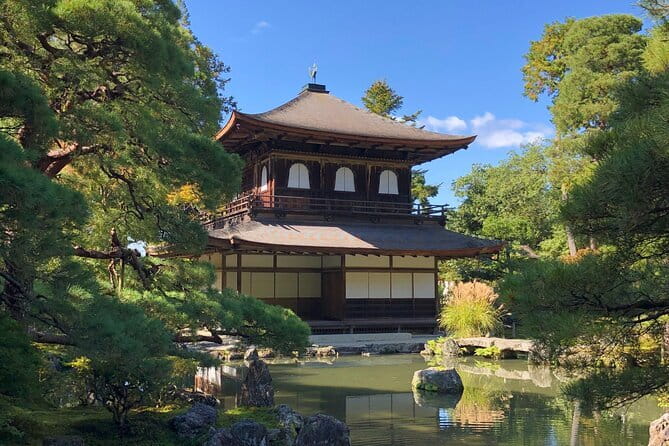
The run passes through the Gion District, one of Kyoto’s most recognizable traditional neighborhoods. Gion is associated with geisha arts, old wooden architecture, narrow lanes, and a careful balance between daily life and tourism.
You should keep your expectations realistic. The tour does not promise a geisha performance or entry into private buildings. Instead, you pass through the district as part of the route, seeing how Gion connects with Yasaka Shrine, Maruyama Park, and the Shirakawa River.
This moving view can be more useful than a quick photo stop. You see Gion in relation to the surrounding neighborhoods, rather than treating it as an isolated attraction. The early start also helps, since some central Kyoto areas become much harder to navigate later in the day.
The final section takes you toward the Kamogawa River and the eastern riverbank. The tour ends with stretching, which is welcome after a 10-kilometer route and interval exercises. The end point is listed as Gion Shijo Station, not Nijojo-mae Station, so plan to continue your day from the Gion area rather than returning to the castle.
What the guides add to the morning
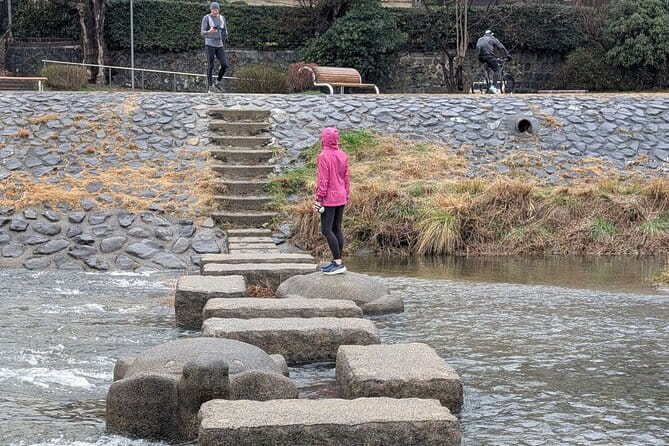
The tour uses two kinds of guidance. One guide is a fitness professional, while the other brings tour-leading and Kyoto context. The guides identified in the available feedback are Francis and Areo.
That pairing is important. A standard sightseeing guide may not know how to organize a group run, while a running coach may not explain why Kyoto’s palace, rivers, shrines, and districts matter. Here, the two roles are combined.
The warm-up, running sections, Tabata exercises, sightseeing stops, and closing stretches give the morning a clear structure. The guides also point out places you might otherwise pass without noticing. One particularly strong feature is the attention to lesser-known spots around the major landmarks.
You should not expect a private tour at this price, since the group can include up to 12 people. Still, that maximum is fairly low for an active city tour. The guides can keep an eye on the group, and the experience should feel more personal than a large coach excursion.
Is $97.55 a good value?
At $97.55 per person, this is not the cheapest way to see Kyoto. You could visit many of these areas on foot or by public transport for far less. The price makes more sense when you value the guided route, the fitness instruction, the planning, and the amount of ground covered in one morning.
You are paying for three hours of active organization. The guides select the route, provide the warm-up and exercises, explain the sights, and lead you between districts. You also avoid spending time figuring out how to connect Nijo Castle, the Imperial Palace, Heian Shrine, Gion, and the Kamogawa on your own.
The value is strongest for:
- Runners who want sightseeing built into their exercise
- Repeat visitors looking for a different way to see central Kyoto
- Short-stay visitors who need a broad orientation
- People who prefer small groups to large sightseeing buses
- Fit couples, friends, or solo visitors who enjoy an active morning
The value is weaker if you want long visits inside monuments, a relaxed walking pace, or a focused tour of one shrine. You will see many landmarks, but most stops are brief. The tour is about connection and movement, not detailed interior visits.
Who should book this run?
You should have a moderate level of fitness and be comfortable covering about 10 kilometers. The route includes jogging and Tabata-style exercise, so it is not designed for someone seeking a slow sightseeing walk.
It suits you best if you enjoy a steady pace with stops for explanation. You will probably like it if your ideal morning includes exercise, rivers, parks, shrines, and neighborhood views rather than a long sit-down meal or extensive museum time.
The tour can also help you organize the rest of your Kyoto stay. After seeing the Imperial Palace, Heian Shrine, Gion, and the Kamogawa, you can return later to the places that deserve more time. You may want a separate visit to Nijo Castle, for example, since this run only views it from outside.
Service animals are allowed, and the meeting point is near public transportation. Confirmation is sent at booking unless you book within one day of departure, when it is sent as soon as possible subject to availability. Free cancellation is available up to 24 hours before the start time. If poor weather forces cancellation, you can choose another date or receive a full refund.
Should you book the Kyoto Heritage Run?
Book it if you want to see Kyoto and exercise in the same morning, and if 10 kilometers feels comfortable. The route gives you a useful view of central Kyoto, with major landmarks balanced by riverside paths, willows, small bridges, and less obvious streets.
Skip it if your priority is entering Nijo Castle, spending a long time at Heian Shrine, or moving at a slow walking pace. At $97.55, the tour earns its price through its route, fitness structure, small group size, and the time it saves. For an active visitor with limited days in Kyoto, it is a smart way to get oriented early and keep your sightseeing day open afterward.
FAQ
How long is the Kyoto Heritage Run?
The tour lasts about three hours and covers approximately 10 kilometers.
What time does the tour begin?
The tour starts at 8:30 am.
Where does the tour meet?
You meet at Nijojo-mae Station, opposite Nijo Castle, at Nijojocho, Nakagyo Ward, Kyoto, 604-8301, Japan.
Where does the tour finish?
The activity ends near Gion Shijo Station and the eastern bank of the Kamogawa River. The end point is not the same as the starting point.
What sights are included along the route?
The route includes outside views of Nijo Castle, Kyoto Imperial Palace Park, the Kamogawa River, Heian Shrine, the Shirakawa River, Maruyama Park, Yasaka Shrine, and the Gion District.
Is water or lunch included?
No. Bottled water and lunch are not included, so you should plan to bring water and arrange your own meal.
What happens if the weather is poor?
The experience requires good weather. If it is canceled because of poor weather, you will be offered another date or a full refund. You can also cancel for a full refund up to 24 hours before the start time.
Newest Kyoto experiences on the site
- Treasures of Kyoto: Gion & historical Walking Tour★ 5.0 · 6 reviews
- Whisk Your Own Matcha: A Zen Matcha Experience at Temple★ 3.6 · 7 reviews
- Kyoto tea town for matcha lovers★ 5.0 · 16 reviews
- Uji: Private immersion into Kyoto’s tea and reglious culture★ 5.0 · 17 reviews
- Kyoto Matcha Green Tea Tour★ 4.5 · 23 reviews
- Uji and Wazuka Matcha Farm Half Day Private Guided Tour★ 5.0 · 21 reviews
- Utilising upcycled Matcha! Creating matcha incense (Uji, Kyoto)★ 5.0 · 6 reviews
- Sacred Temple Yoga Experience in Japan★ 5.0 · 3 reviews
Historical Tours, compared.
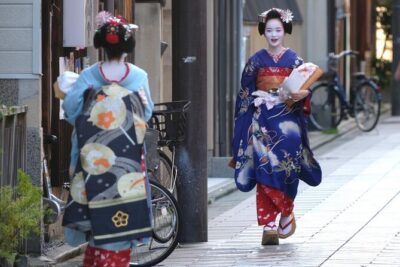
Kyoto Gion: 2-Hour Geisha Culture & History Walking Tour
Read our review →
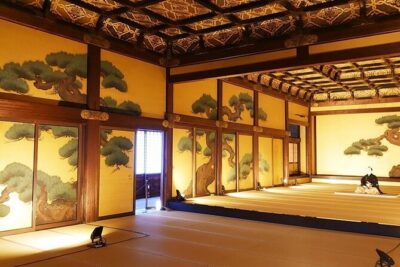
Nijo Castle World Heritage Guided Tour with Admission
Read our review →
Nara History Guided Half Day Bus Tour with Lunch
Read our review →
Private car tour Let’s uncover secrets of majestic Kyoto history
Read our review →Browse the lists this tour appears in