
Reviewed · ARASHIYAMA BAMBOO GROVE TOURS
Kyoto: Descending Arashiyama (Private)
Arashiyama is more than its famous bamboo grove. This private walking tour leads you from the busy Togetsukyo Bridge into quieter temple grounds, a mossy garden, an old tea stop, and Otagi Nenbutsu-ji, where 1,200 stone Buddha figures fill the hillside. The route gives you the famous sights, but its best moments are often the less familiar ones.
I like the way the day strings together eight very different stops without making you plan the route yourself. I also like the guide-led look at gardens and religious art, especially at Otagi Nenbutsu-ji and Gio-ji. The main caution is practical: this is a long walking day, admission fees are extra, and the full price is high for a group of four.
Key points
- 1,200 stone Buddhas at Otagi Nenbutsu-ji: A memorable temple visit that feels very different from Kyoto’s more formal showpieces.
- A quieter route through Arashiyama: The tour moves beyond the main bamboo grove to temples, gardens, and a tea stop.
- Strong guide-led interpretation: Andrew is specifically associated with the tour and is praised for explaining gardens, history, and local culture.
- Seven and a half hours on foot: You get a full day of sightseeing, but comfortable shoes and moderate fitness matter.
- About 5,000 yen extra per person: Bring cash for entrance tickets, and keep lunch below 1,500 yen per person.
- Private format for your group: The listed price is $690 for up to four people, with no other group joining you.
Why this Arashiyama route is different
Most first visits to Arashiyama focus on three names: Togetsukyo Bridge, Tenryu-ji, and the Sagano Bamboo Grove. Those places deserve attention, but they can leave you with a narrow view of the area. This route adds temple grounds, memorial stones, a pottery studio area noted in the tour description, tea, and a hillside garden with broad views.
The order also has a useful shape. You begin near the river and the main station area, then work toward the quieter temple sites before finishing at the famous bamboo paths. That means the day is not simply a stop at the bamboo grove followed by a quick look around. You spend time in places where a guide can explain what you are seeing.
The tour begins at 9:30 a.m. at Randen Arashiyama Station. It ends back at the same meeting point after about seven and a half hours. Since the experience is private, your guide can focus on your group rather than keep pace with a large crowd, although the exact rhythm still depends on the day and the time spent at each temple.
More mornings in Arashiyama and the bamboo grove:
- Kyoto: Fushimi Inari, Kinkakuji, Bamboo Grove 1 Day Bus Tour
★ 4.8 · 4,316 reviews - Osaka/Kyoto:Kinkakuji,Arashiyama,FushimiInariShrine,NaraPark
★ 4.1 · 1,596 reviews - Kyoto/Osaka: Nara, Fushimi Inari Taisha, Arashiyama Bus Tour
★ 4.7 · 1,275 reviews
Togetsukyo Bridge sets the scene
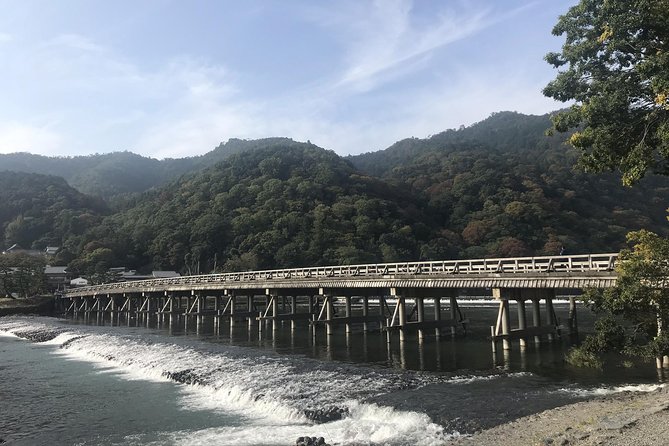
The first stop is Togetsukyo Bridge, one of Kyoto’s most familiar views. You have about 20 minutes here, enough to get your bearings, take photographs, and see how the river, wooded hills, and old bridge frame Arashiyama.
This is a short opening stop, not a full river walk. That is a good choice for a day with many temple visits. If you want a long time at the bridge for photographs, tell your guide early, since the remaining schedule has several one-hour stops.
Starting here also gives the route a clear sense of place. Arashiyama is not only a collection of temples. Its appeal comes from the way water, wooded slopes, gardens, and religious buildings fit together. The bridge offers that broad first view before the tour moves into more detailed spaces.
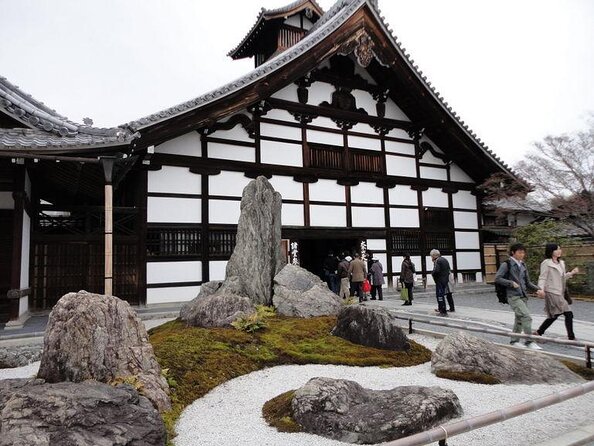
Tenryu-ji brings in Kyoto’s classic Zen garden
The next hour is spent at Tenryu-ji, one of Japan’s early Zen temples. Admission is not included, so this is one of the places covered by the additional cash you bring.
Tenryu-ji is a major Arashiyama sight, and its garden is the reason to take your time here. A guide can help you read the garden rather than simply walk through it. The design uses water, stones, trees, and borrowed views of the surrounding hills. The value of a guide is especially clear in a place like this, where the arrangement can look simple until someone explains what to notice.
This is also one of the busier stops on the route. The private format helps you ask questions and pause when something catches your eye, but it cannot remove the crowds that make Tenryu-ji a popular Kyoto destination. If you prefer quiet temple visits, the later stops will likely be more rewarding.
Otagi Nenbutsu-ji and its 1,200 stone figures
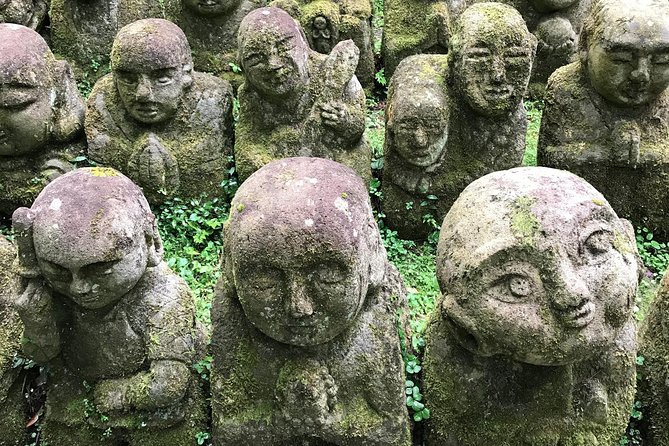
Otagi Nenbutsu-ji is the tour’s most distinctive stop. You spend about an hour walking among 1,200 stone Buddha figures, with your guide explaining the temple and the figures’ place in the grounds. Admission costs extra.
The statues give the visit a playful, human scale. Instead of seeing one formal image in a dark hall, you encounter hundreds of carved figures spread through the temple grounds. Their individual faces and poses make this a place where you will want to look closely, not simply take one photograph and move on.
The temple’s roots reach back to the Heian period, adding historical weight to a site that can feel more personal than monumental. This is one of the strongest reasons to choose this route over a basic Arashiyama highlights tour. You still see the famous district, but you also reach a temple that many independent visitors skip.
I would pay close attention to the guide here. Andrew is named as one of the guides, and the available feedback points to his ability to explain history, culture, and the meaning of garden details in an engaging way. Guide availability can vary, but the tour’s best use of time comes from asking questions at stops like this.
A few more Kyoto tours worth putting on the shortlist
- PERFECT KYOTO 1-Day Bus Tour
★ 5.0 · 13,518 reviews - Kyoto: Tea Ceremony in a Traditional Tea House in Kiyomizu
★ 4.9 · 3,519 reviews - Kyoto Geisha Walking Tour: Gion District & Hidden Gems
★ 4.7 · 3,273 reviews - Kyoto: Tea Ceremony Ju-An at Jotokuji Temple
★ 4.9 · 3,207 reviews
Tea and sweets at Ayuchaya Hiranoya
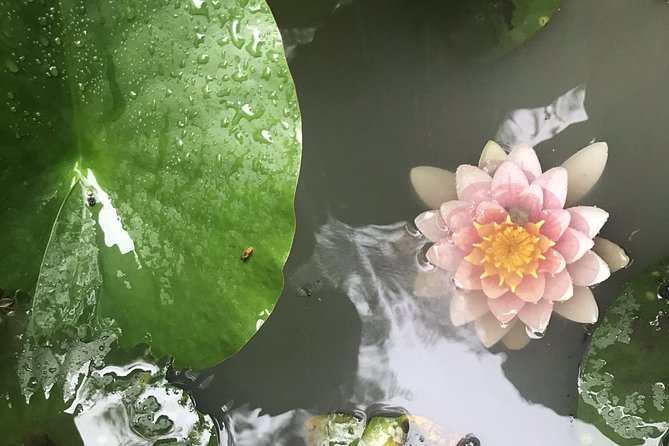
After the temple visit, the group spends about an hour at Ayuchaya Hiranoya, a cafe with Edo-period origins. Tea and sweets are included in the stop, but the cost is not included in the tour price. Lunch should stay under 1,500 yen per person.
This pause matters. Seven and a half hours of walking through temples can become tiring, and a seated break gives you time to absorb the morning. It also adds a piece of everyday food culture to a day otherwise dominated by religious sites and gardens.
Do not expect a full meal from the tea stop. The tour notes set a separate lunch limit, so you should clarify with the guide how lunch fits into the day. The supplied plan gives one hour here, which may cover tea, sweets, and a light meal depending on the arrangements.
Adashino Nembutsu-ji offers a quieter mood
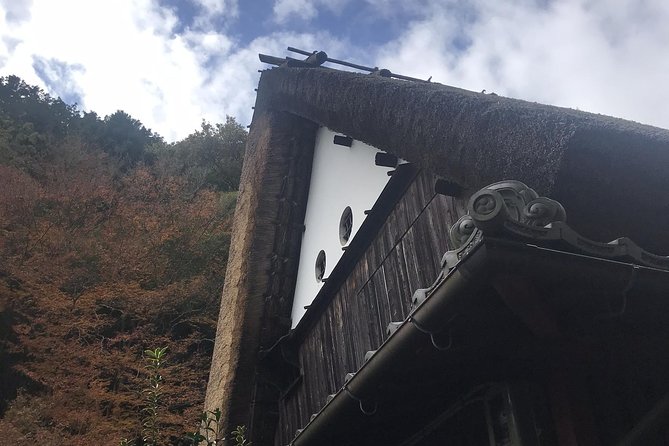
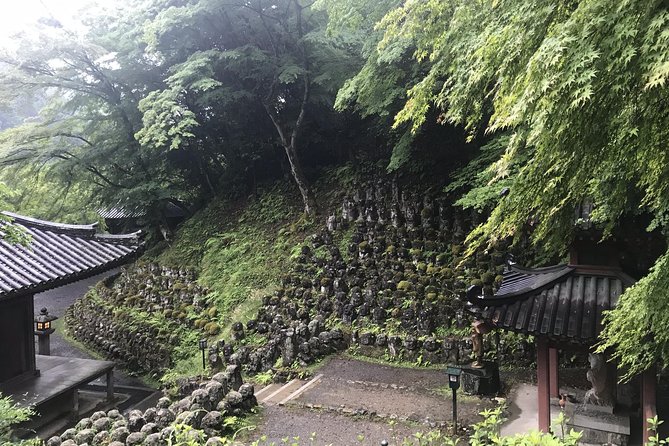
Adashino Nembutsu-ji brings a different tone. More than 8,000 memorial stones are gathered on the grounds, representing people whose remains were placed in the surrounding mountains. You spend about an hour here, with admission extra.
The site asks for a slower pace. The stones are not decorative objects. They point to the religious and memorial side of Kyoto, where temples have long served communities as places of remembrance. A guide can give useful context without turning the visit into a list of dates.
There is also a small bamboo grove here. It is more modest than the famous Sagano Bamboo Grove, but that is part of its appeal. You can see bamboo in a quieter temple setting, without making the entire stop about a single photograph.
This is another reason the route works well for people who want more than Kyoto’s most publicized sights. The experience gives you a better sense of how bamboo, memorial spaces, and temple grounds appear together in the hills beyond the main center of Arashiyama.
Gio-ji pairs moss with bamboo
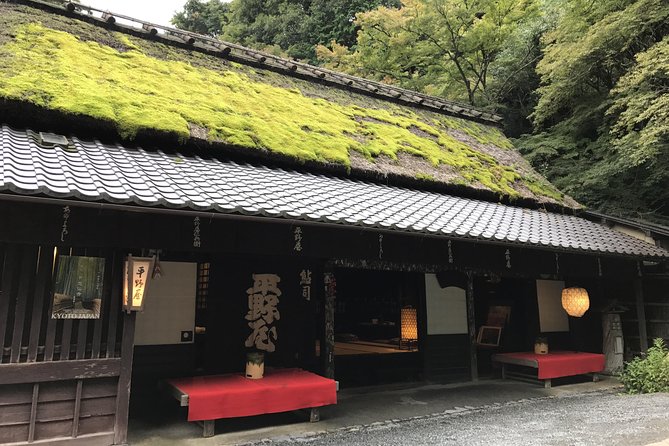
Gio-ji is a short 30-minute stop, but it can be one of the prettiest. The temple was once a nunnery founded by two former geisha, and the grounds include a moss garden surrounded by bamboo. Admission costs extra.
The garden is compact, so half an hour is a sensible amount of time. You can look closely at the moss, timber buildings, and bamboo rather than spend an hour wandering a large complex. The mood is softer and more enclosed than at Tenryu-ji.
Moss gardens are easy to misunderstand if you expect bright flowers or grand architecture. Their beauty comes from texture, shade, age, and careful maintenance. This is the sort of stop where a guide’s explanation can make the visit more rewarding. The tour feedback highlights Andrew’s stories about gardens, including what is planted, what it may mean, and how it is made. That kind of interpretation fits Gio-ji especially well.
Okochi Sanso saves the widest views for later
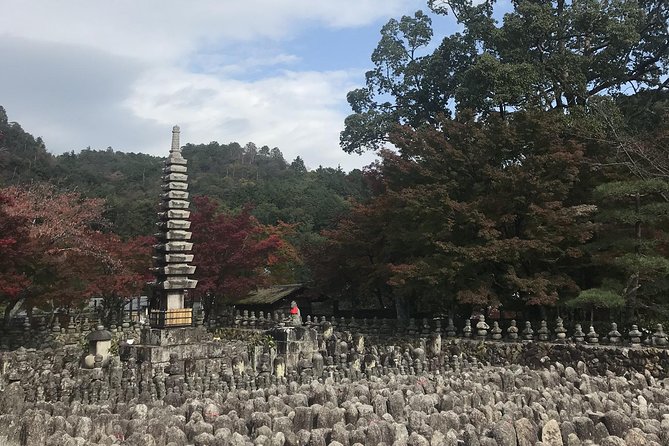
Okochi Sanso Garden takes about an hour and occupies the former estate of a well-known silent film actor. Admission is extra, but this stop is important because it offers some of the best views in Arashiyama.
After several intimate temple gardens, the estate changes the scale of the day. You get more open space, broader outlooks, and a chance to see the wooded hills from above. The setting also connects the tour to Japan’s film history, rather than keeping every stop within the world of temples.
An hour allows time to walk through the estate without rushing. It is worth saving energy for this part of the day. The path through the grounds adds to the physical demand, but it also helps break up the temple sequence with changing views.
The Sagano Bamboo Grove is the grand finale
The final stop is the Bamboo Forest Trail, with about 30 minutes in the famous Sagano Bamboo Grove. Admission is listed as not included, though the additional 5,000 yen per person is intended to cover the day’s entry costs.
This is the most recognizable part of the tour, and it can be crowded. The bamboo rises high on both sides of the path, creating a narrow green corridor that photographs well. The short visit keeps the grove from taking over the entire day, which I consider a strength. You see the celebrated sight after visiting places with more quiet and character.
By arriving here near the end, you can compare the public bamboo path with the smaller grove at Adashino Nembutsu-ji and the bamboo around Gio-ji. That comparison is more useful than treating every bamboo grove as the same.
The tour returns to Randen Arashiyama Station. Since the official end point is the starting point, plan any later plans with enough time for the full walking day and a possible schedule adjustment.
What the $690 price really covers
The listed rate is $690 per group of up to four people. That works out to $172.50 each for four people before entrance fees and food. For two people, the per-person cost is much higher, but you are paying for a private guide and a full day of route planning, rather than joining a large coach excursion.
You must also bring an additional 5,000 yen in cash per person for admission tickets. Lunch should not exceed 1,500 yen per person. The exact total therefore depends on your group size and how much of the admission allowance is used.
I see the strongest value for a family or group of friends who would otherwise pay for separate guiding or struggle to arrange the route. The price is harder to justify for a solo visitor or a couple on a tight budget. Independent visitors can reach Arashiyama by public transportation, but they will need to organize the sequence, find the less familiar temples, and interpret what they see without the guide.
The private format also gives you control over questions and pace. It does not mean every stop can be extended freely, since the itinerary is full. Still, it is a better fit than a large group if you care about garden design, temple customs, and the story behind the sites.
Walking, weather, and practical comfort
The tour requires moderate physical fitness. You move between sites and spend much of the day on foot, with about eight stops packed into seven and a half hours. Wear shoes that are comfortable for a long walking day, and expect temple grounds to include uneven paths or steps.
Strollers can be available while walking from site to site, but they cannot enter the sites. They can be stored at each site’s reception desk. That makes the tour possible for some families with young children, though the long schedule and many temple visits may still feel demanding.
The experience requires good weather. If rain or other poor conditions cancel the tour, you are offered another date or a full refund. You can cancel for a full refund up to 24 hours before the start time, but changes or cancellations inside that window are not accepted.
The meeting point is Randen Arashiyama Station, which is near public transportation. Bring cash for the extra admission allowance, arrive ready to walk, and leave room in your schedule after the planned return.
Who will get the most from this day
I would choose this tour if you want Arashiyama’s famous sights but also want a guide to explain gardens, temples, memorial stones, and local stories. It is especially well suited to a group of up to four people that values a private pace and can share the $690 cost.
It is also a good choice for repeat visitors who have already seen the main bamboo grove and want a broader look at the district. Otagi Nenbutsu-ji, Adashino Nembutsu-ji, Gio-ji, and Okochi Sanso give the day a more varied feel than a simple bridge, temple, and bamboo route.
I would hesitate if you dislike long walks, want a slow morning, or care mainly about taking photographs at the bamboo grove. I would also compare the cost carefully if you are visiting as one or two people. The day offers a lot, but its value depends on wanting interpretation and convenience, not just transportation to famous sights.
Should you book Kyoto: Descending Arashiyama?
Book it if you want a full, guided day that reaches beyond the usual Arashiyama checklist. The 1,200 Buddhas at Otagi Nenbutsu-ji, the memorial stones at Adashino Nembutsu-ji, and the moss at Gio-ji give the route real variety. Andrew’s garden and history stories are another reason to seek this experience when he is your guide.
Skip it if you want a cheap, independent outing or if seven and a half hours of walking sounds excessive. For the right group, the private price buys a well-planned route and personal attention. For everyone else, the extra fees and full-day commitment deserve a careful look before booking.
FAQ
How long does Kyoto: Descending Arashiyama take?
The experience lasts approximately seven hours and 30 minutes. It begins at 9:30 a.m. and ends back at the meeting point.
Where does the tour start and finish?
It starts at Randen Arashiyama Station, at 20-2 Tsukurimichi-cho in Kyoto. The activity ends back at the same meeting point.
How many people can join the private tour?
The listed price is for a private group of up to four people. The tour information also describes a maximum of seven travelers for the small-group format.
Is the guide included in the price?
Yes. Professional guide service is included.
Are admission tickets included?
No. Each guest must bring an additional 5,000 yen in cash for admission tickets.
Is lunch included?
Lunch is not included. The stated lunch cost should not exceed 1,500 yen per person.
What level of fitness is needed?
A moderate level of physical fitness is recommended because the tour involves walking from site to site for most of the day.
Can I cancel for a full refund?
Yes, if you cancel at least 24 hours before the experience’s start time. Cancellations made less than 24 hours before the start time are not refunded.
Newest Kyoto experiences on the site
- Treasures of Kyoto: Gion & historical Walking Tour★ 5.0 · 6 reviews
- Whisk Your Own Matcha: A Zen Matcha Experience at Temple★ 3.6 · 7 reviews
- Uji: Private immersion into Kyoto’s tea and reglious culture★ 5.0 · 17 reviews
- Kyoto tea town for matcha lovers★ 5.0 · 16 reviews
- Kyoto Matcha Green Tea Tour★ 4.5 · 23 reviews
- Uji and Wazuka Matcha Farm Half Day Private Guided Tour★ 5.0 · 21 reviews
- Utilising upcycled Matcha! Creating matcha incense (Uji, Kyoto)★ 5.0 · 6 reviews
- Sacred Temple Yoga Experience in Japan★ 5.0 · 3 reviews
Arashiyama Bamboo Grove Tours, compared.
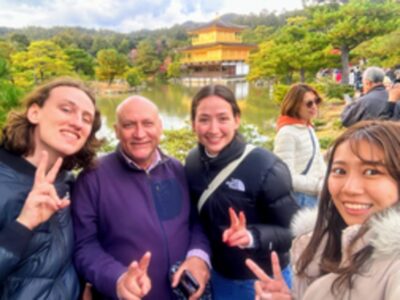
Fushimi Inari, Kinkakuji, Bamboo Grove 1 Day Bus Tour
Read our review →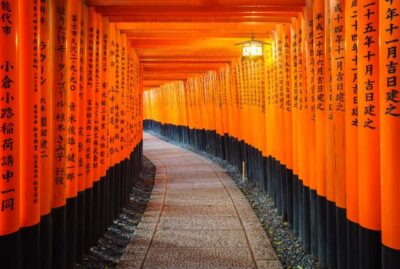
Kinkakuji,Arashiyama,FushimiInariShrine,NaraPark
Read our review →
Nara, Fushimi Inari Taisha, Arashiyama Bus Tour
Read our review →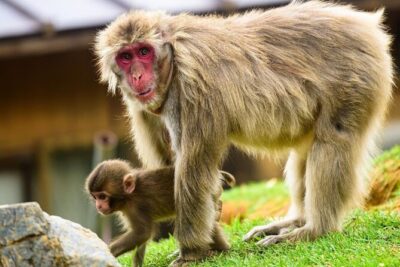
Kyoto Arashiyama Walking Tour: Bamboo, Monkeys, Gardens & Secrets
Read our review →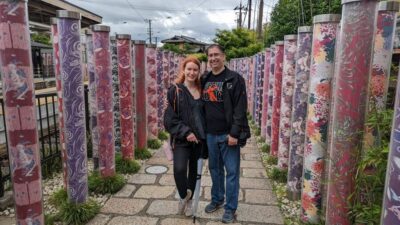
Arashiyama Bamboo, Temple, Monkeys, or Secret Sake Brewery
Read our review →
Arashiyama Bamboo Forest, Monkeys, Matcha & Temple Tour
Read our review →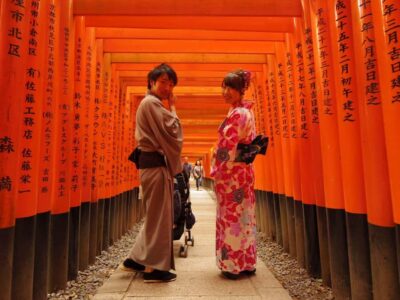
Arashiyama, Nara & Fushimi Inari Shrine w/Lunch
Read our review →
Nijo, Kinkaku-ji, Arashiyama, Kiyomizu & Fushimi Inari
Read our review →Browse the lists this tour appears in