
Reviewed · KYOTO SAKE TASTINGS
Kyoto: Beyond the Insider Sake Tasting Experience
Kyoto’s sake story gets much more interesting when you move beyond familiar bottles. This tasting presents 10 unusual varieties, including sake made with older brewing methods, microorganism-based techniques, and local wood that gives the drink a regional character.
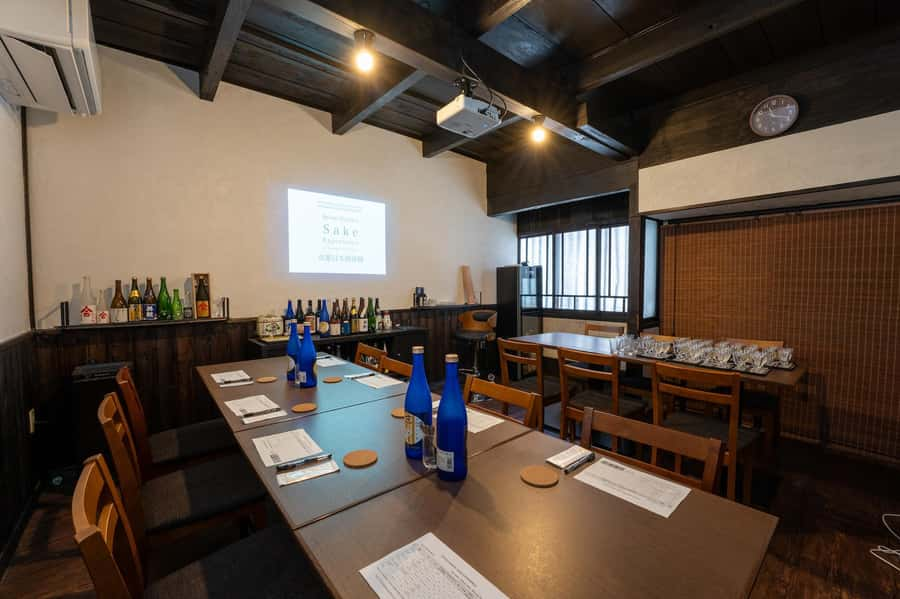
I like the private tasting room, where you can focus on the glass and the guide’s explanation without the noise of a busy bar. I also like that a certified sake sommelier leads the session and starts with the basics, so you do not need a working knowledge of sake to enjoy it.
The main consideration is that this is a tasting, not a food tour. No food pairing is included, and visitors who arrive by car or bicycle will receive non-alcoholic drinks instead, with no refund for the missed tasting.
Key points
- Ten rare sake varieties: Sample bottles that are not often found outside Japan.
- Ancient and modern methods: Compare older brewing techniques with new approaches using microorganisms.
- Local wood character: Taste sake brewed with wood tied to the region.
- Certified sommelier guidance: Learn how ingredients, categories, and production choices affect flavor.
- Private tasting room: The setting keeps attention on the sake and the explanations.
- Suitable for beginners: Basic production and sake categories are included before the more unusual pours.
Why this Kyoto tasting goes beyond standard sake
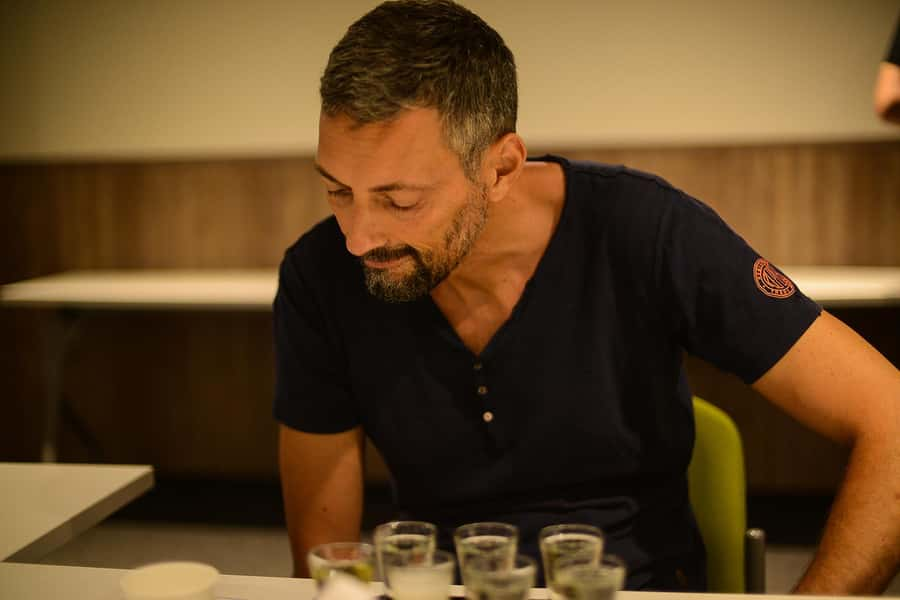
Many first sake tastings stay with the broad categories: dry, sweet, fragrant, or cloudy. This Kyoto session takes a more unusual route. It asks you to notice how the production method itself changes the final drink.
You will taste sake made with ancient methods that differ from modern brewing. You will also try a newer style that uses the traits of microorganisms, along with sake brewed using local wood. These are not minor variations on one familiar drink. They show how many directions sake can take.
That makes the session useful for two very different people. If you are new to sake, you get a clear introduction before the more surprising samples arrive. If you already order sake with confidence, the selection gives you ideas and comparisons that a basic tasting may not offer.
The experience takes place in a dedicated private tasting room. I see that as a real advantage. Sake depends on small differences in aroma, texture, sweetness, acidity, and finish. A calm room gives you a better chance to notice those differences and ask questions.
More sake tastings in Kyoto:
- Kyoto Night Foodie Tour in Gion (9+ dishes + 6 Sake tastings)
★ 5.0 · 1,762 reviews - 3-Hour Kyoto Insider Sake Brewery Tour with Tastings & Pairings
★ 5.0 · 917 reviews - Arashiyama Bamboo, Temple, Monkeys, or Secret Sake Brewery
★ 4.8 · 886 reviews
Starting with rice, water, and the basics
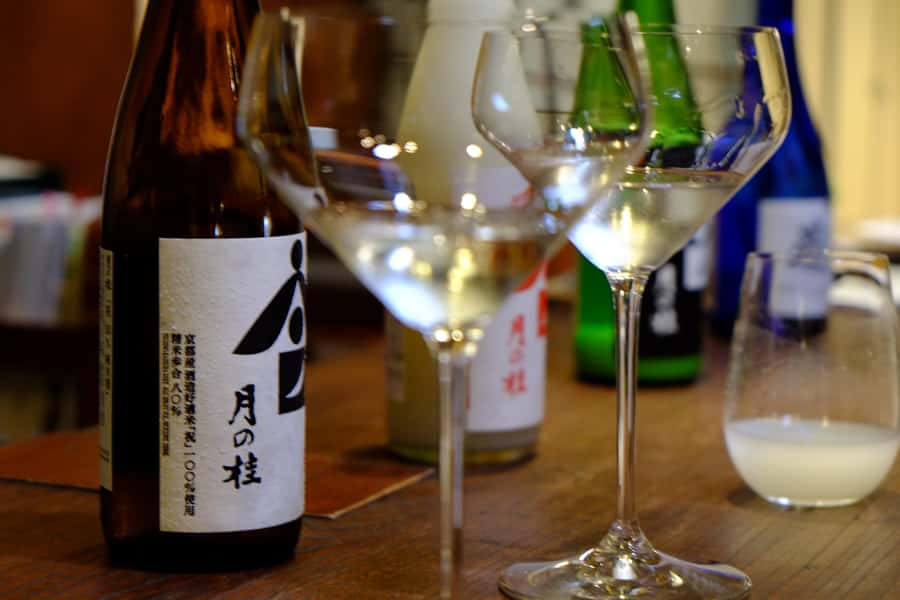
The session does not assume that you already know how sake is made. The guide explains the basic production process and the main sake categories before moving into the more unusual bottles.
That opening matters. Without it, a flight of 10 samples can become a blur of unfamiliar names. With a little groundwork, you have a way to compare each pour. You can listen for how ingredients and brewing choices affect the result instead of simply deciding which one tastes best.
The exact teaching style will depend on the certified sake sommelier leading your session, but the aim is practical. You should leave with a better sense of what makes one sake different from another and why a brewer might choose a particular method.
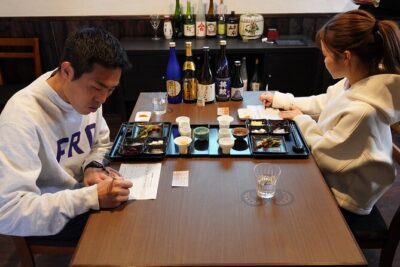
A tasting note is included, giving you something to record impressions and remember the bottles later. This is especially useful if you want to seek out similar sake during the rest of your Japan trip. The notes can also help you remember which styles suited you, since ten samples can be a lot to keep straight.
Ten pours with unusual brewing ideas
The heart of the experience is the selection of 10 sake varieties. The point is not simply quantity. The selection is designed to show how the brewing process can create different tastes.
Some samples use ancient methods that are unlike the modern techniques most people associate with commercial sake. This gives you a chance to compare tradition with current practice, though the session is not presented as a museum tour or brewery visit. You are learning through the liquid in the glass.
Another portion introduces sake made with a newer concept involving microorganisms. That may sound technical, but it is useful in plain terms: tiny living agents affect how the drink develops its aroma and flavor. The guide’s job is to connect that idea to what you actually taste.
You will also sample sake brewed using local wood. This gives the drink a character connected to its place of production. It is one of the more memorable ideas in the tasting because it links an ingredient from the local environment to the final flavor.
These examples make the session more than a parade of labels. Each pour has a reason for being there. You are comparing methods, not just brands.
What the private room adds

The private room is a small but important part of the format. Sake tasting benefits from a setting where you can hear the explanation and take your time with each sample.
I like this more focused arrangement for beginners. You can ask what a term means without feeling that you are holding up a crowded bar. You can also return to a sample in your mind as the guide explains why it tastes the way it does.
For experienced drinkers, the room helps with comparison. The tasting presents styles rarely found overseas, so you may want to concentrate on the details rather than treat the session as casual drinking.
There is one practical limit. The experience does not include food pairing. If you usually prefer alcohol with snacks or a meal, plan food separately before or after the session. The tasting itself is built around sake education and comparison, not a full evening of food and drink.
Same city, a completely different kind of day:
- PERFECT KYOTO 1-Day Bus Tour
★ 5.0 · 13,518 reviews - Kyoto: Fushimi Inari, Kinkakuji, Bamboo Grove 1 Day Bus Tour
★ 4.8 · 4,316 reviews - Kyoto: Tea Ceremony in a Traditional Tea House in Kiyomizu
★ 4.9 · 3,519 reviews - Kyoto Geisha Walking Tour: Gion District & Hidden Gems
★ 4.7 · 3,273 reviews
A useful choice for beginners and sake fans
This course is designed to work at more than one level. You do not need prior sake experience because the guide covers production basics and categories. That makes it a sensible first step for someone who has only tried sake a few times.
The format also suits a person who has already taken a basic Kyoto sake course. The selection here focuses on styles made with different concepts, including older processes, microorganism-based production, and local wood. If you have already learned the broad outline of sake, these contrasts can add another layer to your understanding.
If this is your first sake activity in Kyoto, you should still be able to follow along. The only question is how much background you want before trying the less familiar styles. A beginner may spend more time learning vocabulary, while an experienced drinker may focus on the unusual production choices.
The experience is offered in English. Since no guide names are provided in the tour details, you should not book expecting a particular instructor. What is specified is that the guide is a certified sake sommelier.
Is $66 a fair price?
At $66 per person, this is not the cheapest way to drink sake in Kyoto. You are paying for 10 tastings, a certified sommelier, a private room, and an organized lesson rather than simply buying a few pours at a bar.
The value improves if you want access to styles that are rarely available overseas. Finding 10 unusual varieties on your own could take time, and you might not know how the brewing methods relate to what is in your glass. Here, the selection and explanation are handled for you.
The price is less attractive if your goal is simply to drink a large amount of familiar sake. It is also not the right comparison with a meal, since food pairing is not included. Think of the fee as payment for guided access and instruction, with alcohol as the subject of the lesson.
The activity ends back at the starting point, and transportation is not included. You need to make your own way to the meeting point, called Kyoto Insider Sake Experience, and return from there. Since late arrivals of more than 10 minutes can have their booking canceled, allow extra time to find the location.
Important rules before you reserve
Japan’s legal drinking age is 20. Anyone under 20 will receive non-alcoholic drinks only, and the activity is listed as unsuitable for people under 19 and children under 3. Children and non-drinkers still need to be included in the reservation, and people without a reservation cannot join.
The transportation rule is especially important. For safety and legal reasons, alcohol is not served to anyone arriving by car or bicycle. Non-alcoholic drinks are available, but there is no refund if you cannot take part in the sake tasting.
The activity is not suitable for pregnant women. It is also offered in English only, so consider that when booking for a mixed-language group.
You can cancel up to seven days in advance for a full refund. After that point, the provided information does not promise a refund, so check your plans before committing.
How to get the most from the tasting
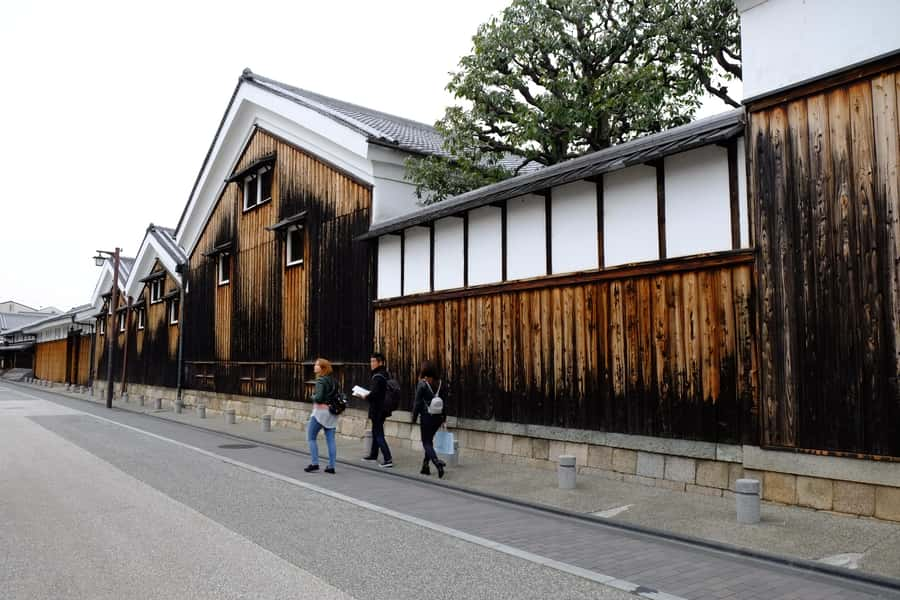
I would arrive early and avoid treating the session as a race through 10 glasses. The value comes from noticing the differences and listening to why each sample was selected.
Keep the tasting note close at hand. Write down the styles you prefer, but also note the production idea behind them. You may like one ancient-method sake, for example, while preferring the aroma of a microorganism-based style. That comparison is more useful than simply marking one bottle as good and another as bad.
Do not worry about arriving with the right vocabulary. The course covers the basics, and the whole point is to learn how sake categories and brewing choices connect. Ask about anything that seems unclear, especially if you are unsure whether a difference comes from ingredients, fermentation, or the finishing process.
If you have already completed a beginner sake activity, tell the guide at the start. The session includes basic information for everyone, but your questions can help steer attention toward the unusual samples.
Who should book this Kyoto sake experience?

I would recommend it to anyone who wants more than a quick introduction to sake. It is particularly suited to visitors curious about how traditional methods and newer brewing ideas shape the drink.
It also works well for a return visit. Start with a basic sake course if you want a general introduction, then choose this experience when you are ready to compare more unusual styles. The structure makes it approachable without limiting the selection to beginner-friendly bottles.
I would hesitate if you want a lively food-and-drink outing, a brewery tour, or a casual stop with no advance planning. There is no food pairing, transportation, or hotel pickup, and punctuality matters.
Should you book it?
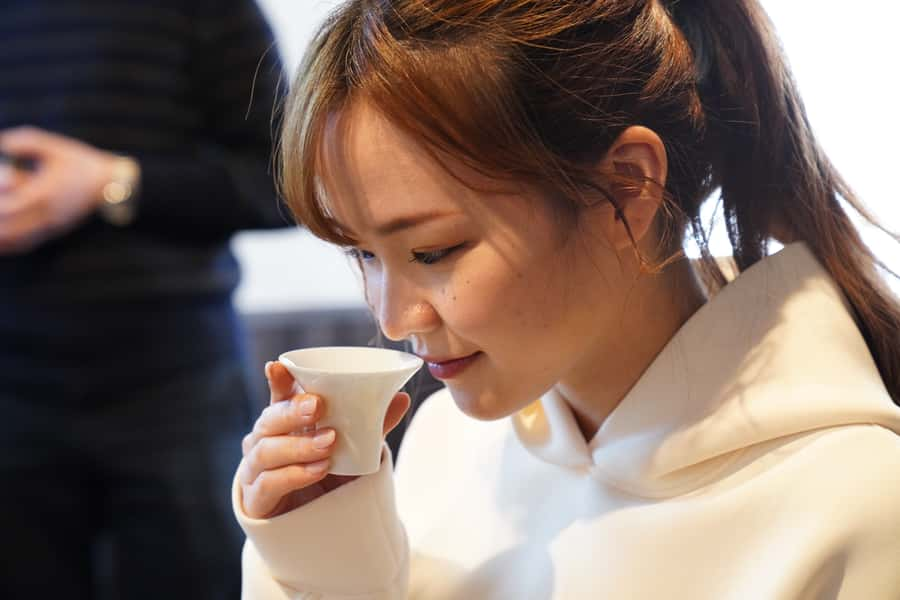
Book this tasting if you want a focused, educational look at sake that goes beyond the usual international selection. The 10 unusual pours and certified sommelier guidance justify the price for visitors who care about production and regional character.
Skip it if you mainly want a meal, a flexible bar visit, or a tasting you can join by bicycle. For everyone else, this is a strong Kyoto choice, especially after a beginner course or for anyone eager to understand why sake can taste so different from one bottle to the next.
FAQ
How many sake varieties are included?
The experience includes a tasting of 10 sake varieties selected by a certified sake sommelier.
Is this suitable for someone new to sake?
Yes. The session covers basic sake production and sake categories, so no previous sake experience is required.
What makes the sake selection unusual?
The tasting includes sake made with ancient brewing methods, a newer style that uses microorganism characteristics, and sake brewed using local wood.
Is food included?
No. Food pairing is not included in the price.
Can I attend if I arrive by car or bicycle?
You may attend, but alcohol will not be served for safety and legal reasons. Non-alcoholic drinks are available, and no refund is provided if you cannot take part in the sake tasting.
What is the legal drinking age for this activity?
The legal drinking age in Japan is 20. People under 20 receive non-alcoholic drinks only.
More Bars and Sake Stops in Kyoto
- Kyoto: Izakaya Bars Guided Walking Tour
★ 4.9 · 815 reviews - Kyoto: Insider Sake Brewery Tour with Sake and Food Pairing
★ 5.0 · 704 reviews - Kyoto Sake Brewery & Tasting Walking Tour
★ 5.0 · 623 reviews - Kyoto Bar Hopping Night Tour
★ 5.0 · 613 reviews
Newest Kyoto experiences on the site
- Treasures of Kyoto: Gion & historical Walking Tour★ 5.0 · 6 reviews
- Whisk Your Own Matcha: A Zen Matcha Experience at Temple★ 3.6 · 7 reviews
- Kyoto tea town for matcha lovers★ 5.0 · 16 reviews
- Uji: Private immersion into Kyoto’s tea and reglious culture★ 5.0 · 17 reviews
- Kyoto Matcha Green Tea Tour★ 4.5 · 23 reviews
- Uji and Wazuka Matcha Farm Half Day Private Guided Tour★ 5.0 · 21 reviews
- Utilising upcycled Matcha! Creating matcha incense (Uji, Kyoto)★ 5.0 · 6 reviews
- Sacred Temple Yoga Experience in Japan★ 5.0 · 3 reviews
Kyoto Sake Tastings, compared.
Kyoto Night Foodie Tour in Gion (9+ dishes + 6 Sake tastings)
Read our review →
3-Hour Kyoto Insider Sake Brewery Tour with Tastings & Pairings
Read our review →
Arashiyama Bamboo, Temple, Monkeys, or Secret Sake Brewery
Read our review →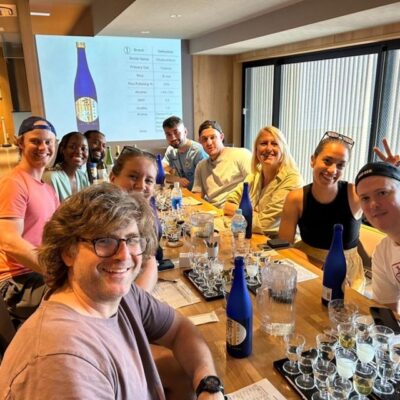
Insider Sake Brewery Tour with Sake and Food Pairing
Read our review →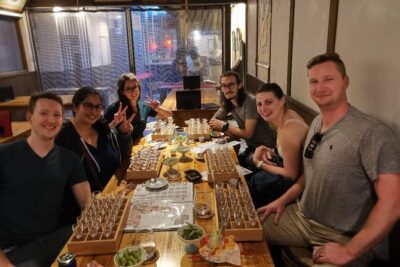
1.5-Hour Kyoto Insider Sake Experience with 7 Tastings & Pairings
Read our review →
Insider Sake Experience with 7 Tastings and Snacks
Read our review →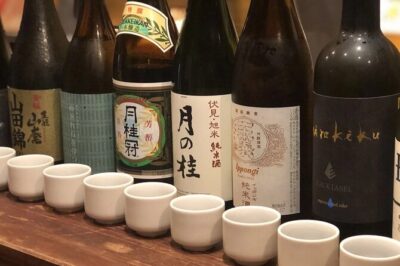
Private Tea Ceremony and Sake Tasting in Kyoto Samurai House
Read our review →Browse the lists this tour appears in