
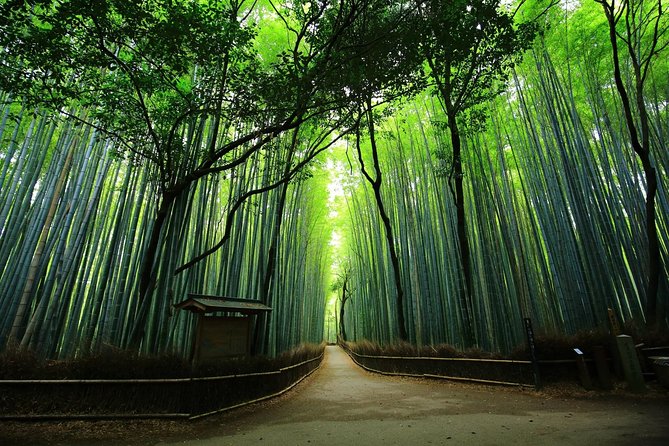
Reviewed · ARASHIYAMA BAMBOO GROVE TOURS
Kyoto Arashiyama & Sagano Bamboo Private Tour with Government-Licensed Guide
Arashiyama’s bamboo grove is only the opening scene. The better part of this private tour is the chance to pair that famous path with quieter temples, moss gardens, mountain views, and local neighborhoods that many visitors skip. I especially like the custom itinerary and the direct help of a licensed guide who can explain Kyoto’s customs instead of simply pointing at a gate.
I also like that guides such as Kazuo, Kazz, Tomo, Ken, Shoji, and Satoko have adapted days for children, slower walkers, special food interests, and even a search for a local artist. The main caution is simple: the advertised stop list is far too large for six hours. You choose only three or four sites, and entrance fees, transport, lunch, and any private vehicle cost extra.
Key points to know before booking
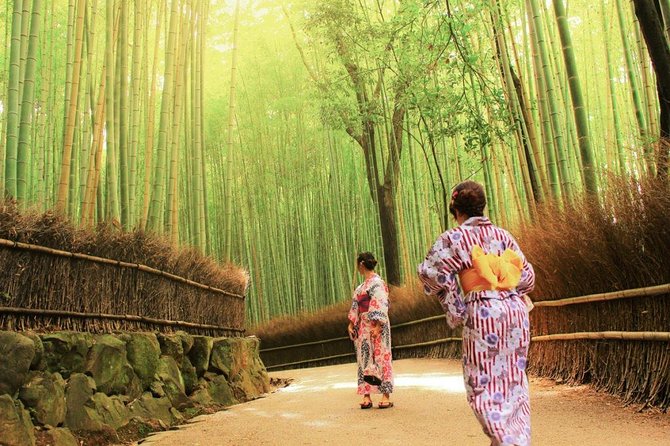
- Choose three or four sights: The day works best when you select a focused route instead of trying to cover every temple listed.
- The bamboo grove is not the whole experience: Add Tenryuji, Jojakkoji, Gioji, or Otagi Nenbutsuji for a fuller view of Sagano.
- A private guide changes the pace: You can ask questions, stop for food, and adjust the plan for children or limited mobility.
- Crowds are a real concern: Arashiyama can be packed in autumn and during blossom season, but a guide may steer you toward calmer paths.
- You pay extra on the day: Entrance fees, food, and transport for you and your guide are not included.
- Plan for walking: Hills, stairs, slippery paths, heat, and humidity can all affect the day.
What this Arashiyama tour is really selling
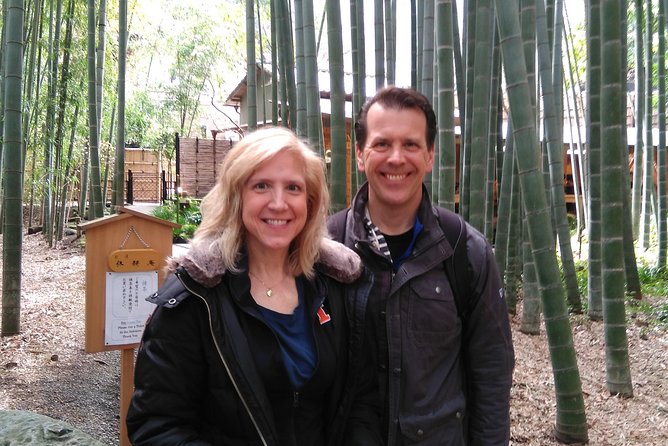
This is not a fixed sightseeing circuit. It is a private walking day built around three or four places in western Kyoto. You meet your guide in Kyoto, then travel on foot and use public transportation as needed. There is no private vehicle included, and pickup and drop-off are on foot.
That arrangement is a good fit for you if you want help making choices. Arashiyama offers far more than one six-hour visit can reasonably handle: a famous bridge, a bamboo path, large Buddhist temples, small hillside sanctuaries, gardens, preserved streets, and river valleys. Without a plan, you can spend much of the morning in queues or walking between sites without understanding what you are seeing.
The price is listed at $157.82 per person. For a private group, that can be fair if you value a tailored route and a guide who handles directions and interpretation. It is less attractive if you only want to see the bamboo grove, since that stop can be visited independently and does not require a full half-day tour.
The strongest value comes from using the guide well. Ask for a route that combines one headline sight with two quieter places. For example, Tenryuji and the bamboo grove make a logical start, followed by Jojakkoji or Gioji for a calmer finish. If you have children, ask about adding the monkey park, an option guides have included on family days, though it is not listed as one of the standard stops here.
More mornings in Arashiyama and the bamboo grove:
- Kyoto: Fushimi Inari, Kinkakuji, Bamboo Grove 1 Day Bus Tour
★ 4.8 · 4,316 reviews - Osaka/Kyoto:Kinkakuji,Arashiyama,FushimiInariShrine,NaraPark
★ 4.1 · 1,596 reviews - Kyoto/Osaka: Nara, Fushimi Inari Taisha, Arashiyama Bus Tour
★ 4.7 · 1,275 reviews
Starting at Togetsukyo Bridge
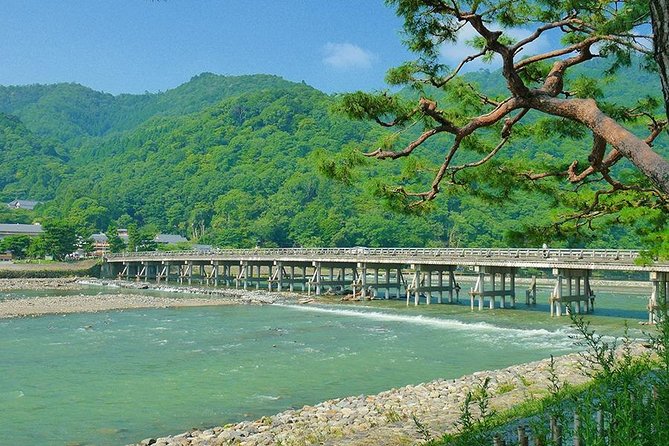
Togetsukyo Bridge is the natural meeting point for Arashiyama. Its name means Moon Crossing Bridge, and its setting explains why this area became popular long before modern sightseeing: the river, wooded hills, and open views create a pleasing first look at western Kyoto.
The bridge itself is free to see. Nearby, you will find shops, restaurants, river boats, and paths leading toward Tenryuji and the bamboo grove. A riverside park beside the bridge is lined with cherry trees, making spring especially attractive, though it also brings large crowds.
Your guide can use this opening stretch to explain the area’s connection to the Heian Period, when court nobles came here for nature and seasonal beauty. I would not spend too long at the bridge unless you want photographs. It is a useful starting point, not the best use of a large part of your six hours.
Walking through the famous bamboo grove
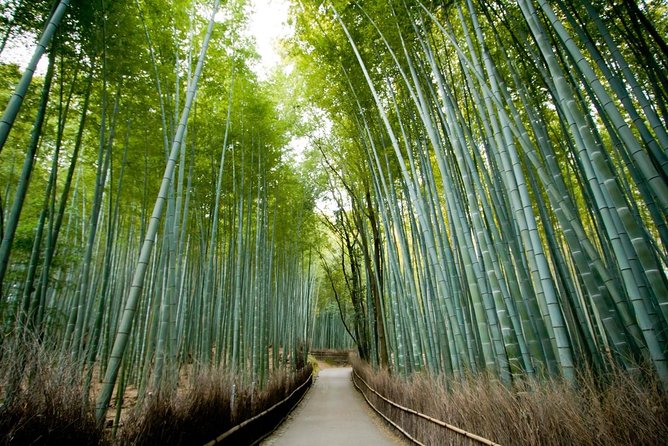
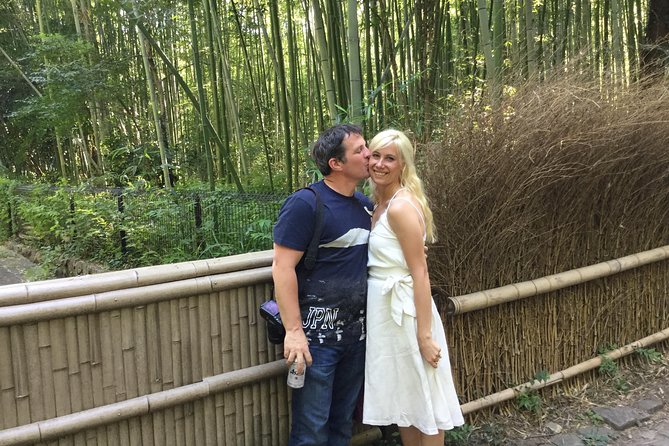
The Bamboo Forest Street is the image most people associate with Arashiyama. Tall bamboo rises on both sides of the path, and on a breezy day the stalks move gently overhead. The grove is attractive, but the main path is short and can become crowded enough to weaken the sense of calm.
That is where a private guide helps, though no guide can remove the crowds entirely. Go early if your schedule allows, and ask to pair the grove with nearby temple gardens rather than treating it as the full tour. The bamboo also has a practical side: local workshops have long used it for baskets, cups, boxes, and mats.
The grove is free, but you should budget for other stops. The listed price does not include temple admission, lunch, or transportation. If your goal is simply a quick photograph among the bamboo, booking this tour may be more than you need.
Tenryuji and Okochi Sanso: the classic pairing
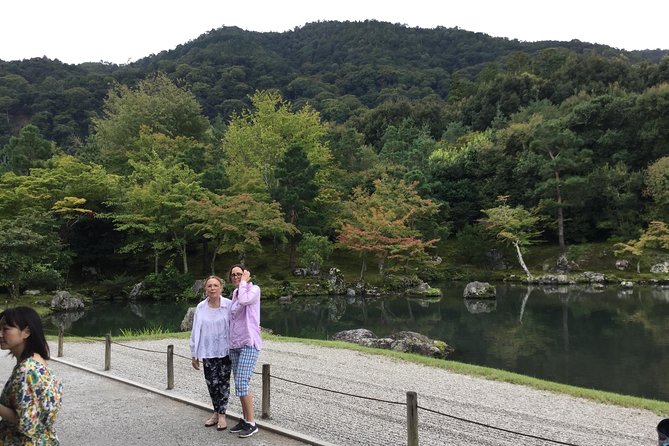
Tenryuji is one of Arashiyama’s major Zen temples and a UNESCO World Heritage Site. Founded in 1339, it combines temple buildings with gardens and walking paths. The gardens are the main reason to allow time here, especially if you want a more organized and spacious setting after the busy bamboo route.
Okochi Sanso Garden sits at the back of the bamboo groves. It was the former villa of actor Okochi Denjiro and includes gardens, tea houses, gates, and living quarters. The buildings are viewed from outside, so the appeal is the garden setting rather than an indoor palace tour.
These two stops give you the polished, famous side of Arashiyama. If you have never visited Kyoto, they make sense. If you have already seen the headline sights, use your limited time on smaller temples farther into Sagano.
A few more Kyoto tours worth putting on the shortlist
- PERFECT KYOTO 1-Day Bus Tour
★ 5.0 · 13,518 reviews - Kyoto: Tea Ceremony in a Traditional Tea House in Kiyomizu
★ 4.9 · 3,519 reviews - Kyoto Geisha Walking Tour: Gion District & Hidden Gems
★ 4.7 · 3,273 reviews - Kyoto: Tea Ceremony Ju-An at Jotokuji Temple
★ 4.9 · 3,207 reviews
Jojakkoji, Nisonin, and Gioji for a quieter Sagano
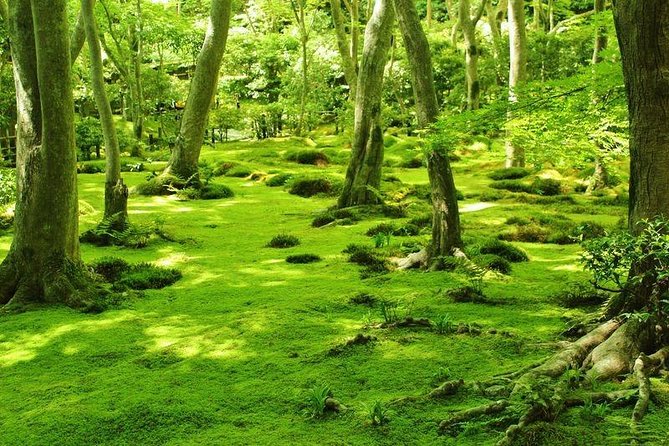
Jojakkoji climbs a wooded hillside and feels more restrained than Tenryuji. Moss and maple trees line the stairs, and several points open toward Kyoto. The temple was founded in 1596, and its small buildings and gates suit visitors who prefer atmosphere over grand scale.
Nisonin is another hillside temple, founded in the ninth century by the Tendai sect. Its buildings are a little larger, and trees shade the approach. From the upper grounds, you can look out over the city.
Gioji is smaller and more enclosed by forest. Its moss garden, maple trees, thatched gate, and round window give it a distinct character. This is the sort of stop that makes a private day worthwhile, since your guide can explain why a modest temple may matter just as much to your experience as a famous one.
These temples involve stairs and uneven paths. In rainy weather, they can be slippery. Autumn color is beautiful here, but the same season brings crowds and wet leaves underfoot. Tell your guide if you need a slower pace. One guide, Kazuo, has adjusted the walking plan for a visitor recovering from injuries, which shows the kind of flexibility this format can offer.
Adashino Nenbutsuji and Otagi Nenbutsuji
Adashino Nenbutsuji sits near the end of the Saga-Toriimoto Preserved Street. Its grounds contain hundreds of stone figures connected with memorials for the dead. A short bamboo path behind the temple adds another quiet stretch away from the main Arashiyama route.
About a ten-minute walk farther north is Otagi Nenbutsuji. It is known for roughly 1,200 stone rakan figures, each with a different expression. The statues were made in the 1980s and early 1990s, so this is not an ancient site in the same way as some Kyoto temples. That recent origin is part of its appeal: the grounds feel personal, playful, and unlike the formal temple compounds closer to the bridge.
If you choose both, you will get a stronger sense of old Saga neighborhoods and forested foothills. The tradeoff is time. These sites are farther from central Arashiyama, and adding them means dropping other stops. I would choose them over trying to squeeze in every famous temple.
The imperial villas need special planning
The itinerary information includes Shugakuin Imperial Villa and Katsura Imperial Villa, but these are not natural add-ons to a standard Arashiyama walking route. Both require careful planning, and the six-hour format only allows a short visit to each if they are included.
Shugakuin was built between 1655 and 1659 for Emperor Gomizuno. It includes upper, middle, and lower villa areas, gardens, traditional buildings, and surrounding farmland leased to local farmers. Katsura is celebrated for its architecture and garden design. Its present form was completed in 1645 for the Katsura branch of the Imperial Family.
Katsura requires joining an official tour. You view the palace buildings from outside, photograph only from designated places, and English tours are available. Since the villa appears twice in the supplied stop list, confirm exactly what your guide intends before booking. It is not sensible to assume that every listed place can be visited in one day.
Stops that belong to another kind of Kyoto day
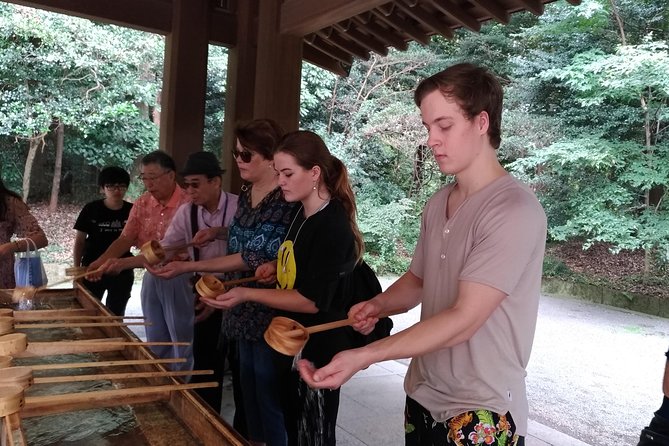
Kurama-dera and the Kibune River are in Kyoto’s northern mountains, not in the central Arashiyama cluster. Kurama is known for its temple and hot spring, while Kibune developed around Kifune Shrine, dedicated to water and rain. At the shrine, you can dip a paper fortune into water to reveal its message.
These are appealing destinations, but they deserve a clear time discussion. A short 15 or 20-minute stop will not give you much more than a quick look, especially once transport is counted. If you want a northern mountain day, ask whether the guide can build the entire tour around Kurama or Kibune rather than combining them with western Kyoto.
Yoshimine-dera is also in Kyoto’s western mountains. It sits along a mountainside with broad views toward the city and includes several buildings spread uphill. A temple founded in 1029, destroyed during the Onin War, and rebuilt in 1621, it offers a different setting from the compact temples of central Arashiyama.
These sites are useful options only if you are comfortable with a less concentrated route. The tour’s private format lets you ask, but you should not assume travel time is included in the advertised six hours without extra transport costs.
What the guides add to the day
The guide is the main reason to book this experience. Names associated with past bookings include Kazuo Sumi, Kazz, Tomo, Ken, Shoji, Satoko, Bell, and Ted. Guide assignment can vary, so do not book on the assumption that you will receive a particular person unless the provider confirms it.
The best use of a guide is not a string of dates and names. Ask for help understanding temple etiquette, choosing a sensible order, finding a meal, and avoiding the worst crowd pinch points. One guide provided a one-page Kyoto history sheet. Another helped locate a local artist. Several guides adjusted the day around food, children, walking speed, and personal interests.
Communication before the tour matters. Send a short wish list and say how much walking your group can manage. If you want the monkey park, Sagano Romantic Train, or a specific lunch, mention it early. Those options appeared in customized days but are not guaranteed parts of this standard experience.
Crowds, weather, and walking conditions
Arashiyama is not a quiet secret. The bamboo path, Togetsukyo Bridge, and Tenryuji can be very busy, especially during cherry blossom and autumn color periods. A guide may know less crowded side streets and temples, but you should still expect people at the major sights.
Summer can be hot and humid. Rain can make the hills and temple paths slippery, while autumn brings both beautiful color and heavy traffic. The experience requires good weather, and a weather cancellation offers a new date or full refund.
Wear shoes suited to walking and stairs. Bring water in warm weather and allow energy for the return journey. Most people can participate, and service animals are allowed, but this is not a vehicle-based tour that carries you from gate to gate.
Lunch, transport, and the real final cost
Lunch is not included, and neither are entrance fees or transportation for you and your guide. The provider also does not include a private vehicle. These costs matter because a six-hour route can involve several train or bus rides, depending on your choices.
The upside is freedom. You can ask for a local meal rather than accept a preset restaurant. One guide suggested a beef bento restaurant near Rilakkuma, with the practical warning to avoid the lunch rush because queues can be long.
For the best value, choose sites that sit close together and spend the saved time inside them. A route featuring Togetsukyo, the bamboo grove, Tenryuji, and one or two nearby temples makes more financial and practical sense than crossing Kyoto for a 15-minute look at a distant location.
Who should book this private Kyoto day?
Book it if you want a flexible first look at Arashiyama, need help with Kyoto’s history and customs, or are traveling with a mixed-age group. It is also useful if you want quiet temples added to the famous bamboo grove, or if one member of your group needs a slower pace.
Families can benefit from the private format, especially if children would enjoy the monkeys or need snack breaks. Couples and small groups who dislike rigid schedules will appreciate being able to reshape the day.
Skip it if your only goal is the bamboo forest, if you prefer to use public transportation and explore independently, or if you expect every named stop to fit into six hours. The tour succeeds through focus, not quantity.
FAQ
How long does the tour last?
The tour lasts approximately six hours.
Is the tour private?
Yes. Only your group participates, and the experience is led by a licensed local English-speaking guide.
How many places can I visit?
The included format is a customizable walking tour of three or four sites from the available options.
Is lunch included?
No. You pay for your own lunch and other personal expenses.
Are entrance fees included?
No. Admission fees are not included. Guide entry fees are covered only for sights listed among the available tour options.
Is transportation included?
No. Transportation costs for you and your guide are extra, and no private vehicle is provided. Pickup and drop-off are on foot.
Can I cancel for a full refund?
Yes, if you cancel at least 24 hours before the experience start time. Cancellations or changes made less than 24 hours in advance are not refunded or accepted. If poor weather causes the provider to cancel, you can choose another date or receive a full refund.
Should you book it?
I would book this tour for a first Kyoto visit when you want the bamboo grove but do not want to stop there. Choose a tight route, ask for Jojakkoji, Gioji, or Otagi Nenbutsuji, and tell the guide your walking limits before the day begins.
I would not book it as a bargain way to see one landmark. At $157.82 per person before food, admission, and transport, the price makes sense only when you use the private guide’s judgment and flexibility. Focus on three or four places, and this can turn a crowded tourist district into a more thoughtful day in Kyoto.
Newest Kyoto experiences on the site
- Treasures of Kyoto: Gion & historical Walking Tour★ 5.0 · 6 reviews
- Whisk Your Own Matcha: A Zen Matcha Experience at Temple★ 3.6 · 7 reviews
- Kyoto tea town for matcha lovers★ 5.0 · 16 reviews
- Uji: Private immersion into Kyoto’s tea and reglious culture★ 5.0 · 17 reviews
- Kyoto Matcha Green Tea Tour★ 4.5 · 23 reviews
- Uji and Wazuka Matcha Farm Half Day Private Guided Tour★ 5.0 · 21 reviews
- Utilising upcycled Matcha! Creating matcha incense (Uji, Kyoto)★ 5.0 · 6 reviews
- Sacred Temple Yoga Experience in Japan★ 5.0 · 3 reviews
Arashiyama Bamboo Grove Tours, compared.
Fushimi Inari, Kinkakuji, Bamboo Grove 1 Day Bus Tour
Read our review →
Kinkakuji,Arashiyama,FushimiInariShrine,NaraPark
Read our review →
Nara, Fushimi Inari Taisha, Arashiyama Bus Tour
Read our review →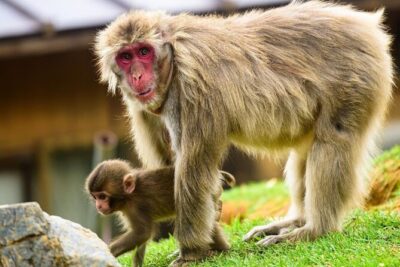
Kyoto Arashiyama Walking Tour: Bamboo, Monkeys, Gardens & Secrets
Read our review →
Arashiyama Bamboo, Temple, Monkeys, or Secret Sake Brewery
Read our review →
Arashiyama Bamboo Forest, Monkeys, Matcha & Temple Tour
Read our review →
Arashiyama, Nara & Fushimi Inari Shrine w/Lunch
Read our review →
Nijo, Kinkaku-ji, Arashiyama, Kiyomizu & Fushimi Inari
Read our review →Browse the lists this tour appears in