
Reviewed · ARASHIYAMA BAMBOO GROVE TOURS
Kyoto Arashiyama Bamboo Forest Customized Private Tour
Arashiyama is easy to visit on your own, but the right guide can change the whole day. This private tour lets you choose two or three places in four hours, so you can focus on bamboo, temples, gardens, river views, food, or a mix of all five. Guides such as Takuma, Kenji, and Yasuna have helped guests shape the route around quieter paths and better photo spots.
I like the personal format and the chance to see more than the famous bamboo grove. I also like that the guides bring local context to places such as Tenryu-ji, Jojakko-ji, and the traditional Saga Toriimoto area. The catch is that the $129 price does not include entrance tickets, transport, or lunch, and this is a walking tour with no private vehicle.
Key points at a glance
- Choose two or three Arashiyama stops: Build the four-hour route around temples, gardens, nature, shops, or food.
- Meet at JR Saga-Arashiyama Station: The guide waits in front of a ticket gate on the station’s second floor.
- Private English-speaking guide: Your group has the guide’s full attention, with room to change plans as you go.
- Good for first-time Kyoto visitors: A guide can help you use a short visit well and avoid wasting time between sights.
- Walking and extra costs matter: Wear good shoes, and budget separately for transport and admission fees.
- Rain or shine: Bring rain gear and expect the route to continue in wet weather.
Why a private Arashiyama route can work better
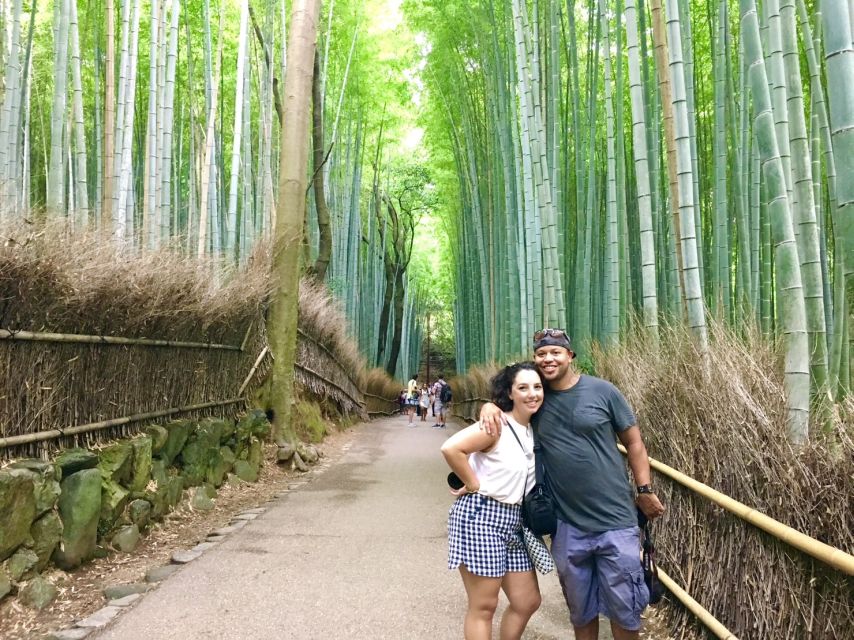
Arashiyama and Sagano offer far more than one bamboo path. The area has temple grounds, gardens, river scenery, old buildings, food shops, and wooded hills. The problem is choosing what fits into a half day.
That is where this tour makes sense. You meet your guide at JR Saga-Arashiyama Station, explain what interests you, and settle on two or three destinations. You are not following a fixed checklist, so a temple lover can spend more time at religious sites while a nature lover can give priority to gardens, bamboo, and Monkey Park.
I especially like this setup if you have only one day in Kyoto. A local guide can help you avoid spending half your morning figuring out directions, transport, and ticket lines. You still need to pay attention to the clock, but four focused hours can cover a satisfying slice of western Kyoto.
The private format also helps families and small groups with different interests. One person may want photography, another may want temple architecture, and someone else may be hoping for local snacks. The guide can make practical choices instead of forcing everyone through the same preset route.
More mornings in Arashiyama and the bamboo grove:
- Kyoto: Fushimi Inari, Kinkakuji, Bamboo Grove 1 Day Bus Tour
★ 4.8 · 4,316 reviews - Osaka/Kyoto:Kinkakuji,Arashiyama,FushimiInariShrine,NaraPark
★ 4.1 · 1,596 reviews - Kyoto/Osaka: Nara, Fushimi Inari Taisha, Arashiyama Bus Tour
★ 4.7 · 1,275 reviews
Starting at JR Saga-Arashiyama Station
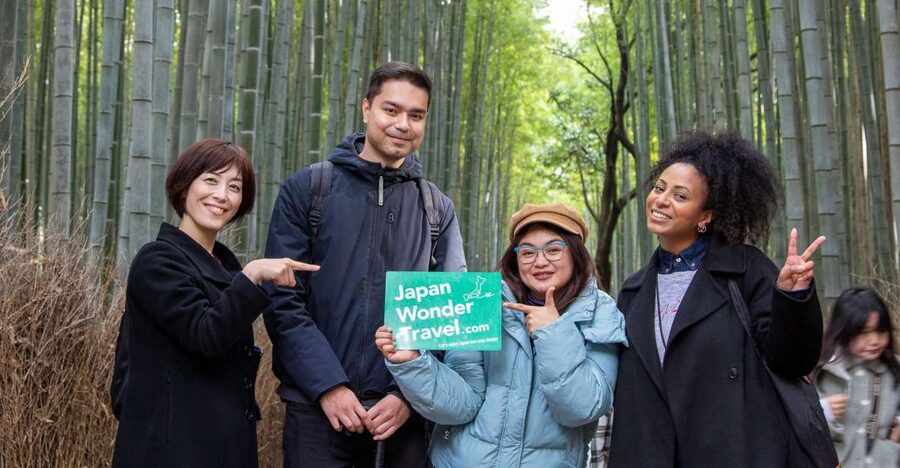
The meeting point is in front of a ticket gate at JR Saga-Arashiyama Station, on the second floor. This is a useful starting place because you can arrive by train and begin exploring without arranging a hotel pickup.
Give yourself time to find the correct level and ticket gate. The meeting instructions include a map, and checking the station layout before you leave your hotel is sensible. The guide does not pick you up from your hotel, so you are responsible for getting to the station.
Once you meet, use the first few minutes well. Tell the guide if you care most about temples, gardens, photography, traditional streets, nature, shopping, or food. Also mention your walking pace and any places you have already seen. The itinerary is flexible, but it still works best when you make your priorities clear at the start.
Crossing Togetsukyo Bridge and reading the river view
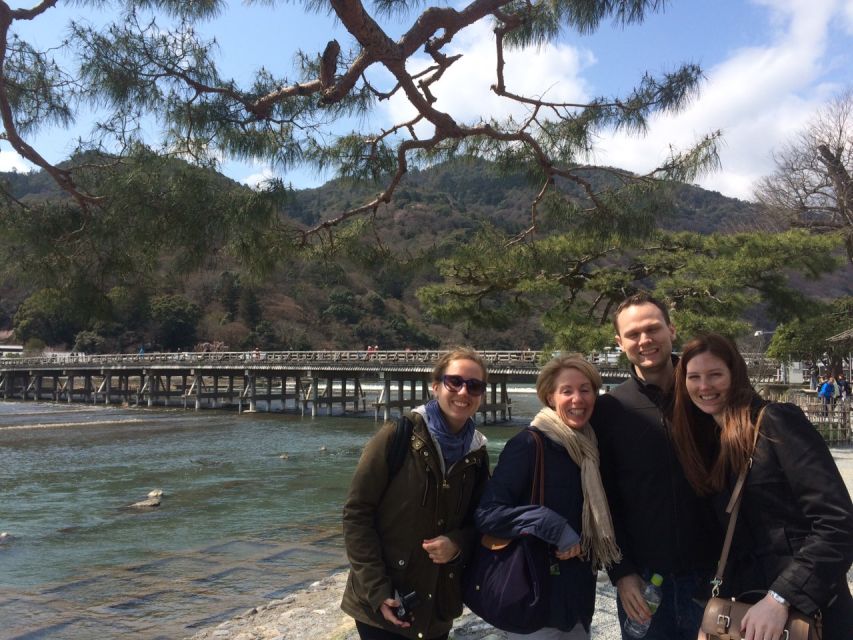
Togetsukyo Bridge is one of Arashiyama’s defining sights. Crossing it gives you an immediate sense of the area, with the river, wooded hills, and broad open views replacing central Kyoto’s dense streets.
The bridge is a good opening stop because it helps you get your bearings. It is also a strong choice if you want scenic photographs without committing to a temple entrance fee right away. Your guide can explain how the area became associated with aristocratic villas and seasonal outings.
Do not expect the bridge itself to be a quiet retreat at all times. Arashiyama is a popular destination, and the main sights can feel busy. A private guide cannot remove the crowds, but a flexible route may help you adjust the order of stops or spend more time away from the busiest points.
Tenryu-ji for a major temple experience
Tenryu-ji is the natural choice if you want one of Arashiyama’s major cultural sights. It offers a grander temple experience than the smaller hillside temples, with formal grounds and a setting that connects buildings, gardens, and the surrounding hills.
The guide can add useful context to what you are seeing rather than leaving you to guess which hall or garden matters. One guide used an iPad to support explanations, which can be handy when discussing details that are difficult to see from a distance.
Allow for the extra admission cost. Entrance fees are not included for you or the guide, so the price of this stop is separate from the tour fee. The guide can help you decide if Tenryu-ji deserves one of your two or three selected locations, especially if you have already seen several large temples elsewhere in Kyoto.
A few more Kyoto tours worth putting on the shortlist
- PERFECT KYOTO 1-Day Bus Tour
★ 5.0 · 13,518 reviews - Kyoto: Tea Ceremony in a Traditional Tea House in Kiyomizu
★ 4.9 · 3,519 reviews - Kyoto Geisha Walking Tour: Gion District & Hidden Gems
★ 4.7 · 3,273 reviews - Kyoto: Tea Ceremony Ju-An at Jotokuji Temple
★ 4.9 · 3,207 reviews
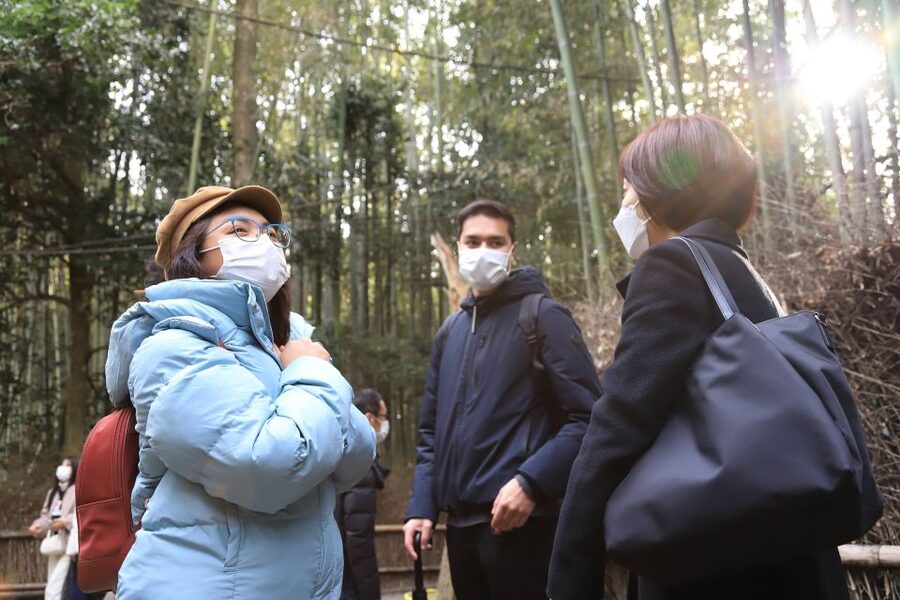
The bamboo grove, with realistic expectations
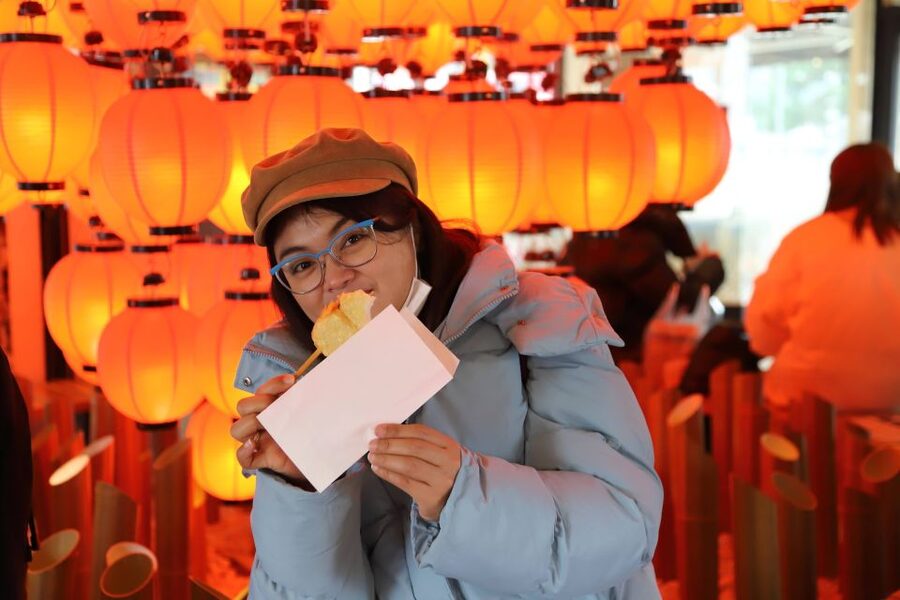
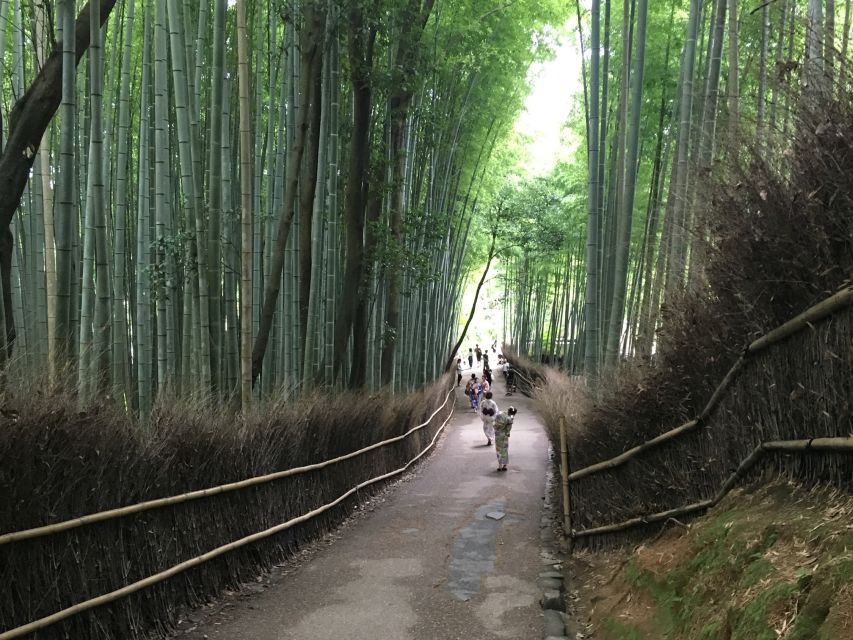
The Arashiyama Bamboo Forest is the image most people associate with this district. Tall bamboo creates a narrow green corridor, and the path feels unlike almost anywhere else in Kyoto.
It is worth seeing, but it is not a private woodland walk. The famous route is a major attraction, and the experience can be busy. That makes a guide useful for more than pointing out the bamboo. Your guide may help you choose the best timing within the route, suggest photo positions, and balance this stop with quieter places.
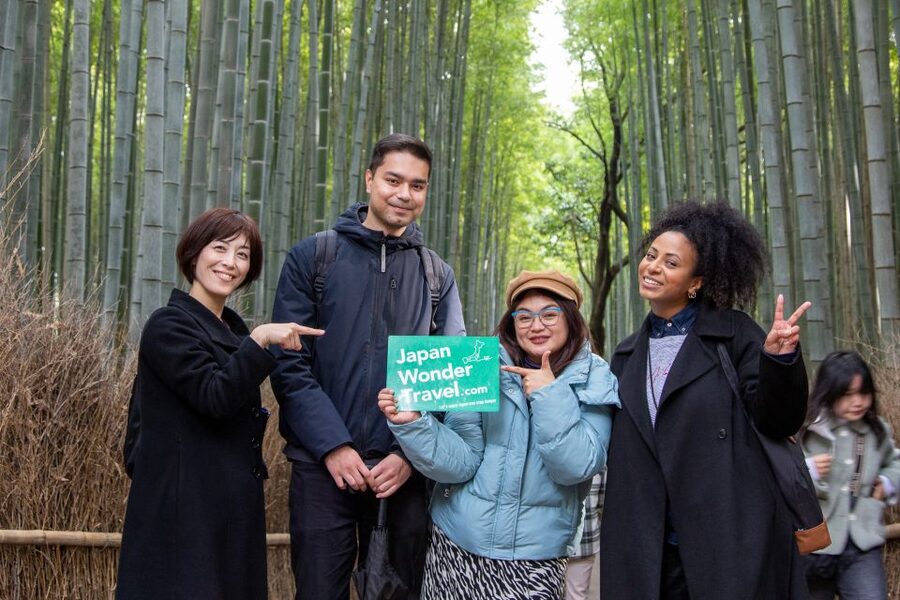
If photography matters to you, say so clearly. Takuma, one of the guides, is also a professional photographer and has helped guests with composition and photo opportunities. That does not guarantee empty paths or perfect weather, but it adds real value for anyone who wants more than a quick snapshot.
The grove is also an easy place to overstay. Give it the time it deserves, then move on. In a four-hour tour, the bamboo path should be one part of your Arashiyama visit rather than the whole plan.
Okochi Sanso Garden for a quieter pause
Okochi Sanso Garden is a strong choice if you want scenery and a more peaceful setting after the bamboo grove. It was created as the villa garden of actor Denjiro Okochi and offers landscaped paths, views, and a calmer pace.
Kenji included the garden on one successful route along with the bamboo forest and Tenryu-ji. That combination makes sense: you get the famous sight, a major temple, and a garden where you can slow down.
Okochi Sanso has an admission fee, and that cost is separate. Ask your guide about the current route and what the fee covers before committing, since you may prefer to spend your limited time at another temple or in the traditional streets.
Jojakko-ji and Nisonin for temple atmosphere
Jojakko-ji Temple is a good match for you if you prefer a quieter temple setting over a large, formal complex. Its wooded location gives it a different mood from Tenryu-ji, and the paths can feel more intimate.
Nisonin Temple is another option for a temple-centered itinerary. Both sites fit well when you want cultural sights but would rather avoid building a whole half day around only one famous name.
The advantage of visiting with a guide is the ability to compare them. You can ask which temple best matches your interests and how much walking each choice adds. Since you can select only two or three locations, this kind of advice helps prevent a route that looks good on paper but feels rushed in practice.
Admission charges apply at temple sites, and the guide’s ticket is also your responsibility. Keep some cash with you for tickets and small purchases.
Gioji, Adashino Nenbutsu-ji, and Otagi Nenbutsu-ji
Gioji Temple is known for its soft, moss-covered setting and subdued atmosphere. It suits a visitor who wants a small, reflective stop rather than a grand temple complex.
Adashino Nenbutsu-ji offers a different experience, with many stone figures and a strong connection to memorial traditions. Otagi Nenbutsu-ji is known for its numerous stone statues, each with a distinct expression. These are not interchangeable stops, so ask your guide to explain what makes each one worth your time.
The tradeoff is distance and walking. Adding several sites farther into Sagano can make the route more demanding, especially if you also want bamboo, Togetsukyo Bridge, or Monkey Park. A private guide can use public transport or a local taxi between places, but those costs are not included.
For me, these temples make most sense for repeat visitors or for anyone who cares more about atmosphere than checking off the biggest sights. They give the area a less obvious feel, but you need to accept a longer route and a tighter schedule.
Saga Toriimoto and Monkey Park
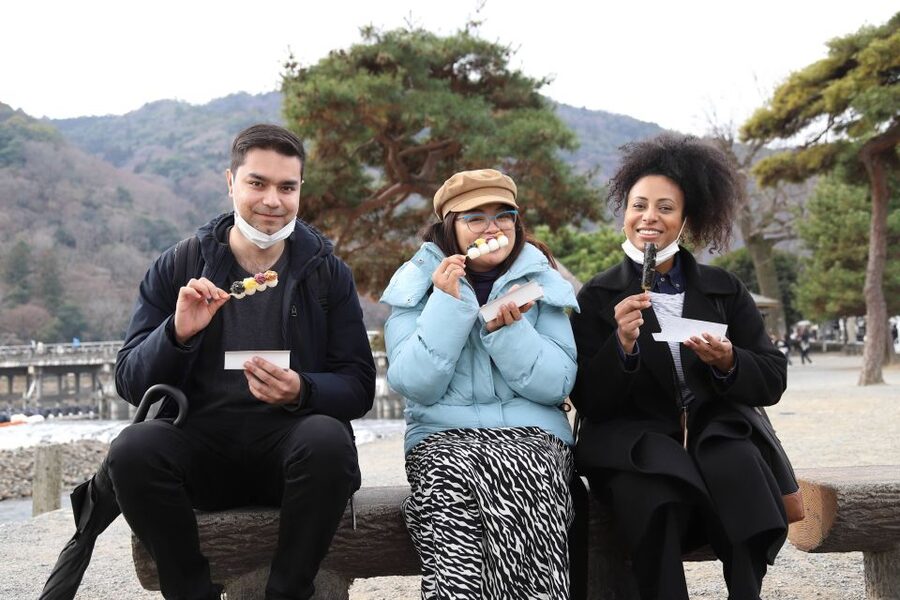
The Saga Toriimoto Traditional Buildings Preservation Area is a good pick if you want old streets and traditional architecture. It feels different from the temple grounds and gives you a chance to see how the outer Arashiyama area developed beyond the main tourist route.
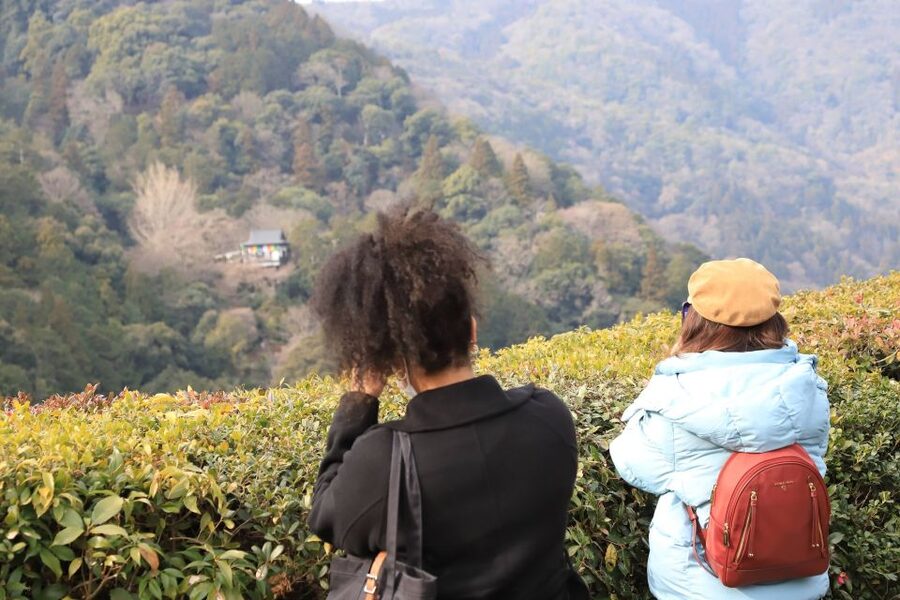
Monkey Park offers a nature-focused option with a more active walk. It is best for you if you want views and a change from temples and gardens. The climb adds physical effort, so ask about the walking involved before choosing it.
These options show why the customized format matters. You can build a cultural route, a nature route, or a mixed route. You cannot realistically see every suggested stop in four hours, so choosing fewer places usually produces a better experience than racing through a long list.
What the guide adds to the four hours
The strongest part of this experience is the guide’s attention. You are not sharing explanations with a large group, and you can stop to ask about customs, traditions, architecture, food, or Kyoto plans for the next day.
Hiromi, Yasuna, Takuma, and Kenji are among the guides associated with especially warm experiences. Yasuna grew up familiar with Arashiyama and could explain the area from a local point of view. Hiromi was also praised for explaining customs and traditions clearly, even when English was not easy for every member of the group.
That language point is important. The tour is conducted in English, but guides may vary in accent and speaking style. The available experiences suggest clear communication is a priority, yet you should still tell the guide if you need a slower explanation.
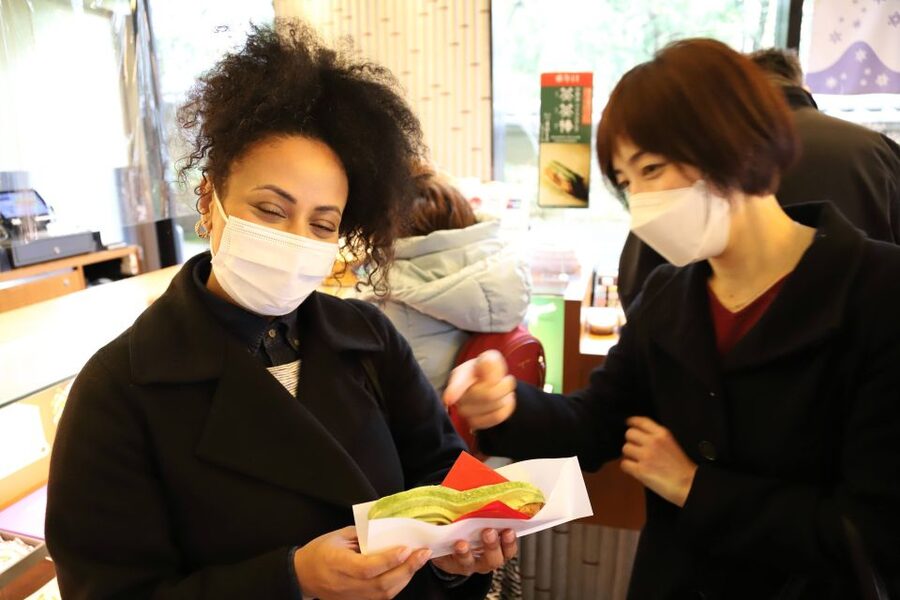
Takuma’s photography skills are a useful extra for couples and families. Other guides have added local food stops, including a small bite at a neighborhood restaurant or street food. Food is not included, but a guide can help you understand what you are trying instead of simply pointing at a shop.
Price, transport, and the real value
At $129 per person, this is not the cheapest way to see Arashiyama. The price pays for a private, English-speaking licensed guide for four hours, but it does not cover transport, admissions, lunch, private vehicles, or personal purchases.
That means the final cost depends on your chosen route and group size. A route with several paid temples and taxis will cost more than one built around bridge views, walking streets, and outdoor scenery. You should budget cash for tickets, transport, and food.
I think the tour offers its best value in three situations:
- You have limited time in Kyoto and want a clear plan.
- You care about explanations, photography, or local food rather than sightseeing alone.
- Your group has specific interests that a fixed tour would not match.
It is less appealing if you are comfortable navigating Arashiyama independently and mainly want to see the bamboo grove. The main sights are accessible without a private guide, so the extra cost is justified by personal attention and time management, not by exclusive access.
Walking, weather, and practical limits
This is a walking tour. You should wear comfortable shoes and expect a moderate amount of walking, with more if you choose Monkey Park or several temples. Public transportation or local taxis may be used between locations, and you pay those fares for yourself and the guide.
Large bags and luggage are not allowed. Do not plan to arrive with suitcases. Bring cash, since the tour includes expenses that are paid locally, and carry rain gear because the tour runs in wet weather as well as dry weather.
The experience is not suitable for wheelchair users or people with mobility impairments, and it may be uncomfortable if you have back problems. If your group needs a slower pace, discuss that before the route is finalized.
The free cancellation policy allows a full refund when you cancel at least 24 hours ahead. You can also reserve and pay later, which helps if your Kyoto schedule is still moving around.
Who should book this private Arashiyama tour?
I would choose this tour for a first visit to Kyoto, especially if Arashiyama is one of only a few places you can fit into your schedule. A guide can keep the morning or afternoon moving and help you choose between major temples, smaller sites, gardens, and food stops.
It is also a good fit for couples, families, and friends who want a private pace. The photography help reported with Takuma is a real plus for anyone who wants portraits, while the local knowledge shown by guides such as Yasuna and Hiromi helps turn a quick visit into a more informed one.
I would skip it if you want a completely self-directed walk, if you dislike paying separate admission and transport costs, or if anyone in your group has serious mobility limits. The flexibility is valuable, but it does not remove the hills, distances, crowds, or weather.
Should you book it?
Book this tour if you want help making smart choices in Arashiyama and prefer a personal guide to a fixed group route. The most rewarding plan is probably two major stops plus one smaller or scenic stop, such as the bamboo grove, Tenryu-ji, and Okochi Sanso, or Togetsukyo Bridge, Jojakko-ji, and Saga Toriimoto.
Before the tour, decide your priorities and set aside money for tickets, transport, and food. With realistic expectations about walking and crowds, this is a useful, flexible way to see western Kyoto in four hours.
FAQ
Where does the tour meet?
You meet the guide in front of a ticket gate at JR Saga-Arashiyama Station. The meeting point is on the station’s second floor.
How long does the tour last?
The tour lasts four hours.
Is the tour private?
Yes. It is designed for your personal group and includes a private licensed local English-speaking guide.
Can I choose the places I visit?
Yes. You can customize the itinerary and choose two or three locations within the Arashiyama and Sagano areas.
Which places can I request?
Possible stops include Togetsukyo Bridge, Tenryu-ji, Jojakko-ji Temple, the bamboo grove, Okochi Sanso Garden, Nisonin Temple, Gioji Temple, Adashino Nenbutsu-ji Temple, Otagi Nenbutsu-ji Temple, Saga Toriimoto, and Monkey Park.
Are entrance fees included?
No. Entrance fees for you and the guide are not included.
Is transportation included?
No. Public transportation or local taxis may be used, but you pay transportation costs for yourself and the guide. A private vehicle is not included.
Does the tour include lunch?
No. Lunch and other personal expenses are not included, though the route may include a local food stop if you request one.
What should I bring?
Bring comfortable walking shoes, cash, and rain gear. Large bags and luggage are not allowed, and the tour operates rain or shine.
Newest Kyoto experiences on the site
- Treasures of Kyoto: Gion & historical Walking Tour★ 5.0 · 6 reviews
- Whisk Your Own Matcha: A Zen Matcha Experience at Temple★ 3.6 · 7 reviews
- Kyoto tea town for matcha lovers★ 5.0 · 16 reviews
- Uji: Private immersion into Kyoto’s tea and reglious culture★ 5.0 · 17 reviews
- Kyoto Matcha Green Tea Tour★ 4.5 · 23 reviews
- Uji and Wazuka Matcha Farm Half Day Private Guided Tour★ 5.0 · 21 reviews
- Utilising upcycled Matcha! Creating matcha incense (Uji, Kyoto)★ 5.0 · 6 reviews
- Sacred Temple Yoga Experience in Japan★ 5.0 · 3 reviews
Arashiyama Bamboo Grove Tours, compared.
Fushimi Inari, Kinkakuji, Bamboo Grove 1 Day Bus Tour
Read our review →
Kinkakuji,Arashiyama,FushimiInariShrine,NaraPark
Read our review →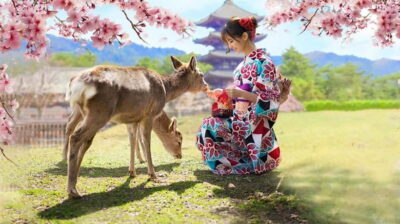
Nara, Fushimi Inari Taisha, Arashiyama Bus Tour
Read our review →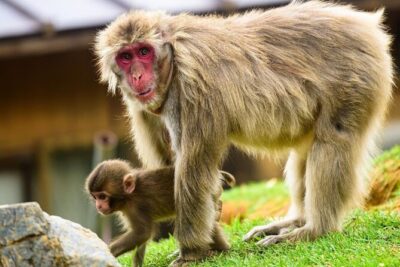
Kyoto Arashiyama Walking Tour: Bamboo, Monkeys, Gardens & Secrets
Read our review →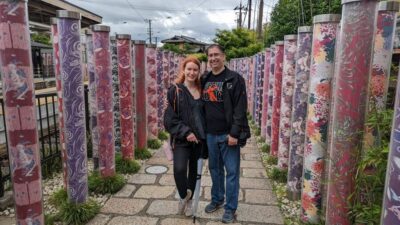
Arashiyama Bamboo, Temple, Monkeys, or Secret Sake Brewery
Read our review →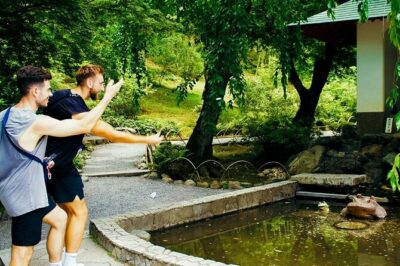
Arashiyama Bamboo Forest, Monkeys, Matcha & Temple Tour
Read our review →
Arashiyama, Nara & Fushimi Inari Shrine w/Lunch
Read our review →
Nijo, Kinkaku-ji, Arashiyama, Kiyomizu & Fushimi Inari
Read our review →Browse the lists this tour appears in