
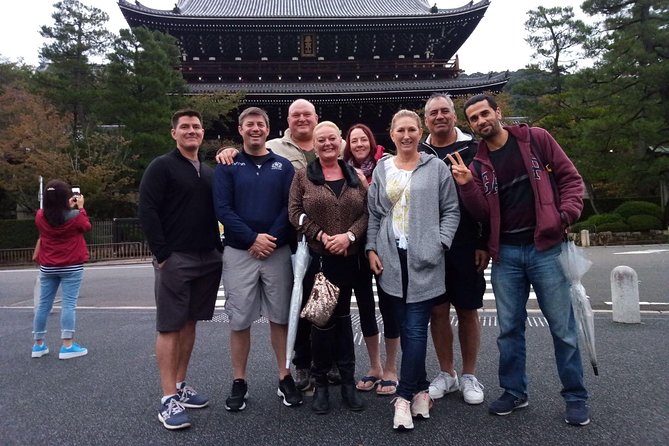
Reviewed · GION DISTRICT TOURS
Guided Gion Tour: Explore Kyoto’s Historic Geisha District
Gion is at its best when someone helps you read the details: a wooden teahouse frontage, a shrine lantern, a quiet lane, or the quick appearance of a maiko. This private two-hour walk takes you through Kyoto’s most famous traditional district, with stops at Yasaka Shrine and Hanamikoji Street, plus several nearby sights.
I like the private format, which lets you ask questions instead of following a fixed crowd. I also like the flexible timing. An early visit should feel calmer, while an evening walk lets you see Gion after the streetlights come on. The main drawback is simple: a geisha or maiko sighting is not guaranteed, and this tour does not include private time with one.
Key points to know before booking
- Private for up to eight people: The $350 price covers your whole group, not each person.
- A compact Gion route: In about two hours, you visit Gion, Chion-in Gate, Yasaka Shrine, Maruyama Park, Hanamikoji Street, and the Izumo no Okuni Statue.
- Guides who answer questions: Ahmed and Mat are named in the feedback, and both were praised for clear explanations and considerate service.
- Sightings, not appointments: The guide takes you to places where you may see geisha or maiko, but no meeting is arranged.
- Pickup is offered: One family was met at Kyoto Station and taken to Gion by bus.
- Weather matters: You can cancel for a full refund up to 24 hours before departure, and poor weather may lead to a new date or full refund.
Why Gion Makes a Good Guided Walk
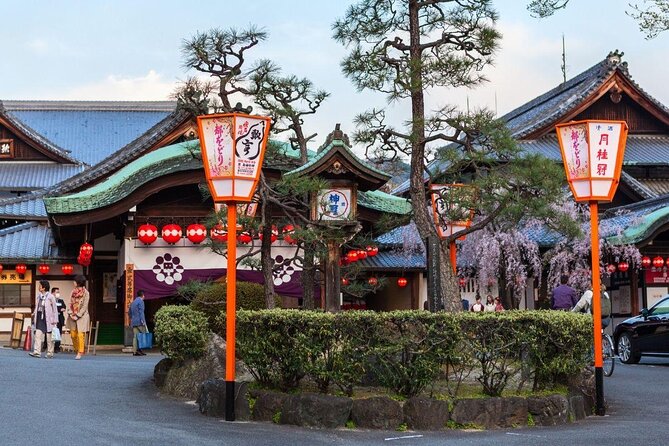
Gion can look straightforward at first glance. You see old wooden buildings, narrow streets, shrines, and people moving between restaurants and tea houses. The difficulty is knowing what you are looking at and which details matter.
That is where a private guide earns the fee. You can ask about local customs, the role of geisha and maiko, the difference between a shrine and a temple, or the story behind a statue. One especially useful comment from the experience is that a guide helped explain customs that would otherwise have passed unnoticed.
This is not a ticketed show or a staged cultural performance. It is a walking tour through a functioning district. The appeal comes from seeing Kyoto’s old architecture in its everyday setting, then having someone put the streets into context.
The walk is short enough for most people, but the weather can change how enjoyable it feels. On a very hot day, one family found the pace difficult and missed some of the commentary while stopping to rest. If you are visiting during warm weather, choose a cooler time of day and tell your guide if you need a slower pace.
More ways to walk Gion:
- Kyoto Geisha Walking Tour: Gion District & Hidden Gems
★ 4.7 · 3,273 reviews - Kyoto: Gion Magical Night Walking Tour with Geisha Trivia
★ 4.9 · 2,393 reviews - Kyoto: Gion Geisha District Walking Tour – Stories of Geisha
★ 4.7 · 2,187 reviews
Starting in Gion and Hanami Street
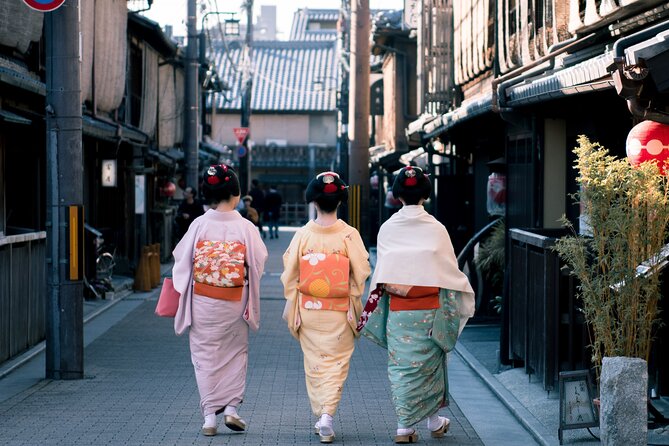
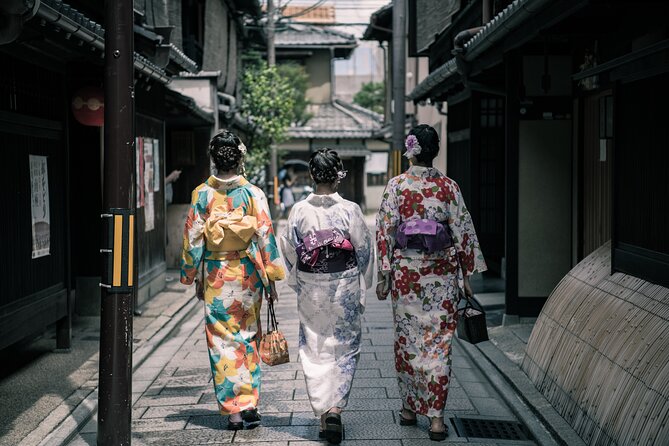
The opening stop covers the Gion area, including Hanami Street. This is the heart of the experience, with preserved wooden architecture and the possibility of seeing a geisha or maiko on the way to an appointment.
Keep your expectations realistic. A sighting is possible, but it cannot be scheduled. One person enjoyed seeing a genuine maiko, while another specifically appreciated being told that the tour does not include time with a geisha or maiko. That distinction matters when you compare this walk with a cultural show or a private entertainment experience.
Your guide can help you understand what you are seeing without turning the walk into a hunt. You should treat any geisha or maiko sighting as a fortunate moment, not the product being promised. The strongest reason to visit Gion remains the district itself, with its wooden facades, traditional streets, and connection to Kyoto’s performing arts.
This first section takes about an hour, according to the listed timing. That leaves enough room for the guide to answer questions, though the exact pace may depend on your group and the weather.
The Izumo no Okuni Statue and Kabuki’s Beginnings
The next stop is the Statue of Izumo no Okuni, with about 15 minutes set aside. Okuni is associated with the founding of Kabuki theater, so this brief stop gives the walk a useful connection to Japan’s performing arts.
It also adds variety. Gion is often reduced to images of tea houses and geisha, but Kyoto’s cultural story is wider than that. The statue points toward theater, performance, and the way public entertainment developed around the city’s traditional quarters.
This is a short visit rather than a major museum stop. You will not spend a large part of the tour here, but the guide’s explanation can make the statue more meaningful than a quick photograph would be.
Chion-in Temple Gate in Fifteen Minutes
The Chion-in Temple Gate is another short stop, listed at about 15 minutes. Its large wooden structure and detailed carvings give you a strong visual contrast with the smaller buildings in Gion.
The stop focuses on the gate rather than a long temple visit. That is useful if you want to cover several parts of the district in a limited time, but it also means you should not book this walk expecting an extended temple tour.
A guide can point out the gate’s scale and design while explaining its place within one of Kyoto’s important religious sites. If you are taking photographs, this is one of the route’s most imposing subjects.
More geisha and maiko evenings in Kyoto:
- Best of Kyoto: Gion, Geisha, Pagodas & Cobblestones
★ 4.9 · 2,058 reviews - Night Walk in Gion: Kyoto’s Geisha District
★ 4.5 · 2,003 reviews - Kyoto Gion Geisha District Walking Tour – The Stories of Geisha
★ 5.0 · 1,441 reviews - Kyoto Gion: 2-Hour Geisha Culture & History Walking Tour
★ 5.0 · 1,186 reviews
Yasaka Shrine’s Lanterns and Open Grounds
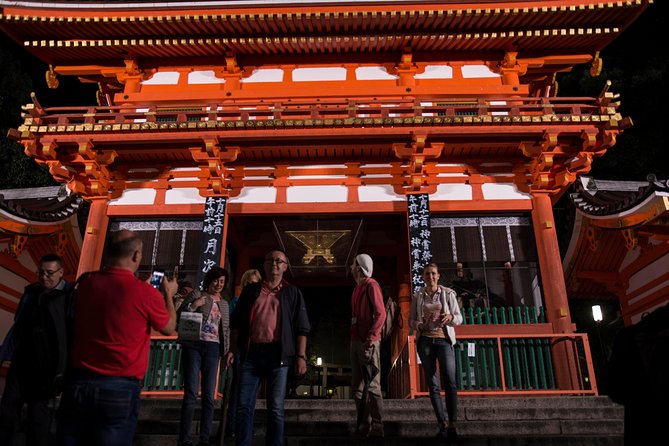
Yasaka Shrine is about a 10-minute stop. It is known for its festivals and lantern-lit paths, and it gives the tour a clear look at Shinto practice in the middle of a historic Kyoto neighborhood.
I like this part of the route because it breaks up the narrow streets. You get open shrine grounds, strong architectural lines, and a chance to ask about the difference between the sacred spaces you are seeing and the nearby temple buildings.
The brief timing means you are likely getting an introduction rather than a full shrine visit. If Yasaka Shrine is a major priority for you, ask the guide how much time can be spent there when you book or at the start of the walk. The private setup gives you more room to discuss your interests than a large group tour would.
A Quiet Pause in Maruyama Park
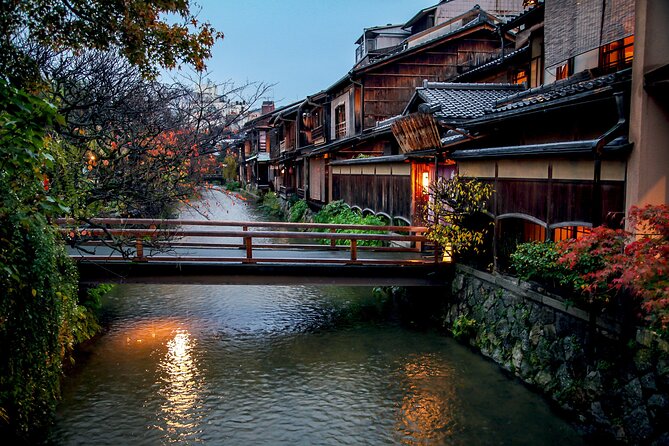
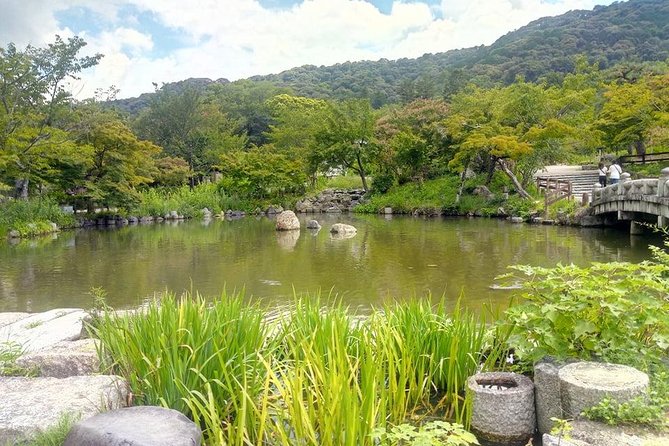
Maruyama Park follows with around 10 minutes. The park has ponds, paths, and seasonal cherry blossoms, offering a softer setting after the shrine and city streets.
This is also the most useful place for a short rest, especially on a hot day. The route is not a hard hike, but two hours on foot can feel longer in summer, and one family needed to pause during its visit.
The park’s appeal changes with the season. Cherry blossoms can make it especially attractive, but even outside blossom season it provides greenery and a little breathing room. Do not expect a long nature walk. This is a compact pause within a larger Gion circuit.
Hanamikoji Street and Traditional Machiya
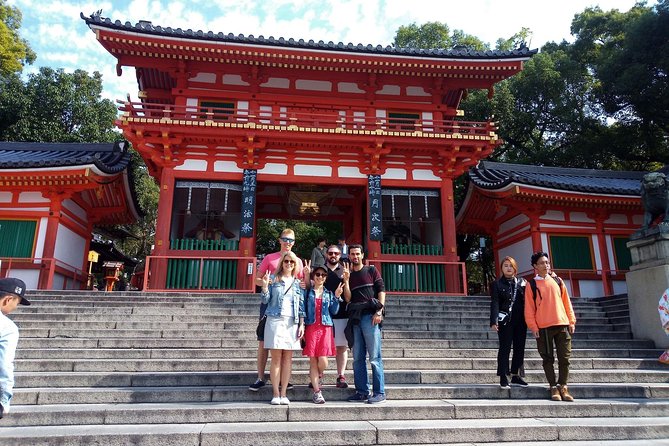
The final listed stop is Hanamikoji Street, with about 10 minutes. Traditional teahouses and wooden machiya houses line this well-known road, making it one of the clearest places to see the architectural character associated with Gion.
This is a good place to slow down and look upward and along the facades. The details can be easy to miss when you are focused on finding a maiko. The guide’s role is especially helpful here, since the street’s importance is not always obvious from its appearance alone.
The short time allocation may feel limited if you want many photographs or have a strong interest in architecture. Still, the street is part of a wider route rather than the sole destination. You see it after the shrine, park, temple gate, and performing arts connection, so it works as a closing piece to the walk.
What the Private Format Is Worth
The tour costs $350 per group of up to eight people. For a full group, that works out to $43.75 per person. For four people, it is $87.50 each, and for two people it becomes $175 each.
That makes the price most appealing to families or friends who can fill several places. You are paying for a private guide and management fee, not admission tickets to attractions. The listed stops have no separate admission charge, so the value lies in the explanation, route planning, pickup option, and ability to ask questions.
For a couple, the cost is harder to justify unless you place a high value on private guiding. A larger group gets much better value, particularly if several people want different questions answered or if you prefer not to keep pace with strangers.
The two-hour length also matters. This is a focused introduction, not a full-day Kyoto tour. You can fit it around other plans, and the available times make it easier to choose morning or evening. An early start should help you avoid some crowds, while an evening slot offers a different mood as the lights come on.
The Guides and the Importance of the Match
The experience provider is Ahmed Abu Tayeh. Ahmed is also named as a guide in the feedback, with praise for punctuality and clear explanations. Another guide, Mat, was described as considerate and good at answering questions.
Those details suggest what you should want from the experience: a guide who does more than point out buildings. The best version of this walk is conversational, with explanations that connect the street scenes to local customs and culture.
There is also one poor account describing a guide as absent, uninformative, and unfriendly. That means the personal nature of this tour cuts both ways. A strong guide can make the same streets memorable, but the quality of the interaction matters greatly because you spend the full two hours together.
If you have special interests, tell the provider in advance or explain them at the start. The private format should make it easier to focus on architecture, religion, performing arts, photography, or the geisha district itself.
Getting There and Handling the Pace
Pickup is offered. In one case, the guide met the group at Kyoto Station and traveled with them to Gion by bus. Since the exact pickup arrangement is not specified here, confirm where and when you will meet before setting your day around it.
The tour is near public transportation, and most people can take part. The route includes walking between several outdoor locations, so comfortable shoes and a pace that suits your group are sensible choices.
The experience runs in most weather, but it requires good conditions. If poor weather causes cancellation, you can choose another date or receive a full refund. You can also cancel up to 24 hours before the start for a full refund. Within 24 hours, the payment is not refunded, and changes are not accepted.
Who Will Get the Most From This Tour
I would consider this walk a good fit for a first visit to Kyoto, especially if you want a clear introduction to Gion without spending half a day on a formal cultural program. It also suits families and small groups that want a private pace.
It works well for people who enjoy asking questions. If you want to know why a building looks the way it does, what a shrine represents, or how Kabuki connects to Kyoto, the guide gives you a person to ask.
It is less suitable if your main goal is guaranteed contact with a geisha or maiko. It is also not the right choice if you want long visits inside temples, a formal performance, or a full-day exploration of Kyoto. The route is an outdoor orientation walk with cultural explanation.
The published score is 4.6 out of 5, with 94 percent recommending it, based on 16 ratings. That is a strong result, but the mixed experience with pace and guide style is worth keeping in mind. A private tour is personal by design, so communication at the beginning can make a real difference.
Should You Book the Guided Gion Tour?
Book it if you want a short, private introduction to Gion and your group can share the $350 cost. The route covers the district’s key sights, and the guide can give meaning to customs, architecture, shrines, and performing arts that are easy to miss on your own.
Choose an early time for a calmer walk, or select the evening if you want Gion under streetlights. Go with the right expectation: you are paying for a guided exploration and a chance to spot geisha or maiko, not for a guaranteed encounter.
If you are visiting with two people and watching your budget, compare the price with a larger group walk. If you are a family or group of friends, the private format becomes much more attractive. For many first-time visitors, that combination of flexibility, local explanation, and compact sightseeing makes this a sensible way to begin with Gion.
FAQ
How long does the Guided Gion Tour last?
The tour lasts approximately two hours.
How many people can join the private tour?
Up to eight people can participate in the private tour.
What is included in the price?
The price includes the guiding and management fee.
Does the tour include time with a geisha or maiko?
No. The tour does not include arranged time with a geisha or maiko. The guide takes you to places where you may be able to spot one, but sightings are not guaranteed.
What places are visited?
The route includes Gion, the Izumo no Okuni Statue, Chion-in Temple Gate, Yasaka Shrine, Maruyama Park, and Hanamikoji Street.
Can I choose a morning or evening departure?
Tours are available throughout the day. An early morning visit may have fewer crowds, while an evening tour lets you see Gion after the streetlights come on.
Is pickup available?
Yes, pickup is offered. One arrangement involved meeting at Kyoto Station and taking a bus to Gion.
Can most people participate?
Most people can participate, and the tour is near public transportation. It includes walking between several outdoor stops.
What is the cancellation policy?
You can cancel at least 24 hours before the start time for a full refund. Cancellations or changes made within 24 hours are not refunded or accepted. If poor weather causes the tour to be canceled, you can receive a full refund or choose another date.
More History-Led Days in Kyoto
- Kyoto Gion Historical Walking Tour
★ 5.0 · 188 reviews - Historical Kyoto E-Bike Tour
★ 5.0 · 181 reviews - Kyoto: Nijo Castle World Heritage Guided Tour with Admission
★ 5.0 · 128 reviews - Kyoto: Private 2.5 Hour Historical Walking Tour
★ 4.9 · 121 reviews
Newest Kyoto experiences on the site
- Treasures of Kyoto: Gion & historical Walking Tour★ 5.0 · 6 reviews
- Whisk Your Own Matcha: A Zen Matcha Experience at Temple★ 3.6 · 7 reviews
- Kyoto tea town for matcha lovers★ 5.0 · 16 reviews
- Uji: Private immersion into Kyoto’s tea and reglious culture★ 5.0 · 17 reviews
- Uji and Wazuka Matcha Farm Half Day Private Guided Tour★ 5.0 · 21 reviews
- Kyoto Matcha Green Tea Tour★ 4.5 · 23 reviews
- Utilising upcycled Matcha! Creating matcha incense (Uji, Kyoto)★ 5.0 · 6 reviews
- Sacred Temple Yoga Experience in Japan★ 5.0 · 3 reviews
Gion District Tours, compared.
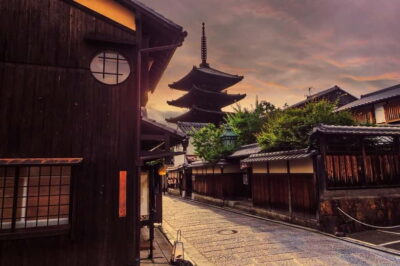
Kyoto Geisha Walking Tour: Gion District & Hidden Gems
Read our review →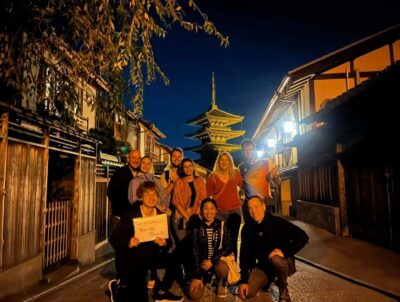
Gion Magical Night Walking Tour with Geisha Trivia
Read our review →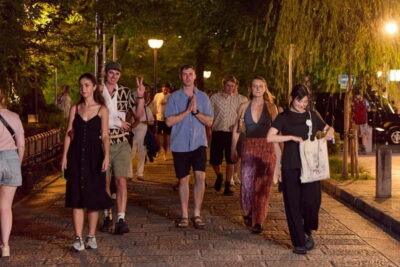
Gion Geisha District Walking Tour – Stories of Geisha
Read our review →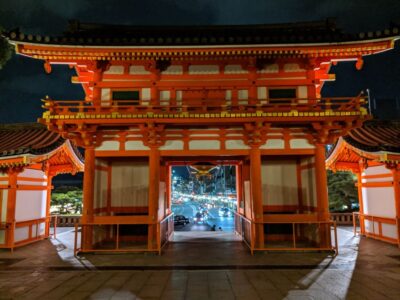
Best of Kyoto: Gion, Geisha, Pagodas & Cobblestones
Read our review →

Kyoto Night Foodie Tour in Gion (9+ dishes + 6 Sake tastings)
Read our review →
Kyoto Gion Geisha District Walking Tour – The Stories of Geisha
Read our review →
Kyoto Gion: 2-Hour Geisha Culture & History Walking Tour
Read our review →Browse the lists this tour appears in