
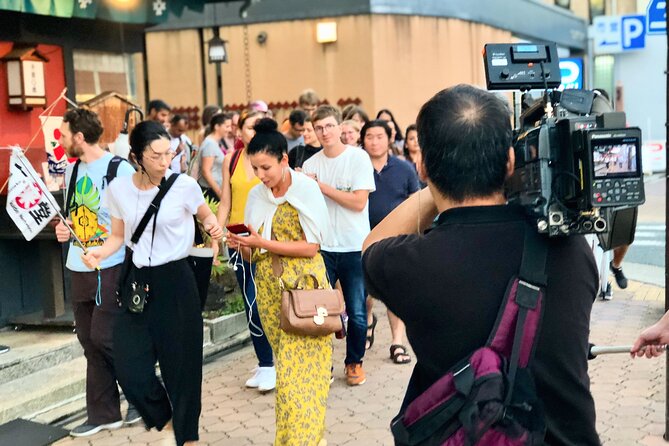
Reviewed · GION DISTRICT TOURS
Gion Walking Tour by Night
Gion is at its most atmospheric after sunset, when lanterns glow along narrow lanes and the Shirakawa river reflects Kyoto’s old wooden facades. This two-hour evening walk gives you a local guide, a clear route, and useful explanations of geiko and maiko customs.
I like the chance to see corners you could easily miss on your own, and I like the plain-language help with terms, dress, makeup, training, and daily life. Guides including Mia, Mai, and Cheko have earned warm praise for their humor and storytelling. The main caution is group size: the standard walk can feel crowded, so consider the smaller group option if you want easier questions and closer contact.
Key points before you book
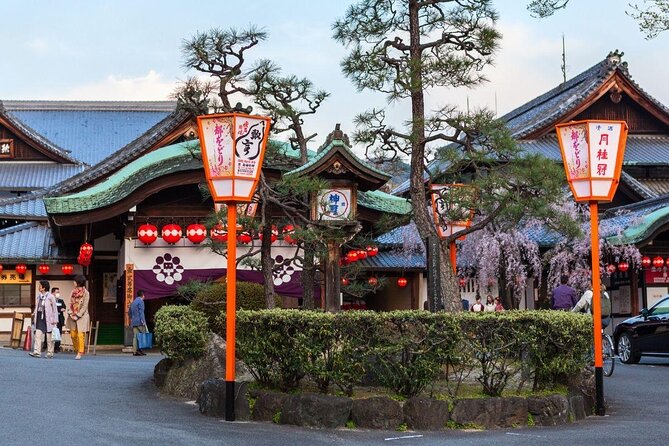
- Shirakawa after dark: Walk beside the stream on cobbled streets connected with Memoirs of a Geisha.
- Geiko and maiko explained: Learn the difference between the two, along with their kimono, hairstyles, makeup, training, and rules.
- English-speaking local guides: Guides such as Mia, Mai, and Cheko are praised for clear explanations and an entertaining style.
- A good-value introduction: At $19.82 per person, the two-hour walk costs little compared with a private cultural activity.
- Possible sightings: You may see geiko or maiko heading to evening appointments, but this is never guaranteed.
- Group size matters: The booking limit is listed as 15, while the full activity can reach 20 people. A smaller group option is available for a different price.
Why Gion works best after sunset
Gion is not a museum district arranged for easy sightseeing. It is a working part of Kyoto, with restaurants, tea houses, narrow lanes, and private establishments. That is part of its appeal, but it also means the area can be confusing if you arrive without a plan.
The evening timing gives the walk its character. You begin at 5:30 pm, when the district is shifting into its nightly rhythm. Lanterns and old facades create a more intimate mood than a daytime visit, and you may see geiko or maiko moving quietly toward evening appointments.
I would not book this as a performance. You are not promised a geisha show, a meal, or a private meeting. The value is in learning how the district works and seeing its streets respectfully with someone who can explain what you are looking at.
That distinction matters. Gion is home and workplace, not a stage set. A guide can help you understand why you should keep your distance, avoid blocking doorways, and treat any sighting as a brief glimpse rather than a photo opportunity.
More ways to walk Gion:
- Kyoto Geisha Walking Tour: Gion District & Hidden Gems
★ 4.7 · 3,273 reviews - Kyoto: Gion Magical Night Walking Tour with Geisha Trivia
★ 4.9 · 2,393 reviews - Kyoto: Gion Geisha District Walking Tour – Stories of Geisha
★ 4.7 · 2,187 reviews
Meeting at 178 Tokiwacho
The tour starts at 178 Tokiwacho, Higashiyama Ward, and returns to the same meeting point. Transportation to and from the meeting point is not included, and there is no hotel pickup or drop-off.
Arrive early. Reception begins at 5:00 pm, and the walking tour starts at 5:30 pm. The operator states that the group cannot wait for late arrivals or respond to those who miss the start, so this is not the time to cut your arrival close.
The meeting point is near public transportation, but the information provided does not name a specific station or give a transfer plan. Allow extra time to find the exact address, especially if you are coming through Gion’s narrow streets for the first time.
Once the group gathers, an English-speaking guide leads the route. The guide is the practical advantage here: you can spend your time looking at the district instead of checking a map at every turn.
Walking beside the Shirakawa river
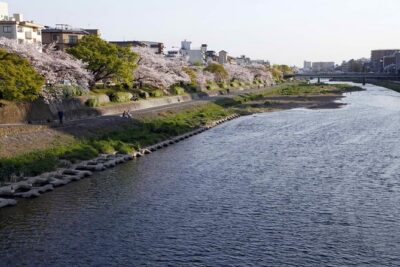
The walk centers on Gion’s older streets, including the cobbled lanes beside the Shirakawa river. This is one of the prettiest sections of the district, and it is also tied to the setting associated with Memoirs of a Geisha.
The film connection will interest anyone who wants to compare Kyoto’s real streets with scenes from the movie. Still, the tour is not only a film-location walk. The guide uses these lanes to explain how Gion developed and how its tea houses, entertainers, and local customs fit together.
The narrow streets are part of the experience, but they can also slow the group. You will not be covering a large part of Kyoto at a fast pace. Instead, you stop along the way while the guide points out details and explains what is around you.
The walk lasts about two hours. That is long enough for a useful introduction without turning into an exhausting full-evening outing. You should wear comfortable shoes, since the route includes cobblestones and regular walking.
What the guide explains about geiko and maiko
The strongest part of the tour is the cultural explanation. In Kyoto, the terms can be confusing, especially when guides, translations, and popular films use the general word geisha.
Your guide explains the difference between geiko and maiko, as well as the traditions behind their appearance and work. You learn about kimono, hairstyles, makeup, rules, education, and daily life. The discussion also covers the role of the house mother and how a tea house operates.
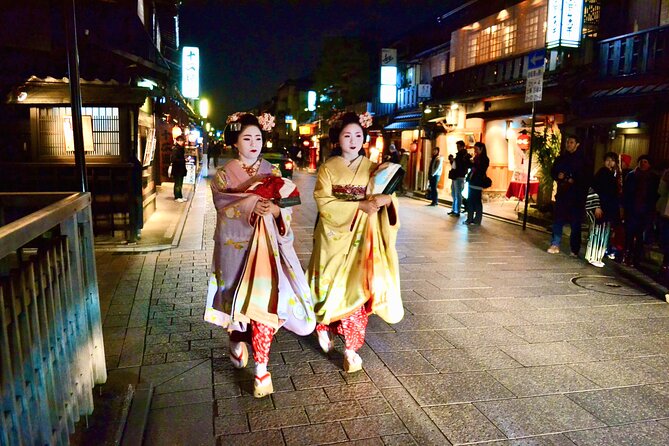
This information gives meaning to details you might otherwise treat as decoration. A particular hairstyle or type of clothing can indicate training and status. The guide also explains that the women are professionals with demanding schedules, not simply costumed entertainers available for public inspection.
Guides Mia, Mai, and Cheko are specifically praised for making this subject easy to follow. Mia is described as funny and especially strong at explaining Gion culture. Mai is praised for her stories about geiko and maiko life, while Cheko is noted for clear English and a friendly manner.
Guide assignments can change, so you should not book on the assumption that one particular person will lead your walk. The useful point is that the activity relies on an English-speaking guide who can translate terms and give context as you move through the district.
More Kyoto after dark:
- Night Walk in Gion: Kyoto’s Geisha District
★ 4.5 · 2,003 reviews - Kyoto Night Foodie Tour in Gion (9+ dishes + 6 Sake tastings)
★ 5.0 · 1,762 reviews - Kyoto Gion Night Walk & Geisha District Guided Tour
★ 5.0 · 786 reviews - Kyoto Ghost Tour: Dark Tales, Urban Legends, Bamboo Forest Night
★ 5.0 · 625 reviews
Looking for the places you might miss alone
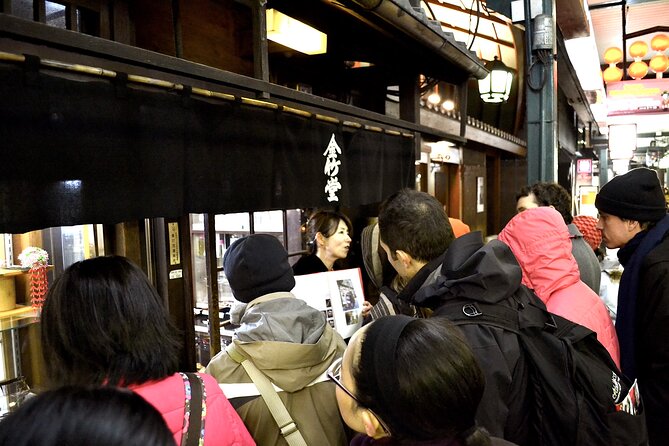
The tour’s route includes less obvious streets and corners that are easy to pass without noticing. Gion has no single grand entrance announcing where the cultural district begins and ends. Its character appears in small details, from the shape of a lane to the entrance of a tea house.
A guide can also tell you what not to do. In a private working district, respectful behavior matters. The supplied information does not promise a formal etiquette lesson, but the focus on geiko and maiko culture makes it useful to ask questions and follow the guide’s lead.
This is where the experience earns its modest price. You could walk through Gion for free, and the district is open to explore independently. What you pay for is the interpretation, the route, and the chance to ask about details that a map will not explain.
One three-star assessment found the walk too fast and too general, with the view that Gion could be visited independently. That is a fair criticism for confident explorers. If you enjoy setting your own pace and reading about history beforehand, you may not need a guide.
For a first visit, though, the route removes guesswork. You get a focused introduction in two hours, then you can return to Gion later with a better sense of what you are seeing.
The chance to see geiko or maiko
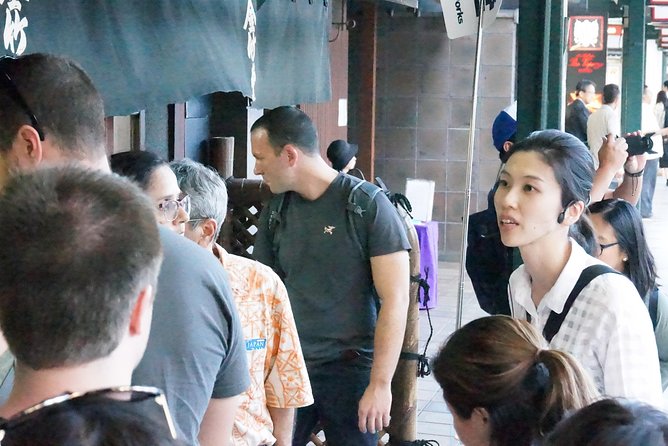
The possibility of seeing geiko or maiko is a major reason people book this walk. Some guides know the women working in the district and may recognize them as they head toward evening appointments. Several accounts describe seeing one or more geiko or maiko during the walk.
There is no guarantee, and the tour should not be judged only by whether you see someone in traditional dress. Schedules vary, and an evening can pass without a sighting. The guide’s explanation remains the dependable part of the activity.
If you do see a geiko or maiko, the moment may be brief. You could watch someone walk from one building to another, rather than meet or speak with her. That is closer to the real nature of Gion and far more respectful than expecting a staged encounter.
The guide’s role is especially helpful here. You can learn why the clothing and makeup matter, how the women move between appointments, and why a quiet observation is appropriate.
Standard group or smaller group?
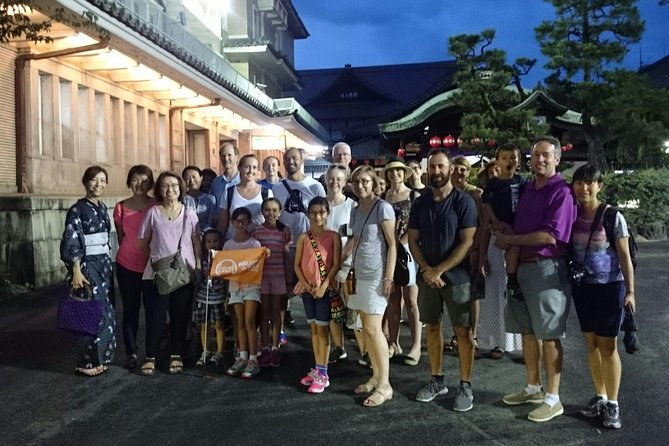
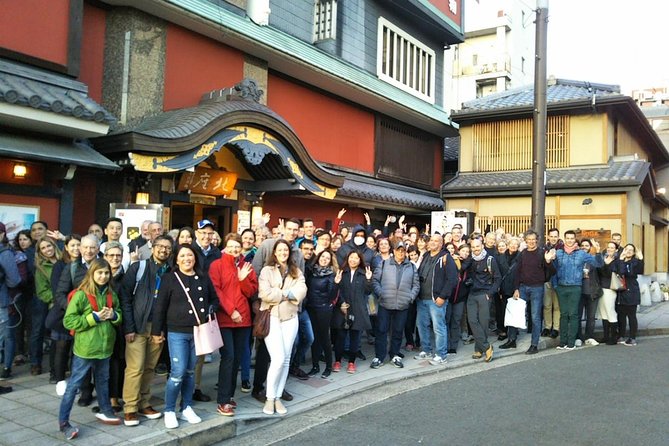
The standard booking information is not perfectly consistent. One section gives a maximum of 15 passengers per booking, while the activity information allows up to 20 people. One account also describes a group larger than 20, although the guide kept everyone close enough to hear.
The practical advice is simple: do not assume a tiny group when booking the basic option. Most people should be able to follow the guide, but a larger crowd can make narrow streets feel tighter and limit the number of questions you can ask.
A smaller group option, with fewer than 12 people guaranteed, is available for a different price. I would consider paying extra if you care about personal attention, have limited time in Kyoto, or want to ask detailed questions about geiko and maiko culture.
The standard tour can still work well for couples, families with older children, and first-time visitors who want an affordable overview. Children must be accompanied by an adult, and the route requires a moderate level of physical fitness.
Is $19.82 good value?
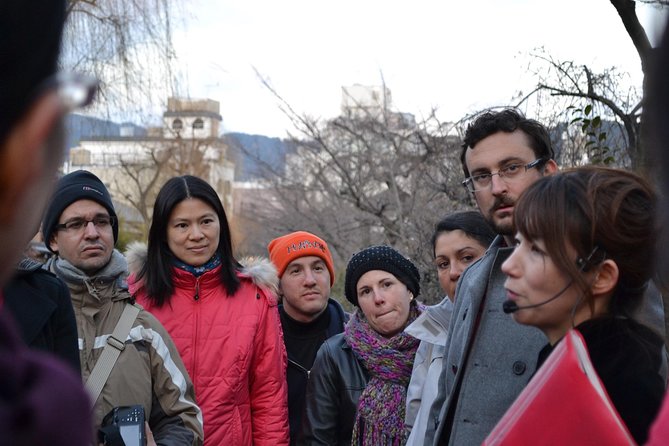
At $19.82 per person, this is an inexpensive way to add structure to an evening in Kyoto. The fee includes a professional English-speaking guide, while admission tickets and transport are not part of the package. Since the walk takes place in public streets, the guide and the information are what you are paying for.
I see the price as good value if you want orientation and cultural context. A two-hour private tour would normally be a different kind of purchase, and this activity offers a lower-cost introduction before you decide if you want a longer private experience.
The value drops if you expect a guaranteed geiko sighting, a meal, a performance, or access inside a tea house. None of those are included. You are paying for a guided walk and explanation, not an exclusive geisha encounter.
The private upgrade may suit you if the subject is a major reason for your Kyoto visit. It promises a closer look and more personal attention, but the supplied details do not give a separate price or exact private itinerary. Check those points before paying more.
Timing, weather, and what to bring
The scheduled start is 5:30 pm, with reception from 5:00 pm. The experience ends back at the meeting point after roughly two hours, so you should be finished around 7:30 pm, allowing for normal variation.
Wear comfortable shoes. The route uses narrow streets and cobblestones, and you will be standing and walking for the duration. The tour is not recommended for people with serious medical conditions, and a moderate level of fitness is expected.
The activity requires good weather. If poor weather causes cancellation, you are offered another date or a full refund. For your own comfort, check the forecast and carry suitable rain protection when conditions look uncertain, though the operator’s weather policy controls the final decision.
Cancellation is free up to 24 hours before the start time. Within 24 hours, the payment is not refunded, and changes are not accepted. Those rules make early planning useful, especially during a short Kyoto stay.
Who will get the most from this walk?
I would choose this for a first evening in Kyoto, particularly if you want a gentle introduction to Gion before exploring it alone. It suits anyone curious about the difference between geiko and maiko, traditional clothing, training, and the rules of the tea house world.
It is also a good fit for people who enjoy stories more than checklists. The guide’s explanations are the main event, and the best moments come from understanding the district rather than rushing between sights.
Families can join if children are accompanied by an adult and can manage two hours on foot. Couples and solo visitors should find the group format easy to join, though solo visitors who want constant conversation may prefer the smaller option.
I would skip it if you already know Gion well, dislike fixed walking routes, or want guaranteed entertainment. You can walk the area independently, and one of the mixed assessments makes that point clearly. This tour is most useful when you want someone to explain what you are seeing.
Should you book the Gion night walk?
Book it if you want an affordable, well-organized introduction to Gion with an English-speaking guide. The combination of Shirakawa’s evening scenery, film connections, and clear explanations of geiko and maiko customs gives the walk more substance than a simple photo stop.
Choose the smaller group option if budget allows and personal questions matter to you. If you book the standard tour, arrive well before 5:30 pm and expect a group that may approach 20 people.
The best reason to go is not the promise of seeing a geiko or maiko. It is the chance to understand Gion as a living district, then look at its lanes with more care. At $19.82, that is a sensible use of two Kyoto hours.
FAQ
How long does the Gion night walking tour last?
The tour lasts approximately two hours and ends back at the original meeting point.
What time does the tour start?
Reception begins at 5:00 pm, and the walking tour starts at 5:30 pm. Late arrivals cannot be accommodated.
Where does the tour meet?
The meeting point is 178 Tokiwacho, Higashiyama Ward, Kyoto, 605-0079, Japan.
Is transportation included?
No. Transportation to and from the attractions, as well as hotel pickup and drop-off, is not included.
Will I definitely see a geiko or maiko?
No. The tour may pass geiko or maiko heading to evening appointments, but sightings are not guaranteed.
How large is the group?
The standard information gives a booking limit of 15 people, while the full activity allows up to 20 travelers. A smaller group option with fewer than 12 people guaranteed is available for a different price.
What happens if the tour is canceled because of weather?
If poor weather causes cancellation, you are offered a different date or a full refund. You can also cancel for a full refund up to 24 hours before the start time.
More Walking Tours in Kyoto
- Kyoto Gion Geisha District Walking Tour – The Stories of Geisha
★ 5.0 · 1,441 reviews - Nishiki Market Brunch Walking Tour (7 Tastings + Brunch)
★ 5.0 · 1,355 reviews - Kyoto Arashiyama Walking Tour: Bamboo, Monkeys, Gardens & Secrets
★ 5.0 · 1,216 reviews - Kyoto Gion: 2-Hour Geisha Culture & History Walking Tour
★ 5.0 · 1,186 reviews
Newest Kyoto experiences on the site
- Treasures of Kyoto: Gion & historical Walking Tour★ 5.0 · 6 reviews
- Whisk Your Own Matcha: A Zen Matcha Experience at Temple★ 3.6 · 7 reviews
- Kyoto tea town for matcha lovers★ 5.0 · 16 reviews
- Uji: Private immersion into Kyoto’s tea and reglious culture★ 5.0 · 17 reviews
- Kyoto Matcha Green Tea Tour★ 4.5 · 23 reviews
- Uji and Wazuka Matcha Farm Half Day Private Guided Tour★ 5.0 · 21 reviews
- Utilising upcycled Matcha! Creating matcha incense (Uji, Kyoto)★ 5.0 · 6 reviews
- Sacred Temple Yoga Experience in Japan★ 5.0 · 3 reviews
Gion District Tours, compared.
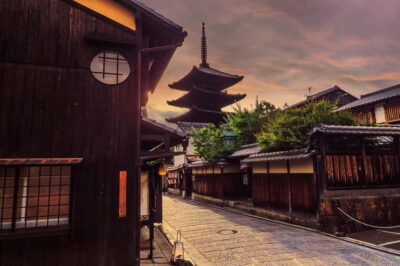
Kyoto Geisha Walking Tour: Gion District & Hidden Gems
Read our review →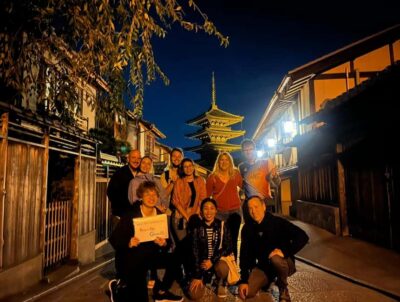
Gion Magical Night Walking Tour with Geisha Trivia
Read our review →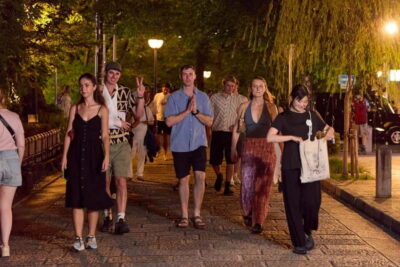
Gion Geisha District Walking Tour – Stories of Geisha
Read our review →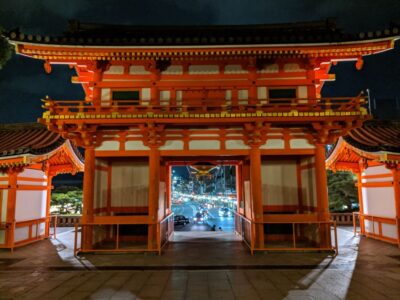
Best of Kyoto: Gion, Geisha, Pagodas & Cobblestones
Read our review →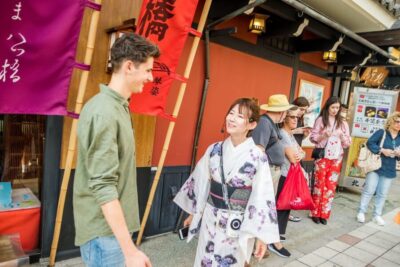
Kyoto Night Foodie Tour in Gion (9+ dishes + 6 Sake tastings)
Read our review →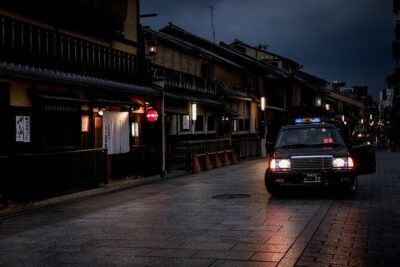
Kyoto Gion Geisha District Walking Tour – The Stories of Geisha
Read our review →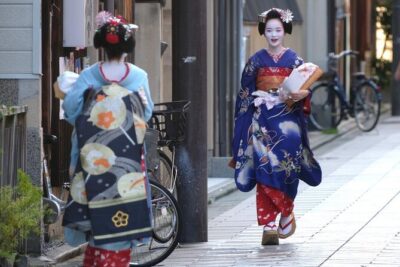
Kyoto Gion: 2-Hour Geisha Culture & History Walking Tour
Read our review →Browse the lists this tour appears in