
Reviewed · KYOTO GEISHA & MAIKO EXPERIENCES
Dance and Game with Maiko
Kyoto’s maiko are not stage props for a quick tourist photo. They are trained performers who express seasonal scenes, romance, and daily life through precise movement, music, and costume. This short program gives you two dances, a traditional game, and a photo beside a maiko without asking you to clear half a day.
I like the close-up setting, where you can watch the performer at short range rather than from a distant theater seat. I also like the Senjafuda charm, a small paper lucky token that gives the photo opportunity a more personal finish.
The main drawback is timing. The booking says 45 minutes, but the formal performance portion can finish around 30 minutes, with photos and conversation filling the remaining time. The room is also reached by stairs, and English help is available only as much as possible.
Key points to know before booking
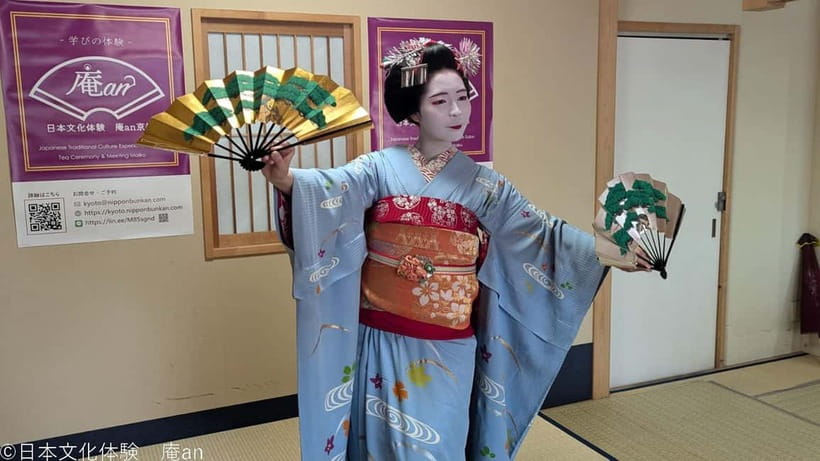
- Two maiko dances show graceful movements linked to Japan’s seasons, love stories, and ordinary life.
- The traditional game invites audience volunteers to play directly with the maiko, though watching and cheering is also part of the fun.
- The photo comes after the performance, so you can leave with a clear souvenir picture beside the performer.
- A Senjafuda is included, giving you a small good-luck keepsake from Kyoto.
- The venue is one minute from Gojo Station, but there is no elevator and you must use stairs.
- The listed price is $28 per person, a reasonable choice for a compact cultural stop, though the active program may last only about 30 minutes.
A quick maiko meeting near Gojo Station
This is a good fit for a packed Kyoto day. You do not need a full dinner reservation or an evening free for a formal entertainment district visit. Instead, you can reach the venue in about a minute from Exit 1 of Gojo Station on the Subway Karasuma Line.
The entrance faces Gojo-dori, the main street, which makes the meeting point practical. Still, give yourself extra time. The operator will not hold the program for late arrivals, and a missed start can mean losing the entire booking.
The venue is in a building, not an ochaya or historic Japanese house. That distinction matters. You are coming for the maiko performance, not for the architecture or the atmosphere of a traditional teahouse. The setting is described as relaxed, with friendly staff, but it should not be confused with an invitation into a private entertainment house.
Some sessions may take place while people are having lunch or dinner. That can make the room feel less like a dedicated theater and more like a restaurant program. For some people, this adds a casual feel. If you expect a quiet, formal performance space, keep the setting in mind before you reserve.
More geisha and maiko evenings in Kyoto:
- Kyoto Geisha Walking Tour: Gion District & Hidden Gems
★ 4.7 · 3,273 reviews - Kyoto: Gion Magical Night Walking Tour with Geisha Trivia
★ 4.9 · 2,393 reviews - Kyoto: Gion Geisha District Walking Tour – Stories of Geisha
★ 4.7 · 2,187 reviews
What the two dances reveal
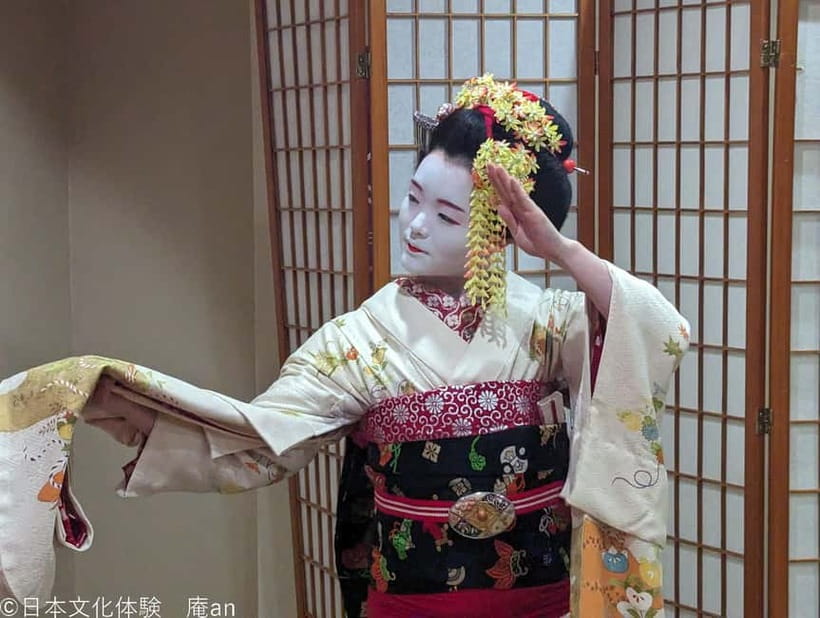
The program opens with two maiko dances. These are not simply costume displays. Maiko dance uses controlled gestures, posture, hand movements, and small changes in expression to suggest a scene or feeling.
The dances may portray one of Japan’s seasons, a love story, or a familiar moment from daily life. You may not understand every detail without translation, but the visual language is easy to appreciate. The movement is deliberate rather than fast, and the effect depends on restraint.
I like this part because it gives you a short look at an art form that can be hard to encounter during a quick Kyoto visit. The dances also help you see the maiko as trained performers. The elaborate hairstyle and kimono catch your eye first, but the careful timing and gestures are the real subject.
Bring your camera, but stay present while you use it. The performance is short, and repeated photography can pull your attention away from the details. The information specifically encourages photos, so taking pictures is part of the event, but it is still wise to watch the first dance fully before reaching for your phone.
The program may feature a geiko instead of a maiko, depending on the situation. That is not a flaw, but it is a detail to understand before booking. If seeing a maiko specifically is essential to your plans, the substitution possibility should guide your decision.
The game changes the mood
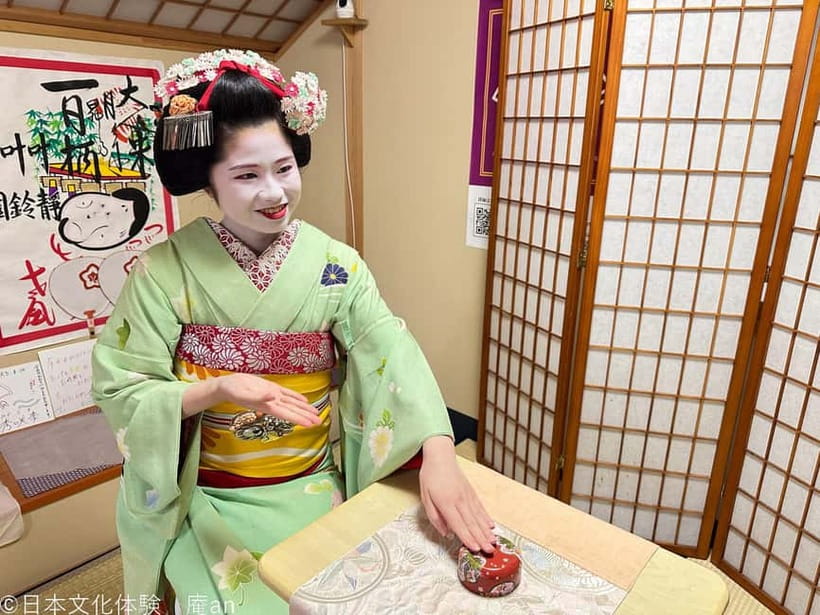
After the dances comes a traditional game played between the maiko and audience members. Volunteers are invited to join, while everyone else can clap, cheer, and watch.
This section is less formal than the dances. It gives you a chance to see a playful side of the performance and creates a shared activity in the room. The game is described as simple but exciting, so you do not need prior knowledge of Japanese customs to follow along.
The volunteer format has one practical catch. You may be invited to participate, but you are not guaranteed a turn. One family found that children were too shy to play in front of a room full of people, and only a few people joined the game. If you are booking with children, talk with them beforehand about the possibility of joining a group activity.
That same point applies to adults. You can cheer from your seat and still enjoy the game. If you strongly want direct participation, this may not be the right program for you. If you prefer watching, there is no pressure to volunteer.
I see the game as a useful counterweight to the formal dances. Without it, the event might feel like a short stage presentation followed by a photograph. The game lets the room loosen up and gives the maiko and audience a brief point of contact.
The photo and Senjafuda souvenir
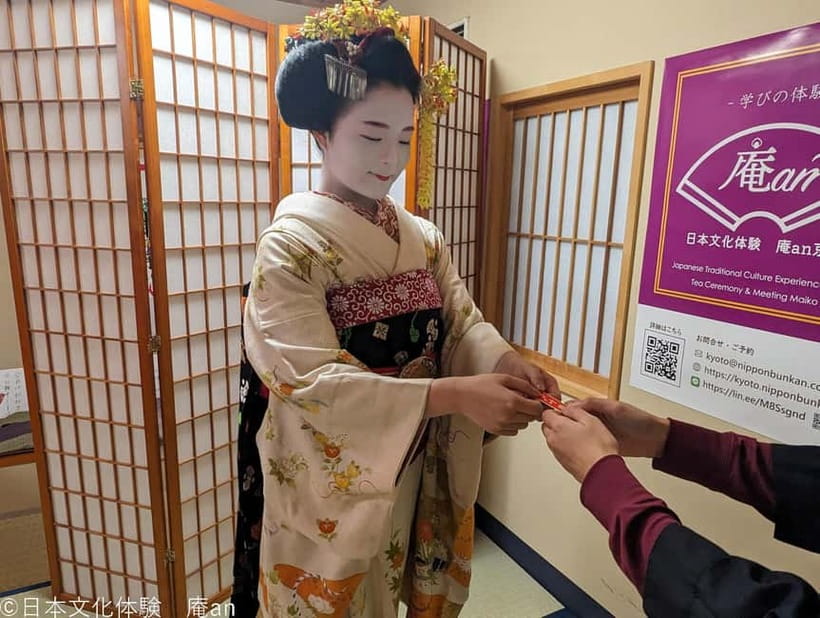
At about the 30-minute point, the formal program ends and the photo portion begins. You have a chance to stand beside the maiko for a commemorative picture.
This is one of the clearest reasons to choose this activity over simply attending a distant performance. You get a personal record of the meeting, not just a photo taken from your seat. Have your camera ready, and make sure your group knows who will take the picture.
The operator also gives you a Senjafuda. This is a small lucky charm and a pleasant physical reminder of your time in Kyoto. It is not a large souvenir or a shopping opportunity, but that is part of its appeal. You can tuck it into a journal, passport holder, or travel wallet without adding bulk to your luggage.
The order of events is useful to know. The photo comes after the dances and game, not at the start. The maiko leaves after the photo and Senjafuda presentation, followed by a short period of chatting time. The full schedule is presented as:
- Start of the program
- Two maiko dances
- Game with the maiko
- Program portion ends at roughly 30 minutes
- Photo with the maiko
- Senjafuda gift
- Maiko leaves
- Chatting time
- Room departure at about 45 minutes
That schedule explains the timing difference some people notice. The advertised duration is 45 minutes, but the performance and game can finish at around 30 minutes. Photos and conversation fill the rest. If you measure value by active stage time alone, the booking may feel brief. If you include the personal photo and charm, the price makes more sense.
A few more Kyoto tours worth putting on the shortlist
- PERFECT KYOTO 1-Day Bus Tour
★ 5.0 · 13,518 reviews - Kyoto: Fushimi Inari, Kinkakuji, Bamboo Grove 1 Day Bus Tour
★ 4.8 · 4,316 reviews - Kyoto: Tea Ceremony in a Traditional Tea House in Kiyomizu
★ 4.9 · 3,519 reviews - Kyoto: Tea Ceremony Ju-An at Jotokuji Temple
★ 4.9 · 3,207 reviews
Is $28 a fair price?
At $28 per person, this is priced as a short cultural activity rather than a full evening of entertainment. I think the value is strongest for someone who wants a direct maiko encounter but has limited time and does not want to pay for a more elaborate meal or tea ceremony.
The price includes the dance and game program, the photo opportunity, and the Senjafuda charm. Those extras are important. You are not paying only to sit in a room for two dances. You are also paying for a structured meeting and a keepsake.
The value is less certain if you expect a long presentation, detailed interpretation, or a traditional house setting. The program lasts 45 minutes overall, yet the core performance may last closer to 30 minutes. English interpretation is offered as much as possible if you request it, but Japanese is the stated language.
There are also other programs for people who want tea ceremony with a maiko. This activity does not include tea ceremony. Choose it for the dances, game, photo, and charm, not as a substitute for a tea-focused program.
Language and cultural context
The stated language is Japanese. English translation can be provided as much as possible if you contact the operator and request it. That wording suggests you should not assume a full English explanation throughout the program.
The dances still work visually, so limited language support need not ruin the visit. You can follow the basic order, watch the gestures, and join the applause. The game is also designed to be simple enough to understand through demonstration and group participation.
Still, if you want a detailed explanation of the dance titles, lyrics, or cultural meaning, contact the operator before booking. This is especially important for visitors who want a lecture rather than a short performance.
No special preparation is required. You do not need to know Japanese etiquette, bring special clothing, or study a dance program in advance. Arrive ready to watch quietly during the dances, respond warmly during the game, and follow staff instructions for the photograph.
Who will enjoy this program most?
I would choose this for several kinds of visitors:
- You have only a few days in Kyoto and want a compact cultural activity.
- You want a photo with a maiko rather than a distant performance.
- You enjoy traditional arts but prefer a relaxed, easy-to-follow format.
- You are staying near central Kyoto and want a stop close to the subway.
- You are comfortable with a Japanese-language program supported by limited English help.
- You want a small souvenir without adding another shopping stop.
Families can also consider it, but participation is not automatic. Young children under 2 are free if they sit on a parent’s lap. If a seat or meal is required, the same fee as one person applies. Children who are not taking part cannot enter the experience, so plan the booking for everyone who will be in the room.
Shy children may watch the game without volunteering. That is perfectly workable, but you should not promise them a guaranteed one-to-one activity with the maiko.
This is less suitable for anyone who needs step-free access. There is no elevator, and stairs are required to reach each venue. It may also disappoint you if your priority is an old wooden house, a quiet private room, or an extended tea ceremony.
Timing, cancellations, and small practical matters
The activity runs during operating hours from 10:00 to 17:00. Reservations received after 17:00 are processed the next day. This is useful to know if you are booking at night and waiting for confirmation.
Free cancellation is available up to eight days in advance for a full refund. After that point, a cancellation fee applies regardless of the reason. Changing the date or time after a cancellation fee has been incurred can also bring an additional specified fee.
The operator will not hold the event for delays. This is another reason to use the subway and arrive early. The meeting point is close to Gojo Station, but station exits, street crossings, and stairs can still take longer than expected with luggage or children.
If you cancel, travel costs to the venue are not compensated. Keep your route simple, and do not plan a tight connection immediately afterward.
How this compares with a longer Kyoto cultural activity
This program gives you a narrow but clear slice of Kyoto culture: two dances, one game, one photograph, and one charm. It does not try to cover every part of maiko life, and that is helpful when your schedule is full.
A tea ceremony program would offer a different focus. The activity information specifically directs visitors interested in tea to separate tea ceremony programs, including a premium option. Choose this dance and game program if you want movement and interaction. Choose tea if the preparation, serving, and ritual of tea matter more to you.
The venue also changes the feel. An ochaya setting would be more traditional in atmosphere, but this building-based room is easier to fit into a modern sightseeing day. You trade historic surroundings for convenience and a relaxed format.
My verdict: book it for the personal moment
I would book Dance and Game with Maiko if I wanted a short, affordable introduction to Kyoto’s performing arts and a photo I could take home. The two dances provide the cultural center, while the game keeps the room from feeling stiff. The Senjafuda is a thoughtful extra, and the Gojo Station location makes this easy to place between other plans.
I would pause if I expected a full 45 minutes of performance, guaranteed English interpretation, an ochaya setting, or a private turn in the game. The active program may finish around 30 minutes, and the performer may be a geiko rather than a maiko.
For most visitors, the deciding question is simple: do you value a close personal encounter more than a long formal show? If yes, $28 is a fair price for the compact format. If you want tea ceremony or a more elaborate cultural program, book one of the separate tea options instead.
FAQ
Where is Dance and Game with Maiko held?
The meeting point is one minute from Exit 1 of Gojo Station on the Subway Karasuma Line. The entrance faces Gojo-dori.
How long does the activity last?
The scheduled duration is 45 minutes. The dance and game portion may finish at about 30 minutes, followed by the photo, Senjafuda gift, and chatting time.
How much does it cost?
The price is $28 per person.
Is tea ceremony included?
No. Tea ceremony is not included. Separate tea ceremony programs are available for people who want that activity.
Will I definitely see a maiko?
The program is designed around a maiko, but a geiko may be invited instead depending on the situation.
Is the activity available in English?
Japanese is the stated language. English translation can be provided as much as possible if you contact the operator and request it.
Is the venue accessible by elevator?
No. There is no elevator, and you must use stairs to reach each venue.
Can children attend for free?
Children under 2 are free when sitting on a parent’s lap. If a seat or meal is needed, the same fee as one person applies. Anyone who does not participate cannot enter the experience.
Newest Kyoto experiences on the site
- Treasures of Kyoto: Gion & historical Walking Tour★ 5.0 · 6 reviews
- Whisk Your Own Matcha: A Zen Matcha Experience at Temple★ 3.6 · 7 reviews
- Kyoto tea town for matcha lovers★ 5.0 · 16 reviews
- Uji: Private immersion into Kyoto’s tea and reglious culture★ 5.0 · 17 reviews
- Kyoto Matcha Green Tea Tour★ 4.5 · 23 reviews
- Uji and Wazuka Matcha Farm Half Day Private Guided Tour★ 5.0 · 21 reviews
- Utilising upcycled Matcha! Creating matcha incense (Uji, Kyoto)★ 5.0 · 6 reviews
- Sacred Temple Yoga Experience in Japan★ 5.0 · 3 reviews
Kyoto Geisha & Maiko Experiences, compared.
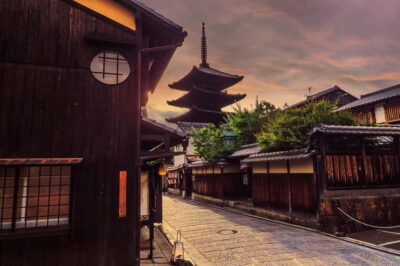
Kyoto Geisha Walking Tour: Gion District & Hidden Gems
Read our review →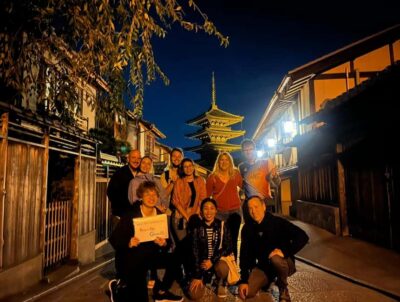
Gion Magical Night Walking Tour with Geisha Trivia
Read our review →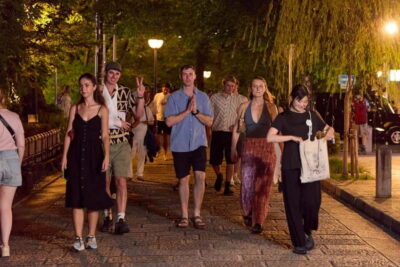
Gion Geisha District Walking Tour – Stories of Geisha
Read our review →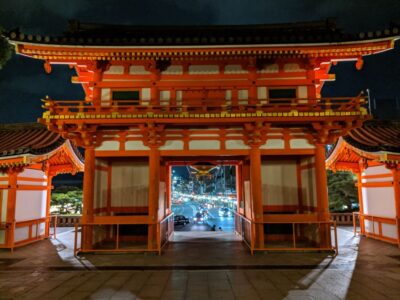
Best of Kyoto: Gion, Geisha, Pagodas & Cobblestones
Read our review →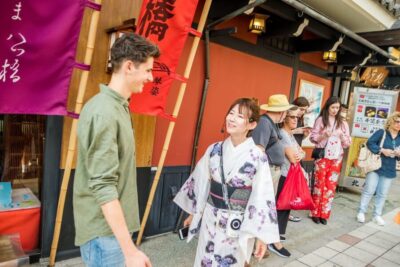
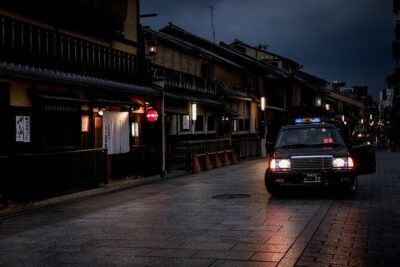
Kyoto Gion Geisha District Walking Tour – The Stories of Geisha
Read our review →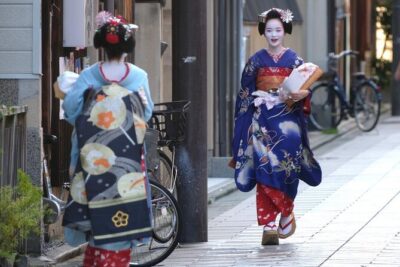
Kyoto Gion: 2-Hour Geisha Culture & History Walking Tour
Read our review →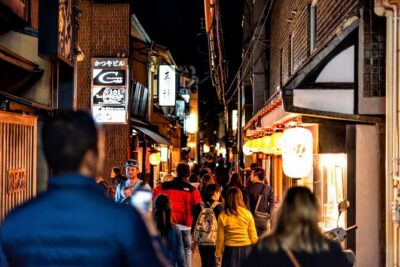
Kyoto Gion Night Walk & Geisha District Guided Tour
Read our review →Browse the lists this tour appears in