
Reviewed · ARASHIYAMA BAMBOO GROVE TOURS
Arashiyama from Kyoto: Private & Personalized with a Local Guide
Arashiyama packs Kyoto’s best scenery into one busy corner: bamboo, moss gardens, old temples, mountain views, and Japanese macaques. This private six-hour walk lets you set the pace and shape the day around your interests, rather than follow a fixed group schedule.
I like the personal planning. You complete a short questionnaire, then your guide can build the route around history, food, family needs, or quieter places. I also like the wide spread of included admissions, from Tenryu-ji and Okochi Sanso Villa to Monkey Park Iwatayama. The catch is simple: this is a lot of walking, and the monkey park requires a steep uphill climb.
- A private route through Arashiyama: Only your group takes part, with time to linger or change plans.
- Four temples from a five-site selection: Choose among Tenryu-ji, Jojakko-ji, Gio-ji, Otagi Nenbutsu-ji, and Daikaku-ji.
- Monkey Park with city views: Reach Japanese macaques in a natural hillside setting after a demanding climb.
- Okochi Sanso Villa included: Walk through a traditional home and garden that are national cultural properties.
- Guides who adapt well: Alex, Ada, Brenda, Dairyn, Fatima, Hide, Jose, Mia, Milos, Miki, Shingo, and others have been praised for flexibility and family care.
- A full day on foot: Public transit or taxis may be used between sites, but transport and food cost extra.
Why Arashiyama Works Best With a Private Guide
Arashiyama is easy to recognize and surprisingly tricky to plan. The Bamboo Grove draws huge crowds, major temples spread across the district, and the prettiest side streets are not always obvious on a first visit. A private guide gives you someone to sort out the day while you focus on the scenery.
The format is built around conversation. Before the tour, you share your interests and must-see places. Your guide then contacts you to shape the plan. That matters here because six hours can feel generous or rushed depending on how many temples you choose, how long you spend at Monkey Park, and how much time you lose to crowds.
I would use the questionnaire honestly. If your priority is traditional architecture, say so. If you are traveling with children, need a slower pace, want food suggestions, or prefer quiet shrines over famous sights, include that information. Alex has kept children interested with stories and flexible pacing, while guides such as Brenda, Mia, Hide, and Dairyn have adjusted plans for families and individual needs.
The strongest part of this setup is not simply having a guide beside you. It is the ability to change direction. In heavy rain, Ada replaced the Bamboo Grove with lesser-known shrines and historic sites. In another case, a guide spent more time at the monkey park because the children enjoyed it. That sort of adjustment is hard to get on a standard group outing.
Starting at Kyoto Station and Reaching the Hills
The listed meeting point is the Mister Donut shop inside the JR Kyoto Station Building, at 901 Higashishiokōjichō. The tour ends back at the meeting point. Pickup is offered, and some guides have met visitors at their hotel, but confirm the exact arrangement after booking rather than assuming hotel pickup is automatic.
The tour lasts about six hours. It is primarily a walking experience, not a private-vehicle tour. Public transportation or local taxis may be used between sites, with those costs paid separately. This is an important budget detail because a day of moving around western Kyoto can include small fares that are not part of the quoted price.
At $288.17 per person, this is not a cheap sightseeing walk. The price makes more sense for a private group that values flexibility and wants admissions bundled into one booking. It includes four temple tickets from a five-site list, Okochi Sanso Villa, and Monkey Park Iwatayama. Food, drinks, bicycle rental, extra attraction tickets, and transport are not included.
For one or two people, the cost may feel high beside visiting Arashiyama independently. For a family or small group, the private format can offer better value because everyone follows one plan and the guide can work around different ages and interests. The key question is not simply admission cost. It is how much you value a local person handling the route, explaining what you are seeing, taking family photos, and helping you make the most of a limited day in Kyoto.
More mornings in Arashiyama and the bamboo grove:
- Kyoto: Fushimi Inari, Kinkakuji, Bamboo Grove 1 Day Bus Tour
★ 4.8 · 4,316 reviews - Osaka/Kyoto:Kinkakuji,Arashiyama,FushimiInariShrine,NaraPark
★ 4.1 · 1,596 reviews - Kyoto/Osaka: Nara, Fushimi Inari Taisha, Arashiyama Bus Tour
★ 4.7 · 1,275 reviews
The Bamboo Grove: Beautiful, Famous, and Often Crowded
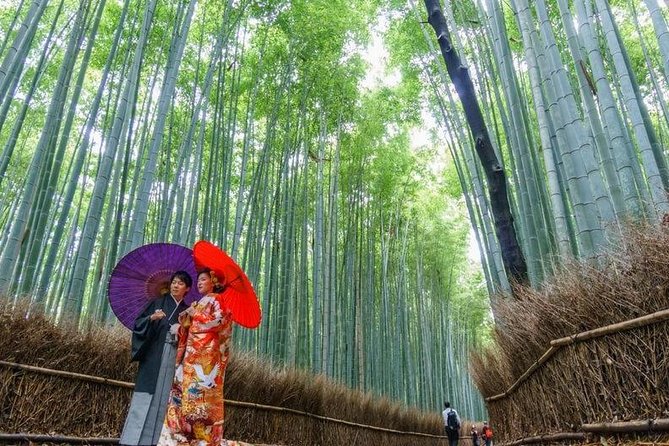
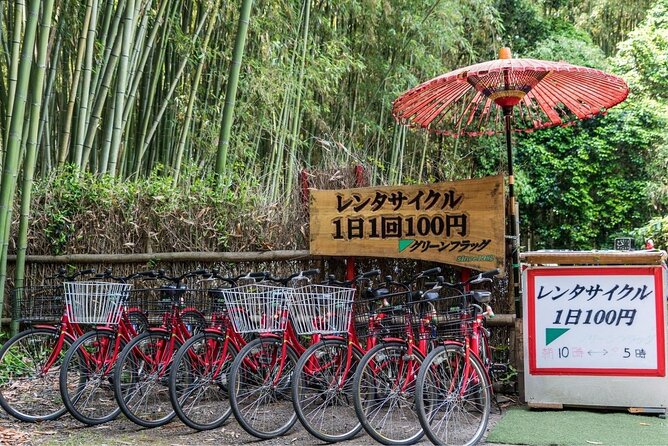
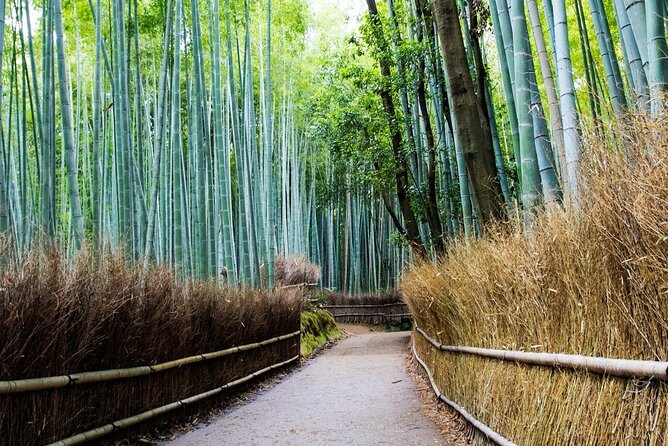
The Bamboo Grove is the obvious opening act, with tall green stalks rising on both sides of the path. It is a memorable sight, but it is not a quiet secret. The main route can be crowded, and there is little room to stop and sit. You will get the best chance of a calmer walk by choosing an early departure, though the tour’s flexible start time still depends on availability and your guide’s planning.
I like seeing the grove as part of a larger route rather than treating it as the whole reason to visit Arashiyama. The surrounding lanes and temple paths give the area more character than one famous walkway. A guide can also explain how the district connects its natural setting with religious sites and old residences.
The tour can skip the grove if weather or crowd levels make it a poor fit. That is useful in practice. Ada redirected a rainy-day itinerary toward quieter shrines and historic places, while another guide began at Adashino Temple and found a less crowded bamboo view. You should still state clearly if the Bamboo Grove is non-negotiable.
Okochi Sanso Villa and the Reward of a Garden Walk
Okochi Sanso Villa is one of the day’s most appealing inclusions. This traditional Japanese home and garden was once the residence of actor Denjirō Ōkōchi and is recognized as a national cultural property. The setting on the hill gives the visit a more private, composed feeling than the crowded main grove.
Expect paths, gardens, and views rather than a quick indoor museum visit. This is a place to slow down and notice design: the way buildings sit among the trees, how paths frame distant scenery, and how a Japanese garden guides your attention without signs shouting for it.
Several routes finish with the gardens, which can be a welcome change after busy streets and temple interiors. If you are tired by this stage, tell your guide. Six hours allows flexibility, but it does not remove the need to manage your energy.
Tenryu-ji Explains Arashiyama’s Sacred Side
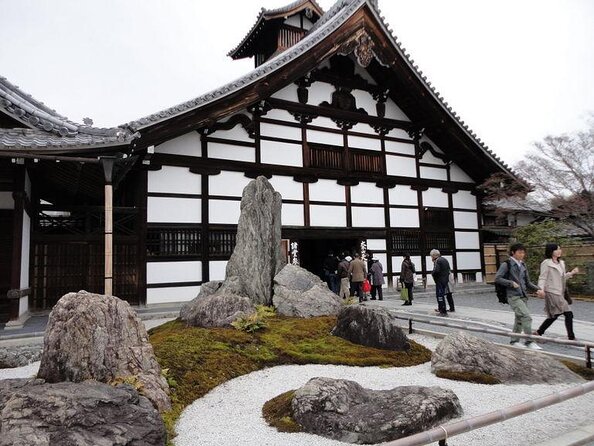
Tenryu-ji is the major temple on this route and one of Kyoto’s five great Zen temples. It is also a UNESCO World Heritage site, so it attracts plenty of visitors. The reward is its famous garden, where ponds, rocks, trees, and mountain scenery work together in a distinctly Japanese composition.
A guide adds value here by explaining Zen ideas and the temple’s role in Japanese Buddhism. Without context, you may simply see a pleasant garden and a set of traditional buildings. With a guide, you can ask why the garden is arranged as it is and how the temple fits into Kyoto’s religious life.
Tenryu-ji is a good choice for first-time visitors because it gives you a clear introduction to Arashiyama’s cultural side. The drawback is crowding. If you want photographs without a constant flow of people, ask about going early or spending more time in less famous temple grounds.
A few more Kyoto tours worth putting on the shortlist
- PERFECT KYOTO 1-Day Bus Tour
★ 5.0 · 13,518 reviews - Kyoto: Tea Ceremony in a Traditional Tea House in Kiyomizu
★ 4.9 · 3,519 reviews - Kyoto Geisha Walking Tour: Gion District & Hidden Gems
★ 4.7 · 3,273 reviews - Kyoto: Tea Ceremony Ju-An at Jotokuji Temple
★ 4.9 · 3,207 reviews
Jojakko-ji and Its Mossy Mountain Setting
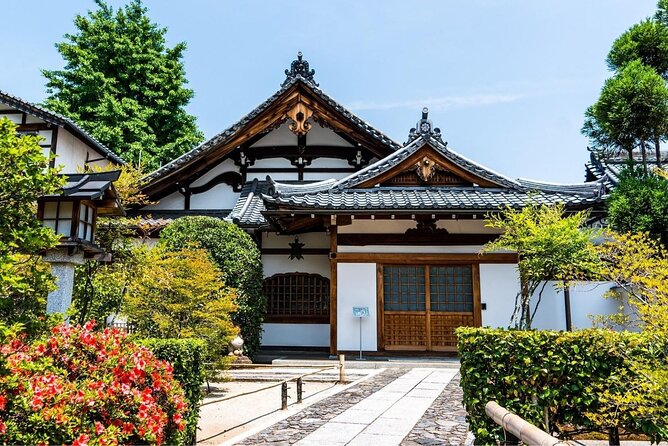
Jojakko-ji sits on the slopes of Ogura Mountain, away from the busiest part of central Arashiyama. The temple is known for moss gardens and a 12-meter pagoda. From higher points, you can look across Arashiyama and the surrounding area.
This stop suits you if you prefer a temple with a quieter, more natural feel. The path rises, so it adds to the day’s physical demands. In exchange, you get a sense of the district’s hills and forests that the flat central streets cannot provide.
The four-temple ticket selection is one of the practical details to settle with your guide. You receive admission to four of these five sites: Tenryu-ji, Jojakko-ji, Gio-ji, Otagi Nenbutsu-ji, and Daikaku-ji. You do not automatically visit all five, and an extra ticket for an omitted site costs more.
Monkey Park Iwatayama Requires Serious Legs
Monkey Park is a highlight for many families and animal lovers, but do not treat it as a quick stroll. The path climbs steeply up the hillside. One visitor compared the effort to walking up a 40-story building, and that is a useful warning for anyone with limited mobility or tired legs.
At the top, Japanese macaques move freely in their natural setting. You can enjoy broad views over Kyoto while your guide explains how to behave around the animals. The park also gives children something active to look forward to after several temples.
You should follow the park’s rules and listen to your guide about respectful wildlife interaction. The animals are not a petting-zoo attraction. The climb is the main drawback, especially in warm weather or after a long temple route. If your group includes young children, older adults, or anyone recovering from an injury, discuss the climb before the day begins. Hide adjusted the pace for a visitor with a sprained ankle, and Milos allowed an older guest to set the walking speed.
The Quirkier Temple Stops
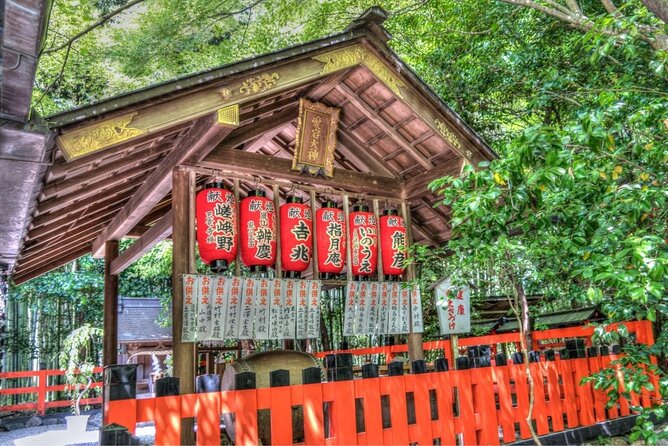
Otagi Nenbutsu-ji offers a different mood from the polished calm of Tenryu-ji. More than 1,200 rakan statues fill the grounds, each with a distinct face and pose. The result is playful, strange, and easy to remember. It is an especially good choice if you have already seen several formal temples and want something less predictable.
Gio-ji is associated with moss, trees, and a quieter atmosphere. It is a natural fit for you if gardens and photography matter more than grand buildings. The route can feel more peaceful here, although paths and uneven ground still require sensible shoes.
Daikaku-ji began as an imperial villa and later became a temple. Its pond garden and courtly connections open a different chapter of Kyoto’s past. Ask your guide about The Tale of Genji, Japan’s first novel, which includes scenes set in this area. Daikaku-ji works well for visitors interested in literature, imperial culture, and the way Kyoto’s elite shaped the city.
Because only four of the five temple admissions are included, your guide should help match these stops to your interests. I would choose Tenryu-ji for a first visit, then select between Jojakko-ji, Gio-ji, Otagi Nenbutsu-ji, and Daikaku-ji based on whether you prefer views, moss, unusual statues, or court history.
What the Guides Add to the Day
The strongest guide experiences described for this tour share three traits: flexibility, warmth, and a willingness to explain Kyoto beyond the obvious sights. Alex has been especially effective with children and teenagers, keeping the day engaging while sharing local culture and history. He has also pointed families toward food and other Kyoto stops after the tour.
Shingo took one group to Adashino Temple first, where they saw a quieter bamboo area and met the founder’s grandson. Dairyn helped a family on a tight schedule, suggested activities for children, and considered vegetarian food options. Fatima built in less familiar places after asking about personal interests.
The guide quality can vary, as it can with any service that uses a large host network. One dissatisfied guest found the attractions excellent but wanted stronger site explanations. Another booking suffered from a guide not showing up, which was blamed on an office error. Those incidents are not reasons to dismiss the tour, but they are reminders to confirm your meeting details and tell the company what level of historical explanation you expect.
Guide names are not guaranteed. You might be assigned Alex, Ada, Brenda, Dairyn, Fatima, Hide, Jose, Mia, Milos, Miki, Shingo, or another local host. The best way to improve the match is to fill out the pre-tour questionnaire with clear, specific requests.
Walking, Weather, Families, and Pace
You need comfortable walking shoes. The day includes city streets, temple grounds, garden paths, and the steep hill to Monkey Park. There are stretches with limited seating, especially around the Bamboo Grove. A private tour helps because you can pause, shorten a section, or spend more time where your group is happiest.
Families are a strong match for this experience. Guides have adjusted routes for young children, teenagers, and a child with autism. The monkey park gives younger visitors a lively change of pace, while Otagi Nenbutsu-ji offers a memorable stop for children who may lose interest in formal temple architecture.
Rain does not automatically ruin the day. The route can change to favor shrines, historic sites, and indoor or sheltered sections, depending on the guide’s judgment and your preferences. Still, the tour is outdoors and on foot, so poor weather can make the hills and paths harder.
Service animals are allowed, and most people can participate. The information provided does not promise full accessibility, so ask before booking if you need a step-free route or have concerns about hills, stairs, or long walks.
Is the $288.17 Price Worth It?
I see the price as reasonable only when the private format matters to you. You are paying for personal planning, a six-hour host-led route, four selected temple admissions, Okochi Sanso Villa, and Monkey Park. A small group can also share the cost while keeping the advantages of a private outing.
The value drops if you mainly want the Bamboo Grove and one temple. You can visit those independently for less, and the famous grove itself does not require a guide. The tour becomes more worthwhile when you want several sites, historical explanations, family support, a flexible pace, and advice for the rest of your Kyoto stay.
Food is not included, but guides may suggest or lead you to a restaurant if that fits the schedule. One group enjoyed ramen, while another received help finding vegetarian options. Treat lunch as an extra cost and discuss the timing in advance.
Should You Book This Arashiyama Tour?
Book it if you want Arashiyama interpreted rather than simply photographed. It suits first-time Kyoto visitors, families, small private groups, and anyone with only one full day who wants temples, gardens, bamboo, views, and monkeys in one organized outing.
Skip it if you dislike long walks, steep climbs, or paying for a private guide when you can visit famous sights on your own. If you book, request an early start for a better chance at a calmer Bamboo Grove, confirm the meeting or pickup plan, ask which four temples fit your interests, and budget for transit, taxis, meals, and any extra admissions.
The free cancellation policy allows a full refund when you cancel at least 24 hours before the start time. That gives you some room to watch the forecast, but changes or late cancellations are not accepted inside that window.
FAQ
How long does the Arashiyama tour last?
The tour lasts approximately six hours.
Is this a private tour?
Yes. Only your group participates in the activity.
Where does the tour start?
The listed meeting point is Mister Donut in the JR Kyoto Station Building, at 901 Higashishiokōjichō, Shimogyo Ward, Kyoto.
Does the tour end at the same place?
Yes. The activity ends back at the meeting point.
Is hotel pickup available?
Pickup is offered, and some guides have met participants at their hotels. Confirm the exact pickup arrangement after booking.
Which temple admissions are included?
Admission is included for four of five temples: Tenryu-ji, Jojakko-ji, Gio-ji, Otagi Nenbutsu-ji, and Daikaku-ji.
Are Okochi Sanso Villa and Monkey Park included?
Yes. Admission to Okochi Sanso Villa and Monkey Park Iwatayama is included.
Is transportation included?
No. The experience is mainly on foot. Public transportation or local taxis may be used, but those costs are additional.
Is food included?
No. Food and drinks are not included.
Can the itinerary be customized?
Yes. After booking, you receive a questionnaire about your interests and preferences, and your guide contacts you to plan a personalized itinerary.
Can I cancel for a full refund?
Yes, if you cancel at least 24 hours before the experience starts. Cancellations or changes made less than 24 hours in advance are not accepted.
Newest Kyoto experiences on the site
- Treasures of Kyoto: Gion & historical Walking Tour★ 5.0 · 6 reviews
- Whisk Your Own Matcha: A Zen Matcha Experience at Temple★ 3.6 · 7 reviews
- Kyoto tea town for matcha lovers★ 5.0 · 16 reviews
- Uji: Private immersion into Kyoto’s tea and reglious culture★ 5.0 · 17 reviews
- Kyoto Matcha Green Tea Tour★ 4.5 · 23 reviews
- Uji and Wazuka Matcha Farm Half Day Private Guided Tour★ 5.0 · 21 reviews
- Utilising upcycled Matcha! Creating matcha incense (Uji, Kyoto)★ 5.0 · 6 reviews
- Sacred Temple Yoga Experience in Japan★ 5.0 · 3 reviews
Arashiyama Bamboo Grove Tours, compared.
Fushimi Inari, Kinkakuji, Bamboo Grove 1 Day Bus Tour
Read our review →
Kinkakuji,Arashiyama,FushimiInariShrine,NaraPark
Read our review →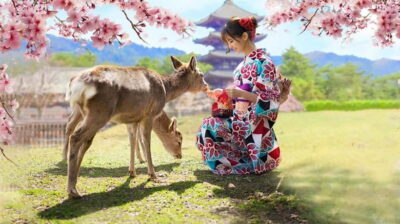
Nara, Fushimi Inari Taisha, Arashiyama Bus Tour
Read our review →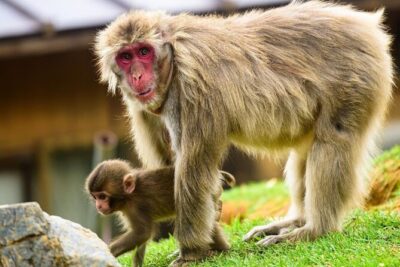
Kyoto Arashiyama Walking Tour: Bamboo, Monkeys, Gardens & Secrets
Read our review →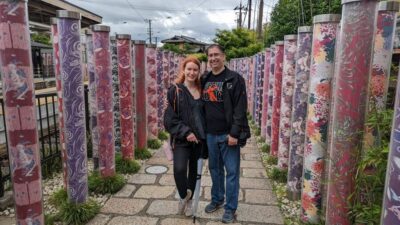
Arashiyama Bamboo, Temple, Monkeys, or Secret Sake Brewery
Read our review →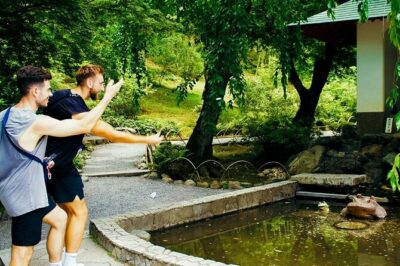
Arashiyama Bamboo Forest, Monkeys, Matcha & Temple Tour
Read our review →
Arashiyama, Nara & Fushimi Inari Shrine w/Lunch
Read our review →
Nijo, Kinkaku-ji, Arashiyama, Kiyomizu & Fushimi Inari
Read our review →Browse the lists this tour appears in