
Reviewed · GION DISTRICT TOURS
Gion at Night: Secrets and Legends of the Geishas
Gion changes character after sunset. Lanterns glow outside tea houses, narrow lanes grow quiet, and the old entertainment district feels less like a sightseeing stop and more like a living neighborhood. This 150-minute evening walk focuses on stories, customs, and the places tied to Kyoto’s geisha culture.
I especially like the Spanish-speaking format and the small-group limit of 15 people. Guide Sime has earned praise for explaining clearly and handling the group well. I also like the route, which links major sights such as Tatsumi Bridge and Hanamikoji Street without asking you to pay for a show or private tea-house visit.
The main caution is value and group expectations. The advertised price is $21 per person, but one booking experience reported confusion between a prepaid tour and a tip-based free walk, along with a much larger crowd than expected. Confirm the payment arrangement and group size before you set out.
Key points to know before walking into Gion
- Nighttime Gion feels different: Lanterns, quiet lanes, and closed tea-house doors give the district a more atmospheric setting than a daytime visit.
- The route covers classic sights: You visit Minamiza Theater, Tatsumi Bridge, Hanamikoji Street, Gion, and Gion Corner, with Yasaka Shrine included in the wider route description.
- Spanish is the tour language: The live guide explains local customs, geisha culture, and legends in Spanish.
- Sime is a guide to look for: One especially positive experience singled out Sime for clear explanations and calm group management.
- The walk is cultural, not a show: Food, drinks, performances, and private tea-house access are not included.
- Check the booking terms carefully: Free cancellation is available up to 24 hours before departure, and the maximum stated group size is 15.
Why Gion works best after dark
Gion is one of Kyoto’s most famous historic districts, but the real pleasure is not simply ticking off its streets. It is noticing the small changes in mood as daylight fades. Wooden facades, paper lanterns, stone paths, and discreet tea-house entrances take on a quieter look at night.
This tour is built around that change of mood. You are not being rushed between a long list of attractions. Instead, the guide uses a compact part of eastern Kyoto to explain how the entertainment district developed and why geisha culture still matters here.
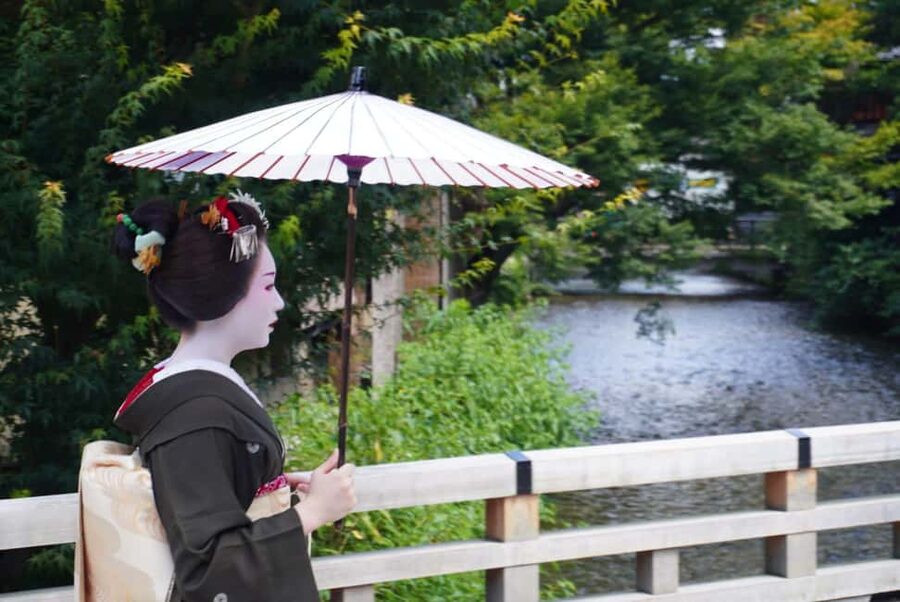
The word geisha can cause confusion. In Kyoto, geisha are called geiko, while younger performers in training are known as maiko. The supplied tour details use the broader word geishas, but your guide may explain local terms and customs as you walk. The focus is on culture and observation, not on treating performers as a photo opportunity.
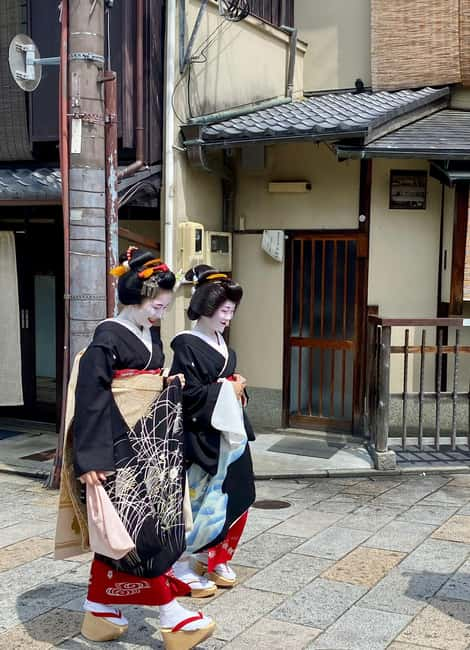
You may see geiko or maiko moving between appointments, but that is not guaranteed. One booking experience noted seeing geikos in a taxi. That small detail says something useful about the area: you might catch a brief glimpse of working performers, but the tour should not be booked on the promise of a personal encounter.
More ways to walk Gion:
- Kyoto Geisha Walking Tour: Gion District & Hidden Gems
★ 4.7 · 3,273 reviews - Kyoto: Gion Magical Night Walking Tour with Geisha Trivia
★ 4.9 · 2,393 reviews - Kyoto: Gion Geisha District Walking Tour – Stories of Geisha
★ 4.7 · 2,187 reviews
Starting beside Minamiza Theater
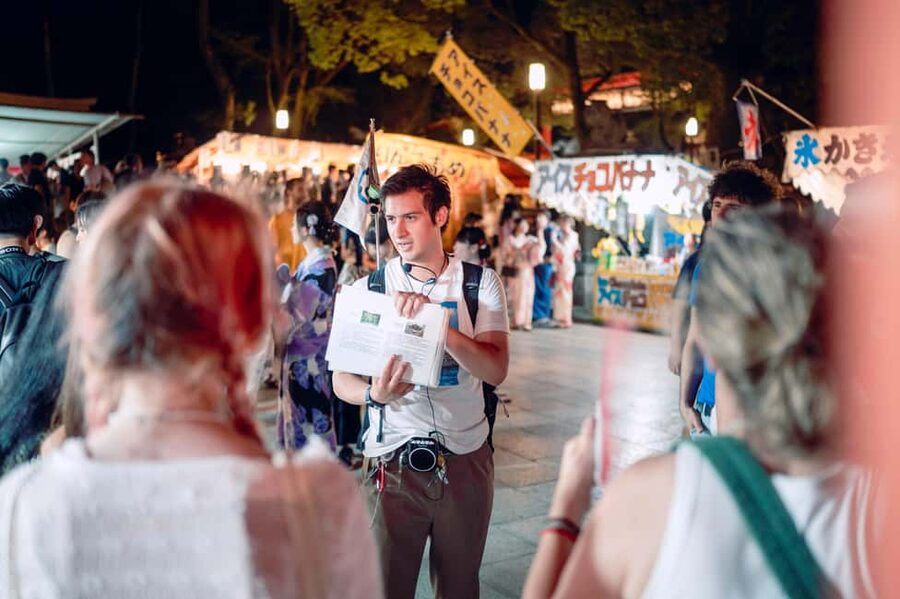
The meeting point is Minamiza Theater, one of Kyoto’s best-known venues for traditional Japanese performance. Your guide waits with a blue flag marked by a panda logo, which is helpful in a busy evening area.
The exact meeting coordinates are 35.0034444, 135.7724632. You do not need to arrange transport as part of the tour, but you must make your own way to the starting point. Since the area is close to public transportation, reaching it should be practical, though the tour does not include a transfer from your hotel.
The theater gives the walk a strong opening. Minamiza is tied to kabuki, a traditional form of Japanese theater known for dramatic acting, elaborate costumes, makeup, and stylized movement. A short guided stop here helps connect Gion’s tea houses with Kyoto’s wider performing-arts culture.
The planned explanation at Minamiza lasts about 10 minutes. That is enough for context, but not enough for a full theater visit. You should expect to view and discuss the venue from the outside rather than attend a performance. Show tickets are not included.
Crossing Tatsumi Bridge at night
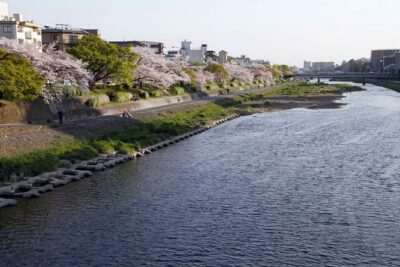
From Minamiza, the route continues to Tatsumi Bridge, one of Gion’s most photographed spots. The bridge crosses a narrow canal and is surrounded by traditional buildings, giving you the kind of scene many people picture when they think of old Kyoto.
At night, the appeal is less about a grand view and more about details. Look for reflections on the water, warm light from nearby buildings, and the contrast between the dark canal and the pale stone or wooden facades. Your guide’s 10-minute explanation adds local stories and helps you understand why this small crossing became so closely linked with Gion’s image.
This is also a place where the size of the group matters. A group capped at 15 is easier to gather near a narrow bridge than a large crowd. Still, the area can be busy. One experience found Gion more crowded than expected, so do not assume that an evening departure means empty streets.
Bring patience for photographs. The guide needs to keep the group moving, and the bridge is part of a public street rather than a private viewing platform. You will have a chance to look and take pictures, but this is not a dedicated photography session.
Walking Hanamikoji Street
Hanamikoji Street is the route’s most recognizable stretch. It is known for traditional facades, tea houses, and the possibility of seeing geiko or maiko passing through the lanes.
The key word here is possibility. Gion is a working district, not a staged attraction. Tea houses are private businesses, and performers are going about their jobs. You should watch quietly, keep a respectful distance, and avoid blocking entrances or following anyone for a photograph.
The guide’s role is especially useful here. Without explanation, Hanamikoji can look like a beautiful street with expensive-looking doors. With context, you begin to understand the difference between a public restaurant, a tea house, a performance venue, and a private entertainment space.
The tour does not include entry to private tea houses. That keeps the price low, but it also means the experience stays on the public streets. If you want a meal, a tea ceremony, or a traditional performance, you will need to arrange and pay for that separately.
The route description allows about 10 minutes for Hanamikoji, followed by another guided stop in Gion. In practice, the guide may connect these sections as one continuous walk. Expect a short introduction rather than a full lecture on every building.
More Kyoto after dark:
- Night Walk in Gion: Kyoto’s Geisha District
★ 4.5 · 2,003 reviews - Kyoto Night Foodie Tour in Gion (9+ dishes + 6 Sake tastings)
★ 5.0 · 1,762 reviews - Kyoto Gion Night Walk & Geisha District Guided Tour
★ 5.0 · 786 reviews - Kyoto Ghost Tour: Dark Tales, Urban Legends, Bamboo Forest Night
★ 5.0 · 625 reviews
Gion Corner and the performing arts connection
Gion Corner is included as one of the central stops and is listed as the finishing point. It is associated with traditional arts performances, making it a natural place to end a walk about Kyoto’s entertainment culture.
The tour does not include a ticket to a show. That distinction matters when you compare this experience with a performance package. You are visiting the area and hearing about its role, not sitting down for a scheduled program.
If you are considering a show at Gion Corner on the same evening, check the timing separately. The walk lasts 150 minutes, but a precise start time depends on availability. Leave enough room for the tour to finish and for you to reach the theater without rushing.
Ending near Gion Corner is practical because it leaves you in a well-known part of Kyoto. You can continue exploring on your own, use public transportation, or make your way to dinner. The tour itself provides no food or drinks, so plan that part of the evening in advance.
The quieter mood of Yasaka Shrine
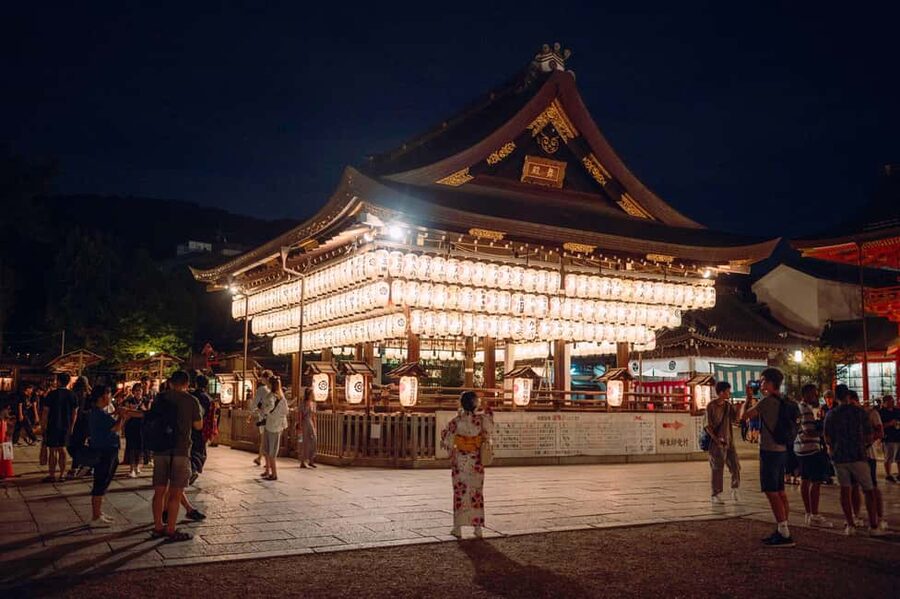
The broader experience description includes Yasaka Shrine as the final atmospheric stop, lit at night and described as peaceful after dark. The step-by-step route lists Gion Corner as the finish, so you should confirm the exact ending point when booking or meeting the guide.
Yasaka Shrine is important because it gives the walk a religious and civic counterpoint to Gion’s theaters and tea houses. The neighborhood is not only about entertainment. Shrines, festivals, local customs, and daily life all shape the area.
At night, the shrine can feel calm compared with the commercial streets nearby. You may find the lanterns and illuminated gates especially appealing for photographs. As with the other stops, the tour is an introduction rather than a long temple or shrine visit.
This balance between culture and atmosphere is one of the tour’s strengths. You hear about geisha traditions, but you also see the religious setting that helps explain Kyoto’s older rhythms.
What the guide adds to the walk
A guide can make or break a neighborhood walk. Streets such as Hanamikoji are attractive on their own, but the meaning of the buildings and customs is not always obvious.
The tour is offered in Spanish, with a live Spanish-speaking guide. That is valuable if you want to ask questions and follow cultural explanations without translating in your head. The tour provider is Japandas, and the experience is designed for a mixed audience of Spanish speakers.
Sime is the guide name associated with the strongest praise in the supplied information. The description of his work points to clear explanations and good control of the group. That is exactly what you need on narrow streets, where a guide must keep people together without turning the walk into a rigid march.
The experience is not presented as a scholarly course. It is better suited to someone who wants clear stories, local context, and a relaxed pace. If you prefer long historical lectures or access inside private buildings, this may feel too light.
Is $21 a fair price?
At $21 per person, the tour can be good value if you want a guided introduction to Gion and prefer Spanish. You are paying for a 150-minute walking route, a live guide, local taxes, and the convenience of having the main sights connected for you.
The price does not cover transport, food, drinks, theater tickets, or private tea-house visits. Those exclusions are normal for a neighborhood walk, but they affect your total evening budget. The tour is best viewed as a cultural orientation, not a full entertainment package.
There is one important payment issue to clear up. A booking experience described being charged more than 160 euros for a group while later being told the walk functioned like a tip-based free tour. That account conflicts with the stated $21 per-person price. I would check the final checkout total, the payment description, and whether a tip is expected before confirming.
The stated cancellation policy allows a full refund if you cancel at least 24 hours ahead. You can also reserve now and pay later, which helps if your Kyoto schedule is still shifting. These options reduce some booking risk, but they do not replace checking the exact price shown for your party.
Group size, walking comfort, and timing
The maximum stated group size is 15 people. That is small enough for personal questions and a more relaxed feel, but it is not a private tour. If the group reaches its limit, you will still be walking with a crowd through public streets.
The experience is not wheelchair accessible, while baby strollers are accepted. Most people can join, but you should be comfortable walking through city streets and standing during explanations. The supplied details do not give a total distance or step count, so ask the provider if you need a precise mobility assessment.
The duration is 150 minutes, with availability depending on the departure time. Evening conditions can change quickly, so wear comfortable shoes and bring what you need for a night walk. No meals or drinks are included, and there is no mention of a scheduled refreshment stop.
For the best experience, arrive early enough to identify the blue panda flag. Keep your phone charged, but use it with restraint around tea houses and anyone who may be working in the district.
Who should book this Gion walk?
I would recommend it to Spanish-speaking visitors who want a first look at Gion before exploring Kyoto on their own. It suits people who enjoy walking, local stories, traditional architecture, and cultural context more than formal performances.
It is also a useful choice if you have only one evening in Kyoto and want several major Gion sights linked into one route. The guide gives you a framework, then you can return to the area later for dinner, a show, or a slower look.
I would be more cautious if your main goal is guaranteed geisha sightings, entry into a tea house, or a traditional stage performance. None of those are included. I would also reconsider if you dislike public streets that may remain crowded at night.
Should you book Gion at Night?
Book this tour if the Spanish-speaking guide and local storytelling matter to you, and if you want a reasonably priced walk through Gion’s best-known streets. The route covers Minamiza, Tatsumi Bridge, Hanamikoji, Gion Corner, and possibly Yasaka Shrine, giving you a useful first orientation.
Before paying, verify the final per-person price and the exact meeting and ending points. That small check is especially important because of the reported confusion over prepaid payment and tips. With that question settled, this is a practical way to see Gion after dark without committing to an expensive meal or private cultural appointment.
FAQ
How long does the Gion night tour last?
The tour lasts 150 minutes.
What language is the tour conducted in?
The live tour guide speaks Spanish. Some content may be shown in its original language.
Where does the tour meet?
The meeting point is Minamiza Theater at coordinates 35.0034444, 135.7724632. The guide waits with a blue flag carrying a panda logo.
What sights are included?
The route includes Minamiza Theater, Tatsumi Bridge, Hanamikoji Street, Gion, and Gion Corner. The wider description also includes Yasaka Shrine as part of the night walk.
Are food and drinks included?
No. The tour does not include food or drinks.
Does the price include show tickets or private tea-house access?
No. Tickets to shows and visits to private tea houses are not included.
Is the tour wheelchair accessible?
No. The activity is not wheelchair accessible, though baby strollers are accepted.
What is the cancellation policy?
You can cancel up to 24 hours before the tour for a full refund. The reserve-now, pay-later option lets you book without paying immediately.
Newest Kyoto experiences on the site
- Treasures of Kyoto: Gion & historical Walking Tour★ 5.0 · 6 reviews
- Whisk Your Own Matcha: A Zen Matcha Experience at Temple★ 3.6 · 7 reviews
- Kyoto tea town for matcha lovers★ 5.0 · 16 reviews
- Uji: Private immersion into Kyoto’s tea and reglious culture★ 5.0 · 17 reviews
- Kyoto Matcha Green Tea Tour★ 4.5 · 23 reviews
- Uji and Wazuka Matcha Farm Half Day Private Guided Tour★ 5.0 · 21 reviews
- Utilising upcycled Matcha! Creating matcha incense (Uji, Kyoto)★ 5.0 · 6 reviews
- Sacred Temple Yoga Experience in Japan★ 5.0 · 3 reviews
Gion District Tours, compared.
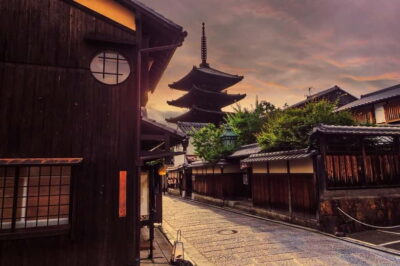
Kyoto Geisha Walking Tour: Gion District & Hidden Gems
Read our review →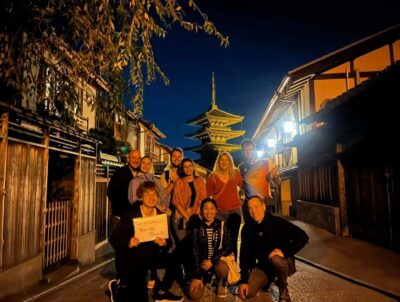
Gion Magical Night Walking Tour with Geisha Trivia
Read our review →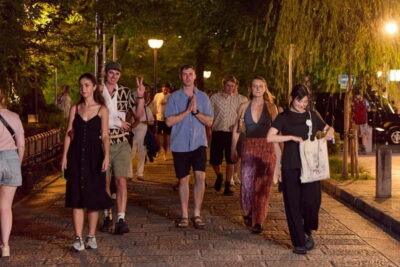
Gion Geisha District Walking Tour – Stories of Geisha
Read our review →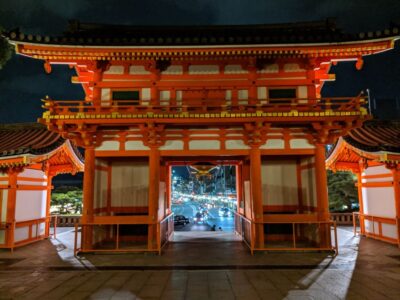
Best of Kyoto: Gion, Geisha, Pagodas & Cobblestones
Read our review →
Kyoto Night Foodie Tour in Gion (9+ dishes + 6 Sake tastings)
Read our review →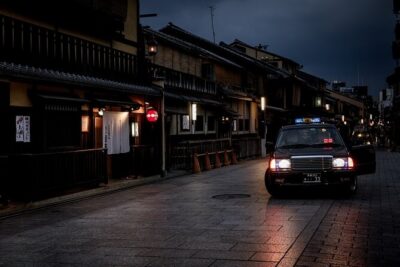
Kyoto Gion Geisha District Walking Tour – The Stories of Geisha
Read our review →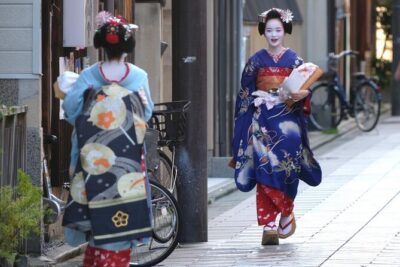
Kyoto Gion: 2-Hour Geisha Culture & History Walking Tour
Read our review →Browse the lists this tour appears in