
Reviewed · NISHIKI MARKET TOURS
Nishiki Market Food Tour with Cooking Class
Nishiki Market is easy to walk through and easy to misunderstand. Without help, you may spend 15 minutes looking at rows of food stalls. With an English-speaking local guide, you can learn what the foods are, why certain shops matter, how to follow market etiquette, and which ingredients deserve a second look. Then you use some of those ingredients in a private donburi cooking class.
I like the combination of market browsing and hands-on cooking. You get free Japanese pickle tastings and other sample foods, then cook a meal with ingredients selected during the tour. I also like the private format, since you can ask questions, request substitutions, and move at your own pace.
The main consideration is timing. About an hour in the market can feel short if you want to shop, taste several foods, and hear long explanations. The market can also be crowded, and ingredients such as fatty tuna may not always meet your expectations.
Key points to know before booking
- Three donburi choices: Choose seafood, tempura, or chicken and egg. Different people in the same private group may select different dishes.
- A guide who explains the market: Ask about unfamiliar foods, shop traditions, sauces, brands, etiquette, and Kyoto specialties.
- Market tastings included: Sample foods during the walk, including Japanese pickles, while ingredients and sides are selected for the cooking class.
- A private kitchen afterward: Cook and eat your own meal in a dedicated cooking studio rather than simply watching a demonstration.
- Good for families and keen cooks: Children can take part, and experienced home cooks can ask about presentation, dashi, sauces, and substitutions.
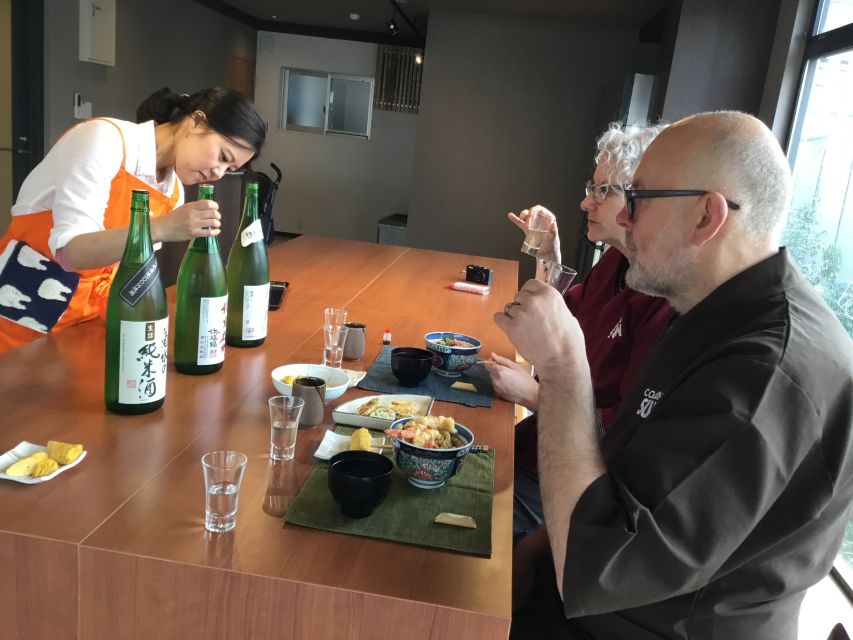
- Three sake samples are optional: Sake tasting is available as an optional part of the experience, not the main focus.
Why Nishiki Market makes a better classroom with a guide
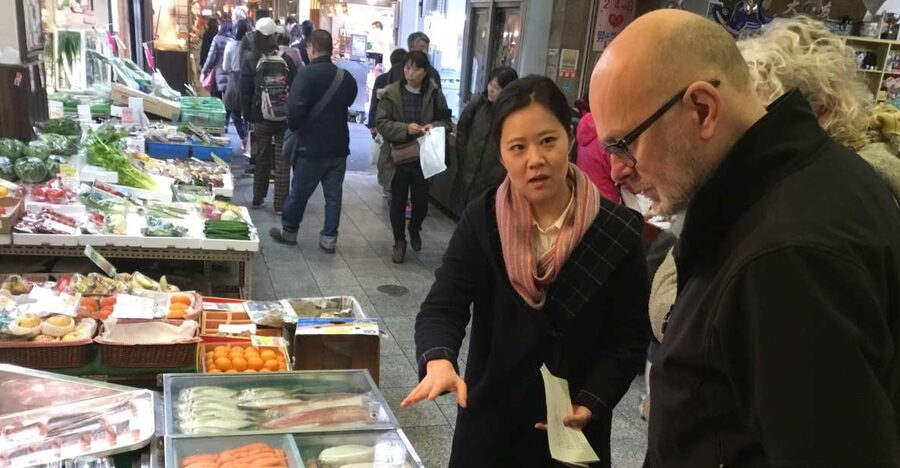
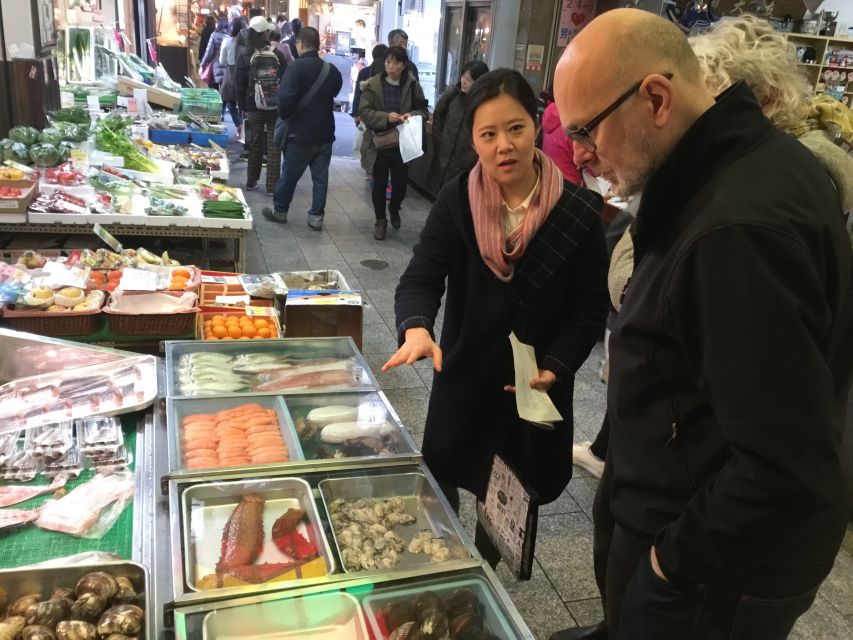
Nishiki Market is compact, central, and packed with food. It is also the kind of place where a quick walk tells you very little. You may see pickles, fish, spices, tofu, sweets, and prepared foods without knowing what belongs to everyday Japanese cooking and what is mainly there for shoppers passing through.
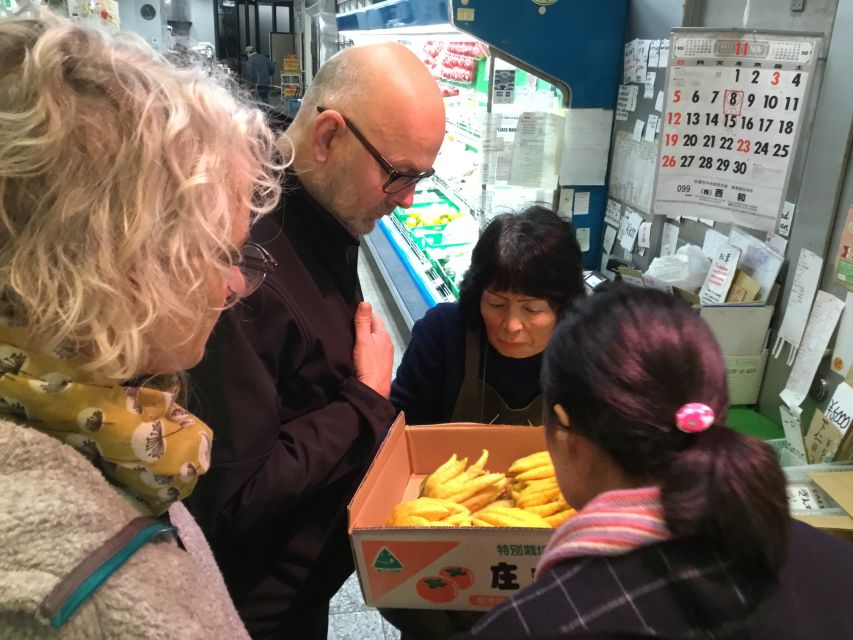
The guide gives you that missing context. You can ask about an unfamiliar ingredient, learn how it is used, and get help speaking with shop staff. This is especially useful when you see foods with no English explanation. Instead of taking a photograph and moving on, you can ask what it is and decide if you want to taste it.
The market also has older shops alongside newer, more tourist-focused stalls. A guide can point out original establishments and explain why certain vendors are known for particular foods. That saves time if you plan to return later for purchases. It also helps you separate a worthwhile food stop from something that simply catches your eye.
Expect to spend roughly one hour inside Nishiki Market. That is enough for an introduction, tastings, questions, and ingredient shopping, but it is not a full afternoon of browsing. If you want to buy snacks or gifts for yourself, you may need to return after the class. The tour covers ingredients for your meal, while extra food you choose to eat or purchase is your responsibility.
More Nishiki Market walks and tastings:
- Nishiki Market Brunch Walking Tour (7 Tastings + Brunch)
★ 5.0 · 1,355 reviews - Kimono Tea Ceremony at Kyoto Maikoya, NISHIKI
★ 5.0 · 911 reviews - Kyoto Nishiki Market Food and Culture Walking Tour
★ 5.0 · 412 reviews
What you taste before cooking
The walk includes sample food tastings, with Japanese pickles a recurring highlight. Pickles are a useful introduction to Kyoto food because they show how vegetables can be preserved and seasoned in many different ways. You may also receive small sides to try with your finished meal.
Do not expect a long series of full-size tastings. This is a market tour that leads into lunch or another meal, not a stand-alone eating crawl. The samples help you understand the stalls and ingredients, while the main dish comes later in the kitchen.
A practical point matters here: Japanese market etiquette is part of the lesson. You may be told not to eat while walking through the market. That is easy to miss if you explore alone, and it affects how you plan your tasting stops. Take samples where the market allows, then continue walking rather than carrying food through the crowded lanes.
The optional sake tasting adds another angle for adults interested in Japanese drinks. You can try three types of sake, but the activity remains centered on food and cooking. If sake is not your priority, you can focus on the market and donburi instead.
Choosing your donburi: seafood, tempura, or chicken and egg
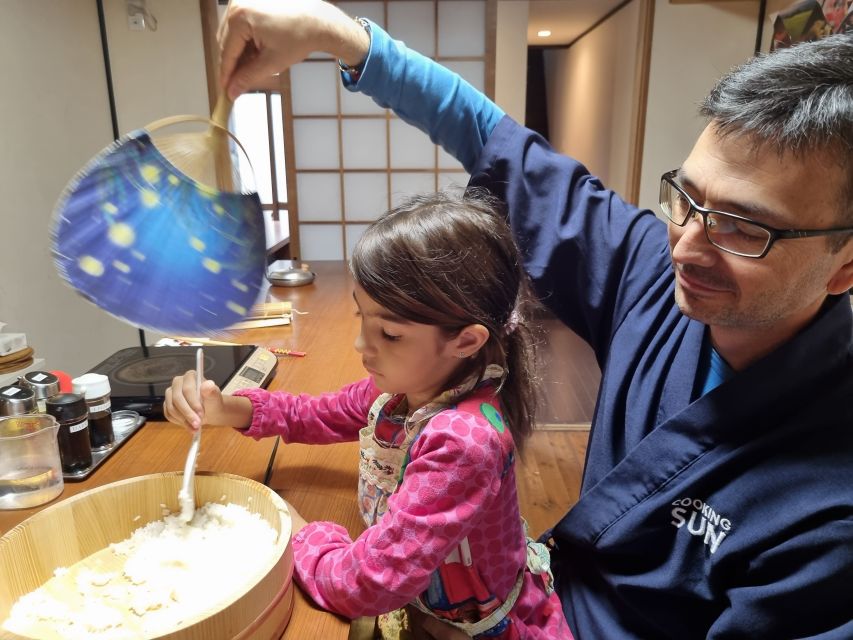
The cooking portion centers on donburi, a Japanese bowl meal served over rice. You choose one of three options:
- Kaisen-don: A seafood bowl
- Ten-don: A tempura bowl
- Oyako-don: Chicken and egg over rice
The choices give the experience a useful level of flexibility. You are not locked into one dish for the entire group. Different people can choose different bowls, which works well for families and friends with separate tastes. One group prepared all three options, including tempura, sashimi-style seafood, and chicken with egg.
Substitutions may also be possible. A request to replace chicken with tofu was accommodated, showing that the class can adjust to personal preferences when arranged with the guide. Do not assume every request can be met, but it is sensible to ask before or during the market portion.
Each dish teaches a different part of Japanese cooking. Oyako-don is approachable and practical for home cooks. Ten-don gives you a chance to work with tempura, while seafood donburi shows how fresh ingredients can carry a bowl with fairly simple seasoning.
The exact quality of an ingredient can vary. One participant found the fatty tuna disappointing, so seafood lovers should keep expectations sensible. Market ingredients are included in the price, but that does not guarantee that every item will be your favorite.
From market lane to cooking studio
After the market, the tour includes a taxi ride from Nishiki Market to the cooking studio. That is a useful detail because you do not have to find the kitchen alone or pay for that transfer separately. It also keeps the two-hour-plus schedule moving.
The total activity lasts 150 minutes. The usual rhythm is about one hour in the market and about one hour cooking and eating, with time for the transfer and the opening briefing. The schedule is active, but not rushed in the way a large group tour can be.
The studio is described as a clean, well-equipped kitchen designed for cooking classes. You work with the instructor rather than simply watching someone prepare the dish at a distance. The guide explains each step, helps with preparation, and gives advice on sauces, brands, flavor, and presentation.
That hands-on format matters. You leave with a recipe, not just a memory of a meal. Several cooking tips are practical enough to repeat at home, including how to prepare dashi, how to make food look attractive, and how to use different Japanese sauces.
More cooking classes in Kyoto:
- Ramen Cooking Class at Ramen Factory in Kyoto
★ 5.0 · 1,937 reviews - Kyoto: Ramen Cooking Class at a Ramen Factory with Souvenir
★ 4.9 · 532 reviews - Kyoto: Ramen, Gyoza, and Onigiri Cooking Class
★ 5.0 · 445 reviews - Kyoto: Japanese Washoku Bento Small Group Cooking Class
★ 5.0 · 380 reviews
Why the private format changes the experience
This is a private group, so the guide can respond to your questions instead of following a fixed speech for a large crowd. You can stop to ask about a shop, request translation help, or spend more time on an ingredient that interests you.
The private setup also makes the class easier for families. Children can take part in the preparation, and the cooking has enough different steps to keep several ages involved. Parents should still judge the activity according to their children, since cooking involves heat and kitchen equipment, but the format is more personal than a large demonstration.
It also suits serious home cooks. You can ask about the reason for a particular sauce, the difference between brands, or ways to improve presentation. The instruction is not limited to following a recipe. It connects the market ingredients with the finished bowl.
Past instructors have included Chie, Momo, Mio, and Mae. Chie has been praised for combining market explanations with clear cooking guidance, while Mio has been noted for strong English and a real interest in cooking. Your assigned instructor may differ, but the activity is conducted in English.
What the cooking lesson is like
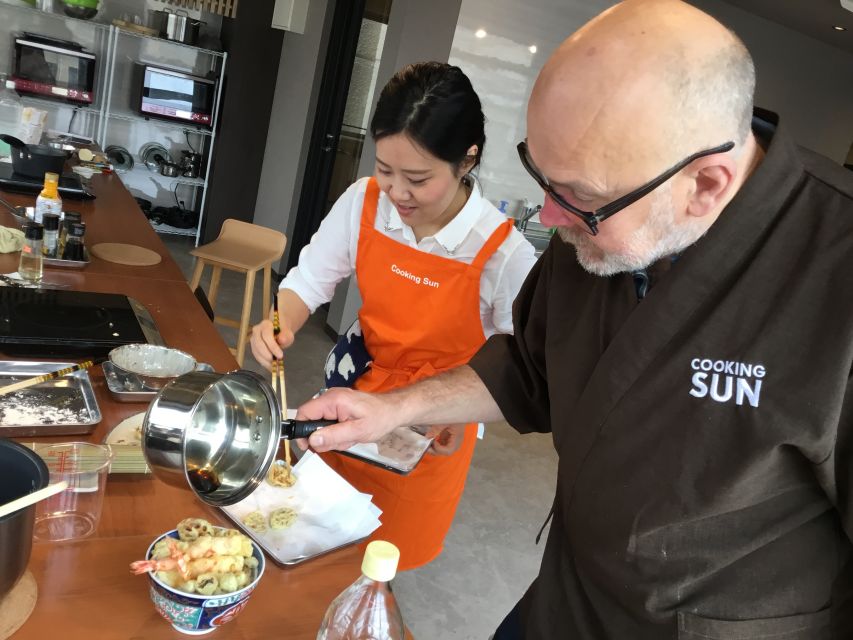
Once you reach the studio, preparation begins fairly soon. You work through the dish step by step, then sit down to eat what you made. The class gives you enough guidance to cook with confidence, while still allowing you to participate rather than handing you a finished meal.
The recipes are useful because donburi is an achievable home dish. You do not need a restaurant kitchen to repeat the basic methods. The included recipe gives you a reference after the trip, and the market walk helps you recognize some of the ingredients if you want to recreate the meal.
The guide may also add small sides to your meal based on what was found in the market and what suits your group. This is one reason the market portion matters. You are not only shopping for a fixed list. You are learning how ingredients and side dishes fit together.
Do keep the meal’s style in mind. This is Japanese home-style cooking instruction, not a formal chef-training course. You will learn useful methods and food vocabulary, but the class is designed for a broad range of cooking experience.
Is $109 a fair price?
At $109 per person, the price is not low for a 150-minute activity. The value depends on how much you want from the experience. You are paying for a private English-speaking guide, a market walk, tastings, all donburi ingredients, a recipe, the cooking class, the meal, and the taxi from the market to the studio.
If you only want to see Nishiki Market, you can do that for much less. If you want a simple bowl of food, you can also eat elsewhere at a lower cost. The case for this price is the combination: personal market interpretation, translation help, ingredient selection, and a meal you prepare yourself.
The private format improves the value for a small family or group of friends. If several people share the experience and each person can choose a different dish, the price buys more than a guided walk. It buys a short cultural lesson and a practical cooking session tailored to your group.
The value is weaker if you mainly want extended market shopping or a long food crawl. The market time is limited, and extra food you decide to buy is not included. Book it for the connection between market and kitchen, not simply for the number of tastings.
Who will enjoy this most
I would recommend this activity to you if you want a manageable introduction to Japanese food and prefer doing something over watching. It works especially well on a first Kyoto visit, when Nishiki Market can feel confusing and you want a guide to point out where to focus.
It is also a good choice for families. The private setting, flexible dishes, and hands-on preparation give children a role in the activity. Adults who cook at home will find extra value in the advice about dashi, sauces, brands, and presentation.
Food lovers who want a long, leisurely market visit may find the schedule too short. You should also think twice if your priority is a large number of tastings, since the samples are part of a broader tour rather than the whole event.
The activity is conducted in English, and the guide can help translate with shop staff. That makes it useful if you want to ask precise questions rather than rely on signs or guesswork.
Practical details that affect your day
Meet at the western entrance of Nishiki Market. Arrive ready to walk through a food market, pause for tastings, and then move on to the cooking studio by taxi.
The activity lasts 150 minutes, though the market and cooking sections each take about an hour. Starting times vary, so check the available options for your date. Ingredients, the recipe, sample food, and the taxi ride are included. Personal food purchases are not.
You can cancel up to 24 hours before the start for a full refund, and you can reserve now and pay later. That flexibility is useful when you are arranging several Kyoto activities around weather, trains, and restaurant plans.
Nishiki Market can be crowded, so keep your group together and expect a steady walk. The guide can explain etiquette, but you should still follow the market’s instructions about where to eat and how to move through the stalls.
Should you book the Nishiki Market cooking tour?
Book this tour if you want more than a quick walk through Nishiki Market. The strongest part is the link between seeing ingredients in their original setting and using them in a meal soon afterward. The private English-speaking guide, flexible donburi choices, included taxi, and recipe make the experience practical as well as enjoyable.
Skip it if you want a full morning of shopping, a large food crawl, or the cheapest possible meal. You will have about an hour in the market, and food quality can vary from one ingredient to another.
For most visitors who want a personal introduction to Kyoto cooking, I think the combination is worth considering. Go with questions ready, tell the guide about dietary preferences early, and return to the market afterward if you want time for shopping.
FAQ
Where does the Nishiki Market food tour begin?
The tour begins at the western entrance of Nishiki Market in Kyoto.
How long does the activity last?
The experience lasts 150 minutes. You typically spend about one hour in Nishiki Market and about one hour cooking and eating, with time for the transfer and briefing.
Is the tour conducted in English?
Yes. The tour is conducted in English by an English-speaking local Japanese guide.
Is this a private tour?
Yes. It is offered as a private group, so you can ask questions and move at your group’s pace.
Which donburi dishes can I choose?
You can choose kaisen-don with seafood, ten-don with tempura, or oyako-don with chicken and egg. Different people in the same group may choose different dishes.
Are the cooking ingredients included?
Yes. The ingredients used for the donburi class are included, along with a recipe and sample food tastings during the tour.
Is sake tasting included?
You can taste three different types of sake as an optional part of the experience. The activity is mainly focused on the market and cooking class.
Is transportation included after the market visit?
Yes. The taxi cost from Nishiki Market to the cooking studio is included. Personal food purchases are not included.
More Food Tours in Kyoto
- Kyoto Night Foodie Tour in Gion (9+ dishes + 6 Sake tastings)
★ 5.0 · 1,762 reviews - Kyoto: Insider Sake Brewery Tour with Sake and Food Pairing
★ 5.0 · 704 reviews - Kyoto: Gion Food Tour 13 Dishes at 4 Eateries
★ 5.0 · 408 reviews - Kyoto Foodie Night Tour
★ 5.0 · 376 reviews
Newest Kyoto experiences on the site
- Treasures of Kyoto: Gion & historical Walking Tour★ 5.0 · 6 reviews
- Whisk Your Own Matcha: A Zen Matcha Experience at Temple★ 3.6 · 7 reviews
- Kyoto tea town for matcha lovers★ 5.0 · 16 reviews
- Uji: Private immersion into Kyoto’s tea and reglious culture★ 5.0 · 17 reviews
- Kyoto Matcha Green Tea Tour★ 4.5 · 23 reviews
- Uji and Wazuka Matcha Farm Half Day Private Guided Tour★ 5.0 · 21 reviews
- Utilising upcycled Matcha! Creating matcha incense (Uji, Kyoto)★ 5.0 · 6 reviews
- Sacred Temple Yoga Experience in Japan★ 5.0 · 3 reviews
Nishiki Market Tours, compared.
Nishiki Market Brunch Walking Tour (7 Tastings + Brunch)
Read our review →
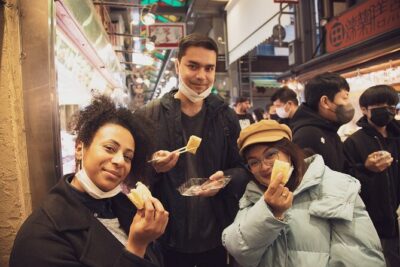
Kyoto Nishiki Market Food and Culture Walking Tour
Read our review →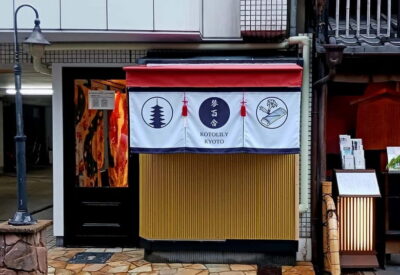
Nishiki Market Tea Ceremony with Koto Performance
Read our review →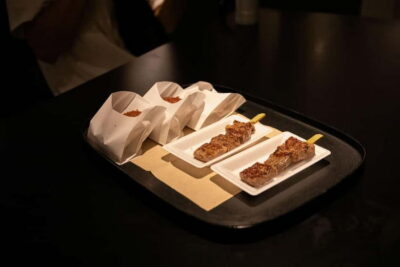
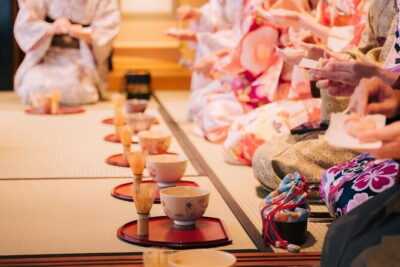
Kimono Tea Ceremony Experience at Kyoto Oritzuruya, Nishiki
Read our review →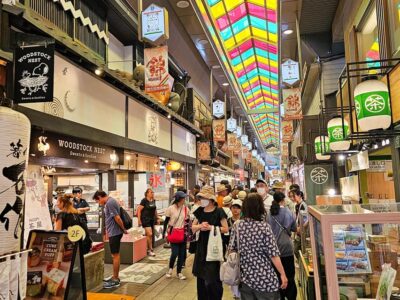
Nishiki Market and Depachika Food Tour with a Local
Read our review →
Nishiki Market Tour with a Local Foodie & Tastings
Read our review →Browse the lists this tour appears in