Reviewed · TICKETS
Kyoto: Toei Kyoto Studio Park Admission Ticket
Toei Kyoto Studio Park lets you walk through a rebuilt Edo-period town where Japanese historical dramas are filmed. Cinema Road gives you old Kyoto streets, period buildings, and photo settings that feel more like a movie set than a standard theme park. You may even catch a TV or film shoot in progress.
I like the mix of hands-on history and pop culture. You can dress as a samurai or ninja, then turn around and visit exhibits devoted to Kamen Rider, Super Sentai, and Pretty Cure. I also like that the park works for different ages, with character shows for children, a horror maze for older visitors, and Japanese restaurants on site.
The main caution is practical: opening days, hours, available areas, and admission limits can change. Renovation work has caused temporary closures, and tickets may still be sold for dates when the park is shut. Check the official Toei eigamura schedule immediately before setting out.
Key points to know before you go
- Walk through a real film setting: Cinema Road recreates an Edo-period Kyoto town for historical dramas and photo opportunities.
- Costumes cost extra: Admission covers the park, but samurai, ninja, makeup, and costume services are not included.
- Filming is possible, not guaranteed: You may see Japanese television or movie production while walking through the outdoor sets.
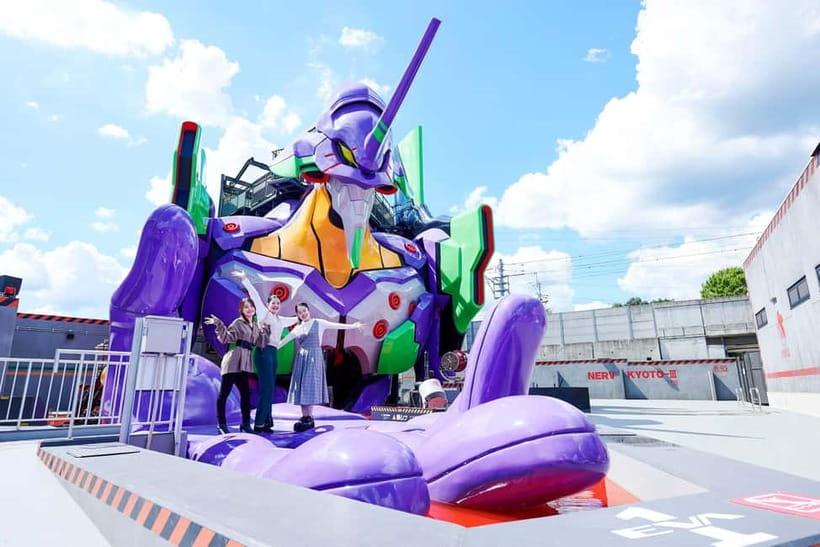
- The park reaches beyond samurai stories: Kamen Rider, Super Sentai, Pretty Cure, horror attractions, and weekend character events add modern entertainment.
- Plan around changing operations: Renovation work, closed facilities, varying hours, and crowd limits can affect your day.
- The price is modest for a full day: At about $18 per person, the ticket is reasonable if you plan to use several parts of the park.
Entering Kyoto’s Edo-period movie town
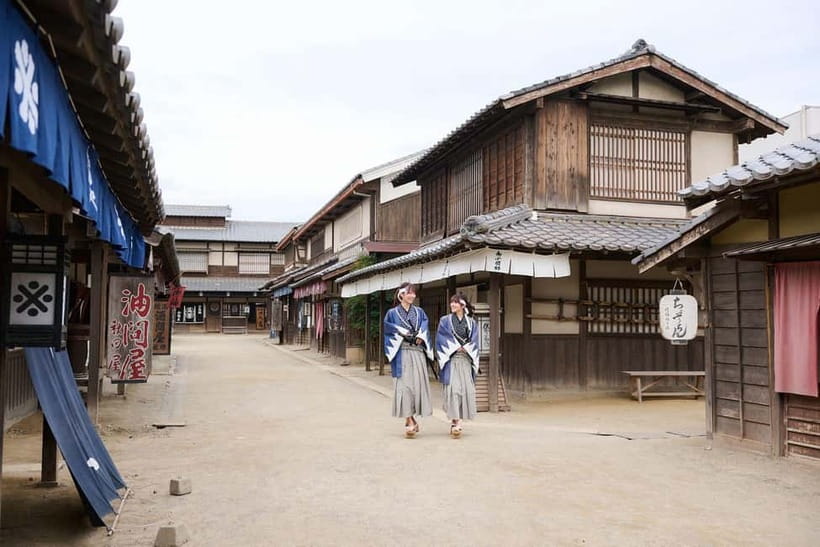
Toei Kyoto Studio Park, also known as Toei eigamura, opened in 1975 as Japan’s first theme park built around the world of Jidaigeki, or Japanese historical drama. Its main idea is simple: instead of only watching a period film, you walk through the kind of streets used to make one.
The outdoor sets rebuild a traditional town from the Edo period. You can stroll along Cinema Road, look into period-style buildings, and use the streets as a backdrop for photographs. The appeal is not just the scenery. You get a better sense of how historical dramas create their setting from carefully arranged streets, facades, and props.
I would set aside a full day, even though the park may take less time if you focus only on the main street sets. The admission is valid for one day, and the attractions are spread across more than one theme. A quick visit may cover the town streets and one or two exhibits, but families and character fans will want time for shows, attractions, food, and photographs.
The park has welcomed more than 65 million customers since opening. That long operating history helps explain its unusual blend of working film location, museum-like displays, and amusement park activities. It is not a traditional open-air historical village, and it is not only a rides-based theme park. It sits somewhere in between.
A few more Kyoto tours worth putting on the shortlist
- PERFECT KYOTO 1-Day Bus Tour
★ 5.0 · 13,518 reviews - Kyoto: Fushimi Inari, Kinkakuji, Bamboo Grove 1 Day Bus Tour
★ 4.8 · 4,316 reviews - Kyoto: Tea Ceremony in a Traditional Tea House in Kiyomizu
★ 4.9 · 3,519 reviews
Cinema Road and the chance to see filming
The heart of the visit is Cinema Road, where the rebuilt Kyoto streets create the strongest sense of place. You can walk at your own pace and stop for photos without needing a scheduled tour or guide.
The sets are especially useful if you want a visual introduction to Jidaigeki. Samurai stories, ninja dramas, and other historical productions often depend on familiar street scenes, and this park lets you see those settings at ground level. The experience is more active than watching a film because you can examine the streets from different angles and notice how the buildings frame the action.
You may also see Japanese television or movie filming during your visit. This is one of the park’s most unusual features, but it is important to treat it as a possibility rather than a promised performance. Production schedules can change, and a quiet day may offer only the sets.
If filming is taking place, follow staff instructions and avoid treating the set like a show staged for the public. The value is in catching a glimpse of Japanese production at work, not in expecting a full behind-the-scenes tour.
For photographs, the period streets are the main prize. A costume makes the pictures more convincing, but you can still enjoy the architecture and atmosphere in ordinary clothing. Bring patience if an area is temporarily restricted for filming, maintenance, or renovation.
Becoming a samurai or ninja for the afternoon
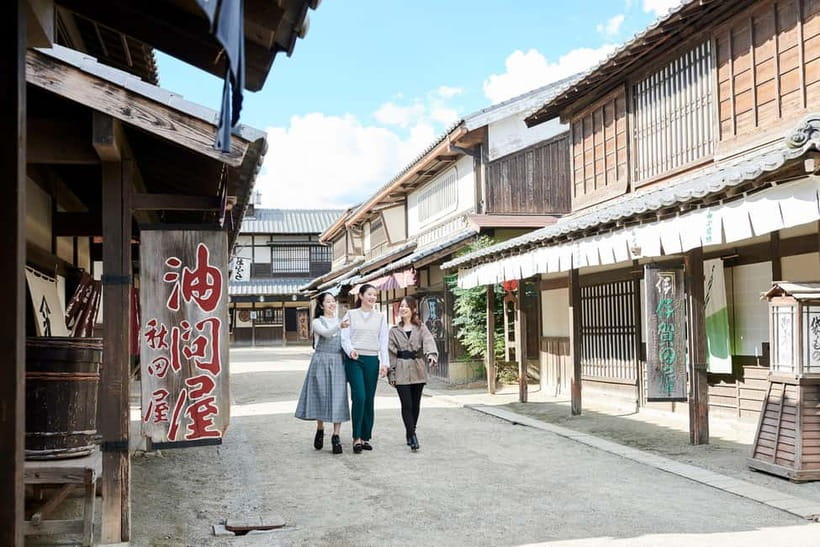
Costume rental and makeup are available at the studio of historical drama costumes, but they require a separate payment. Admission alone does not include samurai or ninja clothing, so budget for that extra if dressing up is central to your plan.
This add-on changes the park from a place you look at into a setting you can play in. You can walk through the old Kyoto streets in period clothing, pose against the rebuilt town, and take photographs that feel more connected to the park’s film theme.
I would consider the costume service most useful for families, couples, and anyone who wants a clear activity rather than a simple sightseeing walk. It also gives children a role to play as they move through the sets. The park does not promise that every costume or makeup option will be available at all times, so check the current details before you arrive.
The extra cost is worth considering against your interests. If you mainly want to see the film sets and character exhibits, admission may be enough. If your ideal visit includes photographs as a samurai or ninja, the costume fee becomes part of the real budget.
Kamen Rider, Super Sentai, and Pretty Cure
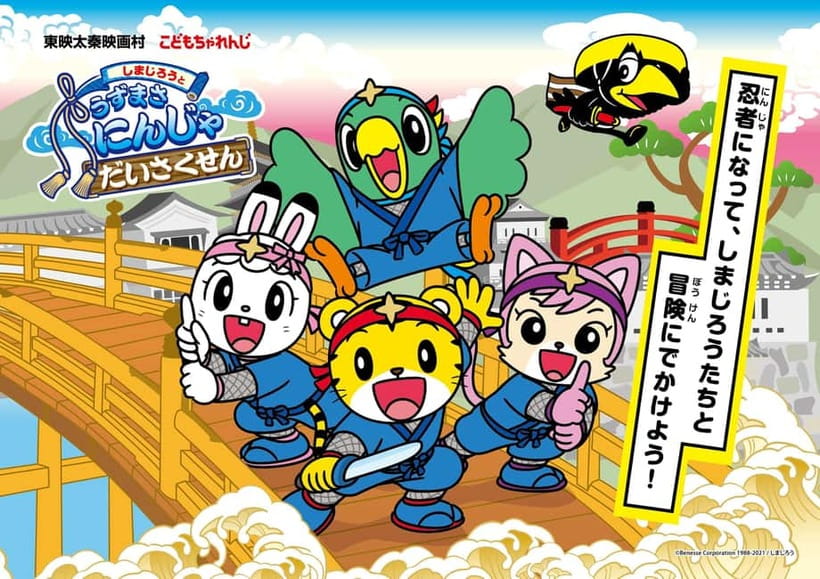
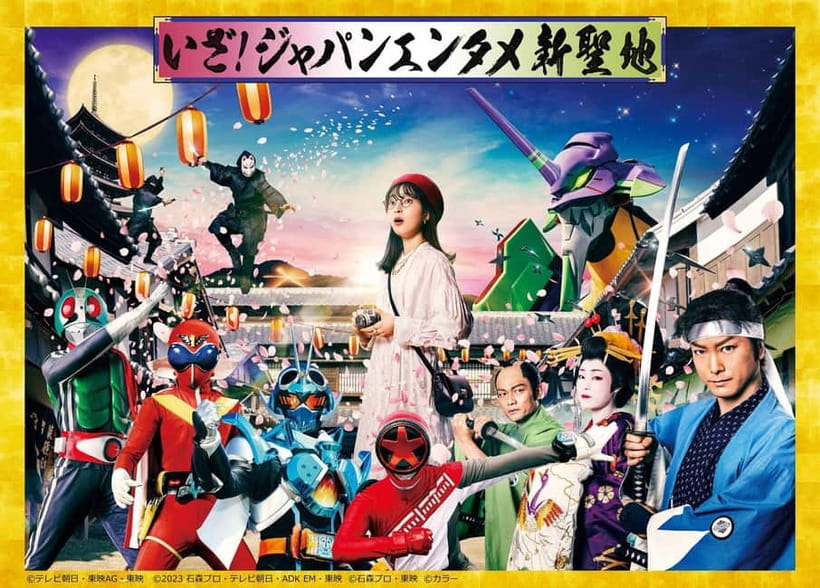
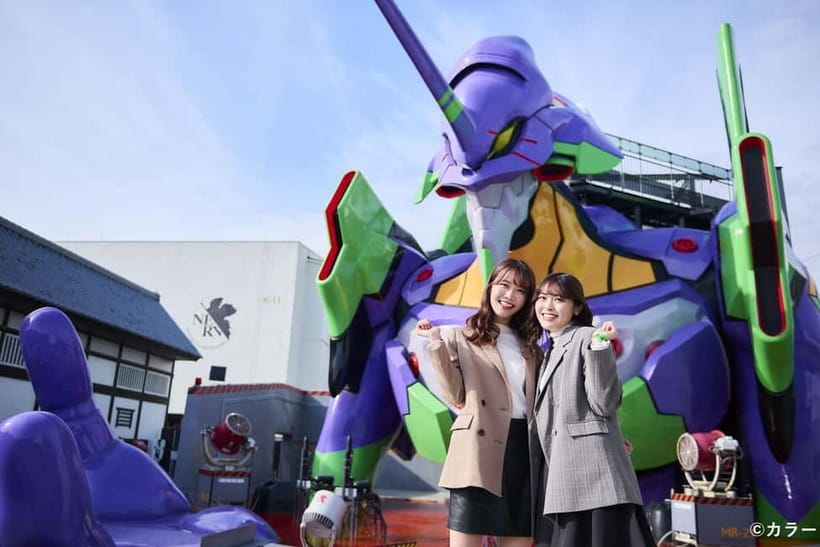
Toei’s modern character worlds give the park a second identity. At Super Sentai and Kamen Rider Hero Land in the Padios area, you can see displays connected with the Kamen Rider series and Toei’s long-running hero productions.
The attraction includes an exhibition covering past Kamen Riders. There are also displays devoted to Super Sentai and Pretty Cure. For children and dedicated character fans, this may be as important as the Edo streets.
Weekend character events add a live element, with shows aimed at children. Since the available event schedule can vary, check the park’s program before visiting if a particular character matters to your family.
This section also explains why the park can work for groups with different tastes. One person can enjoy the period sets, another can focus on Japanese television characters, and children can look for a show or attraction. It is a broader day out than the ticket description might first suggest.
The tradeoff is that fans who do not know these series may find the exhibits less meaningful. The historical streets provide a clear setting for anyone, but the character displays have their greatest value if you already recognize Kamen Rider, Super Sentai, or Pretty Cure.
Same city, a completely different kind of day:
- Kyoto Geisha Walking Tour: Gion District & Hidden Gems
★ 4.7 · 3,273 reviews - Kyoto: Tea Ceremony Ju-An at Jotokuji Temple
★ 4.9 · 3,207 reviews - Kyoto: Gion Magical Night Walking Tour with Geisha Trivia
★ 4.9 · 2,393 reviews - Kyoto: 45-Minute Tea Ceremony Lesson Experience
★ 4.3 · 2,378 reviews
Horror attractions, food, and family time
The park has more than historical sets and character exhibits. A horror maze is one of the attractions that can appeal to older children, teenagers, and adults. It is described as a particularly frightening experience, so families should think about the age and comfort level of everyone in the group before entering.
You can also find Japanese restaurants within the park. This matters because a full day of walking through sets and attractions needs a proper meal break. Eating on site keeps the visit simple, though you should still treat food as a personal expense because it is not part of the admission ticket.
The mix of horror, heroes, restaurants, and film sets gives the park a useful rhythm. You can spend the morning on the outdoor streets, take a meal break, see an exhibit or character event, and finish with a more theatrical attraction. Exact showtimes and operating details can change, so do not build your entire day around one activity without checking the current schedule.
For families, the biggest strength is choice. Young children may prefer character shows, older children may enjoy the horror or hero areas, and adults can focus on the Edo-period setting. The possible weakness is that not every area will appeal equally to everyone, especially if your group has no interest in Japanese character franchises.
Is $18 good value for one day?
At about $18 per person, the basic admission is fairly priced for a full-day attraction. You receive access to Toei Kyoto Studio Park itself, including the rebuilt streets and the park’s included exhibits and entertainment areas. You do not receive costumes, makeup, food, or personal purchases.
The value depends on how long you stay. If you spend only an hour walking down Cinema Road, the ticket may feel less attractive. If you combine the outdoor sets with character exhibits, shows, the horror attraction, photographs, and a meal, the price makes more sense.
The ticket is also a good fit for visitors who want something different from Kyoto’s temples and gardens. It does not replace those sights, but it offers a modern way to see Japanese storytelling, period design, and popular characters in one place.
I would be more cautious about the value if you are visiting Kyoto for a very short time and have little interest in film, costumes, or Japanese television characters. The park is a specialist attraction. Its low admission price helps, but your time in Kyoto still has value.
Remember that the voucher is valid for three months from the date of purchase, while the admission itself is for one day. That gives you some flexibility when arranging your trip, but it does not remove the need to confirm the operating date.
Renovation, opening hours, and the most important planning check
The practical issue here is not transportation or complicated meeting arrangements. You go directly to Toei Kyoto Studio Park at approximately 35.015675, 135.708779. The bigger concern is whether the park and the areas you want are operating on your chosen day.
Opening hours vary by date, and the park has scheduled closed days. Some sections may also be closed for renovation. Renovation work has previously resulted in visitors arriving at a closed entrance even though tickets were still available for purchase, so I would check the official Toei eigamura website on the day before your visit and again that morning.
Admission may be limited to control crowds. That means a ticket does not remove every possible access issue during a busy period. Arrive with your confirmation ready and allow flexibility if an attraction or area is temporarily unavailable.
The park is wheelchair accessible, and visitors with a physical, intellectual, or mental disability certificate receive a half-price discount. Up to the same number of accompanying people can also receive half-price admission. Bring the required certificate if you plan to use this discount.
The activity is non-refundable. That makes the operating-hours check especially important. The voucher’s three-month validity helps with timing, but once you commit to the visit, you should confirm closures before traveling across Kyoto.
Who will enjoy Toei Kyoto Studio Park most?
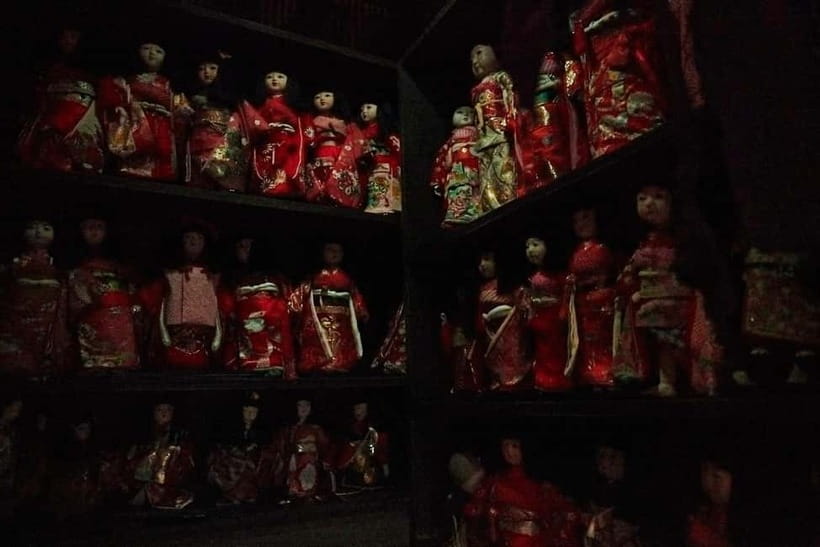
I would recommend this park to families who want a break from temple visits, especially if children enjoy costumed heroes, character shows, or spooky attractions. The variety means your group does not need to share one narrow interest.
It also suits film fans and photographers. The Edo-period streets offer a setting you cannot get from a standard museum, and the possibility of seeing a Japanese production adds an unusual touch to the day.
The park is a good choice for visitors who already know Kamen Rider, Super Sentai, or Pretty Cure. Those exhibitions and events will carry more weight for you than they would for someone unfamiliar with the characters.
I would be less likely to choose it for someone seeking a quiet, traditional Kyoto experience. The park is built for entertainment, and some areas may feel playful rather than historically serious. The rebuilt town is useful for understanding the look of Jidaigeki, but it is still a film and theme park setting.
Should you book this Kyoto attraction?
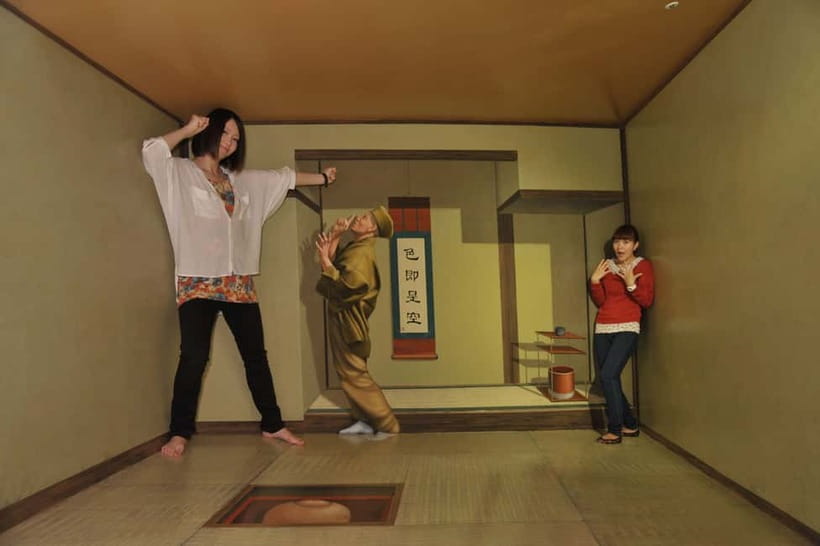
Book it if you want a full day that combines Edo-period streets, Japanese film culture, costumes, heroes, horror, and family entertainment. At around $18, the admission is a reasonable buy when you plan to use several parts of the park rather than only take a quick walk through the sets.
Before booking, check the official opening calendar, renovation notices, and current attraction schedule. This is the key step. If the park is open and your group likes at least two of its main themes, Toei Kyoto Studio Park offers a distinctive change of pace from Kyoto’s temples. If your schedule is tight or your interest is limited to historic architecture, spend your time elsewhere.
FAQ
Where is Toei Kyoto Studio Park?
The park is in Kyoto on Honshu, Japan. The listed coordinates are 35.015675, 135.708779, and you should go directly to the park.
How much does admission cost?
The listed price is about $18 per person. The ticket covers admission to Toei Kyoto Studio Park.
How long is the ticket valid?
The admission is valid for one day. The voucher itself is valid for three months from the date of purchase.
Are costumes included?
No. Samurai and ninja costumes, makeup, and related services cost extra at the studio of historical drama costumes.
Can I see Japanese movie filming?
You may have the chance to observe Japanese television or movie filming in the outdoor sets. Filming is not guaranteed for every visit.
What is Cinema Road?
Cinema Road is an outdoor area designed as a rebuilt Edo-period street and traditional Kyoto town. It is used for historical dramas and provides the main period setting for photographs.
Does the park have attractions for children?
Yes. The park has character events on weekends, children’s entertainment, and exhibitions connected with Super Sentai, Kamen Rider, and Pretty Cure.
Is there a horror attraction?
Yes. The park includes a horror maze. Other attraction details and operating times may vary by day.
Is the park wheelchair accessible?
Yes. The activity is listed as wheelchair accessible.
Can I get a disability discount?
Visitors with a physical disability certificate, intellectual disability certificate, or mental disability certificate receive half-price admission. Up to the same number of accompanying people as certificate holders can also receive half-price admission.
Newest Kyoto experiences on the site
- Treasures of Kyoto: Gion & historical Walking Tour★ 5.0 · 6 reviews
- Whisk Your Own Matcha: A Zen Matcha Experience at Temple★ 3.6 · 7 reviews
- Kyoto tea town for matcha lovers★ 5.0 · 16 reviews
- Uji: Private immersion into Kyoto’s tea and reglious culture★ 5.0 · 17 reviews
- Kyoto Matcha Green Tea Tour★ 4.5 · 23 reviews
- Uji and Wazuka Matcha Farm Half Day Private Guided Tour★ 5.0 · 21 reviews
- Utilising upcycled Matcha! Creating matcha incense (Uji, Kyoto)★ 5.0 · 6 reviews
- Sacred Temple Yoga Experience in Japan★ 5.0 · 3 reviews
Tickets, compared.
Tea Museum Tickets and Matcha Grinding Experience
Read our review →
Skip the lines Basic Ticket at SAMURAI NINJA MUSEUM KYOTO
Read our review →
Nidec Kyoto Tower Observation Deck Admission Ticket
Read our review →
Kyoto Sword Experience – includes Museum Ticket/Ninja Experience
Read our review →
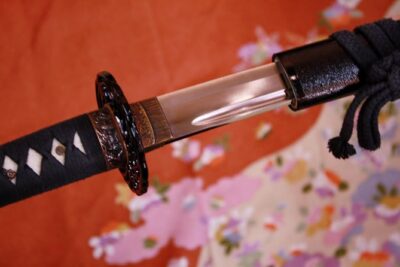
Samurai Performance and Casual Experience: Kyoto Ticket
Read our review →