
Reviewed · ARASHIYAMA BAMBOO GROVE TOURS
KYOTO: Golden Pagoda, Bamboo Forest, Arashiyama (Italian)
Kyoto’s famous sights make more sense when you see them together. This half-day outing links the Sagano Bamboo Forest with Kinkaku-ji, the Golden Pagoda, while an Italian-speaking Kyoto guide explains how these northern suburbs served emperors’ relatives, nobles, and writers. The route also gives you a look at ordinary transport in Kyoto, not just temple grounds.
I like two things right away: all transport and entrance fees are included, and the guide can answer questions in Italian rather than delivering a memorized speech. Guide Omae received particular praise for his cultured, polished Italian and warm humor. The main drawback is time. Five hours covers both major stops, but the bamboo area and Kinkaku-ji each receive about an hour, so this is a brisk introduction rather than a slow day in Arashiyama.
Key points to know before booking
- Two of Kyoto’s best-known sights in one half-day: Visit the Sagano Bamboo Forest and Kinkaku-ji without arranging separate tickets and routes.
- An Italian-speaking native Kyoto guide: You can ask about history, culture, samurai life, aristocratic retreats, and present-day Japan in Italian.
- A practical public-transport route: The outing uses trains, a bus, and the subway, beginning and ending at Kyoto Station.
- Kinkaku-ji is a focused stop: You get about one hour for the temple visit and guided explanation.
- The tour can end early for you: Although the scheduled route returns to Kyoto Station, you are free to leave halfway.
- Good value for a five-hour outing: The $117 price includes transportation and entrance fees, as well as the guide.
Two classic Kyoto sights, linked by local transport
This tour is built around a simple idea: pair Kyoto’s most recognizable northern sights with a guide who can give them context. You begin at Kyoto Station, ride toward the Sagano area, walk through the bamboo forest, continue by train and bus to Kinkaku-ji, then return to the station by bus and subway.
That route matters. Kyoto’s sights are spread across the city, and a first visit can turn into a day of map checking, ticket buying, and waiting for the right platform. Here, the public-transport connections are part of the experience. You see how the historic districts fit into the working city rather than moving between attractions in a private bubble.
The guide’s role is especially useful if you want more than pretty photographs. The subject matter ranges from the former holiday and retirement places of imperial relatives to the lives of aristocrats, writers, and samurai. You can also ask about modern Japanese life, making the tour less like a monument checklist and more like a guided conversation about Kyoto.
The pace is the tradeoff. The full outing lasts five hours, with roughly 20 minutes on the first train, one hour at the bamboo forest, another 20-minute train ride, a 15-minute bus journey, one hour at Kinkaku-ji, and the return connections. That is efficient, but it leaves limited room for wandering.
More mornings in Arashiyama and the bamboo grove:
- Kyoto: Fushimi Inari, Kinkakuji, Bamboo Grove 1 Day Bus Tour
★ 4.8 · 4,316 reviews - Osaka/Kyoto:Kinkakuji,Arashiyama,FushimiInariShrine,NaraPark
★ 4.1 · 1,596 reviews - Kyoto/Osaka: Nara, Fushimi Inari Taisha, Arashiyama Bus Tour
★ 4.7 · 1,275 reviews
Meeting your guide at Kyoto Station
The starting point is the north entrance of Kyoto Station, also called the Karasuma-guchi side. The exact meeting area is outside the central north entrance, on the open space between the four escalators in front of the taxi terminal. It is not the bus terminal.
A useful visual clue is Kyoto Tower. From the meeting space, you should see the tower in front of the station, toward the upper left rather than the upper right. The meeting details are also confirmed by email by the day before the tour, so check that message before setting out.
Kyoto Station is large, and this detail is not minor. Give yourself time to reach the north entrance and orient yourself before the start. If you arrive at the wrong side of the station, the walk across the complex can eat into your margin.
The route returns to Kyoto Station at the end. You are also free to leave halfway, which can be handy if you want to continue independently in Arashiyama or Kinkaku-ji’s area. The tour does not require you to remain with the group for the entire scheduled route.
Walking through the Sagano Bamboo Forest
The first major stop is the Sagano Bamboo Forest, reached by a train ride of about 20 minutes from Kyoto Station. You spend about an hour in the area with the guide, combining a walk, sightseeing, and some time for shopping.
The bamboo is the visual star. Tall green stalks rise on both sides of the path, creating one of Kyoto’s most recognizable scenes. A guide helps turn that walk into more than a photo stop by placing the surrounding Sagano area within Kyoto’s wider story of retreats, literature, aristocratic life, and rural calm.
The provided plan calls this a hike, but you should think of it as a guided walk rather than a long mountain trek. The stated visit lasts about an hour, so the focus is on seeing the bamboo area and learning from the guide, not covering every corner of Arashiyama.
The shopping element is also built into this stop. No particular shops or products are specified, so do not book the tour expecting a dedicated shopping session. Instead, consider it a chance to browse briefly if the group’s pace allows.
Arashiyama can tempt you to stay all day. Its appeal comes from the contrast between wooded paths, old cultural sites, and the sense of escape from central Kyoto. This tour gives you an introduction, not a full exploration. If you already know you want a long, unhurried visit to the wider Arashiyama area, you may prefer to leave the tour here and continue on your own.
The one-hour limit is both useful and restrictive. It keeps the day moving toward Kinkaku-ji, but you will need to accept that this is not the format for lingering at every viewpoint. I would choose this outing when I want a clear first look at the bamboo forest with historical explanation, especially if I am short on time or prefer not to manage Kyoto’s connections alone.
Seeing Kinkaku-ji, Kyoto’s Golden Pagoda
After another train ride of about 20 minutes, you continue by bus for roughly 15 minutes to Kinkaku-ji. The temple visit lasts about an hour and includes a guided tour.
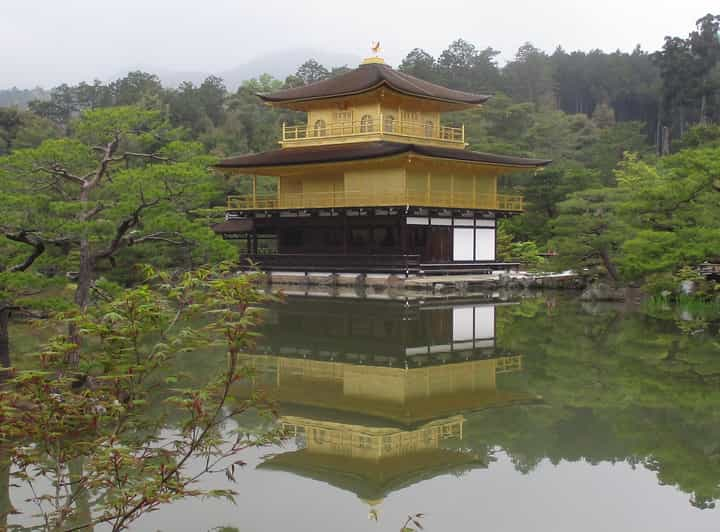
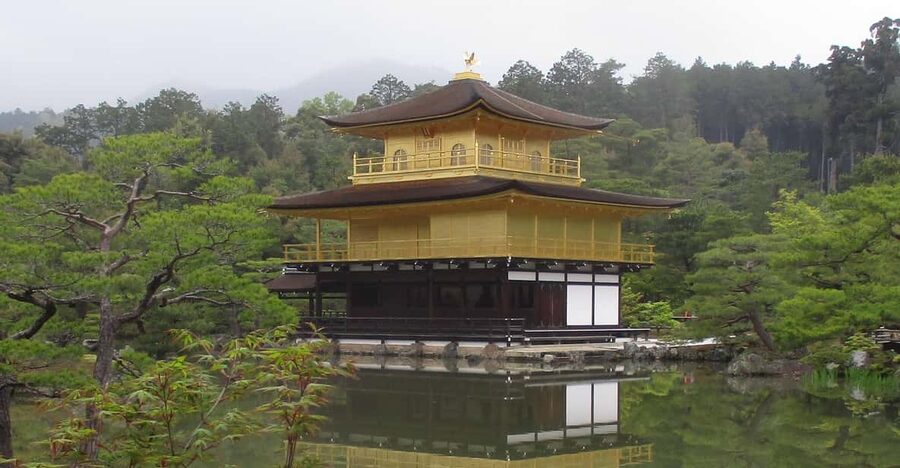
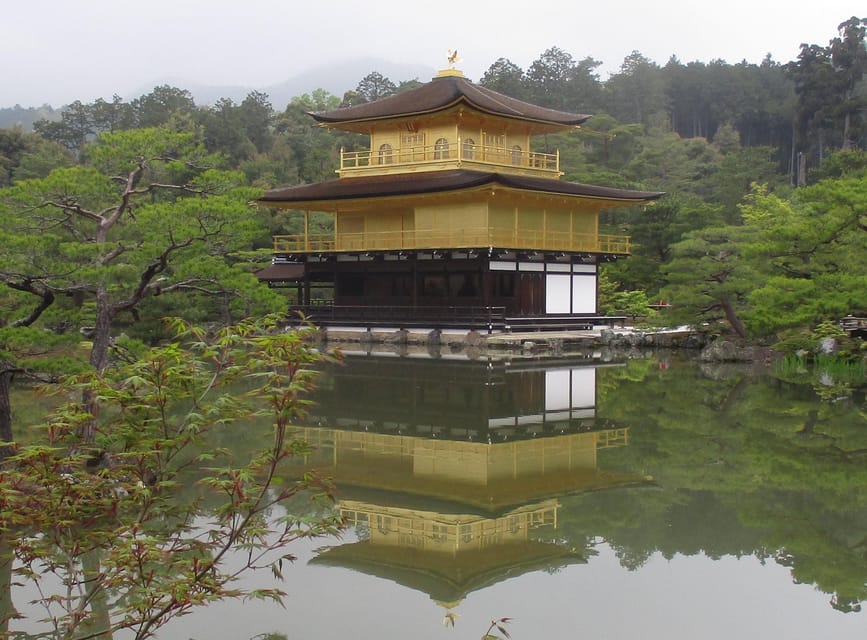
Kinkaku-ji is best known for its gold-covered pavilion beside a pond. The building is striking, but the setting and the story around it give the visit more weight. The tour describes this part of northwestern Kyoto as an area connected with the leisure and retirement lives of imperial relatives, nobles, and literary figures.
That context helps explain why the site feels different from a simple religious monument. Kyoto’s northern edge became a place where powerful people sought gardens, quiet, and distance from court life. The guide also connects these places with the old samurai class, giving you a broader sense of how status and daily life worked in historic Japan.
An hour is enough to see the main site and receive an explanation, but it is not enough for a leisurely study of every detail. You may have time for photographs and a steady walk through the designated visit, yet the schedule remains firm because the group still needs to return to Kyoto Station.
Kinkaku-ji is a strong second stop because it changes the mood of the day. The bamboo forest offers a walk through nature, while the Golden Pagoda presents a carefully shaped cultural and architectural setting. Together, they show two different sides of Kyoto’s appeal.
If you are choosing between a tour that focuses only on temples and one that includes both nature and culture, this pairing has a clear advantage. You get variety without spending a full day on buses and separate admissions.
A few more Kyoto tours worth putting on the shortlist
- PERFECT KYOTO 1-Day Bus Tour
★ 5.0 · 13,518 reviews - Kyoto: Tea Ceremony in a Traditional Tea House in Kiyomizu
★ 4.9 · 3,519 reviews - Kyoto Geisha Walking Tour: Gion District & Hidden Gems
★ 4.7 · 3,273 reviews - Kyoto: Tea Ceremony Ju-An at Jotokuji Temple
★ 4.9 · 3,207 reviews
What the Italian-speaking guide adds
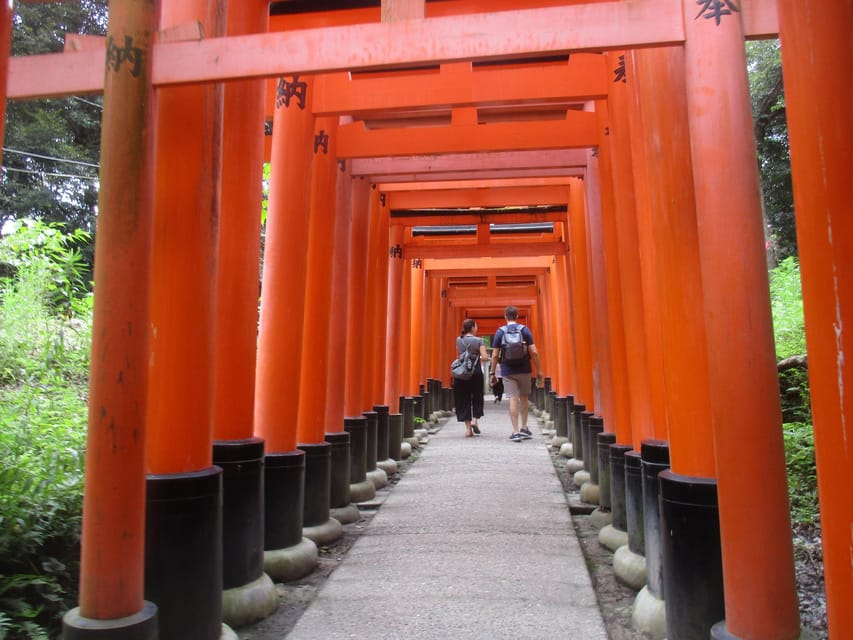
The guide is a native Kyoto resident who conducts the tour in Italian. That is important for anyone who wants to ask questions rather than simply listen to a basic translation of facts.
The subject range is broad. You can ask about Kyoto’s past as Japan’s imperial capital, the lives of aristocrats and writers, samurai society, Japanese customs, and modern daily life. The guide is also there to explain what you are seeing in the preserved surroundings, not just identify buildings.
Guide Omae is specifically associated with this experience, and the strongest praise centers on his culture, humor, cordial manner, and polished Italian. One description calls him one of the top guides in Kyoto and highlights the unusual facts he shares. Another emphasizes that the explanation feels prepared without becoming ordinary or predictable.
That gives you a useful clue about the tour’s character. It is likely to suit you if you enjoy history told through stories and small details. It may be less suitable if you want a silent walk, lots of unscheduled photography time, or a guide who speaks only briefly at each stop.
You should also ask questions as they occur. The experience promises a native Kyoto guide who answers questions about history, culture, and life in Japan. A question-and-answer format can make the difference between a pretty morning and a morning that helps you understand why these places mattered.
Trains, buses, and the return to Kyoto Station
Transportation is included throughout the scheduled route. You use a train from Kyoto Station to the Sagano area, another train after the bamboo forest, a bus to Kinkaku-ji, a bus after the temple, and finally the subway back to Kyoto Station.
The approximate travel times are short: 20 minutes, 20 minutes, 15 minutes, 15 minutes, and 15 minutes. These connections make the five-hour schedule possible, but they also explain why the tour has a fairly fixed rhythm. You are not simply walking from one nearby attraction to another.
For you, the biggest benefit is less route planning. Kyoto’s public transport system is useful but can be confusing when several train, bus, and subway legs are combined with busy sightseeing areas. Having the guide lead the way lets you focus on the places themselves.
The possible downside is that public transport is still public transport. The supplied details do not promise reserved seats, private vehicles, or a small group size. You should expect a shared route with regular city connections rather than a private luxury transfer.
The tour ends at Kyoto Station, which is a practical place to continue your day. You can connect to another part of Kyoto, return to your accommodation, or use the station as a landmark for meals and onward travel. If you leave halfway, the scheduled return to the station no longer applies to you, so make sure you understand where you want to continue from.
Is $117 a fair price?
The cost is $117 per person. That is not a budget walk, but the value depends on how much help you want with Kyoto’s transport and interpretation.
Your price includes the Italian-speaking guide, all listed transportation, and entrance fees for the monuments visited during the route. You are paying for a five-hour service that joins two major sights and removes several small planning tasks. If you would otherwise buy train, bus, subway, and temple tickets separately while also arranging directions, the package is easier to evaluate.
The strongest value is for an Italian-speaking visitor who wants cultural explanation. A self-guided visit can cover the same physical sights for less money, but it will not provide the same access to a native Kyoto guide who can answer questions about old and modern Japanese life in Italian.
I would be more cautious about the price if your main goal is simply to photograph the bamboo and Golden Pagoda. The tour gives you about one hour at each main stop, so you are paying partly for structure and interpretation, not extra time at the attractions.
The experience is offered as a group or individual tour, and it is wheelchair accessible. The supplied details do not specify group size, so ask if that matters to you before booking. Group size can affect how easily you hear the guide and how much room there is for individual questions.
Who will get the most from this half-day tour?
I would recommend this outing to you if:
- You want to see the bamboo forest and Kinkaku-ji in one organized morning or afternoon.
- You speak Italian and want a guide who can explain more than basic dates and names.
- You are visiting Kyoto for the first time and do not want to arrange several public-transport connections.
- You like historical context, stories about former residents, and questions about everyday Japanese life.
- You have only half a day available for the northwestern part of the city.
- You want the option to leave halfway and continue independently.
I would think twice if you want a slow, unplanned day in Arashiyama. The schedule is compact, and each main stop has a stated one-hour visit. The tour is also not described as a food tour, a long hike, or a full-day exploration of every Arashiyama attraction.
The high rating of 4.9 from five reviews points to a consistently strong early response, with the guide’s preparation, cordial style, humor, and cultural range receiving the clearest emphasis. The sample scores are not all perfect, though one four-star assessment still gives strong praise to Omae while calling the tour itself good. That suggests the guide may be the main reason to choose this particular outing.
Booking details that matter
You can cancel up to 24 hours before the tour for a full refund. You can also reserve now and pay later, which gives you more flexibility while finalizing your Kyoto schedule.
Starting times vary, so you need to check availability for your chosen date. The live guide language is Italian, and the scheduled meeting point is Kyoto Station’s north entrance, Karasuma-guchi.
The tour is wheelchair accessible. Since the route includes trains, buses, the subway, and walking at two major sites, confirm any personal access needs when booking, even though the activity is listed as accessible.
Should you book the Golden Pagoda and Bamboo Forest tour?
Book it if you want two major Kyoto sights, public transport, entrance fees, and an Italian-speaking guide handled in one five-hour plan. The experience is especially appealing if you value conversation and context, since guide Omae is praised for his humor, polished Italian, cultural range, and memorable small facts.
Skip it if you want to spend most of a day in Arashiyama, take photographs at a leisurely pace, or keep costs as low as possible. For everyone else, this is a practical introduction to Kyoto’s northwestern sights, with enough history to make the views mean more and enough structure to keep a short visit on track.
FAQ
Where does the tour start?
It starts at Kyoto Station, at the north entrance, also called Karasuma-guchi.
Where exactly is the meeting point?
Meet outside the central north entrance, in the space between the four escalators in front of the taxi terminal. This is not the bus terminal. Kyoto Tower should appear in front of you toward the upper left from this location.
Where does the tour finish?
The scheduled route finishes at Kyoto Station.
Can I leave the tour halfway?
Yes. You are free to leave halfway through the experience.
How long does the tour last?
The entire scheduled tour lasts five hours.
Which language is the tour offered in?
The live tour guide speaks Italian.
Are transportation and entrance fees included?
Yes. The listed transportation and entrance fees for the monuments visited during the route are included.
Is the tour wheelchair accessible?
Yes, the activity is listed as wheelchair accessible.
Can I cancel for a full refund?
Yes. You can cancel up to 24 hours in advance for a full refund.
Newest Kyoto experiences on the site
- Treasures of Kyoto: Gion & historical Walking Tour★ 5.0 · 6 reviews
- Whisk Your Own Matcha: A Zen Matcha Experience at Temple★ 3.6 · 7 reviews
- Kyoto tea town for matcha lovers★ 5.0 · 16 reviews
- Uji: Private immersion into Kyoto’s tea and reglious culture★ 5.0 · 17 reviews
- Kyoto Matcha Green Tea Tour★ 4.5 · 23 reviews
- Uji and Wazuka Matcha Farm Half Day Private Guided Tour★ 5.0 · 21 reviews
- Utilising upcycled Matcha! Creating matcha incense (Uji, Kyoto)★ 5.0 · 6 reviews
- Sacred Temple Yoga Experience in Japan★ 5.0 · 3 reviews
Arashiyama Bamboo Grove Tours, compared.
Fushimi Inari, Kinkakuji, Bamboo Grove 1 Day Bus Tour
Read our review →
Kinkakuji,Arashiyama,FushimiInariShrine,NaraPark
Read our review →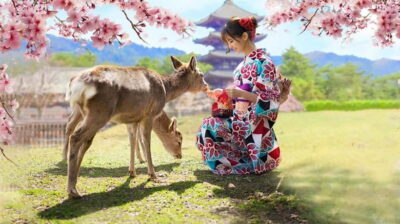
Nara, Fushimi Inari Taisha, Arashiyama Bus Tour
Read our review →
Kyoto Arashiyama Walking Tour: Bamboo, Monkeys, Gardens & Secrets
Read our review →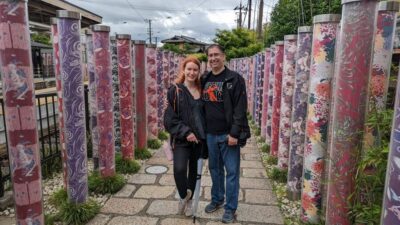
Arashiyama Bamboo, Temple, Monkeys, or Secret Sake Brewery
Read our review →
Arashiyama Bamboo Forest, Monkeys, Matcha & Temple Tour
Read our review →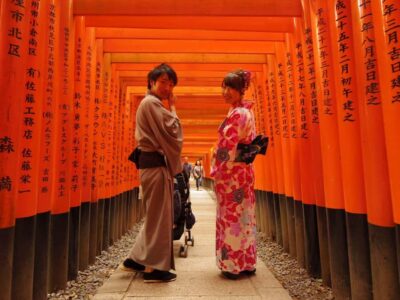
Arashiyama, Nara & Fushimi Inari Shrine w/Lunch
Read our review →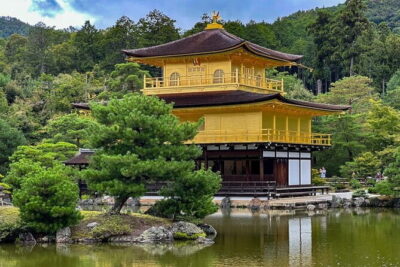
Nijo, Kinkaku-ji, Arashiyama, Kiyomizu & Fushimi Inari
Read our review →Browse the lists this tour appears in