
Reviewed · KYOTO SAKE TASTINGS
Kyoto: Newly Opened Sake Tasting – Sanjo Chasuian
Kyoto’s new Sanjo Chasuian gives you a clear, friendly way into Japanese sake. In 80 minutes, you taste eight sakes, learn how to read labels, and see how the drink changes in different cups. The setting may be table seating or a Japanese-style room, and the instructor welcomes you in a traditional kimono.
I especially like the seven sake and snack pairings, since food is treated as part of the lesson rather than a few nibbles on the side. I also like the small group size, capped at six, and the fact that Yuko has been praised for explaining sake culture and tasting methods clearly. The main consideration is simple: this is a focused tasting, not a full meal or a brewery visit.
Key points at a glance
- Eight sakes in total: You receive a welcome drink plus seven tasting pours.
- Seven food pairings: Each snack is matched to a sake to show how flavors work together.
- English instruction: A certified sake instructor explains history, brewing, styles, labels, and tasting.
- Different drinking vessels: Cups are part of the lesson, since shape and material can affect aroma and flavor.
- Small, central venue: Sanjo Chasuian is about a five-minute walk from Subway Karasuma Oike Station.
- Adults only: You must be at least 20, and you cannot drink if you are driving a car or bicycle.
Starting at Sanjo Chasuian near Karasuma Oike
The location is one of the easiest parts of this experience. Sanjo Chasuian is about a five-minute walk from Subway Karasuma Oike Station, putting it within simple reach of central Kyoto sightseeing. You do not need a long transfer to reach the tasting, which matters when you are fitting it between temples, shopping, or dinner.
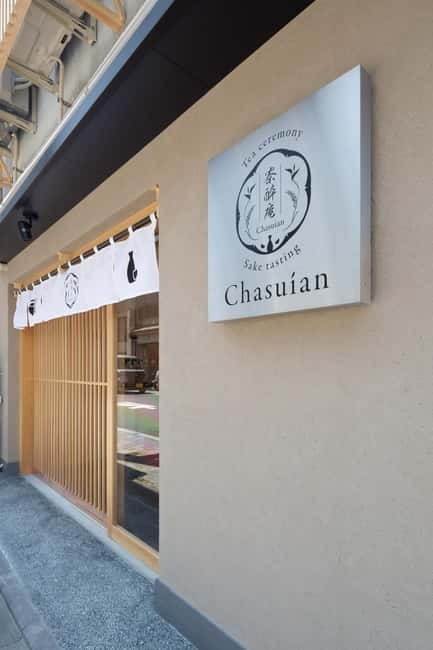
Look for the large plate displaying the Sanjo Chasuian logo and name. Open the door, and staff will be waiting to welcome you. That direct arrival matters in Kyoto, where a small entrance can sometimes be easy to miss.
The facility is newly opened and offers both sake tasting and tea ceremony experiences. The sake session itself takes place either at table seats or in a Japanese-style room. Your exact seating arrangement is not specified in advance, so think of the room as a cultural setting rather than a formal restaurant dining room.
The shared plan means you sit with other people, with no more than six participants in the session. That size should give you room to ask questions without turning the event into a private lesson. It also means the pace and conversation can depend partly on the group.
More sake tastings in Kyoto:
- Kyoto Night Foodie Tour in Gion (9+ dishes + 6 Sake tastings)
★ 5.0 · 1,762 reviews - 3-Hour Kyoto Insider Sake Brewery Tour with Tastings & Pairings
★ 5.0 · 917 reviews - Arashiyama Bamboo, Temple, Monkeys, or Secret Sake Brewery
★ 4.8 · 886 reviews
Meeting an English-speaking sake instructor
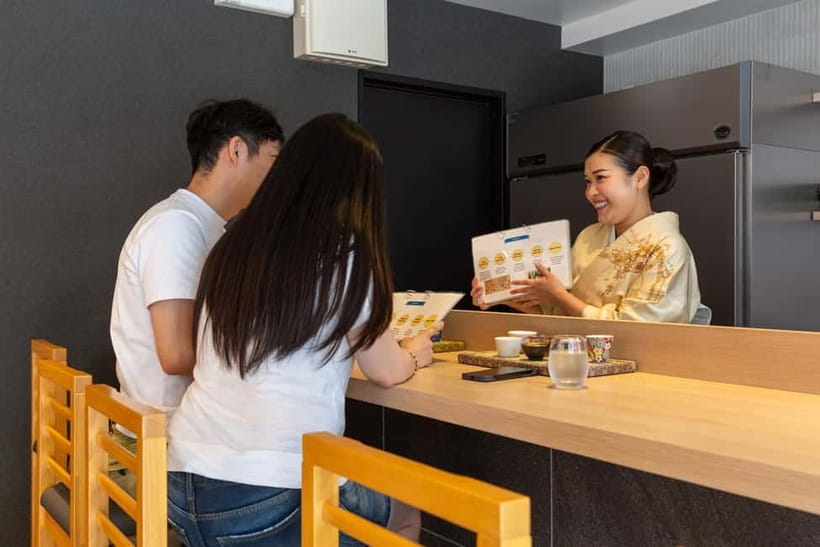
Your instructor welcomes you in a traditional kimono, which gives the opening a clear Japanese cultural touch without making the session feel stiff. Guidance is offered in English, and the experience is designed for international visitors who may know very little about sake.
A certified instructor leads the teaching. The listed certification is International Sommelier of Sake, a useful sign that the session is meant to explain more than just which drink tastes sweet or dry. Yuko is associated with the instruction, and her explanations of sake culture, tasting, and selection have been singled out as a strong part of the experience.
You should expect practical teaching rather than a lecture packed with technical terms. The session covers sake’s long place in Japanese culture, basic brewing methods, different types, and the information printed on labels. That last point is especially useful. A bottle label can feel opaque when you do not know what to look for, and learning the basics helps you make better choices later in Kyoto or at home.
The instructor also helps you notice your own preferences. You may find that you prefer a lighter style, a fuller aroma, or a particular balance of sweetness and acidity. The point is not to declare one sake best. It is to help you identify what suits you.
Tasting eight sakes, from welcome drink to final pour
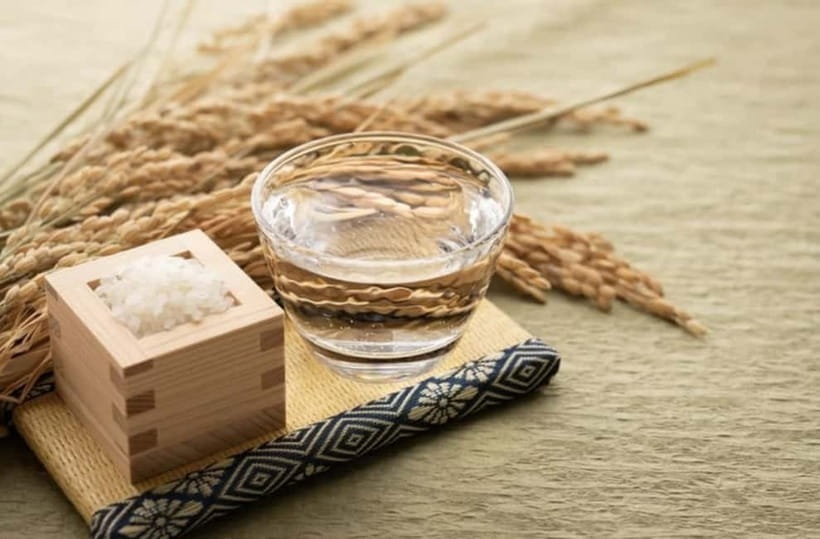
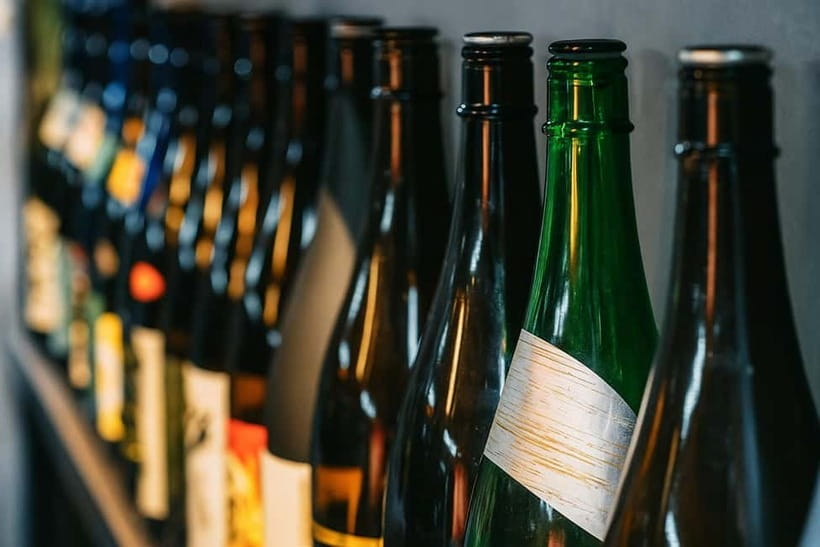
The tasting includes a welcome drink and seven types of Japanese sake, for eight sakes altogether. The supplied details do not name the individual brands or regions, so you should not expect a fixed bottle list that can be checked ahead of time.
That is not necessarily a weakness. Sake varies with region and season, and a changing selection can give the instructor room to present useful contrasts. Your session should be understood as a guided tasting of several styles, not a promise to sample one famous label after another.
The lesson is built around finding your favorite. You will learn how to taste and compare rather than simply drink each pour and move on. The value comes from the connection between explanation and sampling. A description of brewing is easier to remember once you can test how different sake smells and tastes in the glass.
The tasting also helps you shop with more confidence. After the session, you may have a better idea of what to ask for, which label details matter, and how to describe your own taste. That is a more useful souvenir than a vague memory of a few pleasant drinks.
The 80-minute length is well judged for this kind of activity. It gives enough time for teaching, seven pairings, and vessel comparisons, but it is still short enough to fit into a busy Kyoto day. Pace yourself. Eight pours can add up, even when each tasting serving is modest.
Why the seven snack pairings matter
The snacks are not presented as decoration. Each of the seven sake types is paired with a complementary snack, making food part of the instruction.
This is one of the best reasons to choose the experience over a simple bar tasting. You learn that sake is not only something to assess on its own. Food can change how you notice sweetness, aroma, sharpness, and finish. A pairing can make a sake seem softer, bring out a different note, or show why a particular style works well with a dish.
The precise snacks are not listed, so you should contact the venue ahead of time if you have dietary restrictions. The provider asks you to send those details by email or WhatsApp and says it will do its best to accommodate requests. That is helpful, but it is not a guarantee that every restriction can be met.
I would treat the food as a tasting accompaniment rather than lunch. The experience includes snack pairing, not a full meal. If you are hungry, eat before or after the session, especially if you plan to continue sightseeing.
The pairings also give you a practical lesson for future meals. Once you have seen how the instructor matches sake and food, you can use the same basic thinking at an izakaya or restaurant. Pay attention to the drink’s weight and flavor, then consider whether the food balances or emphasizes those qualities.
Same city, a completely different kind of day:
- PERFECT KYOTO 1-Day Bus Tour
★ 5.0 · 13,518 reviews - Kyoto: Fushimi Inari, Kinkakuji, Bamboo Grove 1 Day Bus Tour
★ 4.8 · 4,316 reviews - Kyoto: Tea Ceremony in a Traditional Tea House in Kiyomizu
★ 4.9 · 3,519 reviews - Kyoto Geisha Walking Tour: Gion District & Hidden Gems
★ 4.7 · 3,273 reviews
Sake vessels are part of the lesson
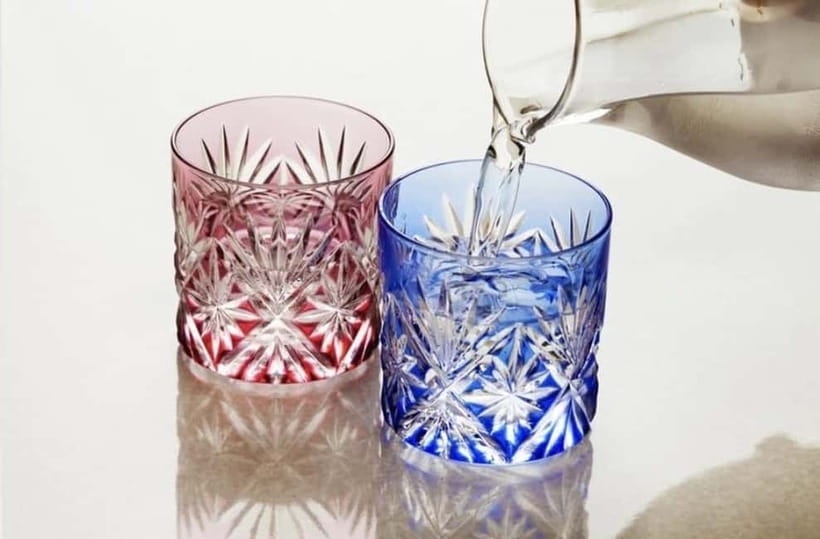
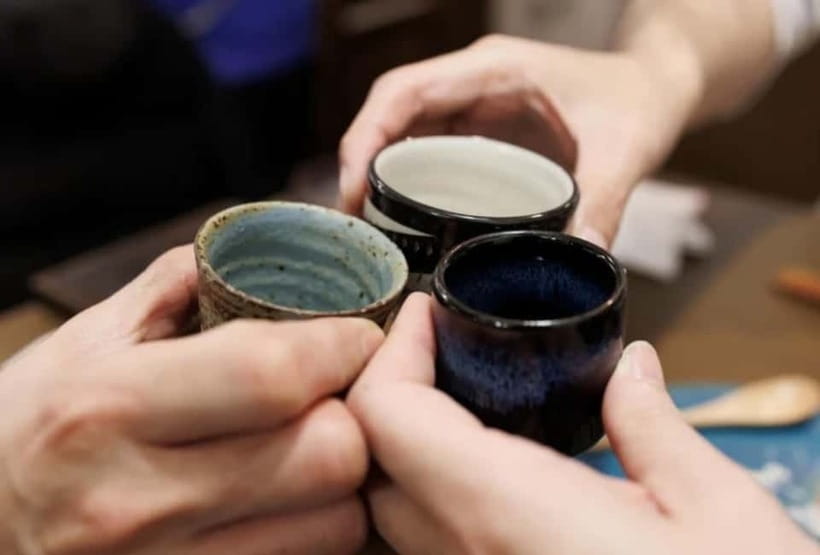
Sanjo Chasuian uses a variety of sake vessels, and this is more than a display of attractive cups. The vessel can affect how you experience aroma and flavor. The shape may direct aromas toward your nose, while the material and appearance can change the feel of the drink.
You will be able to compare the visual beauty of different cups while tasting the sake. This adds a hands-on element to the session. Instead of treating the vessel as a neutral container, you get to notice how presentation forms part of Japanese drinking culture.
The details do not promise a technical demonstration of every cup type, so keep your expectations measured. The useful point is comparison. You are encouraged to notice that the same drink can feel different depending on how it is served.
You can also purchase favorite sake and sake vessels at the shop. That makes the retail element worthwhile if you find a style or cup you genuinely like. Still, you should not feel pressured to buy. The main benefit is learning what you prefer before making a purchase.
What the 80-minute shared session feels like
The session is a shared plan with other participants, limited to six people. That is small enough for personal questions, but it is not a private booking. If you want an entirely private experience, check the available plan carefully before reserving.
The likely rhythm is straightforward: welcome, introduction to sake, explanation of types and brewing, guided pours, food pairings, vessel comparisons, and advice on choosing sake. The exact order may vary, but the information is designed to connect rather than arrive as isolated facts.
English is used for all guidance and explanations. This is important for beginners who want to ask why one sake tastes different from another or what a label means. You do not need prior sake knowledge, and the session is specifically suited to first-time tasters.
The kimono, Japanese-style room option, vessels, and discussion of sake’s place in Japanese culture provide atmosphere. At the same time, the teaching stays practical. You are not being asked to sit through a formal ceremony or follow complicated etiquette.
Because the session includes alcohol, plan the rest of your day sensibly. Drinking is strictly prohibited for anyone driving a car or bicycle. The same rule applies even if you feel able to ride. Arrange your sightseeing and transport without cycling or driving afterward.
Is $50 a fair price?
At $50 per person, the experience is not the cheapest way to taste sake in Kyoto. A bar may offer one or two pours for less. But that comparison misses the main benefit here: you receive eight sakes, seven snack pairings, English instruction, label guidance, vessel comparisons, and a small-group setting in one 80-minute session.
The strongest value is educational. If you already know sake well, you may prefer a specialist tasting with more technical detail or a brewery visit. If you are still trying to understand the difference between styles, this session gives you a useful foundation without requiring a full day outside central Kyoto.
The group limit also supports the price. Six participants is more manageable than a large class, especially when you want to ask questions. You are paying for access to an instructor as well as for the drinks and snacks.
A grand opening discount is offered until September 15. Since the date may depend on the booking period, check the current price when you reserve rather than assuming the discount remains available.
Free cancellation is available up to 24 hours in advance for a full refund, and you can reserve now and pay later. Those policies are useful when your Kyoto schedule is still changing. They do not alter the core value, but they reduce the risk of fitting the session into a crowded trip.
Who should book this sake tasting?
I would recommend Sanjo Chasuian to you if you are new to sake and want a calm introduction in English. It is also a good fit if you enjoy food pairing, want help reading Japanese labels, or prefer an instructor-led experience to ordering random bottles at a bar.
The session suits solo visitors, couples, and small groups who do not mind sharing the room. The six-person limit keeps it intimate without requiring the cost of a private booking.
It is less suitable if you want a full meal, a brewery tour, or a long evening of drinking. The facility is not described as a production site, and the experience focuses on tasting and teaching. You also need to be at least 20 and must avoid driving or cycling afterward.
Dietary restrictions deserve advance attention. Send the details by email or WhatsApp before you arrive. The provider will try to accommodate you, but the snacks and possible substitutions are not specified.
Practical verdict: a smart first taste of sake in Kyoto
Book this experience if you want to understand what you are drinking, not merely collect a few small pours. The combination of eight sakes, seven food pairings, different vessels, and English instruction gives you a solid introduction in a central location.
I especially value the focus on personal preference. You leave with a better sense of what you like and how to choose a bottle, which can improve the rest of your time in Japan.
Skip it if your priority is a brewery visit, a full dinner, or a private session. For most first-time sake drinkers, though, Sanjo Chasuian offers a useful 80-minute lesson with enough flavor, culture, and practical advice to earn its place in a Kyoto itinerary.
FAQ
How long does the sake tasting last?
The experience lasts 80 minutes.
How many sakes are included?
You receive a welcome drink plus seven types of Japanese sake, for eight sakes in total.
Is the activity offered in English?
Yes. All guidance and explanations are offered in English by an English-speaking instructor.
How many people are in the shared session?
The small-group session is limited to six participants. The shared plan includes other guests.
How old must I be to participate?
Participants must be at least 20 years old.
Can I cancel for a refund?
Yes. You can cancel up to 24 hours in advance for a full refund. You can also reserve now and pay later.
More Bars and Sake Stops in Kyoto
- Kyoto: Izakaya Bars Guided Walking Tour
★ 4.9 · 815 reviews - Kyoto: Insider Sake Brewery Tour with Sake and Food Pairing
★ 5.0 · 704 reviews - Kyoto Sake Brewery & Tasting Walking Tour
★ 5.0 · 623 reviews - Kyoto Bar Hopping Night Tour
★ 5.0 · 613 reviews
Newest Kyoto experiences on the site
- Treasures of Kyoto: Gion & historical Walking Tour★ 5.0 · 6 reviews
- Whisk Your Own Matcha: A Zen Matcha Experience at Temple★ 3.6 · 7 reviews
- Kyoto tea town for matcha lovers★ 5.0 · 16 reviews
- Uji: Private immersion into Kyoto’s tea and reglious culture★ 5.0 · 17 reviews
- Kyoto Matcha Green Tea Tour★ 4.5 · 23 reviews
- Uji and Wazuka Matcha Farm Half Day Private Guided Tour★ 5.0 · 21 reviews
- Utilising upcycled Matcha! Creating matcha incense (Uji, Kyoto)★ 5.0 · 6 reviews
- Sacred Temple Yoga Experience in Japan★ 5.0 · 3 reviews
Kyoto Sake Tastings, compared.
Kyoto Night Foodie Tour in Gion (9+ dishes + 6 Sake tastings)
Read our review →
3-Hour Kyoto Insider Sake Brewery Tour with Tastings & Pairings
Read our review →
Arashiyama Bamboo, Temple, Monkeys, or Secret Sake Brewery
Read our review →
Insider Sake Brewery Tour with Sake and Food Pairing
Read our review →
1.5-Hour Kyoto Insider Sake Experience with 7 Tastings & Pairings
Read our review →
Insider Sake Experience with 7 Tastings and Snacks
Read our review →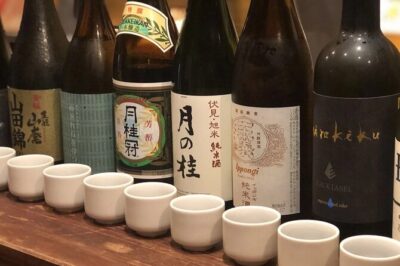
Private Tea Ceremony and Sake Tasting in Kyoto Samurai House
Read our review →Browse the lists this tour appears in