
Reviewed · GION DISTRICT TOURS
Kyoto: Kimono Tea Ceremony at Orizuruya Gion
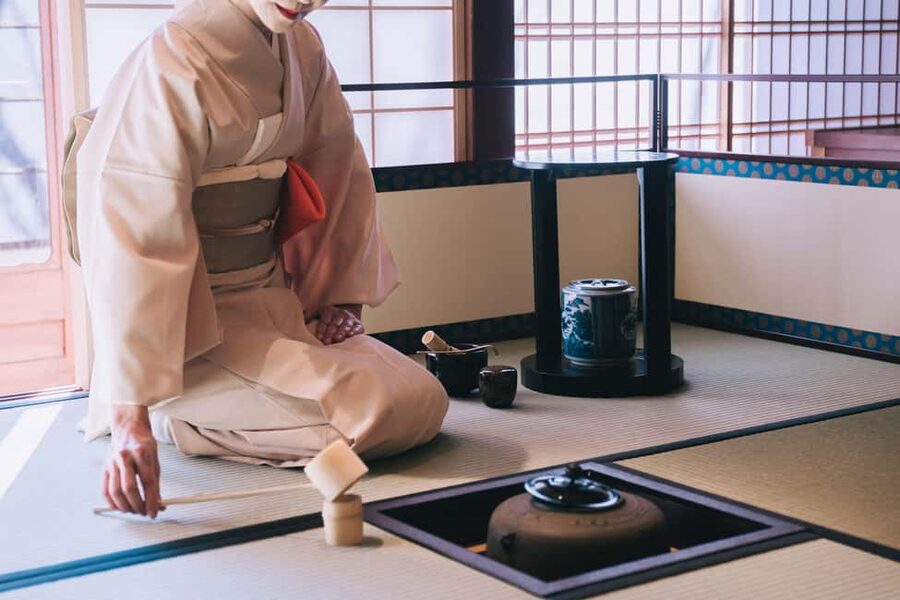
The best part of this Kyoto experience happens before the tea is even poured: you choose a kimono from more than 200 designs, get dressed by staff who know their craft, and settle into the role without worrying about tying anything incorrectly. Then an English-speaking instructor leads you through matcha preparation, sweets, and the quiet manners of a tea ceremony.
I like the small maximum of 10 participants, which gives the instructor room to explain the details and answer questions. I also like the practical value: for some bookings, you can keep the kimono on until 5 p.m., turning a 90-minute activity into a chance to walk around Gion in traditional dress.
The main consideration is comfort. A kimono is formal clothing, not loose sightseeing gear, and the ceremony asks you to sit and move with care. If you add calligraphy, plan on two hours rather than 90 minutes, and leave room in your day for changing and possible photos.
Key points to know before booking
- Choose from over 200 kimono designs: Staff help you select a look and dress you properly, rather than handing you a costume and sending you on your way.
- Learn to whisk your own matcha: You watch the tea ritual, then prepare your own bowl with a bamboo whisk.
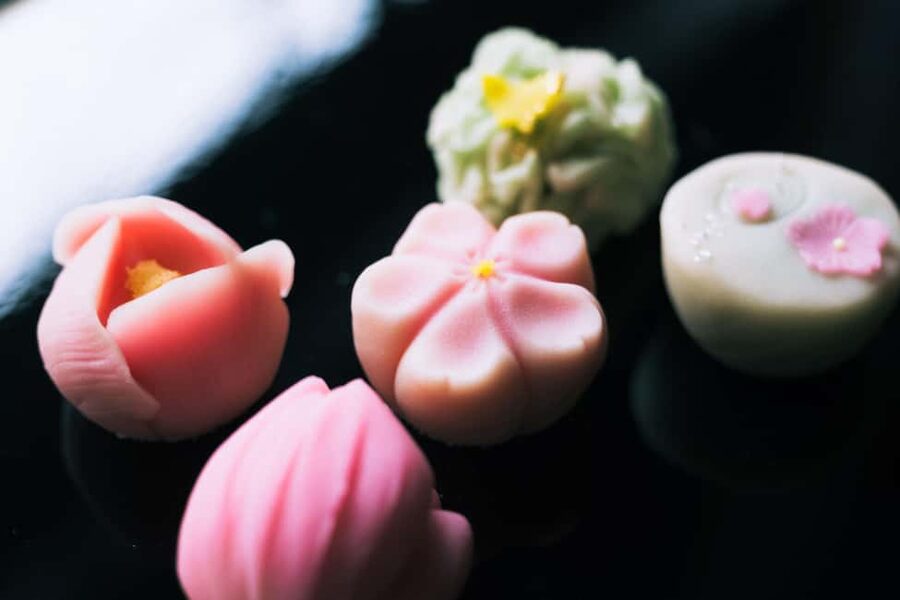
- Taste wagashi from a century-old confectionery: The traditional sweet provides the right partner for the slightly bitter tea.
- Add Japanese calligraphy: The longer option includes a calm, hands-on lesson and a calligraphy set.
- Walk from major Kyoto stations: Orizuruya Gion is about 10 minutes from Hankyu Kyoto-Kawaramachi Station and seven minutes from Keihan Gion-Shijo Station.
- Expect a friendly English-led class: The group is capped at 10, and the staff help with photos, questions, and the small points of the ceremony.
Why the kimono makes the tea ceremony feel different
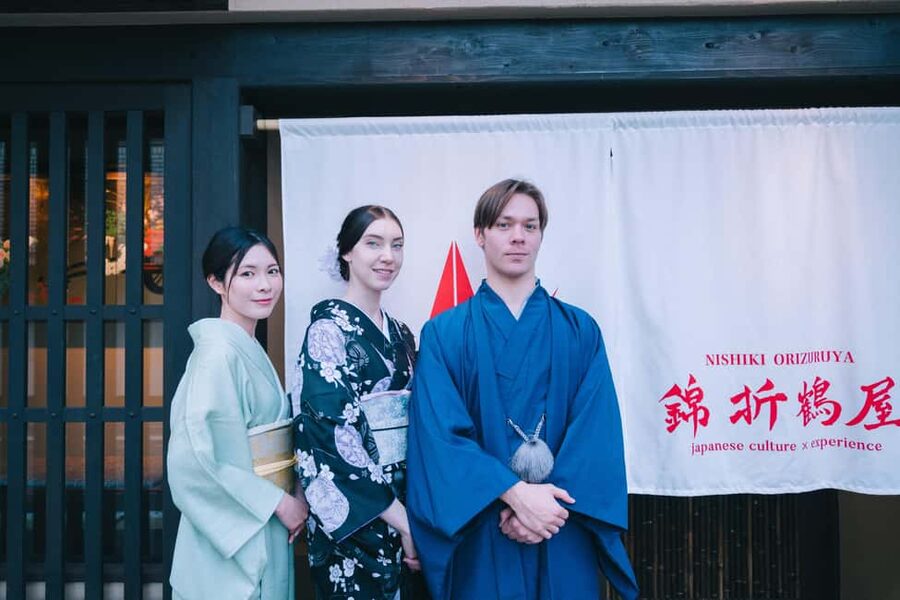
A tea ceremony can feel abstract if you simply watch one from the side. Dressing in a kimono gives you a physical connection to the setting. You notice how you sit, how you turn, how you handle a bowl, and how much care goes into small movements.
The process begins with your choice of clothing. With more than 200 designs, you have plenty of room to find colors and patterns that suit you. Staff then help you put on the kimono and finish the outfit. Women receive a simple hairstyle at no extra charge.
This is not a rushed photo-op. The dressing stage is part of the experience, and it has earned unusually strong praise for being efficient, gentle, and professional. Some participants arrive unsure about wearing traditional clothing and leave feeling comfortable in it.
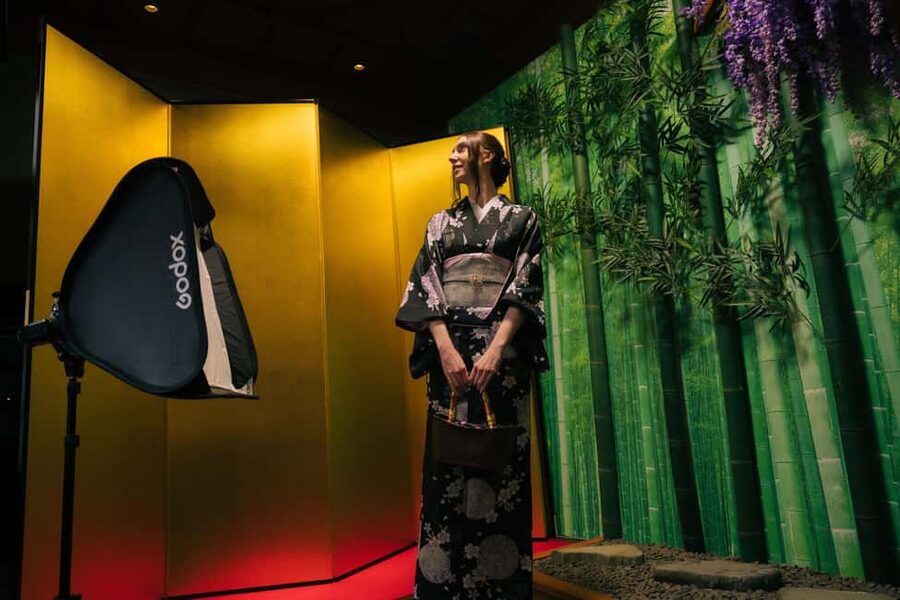
The staff also take photos, which matters because the outfit is one of the main reasons to book. You do not need to know how to pose or how to arrange the sleeves. Ask for photos during the visit, and you can also take your own pictures afterward if your booking allows you to keep the kimono.
One practical warning: the clothing is beautiful, but it can feel restrictive. Wear something comfortable underneath, and avoid packing your schedule with a long walk immediately afterward unless you are happy to move at a slower pace.
More ways to walk Gion:
- Kyoto Geisha Walking Tour: Gion District & Hidden Gems
★ 4.7 · 3,273 reviews - Kyoto: Gion Magical Night Walking Tour with Geisha Trivia
★ 4.9 · 2,393 reviews - Kyoto: Gion Geisha District Walking Tour – Stories of Geisha
★ 4.7 · 2,187 reviews
Inside the tea room: matcha, manners, and meaning
Once dressed, you enter a quiet tea room for the ceremony. The instructor explains what is happening instead of expecting you to copy unfamiliar gestures by guesswork. That takes away the fear of making a cultural mistake, which is one of the strongest reasons to choose a guided ceremony.
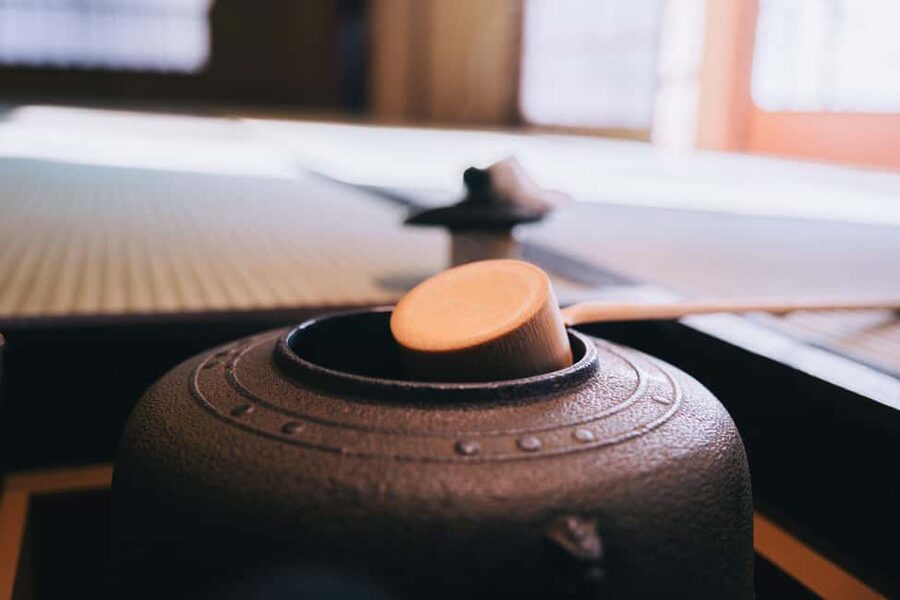
You learn about the order of the ritual, the role of the utensils, and the way matcha is prepared. The bamboo whisk, called a chasen, is not just a decorative prop. You use it to make your own bowl of tea.
The ceremony is calm rather than flashy. You watch the instructor first, then prepare matcha yourself. The physical task is simple enough for a beginner, but it gives the session a useful focus. You leave with a new skill instead of only a set of photos.
The explanations also cover matcha itself, including how different types can vary. That extra context helps you understand why the tea tastes and feels the way it does. Matcha has a grassy, slightly bitter character, and the ceremony gives you time to appreciate it rather than treating it as a sweet café drink.
You pair the tea with wagashi, a traditional Japanese sweet. The confectionery used here has been making sweets for a century, adding a little local food culture to the lesson. The sweet balances the tea and gives the tasting a clear place in the ceremony.
The instructor leads the class in English. Participants have described the teaching as easy to follow, thoughtful, and patient. The small-group format helps here. With no more than 10 people, you can ask questions without trying to interrupt a large tour.
What the 90-minute schedule includes
The standard kimono tea ceremony lasts about one hour and 30 minutes, though the full visit may stretch toward two hours depending on dressing, photos, and the pace of the group.
You first choose your kimono and get dressed. Women receive simple hairstyling, while the staff handle the practical details of the outfit. After that, you move into the tea room for the demonstration and your own matcha preparation.
The ceremony itself includes instruction, tea utensils, wagashi, and matcha. All fees, taxes, the kimono set, and utensil rental are included in the listed price of $49 per person.
That price is reasonable if you value both the clothing and the lesson. A basic kimono rental alone can take time to arrange, and this activity adds hairstyling, a tea ceremony, an instructor, matcha, and a traditional sweet. The value becomes stronger if you are allowed to wear the kimono beyond the ceremony.
The extra time is also useful for people who want a gentle cultural activity between major sightseeing stops. You are not racing between temples or trying to absorb a large lecture. The pace gives you space to notice the ritual.
The two-hour option: add Japanese calligraphy
The Japanese calligraphy option extends the visit to about two hours. You receive a calligraphy set and a guided lesson after the tea portion.
Calligraphy changes the mood of the experience. The tea ceremony is structured and quiet, while calligraphy gives you a task that requires concentration and patience. You practice brush control and make your own work under the teacher’s direction.
Several detailed accounts describe the calligraphy teacher as especially patient, encouraging, and fun. That makes the longer option a good choice if you want more hands-on activity. It is also a smart pick for repeat visitors to Japan who have already seen temples, gardens, and tea shops but want a cultural lesson with something to take away.
The calligraphy portion is not essential if your main goal is wearing a kimono and learning to make matcha. It does, however, add variety and makes the additional 30 minutes worthwhile. Check the booking choice carefully, since the calligraphy set is included only with the Japanese Calligraphy Experience option.
More tea ceremonies in Kyoto:
- Kyoto: Tea Ceremony in a Traditional Tea House in Kiyomizu
★ 4.9 · 3,519 reviews - Kyoto: Tea Ceremony Ju-An at Jotokuji Temple
★ 4.9 · 3,207 reviews - Kyoto: 45-Minute Tea Ceremony Lesson Experience
★ 4.3 · 2,378 reviews - Kyoto: Table-Style Tea Ceremony at a Kyo-Machiya
★ 4.9 · 1,211 reviews
Keeping the kimono on for Gion
One of the most useful extras is the chance, with applicable bookings, to keep the kimono on after the ceremony. Many participants have used the extra time to walk around Gion, visit a nearby temple, and take pictures. Some have kept the outfit until 5 p.m., especially with an early appointment.
This can change the value calculation. A morning session may function partly as a kimono rental, a tea lesson, and a photo opportunity in one booking. You might walk to a shrine or explore nearby streets, but remember that the clothing is formal and the shoes may not suit a long day on foot.
Confirm the exact return time and conditions when you arrive. The available wear time can depend on the selected booking and the day’s arrangements. If you want to use the kimono for sightseeing, choose an early start and keep your route nearby.
Gion is a good setting for this plan. The meeting point sits in the historic district, so you can combine the activity with nearby sights rather than crossing Kyoto afterward. The area is also close to the two major rail stations listed for the activity.
Getting to Orizuruya Gion

The meeting point is Gion Oritsuruya at 572-7 Minamigawa, Gion-machi, Higashiyama-ku, Kyoto-shi.
From Hankyu Kyoto-Kawaramachi Station, allow about 10 minutes on foot. From Keihan Gion-Shijo Station, the walk is about seven minutes. You pay your own fare to reach the meeting point, so build that into your planning.
Arrive with enough time to find the shop and settle in. Dressing is part of the scheduled experience, and arriving late could reduce the time available for the tea ceremony or calligraphy. The location is convenient for pairing with Gion sightseeing, but the activity does not include transportation.
The space has been described as new and spotless, which helps when you are changing clothes and handling tea utensils. It also suits a first visit to Kyoto because the English instruction removes much of the uncertainty around etiquette.
Who will enjoy this Kyoto activity most
I would recommend this experience to you if you want culture with clear guidance rather than a formal performance viewed from a distance. It works well for couples, friends, solo visitors, and families with older children who can sit quietly and follow instructions.
It is especially good for:
- First-time visitors who want an easy introduction to matcha and tea ceremony customs
- Anyone interested in wearing a kimono without arranging a separate rental
- Couples looking for a shared activity and photos
- Repeat visitors who want a slower, more hands-on cultural lesson
- People who enjoy crafts and should choose the calligraphy option
- Visitors with a free morning in Gion who want to combine the class with nearby sightseeing
The experience may be less suitable if you dislike formal clothing, have difficulty sitting or moving carefully, or want a fast activity with no instruction. The ceremony is gentle, but it is not a quick tasting at a café.
The small-group format helps solo participants, too. One booking ended up with only one participant, allowing the host to tailor the session closely. That will not happen every time, but the 10-person limit keeps the group manageable.
How the staff shape the experience
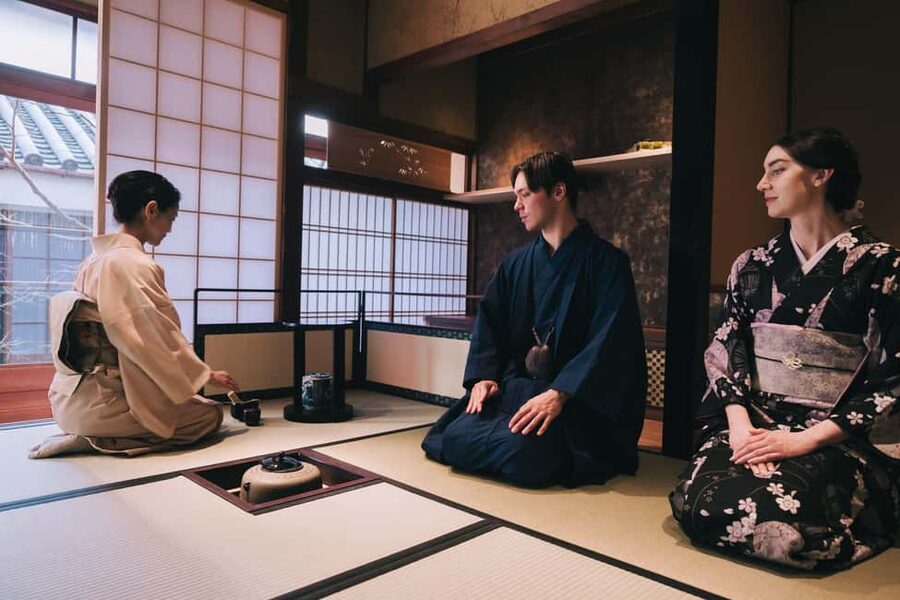
The strongest part of the activity is the human touch. The kimono dressers help you choose and adjust the outfit, the tea instructor explains the ritual, and the calligraphy teacher guides your brushwork. Staff also help with photos and practical directions after the class.
Juki is named in one particularly warm account as a staff member who helped make the tea experience special. Other detailed accounts praise the full team for helping with restaurants, bus directions, photos, and small finishing touches such as a folded paper bird.
Not everyone involved in dressing may speak much English, but the hands-on process is clear, and the tea and calligraphy instruction is provided in English. The staff’s manner matters here because visitors often worry about doing something wrong. You are shown what to do instead of being left to guess.
The experience feels polished, but it does not require you to already understand Japanese manners. That balance is important. You get structure and respect without needing prior knowledge.
Booking value and practical details
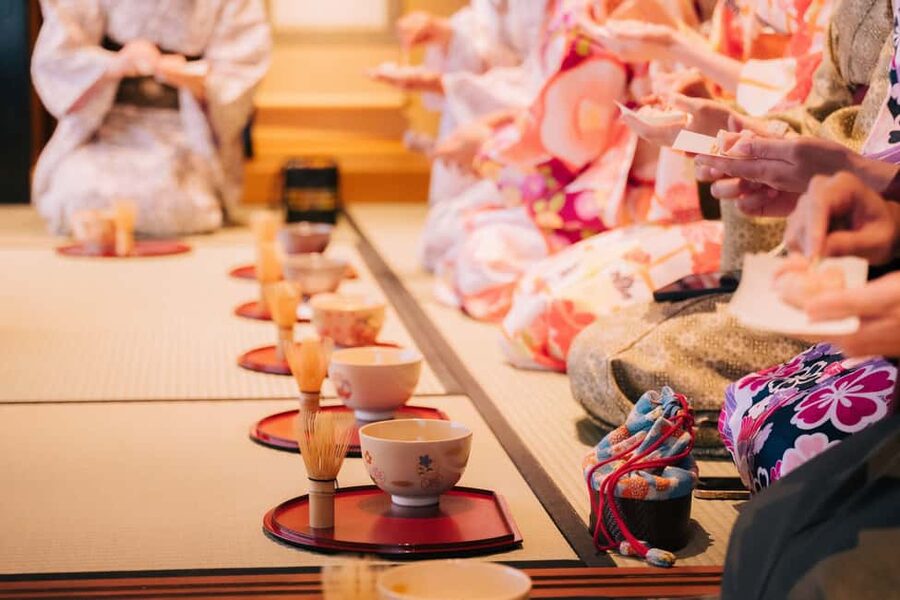
The listed price is $49 per person. For the standard session, that includes the kimono set, simple hairstyling for women, tea utensils, matcha, wagashi, the English-speaking licensed guide, and all fees and taxes.
For the calligraphy version, the price includes the additional calligraphy set and the longer lesson. Check the current price for your selected option before booking, since the basic and extended experiences are different products.
You can cancel up to 24 hours before the activity for a full refund. A reserve-now, pay-later choice is also available, which helps if your Kyoto schedule is still shifting.
Starting times vary, so check availability before arranging trains or temple visits. I would book this early in your day if you want to use the kimono for a walk afterward. If you prefer the simplest plan, schedule it between other Gion sights and return the outfit after the ceremony.
Should you book the Orizuruya Gion tea ceremony?
Yes, if you want a friendly and well-organized introduction to kimono dressing, matcha, and tea ceremony etiquette in one visit. The $49 price is fair because it combines clothing, styling, instruction, food, and a guided cultural activity. The option to keep the kimono for additional sightseeing can make it an even better deal.
Choose the standard 90-minute experience if tea is your main interest. Choose the two-hour version if you want a second hands-on skill and like the idea of practicing calligraphy.
I would skip it only if you dislike formal dress or want a completely unstructured Kyoto morning. For most visitors, this offers a calm break from temple-hopping and a chance to take part rather than simply look on.
FAQ
Where does the kimono tea ceremony take place?
It takes place at Gion Oritsuruya, 572-7 Minamigawa, Gion-machi, Higashiyama-ku, Kyoto-shi, Kyoto.
How long does the experience last?
The kimono tea ceremony lasts approximately one hour and 30 minutes. The option that includes Japanese calligraphy lasts about two hours.
How many people can join the group?
The group is limited to a maximum of 10 participants.
Is the instruction available in English?
Yes. The activity includes an English-speaking instructor, and the listed language is English.
Is hairstyling included?
Yes. Simple hairstyling is included for women.
What food and drink are included?
The experience includes matcha and wagashi, a traditional Japanese sweet.
Is Japanese calligraphy included in the standard experience?
No. A Japanese calligraphy set and lesson are included only when you select the Japanese Calligraphy Experience option.
Can I cancel for a refund?
Yes. You can cancel up to 24 hours in advance for a full refund.
More Kimono Rentals in Kyoto
- Kimono Tea Ceremony at Kyoto Maikoya, NISHIKI
★ 5.0 · 911 reviews - Kyoto: Kimono Rental with Hairstyling and Accessories
★ 4.8 · 653 reviews - KYOTO Tea Ceremony with kimono near by Imamiya Jinjya Shrine
★ 5.0 · 343 reviews - Kyoto: Kimono and Tea Ceremony Experience at Cultural Asset
★ 4.3 · 306 reviews
Newest Kyoto experiences on the site
- Treasures of Kyoto: Gion & historical Walking Tour★ 5.0 · 6 reviews
- Whisk Your Own Matcha: A Zen Matcha Experience at Temple★ 3.6 · 7 reviews
- Kyoto tea town for matcha lovers★ 5.0 · 16 reviews
- Uji: Private immersion into Kyoto’s tea and reglious culture★ 5.0 · 17 reviews
- Kyoto Matcha Green Tea Tour★ 4.5 · 23 reviews
- Uji and Wazuka Matcha Farm Half Day Private Guided Tour★ 5.0 · 21 reviews
- Utilising upcycled Matcha! Creating matcha incense (Uji, Kyoto)★ 5.0 · 6 reviews
- Sacred Temple Yoga Experience in Japan★ 5.0 · 3 reviews
Gion District Tours, compared.

Kyoto Geisha Walking Tour: Gion District & Hidden Gems
Read our review →
Gion Magical Night Walking Tour with Geisha Trivia
Read our review →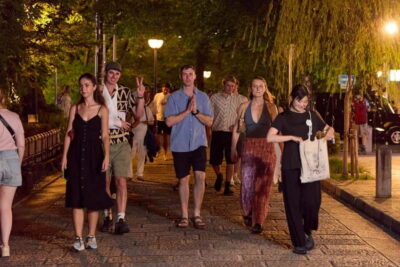
Gion Geisha District Walking Tour – Stories of Geisha
Read our review →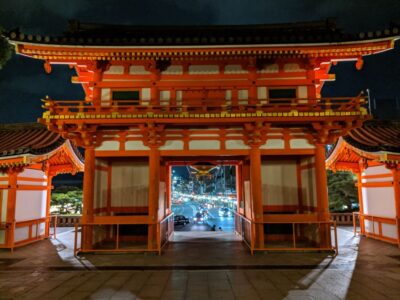
Best of Kyoto: Gion, Geisha, Pagodas & Cobblestones
Read our review →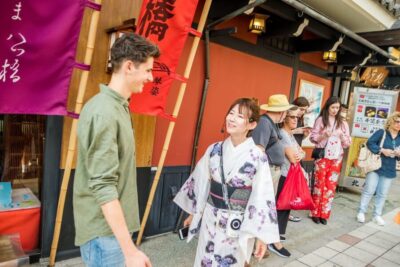
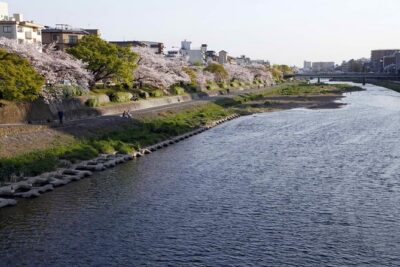
Kyoto Night Foodie Tour in Gion (9+ dishes + 6 Sake tastings)
Read our review →
Kyoto Gion Geisha District Walking Tour – The Stories of Geisha
Read our review →
Kyoto Gion: 2-Hour Geisha Culture & History Walking Tour
Read our review →Browse the lists this tour appears in