
Reviewed · KYOTO MATCHA EXPERIENCES
Kyoto: Nara & Traditional Matcha Experience Bus Tour
Nara’s Great Buddha, bowing deer, and thousands of shrine lanterns make a memorable day, but the hands-on Uji matcha session gives this tour its special twist. You get major sights in two historic areas without working out train connections or temple admission.
I like the mix of famous landmarks and quiet free time, and I like how guides such as At-chan, Nanami, Mai, and Tsubasa add small cultural lessons, from Japanese counting to local customs. The drawback is the pace: with 510 minutes on the road and several stops, you will see highlights rather than explore each place at length.
Key points to know before booking
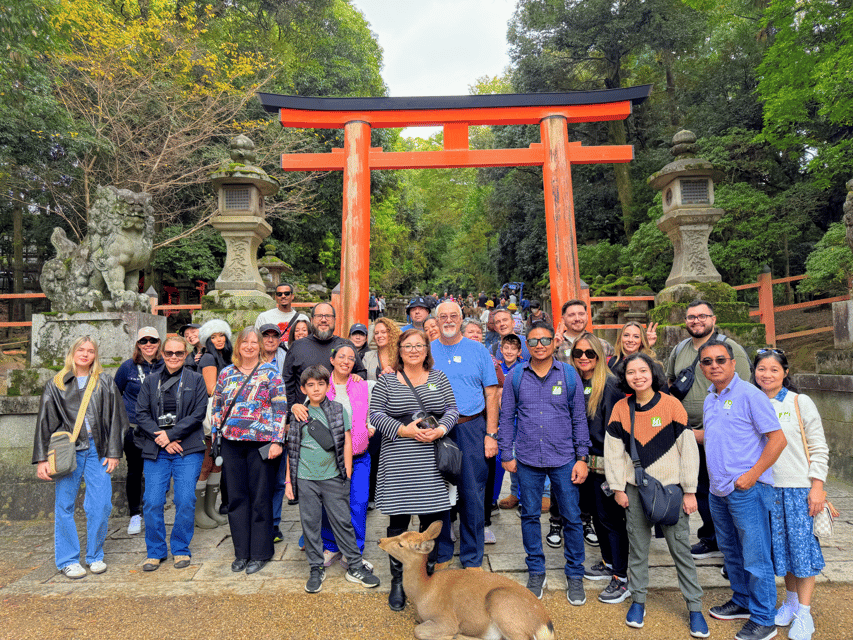
- Three major heritage sites in one day: Visit Todaiji, Kasuga Taisha, and Byodoin Temple, all important stops in the Nara and Kyoto area.
- The deer are close and confident: Nara’s wild deer may bow for crackers, but they can also nip, so keep food moving and watch your hands.
- Matcha is more than a drink: In Uji, you make powdered green tea yourself and learn why the area is linked so closely with matcha.
- A comfortable coach saves time: Air conditioning, free Wi-Fi, regular ventilation, and included admission fees make the long day easier.
- Guides add a personal touch: Several guides use simple Japanese lessons, handmade visual aids, and practical help to keep the group together.
- Expect walking and stairs: This is not suitable for wheelchair users or people with mobility impairments.
Why this Nara and Uji combination works
Kyoto can fill several days on its own, yet Nara and Uji offer a useful change of rhythm. Nara gives you huge religious buildings, shrine paths, stone lanterns, and free-roaming deer. Uji feels more focused on tea, riverside culture, and one finely preserved temple complex.
The tour connects these places by coach, leaving from Kyoto Station at 8:00 AM and returning to the Tully’s Coffee Kyoto Avanti Store later in the afternoon. The full duration is 510 minutes, or eight and a half hours. That is a long day, but it is a sensible way to cover two areas that would require more planning by public transportation.
The price is $122 per person. That includes the coach, an English-speaking guide, admission to Todaiji and Byodoin, the matcha activity, and audio headsets in French, German, Italian, Portuguese, Spanish, and Ukrainian. A Japanese lunch is included only if you choose the lunch option.
I see good value here if you want structure and explanation. Paying separately for transport, two temple admissions, and a tea activity could add up quickly, while the guide helps you understand what you are seeing. If you prefer long temple visits, independent meals, and plenty of time for photographs, the fixed schedule may feel tight.
More day trips down to Nara:
- Osaka/Kyoto:Kinkakuji,Arashiyama,FushimiInariShrine,NaraPark
★ 4.1 · 1,596 reviews - Kyoto/Osaka: Nara, Fushimi Inari Taisha, Arashiyama Bus Tour
★ 4.7 · 1,275 reviews - Osaka/Kyoto: Arashiyama, Nara & Fushimi Inari Shrine w/Lunch
★ 4.4 · 754 reviews
Starting near Kyoto Station at 8:00 AM
The meeting point is in front of Tully’s Coffee at the Kyoto Avanti Store, 31 Higashikujo Nishisannocho, in Minami Ward. Check-in is at 7:50 AM, and departure is at 8:00 AM. Look for the green and white Japan Panoramic Tours flag.
This location is near Kyoto Station, but allow time to find the correct side of the station and cross through the busy complex. One practical account of the tour described the meeting point as a little hard to locate, so do not cut it close. Latecomers and no-shows do not receive refunds or changes.
Once aboard, you get an air-conditioned coach with free Wi-Fi. The bus passes Fushimi Castle and the former Heijokyo Palace area on the way toward Nara. These are drive-by views, not sightseeing stops, but the guide may provide useful context as the city gives way to the Nara area.
The vehicle is regularly ventilated and has an antibacterial coating. That matters on a full day when you will be moving between outdoor paths, temples, shops, and the bus.
Kasuga Taisha and Nara’s lantern paths
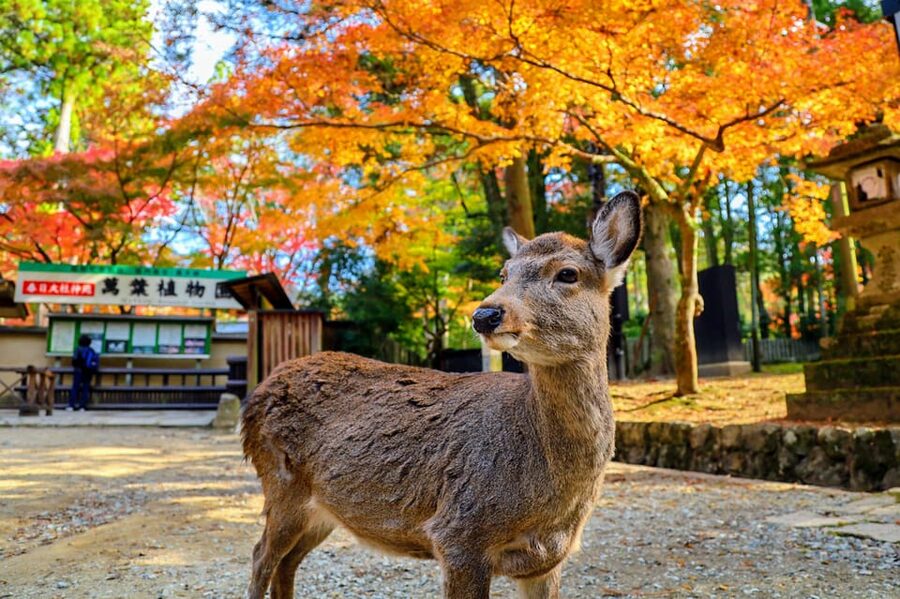
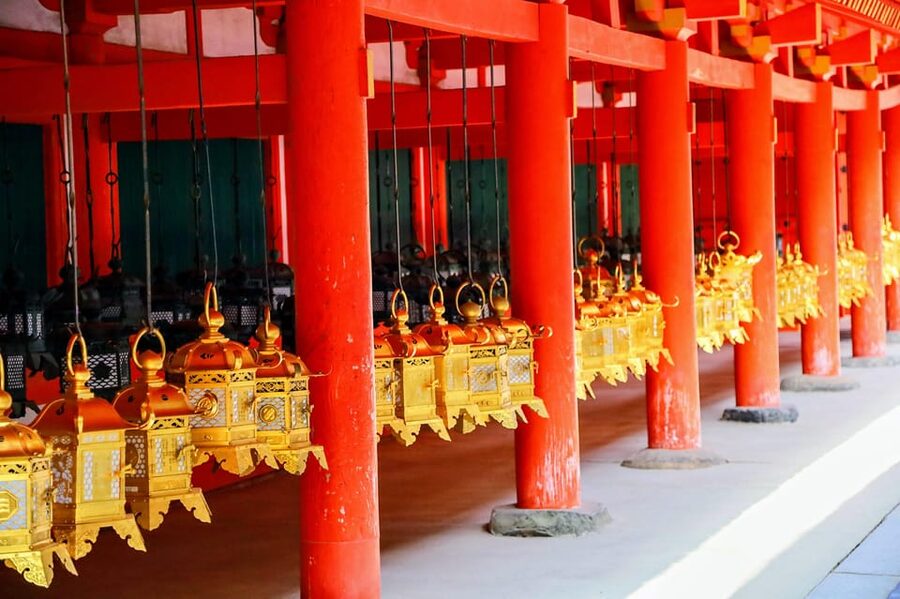
The schedule allows about 30 minutes at Kasuga Taisha Shrine. Its approach is famous for stone lanterns, with roughly 3,000 lanterns linked to the shrine grounds. The setting feels different from the monumental scale of Todaiji. Here, the visual appeal comes from the wooded paths, repeated lantern shapes, and the sense of an active Shinto site.
Thirty minutes is enough for an introduction and photographs, but not for a slow exploration of every path. Keep an eye on the meeting time, since the shrine area can tempt you to wander farther than expected.
The guide helps you read the basics of the site, including the difference between a shrine and a temple and the customs connected with a visit. Guides have also used simple Japanese lessons during the coach rides, teaching counting and useful phrases. That kind of small instruction is especially helpful if this is your first trip to Japan.
Nara Park and the deer
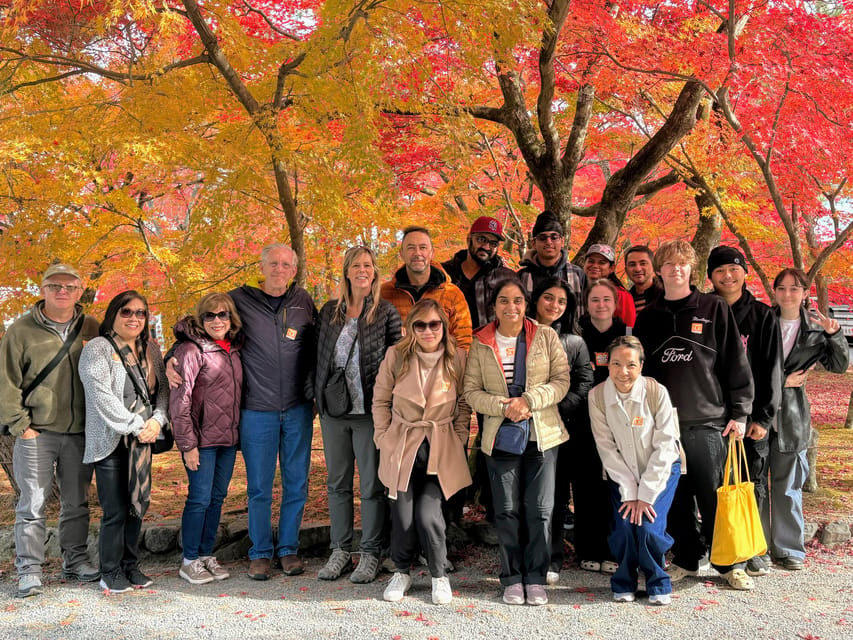
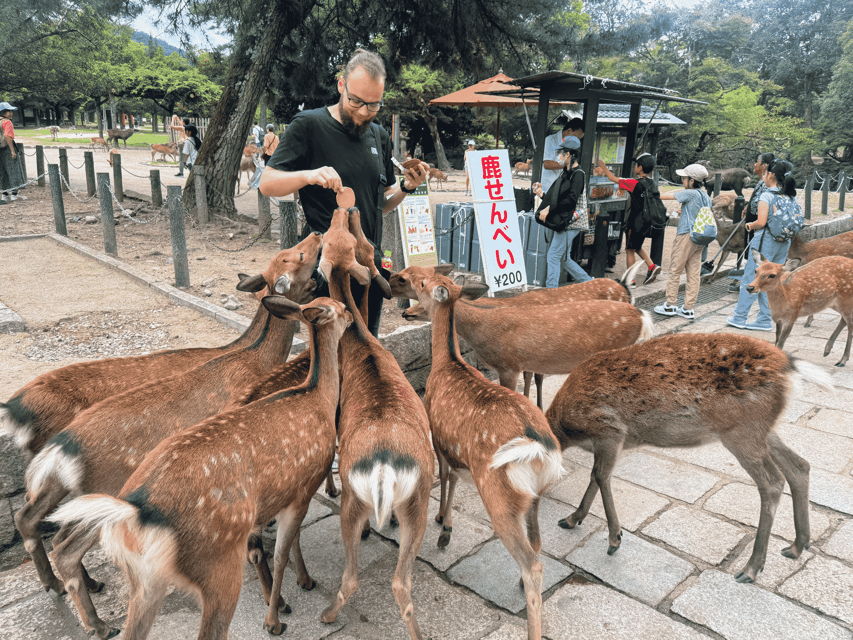
Nara Park is the tour’s most playful stop. You have about 30 minutes here, although the exact order and timing can change with traffic, weather, or other operating needs.
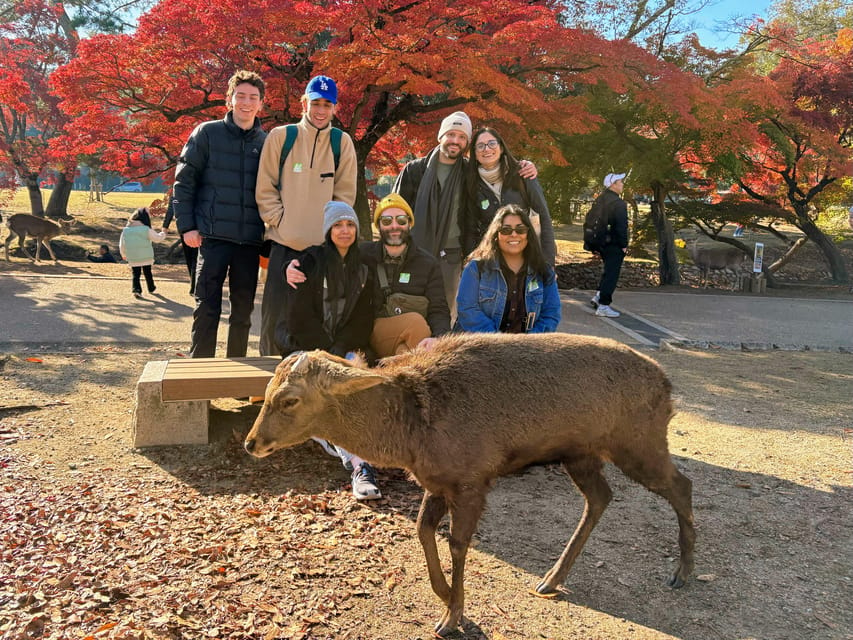
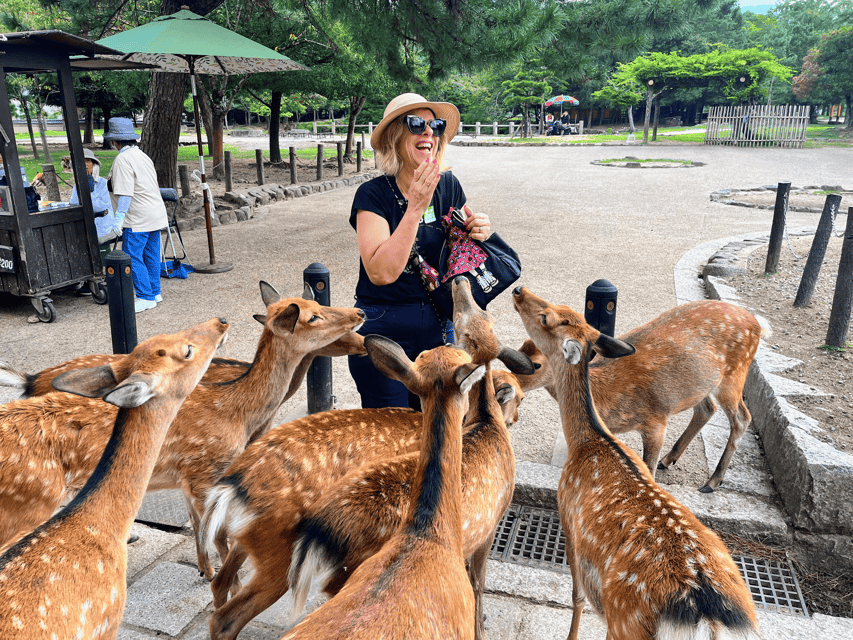
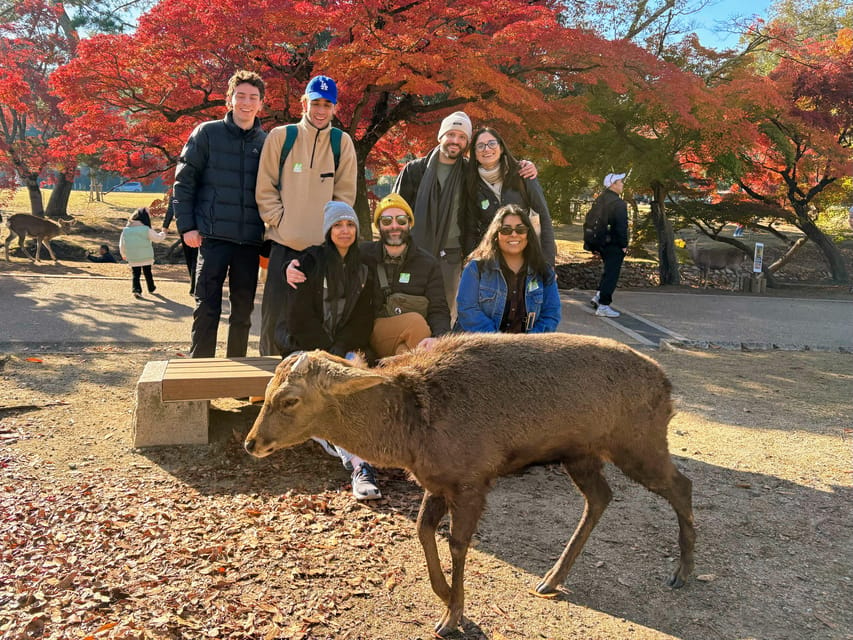
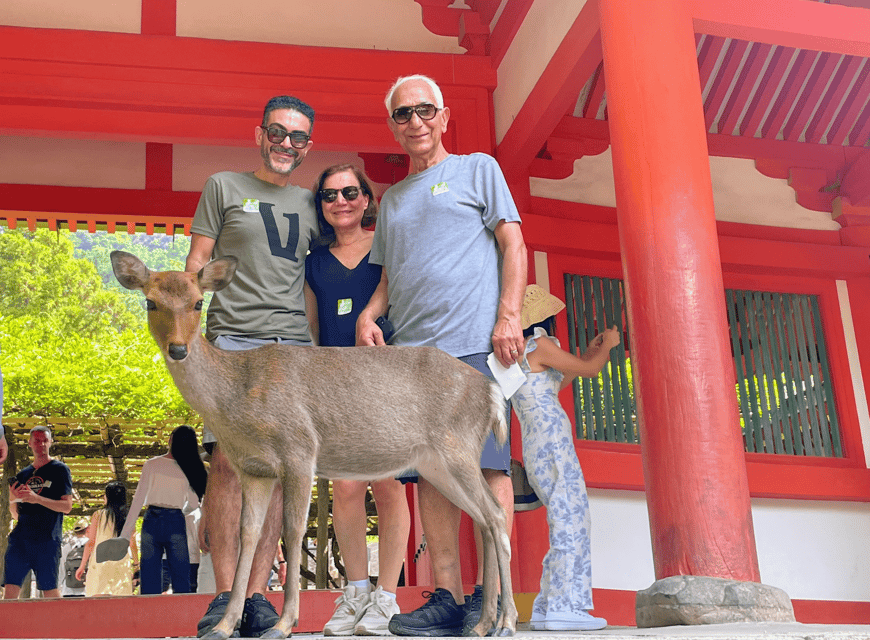
The deer are wild, not a petting-zoo attraction. You can buy rice crackers from roadside stalls and offer them to the deer. Some may bow before taking food, a familiar Nara sight, but do not mistake the gesture for perfect manners. They can be pushy and may nip, especially when they see that you have crackers.
I suggest buying food only when you are ready to feed it, then keeping your hands visible and empty afterward. Hold papers, maps, and loose items securely. Comfortable shoes help because you will walk between the park, shrine, and temple, with uneven ground, slopes, and stairs along the way.
Families often value this stop, and it works well for first-time visitors who want an easy way to meet one of Japan’s most famous animals. Still, if you are uneasy around large animals or want a quiet park walk, this may be the noisiest and most demanding part of the morning.
More matcha experiences in Kyoto:
- Kyoto: Arashiyama Bamboo Forest, Monkeys, Matcha & Temple Tour
★ 5.0 · 759 reviews - Kyoto: Tea Museum Tickets and Matcha Grinding Experience
★ 4.9 · 739 reviews - Kyoto: Tea Ceremony Meditation – Make Matcha with Tea Master
★ 4.8 · 406 reviews - Kyoto: Kimono Tea Ceremony with Matcha and Sweet
★ 4.9 · 249 reviews
Todaiji and the Great Buddha
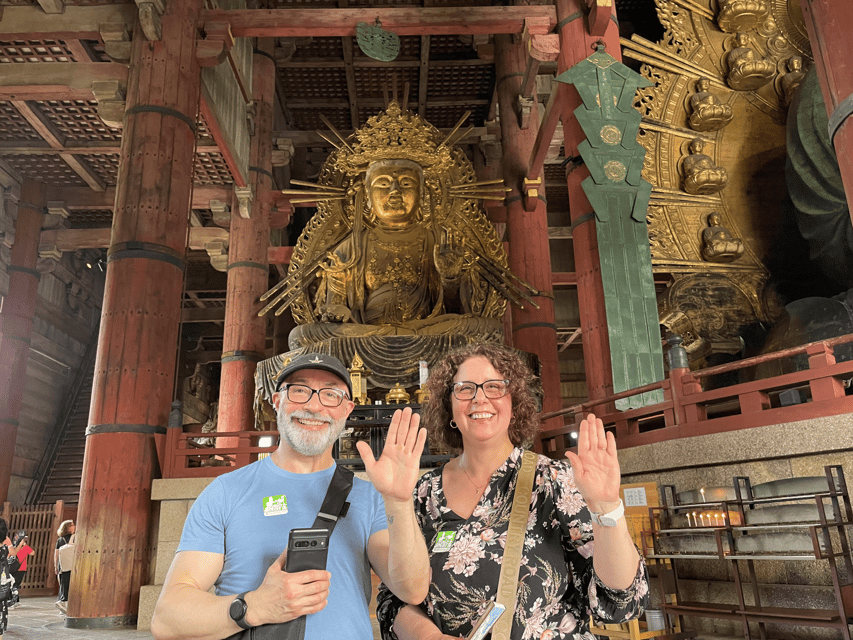
Todaiji is the main Nara sight, and the visit lasts about 50 minutes. The centerpiece is the Daibutsuden, or Great Buddha Hall, one of the world’s largest wooden buildings. Inside, the Great Buddha gives the place its scale and drama. Even with a busy group schedule, this is the stop that gives the day its strongest sense of historical weight.
Admission to Todaiji is included, so you can go in without arranging a separate ticket. The tour also includes skip-the-ticket-line access, although traffic and crowd conditions can still affect how quickly the group moves.
The time is enough to see the hall, understand its role, and take photographs, but you will not have hours to examine every detail. Listen to the guide before splitting off for pictures. The best experience comes from hearing why the building and statue matter, rather than treating the hall as a quick photo stop.
The walk from Nara Park to the temple adds to the experience, but it also explains the mobility warning. Expect stairs and hills during the day. The tour is not suitable for wheelchair users or people with mobility impairments.
Lunch and the move to Uji
After Nara, the coach heads toward Uji, with about an hour of driving listed for this part of the route. A lunch break at a local restaurant is scheduled for roughly 50 minutes. If you select the lunch option, you receive a Japanese meal. Additional food and drinks are not included.
Vegetarian arrangements can be made up to two days before the tour date. Last-minute bookings receive the regular meal, so do not wait until the morning of the tour to raise dietary concerns.
The lunch option makes the day simpler because you do not need to search for a restaurant during a fixed break. The tradeoff is choice. If you have a strong preference for a particular dish or want to eat independently, bring some cash and use the break as directed by the guide.
Byodoin Temple and the Phoenix Hall
Byodoin Temple receives about an hour. Its best-known building is Phoenix Hall, the elegant structure pictured on the Japanese 10-yen coin. Seeing the real building after handling the coin gives you a satisfying bit of context, especially if you are collecting small visual memories from Japan.
Byodoin is registered as part of the Historic Monuments of Ancient Kyoto World Heritage site. Compared with Todaiji, it is smaller and more refined. The visit gives you a different view of Japanese religious architecture, moving from Nara’s huge wooden hall to Uji’s careful proportions and calm setting.
Admission is included. The guide explains the site, then gives you time to look around and take photographs. As with the other stops, the schedule favors a clear introduction over a slow, scholarly visit.
Making matcha from scratch in Uji
The final major activity is the matcha experience, with about 70 minutes for free time and tea. Uji is closely associated with matcha, so this is not just a generic tea tasting added to fill the afternoon.
Matcha is made from finely ground green tea leaves. In Japan it is used for tea preparation as well as sweets and cooking. Here, you make it yourself, which gives you a better sense of the work behind the drink than simply receiving a prepared cup.
The activity is a strong finish because it slows the day down after the temple visits. You can also find small shops, restaurants, and other attractions nearby. Use the free time for tea purchases, souvenirs, or a short look around Uji, but return promptly when the guide sets the meeting time.
The amount of shopping time can vary with traffic and the day’s schedule. If you want a particular tea shop, ask your guide early. At-Chan has helped people locate the Tsuen tea shop during free time, which shows the practical value of having someone familiar with the area nearby.
The guides make a real difference
The operator assigns different guides, so your exact experience depends partly on who leads your date. Guides praised for their friendly, useful approach include At-chan, Rino, Nanami, Mai, Tsubasa, Yuta, Aoi, Harry, Sakura, and Den.
The common strength is not just facts about temples. Guides have taught basic Japanese words and numbers, used handmade visual aids, answered questions about modern Japan, and helped people who briefly lost track of the group. One guide even lent a neck fan to someone struggling with the heat.
That personal attention matters on a tour with several meeting points. You are not left to decode every custom alone, and the guide can keep the day moving without making it feel like a race.
Live commentary is in English. Audio guides are available in French, German, Italian, Portuguese, Spanish, and Ukrainian. This is useful if people in your group prefer different levels of explanation, though the live guide remains the main source of information.
What to bring and who should book
Wear comfortable shoes. You will walk through park paths, temple grounds, and shrine areas, and you may encounter hills and stairs. Bring water and cash for deer crackers, snacks, drinks, and purchases in Uji.
I would recommend this tour to:
- First-time visitors who want Nara and Uji without arranging several train journeys
- Families and couples who like a mixture of animals, temples, food, and hands-on activities
- Visitors who want a guide to explain customs and keep the day organized
- Anyone staying in Kyoto with one free day for a wider regional outing
I would be more cautious if you want a slow, independent day. The tour uses fixed departure times, offers limited time at each main sight, and does not suit wheelchair users or people with mobility impairments.
Free cancellation is available up to 24 hours before departure, and you can reserve now and pay later. Those terms help if your Kyoto plans are still shifting, but the strict late-arrival rule remains important.
Should you book the Nara and Uji day?
Book it if you want a well-organized first look at Nara and Uji, with the major admission fees and transportation handled for you. Todaiji and the deer are the clear morning highlights, while Byodoin and matcha making give the afternoon a different mood.
At $122, the tour earns its price through convenience, included temple tickets, the coach, and the guided tea activity. It is not the right choice for deep exploration of any one site. But if you want a full, varied day with a dependable English-speaking guide, it is a strong use of time from Kyoto.
FAQ
Where does the tour meet?
Meet in front of Tully’s Coffee at the Kyoto Avanti Store, 31 Higashikujo Nishisannocho, Minami Ward, Kyoto. Check-in is at 7:50 AM, with departure at 8:00 AM.
How long does the tour last?
The tour lasts 510 minutes, or eight and a half hours.
What languages are available?
The live tour guide speaks English. Audio headsets are available in French, German, Italian, Portuguese, Spanish, and Ukrainian.
Is lunch included?
Lunch is included only if you select the lunch option. Additional food and drinks are not included.
Can vegetarian meals be arranged?
Yes. Vegetarian meal arrangements can be made up to two days before the tour date. Last-minute bookings receive the regular meal.
Are temple admission fees included?
Admission to Todaiji and Byodoin Temple is included in the tour price.
Is the matcha activity included?
Yes. The fee for the matcha experience in Uji is included.
Is the tour suitable for wheelchair users?
No. The tour is not suitable for wheelchair users or people with mobility impairments. You should also expect stairs and hills.
What happens if I arrive late?
No refunds or changes are provided for latecomers and no-shows. Plan to arrive before the 7:50 AM check-in time.
More Bus Tours From Kyoto
- PERFECT KYOTO 1-Day Bus Tour
★ 5.0 · 13,518 reviews - Kyoto: Fushimi Inari, Kinkakuji, Bamboo Grove 1 Day Bus Tour
★ 4.8 · 4,316 reviews - Kyoto: Hop-on Hop-off Sightseeing Bus Ticket
★ 3.9 · 2,034 reviews - From Kyoto: Nara History Guided Half Day Bus Tour with Lunch
★ 4.8 · 114 reviews
Newest Kyoto experiences on the site
- Treasures of Kyoto: Gion & historical Walking Tour★ 5.0 · 6 reviews
- Whisk Your Own Matcha: A Zen Matcha Experience at Temple★ 3.6 · 7 reviews
- Kyoto tea town for matcha lovers★ 5.0 · 16 reviews
- Uji: Private immersion into Kyoto’s tea and reglious culture★ 5.0 · 17 reviews
- Kyoto Matcha Green Tea Tour★ 4.5 · 23 reviews
- Uji and Wazuka Matcha Farm Half Day Private Guided Tour★ 5.0 · 21 reviews
- Utilising upcycled Matcha! Creating matcha incense (Uji, Kyoto)★ 5.0 · 6 reviews
- Sacred Temple Yoga Experience in Japan★ 5.0 · 3 reviews
Kyoto Matcha Experiences, compared.
Arashiyama Bamboo Forest, Monkeys, Matcha & Temple Tour
Read our review →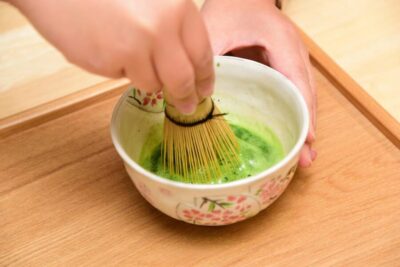
Tea Museum Tickets and Matcha Grinding Experience
Read our review →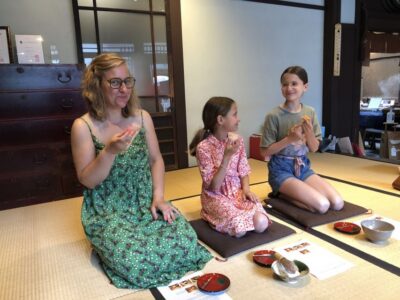
Tea Ceremony Meditation – Make Matcha with Tea Master
Read our review →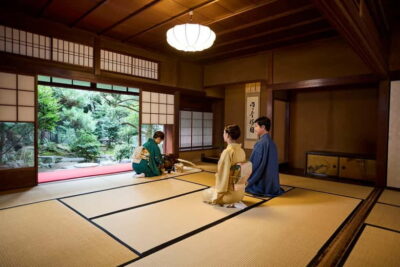
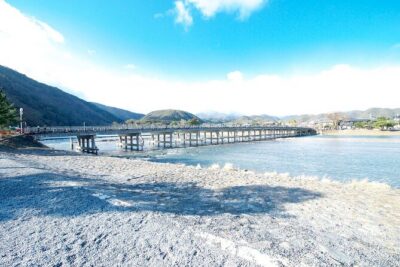
Arashiyama Bamboo, Temple, Matcha, Monkeys & secret spots
Read our review →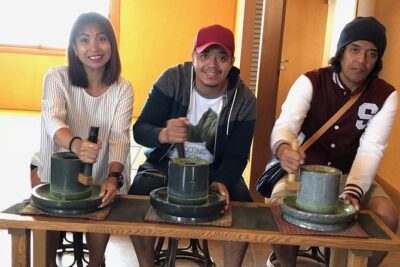
Traditional Tea Ceremony with Matcha & Sweets in Gion
Read our review →
Matcha Grinding Experience and Walking Tour in Uji Kyoto
Read our review →Browse the lists this tour appears in