
Reviewed · GION DISTRICT TOURS
Kyoto: Gion Morning/Night Walking Tour
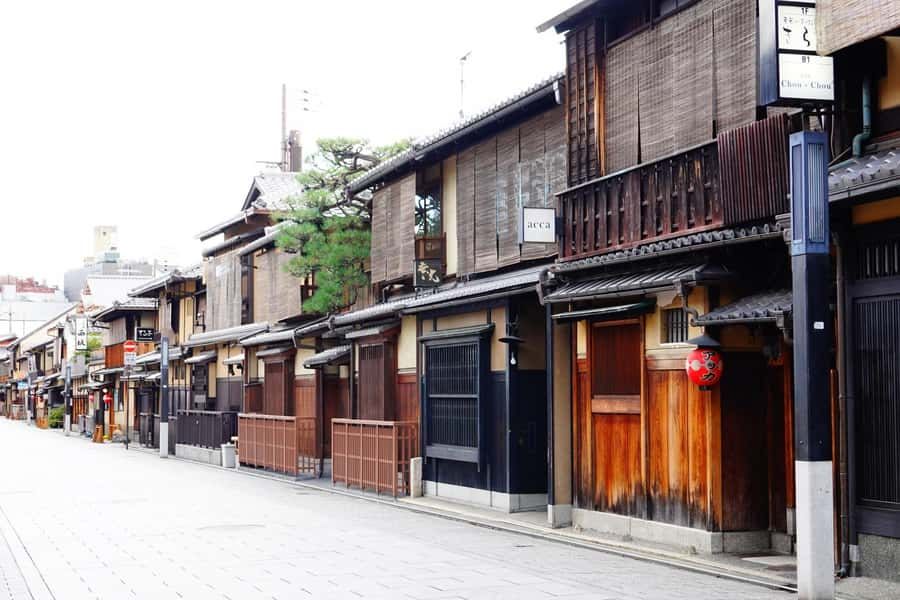
Gion is at its best when you can hear your own footsteps. This $40 walking tour takes you through Kyoto’s famous entertainment district in the morning or at night, with a local guide explaining the wooden houses, tea houses, customs, and stories behind the streets.
I like the quiet morning access, which gives you room to notice details without the usual crowds. I also like the personal touch: guide Kimu adapted one walk to a guest’s interests and pointed out lesser-known spots. The main drawback is simple: you may not see a geisha, and one guest found the English explanations hard to follow.
Key points to know before booking
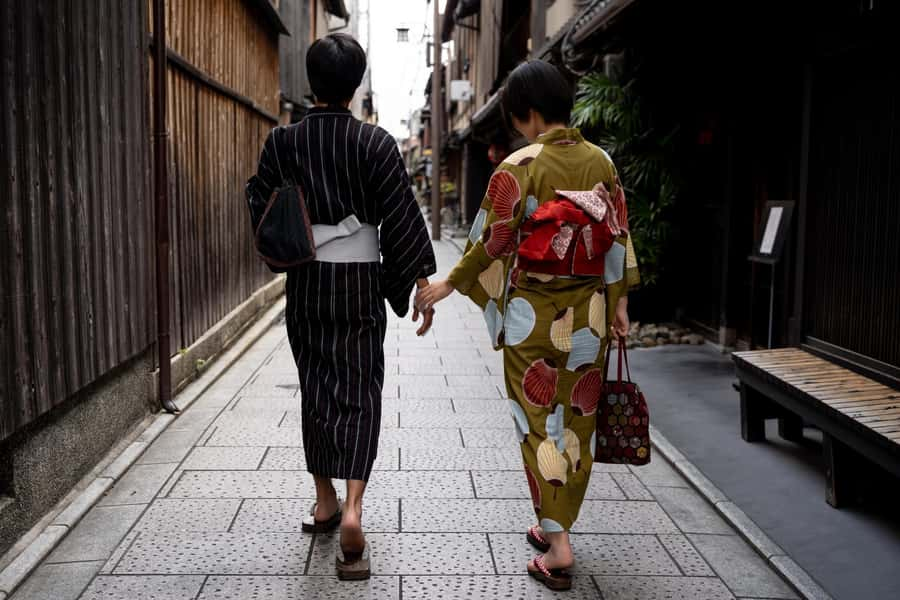
- Quiet Gion at the start of the day: Morning visits let you see the district before crowds arrive.
- Morning and nighttime options: The same streets take on a different mood after dark.
- Traditional wooden architecture: Expect narrow lanes, old houses, and tea houses rather than formal museum displays.
- A guide-led cultural walk: Your English-speaking guide explains local customs and the area’s past.
- Kimu may tailor the route: One highly praised walk followed a personal itinerary and included lesser-known stops.
- Bring realistic expectations: This is a street walk, not a guaranteed geisha encounter or attraction-hopping tour.
Why Gion works best on foot
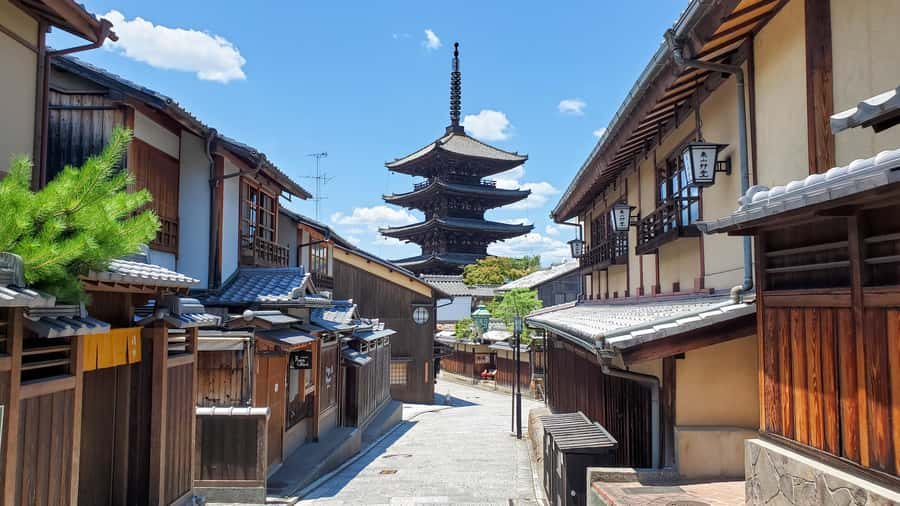
Gion is a district to notice in small pieces. You walk past traditional wooden houses, quiet side streets, and tea houses where the architecture tells much of the story. A guide helps connect those details to Kyoto’s local culture instead of leaving you to see only a photogenic row of buildings.
The route is on foot, so you get time to look up at rooflines, notice narrow entrances, and take photographs without rushing from one major sight to the next. That pace suits Gion. The area is not presented as a theme park, and the most useful moments may be brief explanations beside an ordinary-looking doorway.
You should not expect a long list of entrance tickets. The experience centers on the district itself, with no specific attraction admissions included. That keeps the tour simple, but it also means the value depends heavily on the guide’s explanations and your interest in streets, architecture, and local customs.
More ways to walk Gion:
- Kyoto Geisha Walking Tour: Gion District & Hidden Gems
★ 4.7 · 3,273 reviews - Kyoto: Gion Magical Night Walking Tour with Geisha Trivia
★ 4.9 · 2,393 reviews - Kyoto: Gion Geisha District Walking Tour – Stories of Geisha
★ 4.7 · 2,187 reviews
Morning Gion: quiet streets before the crowds
The morning option is the clearest reason to book this walk. Gion can become crowded later in the day, while an early visit offers a calmer look at the traditional streets. You can take photographs with less interruption and listen more easily as the guide explains what you are seeing.
That quieter setting matters. Gion’s wooden houses and tea houses are not large monuments built for quick sightseeing. Their appeal is in the close view: timber fronts, small entrances, restrained details, and lanes that feel very different from modern Kyoto.
The morning atmosphere also makes this a good first activity in the city. You can use the walk to get your bearings in Gion and then decide what else you want to see nearby. Since the tour ends where it starts, you are not left at an unfamiliar part of town.
One morning walk included sakura beginning to bloom and followed a personal itinerary. That detail points to the tour’s strongest possibility: a flexible guide can make the walk feel more personal than a fixed list of famous corners. Still, you should not assume every booking will follow the same route. Ask your guide early if you have a particular interest.
Nighttime Gion: photographs and a different mood
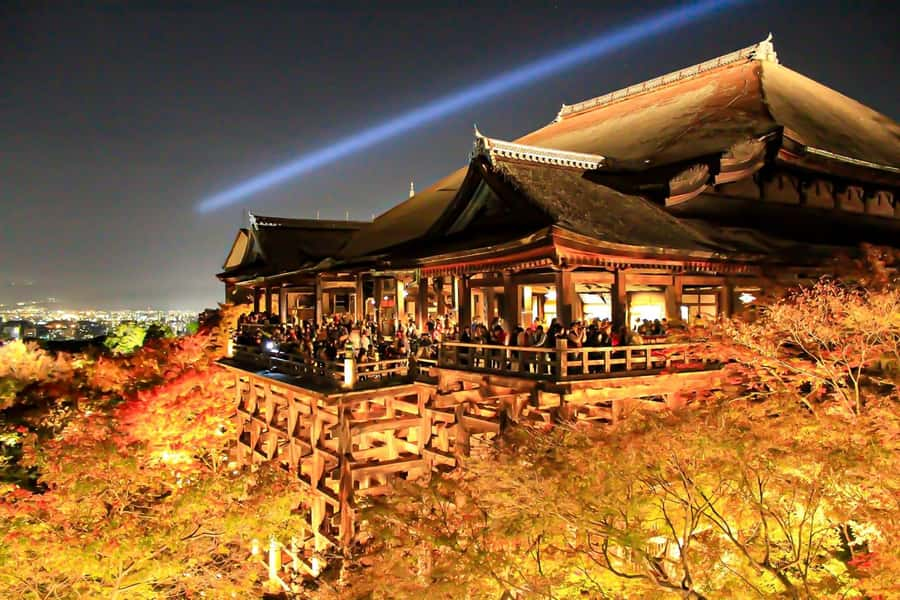
The nighttime option offers a separate experience rather than simply a later version of the morning walk. Gion’s streets, wooden houses, and tea houses feel more atmospheric after dark, and rain can even add an appealing look to photographs.
Guide Kimu received especially warm praise for a nighttime walk. The tour was adapted to suit personal needs, and the guest came away with striking photos in the rain. That suggests a patient guide can make the most of changing conditions instead of treating poor weather as an automatic failure.
Nighttime also brings a practical limit. It may be harder to see architectural details clearly, and you need to stay aware on narrow streets. Carry water, wear comfortable shoes, and be ready for changing weather. Smoking is not allowed during the activity, and you should show the same care around local homes and businesses.
The nighttime walk is best for you if mood and photography matter as much as detailed sightseeing. If you want the clearest views of traditional buildings and the easiest conditions for note-taking, choose morning instead.
What the guide adds to the wooden houses and tea houses
Without context, Gion can look like a collection of attractive old buildings. The guide’s job is to explain why the area matters and how local culture remains present in the district today.
You will walk through narrow streets and see traditional wooden houses and tea houses. The supplied details do not name every stop, so you should not expect a fixed catalogue of landmarks. Instead, think of the route as a guided reading of Gion, with the streets and buildings providing the setting.
This approach can be rewarding if you like learning through observation. You may hear stories connected to lesser-known spots, notice how the area is arranged, and gain a better sense of the customs visitors need to respect. The walk gives you a framework for returning to Gion on your own later.
The quality of the explanation matters. One guest found it difficult to understand everything and felt disappointed by the lack of geishas. That is a fair warning for anyone booking mainly for polished commentary or a specific sighting. The tour is conducted in English, but the clarity of a live walking explanation can vary.
More Kyoto after dark:
- Night Walk in Gion: Kyoto’s Geisha District
★ 4.5 · 2,003 reviews - Kyoto Night Foodie Tour in Gion (9+ dishes + 6 Sake tastings)
★ 5.0 · 1,762 reviews - Kyoto Gion Night Walk & Geisha District Guided Tour
★ 5.0 · 786 reviews - Kyoto Ghost Tour: Dark Tales, Urban Legends, Bamboo Forest Night
★ 5.0 · 625 reviews
Do not book this expecting a geisha sighting
Gion is associated with geisha and maiko, but this tour does not promise that you will see one. That is the most important expectation to set before paying.
You may pass through an area connected with Kyoto’s traditional entertainment culture, but a respectful visit does not mean searching for performers or treating local residents as photo subjects. The tour focuses on the district, its buildings, history, and culture.
If seeing a geisha is your main goal, this walk carries too much uncertainty. If you want to understand the setting and enjoy the streets regardless of who appears, it makes more sense.
The best photographs may come from the buildings, lanes, weather, and changing light. Kimu’s nighttime walk produced memorable rain photos, while the morning walk made use of early sakura. Those details show why a flexible outlook helps.
A closer look at the meeting point and pace
You meet the guide at Exit 4, on the ground. The activity ends back at the meeting point, which makes the plan easier to manage than a tour that finishes across town.
Hotel pickup and drop-off are not included. You need to make your own way to Exit 4 and allow enough time to find the correct place. Since the listing does not provide a tour duration, do not build a tight connection or meal reservation around a precise finish time unless you confirm the timing before booking.
Comfortable walking shoes are essential. The activity is a district walk through narrow streets, not a seated talk. Bring water, a camera, and clothing suited to the weather. Kyoto conditions can change, and the tour specifically advises you to prepare for that.
The absence of included meals and drinks is not a major issue for a short walking experience, but you should plan refreshments separately. Entrance fees to specific attractions are also not included because the main activity is the guided walk through Gion.
Is $40 a fair price?
At $40 per person, this is a reasonable price if you want an English-speaking local guide and a focused introduction to Gion. You are paying for interpretation, route planning, and the chance to see the district at a quieter time, not for transportation, food, or admission to a major sight.
The value rises if you make use of the guide’s local knowledge. Ask about the buildings you pass, the customs you should follow, and the less familiar corners of the district. A passive walk can feel expensive. An engaged conversation can make the same streets much more meaningful.
The morning access is the strongest value point. Seeing Gion before crowds arrive can improve photographs and make it easier to hear the guide. The nighttime option has value for mood and photography, especially if you like atmospheric scenes.
The price is less attractive if you only want to wander Gion independently or if you expect a guaranteed geisha sighting. The district is walkable on your own, so the decision comes down to how much you want the cultural explanation and help noticing details.
Who will get the most from this walk
I would recommend this experience to first-time Kyoto visitors who want a gentle introduction to Gion. It also suits photographers who prefer quiet streets, traditional architecture, and the chance to work with morning light or evening weather.
It is a good fit for people who enjoy stories tied to ordinary places. You do not need a long list of attractions to have a worthwhile time, but you should be curious about local culture and respectful behavior.
The tour may also suit repeat visitors who want a personal route. Kimu adapted one walk to a guest’s itinerary, and another morning walk included lesser-known stops. You can improve your chances of that kind of experience by explaining your interests clearly at the start.
I would be more cautious if you need highly structured sightseeing, detailed guaranteed stops, or very clear spoken English at every moment. The tour received a high overall rating of 4.3 from four reviews, but the individual feedback shows a real difference in how well the commentary worked for different people.
Small choices that improve the experience
Choose morning if your priority is peace, visibility, and photography without as many people around. Choose night if you care more about atmosphere and do not mind that some architectural details may be harder to see.
Wear shoes you can comfortably walk in for the full activity. Bring water even if the weather feels mild, and carry a camera if you want to capture the houses, tea houses, changing light, or rain.
Respect the district as a living neighborhood. Do not smoke during the tour, and follow your guide’s advice about local customs and traditions. Gion is more than a backdrop for photographs.
If you book at the last minute, be aware that the activity may need to be canceled. You can reserve now and pay later, and cancellation is free up to 24 hours in advance. Those terms are useful if your Kyoto plans are still shifting.
Should you book the Gion walking tour?
Book it if you want a calm, guide-led look at traditional Gion and value the stories behind wooden houses, tea houses, and lesser-known streets. The morning option is the stronger all-around choice, while the nighttime walk suits photographers and anyone drawn to a quieter, moodier setting.
Skip it if you mainly want a guaranteed geisha sighting, formal attraction admissions, or a tightly defined list of famous stops. At $40, the tour earns its price through the guide’s ability to explain the district and respond to your interests. Set the right expectations, ask questions, and let Gion’s streets do much of the work.
FAQ
Where does the Gion walking tour start?
Meet your guide at Exit 4, on the ground.
Where does the tour finish?
The activity ends back at the meeting point.
Is the tour available in the morning and at night?
Yes. You can choose a morning or nighttime walking tour in Gion.
What language is the tour conducted in?
The tour is conducted in English.
How much does the tour cost?
The price is $40 per person.
Is hotel pickup included?
No. Hotel pickup and drop-off are not included.
Are meals and drinks included?
No. Meals and drinks are not included, so bring water and plan refreshments separately.
Are entrance fees included?
No. Entrance fees to specific attractions are not included.
What should I bring?
Bring comfortable walking shoes, a camera, and water. You should also prepare for changing weather.
Can I cancel for a full refund?
Yes. You can cancel up to 24 hours in advance for a full refund.
More Walking Tours in Kyoto
- Kyoto Gion Geisha District Walking Tour – The Stories of Geisha
★ 5.0 · 1,441 reviews - Nishiki Market Brunch Walking Tour (7 Tastings + Brunch)
★ 5.0 · 1,355 reviews - Kyoto Arashiyama Walking Tour: Bamboo, Monkeys, Gardens & Secrets
★ 5.0 · 1,216 reviews - Kyoto Gion: 2-Hour Geisha Culture & History Walking Tour
★ 5.0 · 1,186 reviews
Newest Kyoto experiences on the site
- Treasures of Kyoto: Gion & historical Walking Tour★ 5.0 · 6 reviews
- Whisk Your Own Matcha: A Zen Matcha Experience at Temple★ 3.6 · 7 reviews
- Kyoto tea town for matcha lovers★ 5.0 · 16 reviews
- Uji: Private immersion into Kyoto’s tea and reglious culture★ 5.0 · 17 reviews
- Kyoto Matcha Green Tea Tour★ 4.5 · 23 reviews
- Uji and Wazuka Matcha Farm Half Day Private Guided Tour★ 5.0 · 21 reviews
- Utilising upcycled Matcha! Creating matcha incense (Uji, Kyoto)★ 5.0 · 6 reviews
- Sacred Temple Yoga Experience in Japan★ 5.0 · 3 reviews
Gion District Tours, compared.

Kyoto Geisha Walking Tour: Gion District & Hidden Gems
Read our review →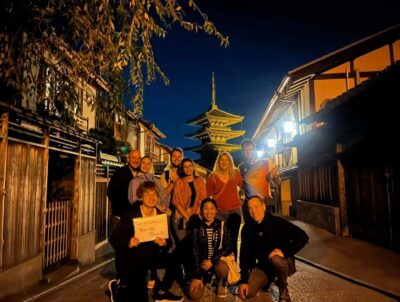
Gion Magical Night Walking Tour with Geisha Trivia
Read our review →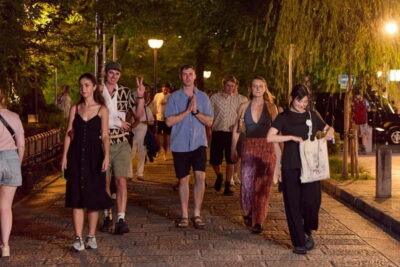
Gion Geisha District Walking Tour – Stories of Geisha
Read our review →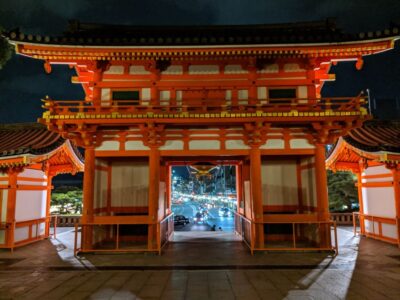
Best of Kyoto: Gion, Geisha, Pagodas & Cobblestones
Read our review →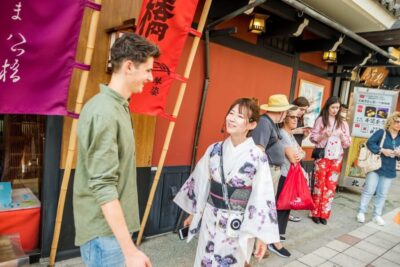

Kyoto Night Foodie Tour in Gion (9+ dishes + 6 Sake tastings)
Read our review →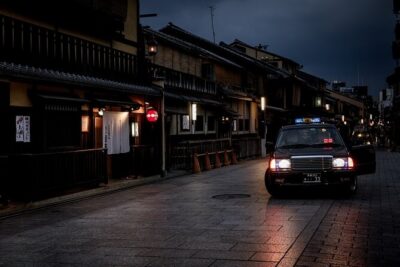
Kyoto Gion Geisha District Walking Tour – The Stories of Geisha
Read our review →
Kyoto Gion: 2-Hour Geisha Culture & History Walking Tour
Read our review →Browse the lists this tour appears in