
Reviewed · GION DISTRICT TOURS
Kyoto: Gion Magical Night Walking Tour with Geisha Trivia
Gion changes character after sunset. The tour leaves Kyoto’s Minamiza Theatre and heads through Hanamikoji, where lantern light, traditional wooden buildings, and quiet lanes give the district a more intimate feel than it has in the daytime. You’ll learn the rules and customs of geiko and maiko culture, then continue to shrines and an illuminated Buddhist pagoda.
I like the small groups of up to 10 and the way the 100-minute route mixes famous streets with less obvious paths. Guides such as Hina, Shino, Masami, Sho, and Yuri are often singled out for clear English, patience, and useful local tips. The main drawback is that stairs make the walk unsuitable for wheelchairs, baby carriages, and people with limited mobility.
Key points at a glance

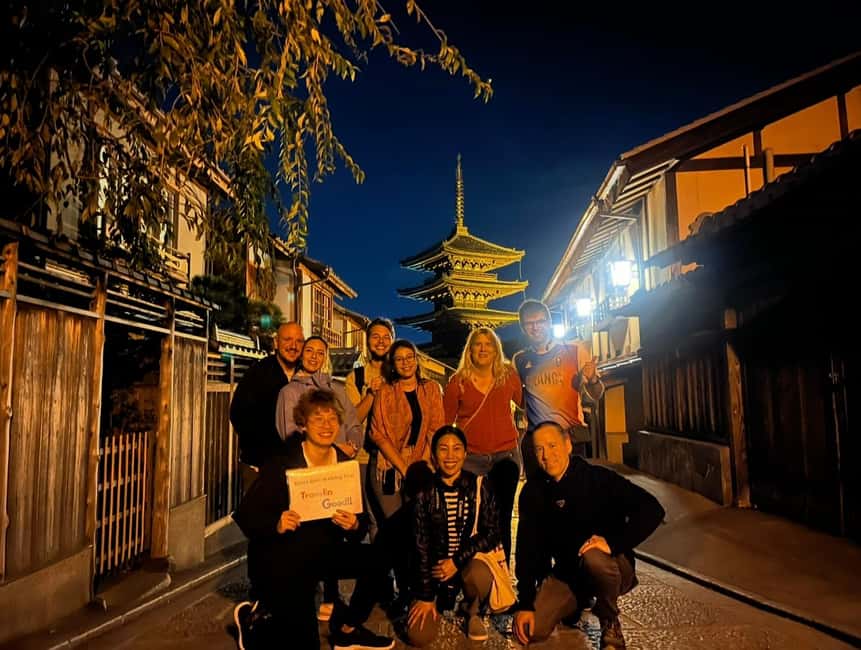
- Starts at Minamiza Theatre: Meet in front of the theater, where your guide holds a TravelinGood sign.
- Nighttime Gion feels calmer: The route is designed for illuminated streets and shrines, often with fewer people than during the day.
- Geisha culture is explained respectfully: Learn about the differences between geiko and maiko, private clubs, lanterns, customs, and local etiquette.
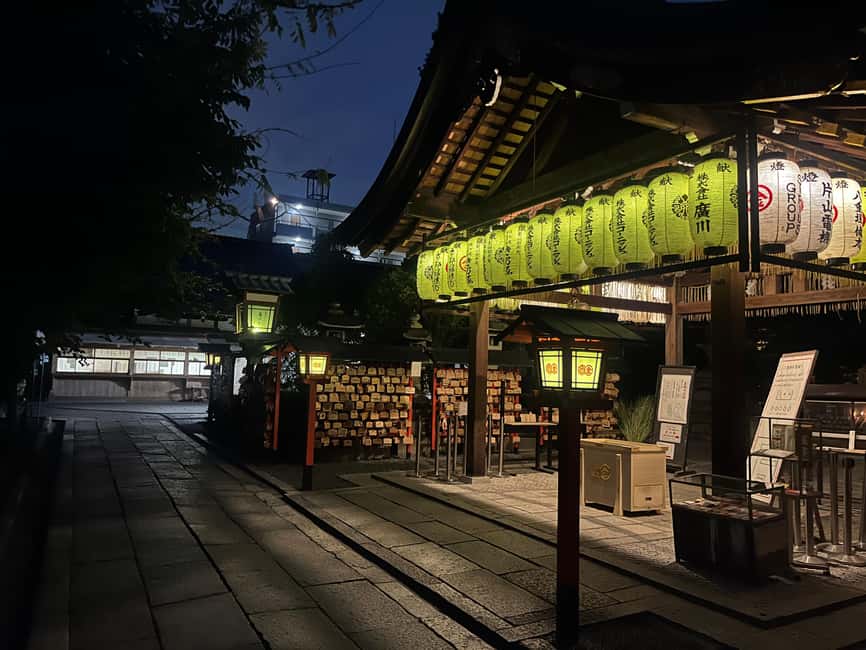
- More than Hanamikoji: The walk includes a matchmaking shrine, a glowing Buddhist pagoda, quiet paths, and a shrine more than 1,000 years old.
- Good access to the guide: Groups are capped at 10, making it easier to ask questions and keep the pace comfortable.
- Useful practical details: The $24 price includes a guide and photography service, with free cancellation up to 24 hours before the start.
Why Gion is better after dark
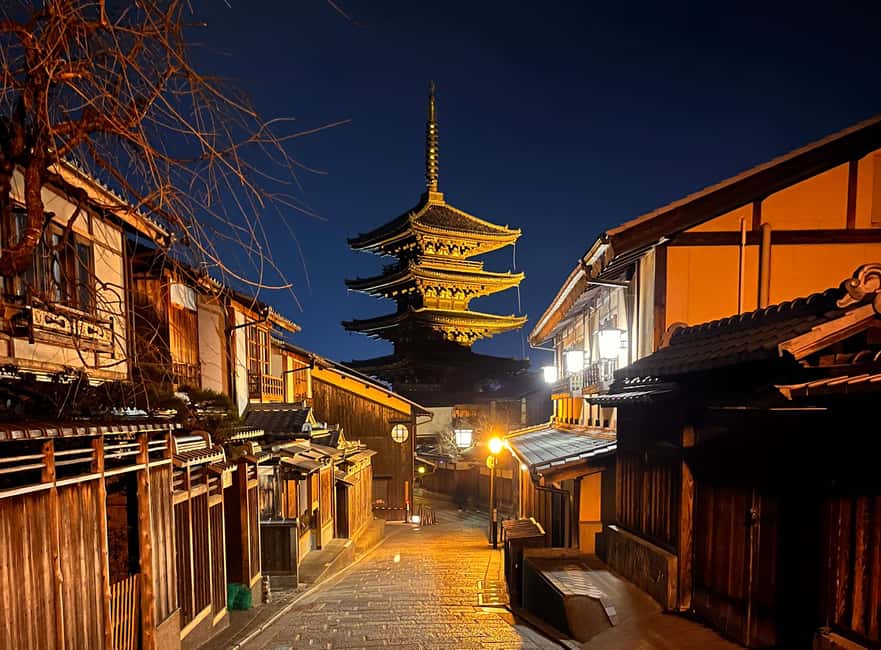
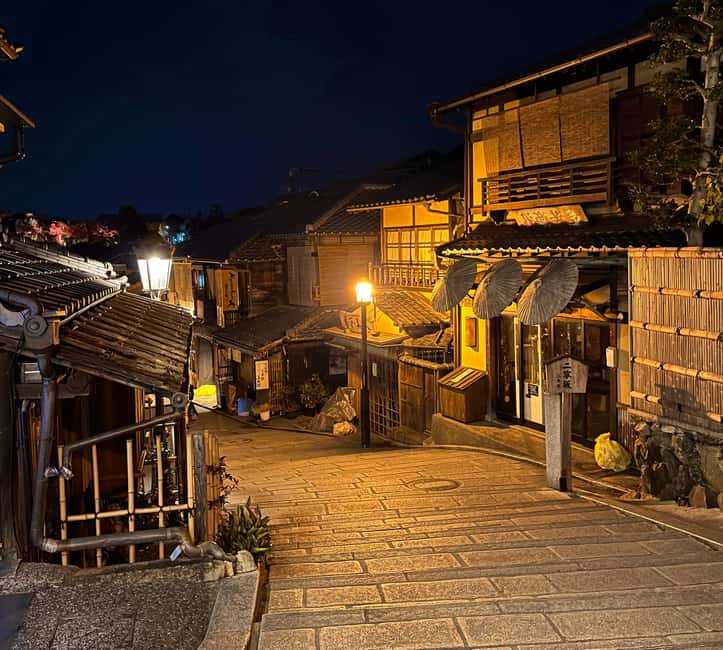
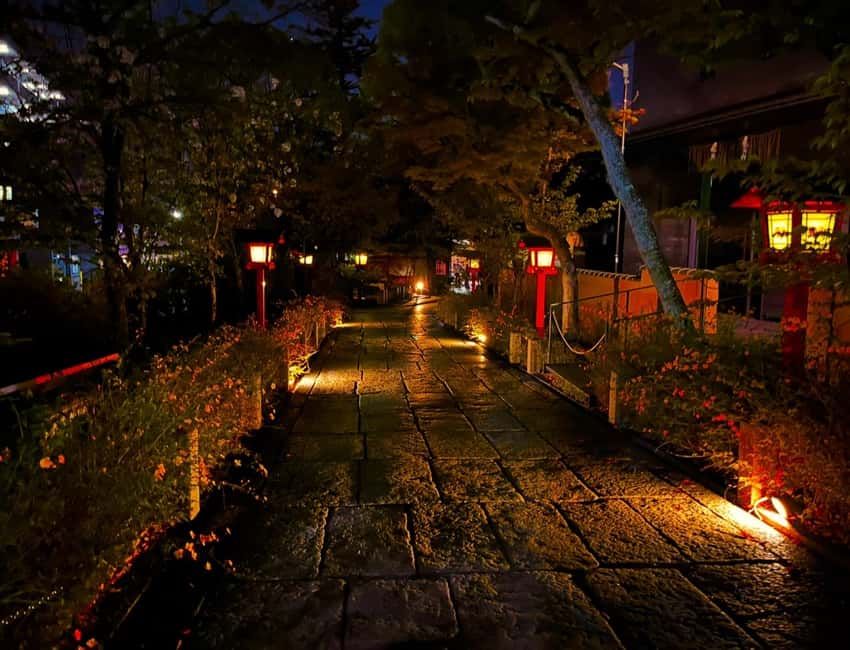
Many visitors see Gion in daylight, when the stone lanes and wooden facades compete with crowds, traffic, and sightseeing schedules. This walk gives you another view of the district. Lanterns glow above the streets, temple and shrine buildings are lit, and the pace becomes slower and more thoughtful.
I like this timing because Gion’s appeal is not only architectural. It is also about small visual changes: a lantern outside a private establishment, a narrow side street, or the warm light falling across a traditional facade. At night, you have more room to notice those details.
The tour is not a guaranteed geisha sighting. That point matters. You may see a geiko or maiko entering a car or walking through the area, but the walk is not designed as a hunt for people in traditional dress. The guide explains the culture and local rules, while the group is expected to behave respectfully. If you see someone, keep your distance and follow the guide’s instructions.
The nighttime setting also brings a practical advantage. Several people who took the walk in winter described Gion as quiet and comfortable without the daytime crowds. One guide even offered a hand warmer, a small touch that can matter on a cold Kyoto evening. February also has a limited 3 p.m. departure, useful if you prefer daylight or have dinner plans later.
More ways to walk Gion:
- Kyoto Geisha Walking Tour: Gion District & Hidden Gems
★ 4.7 · 3,273 reviews - Kyoto: Gion Geisha District Walking Tour – Stories of Geisha
★ 4.7 · 2,187 reviews - Best of Kyoto: Gion, Geisha, Pagodas & Cobblestones
★ 4.9 · 2,058 reviews
Leaving Minamiza Theatre for Hanamikoji
The meeting point is in front of the Minamiza Theatre, on the front side of the building. Look for the guide holding a sign marked TravelinGood. The advertised starting time is the time the group leaves, not the time to arrive, so plan to be there at least five minutes early.
This is a useful location in central Gion, but allow extra time if you come by bus or taxi. Traffic can slow movement in Kyoto, and arriving at the last moment is a poor way to begin a walking tour. Your ticket is valid only for the date and time you booked, and joining a different departure requires confirmation.
From Minamiza, the route heads toward Hanamikoji, one of Gion’s best-known streets. This is where the tour begins to explain the district’s traditional entertainment culture. You’ll hear about geiko and maiko, the stages of training, the visible differences between them, and the customs that shape their work.
Guides have used photographs and videos to show those differences more clearly. That helps because the clothing, hairstyles, and makeup can be hard to distinguish at a glance. A good explanation also keeps the walk from becoming a shallow search for costumes. You learn why the district looks and behaves as it does.
Understanding geiko and maiko culture
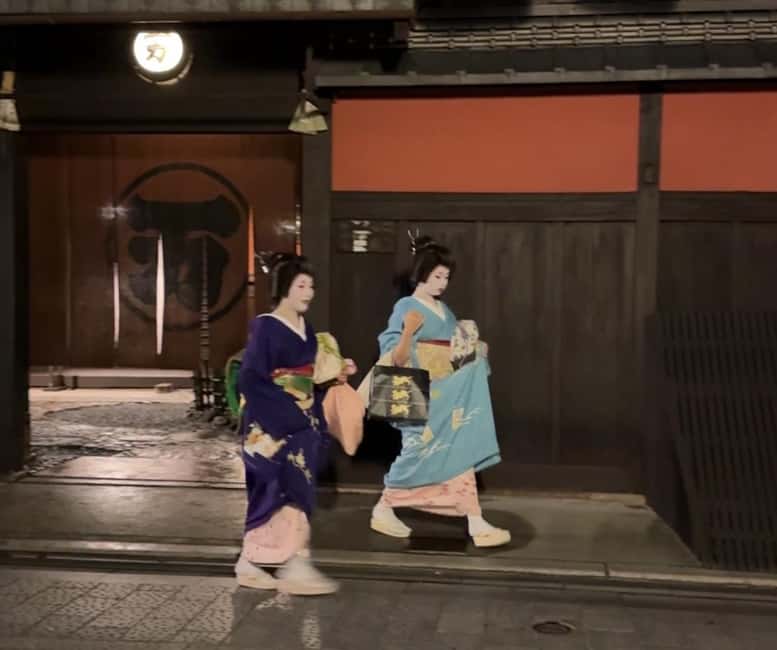
The geisha world is often reduced to a few familiar images: white makeup, elaborate kimono, music, and tea houses. The guide adds the missing context. You’ll learn about the traditions, private clubs, lanterns, manners, and rules that are easy to overlook when you walk through Gion alone.
The exact guide varies, but the experience has been led by people including Hina, Shino, Masami, Sho, Yuri, Pam, Kevin, and Sora. The strongest accounts repeatedly point to guides who explain clearly, answer questions patiently, and adjust their style to the group. Hina and Shino, in particular, have been praised for friendly explanations and strong English. Masami has been noted for taking time with detailed questions, while Sho has used visual examples to explain geiko and maiko customs.
You should expect a conversational walking lesson rather than a formal lecture. The best moments come when you ask about something you have just seen. Why are certain lanterns displayed? What is the difference between a maiko and a geiko? How do Shinto and Buddhist sites differ? Small groups make these questions practical, since the guide can stop and explain instead of moving a large crowd along.
The route also introduces the idea that Gion is a working district, not simply a stage set for visitors. That is one reason the guide’s reminders about respectful behavior matter. You can learn a lot here without photographing people closely or blocking doorways.
Shrines, rituals, and the illuminated pagoda
The route moves beyond the geiko district to a shrine associated with matchmaking. Its role adds a different side of Kyoto to the evening, linking local worship with stories and everyday hopes. Your guide can explain how to approach and pray at a Shinto shrine, and some guides demonstrate the steps so you can follow them properly.
That practical instruction is valuable if you have never visited a Japanese shrine. You are not just looking at a gate or a row of offerings. You learn how the ritual works and how Shinto practice differs from Buddhism, another subject covered along the route.
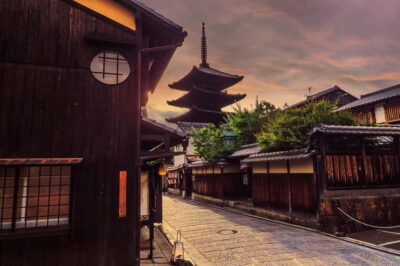
The Buddhist pagoda is one of the visual highlights. It sits outside the main geiko district and is illuminated at night, giving the group a strong change of mood after the narrow streets of Hanamikoji. The pagoda provides a memorable photo stop, and the evening light makes it especially appealing.
Photography service is included, though the exact way it is provided can depend on the guide and conditions. Guides have taken pictures along the walk, so you can have a few images of the evening without handing your phone to strangers. Still, I would bring your own phone or camera if photography matters to you.
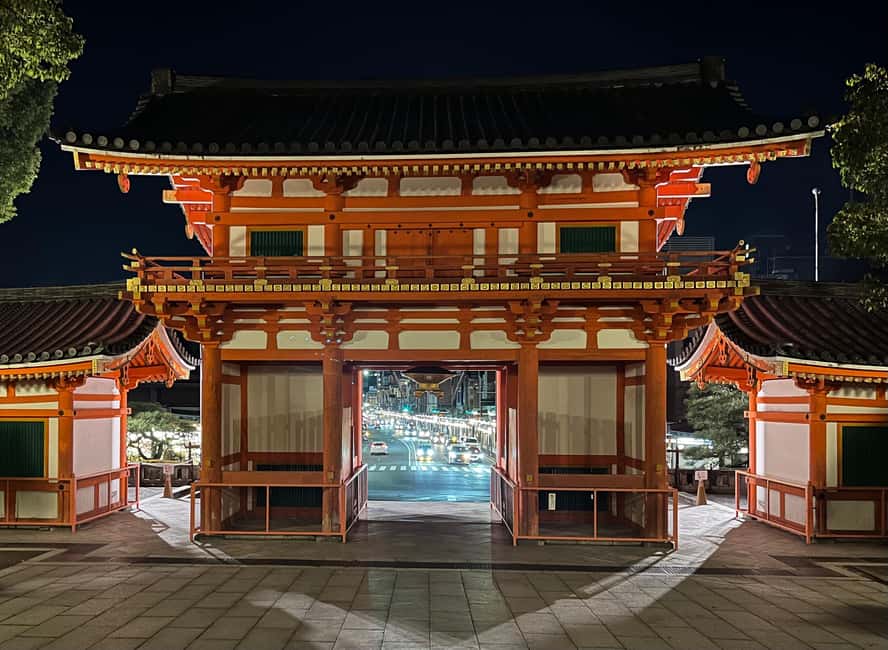
The route then uses quieter paths and less obvious corners before ending at a shrine that is more than 1,000 years old. These stops give the walk some balance. You are not spending the whole time on geiko culture, and you are not rushing between major sights. Instead, the tour links traditional streets, religious practice, local stories, and nighttime views.
More geisha and maiko evenings in Kyoto:
- Night Walk in Gion: Kyoto’s Geisha District
★ 4.5 · 2,003 reviews - Kyoto Gion Geisha District Walking Tour – The Stories of Geisha
★ 5.0 · 1,441 reviews - Kyoto Gion: 2-Hour Geisha Culture & History Walking Tour
★ 5.0 · 1,186 reviews - Kyoto Gion Night Walk & Geisha District Guided Tour
★ 5.0 · 786 reviews
A 100-minute pace with room for questions
The 100-minute length works well for this subject. It is long enough to cover several parts of Gion without taking over your evening. You can still arrange dinner afterward, although you should allow a little extra time if the group pauses often for questions or photographs.
The walk is generally described as comfortable rather than strenuous, and one older participant found the amount of walking manageable. Still, do not read that as a promise of completely flat pavement. The route includes stairs, which is why it is not suitable for wheelchair users, baby carriages, people with limited mobility, or babies under one year.
Wear shoes you can walk in comfortably and dress for the season. Winter evenings can be cold, even when the walking pace is gentle. A hand warmer has been offered on at least one occasion, but you should bring your own warm layer rather than depend on that.
The small-group design is one of the clearest advantages. With no more than 10 people, you can hear the guide in narrow lanes, ask questions, and stay connected when the route turns into a side street. A four-person group can feel almost like a private walk, while a full group of 10 still remains manageable.
The pace also suits families with older children. Two children aged 9 and 11 enjoyed the cultural explanations, and the route offers enough variety to hold attention: traditional streets, stories about geiko and maiko, a shrine ritual, a pagoda, and nighttime photography. Children under 6 do not need a ticket, but the stairs and evening timing may still be tiring for very young children.
What the $24 price gets you
At $24 per person, this is a modestly priced introduction to Gion. You are paying for an English-speaking guide, a small group, photography service, and a route that connects places you might otherwise pass without understanding. There is no separate admission feature listed, so the value comes mainly from interpretation and access to the guide’s local explanations.
I consider the price strongest for a first visit to Kyoto. If you already know Gion well, have researched geiko culture carefully, and have visited its shrines and lanes several times, some of the material may feel familiar. One person specifically found the walk better suited to first-time visitors because the guide did not add much beyond what they already knew.
For most people, though, the price is easy to justify. A self-guided walk through Gion is free, but you may miss the meaning behind the lanterns, private clubs, rituals, and cultural rules. The tour also saves you from planning a route between Hanamikoji, the shrines, the pagoda, and quieter paths.
The flexible booking terms add practical value. You can reserve now and pay later, and cancellation is free up to 24 hours before the start. That is useful when Kyoto plans are still shifting. Just remember that changing to another departure without confirmation is not allowed.
Choosing the right departure time
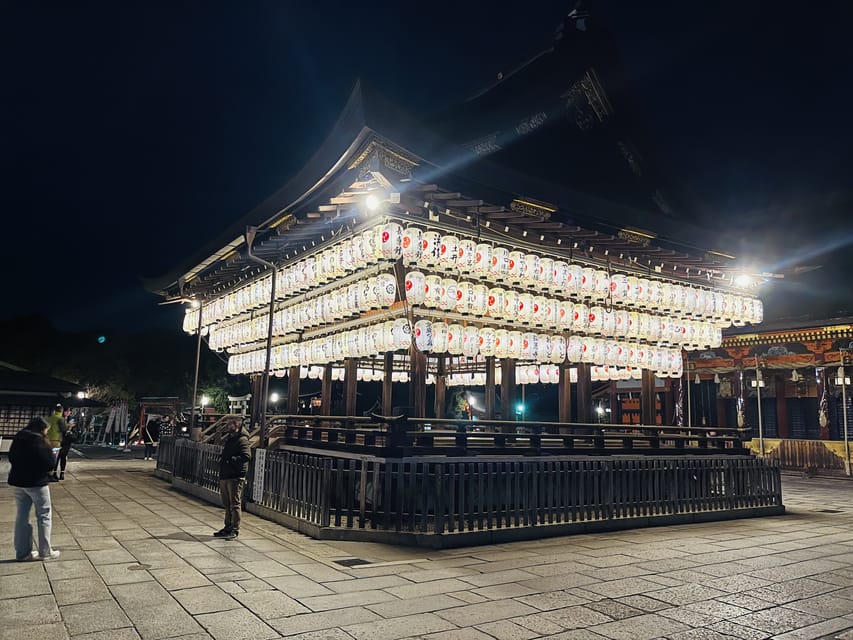
Most people will choose an evening start because the tour is built around illuminated streets and a quieter Gion. The later the walk runs, the more likely you are to experience the district without the daytime sightseeing rush, though the exact crowd level will change by date and season.
A February departure at 3 p.m. is offered as a limited seasonal option. This suits you if you want to see the first part of the route in daylight, have an evening reservation, or prefer not to walk late at night. The tradeoff is simple: you may get less of the fully nocturnal effect that gives the tour its name.
A late-afternoon walk can also be attractive for photographs because you may see the streets change from daylight to evening illumination. The nighttime departures, however, are the better match if your main goal is glowing temples, quiet lanes, and Gion after the crowds thin out.
I would book this early in your Kyoto stay. The route helps you understand the district, and the guides often share suggestions for restaurants and places to see during the day. Shino and other guides have offered food recommendations, festival information, and ideas for continuing your visit. That advice is most useful when you still have several days left.
Who will enjoy this walk most
This tour fits you best if you want a clear introduction to Gion without committing to a full evening performance or expensive cultural program. It is also a good choice if you prefer conversation and questions over a large group moving from stop to stop.
You’ll likely get the most from it if you enjoy:
- Japanese culture explained in plain English
- Traditional streets at night
- Short walks with several stops rather than one long hike
- Local stories connected to shrines and customs
- Small groups where you can ask questions
- A first orientation to Gion and nearby sights
It may not suit you if you need step-free access, dislike walking outdoors after dark, or want a guaranteed meeting with a geiko or maiko. It is also not the best match for someone seeking a private, highly specialized academic tour. The guide adapts to the group, so the depth of discussion can depend on the questions asked and the guide leading your departure.
The experience is available in English only. People have praised the clear spoken English of guides such as Kevin, Hina, Shino, Yuri, and others, but individual teaching styles differ. A guide may be especially strong at history, cultural explanation, restaurant advice, or friendly conversation.
Should you book the Gion Magical Night Walking Tour?
I would book it if this is your first or second visit to Kyoto, especially if you want to see Gion at night without sorting out the route yourself. The combination of Hanamikoji, geiko and maiko customs, shrine practice, a lit pagoda, and a 1,000-year-old shrine gives you more substance than a simple photo walk.
The 4.9 rating from 2,393 reviews reflects unusually consistent approval, with repeated praise for the guides, small groups, quiet nighttime setting, and useful explanations. The main cautions are clear: geisha sightings are possible but not promised, stairs limit accessibility, and experienced Gion regulars may find some material familiar.
At $24, the tour offers strong value for a 100-minute introduction. Arrive early at Minamiza Theatre, wear comfortable shoes, bring a warm layer in winter, and treat the district as a living neighborhood rather than a backdrop. Do that, and this is a smart, friendly way to get your bearings in Gion.
FAQ
Where does the tour meet?
Meet in front of the Minamiza Theatre, on the front side of the building. The guide holds a sign marked TravelinGood.
Is the listed time the meeting time?
No. The listed time is when the group leaves the meeting point. Arrive at least five minutes before the stated start time.
How long does the tour last?
The walking tour lasts 100 minutes.
How large is the group?
The tour is limited to 10 participants.
Is the tour available in English?
Yes. The tour includes a live English-speaking guide.
Can I see a geisha or maiko?
You might see a geiko or maiko during the walk, but a sighting is not guaranteed. The tour is not intended as a meeting with geiko or maiko.
Is the route accessible for wheelchairs or baby carriages?
No. Stairs along the route mean it is not suitable for wheelchair users, baby carriages, or people with limited mobility.
More Walking Tours in Kyoto
- Nishiki Market Brunch Walking Tour (7 Tastings + Brunch)
★ 5.0 · 1,355 reviews - Kyoto Arashiyama Walking Tour: Bamboo, Monkeys, Gardens & Secrets
★ 5.0 · 1,216 reviews - Kyoto: Izakaya Bars Guided Walking Tour
★ 4.9 · 815 reviews - Kyoto Sake Brewery & Tasting Walking Tour
★ 5.0 · 623 reviews
More of Kyoto After Dark
- Kyoto Night Foodie Tour in Gion (9+ dishes + 6 Sake tastings)
★ 5.0 · 1,762 reviews - Kyoto Ghost Tour: Dark Tales, Urban Legends, Bamboo Forest Night
★ 5.0 · 625 reviews - Kyoto Bar Hopping Night Tour
★ 5.0 · 613 reviews - Kyoto Night All-Inclusive Eats and Streets, Gion and Beyond
★ 4.7 · 601 reviews
Newest Kyoto experiences on the site
- Treasures of Kyoto: Gion & historical Walking Tour★ 5.0 · 6 reviews
- Whisk Your Own Matcha: A Zen Matcha Experience at Temple★ 3.6 · 7 reviews
- Kyoto tea town for matcha lovers★ 5.0 · 16 reviews
- Uji: Private immersion into Kyoto’s tea and reglious culture★ 5.0 · 17 reviews
- Kyoto Matcha Green Tea Tour★ 4.5 · 23 reviews
- Uji and Wazuka Matcha Farm Half Day Private Guided Tour★ 5.0 · 21 reviews
- Utilising upcycled Matcha! Creating matcha incense (Uji, Kyoto)★ 5.0 · 6 reviews
- Sacred Temple Yoga Experience in Japan★ 5.0 · 3 reviews
Gion District Tours, compared.
Kyoto Geisha Walking Tour: Gion District & Hidden Gems
Read our review →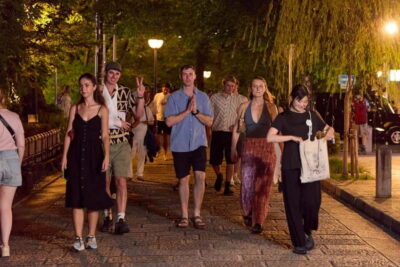
Gion Geisha District Walking Tour – Stories of Geisha
Read our review →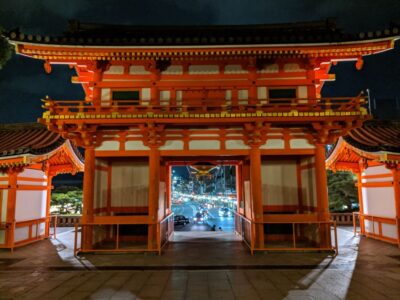
Best of Kyoto: Gion, Geisha, Pagodas & Cobblestones
Read our review →

Kyoto Night Foodie Tour in Gion (9+ dishes + 6 Sake tastings)
Read our review →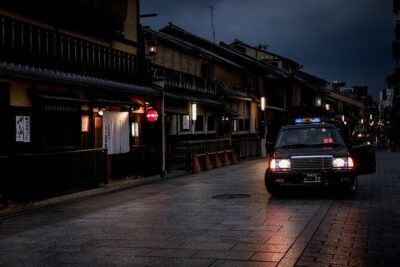
Kyoto Gion Geisha District Walking Tour – The Stories of Geisha
Read our review →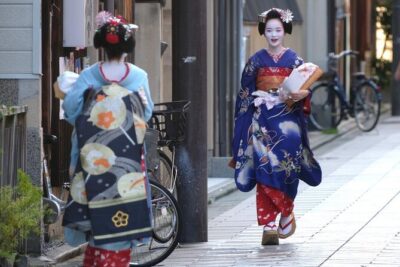
Kyoto Gion: 2-Hour Geisha Culture & History Walking Tour
Read our review →
Chopsticks Making Workshop in Gion with Engraving Option
Read our review →Browse the lists this tour appears in