
Reviewed · FUSHIMI INARI TOURS
Kyoto: Fushimi, Arashiyama – Bamboo, Monkey, Torii & Secrets
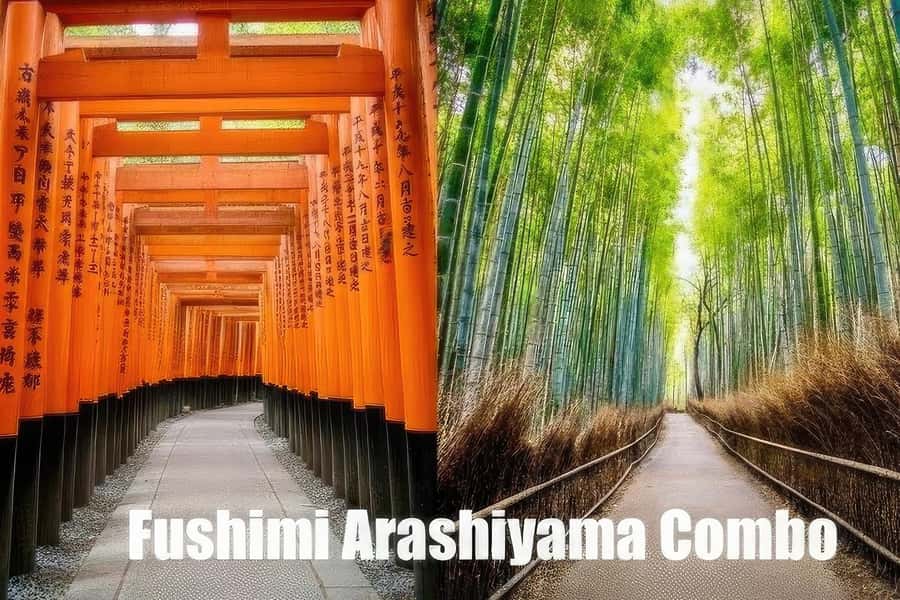
Kyoto’s best-known sights can feel scattered, but this tour links two major areas into one active day: Fushimi Inari’s red torii gates and Arashiyama’s bamboo, temples, river, and monkeys. You begin at the gates of Inari Station, then follow a local English-speaking guide through sacred paths, quiet lanes, and Kyoto’s western hills.
I like two things in particular. First, the guide does more than point at famous sights. Guides such as Aron, Aaron, Terri, Max, and Mari are praised for good pacing, photos, stories, and helpful food tips. Second, the tour includes admission to Tenryuji Temple garden and Monkey Park, which makes the $88 price easier to justify.
The catch is simple: this is a serious walking tour. The climb to Monkey Park is steep, the day may last about five hours, and summer heat or rain can make it tiring. It is not suitable for wheelchair users or people with major mobility limits.
Key points to know before booking
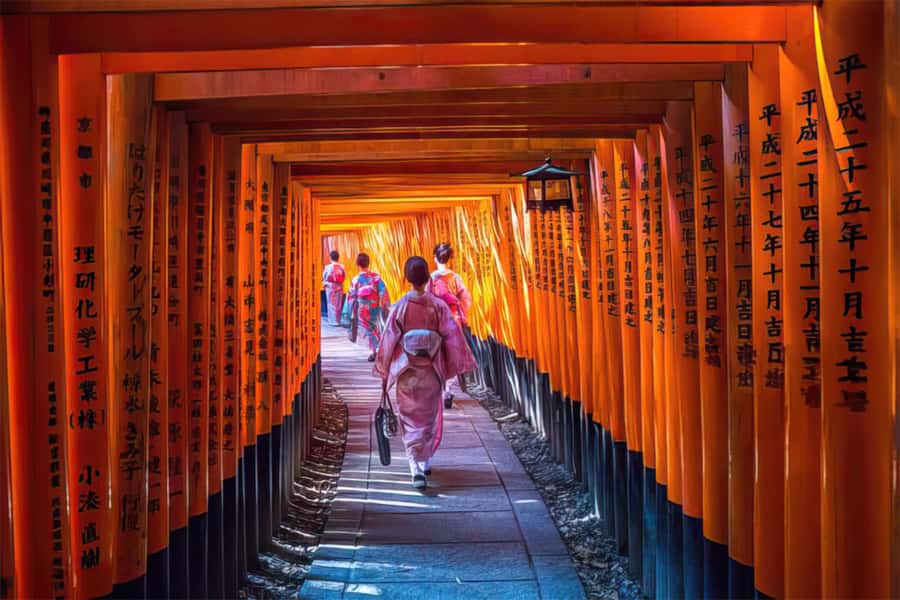
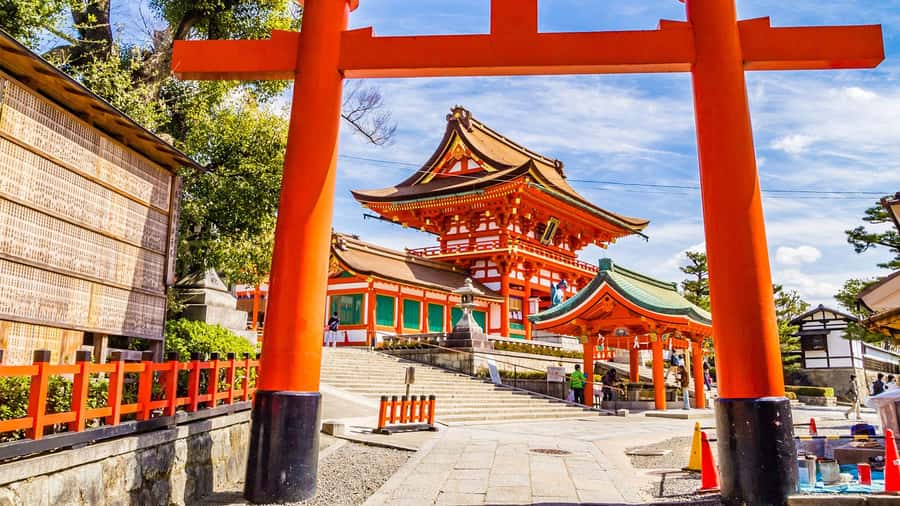
- Fushimi Inari comes first: Walk beneath thousands of orange-red torii gates and climb part of Mount Inari.
- Arashiyama goes beyond the famous bamboo lane: The route includes Tenryuji, Togetsukyo Bridge, river views, quiet alleys, and photo stops.
- Monkey Park requires a climb: The uphill walk is worthwhile for the Kyoto views, but it is not a casual stroll.
- Your guide matters: Aron and Aaron receive especially strong praise for local knowledge, humor, photo help, and keeping groups moving at a comfortable pace.
- Entry tickets are included: Tenryuji garden and Monkey Park are covered, but train fares, meals, and drinks are not.
- Plan for weather: Wear walking shoes, carry cash, and bring rain gear or sun protection as needed.
Why this Kyoto combination works so well
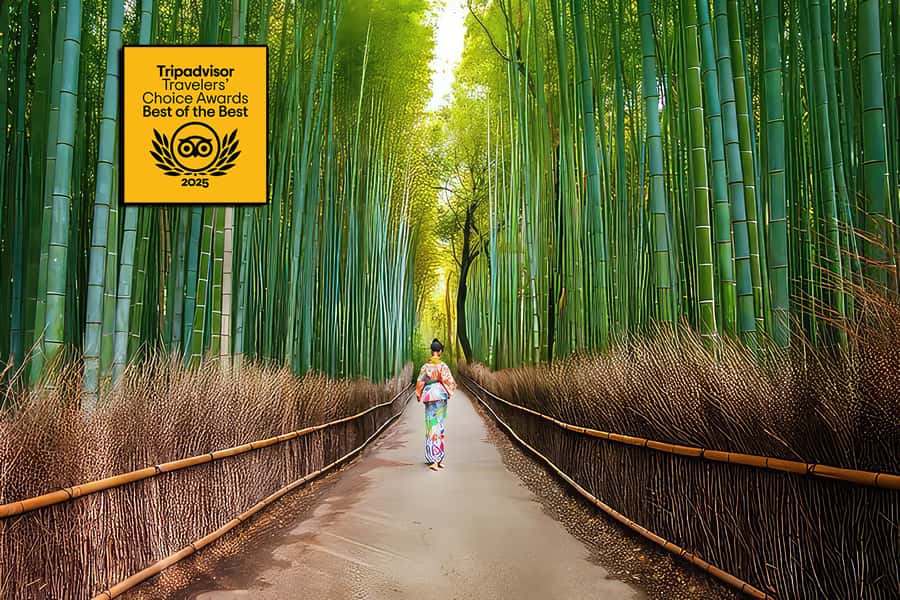
Fushimi Inari and Arashiyama are two of Kyoto’s most photographed areas, yet they offer very different moods. Fushimi Inari is a mountain shrine marked by endless torii gates. Arashiyama mixes bamboo, temple gardens, a broad river, a historic bridge, and a hilltop monkey area.
Seeing both in one guided outing saves you from working out the route alone. You still pay for the trains between areas, but the guide handles the sightseeing order, entry tickets, and local explanation. That matters in Kyoto, where a simple-looking day can involve several train platforms, crowded streets, and confusing choices about which temple path to take.
The tour is also more than a checklist. The advertised route includes quieter paths and small local stops, and the guide may point out traditional snacks, tucked-away shrines, and good places for photographs. A few guides have also added small touches such as sake or chocolate tasting.
This is not the right choice if you want a slow temple visit with long periods of sitting. It suits you best if you want to cover a lot of ground, hear the stories behind the sights, and let someone else manage the route.
More ways to walk the Fushimi Inari gates:
- Kyoto: Fushimi Inari, Kinkakuji, Bamboo Grove 1 Day Bus Tour
★ 4.8 · 4,316 reviews - Fushimi Inari Hidden Hiking Tour (Private Option Available)
★ 5.0 · 1,750 reviews - Osaka/Kyoto:Kinkakuji,Arashiyama,FushimiInariShrine,NaraPark
★ 4.1 · 1,596 reviews
Starting beneath the torii at Fushimi Inari
Meet in front of the gates of Inari Station. This is a practical starting point because Fushimi Inari Taisha is immediately associated with the station and its giant shrine entrance. Your guide gathers the small group before leading you toward the famous torii-lined route.
Fushimi Inari is dedicated to Inari, the Shinto deity linked with rice, business, and prosperity. The thousands of torii were donated by individuals and companies, creating a long corridor of orange-red gates up Mount Inari. Each gate carries the name of its donor, a detail worth noticing as you walk.
The first section is usually the busiest. You will see plenty of people taking photos beneath the closely packed gates, and movement can be slow at popular points. The advantage of having a guide is that you can learn what you are seeing instead of simply stopping for the standard photograph.
The route climbs the mountain, although the tour description does not promise a full summit ascent. Expect steps and an uphill walk. Comfortable shoes are essential, and anyone with knee, heart, or balance concerns should think carefully before booking.
Fushimi Inari rewards patience. The lower approach gives you the classic view, while higher sections can feel calmer and more wooded. Your guide can also add cultural context about the shrine, its fox imagery, and the meaning of the torii gates.
The train ride to Arashiyama
Train fares are not included, so carry cash and expect to pay separately for transportation between the two sightseeing areas. The exact train arrangement may depend on the day and the group, but the important point is that this is not a private vehicle tour.
That is both a limitation and part of the Kyoto experience. Public trains are the normal way to move around the city, and a guide can make the transfer less stressful. Still, keep your ticket money separate from the tour fee and do not assume that food or drinks are covered.
Once you reach Arashiyama, the atmosphere changes. The area is known for its river, temple compounds, bamboo paths, shops, and mountain views. It can also be very crowded, particularly around the famous bamboo section. One guide can help you move through the area without losing the day to aimless wandering.
Arashiyama’s bamboo paths and quieter lanes
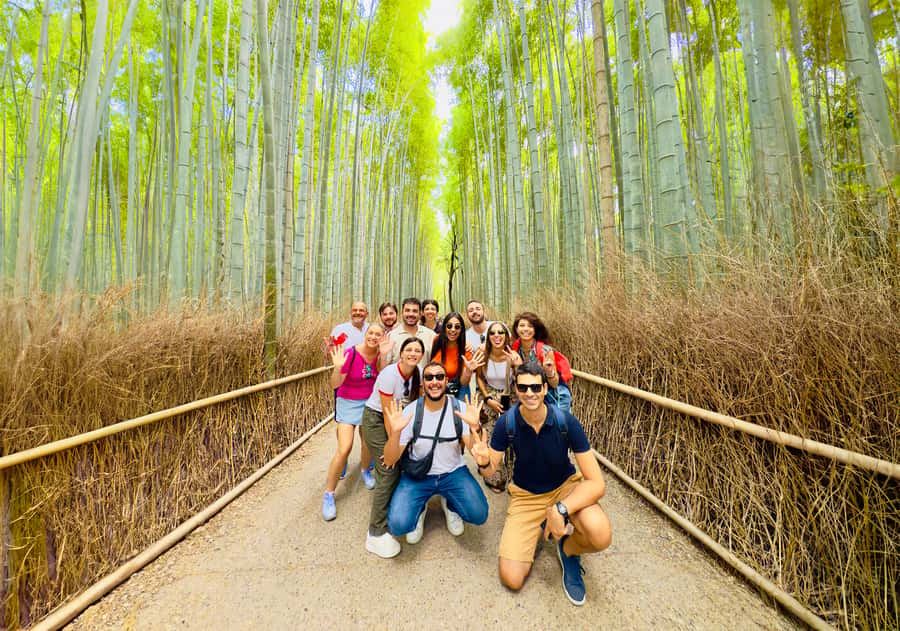
The bamboo grove is the visual centerpiece of Arashiyama. Tall stalks rise on both sides of the path, filtering the light and creating the familiar green corridor seen in countless photographs.
The grove is not large, and it is rarely empty. You should expect other people, especially near the main entrance and the most photogenic bends. A guide cannot remove the crowds, but can help you find better angles and quieter connecting paths.
This is one of the tour’s strongest features because the bamboo is combined with other parts of Arashiyama rather than treated as the entire visit. Guides have led groups through less crowded streets and toward small scenic spots near ponds, rivers, and bridges. That gives you a broader sense of the district.
Bring a phone or camera, but remember that video recording is not allowed on this activity. Several guides are happy to take photographs for you, and Aron and Aaron are particularly praised for helping people find good viewpoints and camera angles. This can be useful if you are traveling alone or want a group photo.
More Arashiyama monkey park trips:
- Kyoto Arashiyama Walking Tour: Bamboo, Monkeys, Gardens & Secrets
★ 5.0 · 1,216 reviews - Arashiyama Bamboo, Temple, Monkeys, or Secret Sake Brewery
★ 4.8 · 886 reviews - Kyoto: Arashiyama Bamboo Forest, Monkeys, Matcha & Temple Tour
★ 5.0 · 759 reviews - Afternoon Kyoto Bike Tour: Bamboo Forest, Monkeys & Hidden Spots
★ 5.0 · 283 reviews
Tenryuji garden, Kyoto’s quiet pause
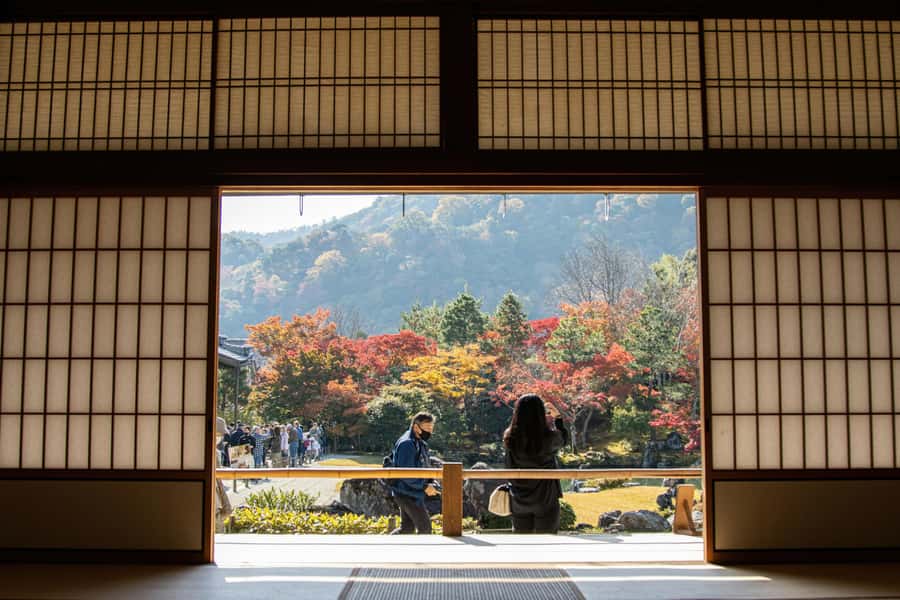
Tenryuji Temple provides a welcome change from the crowds and walking. Its garden is included in the tour price and is recognized as a UNESCO World Heritage Site. The setting combines carefully arranged trees, water, rocks, and borrowed mountain views in the classic Zen garden tradition.
The garden is not just another photo stop. It gives you a chance to slow down and see how Japanese design uses space and restraint. The temple grounds also help explain why Arashiyama became such an important retreat for Kyoto’s religious and cultural life.
Your guide can point out details you might otherwise miss, from the relationship between the pond and surrounding hills to the way the garden frames the scenery. Do not rush this section. It may be the calmest part of the day.
The main drawback is timing. This tour covers several major sights, so you should not expect an extended temple meditation or a long independent visit inside every building. If Tenryuji is your main reason for visiting Arashiyama, a separate temple visit may suit you better.
Across Togetsukyo, the Moon Crossing Bridge
Togetsukyo Bridge crosses the Katsura River and is one of Arashiyama’s defining views. Its name is often translated as Moon Crossing Bridge, a poetic reference to the moon appearing to move across the bridge as you watch from the riverbank.
The bridge is a good place to understand the district’s geography. You can look back toward the wooded hills, see the river opening out below, and appreciate why Arashiyama has long been associated with seasonal beauty.
The bridge itself is not a quiet hidden corner. It is a working public crossing and a popular photo stop, so expect other people and regular movement. Still, the views make it worthwhile, especially when your guide positions the group along the river or points out useful photo locations.
This part of the walk also breaks up the temple and forest sections. You get open space, water, and a chance to reset before the climb to Monkey Park.
The climb to Monkey Park
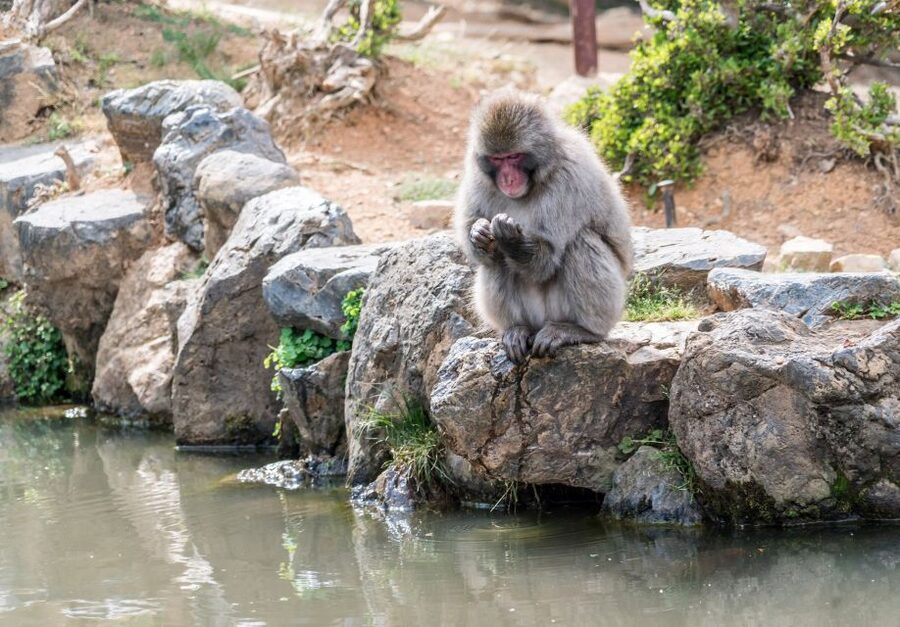
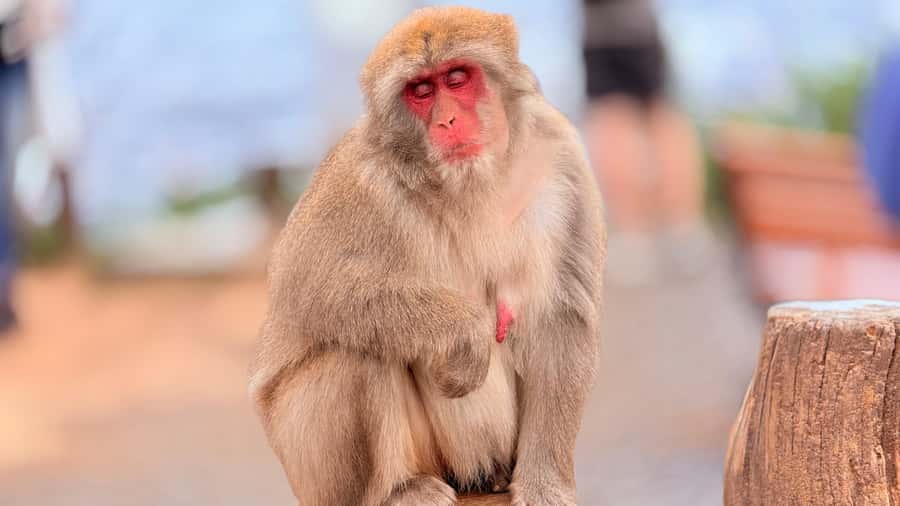
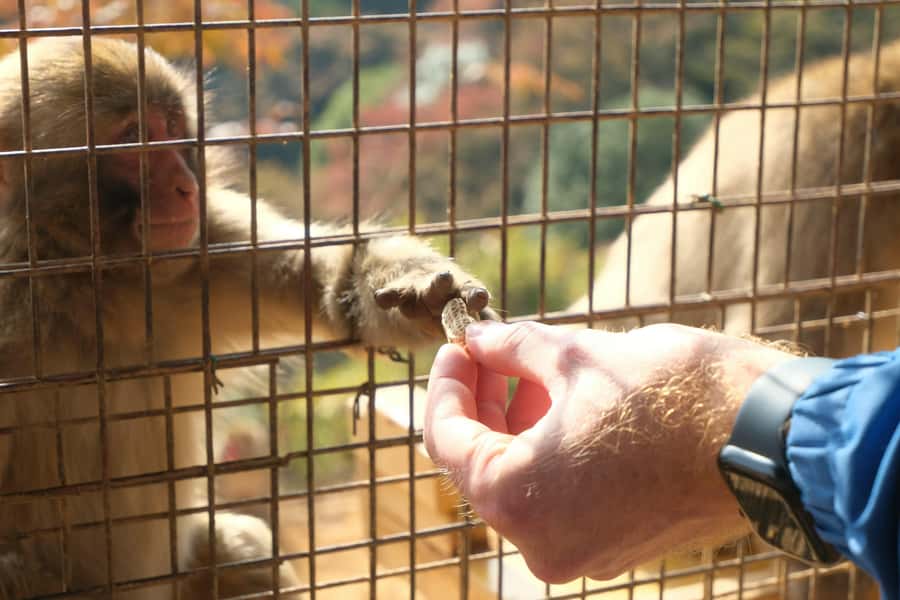
Monkey Park is the most physically demanding section. The uphill route is described as roughly 525 feet of climbing, and one guide specifically noted that the ascent is steep. Think of it as a proper hill walk, not a flat park visit.
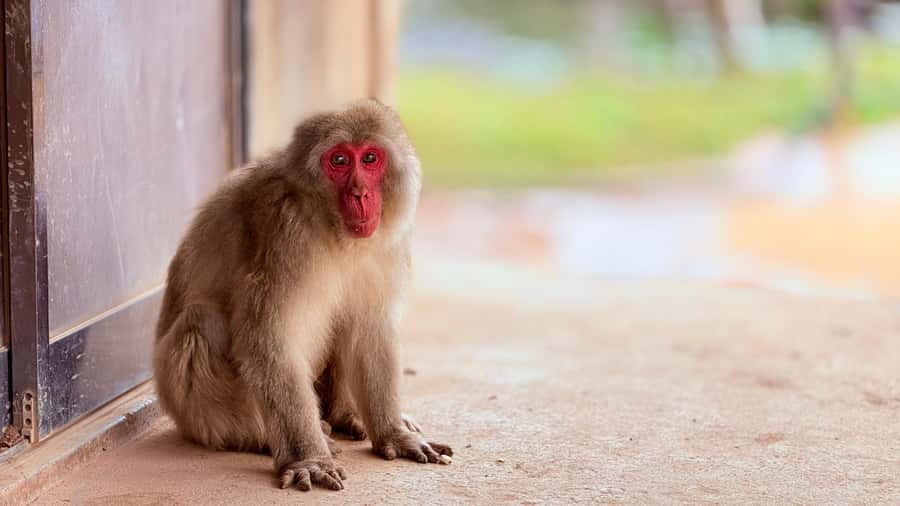
At the top, wild monkeys roam freely. The attraction is not a petting zoo, and you should follow the park’s rules about feeding and behavior. The tour includes entry, and the combination of wildlife and high views gives the day a different feel from the shrine and temple stops.
The climb is worth considering carefully. Several people have enjoyed the walk and found the views rewarding, but it may be difficult if you are not comfortable with steep paths or uneven ground. Wear shoes with a firm sole, take the offered pauses, and tell your guide if you need a slower pace.
The guides receive strong praise for adjusting their speed. Max is noted for stopping to let people cool off in hot weather, while Terri is praised for keeping the group moving without forcing long waits. That kind of pacing matters on a route with both stairs and hills.
At the viewing area, you can look across Kyoto from above. The contrast is striking: after the enclosed torii gates and bamboo paths, you get open views and active wildlife. It is one of the tour’s most memorable changes of pace.
Food, tastings, and what is not included
Food and drinks are not included, but the day can include a lunch stop near a small food area with several places to eat. This is useful to know if you worry about booking a long walking tour without a chance to buy food.
You should bring money for lunch, snacks, drinks, and train fares. Cash is specifically recommended. The food stop is not a formal included meal, so you choose and pay for what you want.
Some guides have added small tastings, including sake and chocolate or pecan chocolate. These touches depend on the guide and day, so treat them as possible extras rather than a guaranteed part of the package.
The best approach is to eat a reasonable breakfast, carry water, and keep your lunch expectations flexible. The schedule covers many sights, so you may not have time for a long restaurant meal.
How the $88 price measures up
At $88 per person, this is not the cheapest way to see Kyoto. You still pay train fares and buy your own food and drinks. A self-guided visit to Fushimi Inari and Arashiyama can cost less, especially if you are comfortable navigating public transport and researching the sights in advance.
The value comes from what is bundled with the walking route. Entry to Monkey Park and Tenryuji garden is included, as is an English-speaking local guide. You also get a small-group format, route planning, cultural explanation, and practical help with photographs and food stops.
I would consider the price fair if you want both areas in one day and prefer not to manage the details yourself. It is especially useful for first-time visitors, solo bookers who want company, and anyone who wants context rather than a quick photo at each stop.
The value is weaker if you dislike hills, already know Kyoto well, or want plenty of unstructured time. In that case, use public transport and visit one district at a time.
Pace, weather, and group comfort
This is an active outing. You will walk through shrine grounds, along city streets, through bamboo paths, across a bridge, around temple grounds, and uphill to the monkeys. The pace can be adjusted, but the route itself cannot be made flat.
Summer heat has affected the experience for some people, so carry water and wear breathable clothing. Rain does not necessarily ruin the day, but you need proper shoes and rain gear. One wet-weather outing still worked well because the guide kept the day moving, but the amount of walking remained the same.
The group is described as intimate and can include around ten or eleven people. That is small enough for questions and personal attention, while still large enough that the guide must keep everyone together. Guides such as Aron and Aaron are praised for helping with photos and responding to individual needs.
This is not suitable for non-folding wheelchairs, electric wheelchairs, baby strollers, non-folding strollers, or baby carriages. It is also not recommended for people with mobility impairments.
Should you book this Kyoto tour?
Book it if you want the major sights of Fushimi Inari and Arashiyama tied together by a local guide, and if you are ready for a full day of walking. The strongest reasons are the included Tenryuji and Monkey Park admission, the mix of shrine, bamboo, temple, bridge, river, and wildlife, and the guide’s help with pacing and photographs.
I would be particularly happy to book it with a guide such as Aron, Aaron, Terri, Max, or Mari, all of whom are associated with the qualities this route needs: clear English, local stories, patience, and practical help. Guide assignments can vary, so do not book solely on the expectation of one named person.
Skip it if you need step-free access, dislike public trains, or want a slow and private temple day. For everyone else, this is a lively and well-planned way to see two very different sides of Kyoto in one outing.
FAQ
Where does the tour start?
The tour starts in front of the gates of Inari Station.
Where does the tour end?
The activity ends back at the meeting point.
Are train fares included?
No. Train fees are not included in the $88 price.
Are food and drinks included?
No. You pay separately for food and drinks. The route may include a stop near a small food area with several places to eat.
Are admission fees included?
Yes. Entry to Monkey Park and the Tenryuji Temple garden is included, as is access to the Fushimi Inari visit.
What language is the tour offered in?
The listed tour language is English.
What should I bring?
Bring comfortable walking shoes and cash. Rain gear and weather-appropriate clothing are also sensible because much of the experience takes place outdoors.
Is the tour suitable for wheelchair users or strollers?
No. The tour is not suitable for wheelchair users, electric wheelchair users, baby strollers, non-folding strollers, or baby carriages.
Can one person book the tour alone?
A solo traveler can make a booking, but at least two guests are required for the tour to operate. If only one guest books, the activity may be canceled, with rescheduling or a full refund offered.
More Mornings in Arashiyama
- Kyoto/Osaka: Nara, Fushimi Inari Taisha, Arashiyama Bus Tour
★ 4.7 · 1,275 reviews - Osaka/Kyoto: Arashiyama, Nara & Fushimi Inari Shrine w/Lunch
★ 4.4 · 754 reviews - Kyoto: Nijo, Kinkaku-ji, Arashiyama, Kiyomizu & Fushimi Inari
★ 5.0 · 699 reviews - Kyoto Ghost Tour: Dark Tales, Urban Legends, Bamboo Forest Night
★ 5.0 · 625 reviews
Newest Kyoto experiences on the site
- Treasures of Kyoto: Gion & historical Walking Tour★ 5.0 · 6 reviews
- Whisk Your Own Matcha: A Zen Matcha Experience at Temple★ 3.6 · 7 reviews
- Kyoto tea town for matcha lovers★ 5.0 · 16 reviews
- Uji: Private immersion into Kyoto’s tea and reglious culture★ 5.0 · 17 reviews
- Kyoto Matcha Green Tea Tour★ 4.5 · 23 reviews
- Uji and Wazuka Matcha Farm Half Day Private Guided Tour★ 5.0 · 21 reviews
- Utilising upcycled Matcha! Creating matcha incense (Uji, Kyoto)★ 5.0 · 6 reviews
- Uji Tea Ceremony and UNESCO Heritage Walking Tour★ 5.0 · 20 reviews
Fushimi Inari Tours, compared.
Fushimi Inari, Kinkakuji, Bamboo Grove 1 Day Bus Tour
Read our review →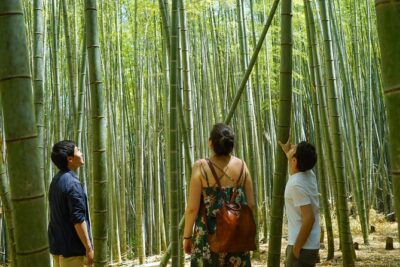
Fushimi Inari Hidden Hiking Tour (Private Option Available)
Read our review →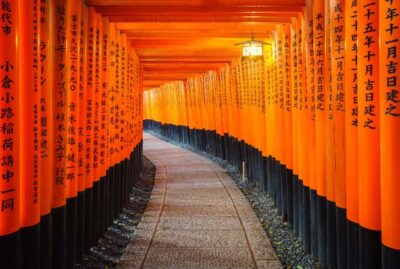
Kinkakuji,Arashiyama,FushimiInariShrine,NaraPark
Read our review →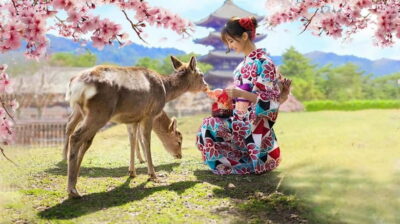
Nara, Fushimi Inari Taisha, Arashiyama Bus Tour
Read our review →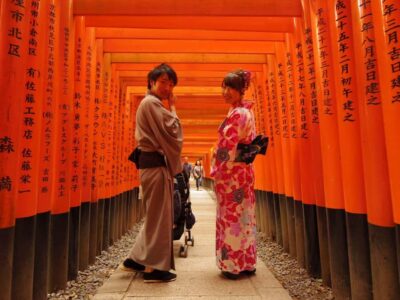
Arashiyama, Nara & Fushimi Inari Shrine w/Lunch
Read our review →
Nijo Castle, Kiyomizu & Fushimi Inari Guided Tour
Read our review →
Nijo, Kinkaku-ji, Arashiyama, Kiyomizu & Fushimi Inari
Read our review →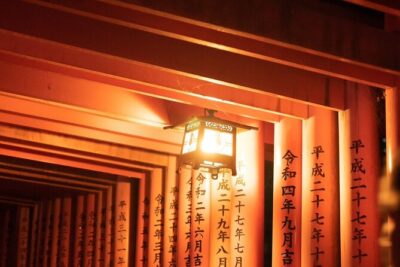
Browse the lists this tour appears in