
Reviewed · ARASHIYAMA BAMBOO GROVE TOURS
Kyoto: Arashiyama Customized Rickshaw Tour & Bamboo Forest
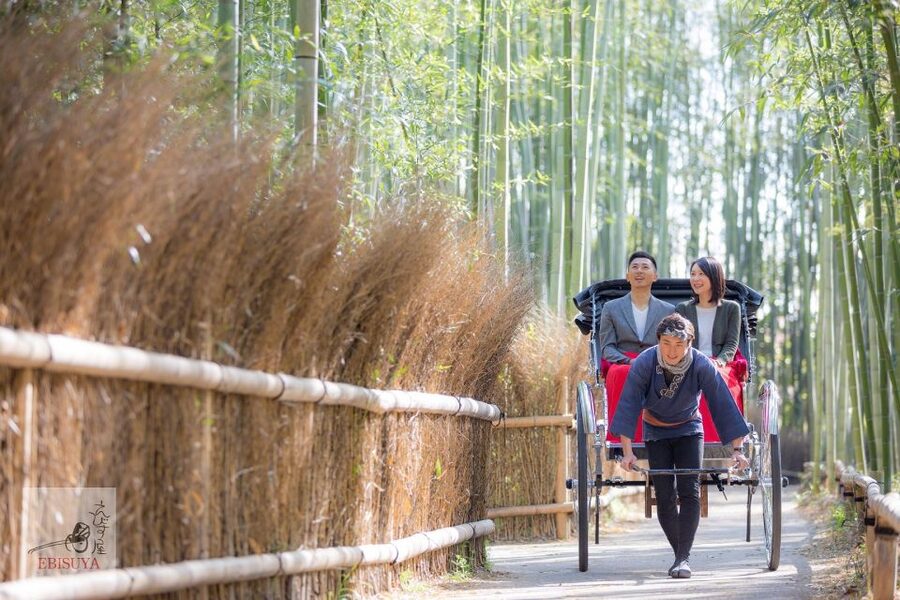
Arashiyama’s bamboo forest is beautiful, but the main pedestrian path can feel crowded. This private rickshaw tour gives you a better angle, with access to a rickshaw-only path through the bamboo and a guide who can explain what you are seeing as you roll past. You sit back while your driver does the hard work, including the uphill stretches.
I like two things here. First, the tour gets beyond the famous grove and into Arashiyama’s quieter lanes, shrines, gardens, and temples. Second, the guides make the experience personal. Aki, Koki, Shin, Yoshi, and others are praised for their English, local stories, patience, and knack for taking good photos. The main consideration is that a rickshaw is narrow, only 74 centimeters wide, and the ride is not recommended for people with back problems or pregnant women.
Key points to know before you book
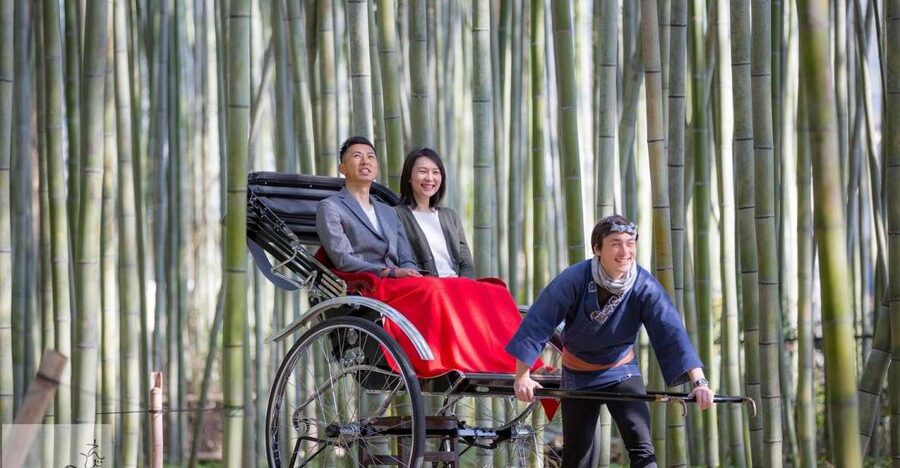
- The bamboo route is quieter: Rickshaws can use an exclusive path through the forest, away from much of the foot traffic.
- You choose the length: Options run from 45 minutes to 1 hour 10 minutes, 2 hours 10 minutes, or 3 hours 10 minutes.
- The guide shapes the outing: Tell your driver if you care most about bamboo, temples, gardens, local streets, history, or photography.
- It is private: You ride with your own guide rather than joining a large group.
- Photos are part of the service: Guides stop at attractive spots and take pictures of you along the route.
- Two adults fit, but it is snug: Individual rickshaws may be more comfortable for some passengers.
Why a rickshaw is a smart way to see Arashiyama
Arashiyama is one of Kyoto’s easiest areas to love and one of its easiest areas to underestimate. The famous bamboo grove is only one part of it. Around Togetsu-kyo bridge, you have wooded hills, old shrines, temple grounds, gardens, lanes, and a broad river setting that feels far removed from central Kyoto.
Walking gives you freedom, but it also means navigating crowds and spending much of your time looking for the next turn. A rickshaw changes the pace. You can watch the scenery, ask questions, and let a local driver point out places you might otherwise pass without noticing.
The tour starts near Togetsu-kyo bridge, a nationally designated historic site and place of scenic beauty. Meeting points can vary by the option you book, so check your confirmation carefully. The bridge is an easy landmark in Arashiyama, but the area has several paths and transport stops, so allow time to locate the exact starting point.
This is a private experience, with an English or Japanese-speaking guide. That matters because the tour can be adjusted to your interests. You are not locked into a fixed speech or a one-size-fits-all route.
More mornings in Arashiyama and the bamboo grove:
- Kyoto: Fushimi Inari, Kinkakuji, Bamboo Grove 1 Day Bus Tour
★ 4.8 · 4,316 reviews - Osaka/Kyoto:Kinkakuji,Arashiyama,FushimiInariShrine,NaraPark
★ 4.1 · 1,596 reviews - Kyoto/Osaka: Nara, Fushimi Inari Taisha, Arashiyama Bus Tour
★ 4.7 · 1,275 reviews
Through the bamboo grove on a quieter path
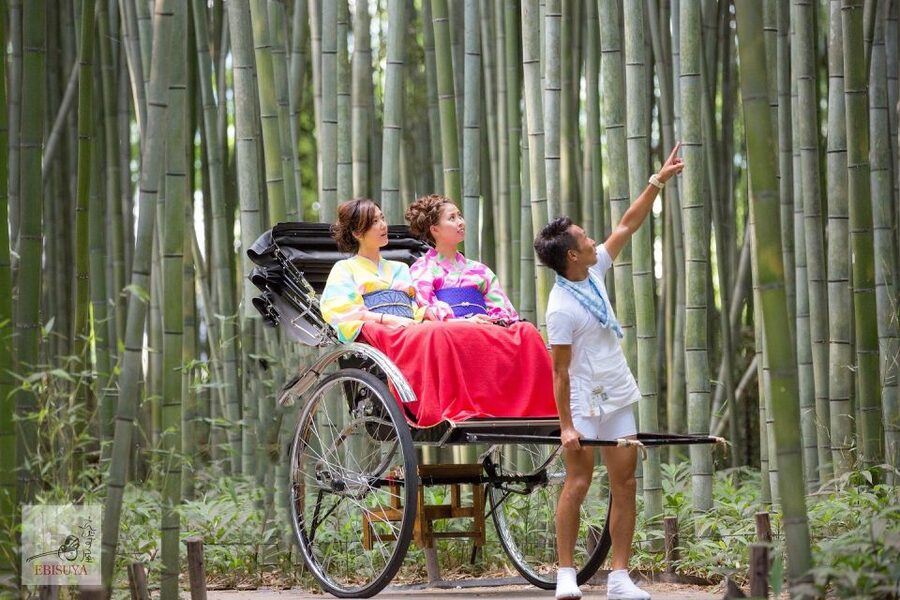
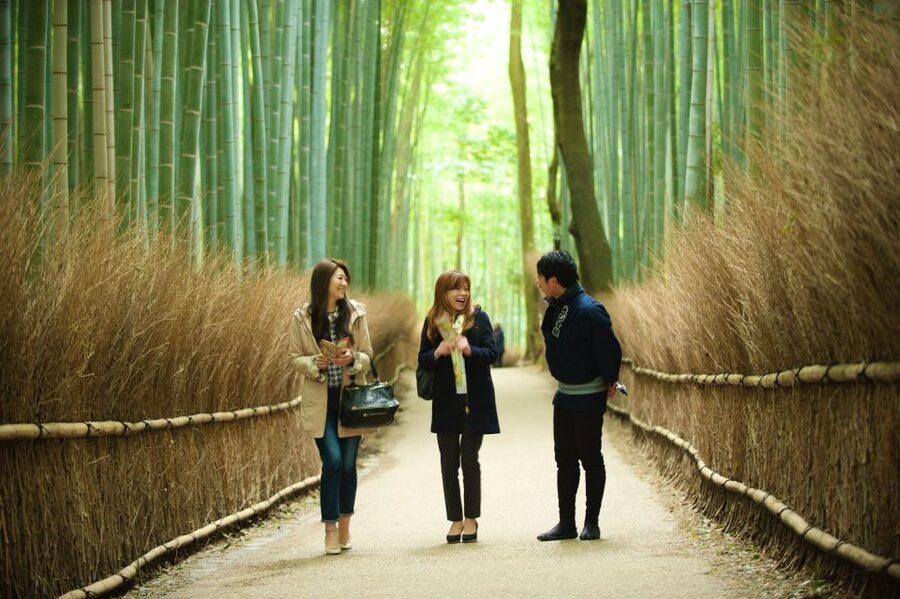
The bamboo forest is the centerpiece, and you reach it in a way that solves one of the area’s biggest problems. The standard pedestrian route can be packed, especially at popular times. Rickshaws have access to their own path through the bamboo, giving you a calmer ride and a clearer view of the tall green stalks.
The effect is especially good from a low, open rickshaw seat. Instead of walking with your attention fixed on the people in front of you, you can look upward at the bamboo and listen to your guide explain the area. The ride does not turn the forest into a private wilderness, since Arashiyama remains a popular destination, but it can reduce the feeling of being carried along with a crowd.
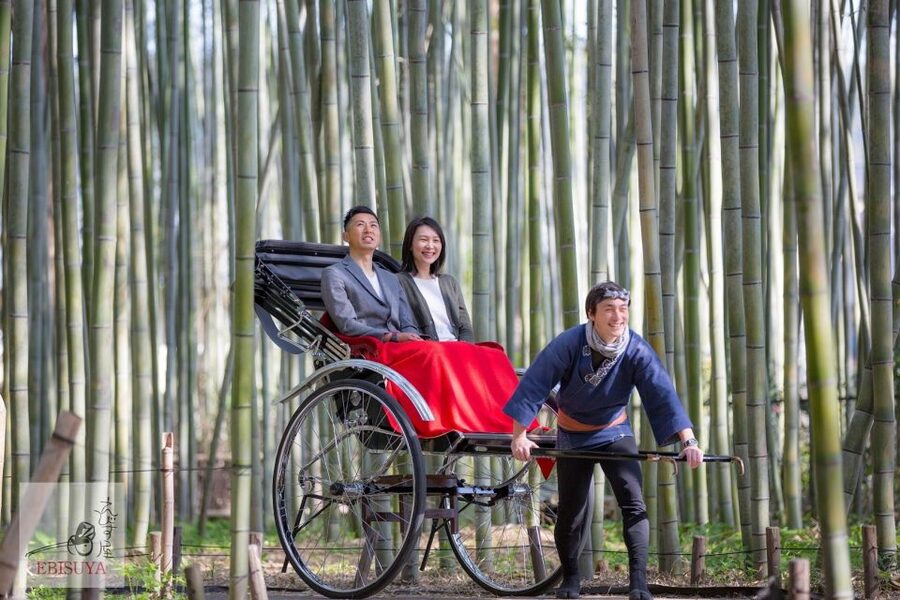
Your guide also stops for photographs. This is one of the strongest parts of the experience. Guides such as Koki, Shin, Aki, Yoshi, Lucas, and Yuta have been praised for finding good angles and taking pictures that include both you and the setting. If you want photos, tell your driver early. They are not just an afterthought at the end.
Rain and cold do not necessarily ruin the ride. Blankets are available, and a rain cover can protect your legs. That said, weather still affects visibility and comfort. Dress for the conditions, and do not treat the rickshaw as a substitute for warm clothing in winter.
Nonomiya Shrine and the meaning behind the sights
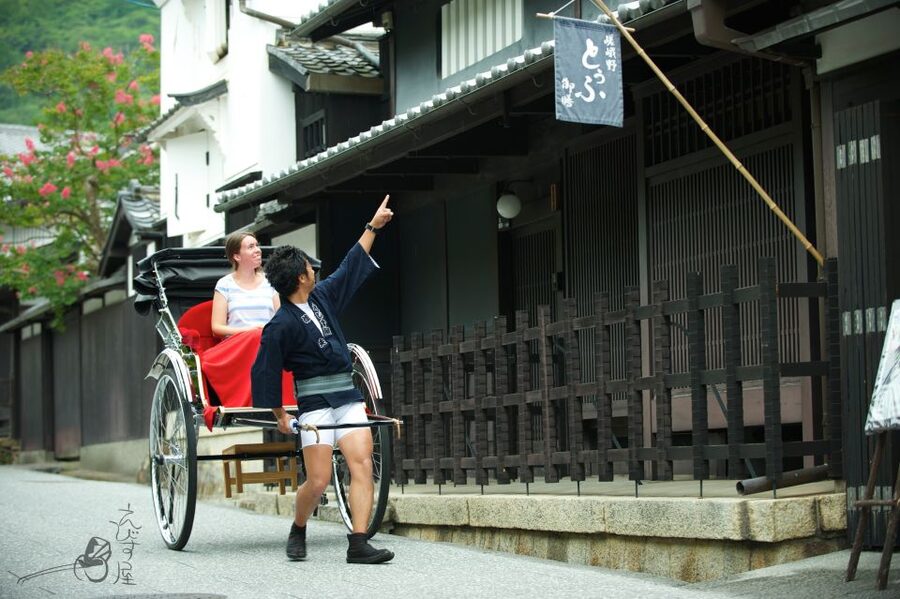
After the bamboo grove, the route includes Nonomiya Shrine, a small Shinto site with a strong connection to Arashiyama’s traditional character. Your guide can explain the difference between a Shinto shrine and a Buddhist temple, as well as the local customs connected with these places.
This is where a private guide earns the fare. You can ask what a gate, shrine building, garden feature, or ritual means instead of simply taking a photograph and moving on. The English level varies by guide, but the available feedback consistently praises the communication skills of named guides including Aki, Koki, Shin, Yoshi, Yuya, and Toru.
On the 45-minute option, Nonomiya Shrine is roughly where the short outing returns toward the starting area. This version focuses on the bamboo grove and nearby highlights. It works well if you have a packed Kyoto schedule, if you are traveling with young children, or if you mainly want the rickshaw experience and the forest path.
The drawback is simple: 45 minutes goes quickly. You will not have much time for the farther temples, the poet’s cottage, or the less visited streets. If Arashiyama is a major part of your day, I would consider the longer options.
Longer routes into Arashiyama’s quiet lanes
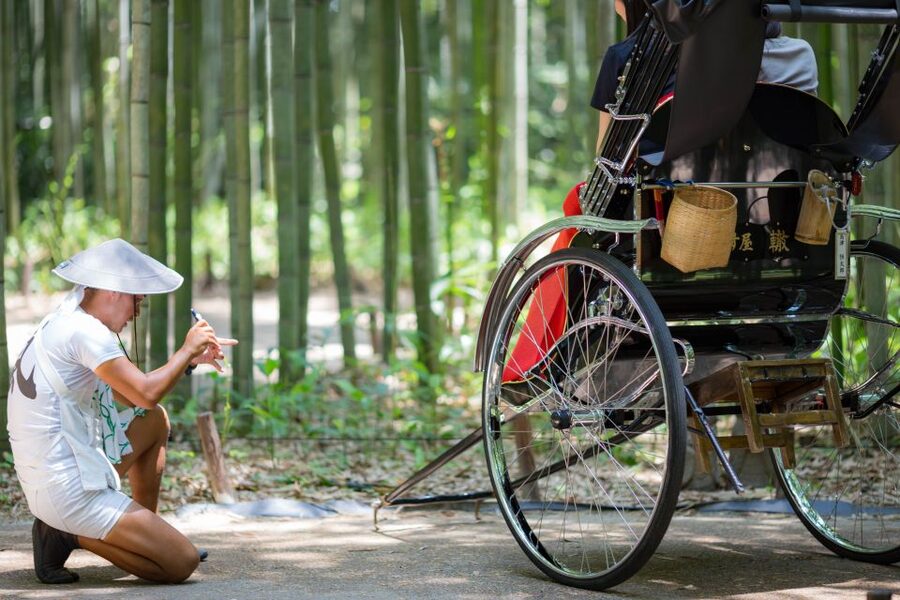
The 70-minute tour gives you more breathing room without taking over your day. It is a good middle choice if you want the bamboo and a little more of the surrounding district, but still plan to visit other attractions on foot.
The 130-minute option, listed as 2 hours 10 minutes, is the best balance for many people. It allows the ride to become a proper introduction to Arashiyama rather than a quick photo stop. You can see the bamboo, Nonomiya Shrine, local streets, temples, and additional scenic areas without spending the entire day seated.
The longest option lasts 190 minutes, or 3 hours 10 minutes. This is the choice for you if you want the guide to shape a broad visit around the district. Guides can take you to places that receive less foot traffic and use routes that are not obvious to first-time visitors. The longer ride also gives you time to ask about Kyoto life, religious sites, local customs, and food recommendations.
Do not choose the longest tour simply because more time sounds better. A rickshaw ride is passive compared with walking, and the vehicle has a compact seat. For some people, 130 minutes is plenty. For others, the long option is ideal because it combines transport, sightseeing, and a local introduction in one package.
More rickshaw rides in Kyoto:
- Kyoto Arashiyama Rickshaw Tour with Bamboo Forest
★ 5.0 · 354 reviews - Kyoto Rickshaw Tour
★ 5.0 · 210 reviews - Kyoto: Private Rickshaw Tour of Gion and Higashiyama Area
★ 5.0 · 144 reviews - Kyoto Sagano Insider: Rickshaw and Walking Tour
★ 5.0 · 15 reviews
Rakushisya, temples, and gardens beyond the famous grove
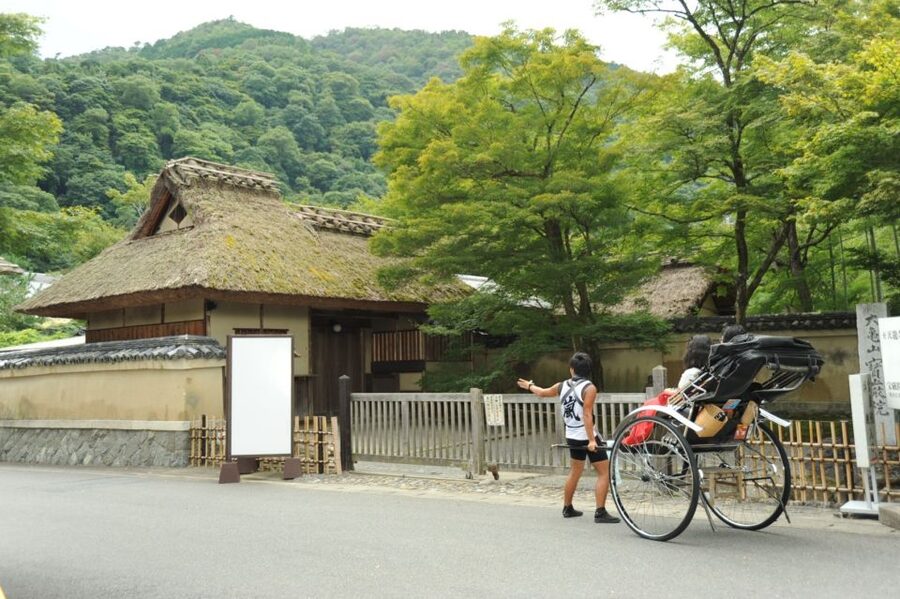
Longer tours can include Rakushisya, a rustic thatched cottage once associated with one of Japan’s respected poets and haiku masters. It offers a different mood from the polished bamboo photographs. The cottage helps connect Arashiyama with Japan’s literary and artistic traditions.
You may also continue to Nison-in, a Buddhist temple, along with other ancient temples and Shinto shrines. The route can include gardens and places that are less obvious than the main bamboo path. Exact stops depend on the option and how you customize the ride, so ask your guide what can fit into your chosen time.
The value here is not just the number of sites. A temple or garden is more memorable when you understand why it matters, what type of religious site it is, and how it fits into Arashiyama’s history. Guides including Toru, Yuta, Yuya, and Koki have been praised for explaining these details in an approachable way rather than rushing from one photo stop to the next.
A useful approach is to tell your driver what you have already seen in Kyoto. If you have visited many major temples, ask for quieter lanes and local scenery. If this is your first day in Japan, ask for basic cultural context. The tour is flexible enough to work either way.
The guide makes the biggest difference
The rickshaw itself is memorable, but the guide controls the quality of the outing. You want a driver who can pull the vehicle safely, keep the conversation moving, explain the area, and stop at the right moments for photos.
That combination comes up repeatedly with guides named in the feedback. Aki is praised for engaging conversation and strong photography. Koki is described as warm, funny, careful, and good at finding quieter routes. Shin is noted for clear explanations, excellent photos, and a calm way of moving around crowds. Yoshi is praised for his English and local suggestions, while Yuya receives high marks for his communication and friendly manner.
You may be assigned another guide, of course. The important point is to make use of the private format. Ask questions. Say if you want more history, more photography, more gardens, or fewer stops. The guides are not simply pulling you from point A to point B.
The physical work also deserves respect. The driver pulls up hills and through parts of the district while talking with you. Tipping is not included in the stated price, but many people will want to show appreciation for the effort, especially on a longer route or in difficult weather.
Is $51 per person good value?
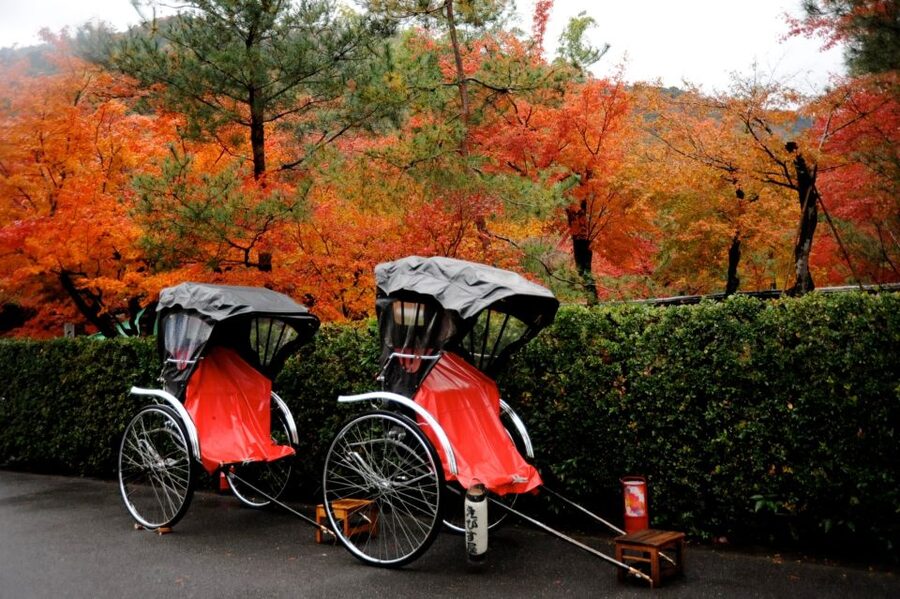
At $51 per person, this is not the cheapest way to pass through Arashiyama. You can walk the bamboo grove and explore the district without paying for a vehicle. The question is what you are buying beyond transport.
You are paying for a private guide, a traditional rickshaw, a quieter route through the bamboo, local explanations, flexible sightseeing, and photographs of you in the setting. For a couple, the cost can make sense because the experience is shared privately rather than in a large group. It is particularly useful if you want a special memory from Kyoto or if you dislike trying to photograph yourselves in crowded places.
The value is strongest on the longer tours. A 45-minute ride is a focused introduction, while the 130-minute and 190-minute options turn the experience into a fuller visit to Arashiyama. If you choose the short tour, pair it with extra time in the neighborhood before or afterward. One traveler who took the bus out from Kyoto wished they had allowed more time in the surrounding area, and that is good advice.
Food and drinks are not included. Hotel pickup is not included either, so you need to reach Arashiyama on your own. Those are minor issues if you already plan to visit the district, but they matter if you are trying to fit this into a tightly scheduled Kyoto day.
Comfort, families, and practical limits
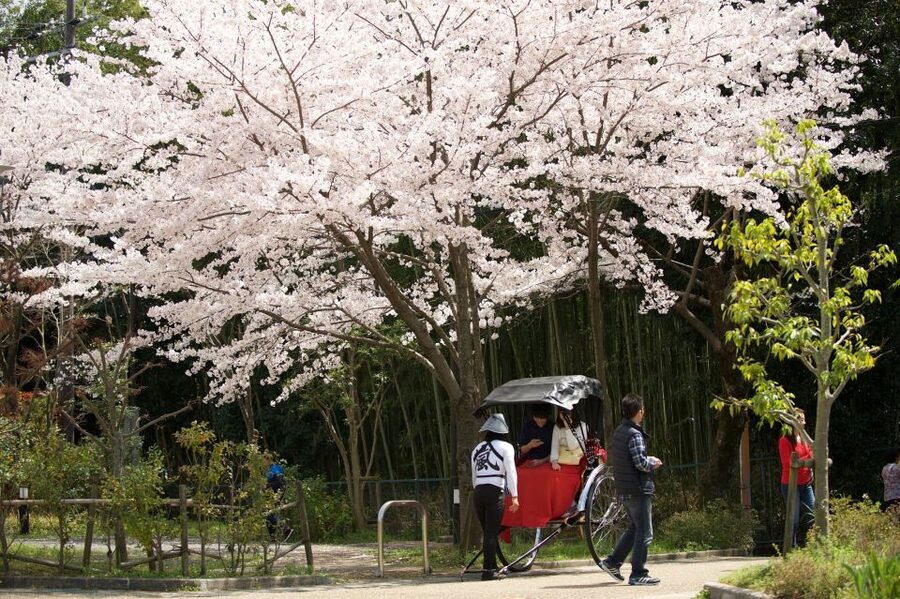
Each rickshaw can carry a maximum of two adults. The seat is 74 centimeters wide, so two adults fit, but it may feel close for some passengers. If you value personal space, booking an individual rickshaw for each person may be more comfortable.
Up to two children aged five or under can ride with two adults, but they must sit on an adult’s lap. A five-year-old using one of the two seats must be booked as an adult and pay the full fare. Adult pricing applies from age six.
The experience is wheelchair and stroller friendly, which makes it more usable for families and some visitors with mobility needs. Still, the ride itself may not suit people with back problems. It is also not recommended during pregnancy, particularly in the first 16 weeks, and the activity is listed as unsuitable for pregnant women. If that applies to you, choose a different way to see Arashiyama.
Selfie sticks are not allowed. Bring a phone or camera, but let the guide handle the main portrait stops. You will get better photos and avoid juggling equipment in a narrow vehicle.
Which tour length should you choose?
Here is the practical breakdown:
- 45 minutes: Best for the bamboo grove, Nonomiya Shrine, and a first taste of the rickshaw. Choose it if time is limited.
- 1 hour 10 minutes: A middle option for the bamboo and nearby Arashiyama streets, with a little more room for conversation and photographs.
- 2 hours 10 minutes: The strongest all-round choice for bamboo, shrines, temples, gardens, and quieter lanes.
- 3 hours 10 minutes: Best for a broad, slower visit with more temples, literary sites, local streets, and customization.
Start earlier in the day if you want a calmer feel, though the tour operates at different available times. Morning rides can also help you make the most of the rest of your day in Arashiyama.
Should you book the Arashiyama rickshaw tour?
Book it if you want more than a quick walk through the bamboo grove. The private format, exclusive rickshaw path, local guide, and photo stops solve several problems at once: crowds, navigation, cultural context, and the challenge of getting good pictures of yourselves.
I would choose the 130-minute option for a first visit, unless your schedule is tight. The 45-minute tour is still worthwhile, especially in poor weather or when you mainly want the bamboo experience, but it leaves much of Arashiyama untouched.
Skip it if you prefer exploring independently, dislike seated rides, or have back problems. For everyone else, especially couples, families with young children, and first-time visitors to Kyoto, this is a warm, personal way to see a famous place without being limited to its busiest path.
FAQ
Where does the Arashiyama rickshaw tour meet?
The guide and rickshaw await near Kyoto’s Togetsu-kyo bridge in Arashiyama. The exact meeting point can vary by the option you book, so check the booking details before setting out.
How long does the tour last?
You can choose from four durations: 45 minutes, 1 hour 10 minutes, 2 hours 10 minutes, or 3 hours 10 minutes.
Is the tour private?
Yes. The activity is arranged as a private group tour with your own rickshaw guide.
Is the tour available in English?
Yes. Live guides are available in English and Japanese.
How many people fit in one rickshaw?
A rickshaw can carry up to two adults. Up to two children aged five or under can ride with two adults if they sit on an adult’s lap.
Can the tour be customized?
Yes. The route can be adjusted according to your interests, including the bamboo forest, temples, shrines, gardens, local streets, and other Arashiyama sights.
Is the tour suitable for people with mobility concerns?
The tour is wheelchair and stroller friendly, but it is not recommended for people with back problems or pregnant women. The rickshaw is 74 centimeters wide, so passengers should also consider personal space and comfort.
Newest Kyoto experiences on the site
- Treasures of Kyoto: Gion & historical Walking Tour★ 5.0 · 6 reviews
- Whisk Your Own Matcha: A Zen Matcha Experience at Temple★ 3.6 · 7 reviews
- Kyoto tea town for matcha lovers★ 5.0 · 16 reviews
- Uji: Private immersion into Kyoto’s tea and reglious culture★ 5.0 · 17 reviews
- Kyoto Matcha Green Tea Tour★ 4.5 · 23 reviews
- Uji and Wazuka Matcha Farm Half Day Private Guided Tour★ 5.0 · 21 reviews
- Utilising upcycled Matcha! Creating matcha incense (Uji, Kyoto)★ 5.0 · 6 reviews
- Sacred Temple Yoga Experience in Japan★ 5.0 · 3 reviews
Arashiyama Bamboo Grove Tours, compared.
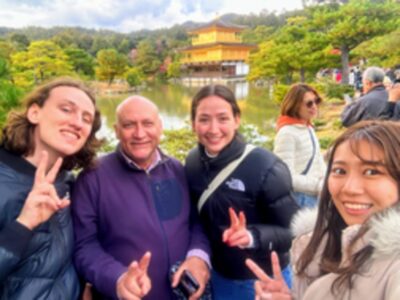
Fushimi Inari, Kinkakuji, Bamboo Grove 1 Day Bus Tour
Read our review →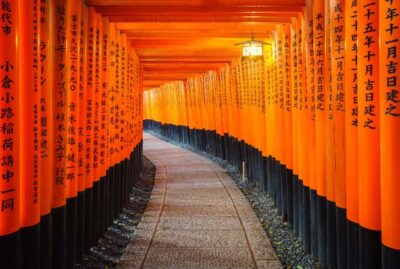
Kinkakuji,Arashiyama,FushimiInariShrine,NaraPark
Read our review →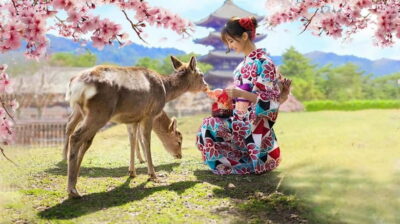
Nara, Fushimi Inari Taisha, Arashiyama Bus Tour
Read our review →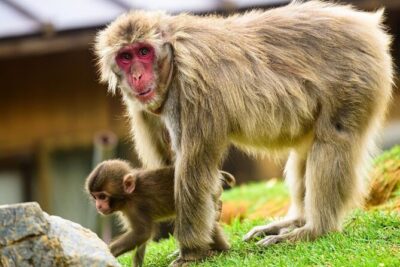
Kyoto Arashiyama Walking Tour: Bamboo, Monkeys, Gardens & Secrets
Read our review →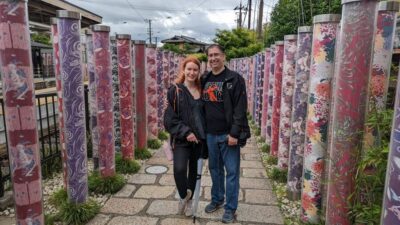
Arashiyama Bamboo, Temple, Monkeys, or Secret Sake Brewery
Read our review →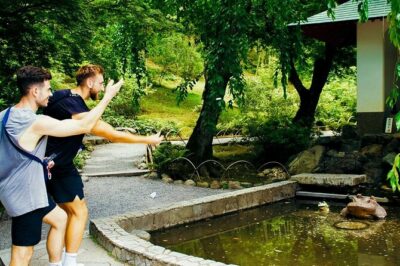
Arashiyama Bamboo Forest, Monkeys, Matcha & Temple Tour
Read our review →
Arashiyama, Nara & Fushimi Inari Shrine w/Lunch
Read our review →
Nijo, Kinkaku-ji, Arashiyama, Kiyomizu & Fushimi Inari
Read our review →Browse the lists this tour appears in