
Reviewed · KYOTO NIGHT TOURS
Experience Japan’s Traditional Culture Night Tour in Kyoto
Kyoto’s traditional culture comes together in one compact evening: stage arts at Gion Corner, a lantern-lit walk through Gion, and a candlelit tea ceremony before dinner at a historic ryokan. The program gives you a useful introduction without asking you to spend several nights sorting out each activity on your own.
I like the mix of performing arts and quiet ritual, and I like that the dinner is part of the experience rather than an afterthought. The main consideration is the meeting point at Good Nature Hotel Kyoto, which can mean crossing town toward Gion during the evening rush. The operator has said it would change this transfer from taxi to walking from tours beginning in December 2024.
Key points to know before booking
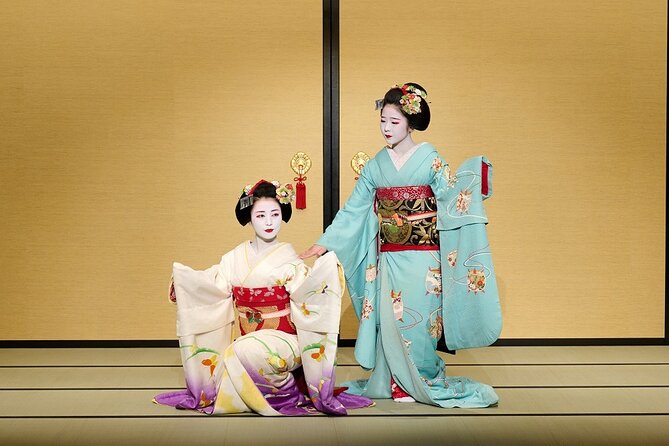
- Gion Corner presents several traditional arts in about 50 minutes, including Kyoto dance, tea ceremony, flower arrangement, koto music, court dance, comic theater, and seasonal bunraku or noh.
- The season changes the program. Bunraku or noh is included from March 15 through November 30, while the winter show from December 1 through March 14 includes a commemorative photo with a maiko.
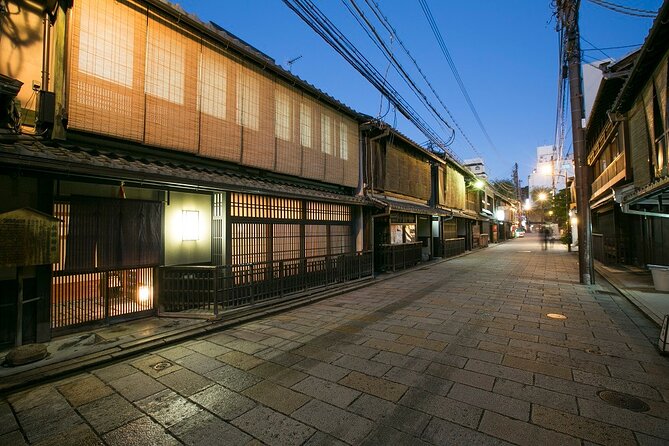
- Hanamikoji Street and Gion Shimbashi provide the atmospheric walking portion, with historic teahouses, restaurants, preserved buildings, and paper lanterns.
- Dinner at Ryokan Yoshi-Ima is Buddhist vegetarian cuisine, with rice, miso soup, seasonal vegetable tempura, tofu, yuba, and namafu.
- The advertised price is $175.60 per person, including admission, dinner, and a National Government Licensed English Guide, but drinks cost extra.
- The tour lasts about four hours and accepts no more than 24 people, with the evening ending at Ryokan Yoshi-Ima in central Gion.
Why this Kyoto evening works
Many Kyoto culture programs give you one narrow slice of tradition. This one links public performance, neighborhood scenery, tea practice, and food. That makes it useful if you want a first look at several parts of Japanese culture in one evening, especially if you have limited time in Kyoto.
The order is sensible. You begin with a seated performance, walk through Gion as the streets grow atmospheric, then settle into a more private tea ceremony and dinner. You are not rushing between a long list of unrelated sights. The evening has a clear change of pace.
I also like the balance between stage presentation and everyday setting. Gion Corner explains arts that can be hard to encounter casually, while Hanamikoji Street and Gion Shimbashi give you a chance to see the setting where Kyoto’s geisha district traditions continue. The final meal then shows how Buddhist food principles shape a simple dinner.
The tour is not a private cultural lesson. The group can reach 24 people, and Gion Corner is a public performance venue. If you want a long, hands-on tea lesson or a quiet meal with no group structure, this program may feel packaged. If you want a well-organized introduction, that same structure is helpful.
More Kyoto after dark:
- Kyoto: Gion Magical Night Walking Tour with Geisha Trivia
★ 4.9 · 2,393 reviews - Night Walk in Gion: Kyoto’s Geisha District
★ 4.5 · 2,003 reviews - Kyoto Night Foodie Tour in Gion (9+ dishes + 6 Sake tastings)
★ 5.0 · 1,762 reviews
Starting near Good Nature Hotel Kyoto
The published meeting point is Good Nature Hotel Kyoto at 2-318-6 Inaricho in Kyoto’s Shimogyo Ward. The listed start time is 5:05 p.m. Because the evening program is tied to a performance schedule, arrive ready to leave on time.
The first meeting arrangement created a practical nuisance. The hotel is some distance from Gion Corner, and the route originally involved a taxi during rush hour. One review specifically found this transfer frustrating, since the group had to meet away from the first venue and then cross town before the program began.
The operator responded that it would change the transfer from taxi to walking for tours beginning in December 2024. That should make the start calmer, though you should still check your confirmation for the exact meeting instructions and current arrangement. The tour is near public transportation, but the supplied details do not specify a particular station or train line.
The four-hour total includes travel and waiting time. The listed activities add up to about two hours and 50 minutes, leaving roughly 70 minutes for getting around and waiting for the performance. That is normal for a scheduled evening program, but it explains why the experience is not four full hours of seated cultural activity.
Gion Corner: seven arts in one short show
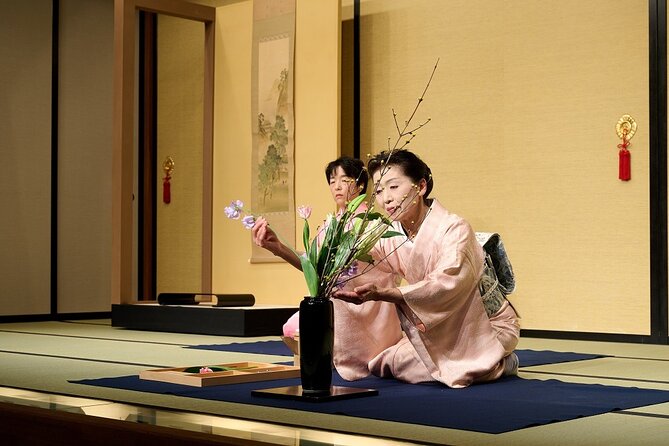
The first formal stop is Gion Corner, where you spend about 50 minutes watching a selection of Japanese traditional arts. The regular program, offered from March 15 through November 30, includes:
- Traditional Kyoto dance
- Tea ceremony
- Flower arrangement
- Koto music
- Bugaku, the court dance and music tradition
- Kyogen, traditional comic theater
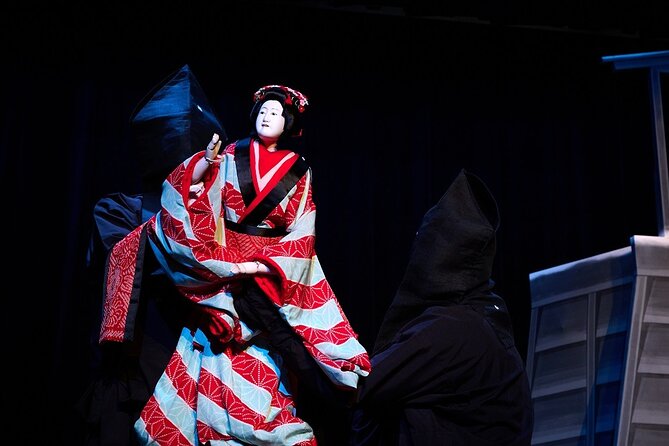
- Bunraku puppet theater or a noh play
This variety is the strongest reason to include Gion Corner in the evening. Each segment is brief, so you get a quick sense of the art form rather than a full-length performance. That format helps first-time visitors understand the range of Japanese performance traditions without committing to a long show in a language they may not know.
The program changes by season. Bunraku or noh is presented depending on the time of year, and the content can change. From December 1 through March 14, the winter performance includes Kyoto dance, tea ceremony, flower arrangement, koto, bugaku, and kyogen, but not the listed bunraku or noh portion.
During the winter program, you can take a commemorative photo with the maiko. That is a specific seasonal extra, not something to assume will be part of every departure. Check the performance schedule if one particular art matters to you.
Gion Corner is best approached as an introduction. You will see many forms in a short sitting, but you will not receive a full explanation of every tradition or watch a complete noh or bunraku production. The guide’s cultural comments help put the show in context, which is useful when a performance style is unfamiliar.
Walking Hanamikoji Street after dark
After Gion Corner, the group walks for about 30 minutes along Hanamikoji Street toward Gion Shimbashi. This is the part of the tour where Kyoto’s setting does much of the work.
Hanamikoji-dori is lined with traditional teahouses and restaurants. The route continues to Gion Shimbashi, an Important Preservation District for Groups of Traditional Buildings. In the evening, paper lanterns and the preserved architecture create the mood people usually hope to find in Gion.
Keep your expectations sensible. This is a short guided walk, not a full architectural tour of eastern Kyoto. Its value is the transition from theater to neighborhood. You can ask questions, notice the street details, and understand how the district’s restaurants and teahouses fit into the evening scene.
The walk also gives you a break before dinner. You will be moving through central Gion rather than sitting continuously, so comfortable shoes are a good idea. The tour ends in Gion, which makes it convenient if you want to continue walking after dinner, though the program itself finishes at Ryokan Yoshi-Ima.
Same city, a completely different kind of day:
- PERFECT KYOTO 1-Day Bus Tour
★ 5.0 · 13,518 reviews - Kyoto: Fushimi Inari, Kinkakuji, Bamboo Grove 1 Day Bus Tour
★ 4.8 · 4,316 reviews - Kyoto: Tea Ceremony in a Traditional Tea House in Kiyomizu
★ 4.9 · 3,519 reviews - Kyoto Geisha Walking Tour: Gion District & Hidden Gems
★ 4.7 · 3,273 reviews
Candlelight at Ryokan Yoshi-Ima
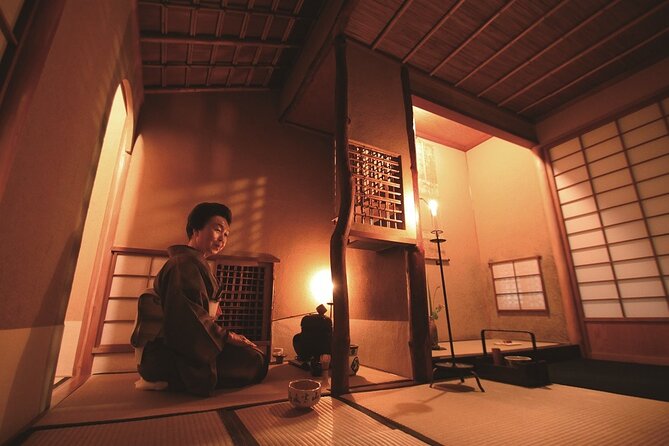
The final stop is Ryokan Yoshi-Ima, where about 90 minutes are set aside for a private evening tea ceremony and dinner. The tea ceremony takes place in the ryokan’s Kurenaitei tea ceremony room, with candlelight adding a quieter tone after the stage show and street walk.
This is not described as a long tea-school lesson. Instead, you should expect a cultural presentation paired with the meal. The candlelit setting makes this section feel more personal than the public performance at Gion Corner, and it gives the guide a chance to explain customs in a calmer setting.
Dinner follows Zen-style Buddhist vegetarian principles. The meal includes rice and miso soup, along with tempura made from ingredients such as tofu, namafu wheat gluten, yuba tofu skin, and seasonal vegetables. The listed examples include eggplant, lotus root, ginger, and shiitake mushrooms.
The meal is suitable for vegetarian participants, but there is an important detail for strict vegetarians and vegans. Bonito stock is used in the tempura dipping sauce. You can use salt instead, but you should know this before booking. Requests for Muslim-friendly meals, Indian thali meals, and allergy-friendly meals are not accepted.
Drinks are not included. You pay any drink charges separately, so budget for that if you want something with dinner. The included meal is one reason the price is easier to assess than a tour that charges admission but leaves dinner to you. You are paying for the food, the tea ceremony setting, the cultural program, and the guide in one evening.
What the $175.60 price really covers
At $175.60 per person, this is not a cheap evening walk. The value depends on how much of the program you would otherwise arrange separately.
Your fee includes admission to Gion Corner, the Japanese-style dinner, and the National Government Licensed English Guide Interpreter fee. It also brings several activities into one timed route. You do not have to find a suitable performance, work out the walk to Gion Shimbashi, and reserve a traditional meal on your own.
The price is easier to justify for a first visit, a short stay, or anyone who wants English explanations throughout the evening. It is less appealing if you mainly want to see Gion’s streets. You can walk Hanamikoji Street without paying for a tour, and the most valuable part of this package is the combination of performance access, tea ceremony, dinner, and interpretation.
The group may include up to 24 people. That is large enough to feel like a scheduled group outing rather than a private evening. Still, the program is built around a theater visit and a set dinner, so a group of this size is less of a problem than it would be during a hands-on workshop.
You can cancel free of charge up to 24 hours before the local start time. Changes or cancellations inside that window are not accepted for a refund. Confirmation is sent within 48 hours, subject to availability, so do not leave this booking until the last minute if your Kyoto dates are fixed. The fact that it is booked, on average, 42 days ahead suggests planning early is sensible.
Who should book this Gion tour
I would recommend this evening to you if you want a broad first look at Kyoto’s traditional culture and prefer an organized route. It suits couples, solo visitors, and families with older children who can manage a four-hour evening and a short walk.
It is especially useful if you are curious about traditional arts but do not know which performance to choose. Gion Corner gives you a sampler, and the guide can connect what you see onstage with the tea ceremony, neighborhood, and meal that follow.
The age rules matter. Children under seven cannot join. Anyone under 18 needs written parental permission, and anyone under 15, or not yet enrolled in middle school, must be accompanied by a parent or guardian.
You should think twice if you need a special diet beyond the stated vegetarian meal. The operator does not accept requests for Muslim-friendly, Indian thali, or allergy-friendly meals. Strict vegetarians should plan to use salt instead of the bonito-based dipping sauce.
You may also prefer another option if you want a full-length noh or bunraku production. The program offers one of those depending on the season, but Gion Corner presents several arts in a short format. This is a sampler, not an evening devoted to one performance tradition.
The practical tradeoffs in one evening
The strongest part of the tour is its range. You see dance, music, theater, tea, flower arrangement, historic streets, and Buddhist vegetarian food in four hours. Few single bookings give you such a clear outline of Kyoto’s traditional culture.
The main weakness is the schedule around the meeting point. A cross-town transfer at rush hour can eat into the calm of the evening. The planned move to walking from December 2024 should help, but you should verify the current instructions before you set out.
Another tradeoff is freedom. You follow a fixed route, wait for a scheduled show, eat the planned meal, and finish at the ryokan. That leaves little room to stop for your own dinner choice or linger wherever you like. In return, you get a clear plan and a guide who handles the connections.
The final location is a practical benefit. Ryokan Yoshi-Ima is in central Gion, so you can continue an evening stroll after the meal rather than facing a long trip to a distant hotel. The tour does not provide a return transfer, but its ending point is well placed for exploring Gion on your own.
Should you book it?
Book this tour if you want an efficient introduction to Kyoto’s traditional arts, enjoy having dinner built into your evening, and value an English-speaking licensed guide. The combination of Gion Corner, Hanamikoji Street, candlelight tea, and vegetarian cuisine gives the night real variety.
Skip it if you want a private tea lesson, a full-length theater performance, a highly customized meal, or complete control over your route. At $175.60, the tour earns its price through the combined admissions, dinner, and guided structure, not through any single stop alone.
For many first-time visitors, that is the sensible choice. You get a taste of several traditions, end in the heart of Gion, and leave with enough context to decide which part of Kyoto’s culture deserves more time later.
FAQ
How long does the Kyoto traditional culture tour last?
The total tour lasts about four hours. The listed stops account for about two hours and 50 minutes, with the remaining time used for travel and waiting for the Gion Corner performance.
What time and where does the tour start?
The published start time is 5:05 p.m. The meeting point is Good Nature Hotel Kyoto, 2-318-6 Inaricho, Shimogyo Ward, Kyoto.
Where does the tour end?
The tour ends after dinner at Ryokan Yoshi-Ima, 229 Nishinocho, Higashiyama Ward, Kyoto. The ryokan is in central Gion.
What food is served at dinner?
Dinner is Japanese-style Buddhist vegetarian cuisine. It includes rice, miso soup, and tempura made with tofu, namafu, yuba, and seasonal vegetables. Bonito stock is used in the tempura dipping sauce, but salt can be used instead.
Are drinks included with dinner?
No. Drink charges are not included in the tour price.
Can children participate?
Children under seven cannot participate. Anyone under 18 needs written parental permission. Anyone under 15, or not yet enrolled in middle school, must be accompanied by a parent or guardian.
Newest Kyoto experiences on the site
- Treasures of Kyoto: Gion & historical Walking Tour★ 5.0 · 6 reviews
- Whisk Your Own Matcha: A Zen Matcha Experience at Temple★ 3.6 · 7 reviews
- Kyoto tea town for matcha lovers★ 5.0 · 16 reviews
- Uji: Private immersion into Kyoto’s tea and reglious culture★ 5.0 · 17 reviews
- Kyoto Matcha Green Tea Tour★ 4.5 · 23 reviews
- Uji and Wazuka Matcha Farm Half Day Private Guided Tour★ 5.0 · 21 reviews
- Utilising upcycled Matcha! Creating matcha incense (Uji, Kyoto)★ 5.0 · 6 reviews
- Sacred Temple Yoga Experience in Japan★ 5.0 · 3 reviews
Kyoto Night Tours, compared.
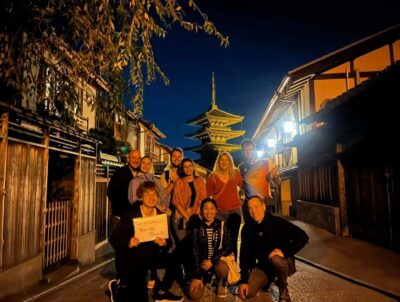
Gion Magical Night Walking Tour with Geisha Trivia
Read our review →
Kyoto Night Foodie Tour in Gion (9+ dishes + 6 Sake tastings)
Read our review →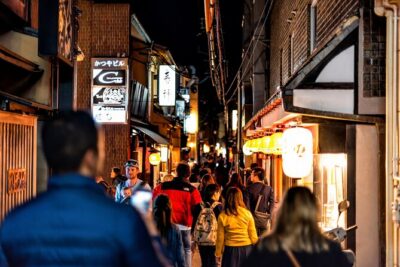
Kyoto Gion Night Walk & Geisha District Guided Tour
Read our review →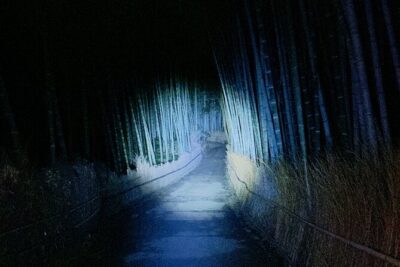
Kyoto Ghost Tour: Dark Tales, Urban Legends, Bamboo Forest Night
Read our review →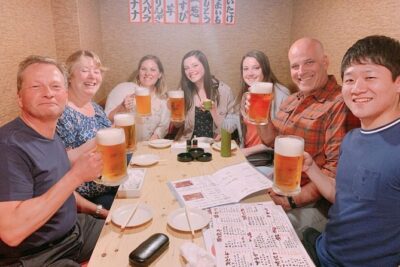
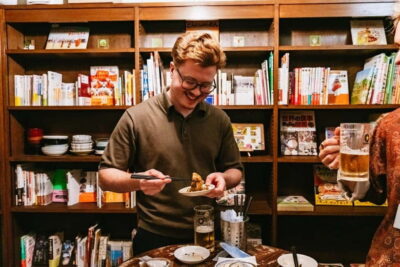
Kyoto Night All-Inclusive Eats and Streets, Gion and Beyond
Read our review →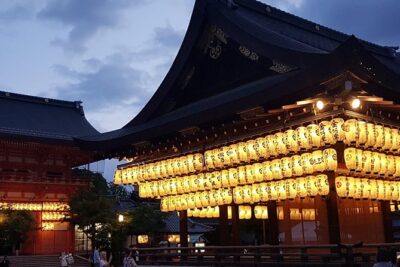
Kyoto Nighttime All-Inclusive Eats and Streets, Gion and Beyond
Read our review →Browse the lists this tour appears in