
Reviewed · KYOTO MATCHA EXPERIENCES
Kyoto Hidden Riverside Zen Mediation and Uji Matcha Experience
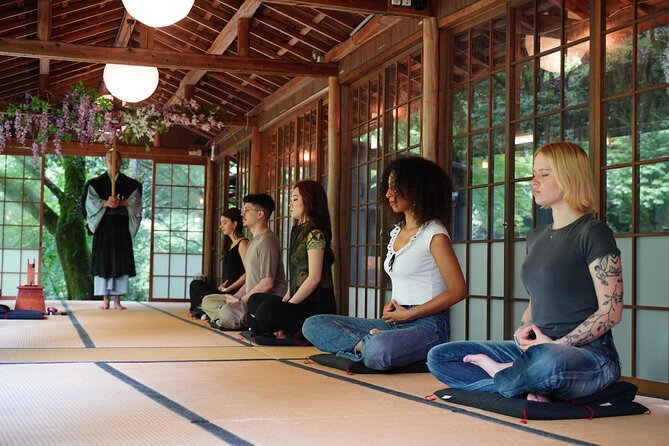
This experience takes Zen out of the temple hall and places it beside a quiet Kyoto river. You sit on an open-air deck with flowing water, trees, and fresh air around you, learning zazen as a practical skill rather than a formal religious performance.
I like the small group of up to 10 people and the plain, beginner-friendly approach. I also like the thoughtful ending: premium Uji matcha and seasonal wagashi give you time to settle before returning to sightseeing. The main consideration is that this is an outdoor activity, so poor weather can force a date change or cancellation.
Key points at a glance
- Riverside setting: Practice seated meditation outdoors, with the sound of moving water and seasonal scenery around you.
- Useful Zen instruction: Learn posture, breathing, attention, and ways to carry mindfulness into ordinary life.
- Experienced teacher: The Zen instructor has spent decades guiding practice at historic Kyoto temples and shrines.
- English support: An English-speaking cultural guide provides live interpretation and cultural context.
- Uji matcha finale: Finish with freshly whisked premium matcha and seasonal Japanese wagashi.
- Small and focused: The group has a maximum of 10 people, allowing for a quieter workshop.
Why a riverside deck changes the Zen experience
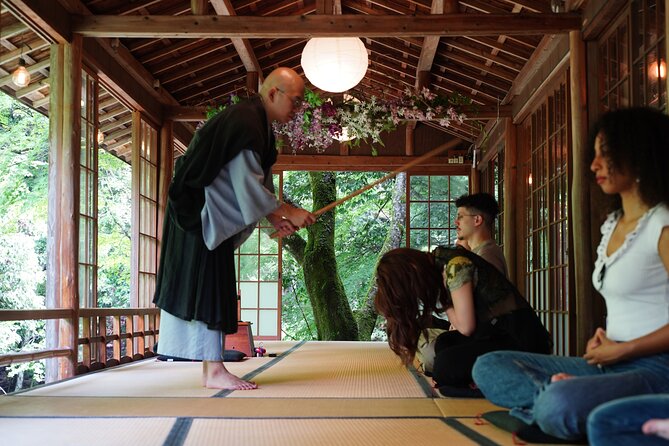
Most visitors picture zazen in a quiet temple room, seated in rows and surrounded by formal ritual. Here, the setting is different. You practice on an open-air riverside deck, where the water, breeze, trees, and changing season become part of the session.
I like this choice because it makes meditation feel less distant. You are not being asked to pretend that daily life has disappeared. Instead, you are learning to notice what is already happening around you and remain steady within it.
The river also gives the session a natural rhythm. Flowing water can help you pay attention without forcing silence. You may hear the breeze or notice the temperature on your skin. Those details are not distractions to be defeated. They become part of learning how to sit, breathe, and return your attention when the mind wanders.
This is especially useful if you are new to meditation. You do not need prior experience with Zen, temple customs, or Japanese religious practice. The workshop is built to explain the basics in approachable terms.
More tea days out in Uji:
- Uji: Green Tea Tour with Byodoin and Koshoji Temple Visits
★ 4.8 · 72 reviews - Uji: UNESCO Heritage & Tea Ceremony Walking Tour
★ 4.6 · 54 reviews - Matcha Grinding Experience and Walking Tour in Uji Kyoto
★ 5.0 · 26 reviews
Learning zazen without the pressure of temple formality
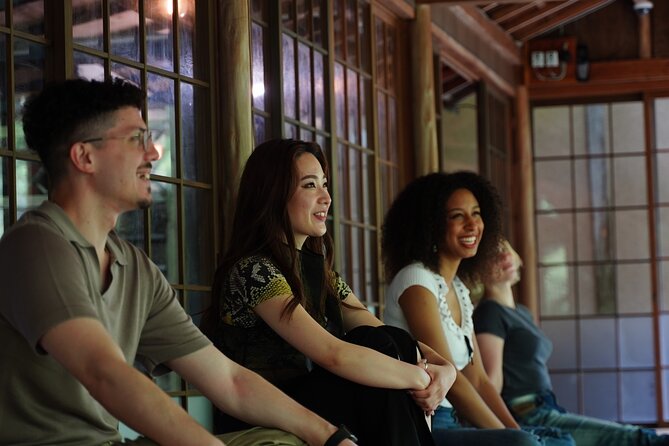
The central activity is zazen, or seated meditation. The instructor guides you through the foundations step by step, including how to sit and how to work with your breath and attention.
The focus is not on performing perfectly. That matters. Many first-time visitors worry about sitting still, using the right posture, or somehow doing meditation incorrectly. This workshop treats those concerns as part of the learning process rather than as reasons to stay away.
The session is also presented as a workshop, not just a period of silence. You receive context about what Zen practice is trying to do and how it can relate to ordinary moments. The goal is not to turn you into a monk in two hours. It is to give you a practical way to pause, notice your state of mind, and respond with more care.
The instructor has spent decades guiding practitioners at Kyoto temples and shrines. The supplied details do not give the teacher’s name, but that long background is important. You are not simply being shown a tourist-friendly breathing exercise. You are receiving an introduction shaped by years of actual Zen teaching.
At the same time, you should keep your expectations sensible. A two-hour workshop cannot reproduce a long temple retreat or a full course of Zen training. What it can do is give you a clear first step, especially if formal religious settings feel intimidating.
An English-speaking guide keeps the ideas clear
An English-speaking cultural guide accompanies the experience and provides real-time interpretation. That support is more useful here than it might be on a standard sightseeing walk.
Meditation instruction often depends on small distinctions. The difference between forcing your attention and gently returning to it can be easy to miss. Cultural ideas can also lose their meaning when translated word for word. Having interpretation during the session helps you understand both the practical instructions and the ideas behind them.
The guide also offers cultural insight, so you can place the practice within Japanese life without needing to guess at what is happening. This makes the activity suitable for English-speaking visitors who want more than a silent sitting session but do not want a lecture filled with technical terms.
Because the group is limited to 10 people, the format should feel more focused than a large class. The available information does not promise private instruction or individual coaching, so you should not assume that every participant receives extended one-on-one attention. Still, a small group is a useful middle ground: personal enough to feel calm, but not priced like a private retreat.
A practical lesson in mindfulness for daily life
The strongest part of the workshop is its everyday angle. Zen is not presented as something reserved for temples or special occasions. You are encouraged to consider how calm attention might fit into normal routines after your visit to Kyoto.
That could mean taking a slower breath before a busy decision, noticing your surroundings during a walk, or giving one task your full attention instead of rushing through several at once. The experience does not promise a permanent change after one session. It gives you a few ideas and a period of quiet in which to test them.
I find that approach more useful than a highly staged cultural activity. You are not only watching a demonstration. You are taking part in a practice and thinking about how it may apply beyond the riverside deck.
It also makes this experience a good counterweight to a packed Kyoto itinerary. Temples, gardens, markets, and train stations can fill a day quickly. Two hours spent sitting still may feel unusual at first, but that is part of its value. You get time to stop collecting sights and simply pay attention.
More matcha experiences in Kyoto:
- Kyoto: Arashiyama Bamboo Forest, Monkeys, Matcha & Temple Tour
★ 5.0 · 759 reviews - Kyoto: Tea Museum Tickets and Matcha Grinding Experience
★ 4.9 · 739 reviews - Kyoto: Tea Ceremony Meditation – Make Matcha with Tea Master
★ 4.8 · 406 reviews - Kyoto: Kimono Tea Ceremony with Matcha and Sweet
★ 4.9 · 249 reviews
Matcha and wagashi bring the session back to earth
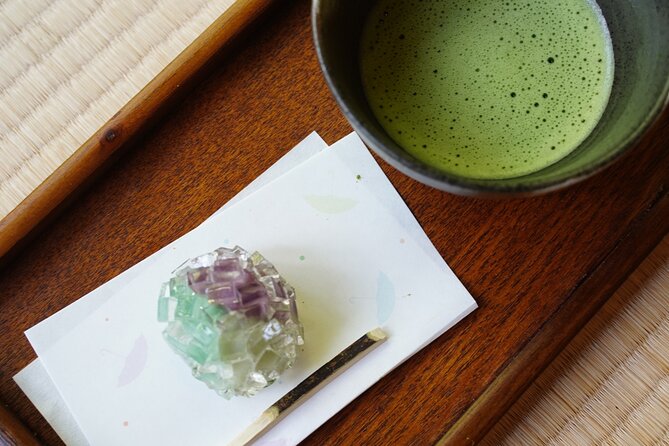
After the meditation workshop, you enjoy premium Uji matcha with seasonal wagashi, or Japanese sweets. The tea is freshly whisked, and the sweets change with the season.
This is not described as a formal tea ceremony, so you should not book it expecting an elaborate performance with every traditional movement explained. Instead, it is a quiet tea time that gives your mind and body a gentle transition back to the rest of your day.
The choice of Uji matcha is fitting. Uji, near Kyoto, is closely associated with high-quality Japanese tea, and matcha gives the closing moment a clear connection to the region. The seasonal wagashi add another small piece of Japanese culture, since their shapes and flavors often reflect the time of year.
The tea does not feel tacked onto the end. It completes the experience. After sitting quietly, you have a chance to talk, taste, and return to ordinary conversation without an abrupt shift. For me, this is one of the most appealing details for people who want a cultural activity with both reflection and pleasure.
What the two-hour schedule means for your day
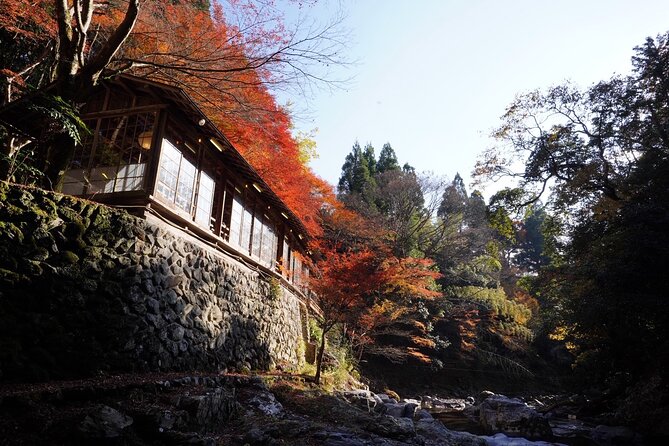
The experience lasts about two hours and begins at 35 Umegahata Tonohatachō in Kyoto’s Ukyo Ward. It ends back at the same meeting point.
That location matters when planning. You need to make your own way there because private transportation is not included. The meeting point is near public transportation, but the supplied information does not specify the exact train or bus route, so check the route from your accommodation before booking.
Allow extra time to reach the starting point. Kyoto’s transport network is manageable, but a riverside setting outside the busiest central sightseeing areas can take longer to reach than a temple near Gion or Kyoto Station. Arriving late could cut into the quiet opening of the workshop.
Since the activity returns to its starting point, you can plan another Kyoto stop afterward without arranging a separate pickup. Confirmation is provided at booking, and the experience uses a mobile ticket, which keeps the arrival process simple.
The schedule may be especially convenient in the morning, when the riverside setting is likely to feel at its calmest. The supplied information does not guarantee a specific start time or morning slot, so check the available departure when you reserve.
Weather, clothing, and the outdoor setting
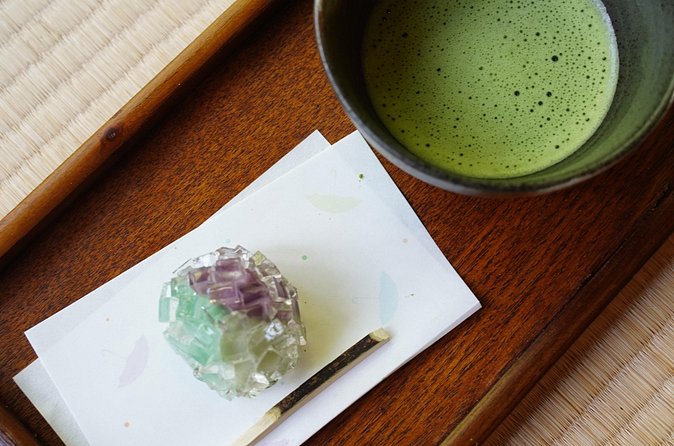
The outdoor location is the experience’s biggest strength, and also its main limitation. Fresh air and river sounds create an atmosphere that a temple room cannot copy. Bad weather, however, can affect the session.
The activity requires good weather. If it is canceled for that reason, you are offered another date or a full refund. That policy gives you protection, but it also means you should avoid placing this experience on the one day when your entire Kyoto schedule depends on it.
Wear clothing that allows you to sit comfortably. The supplied details do not specify the exact seating equipment, indoor backup plan, or temperature arrangements, so ask the provider if you have concerns about sitting outdoors. Service animals are allowed.
You should also consider the season. A riverside setting may feel very different in cool weather, heat, or light rain. The changing surroundings are part of the appeal, but outdoor comfort will affect how much you enjoy the meditation.
Is $105 a fair price?
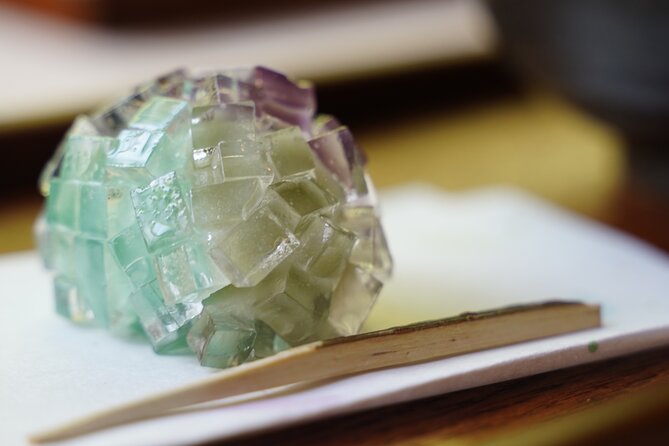
At $105 per person, this is not a budget activity. You are paying for more than a cup of matcha and a short meditation class.
The price includes the full Zen workshop, guidance from an instructor with decades of experience, English interpretation and cultural explanation, premium Uji matcha, and seasonal wagashi. The small maximum group size also helps explain the cost. This is a specialist cultural experience rather than a mass-market stop squeezed between major attractions.
I think the value is strongest if you are genuinely curious about Zen or want a calm, meaningful activity during a busy Kyoto visit. The price is harder to justify if you mainly want a traditional tea ceremony, a temple tour, or a quick photo stop. This is a learning experience first, with tea as the closing element.
You should also remember that transportation and gratuity are not included. There is no private transfer, so your total cost includes getting to and from the meeting point. Tips are not included either, and any gratitude for the instructor or guide is your responsibility.
The experience is booked, on average, about 14 days ahead. That is useful planning information for a small activity with a maximum of 10 people. If you know you want it, reserve before your Kyoto schedule fills up.
Who will appreciate this experience most?
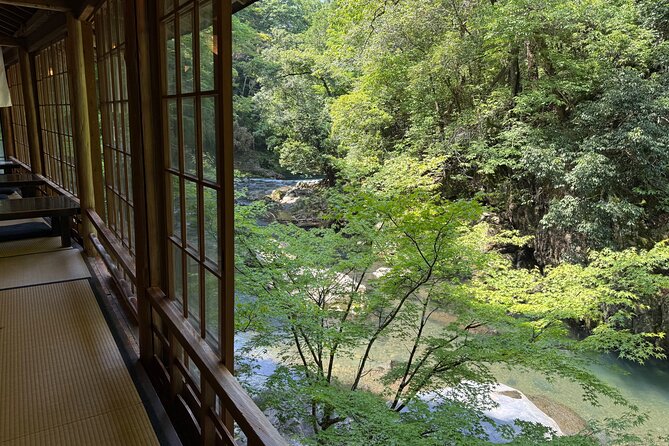
I would recommend it to first-time meditation students, repeat visitors who want a slower side of Kyoto, and anyone interested in how Zen ideas connect to ordinary life.
It also suits couples, solo visitors, and small groups who prefer a quiet cultural activity over another crowded attraction. The English-speaking guide makes the session accessible even if you know little about Japanese religious customs.
You may not enjoy it as much if you dislike sitting still, want a highly formal ceremony, or need a fully indoor activity. It is also not the best match for a tightly packed schedule far from Ukyo Ward, since reaching the meeting point takes planning and the activity itself asks you to slow down.
The small group and open-air setting make this feel more personal than a standard sightseeing stop. Still, do not expect a private retreat, a full tea ceremony, or a complete course in Zen Buddhism. The experience offers an introduction, not a lifelong apprenticeship.
Booking, cancellations, and the final call
You can cancel for a full refund up to 24 hours before the start time. Changes made inside that 24-hour window are not accepted, and cancellations within that period are not refunded. The provider may also cancel if the minimum number of participants is not reached, in which case you are offered another date or experience, or a full refund.
The strongest reason to book is the combination of serious instruction and an accessible setting. You get a real introduction to zazen without needing to enter a formal temple program, then close with excellent regional tea and seasonal sweets.
I would book this if you want your Kyoto itinerary to include one quiet, thoughtful experience and you can manage the trip to the riverside meeting point. I would skip it if you are looking for a quick cultural activity with guaranteed indoor comfort. For the right visitor, this may become the calmest and most memorable two hours of a busy Kyoto trip.
FAQ
How long does the Kyoto riverside Zen experience last?
The experience lasts approximately two hours.
Where does the activity begin and end?
It begins at 35 Umegahata Tonohatachō, Ukyo Ward, Kyoto, 616-8293, Japan. It ends back at the same meeting point.
Is transportation included?
Private transportation is not included. The meeting point is near public transportation, so you need to arrange your own route there and back.
Is the meditation suitable for beginners?
Yes. The workshop explains the basics of zazen step by step and presents Zen in an approachable way for people without prior experience.
Is the experience conducted in English?
An English-speaking cultural guide accompanies the session and provides real-time interpretation and cultural context.
What food and drink are included?
Premium Uji matcha and seasonal wagashi are served after the meditation session. Coffee and tea are included, but the experience specifically highlights freshly whisked Uji matcha.
What happens if the weather is poor?
The experience requires good weather. If it is canceled because of poor weather, you are offered a different date or a full refund.
More Zen Sittings in Kyoto
- Kyoto Zen Meditation & Garden Tour at a Zen Temple with Lunch
★ 5.0 · 441 reviews - Kyoto: Zen Experience in a Hidden Temple
★ 5.0 · 437 reviews - Kyoto: Zen Meditation at a Private Temple with a Monk
★ 5.0 · 202 reviews - Kyoto: Zen Garden, Zen Mind (Private)
★ 5.0 · 126 reviews
Newest Kyoto experiences on the site
- Treasures of Kyoto: Gion & historical Walking Tour★ 5.0 · 6 reviews
- Whisk Your Own Matcha: A Zen Matcha Experience at Temple★ 3.6 · 7 reviews
- Kyoto tea town for matcha lovers★ 5.0 · 16 reviews
- Uji: Private immersion into Kyoto’s tea and reglious culture★ 5.0 · 17 reviews
- Kyoto Matcha Green Tea Tour★ 4.5 · 23 reviews
- Uji and Wazuka Matcha Farm Half Day Private Guided Tour★ 5.0 · 21 reviews
- Utilising upcycled Matcha! Creating matcha incense (Uji, Kyoto)★ 5.0 · 6 reviews
- Sacred Temple Yoga Experience in Japan★ 5.0 · 3 reviews
Kyoto Matcha Experiences, compared.
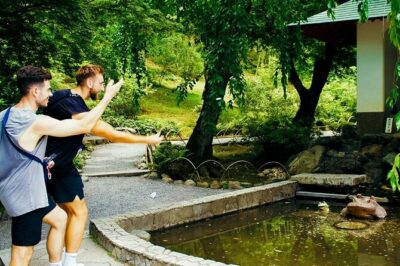
Arashiyama Bamboo Forest, Monkeys, Matcha & Temple Tour
Read our review →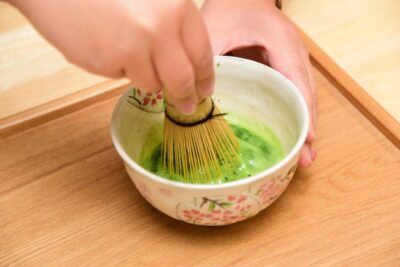
Tea Museum Tickets and Matcha Grinding Experience
Read our review →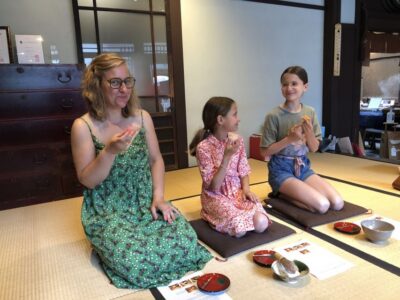
Tea Ceremony Meditation – Make Matcha with Tea Master
Read our review →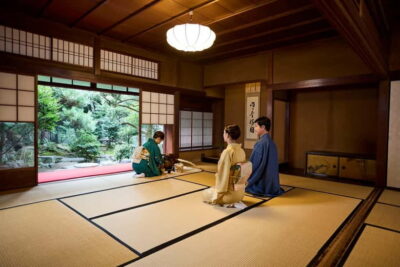

Arashiyama Bamboo, Temple, Matcha, Monkeys & secret spots
Read our review →
Traditional Tea Ceremony with Matcha & Sweets in Gion
Read our review →Browse the lists this tour appears in