Reviewed · GUIDED
Kyoto 4hr Private Tour with Government-Licensed Guide
Kyoto is too large and historically layered to see properly by simply ticking off famous places. This four-hour private tour lets you choose two or three sights, then gives you a local guide to explain what you are seeing and handle the city’s trains, buses, and walking routes. Guides such as Yuka, Tomy, Yuri, and Nabet have helped visitors fit a surprising amount into a short afternoon.
I like the custom itinerary, which lets you focus on your interests instead of following a fixed route. I also like the practical hotel pickup and the help with public transportation, especially when you are trying to reach places such as Fushimi Inari, Kinkakuji, or Kiyomizu-dera on a tight schedule. The main caution is time: four hours is enough for a smart introduction, not a grand tour of Kyoto, and some guides may explain history in English more clearly than others.
Key points to know before booking
- Choose two or three sights: The tour is designed around a short, realistic list rather than every attraction in Kyoto.
- Meet at your hotel on foot: Pickup is offered within the designated Kyoto area, but a private vehicle costs extra.
- Use local transport: Your guide can help with trains, buses, taxis, and walking routes, with transport fares paid separately.
- Expect entrance fees: Tickets for places such as Nijo Castle, Kiyomizu-dera, Kinkakuji, and Ryoanji are not included.
- Private means private: Only your group participates, so the pace and sightseeing choices can be adjusted.
- Strong overall record: The experience is rated 4.9 out of 5 from 629 ratings, with 97 percent recommending it.
Why a short private tour works well in Kyoto
Kyoto rewards context. At a shrine, you may notice a red gate, a stone basin, or a quiet ritual, but a guide can explain how each part fits into Japanese religious life. At a castle, the polished floors and painted panels make more sense when you know how the shogun used the building to control powerful lords.
That is the real value here. You are not paying only for transportation from one sight to another. You are paying for a person who can help you choose a route, explain customs, and keep four hours from disappearing in a station or on the wrong bus.
The private format is especially useful for families, couples, and small groups with different interests. One family used the time for a kimono experience and samurai-related details for a child. Another group needed taxis arranged when the heat became too much. Guides can adjust in ways a large scheduled group usually cannot.
Still, do not treat the long list of possible sights as a promise that you will see them all. The choices range from central Kyoto to Uji, the northern mountains, and Arashiyama. In four hours, two nearby major sights make sense. Fushimi Inari plus Kiyomizu-dera can work with careful planning. Fushimi Inari, Kinkakuji, Arashiyama, and Byodoin in one outing would be rushed and impractical.
A few more Kyoto tours worth putting on the shortlist
- PERFECT KYOTO 1-Day Bus Tour
★ 5.0 · 13,518 reviews - Kyoto: Fushimi Inari, Kinkakuji, Bamboo Grove 1 Day Bus Tour
★ 4.8 · 4,316 reviews - Kyoto: Tea Ceremony in a Traditional Tea House in Kiyomizu
★ 4.9 · 3,519 reviews
What you can expect from the guide
You meet your English-speaking, nationally licensed guide at your hotel or another agreed point within the designated Kyoto area. The pickup is on foot, so this is not a chauffeur service unless you pay extra for a private vehicle.
Before setting out, discuss what matters to you. You can ask for temples, shrines, traditional neighborhoods, food, gardens, history, family-friendly stops, or help getting around. Guides have built routes around Fushimi Inari and Kinkakuji, eastern Kyoto, Gion and Nishiki Market, and quieter temple areas away from the busiest streets.
The strongest part of the experience is often the guide’s practical help. Tomy has guided visitors through shrines, street food areas, Gion, and the subway. Mizu used the subway while providing historical materials. Yuri helped one family with trains and buses, then arranged taxis when the heat and long day became difficult.
English ability and teaching style can vary from guide to guide. Many guides, including Yuka, Satoko, Olive, Masa, Akira, and Nabet, are praised for clear explanations and warm conversation. One lower-rated experience raised concerns about historical depth and language clarity. That is worth keeping in mind when you book, especially if detailed history is your main reason for taking the tour.
Fushimi Inari and the temples of southeastern Kyoto
Fushimi Inari-taisha is a natural choice for a first visit. Its famous path of vermilion torii gates climbs into the wooded hills, but the shrine is more than a photo stop. A guide can explain the connection between Inari worship, fox imagery, business success, and the thousands of donated gates.
The practical issue is crowding. The lower section is usually the busiest part, while the route becomes quieter as you walk farther uphill. You will not have time to complete the full mountain route during a short city tour, so ask your guide to match the walk to your energy and interests.
Nearby options include Tofuku-ji and Toji. Tofuku-ji is a major Zen temple, especially appealing in autumn when its maple trees turn color. Toji, known as the East Temple, dates to the early Heian period and offers a different view of Kyoto’s early religious development.
Fushimi Inari also pairs well with Kiyomizu-dera if you want two signature sights. It pairs less well with far-western Kyoto unless you are willing to spend much of your time moving between them.
Kiyomizu-dera, Higashiyama, and Gion
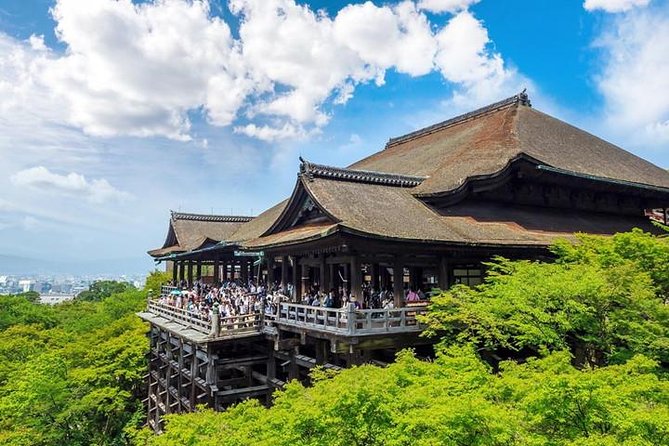
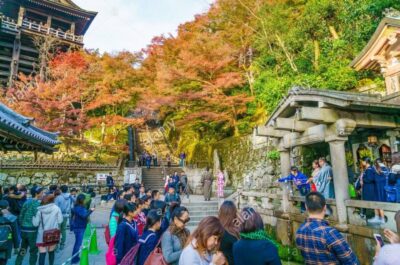
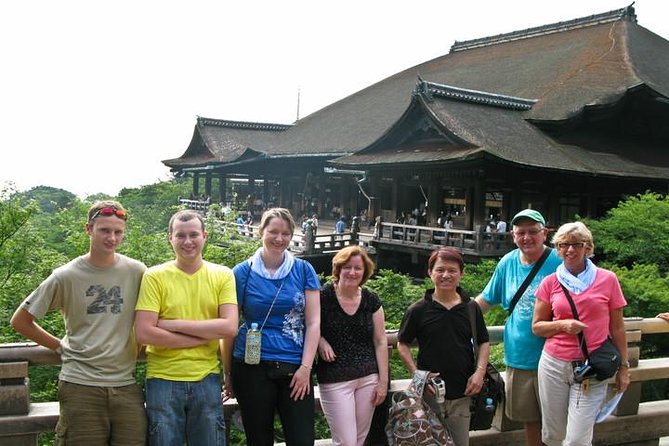
Kiyomizu-dera is one of Kyoto’s most popular temples, and its wooden stage gives the visit a strong visual payoff. The surrounding Higashiyama district adds old lanes, traditional buildings, small shops, and a sense of historic Kyoto that is easy to miss when you rush from one major temple to another.
This area involves hills and plenty of walking. Comfortable shoes matter. One itinerary covered three highlights but required a lot of walking, while another visitor recorded more than 20,000 steps during a longer day built around Kyoto sightseeing. Your four-hour outing may be shorter, but the terrain still deserves respect.
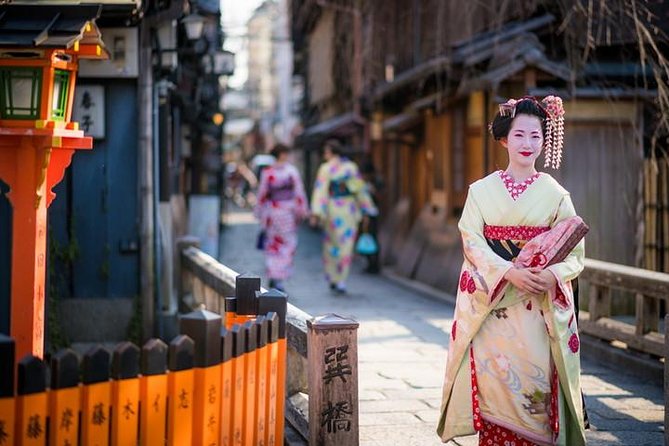
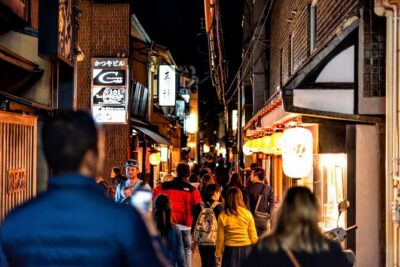
Gion brings a different mood. Its narrow lanes and traditional architecture are best approached with care and courtesy. A guide can help you understand the district without treating it as a stage set, and can point out the difference between public streets, restaurants, tea houses, and private spaces.
Kennin-ji is a useful Gion-area addition. It has spacious grounds and dry gardens close to Hanamikoji and Shijo streets. Choosing it instead of a distant attraction gives you more time to walk and talk rather than sit in transit.
Same city, a completely different kind of day:
- Kyoto Geisha Walking Tour: Gion District & Hidden Gems
★ 4.7 · 3,273 reviews - Kyoto: Tea Ceremony Ju-An at Jotokuji Temple
★ 4.9 · 3,207 reviews - Kyoto: Gion Magical Night Walking Tour with Geisha Trivia
★ 4.9 · 2,393 reviews - Kyoto: 45-Minute Tea Ceremony Lesson Experience
★ 4.3 · 2,378 reviews
Nishiki Market and central Kyoto
Nishiki Market is known as Kyoto’s Kitchen, a narrow shopping street lined with more than 100 shops and restaurants. It is a good choice if you want food, local products, and everyday Kyoto alongside temples and imperial buildings.
The market is not a formal tasting tour, and food purchases are your responsibility. Still, a guide can help you understand unfamiliar ingredients, point out local specialties, and explain market manners. A short stop here works particularly well for visitors who have already seen several temples and want a change of pace.
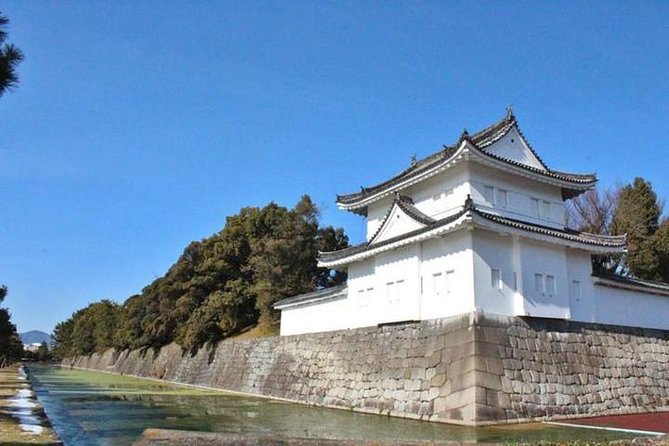
Nijo Castle provides the clearest political contrast. Built in 1603 as Tokugawa Ieyasu’s Kyoto residence, it brings the Edo period to life through grand rooms, painted screens, gardens, and the famous nightingale floors designed to make footsteps audible.
The castle’s admission fee is extra, as are tickets at many of Kyoto’s major sights. If you choose Nijo Castle, Kiyomizu-dera, or Kinkakuji, budget for entrance costs in addition to the tour price. Four hours may allow two major paid sites, but trying to add Nishiki Market and Gion as well could make the visit feel hurried.
Kinkakuji, Ryoanji, and northwestern Kyoto
Kinkakuji, the Golden Pavilion, is one of Kyoto’s most recognizable buildings. Its upper floors are covered in gold leaf, and the pavilion is viewed across a pond within a garden setting. The visit is visually rewarding, but the grounds can be crowded and the route is controlled, so this is not a place where you linger everywhere.
A guide adds useful background about Ashikaga Yoshimitsu, the pavilion’s original owner, and the building’s role in the Muromachi period. The entry fee is not included.
Ryoanji offers a quieter, more reflective experience, centered on Japan’s best-known rock garden. It is a better pick for someone interested in Zen design, simplicity, and gardens than for someone seeking a long list of grand buildings.
Ninna-ji is another option in this part of town. It is a World Heritage temple and the head temple of the Omuro school of Shingon Buddhism. These northern sights can form a logical group, but they do not combine efficiently with Fushimi Inari or Byodoin during a four-hour tour.
Arashiyama and the western temple route
Arashiyama is popular for good reason, though it is also one of Kyoto’s most heavily visited districts. The Togetsukyo Bridge, bamboo groves, and Tenryu-ji create a classic western Kyoto route.
The bamboo path is pleasant, but the most photographed stretch can feel crowded. Your guide can help you use the limited time wisely, but do not expect the grove to be empty or silent. Tenryu-ji gives the area more substance, with its major Zen temple grounds and garden.
If you want a longer, quieter walk, the nearby temples offer plenty of choices. Jojakko-ji and Nison-in have wooded paths and hillside settings. Gio-ji is known for its moss garden and small thatched buildings. Adashino Nenbutsu-ji has stone figures connected with memorial practices, while Otagi Nenbutsu-ji is known for its 1,200 distinctive stone statues.
These places are excellent for a dedicated Arashiyama day, but too many stops will work against the four-hour format. Okochi Sanso Garden, Tenryu-ji, and the bamboo grove alone can fill a half-day once walking is included.
The imperial villas, Uji, and northern mountains
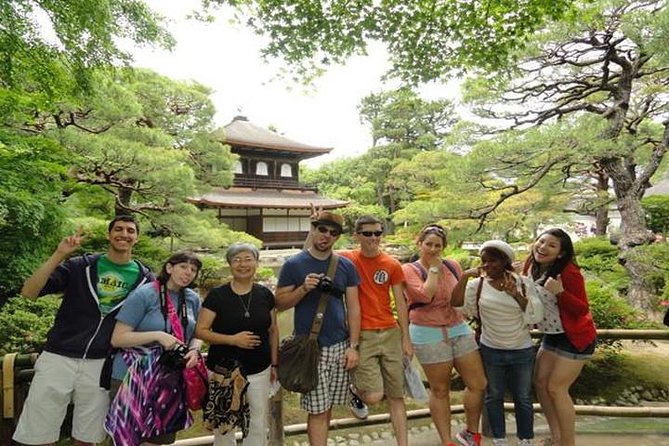
The tour can also be shaped around less central sites, though you need to plan carefully. Katsura Imperial Villa is celebrated for its architecture and garden design. Shugakuin Imperial Villa spreads across upper, middle, and lower villa areas and is managed by the Imperial Household Agency.
These are not casual drop-in stops in the same way as a market or neighborhood. Ask about access and timing before building your short tour around them. The information provided confirms the sites as possible choices, but does not promise a particular admission arrangement.
Byodoin Temple is in Uji, outside central Kyoto, so extra travel time is expected. Its Phoenix Hall is a National Treasure and part of a World Heritage site. It is a strong choice for repeat visitors or anyone especially interested in Buddhist architecture, but it is not sensible to combine with several central Kyoto highlights in four hours.
Kibune and Kurama-dera take you into Kyoto’s northern mountains. Kibune developed around Kifune Shrine in a forested valley, while Kurama is known for Kurama-dera and its hot spring. These areas offer a different side of Kyoto, but distance is the issue. Choose them for a focused half-day, not as an add-on to Kinkakuji, Gion, and Fushimi Inari.
Price, transport, and what you actually pay
The listed price is $109.43 per person. For a private four-hour service with a licensed local guide, that can be a fair value, particularly if you are splitting the cost among several people or have only one day in Kyoto.
The price does not include transportation, entrance fees, lunch, or personal purchases. You may use trains, buses, or taxis, and you pay those fares directly. A private vehicle is an upgrade, not part of the standard tour.
This matters because Kyoto sightseeing costs are not limited to the booking price. Add temple admission, local transport, and perhaps a snack or meal at Nishiki Market. The basic format is best for people comfortable using public transit and walking. The vehicle upgrade makes more sense for visitors with mobility concerns, families managing young children, or groups trying to limit time spent changing trains and buses.
The tour has a free cancellation policy if you cancel at least 24 hours before the start time. Changes or cancellations made within 24 hours are not accepted for a refund.
Who will get the most from this tour
I would choose this experience for a first visit when I wanted a fast, informed orientation without surrendering control of the day. It also fits a cruise stop, a short Kyoto stay, or a family group that needs someone to keep the route practical.
It is especially useful if you are unsure how Kyoto’s transport system works. Guides have helped visitors move through subway stations, trains, and buses while explaining signs and choosing sensible connections. That can save time and reduce stress.
I would be more cautious if you want a slow temple retreat, a specialist art history lecture, or a fully organized vehicle tour. Four hours goes quickly, and the standard arrangement is a walking tour with public transportation. Also, the guide is assigned rather than selected by name, so the exact style and depth of English explanation cannot be guaranteed.
Bring water and wear comfortable shoes. Summer heat has affected the pace of past outings, and rain has not stopped the tours, but it can make long walks less pleasant. A Suica card and some yen cash are practical suggestions drawn from the experience of getting around Kyoto, though transportation remains your own expense.
Should you book the Kyoto private tour?
Book it if you want two or three carefully chosen Kyoto sights, clear cultural explanation, and help getting around without joining a large group. The high overall rating, private format, hotel meeting point, and adaptable routes make it a useful first-day introduction.
Do not book it expecting to see every famous temple in one afternoon. Pick a compact area, tell the operator what matters to you, and accept that entrance fees and transit come separately. If you do that, the tour can turn a confusing first look at Kyoto into a well-paced start, with useful ideas for the rest of your stay.
FAQ
How long does the Kyoto private tour last?
The tour lasts approximately four hours.
How many attractions can I choose?
The tour includes a customizable plan built around two or three sites from the available choices.
Is hotel pickup included?
Yes. The guide meets you at your hotel on foot within the designated Kyoto area. This is not standard private-car pickup.
Is transportation included in the price?
No. Train, bus, taxi, and other transportation fees are paid separately. A private vehicle can be arranged for an additional cost.
Are entrance fees included?
No. Entrance fees are generally not included. The information specifies additional admission costs for sites such as Nijo Castle, Kiyomizu-dera, Kinkakuji, Ginkakuji, Ryoanji, and many other temples and villas.
Is this a private group tour?
Yes. Only your group participates, and you cannot combine multiple tour groups.
Can I cancel for a full refund?
Yes, if you cancel at least 24 hours before the experience start time. Cancellations or changes made less than 24 hours before the start time are not refunded.
Newest Kyoto experiences on the site
- Treasures of Kyoto: Gion & historical Walking Tour★ 5.0 · 6 reviews
- Whisk Your Own Matcha: A Zen Matcha Experience at Temple★ 3.6 · 7 reviews
- Uji: Private immersion into Kyoto’s tea and reglious culture★ 5.0 · 17 reviews
- Kyoto tea town for matcha lovers★ 5.0 · 16 reviews
- Kyoto Matcha Green Tea Tour★ 4.5 · 23 reviews
- Uji and Wazuka Matcha Farm Half Day Private Guided Tour★ 5.0 · 21 reviews
- Utilising upcycled Matcha! Creating matcha incense (Uji, Kyoto)★ 5.0 · 6 reviews
- Sacred Temple Yoga Experience in Japan★ 5.0 · 3 reviews
Guided, compared.
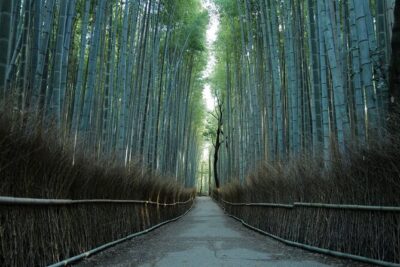
Kyoto Early Morning Tour with English-Speaking Guide
Read our review →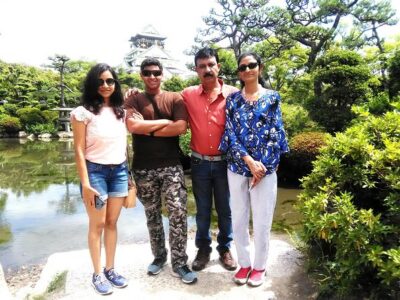
Kyoto 6hr Private Tour with Government-Licensed Guide
Read our review →Early Morning Tour with English-Speaking Guide
Read our review →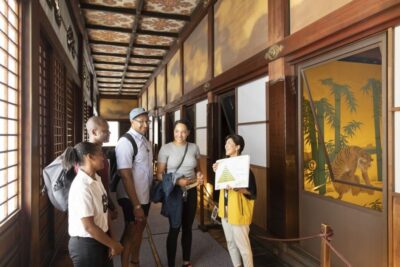
Nijo-jo Castle and Ninomaru Palace Guided Tour
Read our review →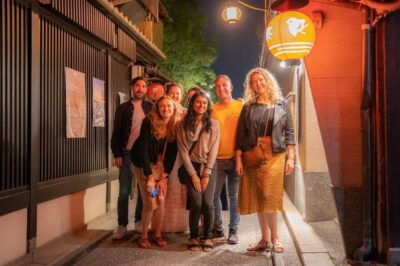
Kyoto Gion Night Walk & Geisha District Guided Tour
Read our review →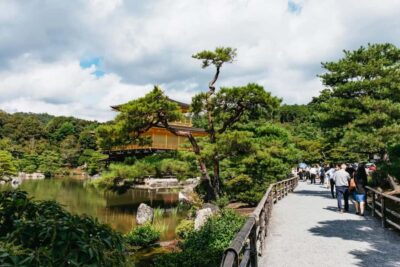
Nijo Castle, Kiyomizu & Fushimi Inari Guided Tour
Read our review →